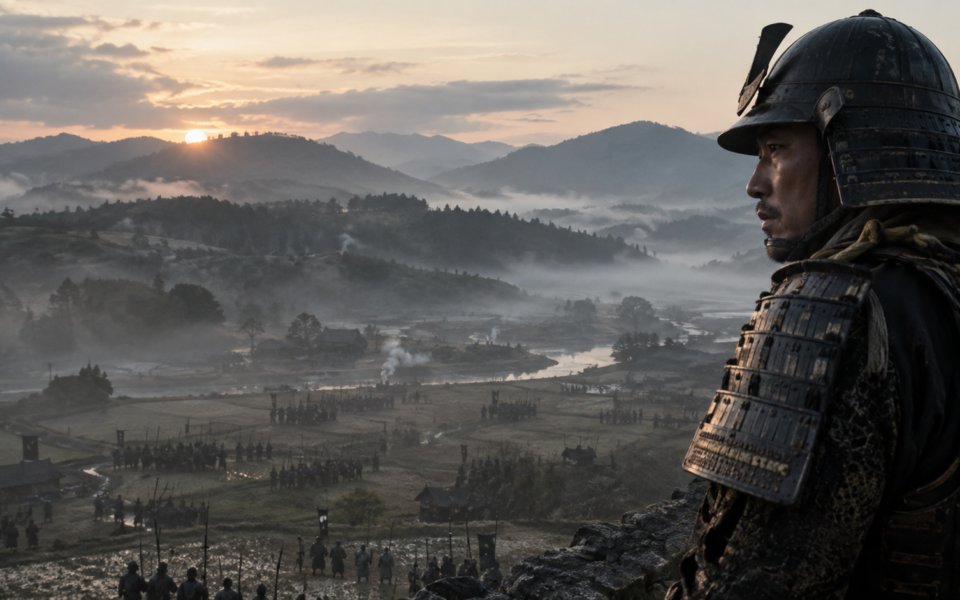
Kamakura answered an order from Kyoto with an army. Retainer relationships, a continuing political base and one land document reveal what followed victory.
When From Kamakura politics after 1199 through the Jōkyū War of 1221 to Go-Toba’s death in Oki in 1239; documentary dates retain the historical Japanese calendar.
Where Kamakura in eastern Japan, Kyoto and Rokuhara, the lands named in a shogunate directive, and Oki’s Nakanoshima.
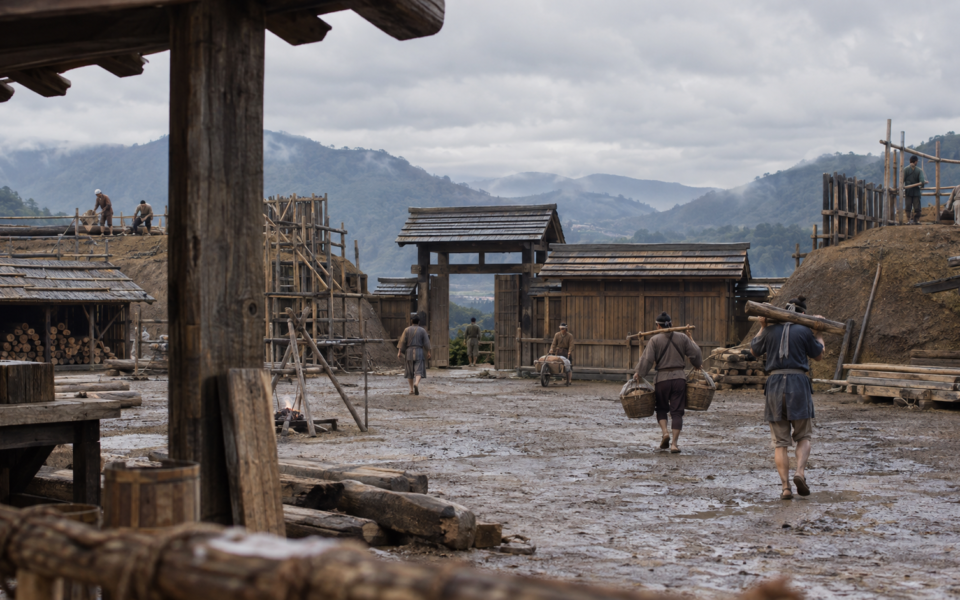
Where did the defenders meet the army arriving by sea? Follow Torikai’s waterside, the camp at Sohara and the paths traveled by warriors before the later stone defenses.
When Before and during the invasion of 1274; stone defenses built in 1276; the second invasion of 1281; later excavation, including 1968–1971.
Where Tsushima and Iki as earlier stages; Hakata Bay’s Momochi coast, Akasaka, Torikai and Sohara; the scroll route from Hakozaki; the later defenses from Imazu toward Kashii.
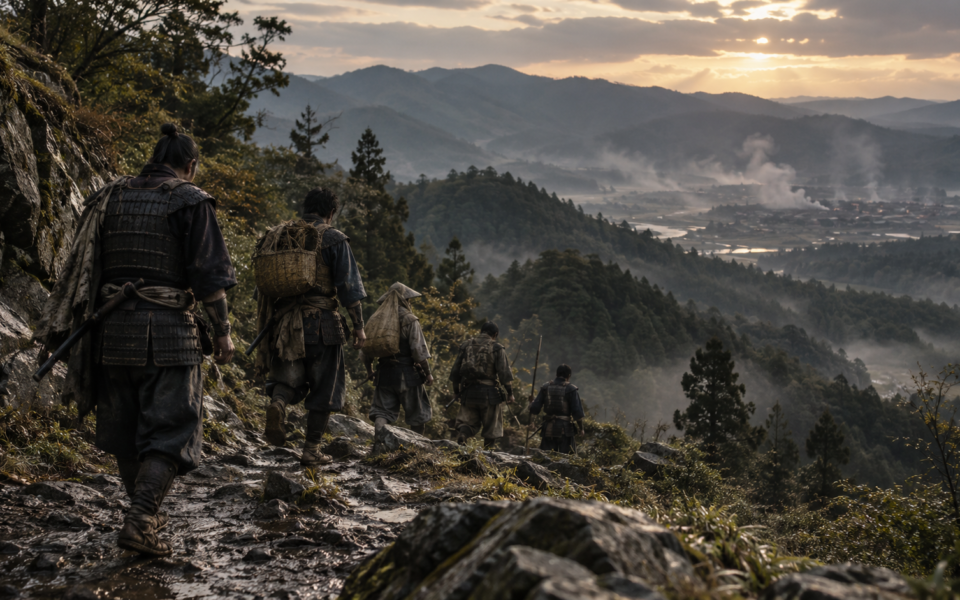
Defeat at Katsunuma, reorganization in a village and a brief stay at Nagareyama: follow the commander’s final period through changing places and the people who sustained the unit.
When 1834 birth; journey to Kyoto in 1863; shogunate service from 1867; the final movements and execution in 1868. Keiō 4 month-and-day dates remain in the contemporary Japanese calendar.
Where Kamiishihara and Tama; Kyoto; Edo and the road toward Kōfu through Katsunuma; Gohē Shinden; Nagareyama; Itabashi.
Yae took up a firearm; Takeko headed toward the castle. Follow their different paths from Aizu in 1868 toward Kyoto classrooms and the learning of nursing.
When Aizu in 1868; Yae’s move in 1871 and later Kyoto activities; Red Cross membership from 1890 and subsequent relief; institutional training milestones in 1890 and 1896.
Where Inside Tsuruga Castle and the roads toward it; Hokaiji Temple in Aizubange; Kyoto’s places of education; the later settings of Red Cross study and relief.
The shogunate responded, but negotiation with Satsuma remained. Follow the incident, demands, arrival and fighting through the time around the gunfire.
When The Namamugi Incident in 1862, the fighting in 1863, earlier industrial work from 1851, and facilities dated 1865 and 1867. Bunkyū month-and-day dates retain the historical calendar.
Where The Tōkaidō at Namamugi, now in Yokohama’s Tsurumi Ward; political journeys through Kyoto and Edo; Kagoshima Bay, Hirakawa, Maenohama and the Shūseikan setting.
A mountain base was lost, yet commands could be issued again. Follow Kasagi, Chihaya and Mount Senjō between 1331 and 1333.
When 1331–1333, with month-and-day dates retained in the historical calendar; later literary transmission, excavation and modern institutional explanations.
Where Kasagi and the Kyoto region; Kawachi and Chihaya; Oki and Hōki’s Mount Senjō; Shinomura Hachimangū; Kamakura and Tōshōji.
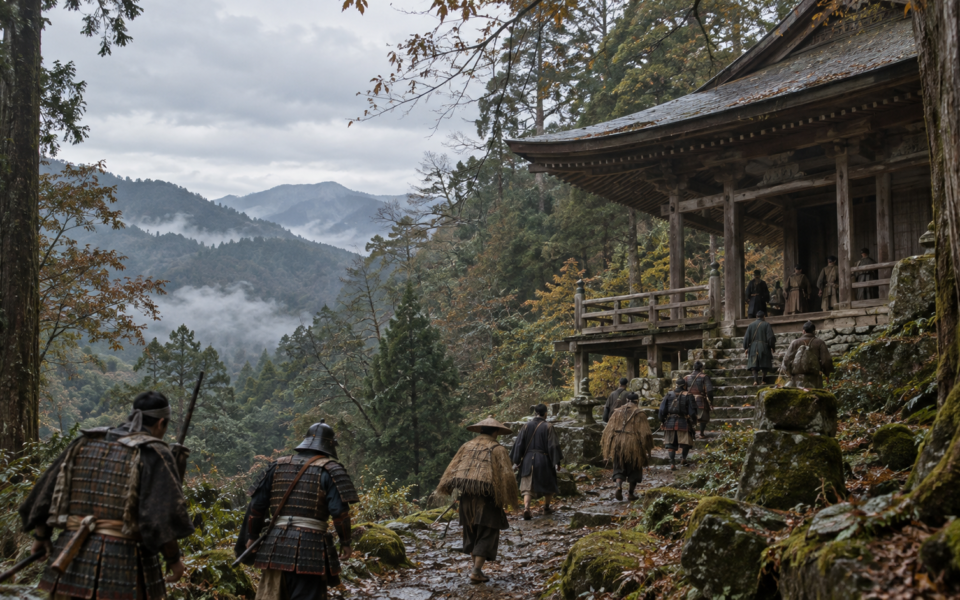
Those who faced pursuit, those who stayed beside the commander, and those who returned by another path: follow the time after the battlefield.
When Sekigahara in 1600; dates in the Keichō-era historical calendar; later transmission, modern publication and present-day regional connections.
Where Sekigahara and Kamiishizu; mountainous country toward Ōmi; the provinces named in the service document; the return toward Satsuma in southern Kyushu.
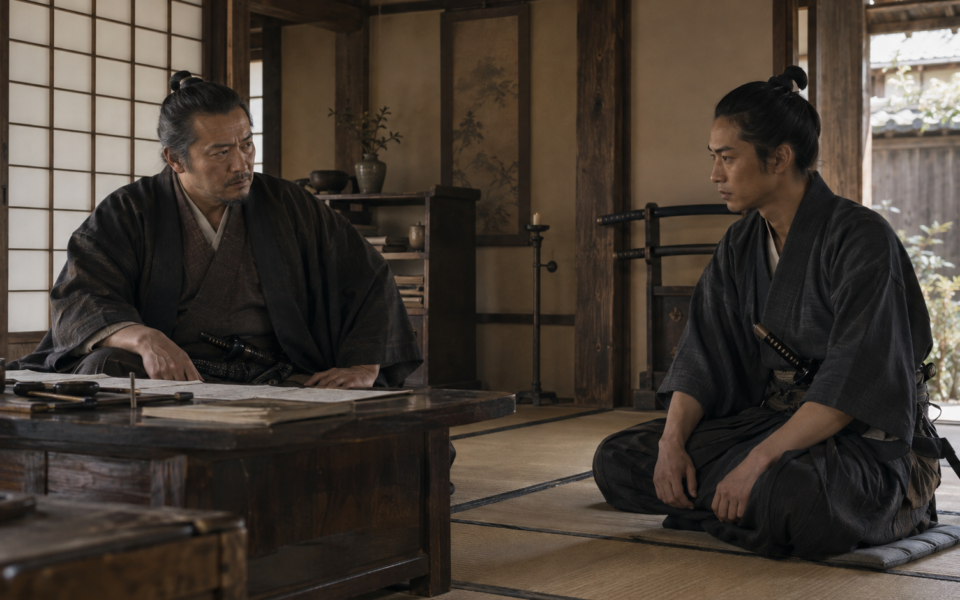
Two names in early correspondence. One leader’s account of the work that followed. Read the changing organization through its surviving records.
When Bunkyu 3, the Japanese year corresponding to 1863: remaining in Kyoto, early letters, sixth-month reports, the eighth-month upheaval, ninth-month deaths and tenth-month correspondence. Numbered dates retain the older calendar. Later memorials date to 1931 and 1971.
Where Mibu in Kyoto, where the Yagi and Maekawa households provided quarters; Osaka, the setting of the joint reports; Serizawa’s place of origin in present-day Namegata, Ibaraki.
Build. Move. Depart. Follow Katsuyori’s territory through the brief use of his last residence.
When Administrative documents from 1573 onward; Takatenjin in 1574 and 1581; Nagashino in 1575; move to Shinpu in 1581; departure, deaths and later reuse in 1582. Month and day numbers retain the older Japanese calendar.
Where Shinpu in Kai, present-day Nirasaki in Yamanashi Prefecture; Takatenjin in Totomi, present-day Kakegawa in Shizuoka Prefecture; Tano in present-day Koshu, Yamanashi.
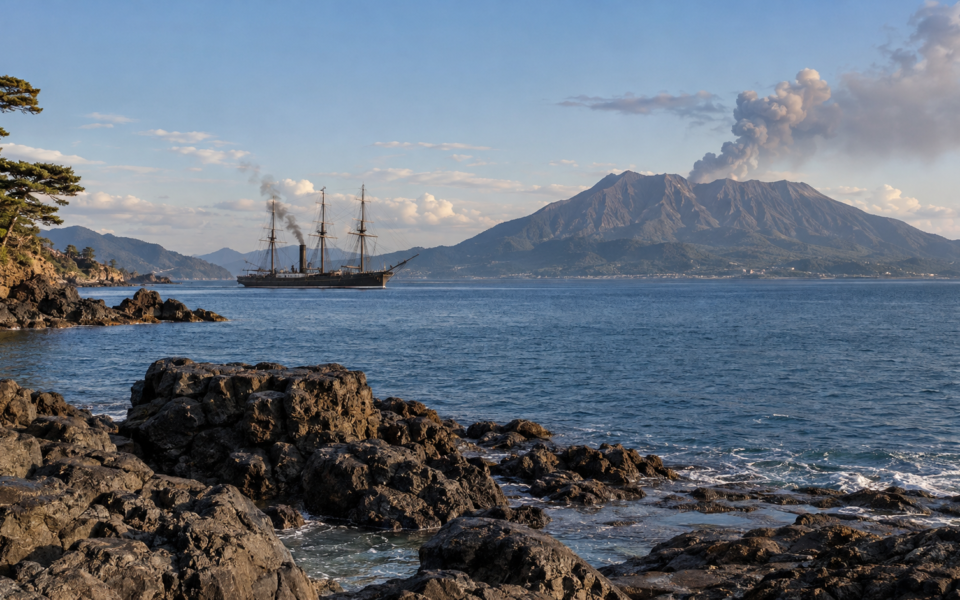
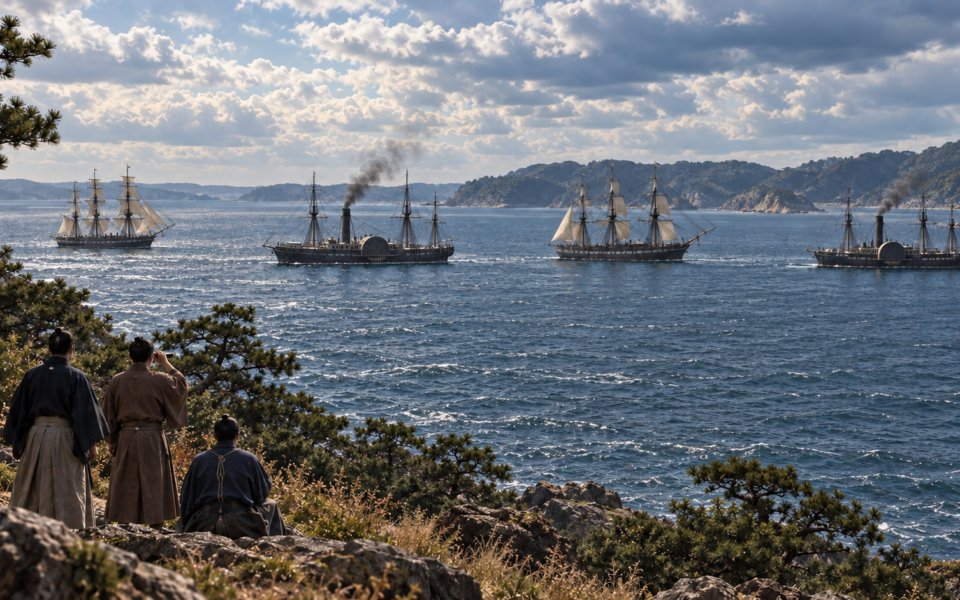
Direct the fleet to Nagasaki. Receive a presidential letter. Follow the work of negotiation along the shore that met four ships.
When Foreign information from the 1840s; arrival and letter in 1853; amity in 1854; commerce in 1858. Accounts published in 1856 and 1892 are dated separately.
Where Uraga and Kurihama on the coast of present-day Yokosuka, Japan; Edo Bay and the following year’s negotiations at Yokohama.
Beyond the battlefield, negotiations, trade and the imperial court shaped the road into the Tokugawa era.
When 1598–1615; the battle date is 21 October 1600 Gregorian. A historical compilation completed in 1842 is considered separately.
Where Sekigahara in present-day Gifu Prefecture, Japan, with Kyoto, the Shimazu territories and overseas correspondence entering the later political account.