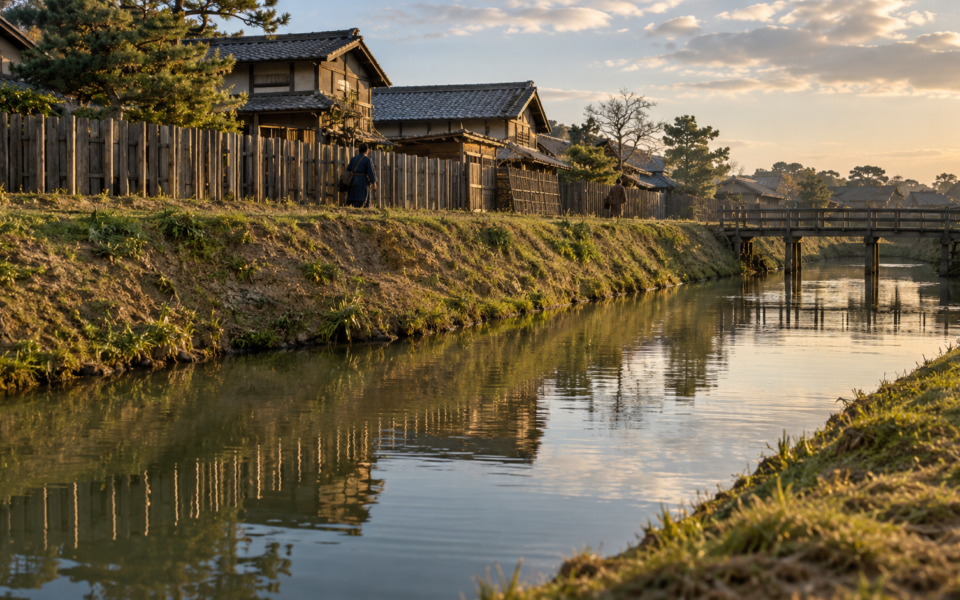
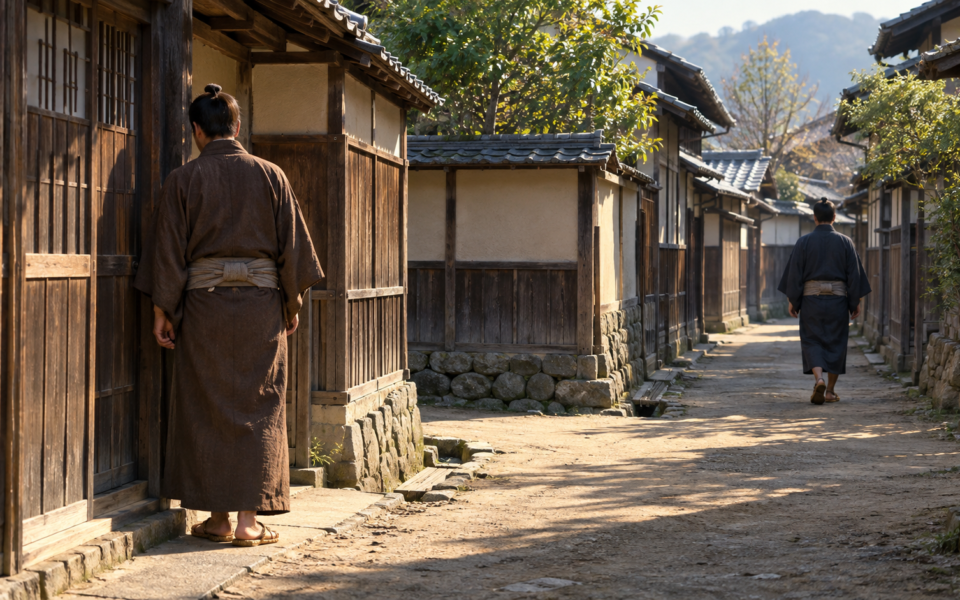
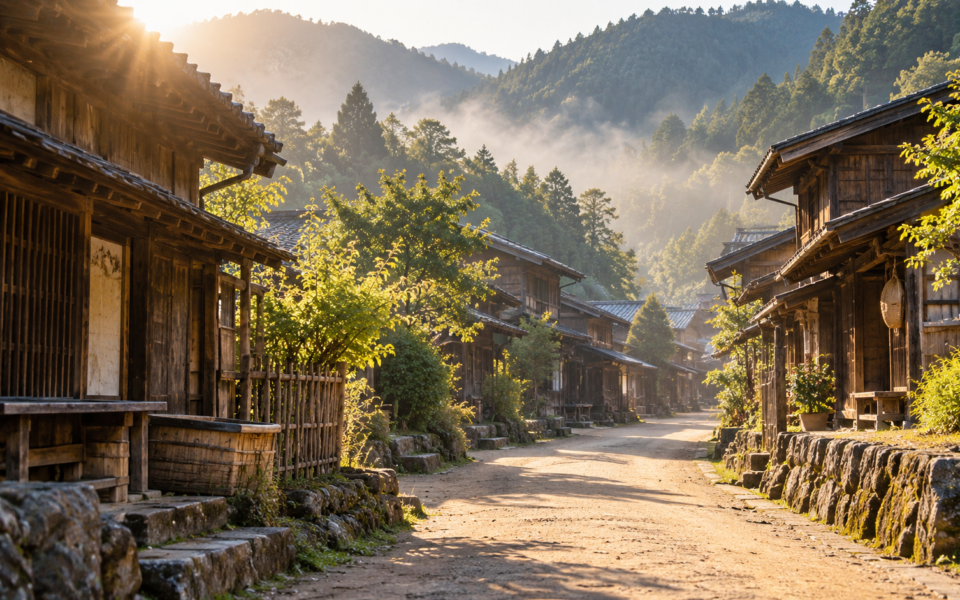
Victory, defeat, renewed activity and remembrance: follow the warrior who attacked Kamakura through the fighting that continued in Echizen.
When The family landscape from the mid-twelfth century; Yoshisada’s 1333–1338 career; seventeenth-century and later remembrance. Medieval months and days remain in the historical calendar.
Where Nitta-shō around Ōta, Kamakura, Harima and the Hyōgo coast, then Kanegasaki near Tsuruga and the Echizen setting of renewed activity and death.
Imperial rivalry, divided relatives and a severe aftermath: trace the relationships of 1156 without imposing the later Minamoto–Taira conflict upon them.
When 1156 and its aftermath, compared with 1159; a 1624 printed item, later Edo–Meiji memorial history and a 1939 marker are identified separately.
Where Kyoto, particularly the Shirakawa residence associated with Sutoku; Sanuki as the destination of his exile; later memorial sites and a university collection provide different kinds of evidence.
Court office, Kyoto residences and Inland Sea ports: follow Kiyomori’s career while distinguishing completed works from plans thought to have remained largely unrealized.
When From the family succession of 1153 through the conflicts of 1156 and 1159, office in 1167, religious entry in 1168, works in 1173, conflict in 1179, the 1180 transfer and return, and the distinction between 1181 and 1185.
Where Kyoto, Fukuhara in present-day Kobe, Ōwada no Tomari and the Inland Sea, with Itsukushima as a religious setting and Dan-no-ura as the site of the later family defeat.
A lord travels to the shogun, a post station prepares for his arrival, and a household remains in Edo. Rules and individual records reveal the arrangements behind the procession.
When From formalization for tozama lords in 1635 and fudai lords in 1642 through agemai in 1722–1730, relaxation in 1862 and responses from 1864 onwards; individual examples retain their separate dates.
Where Edo and the domains, with particular examples from Fukui, Hagi, Ōiso, Isesaki and Fukuoka, and a Hagi journey divided through Osaka and Mitajiri.
Moving food, setting aside savings, teaching and regulating people: following reform into Nanko’s shared scenery and practical work.
When 1783 famine response and succession; 1787 appointment; 1790 yoseba and publishing instructions; 1791 punishment; 1792 examinations; 1793 resignation; Nanko and the eighty-five-volume publication in 1801.
Where Shirakawa, the Echigo territory and Aizu transport route, Edo’s institutions and neighbourhoods, and the Nanko landscape.
A domain lord, a shogunal office and an imperial relationship: following roles that overlapped and a political framework that changed.
When 1852 succession; 1862 appointment; 1863 upheaval; 1864 Kinmon incident; 1867 removal and abolition; 1868 surrender; 1880 priestly appointment. Historical months and days are not exact Gregorian conversions.
Where Aizu; Kyoto, including Konkaikōmyō-ji and the later official residence; Toba and Fushimi; Nikkō in his later career.