
SHIGEKI ENGLISH STORYEN
Japanese history in English
Sankin Kōtai: The Roads and Edo Households Behind a Daimyo’s Journey
A lord travels to the shogun, a post station prepares for his arrival, and a household remains in Edo. Rules and individual records reveal the arrangements behind the procession.
Sankin kōtai joined Edo and the domains through recurring attendance and return. Follow its formalization in 1635 and 1642, differing cycles, advance notices and continuing Edo households. Records from Hagi in 1752 and Fukui in 1845 show how political obligations depended on transport, accommodation and work.
At a glance
Before you enter the story
- When
- From formalization for tozama lords in 1635 and fudai lords in 1642 through agemai in 1722–1730, relaxation in 1862 and responses from 1864 onwards; individual examples retain their separate dates.
- Where
- Edo and the domains, with particular examples from Fukui, Hagi, Ōiso, Isesaki and Fukuoka, and a Hagi journey divided through Osaka and Mitajiri.
- Key figures
- Matsudaira Mitsumichi, Matsudaira Shungaku
- What was at stake
- The relationship between shogun and daimyo, the timing of attendance, family residence, transport and lodging, and the differing expenses of journeys and households.
Why this story matters
The larger history behind the turning point
A procession is easy to picture; the arrangements that made repeated journeys possible are less visible. Connecting regulations with local records reveals how political obligation reached into lodging, transport and household life, while preserving differences between domains and periods.
Historical context
What an international reader needs to know
Two places, one continuing obligation
Edo, now Tokyo, is the shogun’s city in this account. A daimyo also had his own domain, the setting to which he returned. Alternate attendance connected these places through obligations to appear and reside in Edo. The term does not mean that every household member simply moved back and forth together on the same schedule.
The distinction between a travelling lord and the people remaining in Edo is central. Domain residences supported continuing life and activities while journeys came and went. Fukuoka’s several residences illustrate the variety hidden by the English word mansion. The article uses that case as a local example, without assigning its arrangement to every domain.
The categories tozama and fudai matter because the institutional dates refer to different groups. Keeping those categories visible makes 1635 and 1642 intelligible without pretending that all lords entered one unchanged schedule at once. Later adjustments and individual circumstances also belong within that history.
Reading a journey through its records
The sources offer several kinds of evidence: a prefectural history, museum explanations, archives guides and a study of the Isesaki Sakai house. Their examples answer different questions. A regulation describes an obligation; a record of permission or movement helps show what happened to a particular lord. Neither can silently replace the other.
The geographical scale also changes. The Hagi example separates Edo–Osaka, Osaka–Mitajiri and Mitajiri–Hagi. The Ōiso example concerns preparation at one honjin. Fukui’s 1845 journal and its separate 1803 prepared funds refer to different journeys. Preserving those divisions prevents a segment, a lodging record or a budget provision from becoming an invented national total.
Dates below retain the years used by the institutional explanations. No day in the historical calendar is presented as the same day of the modern calendar without a demonstrated conversion. The English account supplies background and explains distinctions while retaining the Japanese article’s people, chapter sequence, timeline and adopted sources.
Watch the film
See the story in motion
The film currently uses Japanese audio. This English article provides the context and source trail; it does not imply that an English subtitle track is available.
Chapter 01
Beyond the long procession
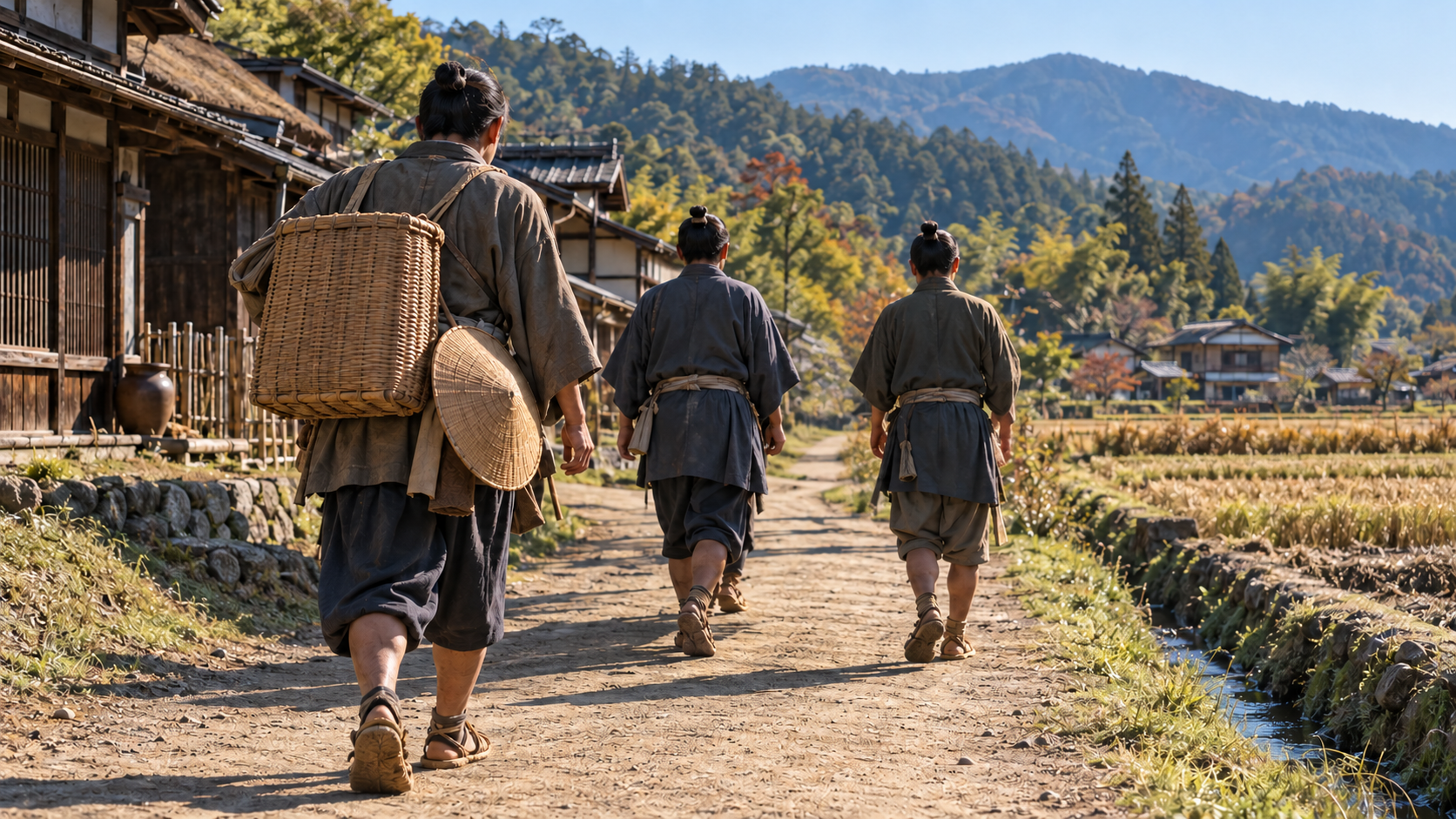
Sankin kōtai often calls to mind a long procession of a daimyo and his attendants moving along a highway. That familiar image captures only part of the journey. Travellers did not necessarily keep the same formation or walk along one continuous road from departure to arrival.
The Fukui City History Museum introduces a travel journal associated with Matsudaira Shungaku. Its account of his 1845 journey includes walking, riding a horse, travelling in a palanquin and taking a boat. Movement between Edo, where the shogun resided, and the lord’s own domain could involve several forms of transport.
Why was this movement repeated? Looking at the procession alone leaves that question unanswered. The rules governing attendance, the post stations preparing for arrivals and the households remaining in Edo all belong to the explanation. Travel was one visible expression of a relationship that continued between journeys.
Official institutional explanations and a detailed study of one domain provide different windows onto this system. Keeping the date and the domain attached to each example helps us follow the arrangements behind the spectacle. An individual journey can illuminate the system without becoming a model for every lord.
Chapter 02
Attendance before a fixed system
Sankin meant a lord attending upon the shogun; kōtai referred to the return to his domain. The year 1635 is often used to explain the system’s formal establishment, through the Buke shohatto, the regulations for military houses. Formal regulation and the earlier practice of attendance need to be distinguished.
The Fukui prefectural history describes 1635 as the formalization of sankin kōtai for tozama daimyo, the category commonly translated as outside lords. It also makes clear that attendance had occurred earlier. Lords did not suddenly begin travelling to Edo in that year without an existing relationship to the shogun.
Earlier periods of residence in Edo and the timing of changes had not necessarily been uniform. The development of the system involved regulating the repetition and duration of an existing practice. The important change concerns the organization of attendance, rather than the invention of movement between two places.
Separating these two developments gives 1635 a more precise meaning. It marks a stage in institutional regulation while leaving room for what preceded it. The journey can then be understood as part of the continuing relationship between shogun and daimyo, with rules that acquired a more defined form.
Chapter 03
One alternating year does not explain every journey
In 1642 the system was extended to fudai daimyo, another category of lords within the Tokugawa political order. A year in Edo alternating with a year in the domain is a useful introduction to sankin kōtai. It does not describe every lord’s actual schedule throughout the period.
The study of the Sakai house of Isesaki domain published by Gunma Prefectural Women’s University discusses different categories among fudai lords, including alternate-year and half-year arrangements. Even within this category, the timing cannot be reduced to a single pattern applied identically to every household.
Duties performed away from Edo, illness and a lord’s childhood could also affect travel. An expected pattern therefore needs to be considered alongside circumstances and orders. A prescribed arrangement does not by itself demonstrate the date on which a particular person entered his domain or attended in Edo.
The institutional principle, an instruction issued at a particular time and the lord’s actual movements are related pieces of evidence. Reading them together makes differences visible. Treating the entire system as one annual calendar would hide precisely the variations that the study of an individual house can reveal.
Chapter 04
Permission to return, procedures for attending
A daimyo’s journey was not a private trip whose dates he could simply choose for himself. Attendance and return took place within his relationship to the shogun and involved procedures. The road connected two residences, but permission and ceremonial obligations also shaped the movement between them.
The Fukui prefectural history introduces the case of Matsudaira Mitsumichi. After obtaining permission to return to his domain in 1653, he made an inquiry about the timing of his attendance the following year. In 1654, his activities in Edo included an audience with the shogun and the presentation of gifts.
Permission to leave, confirmation of the next attendance and the observances carried out in Edo place departure and arrival in a political setting. These procedures help explain why the journey cannot be understood through distance and transport alone. It also expressed and maintained the relationship between a lord and the shogun.
Mitsumichi’s sequence remains one documented example. Its particular steps and gifts should not be assigned to every domain without further evidence. It nevertheless gives substance to the general point: sankin kōtai regulated travel while also providing occasions on which political obligations were formally acknowledged.
Chapter 05
A procession changes along the way
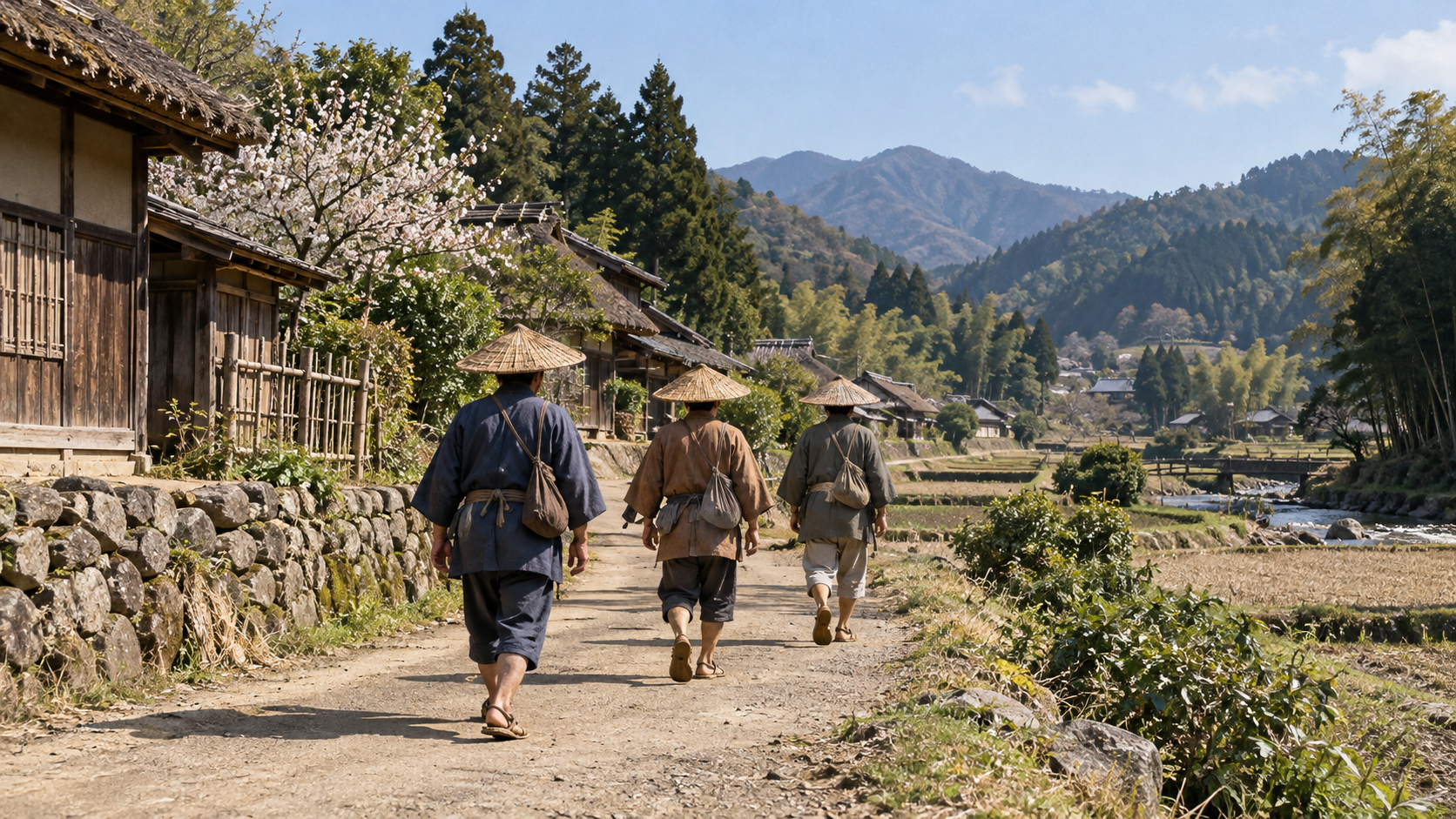
An archives guide from Yamaguchi Prefectural Archives discusses the first entry into Hagi by its lord in 1752. The journey from Edo is presented in sections. These divisions allow us to look more closely at the people and arrangements involved, instead of imagining an unchanged line travelling the entire distance.
The guide distinguishes the sections from Edo to Osaka, Osaka to Mitajiri and Mitajiri to Hagi. The formations differed between these parts of the journey. A procession therefore needs to be understood in relation to the section being described, rather than treated as a single fixed body from beginning to end.
A head count attached to the Mitajiri–Hagi section cannot automatically become the total for the whole journey. Still less can it stand for all daimyo processions. The identity of the group, the stretch of the route and the kind of record all determine what a number is able to describe.
This local example changes how we look at the familiar procession image. We can ask who was travelling, what was being carried and which part of the route is shown. Those questions preserve the differences within a journey while connecting it to the broader obligation of movement between Edo and the domain.
Chapter 06
A post station’s work begins before arrival
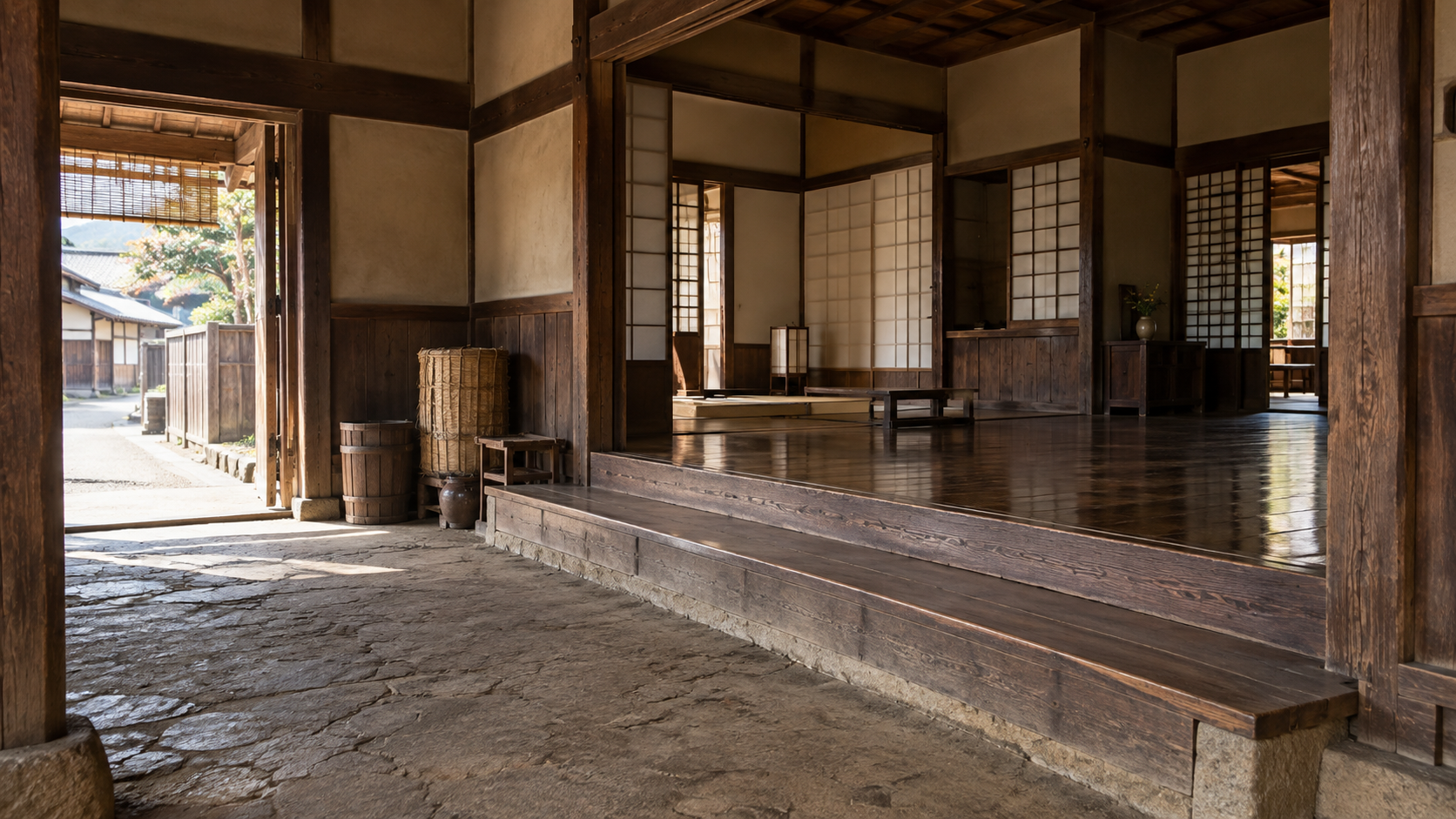
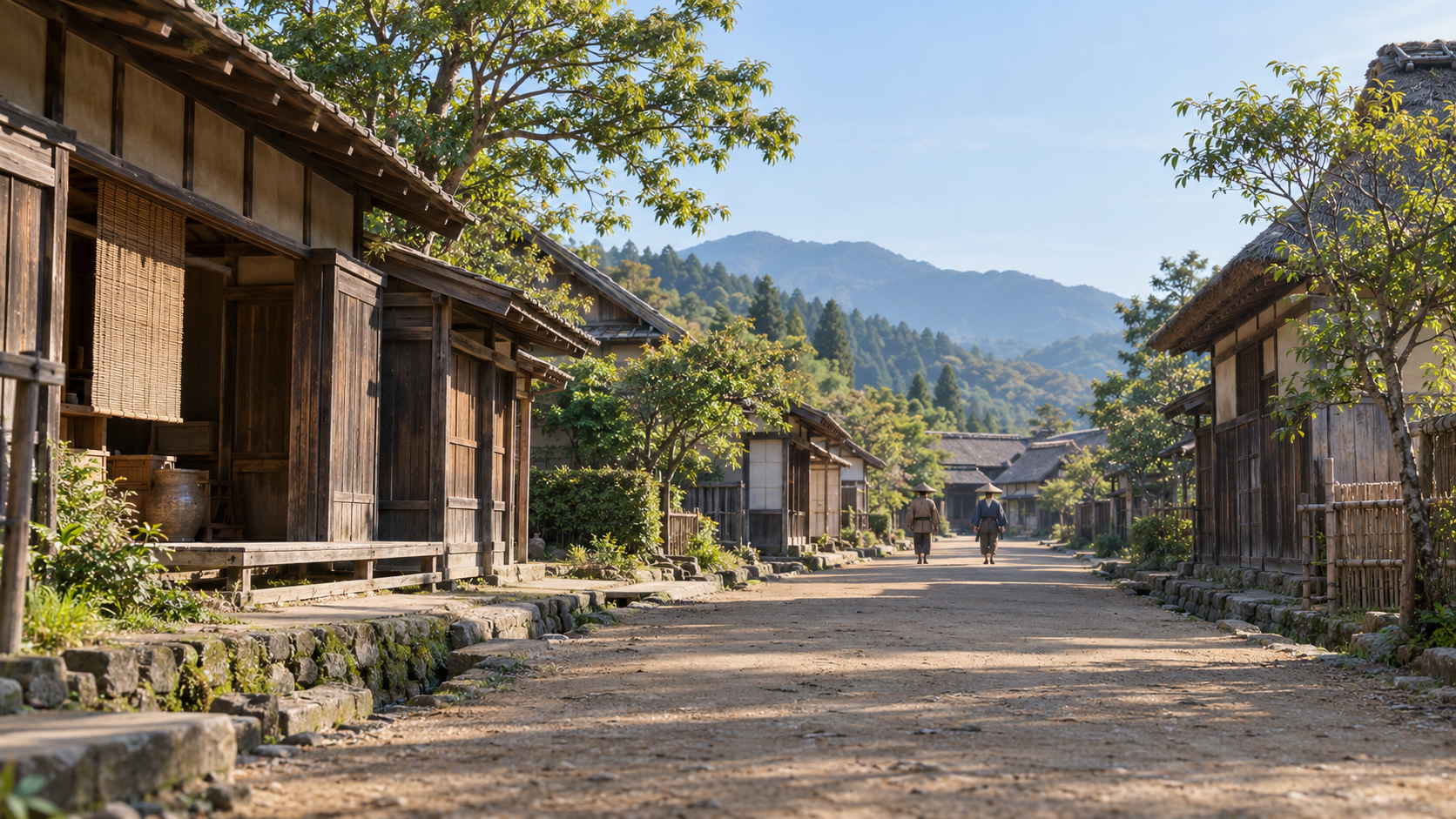
The work of receiving a lord began before the procession reached its destination for the day. Hiratsuka City Museum explains the role of sakibure, an advance notice. Such communications allowed accommodation and the provision of people and horses to be arranged before travellers arrived at the post station.
The museum’s explanation brings the preparation of a honjin into view. A honjin was a lodging used by high-ranking travellers. Receiving them required more than opening the entrance when a procession appeared. Notice and arrangements connected the travelling party to people working at the places where it would stop.
One example introduced by the museum is an 1800 memorandum book from a honjin at Ōiso post station. It records information such as rank and Edo residences. These entries show the practical value of information about arriving guests. They belong to this particular record and its setting.
The Ōiso honjin should not be confused with the transport administration of another post station. Nor does this book establish one preparation period used everywhere. Its relevance lies in making advance work visible: the procession’s arrival depended on arrangements already being made by people along the route.
Chapter 07
The roads carried more than daimyo
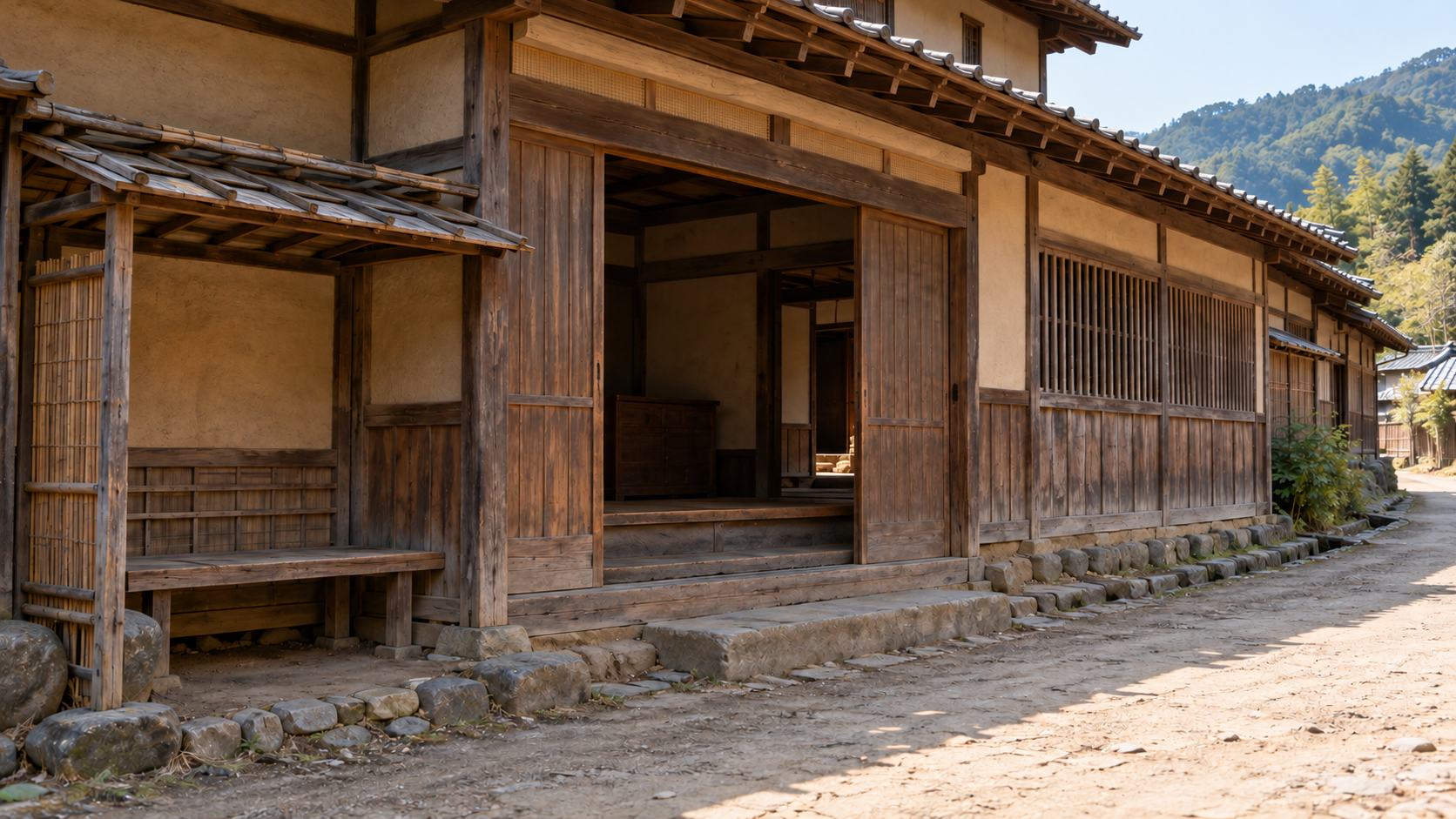
Daimyo processions were only part of the traffic using the highways. Sendai City Museum describes post stations that provided people and horses for transport. Its account also distinguishes honjin, wakihonjin and hatagoya, different forms of lodging serving travellers. These arrangements help place official travel in a wider road network.
Couriers, goods and ordinary travellers also moved along these roads. Their presence matters when considering the relationship between sankin kōtai and transport. A procession encountered a world of movement and work; the highway cannot be understood solely as the stage on which a lord’s journey appeared.
The road office’s explanation of the Tōkaidō connects the system with highways and exchange. That connection does not mean every lord travelled on the Tōkaidō or that all road traffic began with sankin kōtai. The route and purpose of each movement still need to be considered on their own terms.
Seen in this setting, alternate attendance joined political obligations to the working arrangements of the roads. The people supplying transport and lodging belonged to that story alongside the travelling lord. The visible procession was one use of a network that accommodated several kinds of journeys and carried more than official travellers.
Chapter 08
Life in Edo after the lord leaves
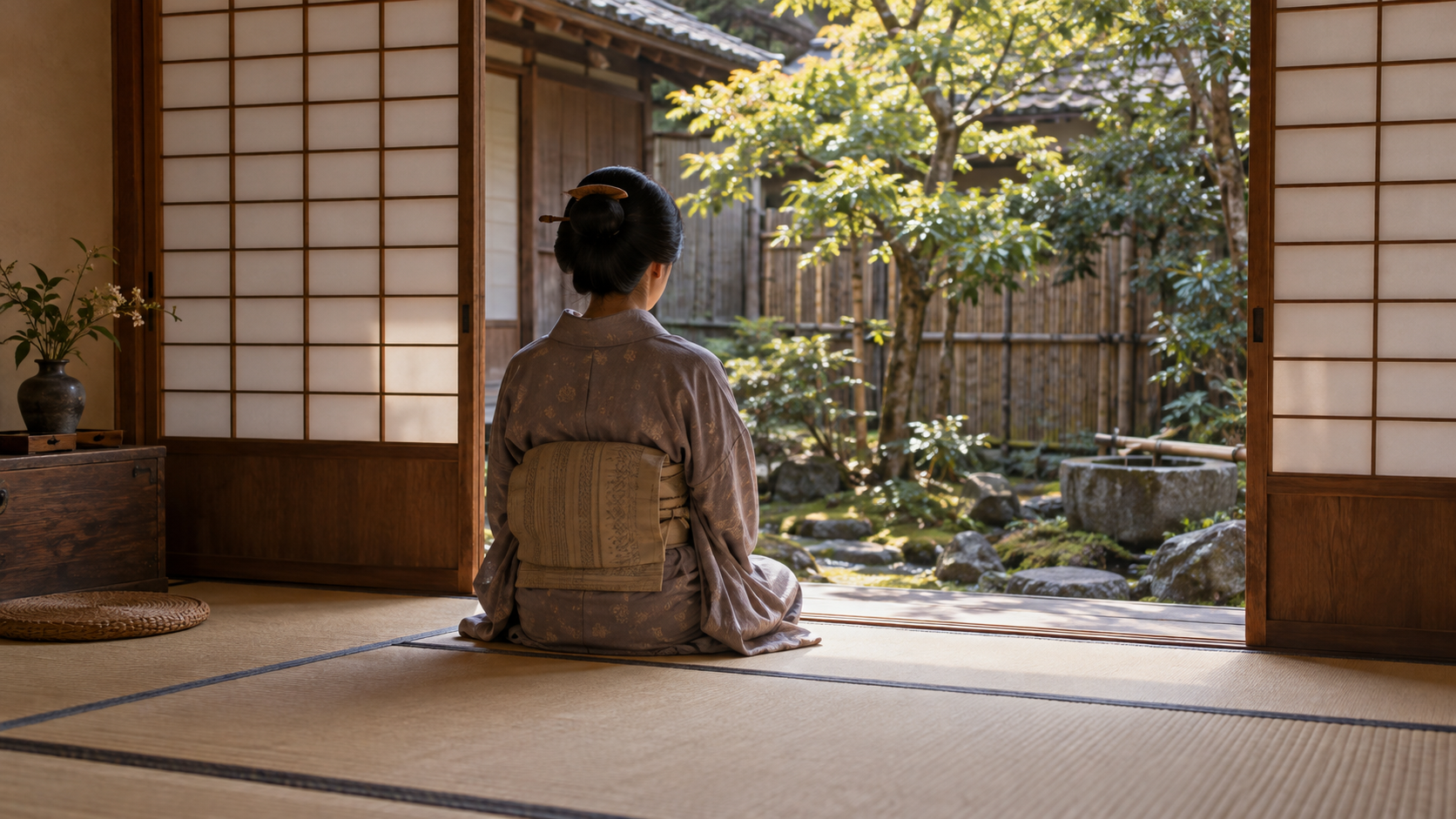
A lord’s departure for his domain did not mean that his entire household left Edo with him. The Yokohama road office’s explanation discusses the residence of wives in Edo and its hostage function. The return journey thus needs to be considered alongside the continuing presence of family members in the shogun’s city.
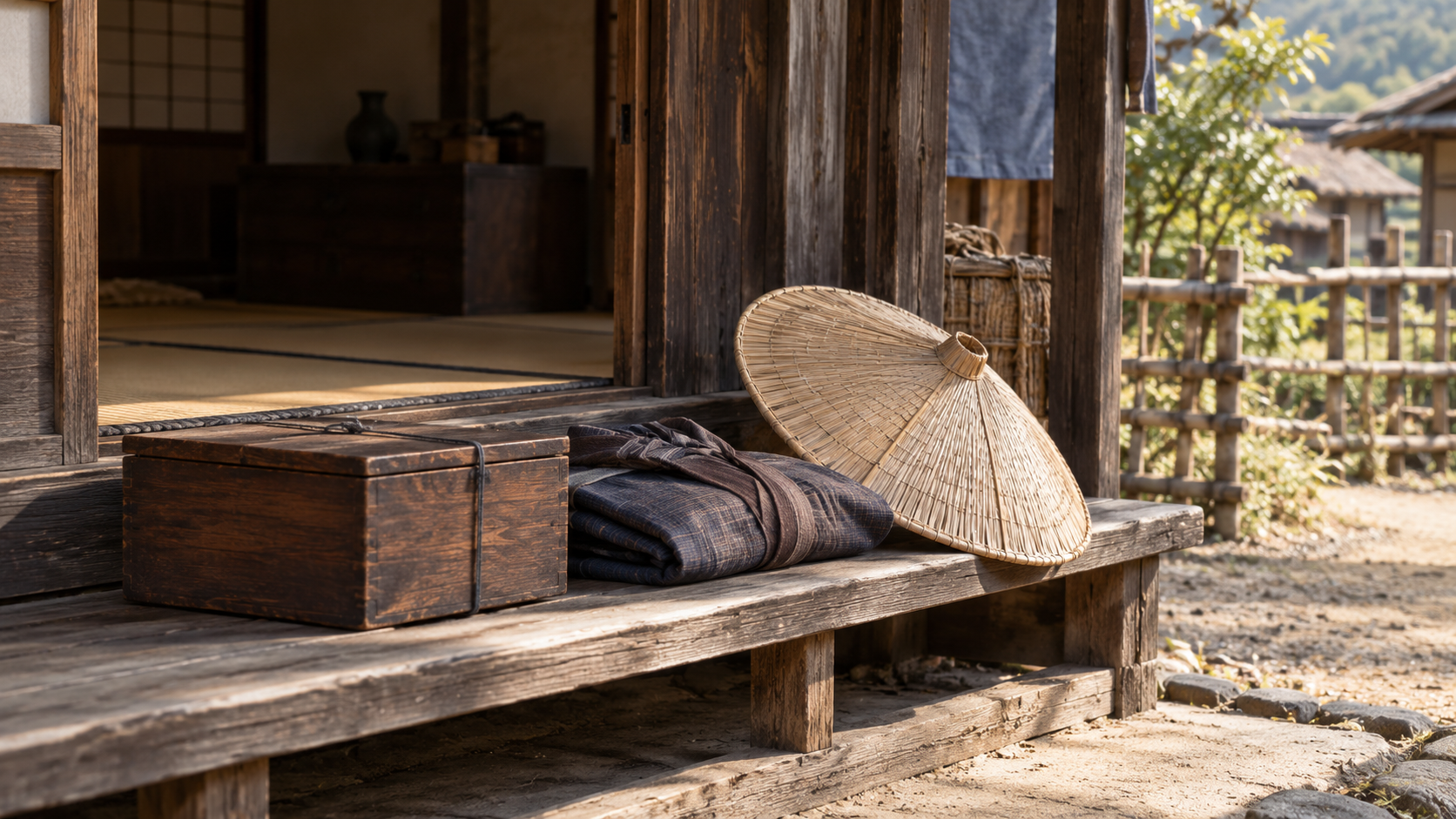
An Edo residence was more than an overnight stopping place on a trip. It was a continuing base for household life and the domain’s activities. The family remaining there and the work carried on between journeys help explain why travel and residence were inseparable parts of the same arrangement.
Fukuoka City Museum describes the Fukuoka domain’s multiple Edo residences, including upper, middle and lower residences. It also discusses residences granted to the domain and those it held separately. The case gives a more differentiated picture than the idea of a single house waiting empty for the lord’s return.
Fukuoka’s arrangement cannot supply a standard size or plan for every domain. Where the museum treats an early date as uncertain or estimated, that uncertainty remains. The larger point is that recurring journeys linked households maintained in two places, with life in Edo continuing when the lord was elsewhere.
Chapter 09
Journey costs and household expenses
Preparations, travel itself and the maintenance of an Edo residence created different kinds of expense. They should be kept distinct when reading accounts of sankin kōtai. A sum attached to one stage or one purpose cannot automatically be treated as the full cost of an entire journey or household.
The Fukui City museum’s page introduces Shungaku’s journey of 1845 and also money prepared for a journey in 1803. These are separate examples from different years. The prepared funds from 1803 do not provide the total expenditure for the journey described through the 1845 journal.
A provision made in advance is also different from an account of everything actually spent. Combining the two examples would create a financial story that neither record supports. They cannot be used together to calculate a nationwide average, and this article does not convert their amounts into modern yen.
Expense is an important part of the system, but it does not establish impoverishing lords as its single purpose. The political relationship, ceremonial duties, family residence and work supporting movement also need to be considered. Keeping categories of expense separate strengthens that broader explanation without supplying an invented total.
Chapter 10
Rice contributions and a shorter residence
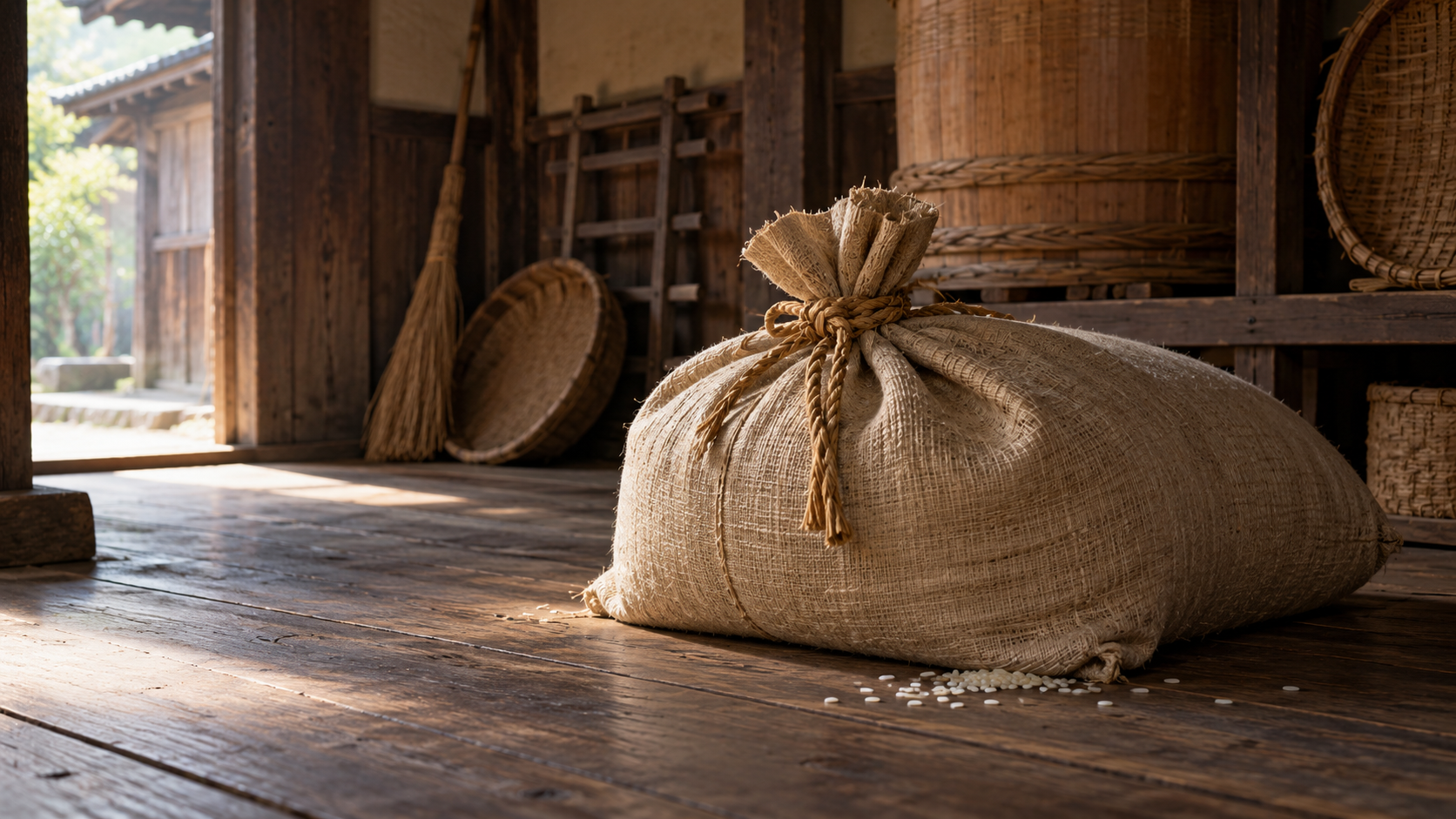
The rules of attendance changed during the system’s history. From 1722 to 1730, the agemai arrangement combined rice contributions with shorter periods of residence in Edo. Yamaguchi Prefectural Archives explains these measures together, making the change in residence an essential part of understanding the contribution.
A shorter stay could reduce expenses at a domain’s Edo residence. The arrangement therefore needs to be considered from both sides: rice was supplied, while the conditions of attendance changed. It is misleading to discuss the contribution without the accompanying reduction in residence and its effect on household costs.
The Isesaki study adds the question of differing attendance categories, including half-year and alternate-year arrangements. The general policy period and its effect on an individual house are not interchangeable. A date used to describe the system as a whole does not establish every detail of one lord’s movements.
The records also use measures of rice and assessed domain income that require care. Those measures are not converted here into a share of the domain’s entire budget. The change can be explained through contributions, residence and expenditure without making an unsupported financial comparison or a modern currency calculation.
Chapter 11
Relaxation, return and renewed orders
In 1862 sankin kōtai was relaxed. The Fukui prefectural history discusses shortened residence in Edo and permission for wives and children to return to the domains. The change affected the continuing household arrangements as well as the timing of the lord’s own attendance.
Permission to return is not evidence that every family left on the same day. Nor does the relaxation mean that all journeys between Edo and the domains ceased across the country. The rule describes an important change, while actual departures and subsequent movements remain matters for particular records.
The Isesaki study also examines an order in 1864 to restore the former system and the house’s later movements, including attendance in the following year. Here again an instruction and what happened afterwards must be read separately. An order does not on its own establish that identical travel resumed everywhere.
The closing years of the shogunate therefore require more than one date labelled as the end of the system. Relaxation, a restoration order, guard duties and actual travel describe different developments. Keeping them distinct allows the changing relationship between obligation and movement to remain visible.
Chapter 12
The people who sustained the round trip
Sankin kōtai organized attendance and residence within the relationship between the shogun and the daimyo. Its recurring journeys joined Edo to the domains, but did so through rules and practices that varied over time. Political obligation provides the framework; individual records show how parts of that framework operated.
A changing procession, workers preparing at a post station and a household continuing in Edo offer different views of the same round trip. The roads also carried couriers, goods and ordinary travellers. The system becomes more concrete when these activities are considered alongside the lord’s departure and return.
No single number can describe every cycle, procession or cost. The examples from Fukui, Hagi, Ōiso, Isesaki and Fukuoka become useful precisely when their dates and local settings remain attached. Their differences do not prevent an explanation of the system; they give that explanation its detail.
The familiar line of travellers can now be seen in a wider frame. Before its arrival, people were preparing transport and accommodation. After its departure, life continued in Edo. Following those connections brings the work sustaining sankin kōtai into view without turning one journey into the experience of every domain.
How to read this work
History, interpretation, and reconstruction
Read the recurring journey that maintained the relationship between shogun and daimyo through both institutional principles and individual domain records, bringing post stations, Edo residences, families and costs into the same frame.
This work is grounded in published sources and historical research. Interior thoughts, dialogue, and some visual details are cinematic reconstructions. Where historians disagree, the article presents the point as debated rather than settled fact.
Timeline
The story in time
-
Mitsumichi’s example includes permission to return, an inquiry about renewed attendance, and an audience and gifts in Edo; it is not a universal procedural template.
Sources: p4 -
A Hagi lord’s first entry is documented in a journey whose formations differ between route sections.
Sources: p5 -
The Fukui City museum uses Shungaku’s travel journal to explain several modes of transport; preparation funds from 1803 are a separate example.
Sources: p8 -
An order to restore the former system is distinguished from actual movements; the Isesaki study also considers attendance in the following year.
Sources: p6
People & terms
A guide for new readers
Key figures
- Matsudaira Mitsumichi
- Lord of Fukui whose procedures for permission to return home, renewed attendance, audiences and gifts in 1653–1654 are discussed in the Fukui prefectural history.
- Matsudaira Shungaku
- Lord of Fukui whose 1845 travel journal is used in a Fukui City museum explanation of journeys to Edo.
Glossary
- Sankin kōtai 参勤交代
- The system of a daimyo’s recurring attendance on the shogun in Edo and return to his domain; cycles and actual practice differed.
- Daimyo 大名
- A domain lord within the political order discussed here. His attendance and household arrangements connected the domain with Edo.
- Edo 江戸
- The shogun’s city and the location of the domain residences discussed in the article; it is the city now known as Tokyo.
- Domain 藩
- The territorial and administrative setting associated with an individual lord; a local example does not describe all domains.
- Tozama 外様
- Outside lords, the category associated here with the 1635 formalization.
- Fudai 譜代
- A category of lords within the Tokugawa order, associated here with the extension of the system in 1642.
- Buke shohatto 武家諸法度
- Regulations for military houses, cited in connection with the 1635 formalization of attendance.
- Sakibure 先触
- Advance notice used in arranging reception, accommodation and transport before travellers arrived.
- Honjin 本陣
- A lodging for high-ranking travellers at a post station; the Ōiso example is a particular honjin and record.
- Wakihonjin and hatagoya 脇本陣・旅籠屋
- Other lodging categories described in the museum’s account of Edo-period travel; they are not treated as identical institutions.
- Agemai 上米
- The rice-contribution arrangement discussed here alongside shorter Edo residence in 1722–1730.
- Edo residence 江戸屋敷
- A domain’s continuing residential and administrative base in Edo; domains could hold multiple residences of different kinds.
Sources & method
How this article was built
The historical argument follows the fixed Japanese manuscript and its nine adopted references. Institutional summaries are attributed to their publishers; a description of an original document in a museum, archives guide or prefectural history is not represented as an independent full transcription of that original.
The Isesaki study is used within the adopted printed-page scope, 37–41 and 44–45. General regulations, orders, individual travel and ceremonial examples remain distinct. Mitsumichi’s 1653–1654 procedures, Hagi’s 1752 first entry, the 1800 Ōiso memorandum and Shungaku’s 1845 journal are not combined into one journey.
Counts, preparation money, actual expenditure and assessed income have different scopes. No nationwide procession total, complete travel bill, modern-yen conversion or single explanation of the system’s purpose is calculated from these examples. The 1862 relaxation and 1864 restoration order are distinguished from actual departures.
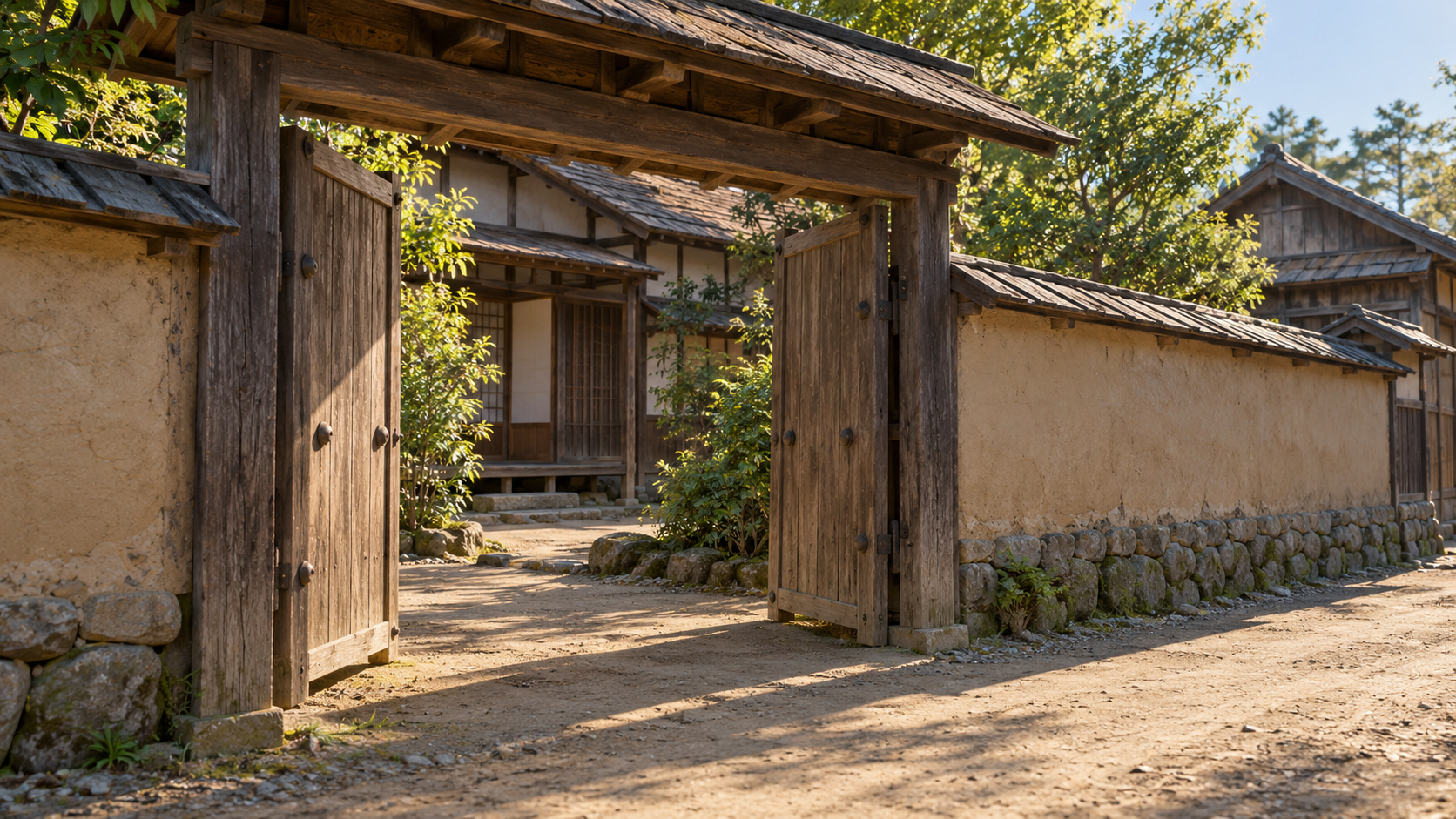
All illustrations are SHIGEKI’s AI-generated imaginative reconstructions. Anonymous people, buildings, furnishings, papers and landscapes are not authenticated portraits, historic photographs, original documents or exact reconstructions of named facilities. Institutional maps and published source illustrations are not reproduced.
Sources
References and further reading
- An Invitation to the Tōkaidō: Q7, What Was Sankin Kōtai? 東海道への誘い Q7 参勤交代ってなんのこと? Title translated editorially for reader convenience. Ministry of Land, Infrastructure, Transport and Tourism, Kanto Regional Development Bureau, Yokohama National Highway Office 国土交通省 関東地方整備局 横浜国道事務所 Institutional overview, the residence of wives in Edo and its hostage function, roads and exchange. Not evidence that all lords used the Tōkaidō or followed identical cycles; no institutional images reproduced. Accessed 2026-10-21
- Kids’ Corner: Edo-period Transport and Sankin Kōtai キッズコーナー 江戸時代の交通と参勤交代 Title translated editorially for reader convenience. Sendai City Museum 仙台市博物館 Post-station people and horses, lodging categories, couriers, goods and ordinary travellers. Expense is not adopted as the system’s sole purpose; no published images reused. Accessed 2026-10-21
- Exhibition on the Tōkaidō Linking Ninomiya, Ōiso and Hiratsuka: 3, Receiving Travellers 巡回展「二宮・大磯・平塚を結ぶ道-東海道-」展示品紹介 3休泊者の出迎え Title translated editorially for reader convenience. Hiratsuka City Museum 平塚市博物館 Advance notice and preparation, and the 1800 Ōiso honjin memorandum. Distinguishes that honjin from another station’s transport office. No universal preparation interval, definitive portable-use claim or independent transcription of the original book. Accessed 2026-10-21
- Fukui Prefectural History, General History 3: The Sankin Kōtai System 福井県史 通史編3近世一 第四章第三節五「参勤交代の制」 Title translated editorially for reader convenience. Fukui Prefectural Archives 福井県文書館(福井県史) 1635 and 1642 formalization, Mitsumichi’s 1653–1654 procedures, agemai and the 1862 relaxation. No generalization of one house’s gifts or ceremonies to all domains; original house chronicles not independently transcribed. Accessed 2026-10-21
- Archives Guide 3-2-1: Sankin Kōtai, from Edo to Hagi アーカイブズガイド 3-2-1 参勤交代(江戸から萩まで) Title translated editorially for reader convenience. Yamaguchi Prefectural Archives 山口県文書館 The 1752 Hagi first entry and formations along different route sections. Mitajiri–Hagi personnel are not the total for every section or all domains. Historical calendar dates are not silently converted; no original drawings or maps reproduced. Accessed 2026-10-21
- The Sankin Kōtai of the Sakai House of Isesaki Domain, KURUMA 2, March 2024, pp. 37–48 竹内励「伊勢崎藩酒井家の参勤交代」群馬学研究KURUMA第2号(2024年3月)37–48頁 Title translated editorially for reader convenience. Gunma Prefectural Women’s University, Gunma Studies Center 群馬県立女子大学群馬学センター The adopted scope is printed pages 37–41 and 44–45: categories, duties, illness, childhood, agemai and late-shogunate changes. No claim to reading the entire volume or checking every table cell. General policy dates are distinguished from individual implementation. Accessed 2026-10-21
- Archives Guide 3-3-3: The Kyōhō Reforms and Agemai アーカイブズガイド 3-3-3 享保の改革(上米の制) Title translated editorially for reader convenience. Yamaguchi Prefectural Archives 山口県文書館 Rice contributions and shorter Edo residence in 1722–1730, including lower residence expenses. Assessed income and rice quantities are not a full budget or a modern-yen conversion; original documents not independently read in full. Accessed 2026-10-21
- A Journey to Edo: Sankin Kōtai 江戸への旅~参勤交代~ Title translated editorially for reader convenience. Fukui City History Museum 福井市立郷土歴史博物館 Shungaku’s 1845 journal and several modes of transport; separately, prepared funds from 1803. The different journeys and kinds of financial evidence are not combined, and no full independent reading of the original journal is claimed. Accessed 2026-10-21
- No. 274: Fukuoka Domain’s Edo Residences, Kasumigaseki, Akasaka, Shibuya and Shirokane No.274 福岡藩の江戸屋敷-霞ヶ関・赤坂・渋谷・白金- Title translated editorially for reader convenience. Fukuoka City Museum 福岡市博物館 Life between Edo and the domain, multiple residences and granted or separately held residences. Uncertain or estimated beginning dates remain uncertain. No nationwide standard plan or size is inferred, and no historic maps reproduced. Accessed 2026-10-21
Continue reading
More stories from Shigeki
Shigeki English
Sakai’s Merchant City: Trade, Self-Government and Survival
A port, a merchant council and town communities—from changing authority to rebuilding after fire.
- When From the later fifteenth century through the Sengoku period, the fire of 1615 and early Edo-period reconstruction.
- Where Sakai, in present-day Osaka Prefecture, where maritime routes met roads on land.
Shigeki English
The Aburanokōji Incident: After Leaving the Shinsengumi
A separation in spring, a new base in summer, and two successive attacks.
- When Kyoto in Keiō 3 (1867). The incident’s historical date corresponds to December 13, 1867.
- Where Kyoto: the guards’ successive bases, the Aburanokōji attack site and the later place of remembrance.