
SHIGEKI ENGLISH STORYEN
Japanese history in English
The Aburanokōji Incident: After Leaving the Shinsengumi
A separation in spring, a new base in summer, and two successive attacks.
In 1867, Itō Kashitarō and his companions left the Shinsengumi to become imperial mausoleum guards. Follow the separation, changes in political authority, the attack on Itō and the deaths of those who came for his body, keeping dates, affiliations and places distinct.
At a glance
Before you enter the story
- When
- Kyoto in Keiō 3 (1867). The incident’s historical date corresponds to December 13, 1867.
- Where
- Kyoto: the guards’ successive bases, the Aburanokōji attack site and the later place of remembrance.
- Key figures
- Itō Kashitarō, Tōdō Heisuke, Hattori Saburōbei, Mōnai Kenmotsu
- What was at stake
- How former companions came to hold different affiliations during a change in government, and how the attacks are remembered.
Why this story matters
The larger history behind the turning point
A familiar organization’s name can hide changes within and around it. Following the Goryō Eji from separation to a new base makes it possible to understand the Aburanokōji Incident as part of a developing political division. The later monuments preserve memory, but they should not be mistaken for a complete reconstruction of the night.
Historical context
What an international reader needs to know
Kyoto, the shogunate and imperial service
The shogunate was the government headed by the shogun; the imperial court was a separate political institution to which Yoshinobu proposed returning governing authority. The domains appear in Nijō Castle’s account through their representatives consulted in Kyoto. These terms describe institutions and affiliations, not a complete explanation of every individual’s motives.
The Goryō Eji’s name refers to its duty guarding Emperor Kōmei’s mausoleum. Its headquarters at a subtemple of Kōdaiji explains the related name Kōdaiji Party. A temple base, a mausoleum duty and membership of the Shinsengumi are therefore different facts, which should not be collapsed into one label.
Historical dates and later memorials
Keiō 3 identifies the era year used for the 1867 events. Its numbered months belong to the historical calendar, rather than the modern Gregorian calendar. The prefectural archive explicitly pairs the incident’s eleventh-month eighteenth day with December 13, 1867. Other numbered dates in the narrative remain labeled as historical dates.
Places also belong to different moments in the account. Chōenji and Gesshin’in identify successive bases; Honkōji identifies the vicinity associated with Itō’s attack; Kaikōji is the place of later burial and remembrance. The 1968 Gesshin’in marker records a much later act of commemoration. None of these distinctions requires treating a present view as an unchanged scene from 1867.
Watch the film
See the story in motion
The film currently uses Japanese audio. This English article provides the context and source trail; it does not imply that an English subtitle track is available.
CHAPTER 01
After leaving the Shinsengumi
Did leaving the Shinsengumi mean becoming its enemy? In 1867, Itō Kashitarō and his companions left the organization and formed the Goryō Eji, guards of an imperial mausoleum. In the historical eleventh month of that year, Itō was attacked and killed at Aburanokōji in Kyoto. Companions who came to collect his body were attacked as well.
The incident was more than a confrontation between the Shinsengumi and people who had always stood outside it. Those involved had once belonged to the same organization, before taking different paths. That shared past is part of the history of the violence.
To follow what happened, we begin with the separation in spring, move to new duties and bases in summer, and then consider the political changes of autumn. The attack becomes clearer when placed within this sequence.
The aim is to distinguish changes of affiliation, the places where people served, and the two attacks. This approach does not require an invented conversation or a claim to know what every participant privately felt.
CHAPTER 02
Different positions in the same city
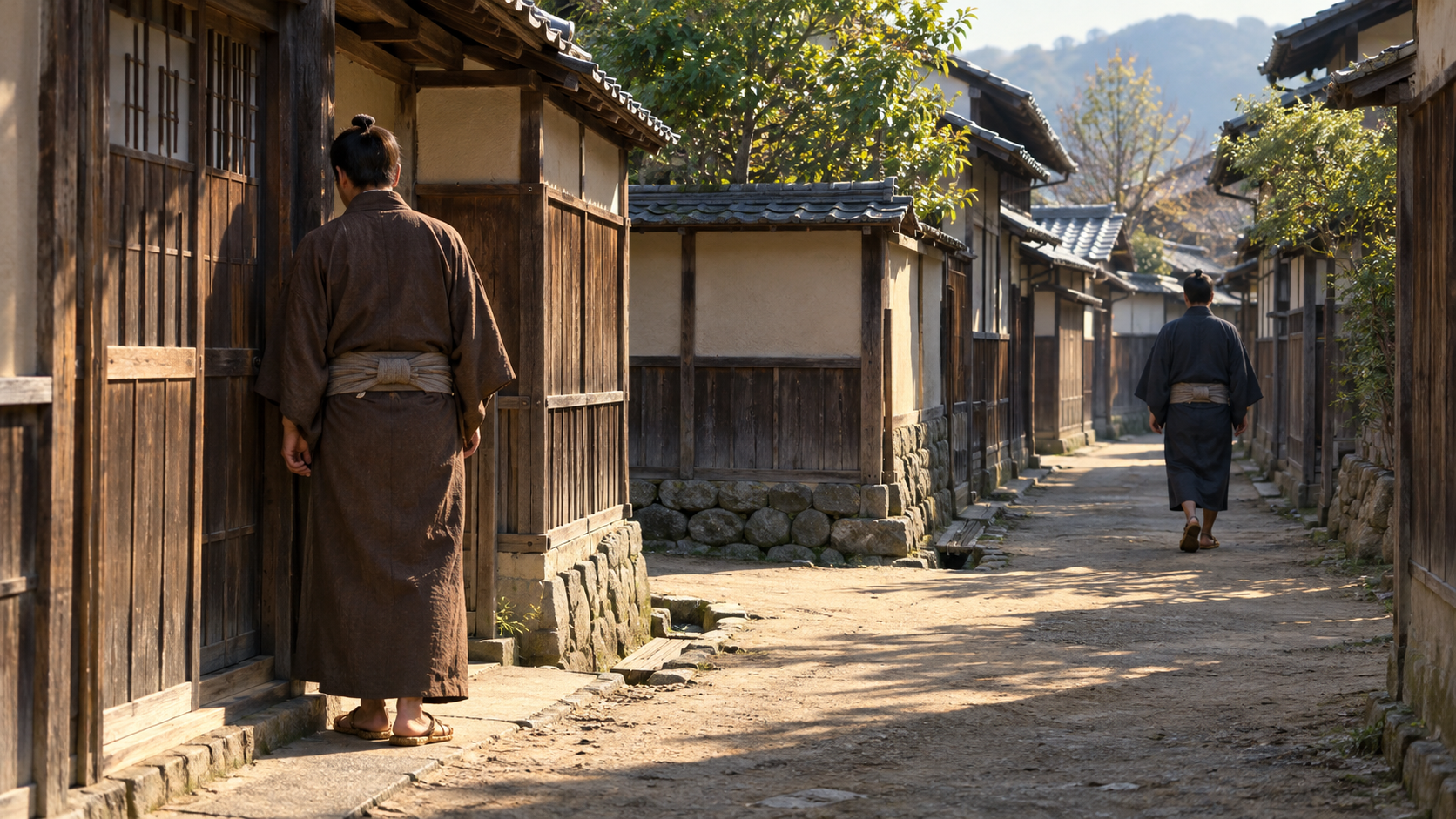
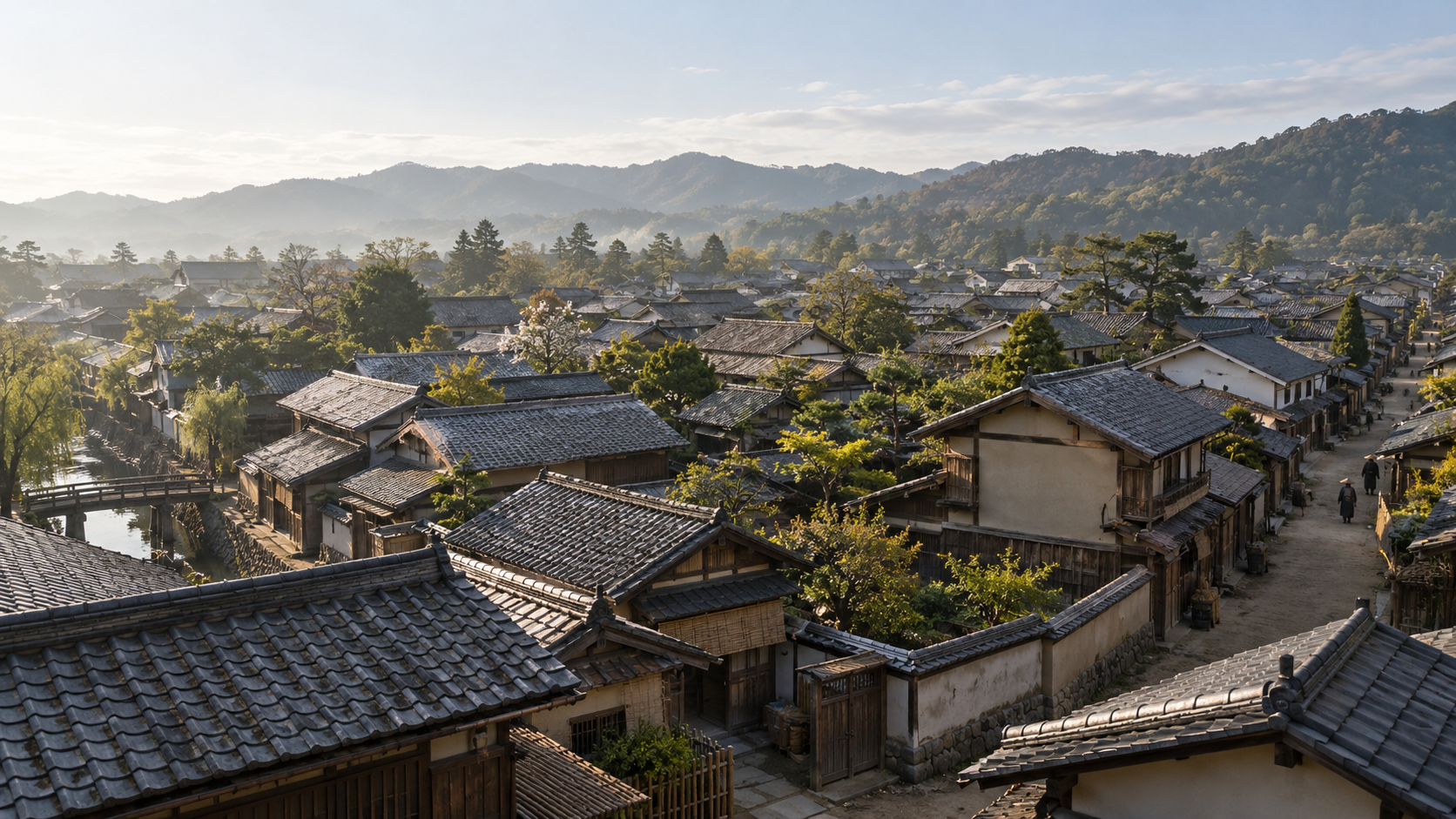
The relations among the imperial court, the shogunate and the domains were changing in Kyoto. In this setting, Goryō Eji was not simply another name for the Shinsengumi. The new group had a different duty and a separate place in the city.
Leaving the Shinsengumi involved more than changing lodgings. Itō and his companions were appointed to guard Emperor Kōmei’s mausoleum. The name of their new organization referred to that responsibility.
During the same year, the Shinsengumi strengthened its connection to the shogunate. People who had once served together were now attached to different organizations, with different bases and duties.
It would be misleading to picture two fixed camps whose positions never changed. Between the spring separation and the attacks later in the year, both the organizations and the political arrangements around them were in motion.
CHAPTER 03
The separation in the third month
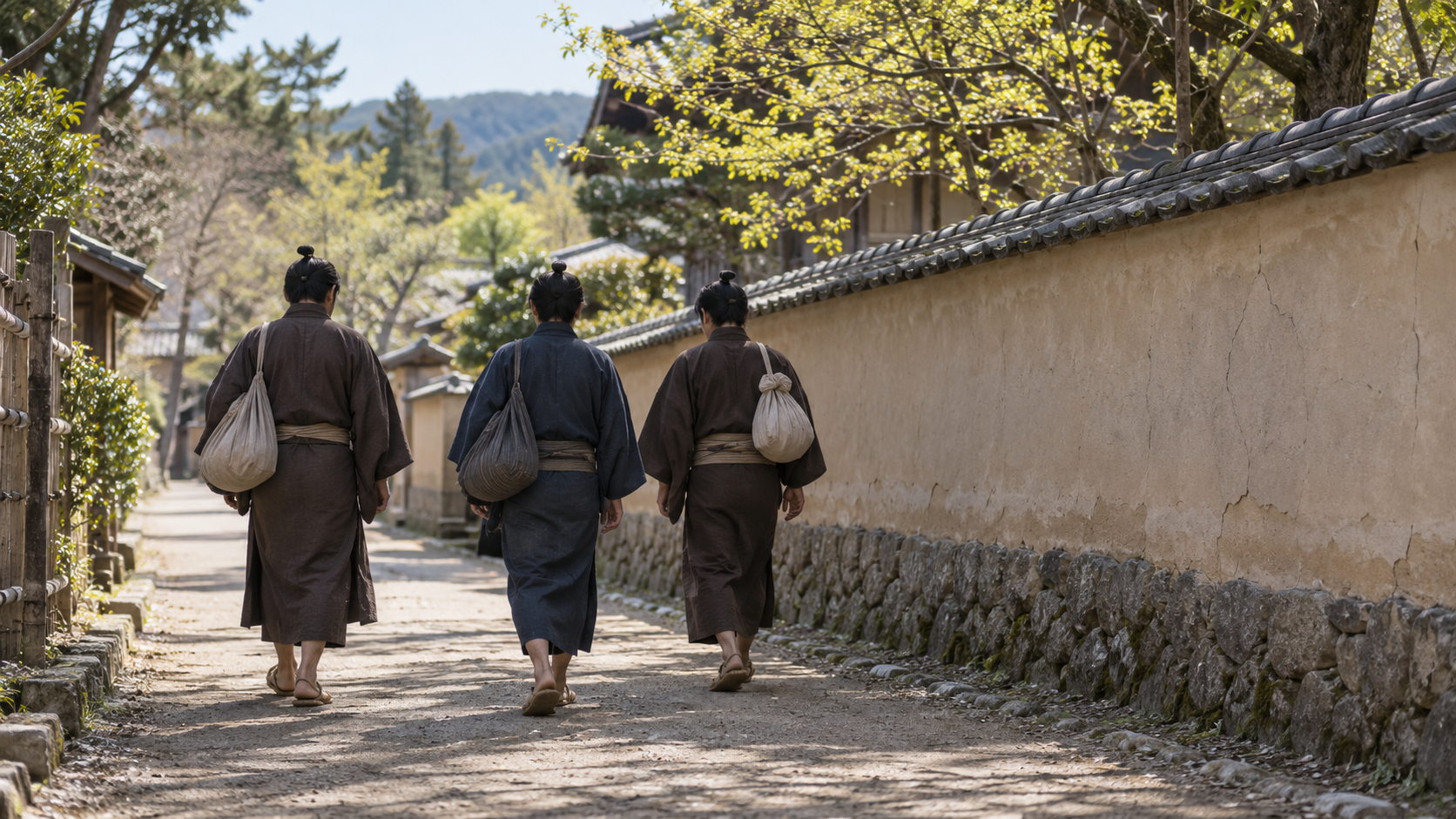
Kyoto City’s account states that fifteen men, including Itō, left the Shinsengumi in the third month of Keiō 3. They were appointed guards of Emperor Kōmei’s mausoleum and moved first to Chōenji, at the eastern end of Gojō Bridge.
Fifteen is the number given for this departure. It is not a count of the men who fought at Aburanokōji later in the year, nor does it tell us how many Shinsengumi members took part in the attacks.
Keeping the date of the split separate from the date of the incident prevents a number attached to one event from becoming the imagined scale of another. The record of a group’s departure is not a complete account of a later confrontation.
What can first be established is that Itō and his companions left their former organization and entered a new activity defined by guarding an imperial mausoleum. The night at Aburanokōji still lay ahead.
CHAPTER 04
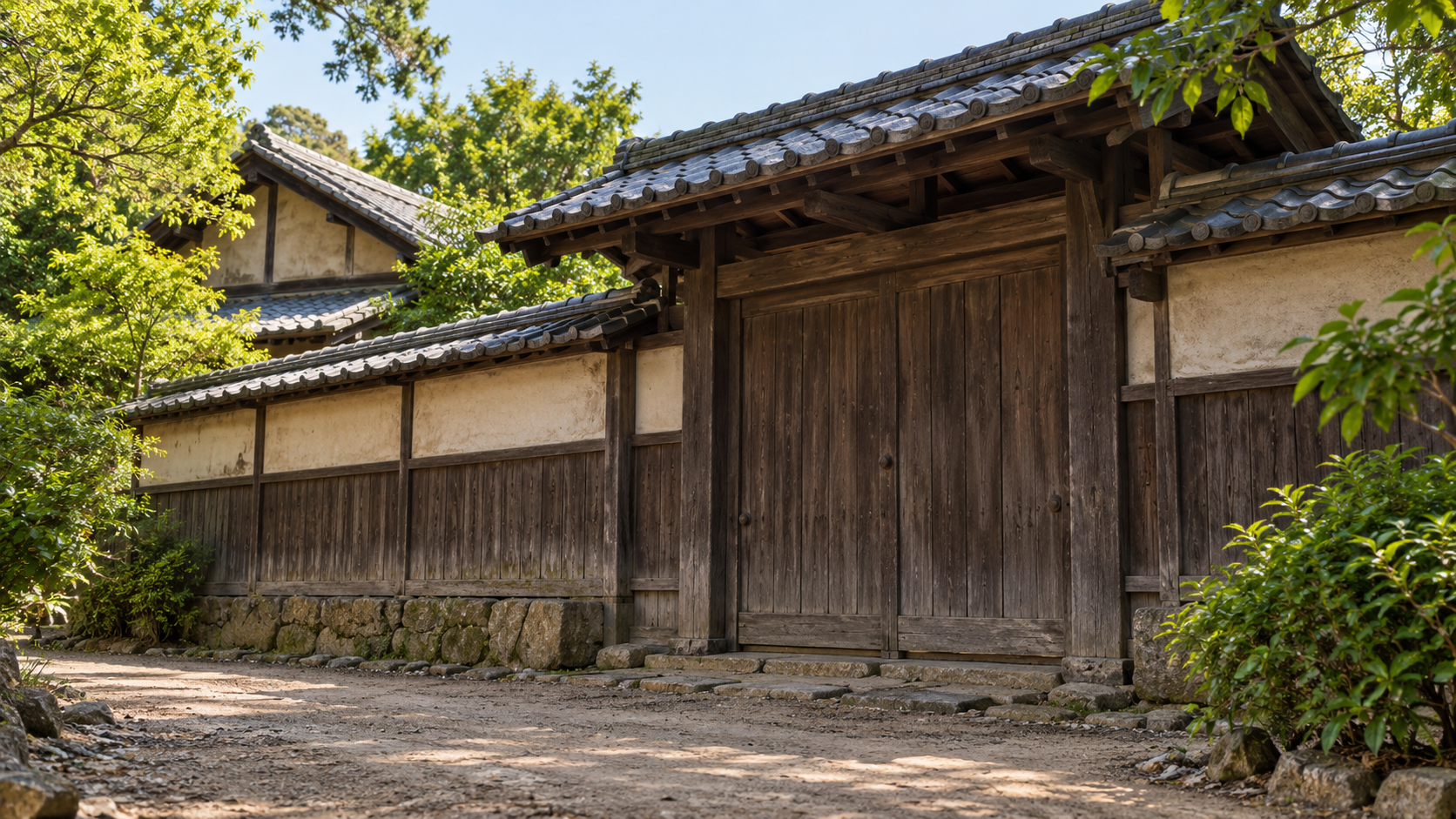
A base at Gesshin’in
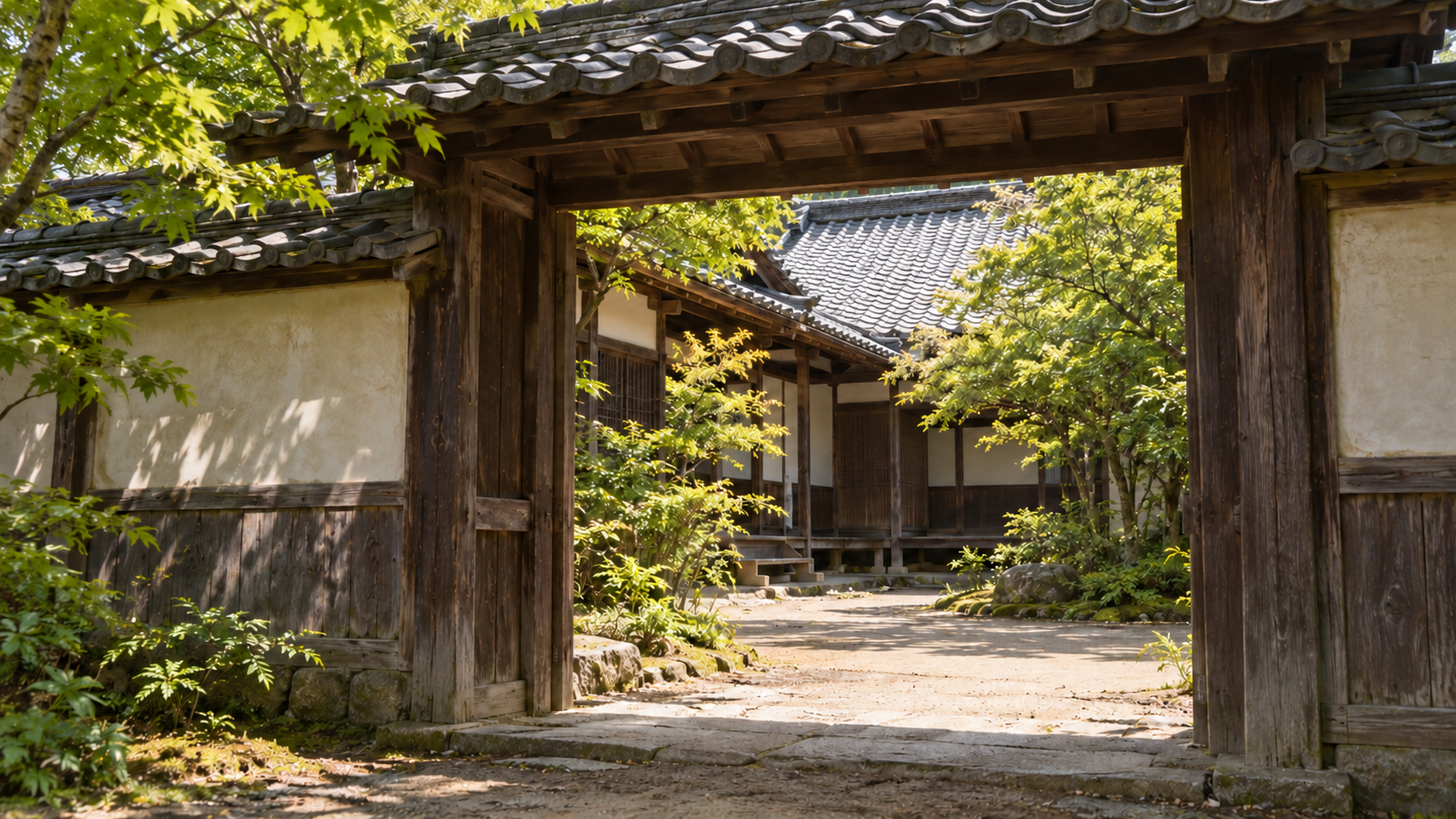
In the sixth month, the Goryō Eji came under Toda Tadayuki, the official responsible for imperial mausoleums. They established themselves at Gesshin’in, a subtemple of Kōdaiji. Kyoto City records that they displayed a sign identifying the headquarters of the imperial mausoleum guards.
Their association with this base also explains the name Kōdaiji Party. Using part of a temple as a headquarters did not mean that the guards had become a community of monks.
Their base was in eastern Kyoto. The stone marker now standing before Gesshin’in commemorates the site. Kyoto City dates its erection to 1968, about a century after the events discussed here.
That later stone cannot be treated as the same sign that Itō would have seen at his headquarters. It nevertheless provides a concrete point from which to consider where the group lived and the name under which it operated.
CHAPTER 05
The Shinsengumi was changing too
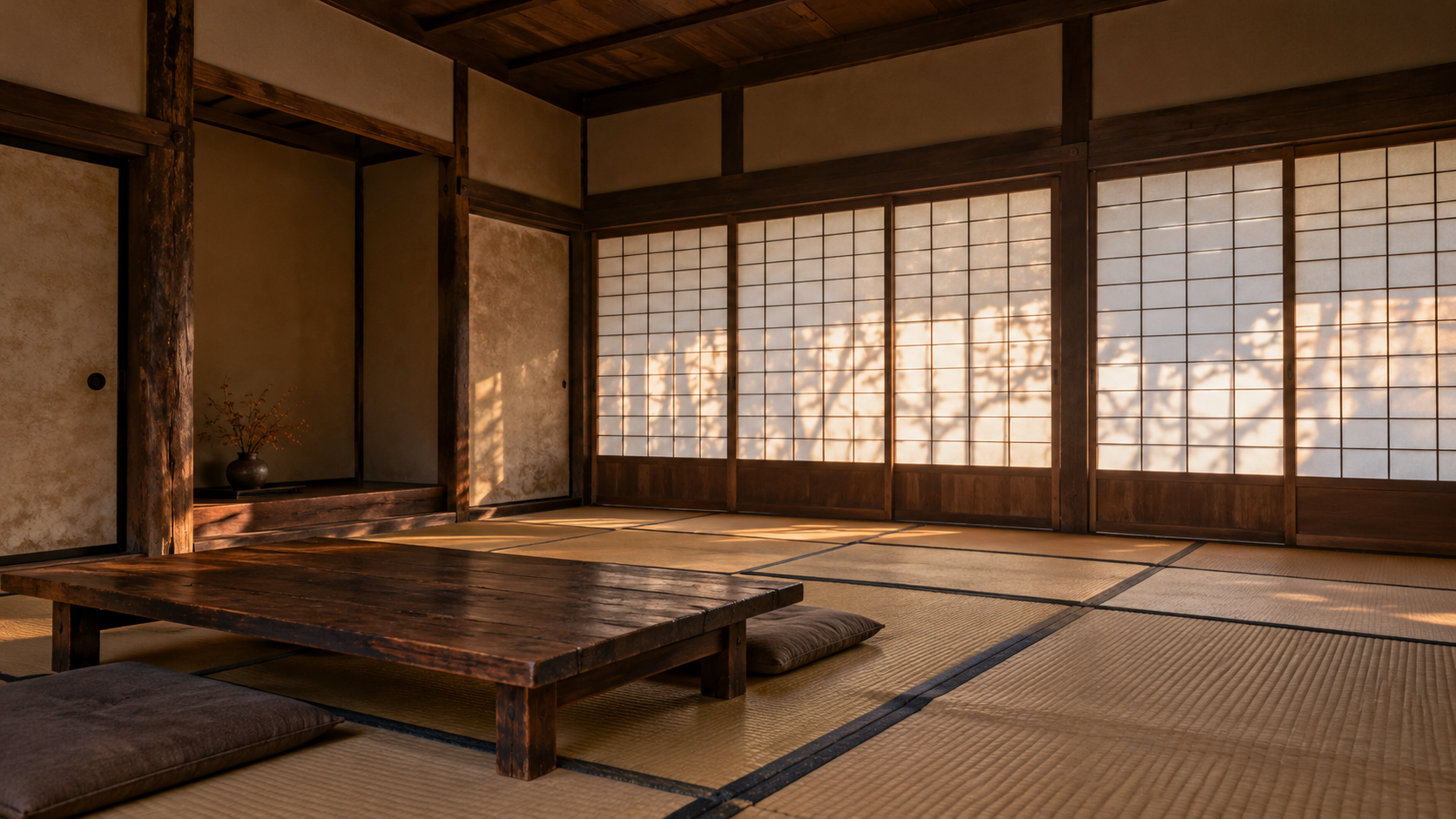
Changes also took place within the Shinsengumi after the separation. The subsidiary inscription at the Fudōdō village headquarters site, reproduced by Kyoto City, explains that the organization became a military unit directly under Shogun Tokugawa Yoshinobu in the sixth month of Keiō 3.
Its headquarters moved from Nishi Honganji to Fudōdō village. A new base was being established as the organization’s connection to the shogunate became stronger.
Meanwhile, the Goryō Eji was operating elsewhere in Kyoto. Both developments belonged to the same year, and both are needed to understand how the former companions’ positions had changed.
People who had begun within one organization now had separate affiliations and places of service. The distance between them cannot be understood solely as a distance measured across a map of the city.
CHAPTER 06
An autumn change in government
The political situation changed sharply in autumn. On the fourteenth day of the historical tenth month, Tokugawa Yoshinobu proposed returning governing power to the imperial court. The court accepted the proposal the following day.
This was Taisei Hōkan, the return of governing authority. Nijō Castle’s official history also explains that senior retainers of domains represented in Kyoto had been gathered for consultation before the proposal was made.
Acceptance of the proposal did not cause armed organizations to disappear that same day. The Aburanokōji Incident occurred afterward. Its place in the sequence matters when reading the political change.
The words “shogunate” and “imperial court” did not automatically determine the order that would prevail the next morning. In the Kyoto where the Shinsengumi and Goryō Eji were operating separately, the framework of government itself was changing.
CHAPTER 07
Reading the date correctly
The incident is dated to the eighteenth day of the eleventh month of Keiō 3. The Kyoto Institute, Library and Archives gives the corresponding Gregorian date as December 13, 1867.
Reading the historical date as November 18 on a modern calendar would shift its position in relation to the season and surrounding events. The numerical month alone is not enough to identify the modern date.
The tenth month of Taisei Hōkan and the eleventh month of the Aburanokōji Incident both belong to the calendar then in use. Dates in this article’s account of the sequence are identified as historical-calendar dates unless a Gregorian equivalent is explicitly supplied.
Aligning dates is more than an exercise in matching numbers. It allows us to establish which events had already occurred when people acted, and to place changes in affiliation and political authority on the same timeline.
CHAPTER 08
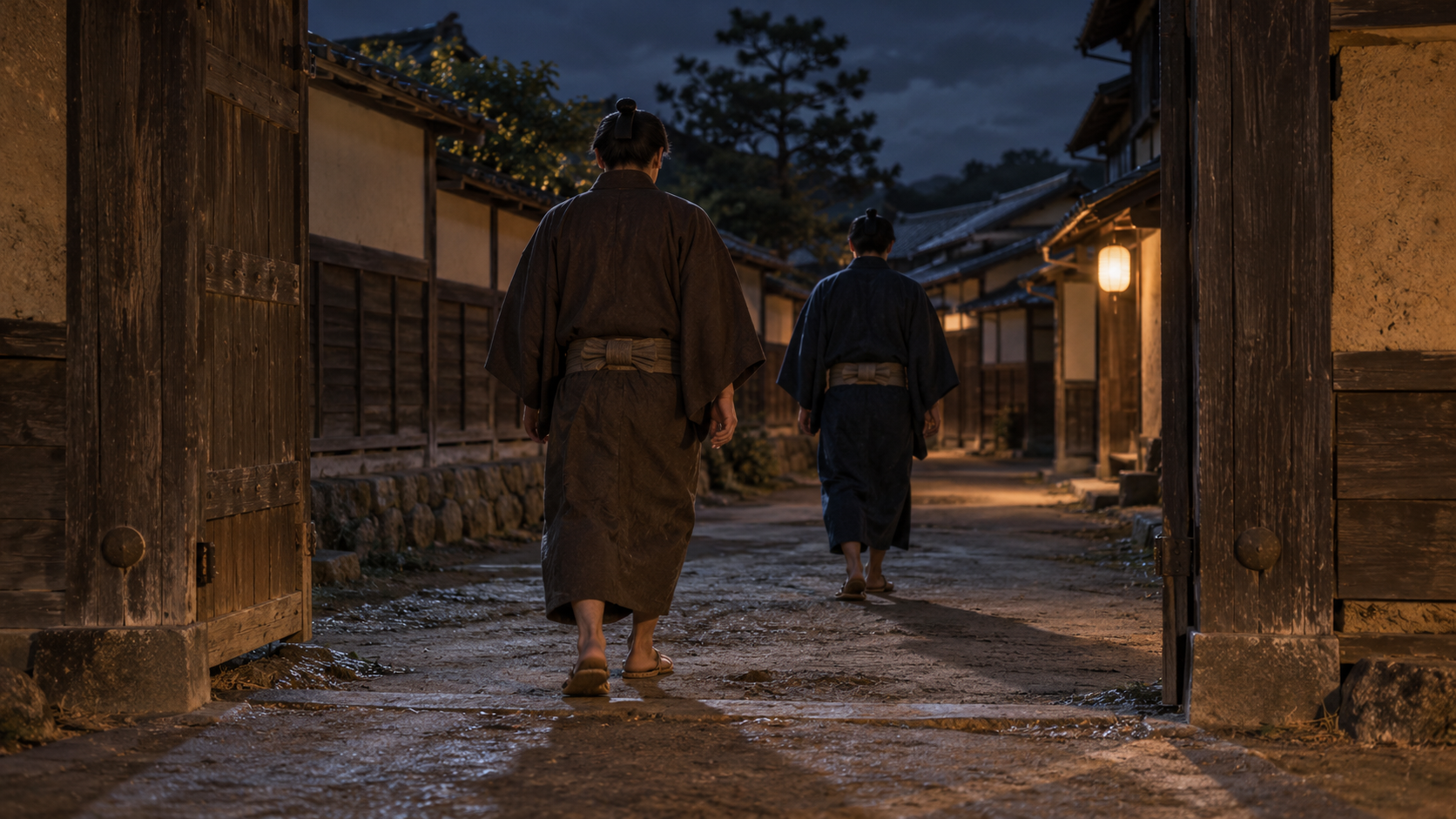
The attack on Itō
Shimogyō Ward’s guide places the attack on Itō outside the gate of Honkōji, as he returned from a drinking gathering with Kondō Isami. Kaikōji’s history likewise describes an ambush on his return and his death at Aburanokōji.
The prefectural chronology identifies Shinsengumi members as the attackers. The established outline is that Itō was attacked and died. That outline can be stated without pretending to narrate the scene from inside it.
What words were exchanged during the gathering? What did Itō anticipate? From precisely where did the attackers emerge? The sources examined here do not allow those details to be presented as a continuous eyewitness account.
Knowing the outcome afterward does not mean Itō knew it in advance. The account therefore retains the distinction between what the institutional histories report and the thoughts, speech and movements that a dramatic retelling might supply.
CHAPTER 09
Those who came for the body
The violence did not end with Itō’s death. According to Kaikōji’s explanation, Goryō Eji members heard what had happened and went to collect his body.
They too encountered an ambush. Tōdō Heisuke, Hattori Saburōbei and Mōnai Kenmotsu were killed. The prefectural chronology also records that three more men died among those who hurried to the scene after hearing the news.
The first attack on Itō and the subsequent attack on those who came afterward should be kept distinct. This sequence explains why the incident is remembered through several deaths, rather than as a single encounter involving everyone at once.
An attempt to retrieve a companion’s body led to another deadly confrontation. Without adding graphic sword fighting, the sequence itself conveys the severity of the division between people who had once belonged to the same organization.
CHAPTER 10
A site in the city and a place of remembrance
The area around Honkōji is now introduced as the site associated with the deaths of Itō and his companions. At Kaikōji’s Goryō Eji burial ground, memorial stones bear the names of Mōnai Kenmotsu, Itō Kashitarō, Tōdō Heisuke and Hattori Saburōbei.
The place of an attack and the later burial ground where the dead were mourned are not identical. Walking through the city today may connect them as points within one story, but they have different relationships to the events.
Nor can the present landscape be taken as an unchanged view of the city on the night of the incident. A modern visit establishes what can be seen now; it does not by itself recover the arrangement of every historical building or stone.
Markers and graves convey both the event and the later work of remembering and mourning it. Following these places means tracing how memory was passed on, as well as identifying locations associated with the original incident.
CHAPTER 11
What can be established, and what remains open
Why were weapons turned against former companions? A single line of dialogue or an assumed personal emotion cannot adequately answer that question.
Municipal accounts of historical sites and the temple’s history describe changes in affiliation, movements between bases, the attacks and the deaths. They do not establish each person’s inner thoughts or the complete route by which orders were transmitted with the same certainty.
Even the Shinsengumi’s final headquarters within central Kyoto has unresolved features. Kyoto City’s account cautions that the exact location, size and layout of the buildings are not securely known.
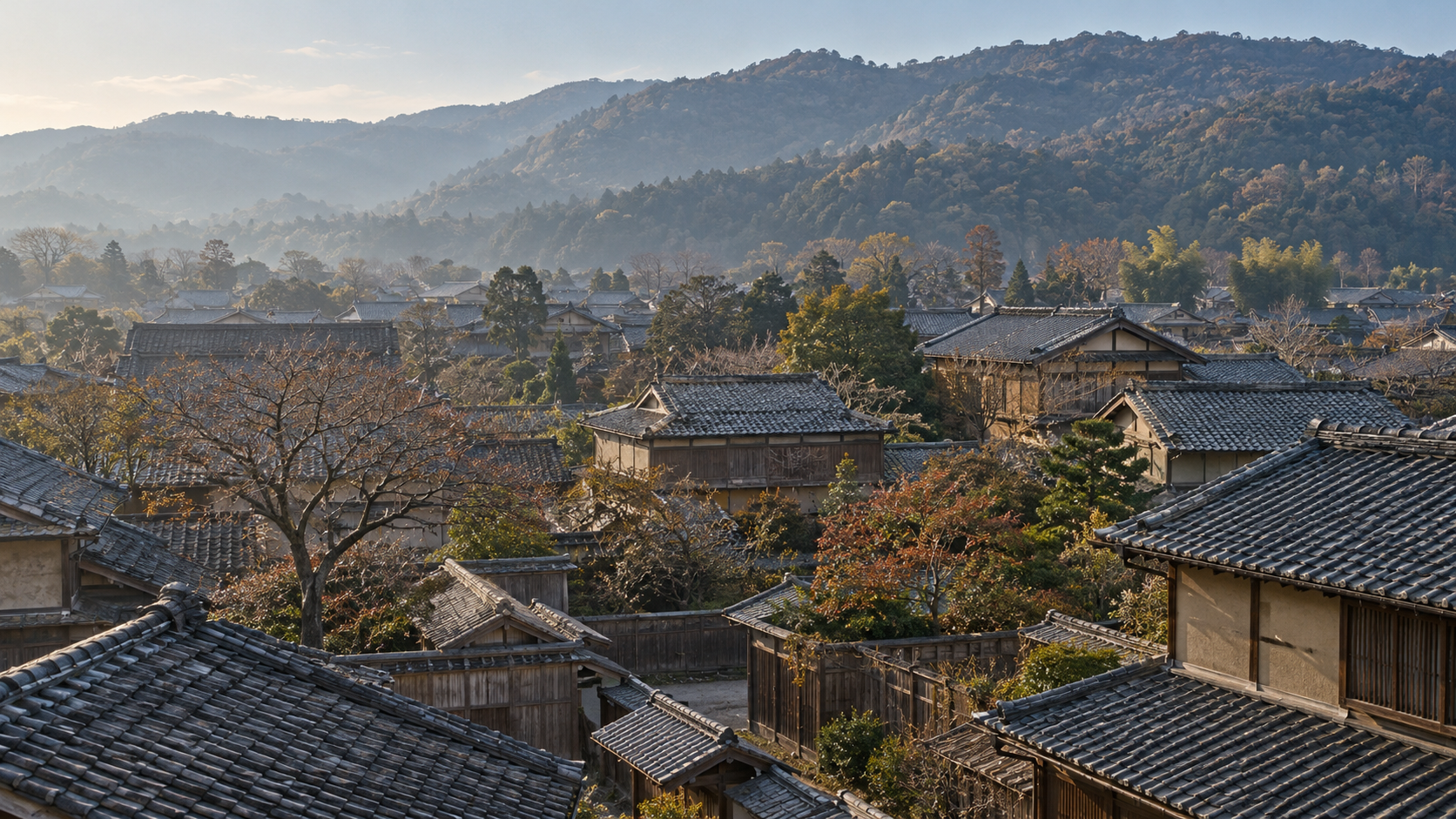
An image that fills such gaps is an illustration for explanation. The presence of visible detail does not make every part of an image a past reality established by the record. This distinction applies to the fictional scenes accompanying the article as well.
CHAPTER 12
Remembering that they had been companions
Conflict in Kyoto continued after Aburanokōji. The Restoration of Imperial Rule in the historical twelfth month was followed by the Battle of Toba–Fushimi in the first month of the following year.
The separation of the Goryō Eji and the deaths of Itō and his companions occurred during this transition. Ending the account as a story of a powerful Shinsengumi defeating an outside enemy would obscure the choices of people who had previously belonged together.
In spring they left the organization; in summer they had a different duty and base; in autumn the government of the capital was changing. At the end of that sequence, even men who came to retrieve a companion’s body lost their lives.
Changes in affiliation can be traced, but all that these people carried with them cannot be compressed into a simple division between good and evil. Aburanokōji invites us to examine a rupture while retaining the fact that those divided had once been companions.
How to read this work
History, interpretation, and reconstruction
Read the Aburanokōji Incident through changing affiliations and bases, without erasing the time when those divided had been companions.
This work is grounded in published sources and historical research. Interior thoughts, dialogue, and some visual details are cinematic reconstructions. Where historians disagree, the article presents the point as debated rather than settled fact.
Timeline
The story in time
-
Fifteen men including Itō leave the Shinsengumi, become imperial mausoleum guards and move to Chōenji.
Sources: s02 -
The Goryō Eji comes under Toda Tadayuki and establishes its base at Gesshin’in.
Sources: s02 -
The Shinsengumi enters direct service under the shogun and establishes its new headquarters at Fudōdō village.
Sources: s04 -
Yoshinobu proposes returning governing authority to the imperial court; the court accepts the following day.
Sources: s06 -
Kyoto City erects the Goryō Eji headquarters marker before Gesshin’in.
Sources: s02
People & terms
A guide for new readers
Glossary
- Goryō Eji 御陵衛士
- The imperial mausoleum guards formed by Itō and his companions after leaving the Shinsengumi. Their duty concerned Emperor Kōmei’s mausoleum.
- Shinsengumi 新選組
- The organization from which Itō’s group separated. It became a unit directly under Shogun Tokugawa Yoshinobu in the historical sixth month of 1867.
- Taisei Hōkan 大政奉還
- The return of governing authority proposed by Yoshinobu and accepted by the imperial court in the historical tenth month of Keiō 3.
- Tonsho 屯所
- A headquarters or base used by a group. A marker for a former tonsho does not necessarily identify the precise layout of the original buildings.
- Tatchū 塔頭
- A subtemple associated with a larger temple. Gesshin’in was a subtemple of Kōdaiji and served as the guards’ base.
- Keiō 慶応
- The era name used in the historical dates here. The numbered months are retained in the historical calendar unless an equivalent modern date is supplied.
- Kōdaiji Party 高台寺党
- A name associated with the Goryō Eji’s base at Gesshin’in within Kōdaiji; it does not mean the guards became monks.
Sources & method
How this article was built
This English edition follows the fixed Japanese article’s twelve chapters, seven timeline entries and nine source IDs. Municipal departments and Nijō Castle are grouped under Kyoto City; the prefectural archive, Kaikōji and the tourism association are separately identified. Source titles in English are editorial translations.
The adopted reading scope consists of the published institutional explanations and the relevant sections identified in the source notes. It does not include an independent reading of the original volume of Ishin Shiryō Kōyō or the original letters and memoir cited by the headquarters inscription. The temple’s account is not treated as a contemporary eyewitness record.
The fifteen-man departure, the first attack on Itō, and the later attack on those collecting his body are kept separate. The historical calendar and the supplied Gregorian equivalent are also distinguished. No new dialogue, inner thoughts, command chain, participant count or precise architectural reconstruction is supplied.
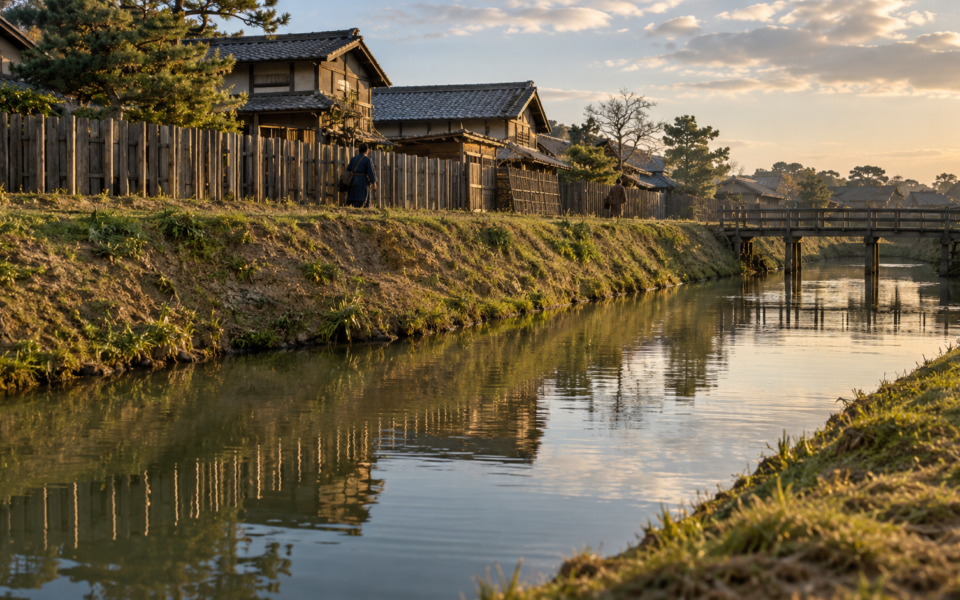
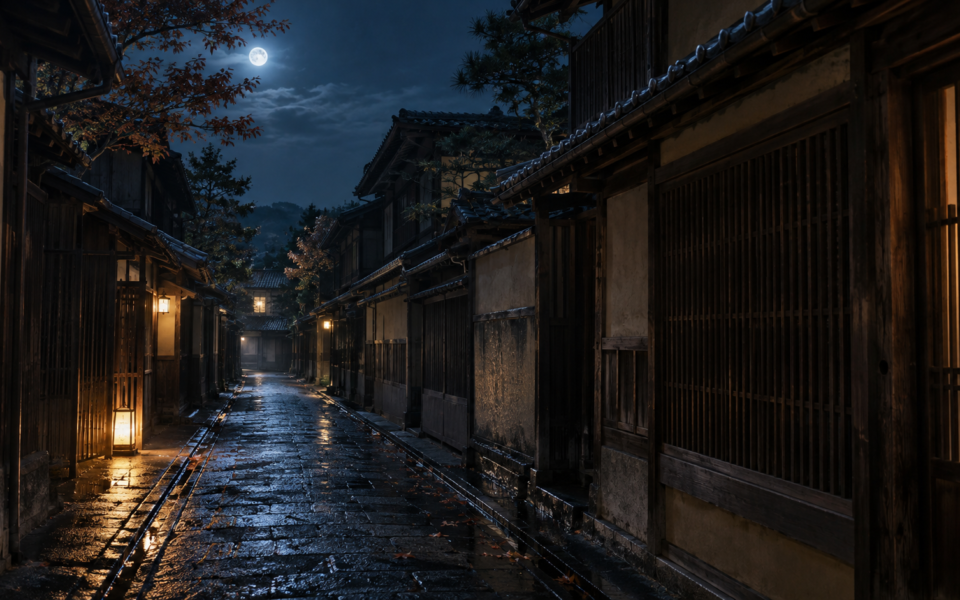
The twelve illustrations are AI-generated explanatory scenes owned by SHIGEKI. They do not reproduce institutional photographs or historical documents and do not identify the anonymous figures as the named participants. Their visual detail is not evidence for exact buildings, possessions, routes or the arrangement of graves.
Sources
References and further reading
- Historical Materials Archive: Eighteenth Day of the Eleventh Month of Keiō 3 京都府立京都学・歴彩館 歴史資料アーカイブ・慶応3年11月18日 Title translated editorially for reader convenience. Kyoto Institute, Library and Archives, Kyoto Prefecture 京都府立京都学・歴彩館 The short chronology entry pairs the historical date with December 13, 1867 and records the attack on Itō and three further deaths. Its cited source is Ishin Shiryō Kōyō, volume 7; the original volume has not been independently read for this article. Accessed 2026-10-23
- Site of the Goryō Eji Headquarters, HI005 京都市・御陵衛士屯所跡HI005 Title translated editorially for reader convenience. Kyoto City 京都市 The explanatory text and marker information establish the fifteen-man separation, Chōenji, the move under Toda Tadayuki to Gesshin’in, and the marker’s erection in 1968. The modern stone and the historical headquarters sign are distinguished. Accessed 2026-10-23
- The Imperial Mausoleum Guards and Their Burial Ground 戒光寺・禁裏御陵衛士 Title translated editorially for reader convenience. Kaikōji 戒光寺 The temple’s history describes Itō’s assassination and the deaths of Tōdō, Hattori and Mōnai when the body was being collected, and identifies the four memorials. It is a later institutional history, not an independent contemporary eyewitness statement. Accessed 2026-10-23
- Site of the Shinsengumi’s Last Residence in Central Kyoto, SI067 京都市・新選組洛中最後の屋敷跡SI067 Title translated editorially for reader convenience. Kyoto City 京都市 The explanation and subsidiary inscription describe the Fudōdō headquarters and direct service under the shogun in the historical sixth month. They also warn that the precise site and building layout remain uncertain. The letters and memoir cited in the inscription have not been independently read here. Accessed 2026-10-23
- Rediscovering Shimogyō: Following Sites of the Meiji Restoration 京都市下京区・明治維新の跡をたずねて Title translated editorially for reader convenience. Kyoto City 京都市 The relevant entry places Itō’s attack near Honkōji after a gathering with Kondō. Its compressed wording is read alongside the temple and tourism accounts; it is not extended to mean that the three men later collecting the body had all attended the gathering. Accessed 2026-10-23
- Nijō Castle: History, the Return of Governing Authority 元離宮二条城・歴史 大政奉還 Title translated editorially for reader convenience. Kyoto City 京都市 The Taisei Hōkan section supplies the proposal and acceptance on the historical tenth month’s fourteenth and fifteenth days, with the preceding consultation of domain representatives. It does not establish the immediate disappearance of armed organizations. Accessed 2026-10-23
- Fushimi Battlefield of the Meiji Restoration, HU007 京都市・明治維新伏見の戦跡HU007 Title translated editorially for reader convenience. Kyoto City 京都市 The short historical explanation places Toba–Fushimi after Taisei Hōkan, in the first month of Keiō 4. Troop figures and detailed routes are outside this article’s adopted scope. Accessed 2026-10-23
- The Transfer of the Capital to Tokyo and Kyoto’s Recovery 京都市上京区・東京遷都と京都の復興 Title translated editorially for reader convenience. Kyoto City 京都市 The relevant historical overview supplies the sequence from the return of authority and Restoration of Imperial Rule to Toba–Fushimi. Later population figures and industrial history are not used here. Accessed 2026-10-23
- Kyoto Travel: Honkōji 京都市公式京都観光Navi・本光寺 Title translated editorially for reader convenience. Kyoto City Tourism Association 京都市観光協会(京都市公式京都観光Navi) The temple introduction distinguishes the attack on Itō, movement of his body and the deaths among those who came for it. A tradition concerning his death beside a stone monument is not elevated into an independently established reconstruction. Modern events and admission information are outside scope. Accessed 2026-10-23
Continue reading
More stories from Shigeki
Shigeki English
Sakai’s Merchant City: Trade, Self-Government and Survival
A port, a merchant council and town communities—from changing authority to rebuilding after fire.
- When From the later fifteenth century through the Sengoku period, the fire of 1615 and early Edo-period reconstruction.
- Where Sakai, in present-day Osaka Prefecture, where maritime routes met roads on land.
Shigeki English
The Ōmiya Incident: Reading the Records of Ryōma’s Last Night
The attack, the publication of recollections, and the erection of a memorial belong to different moments.
- When The attack in 1867; recollections published in the Meiji and Taishō eras; a marker erected in 1927.
- Where The Ōmiya, a soy-sauce merchant’s shop on Kawaramachi in Kyoto.