
SHIGEKI ENGLISH STORYEN
Japanese history in English
The Hōgen Conflict: Kiyomori and Yoshitomo on the Same Side
Imperial rivalry, divided relatives and a severe aftermath: trace the relationships of 1156 without imposing the later Minamoto–Taira conflict upon them.
Kiyomori and Yoshitomo fought on Emperor Go-Shirakawa’s side in 1156. Follow the divisions involving Sutoku, the Fujiwara brothers, Tameyoshi and Yoshitomo, and Tadamasa and Kiyomori. Distinguish a brief battle from its aftermath, present-day monuments from medieval evidence, and a printed tale from the event it narrates.
At a glance
Before you enter the story
- When
- 1156 and its aftermath, compared with 1159; a 1624 printed item, later Edo–Meiji memorial history and a 1939 marker are identified separately.
- Where
- Kyoto, particularly the Shirakawa residence associated with Sutoku; Sanuki as the destination of his exile; later memorial sites and a university collection provide different kinds of evidence.
- Key figures
- Taira no Kiyomori, Minamoto no Yoshitomo, Minamoto no Tameyoshi, Taira no Tadamasa, Retired Emperor Sutoku, Emperor Go-Shirakawa, Fujiwara no Tadamichi, Fujiwara no Yorinaga
- What was at stake
- Imperial succession and political leadership, alignments dividing relatives, destruction, punishment and the later memory of the conflict.
Why this story matters
The larger history behind the turning point
Family names alone cannot explain the camps in 1156. Following relatives who supported different sides reveals how court politics and military power overlapped, while the aftermath shows why a battle lasting hours could have consequences extending far beyond its duration.
Historical context
What an international reader needs to know
Several divisions inside the capital
The emperor and retired emperor in this account were not joined by two neatly separate warrior families. Tadamichi and Yorinaga, brothers of the Fujiwara house, supported different sides. The military supporters also divided within families. Kinship and political affiliation are therefore shown together, without assuming that one determined the other.
Go-Shirakawa’s title helps orient the comparison with 1159. He is emperor during Hōgen and retired emperor during Heiji. Kiyomori and Yoshitomo’s relationship changes as well. Keeping both differences visible prevents two distinct conflicts from being merged into one unchanged sequence of camps.
The account follows the institutional explanations within their scope. It does not reconstruct the private motives of every supporter or turn family divisions into imagined speeches. The alignments themselves demonstrate the overlap of court, aristocratic and military relationships.
An event and the things that remember it
The event occurred in 1156, but the objects and explanations through which it is encountered have their own dates. The marker at the Shirakawa site dates to 1939. Tameyoshi’s mound has a later history of recorded tradition and relocation. Neither is treated as an unchanged scene from the fighting.
The university catalogue’s 1624 date belongs to a particular printed copy of Hōgen monogatari. It does not date the first composition of the tale, and the copy is not an eyewitness manuscript from 1156. A chronology citing Heihanki and a catalogue describing a printed narrative serve different evidential purposes.
The dated entries retain the historical calendar. The eleventh day of the seventh month is not labelled as a modern July date without conversion. Likewise, uncertainty about a head-mound tradition remains uncertainty: a later commemorative explanation cannot be strengthened into proof of a precise grave.
Watch the film
See the story in motion
The film currently uses Japanese audio. This English article provides the context and source trail; it does not imply that an English subtitle track is available.
Chapter 01
A division that crosses family names
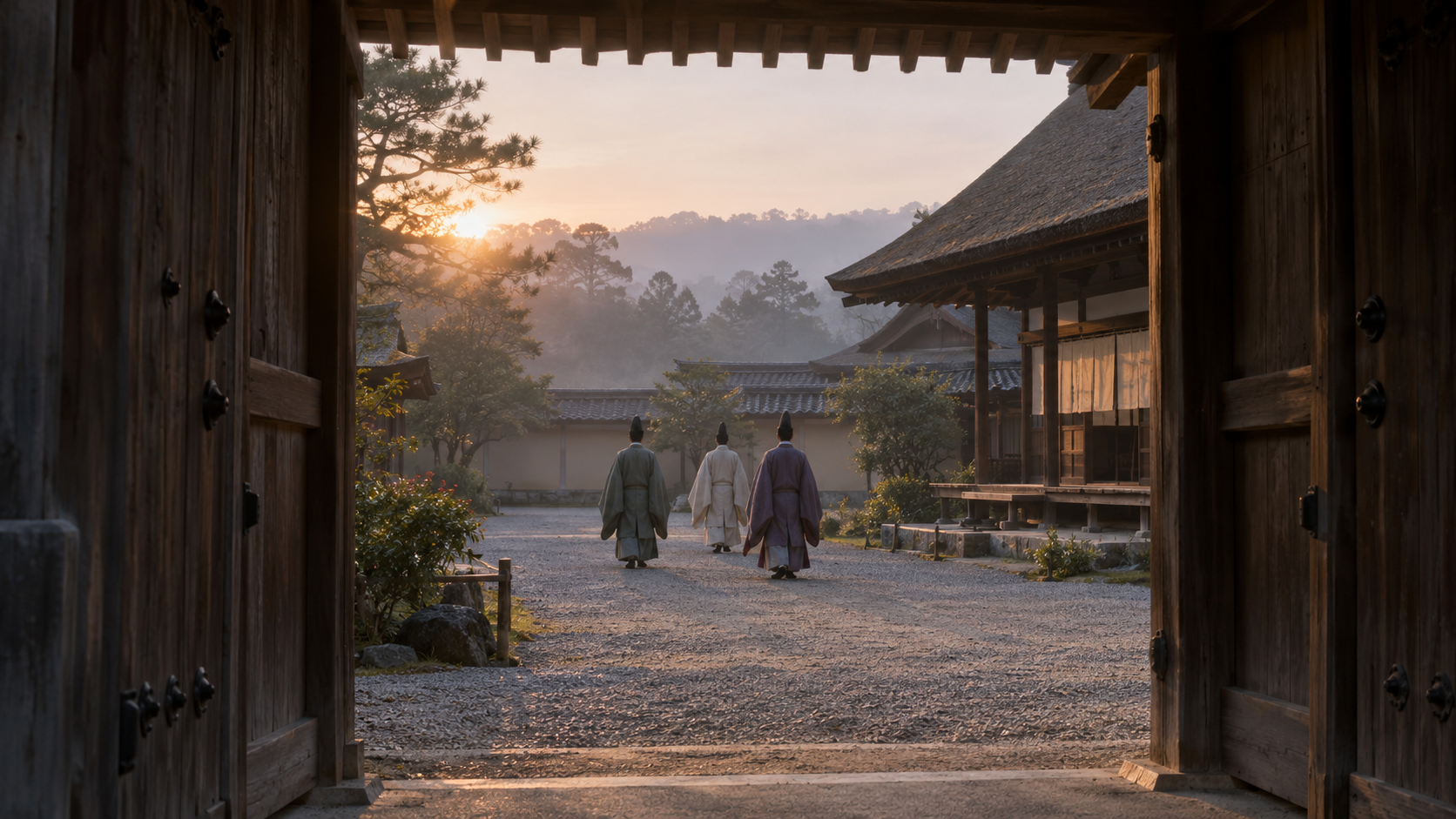
Taira no Kiyomori and Minamoto no Yoshitomo may first bring opposing families to mind. In the Hōgen conflict of 1156, however, they fought on the same side. The later struggle between the Minamoto and Taira cannot supply an unchanged map of the earlier conflict.
Kyoto City’s chronology records Kiyomori, Yoshitomo and others attacking the retired emperor Sutoku’s Shirakawa residence. On the other side were Yoshitomo’s father, Tameyoshi, and Kiyomori’s uncle, Tadamasa. Family relationships crossed the division between the camps rather than defining it.
Drawing a line between two family names would therefore miss how the fighting was organized. Father and son, or uncle and nephew, could support different sides. Kinship remained a relationship, but it did not automatically determine political alignment at this moment.
Following who joined whom, and where relationships divided, offers a way into the conflict in the capital. The question is not only which family a warrior belonged to, but which connections placed him within a particular camp. Those combinations give this civil conflict its distinctive shape.
Chapter 02
The capital after Toba’s death
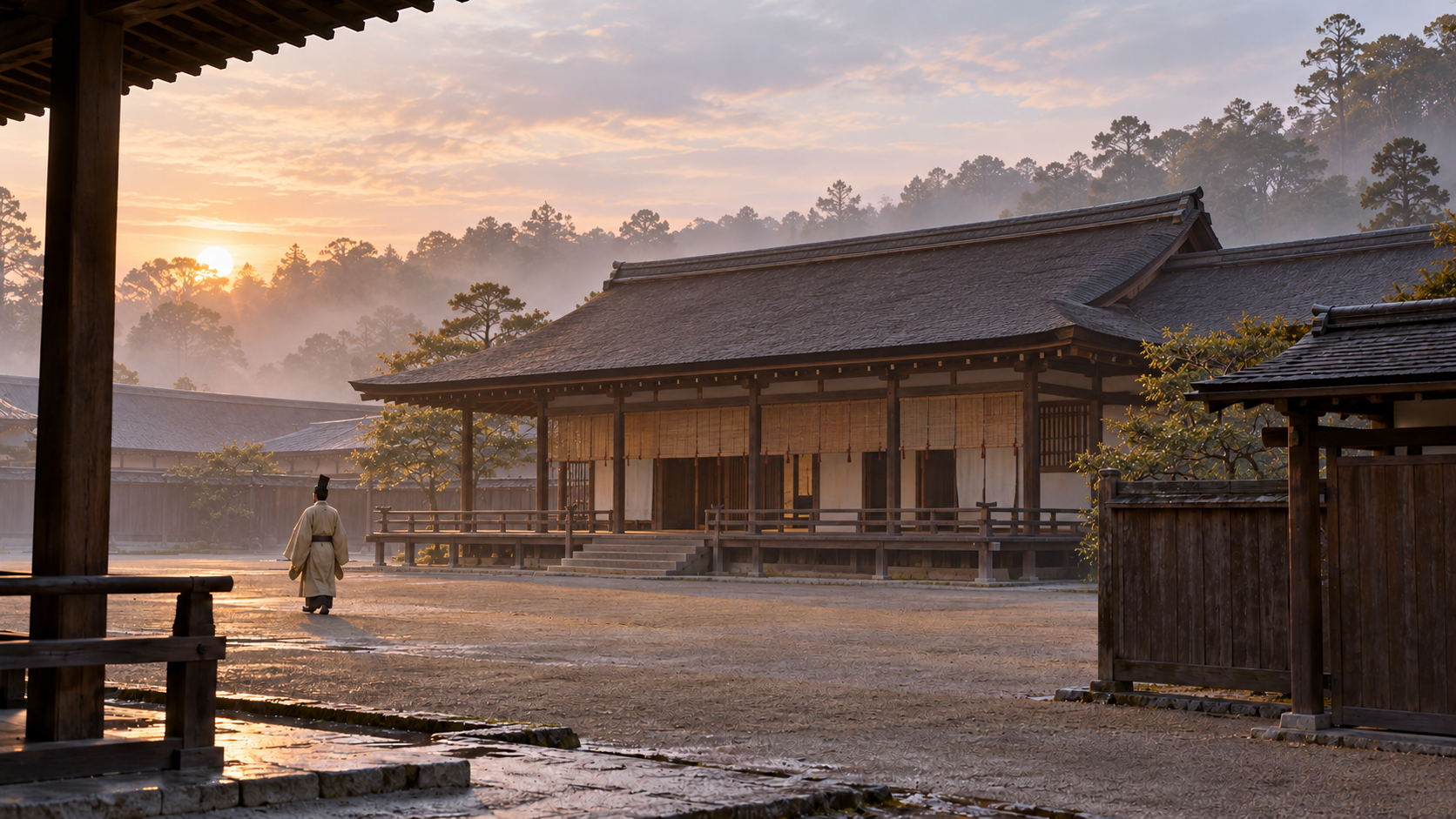
The Japan Arts Council’s historical introduction explains the conflict as a struggle over imperial succession and political leadership after the cloistered emperor Toba’s death. Retired Emperor Sutoku stood on one side, and Emperor Go-Shirakawa on the other. The imperial relationship was central to the political setting.
Go-Shirakawa’s title in 1156 was emperor. His later activities as a retired and then cloistered emperor should not be transferred backwards into this event. Using the title appropriate to the date helps keep the participants’ positions clear, especially when the account later reaches 1159.
The Hiroshima Prefectural Archives chronology places Toba’s death and the attack on the Shirakawa residence on different days of the same seventh month. These are dates in the historical calendar. They are not silently treated as the corresponding dates in the present-day calendar.
After the loss of a figure who had sustained political authority, the dispute moved into armed conflict. More than the affairs of a single house were involved. Imperial relationships, aristocratic divisions and military supporters came together within the politics of the capital.
Chapter 03
Fujiwara brothers in opposing camps
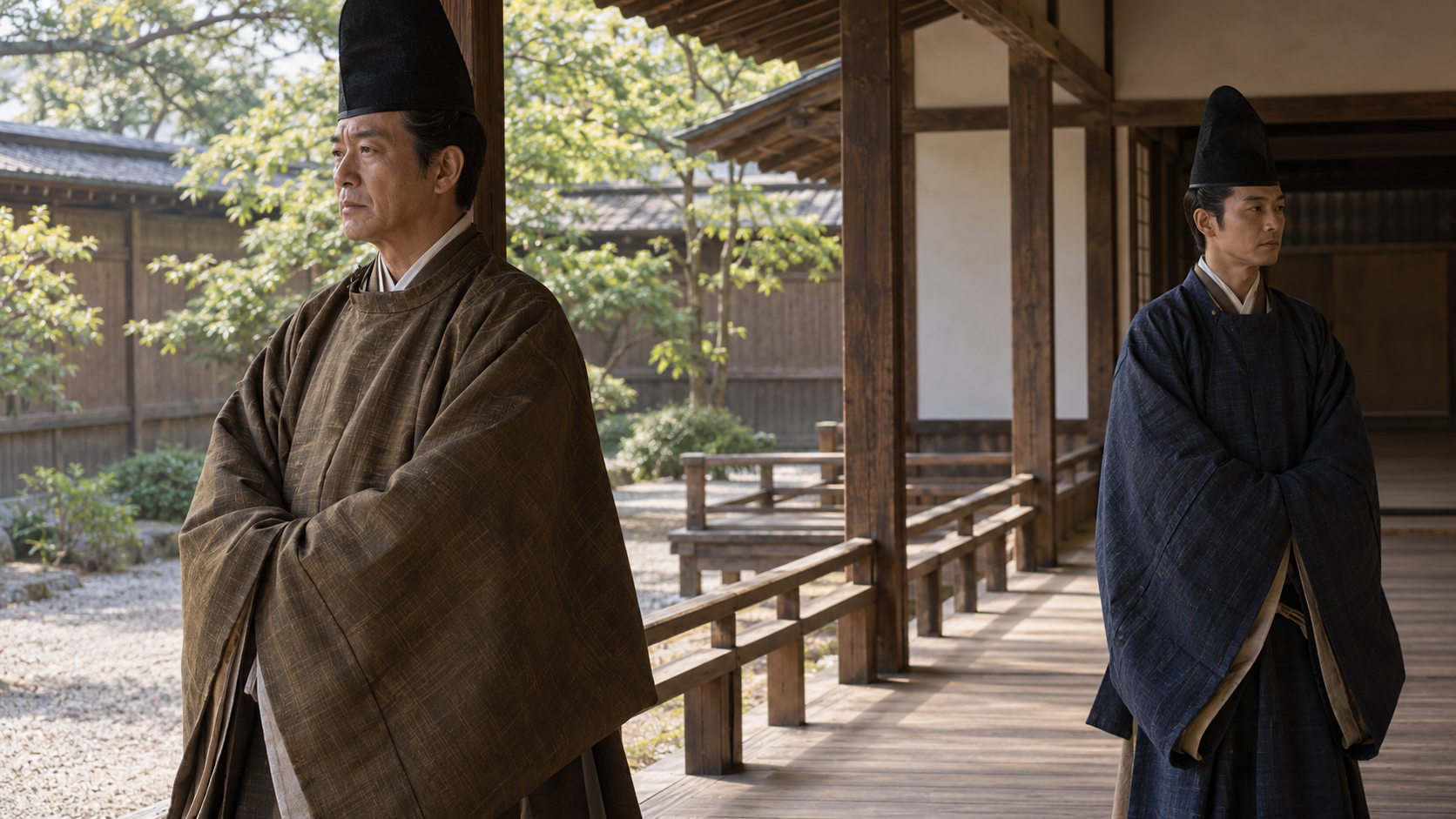
The division was not confined to the emperor and retired emperor. Fujiwara no Tadamichi and Fujiwara no Yorinaga also stood on different sides. The published Nagano City history identifies them as brothers and explains their connection with the question of imperial succession.
Tadamichi supported Emperor Go-Shirakawa, while Yorinaga supported Retired Emperor Sutoku. Divisions within the court overlapped with a division inside the Fujiwara house that had exercised major political roles. An explanation limited to warriors would leave these relationships out.
Both camps needed military support. A diagram of court and warriors facing each other as wholly separate worlds would therefore be misleading. Warriors entered a dispute shaped by political connections within the capital, rather than confronting one unified court from outside.
The relevant question is who was connected with whom at that particular time. Birth into a house does not by itself explain every alignment. Looking at the brothers alongside their military supporters reveals several overlapping divisions instead of a simple opposition between two blocs.
Chapter 04
Tameyoshi and Yoshitomo: father and son
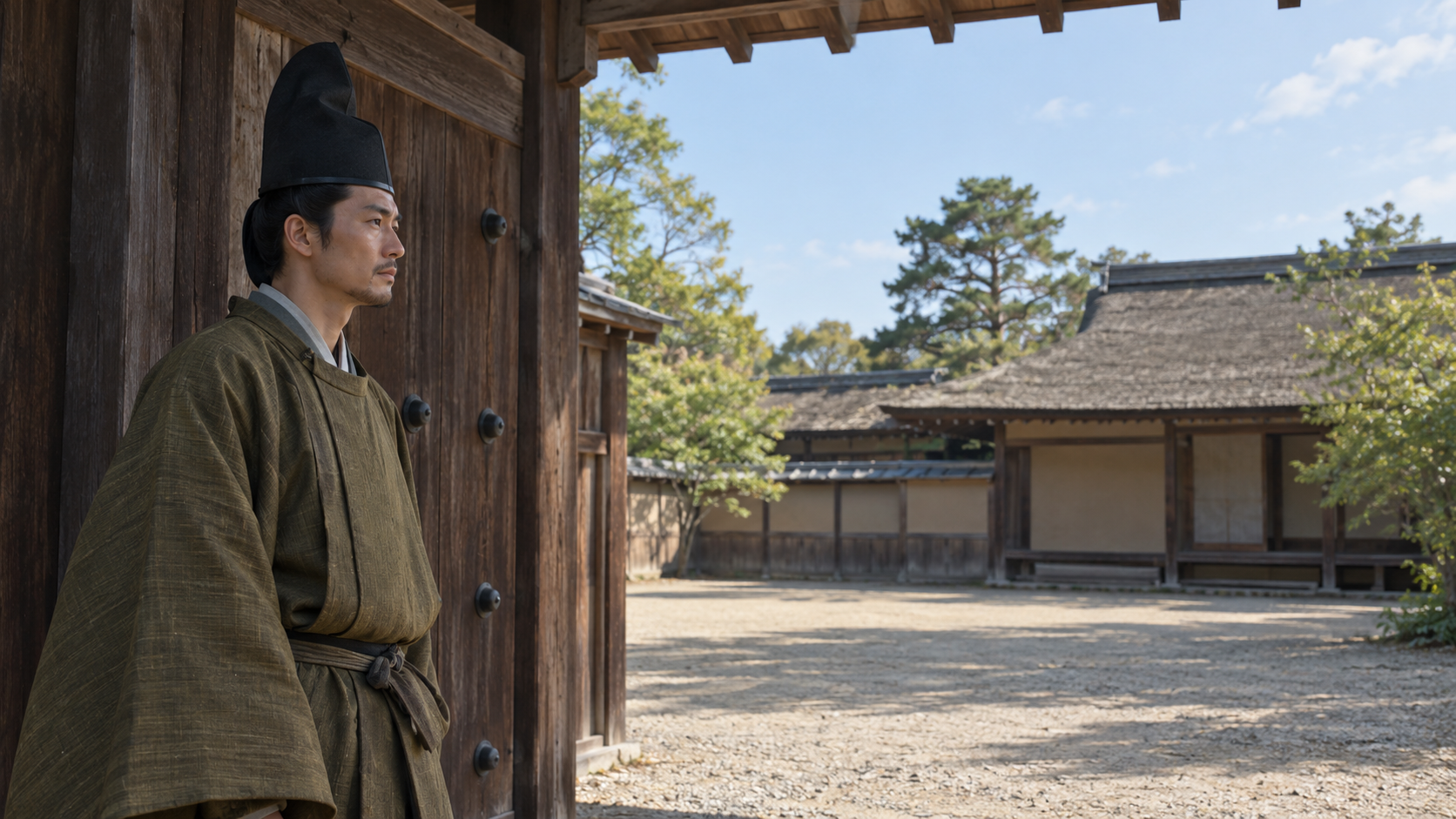
Minamoto no Yoshitomo supported Emperor Go-Shirakawa. His father, Minamoto no Tameyoshi, supported Retired Emperor Sutoku. The shared Minamoto name and their father–son relationship did not place them in the same camp. Their different alignments are essential to understanding what followed.
Kyoto City’s explanation concerning Tameyoshi’s memorial mound likewise states that he sided with Sutoku and, after defeat, surrendered to his eldest son Yoshitomo. The relationship in the account is therefore both familial and political, with a defeated father turning to a son on the victorious side.
Those two relationships existed simultaneously. Establishing the genealogy does not complete the explanation of the political ties formed in the capital. The wartime division could cut across a bond that remained significant when the outcome of the fighting was decided.
The account does not add what Tameyoshi said at that moment or how Yoshitomo replied. Following the supported alignment and surrender is sufficient to approach the weight of the subsequent punishments. An invented conversation would not provide additional evidence for their relationship.
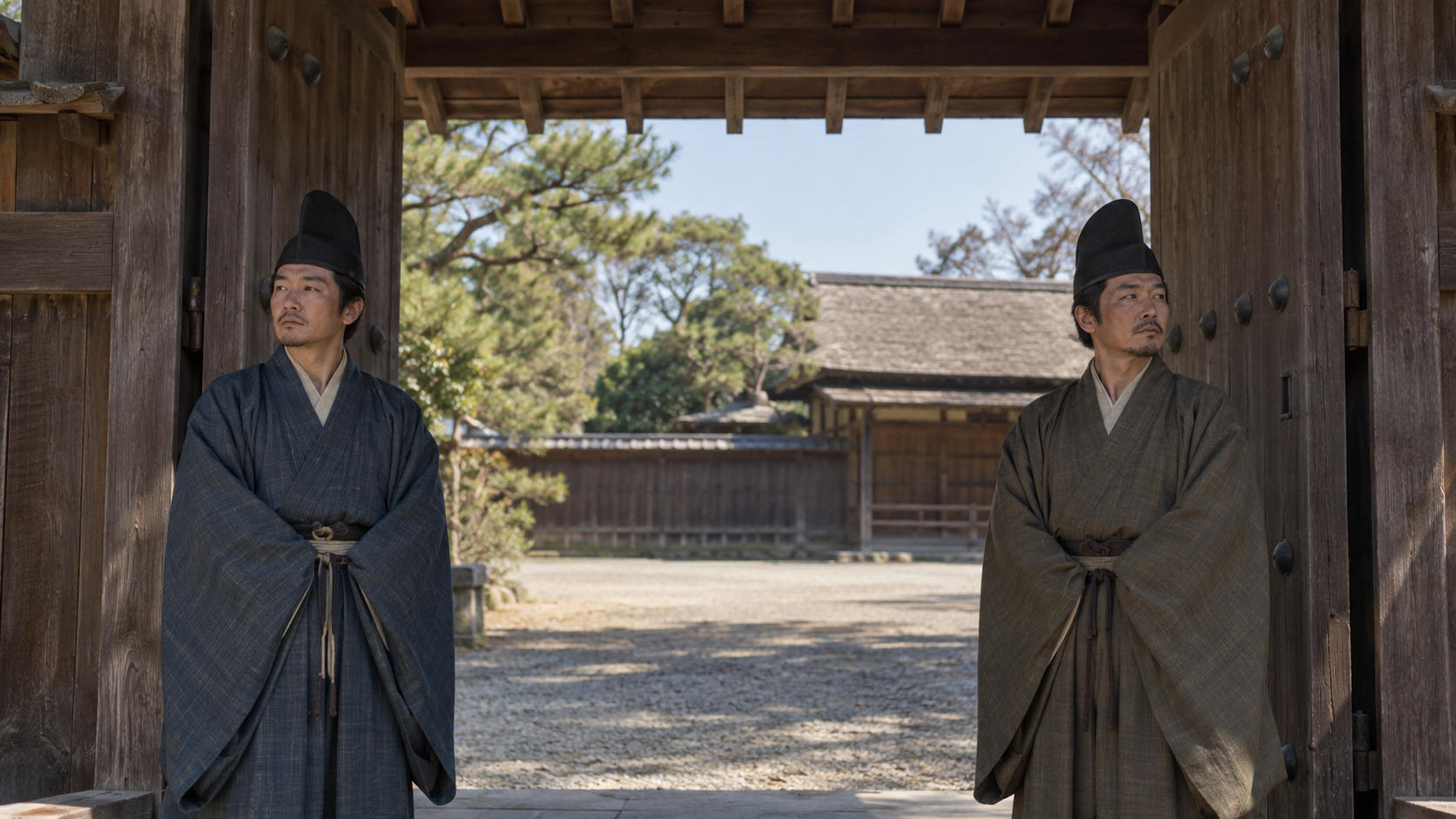
Chapter 05
Tadamasa and Kiyomori: uncle and nephew
The Taira were not united in one camp either. Kiyomori supported Emperor Go-Shirakawa, while his uncle Taira no Tadamasa supported Retired Emperor Sutoku. The division within their family parallels the division between Tameyoshi and Yoshitomo, without making the two relationships identical.
Kiyomori and Yoshitomo stood together; Tadamasa and Tameyoshi were across the political divide. Setting out this combination shows why the conflict cannot be summarized as the Minamoto fighting the Taira. Members of both houses were involved on opposite sides of their own kin.
A shared family name and a political position were therefore different kinds of information. Both are needed to understand the conflict. Removing either would conceal how imperial and aristocratic relationships divided people who might otherwise be expected to act together.
The sources do not permit a detailed reconstruction of an actual confrontation between Kiyomori and Tadamasa or every movement they made in battle. No dialogue is supplied. The division inside the family can nevertheless be followed through the documented relationships between the camps.
Chapter 06
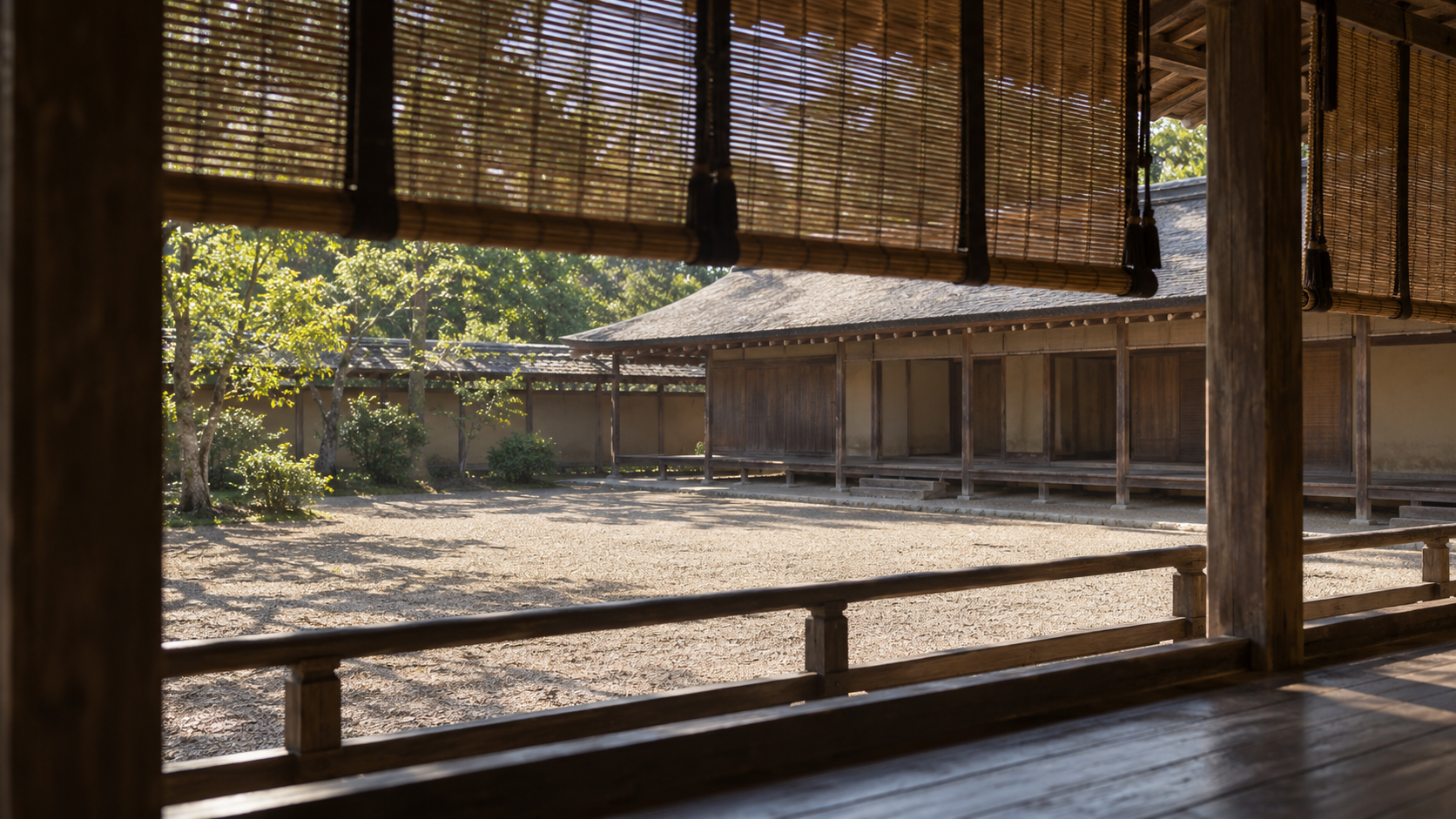
Sutoku at Shirakawa Kitadono
Shirakawa Kitadono was one of the bases entered by Retired Emperor Sutoku. Kyoto City’s monument explanation describes the place as originally a residence of the retired emperor Shirakawa, later becoming a residence of Jōsaimon’in. Its use changed before it became associated with the conflict.
Sutoku moved there in the seventh month of the year of the Hōgen conflict. The identity of the person using the residence helps place the site within the fighting. A building’s earlier history and its role in 1156 are related, but they should not be collapsed into one moment.
The present marker does not establish the exact shape of the former buildings or the positions of warriors. Nor should the word palace invite a modern building or a large castle to be projected onto the site. The institutional explanation provides a history, not a complete architectural plan.
Kiyomori, Yoshitomo and others moved against this base, and the political division became an armed clash. Relationships traced through the preceding chapters now appear in a conflict over a particular residence. The place matters within that network of people rather than as an isolated surviving building.
Chapter 07
Brief fighting, a burned residence
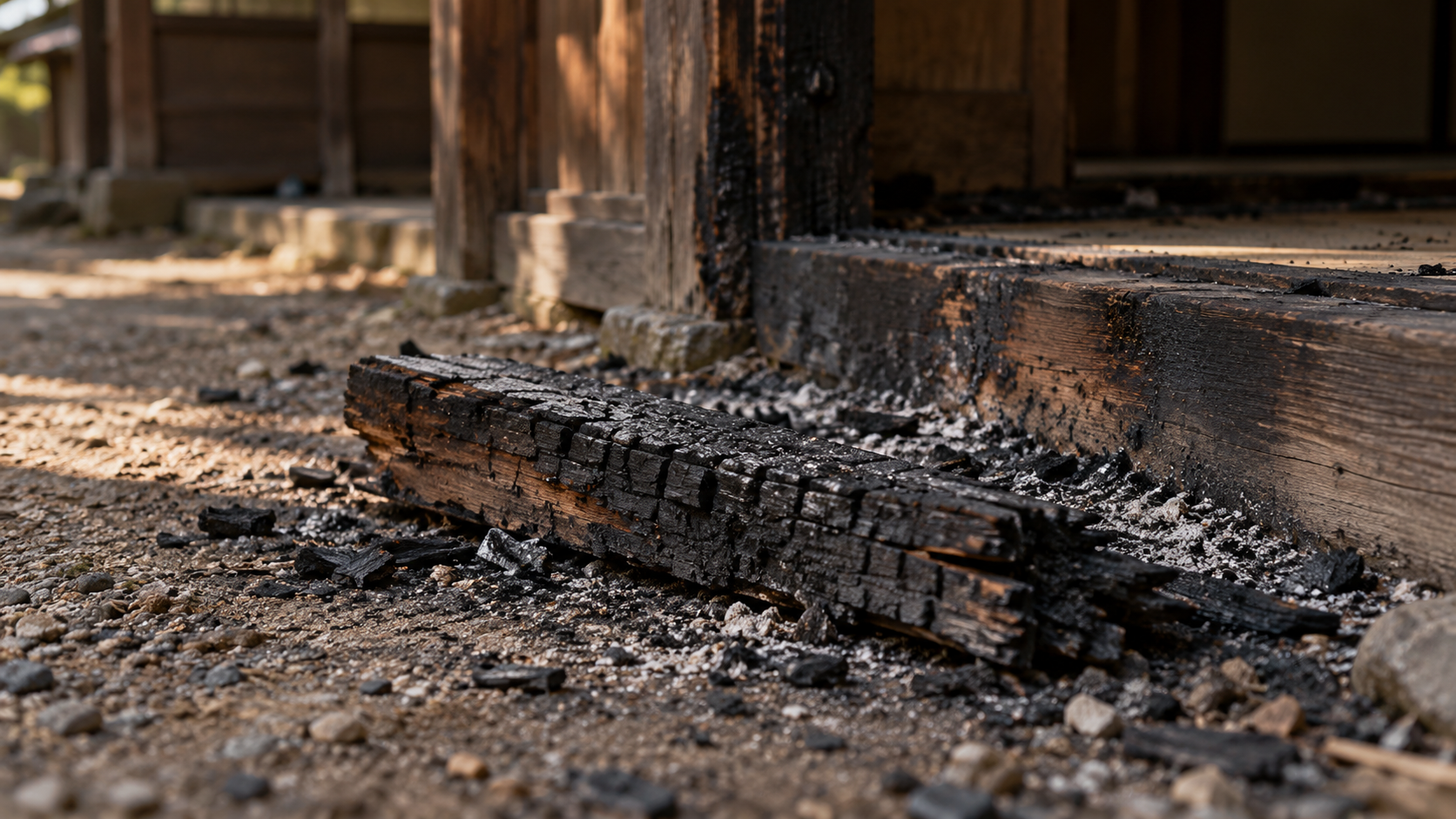
The Hiroshima archives chronology places the attack by Kiyomori, Yoshitomo and others on Sutoku at the Shirakawa residence on the eleventh day of the seventh month in the historical calendar. It is not the same day as Toba’s death. The sequence should remain visible even when summarized.
The Japan Arts Council account describes the fighting as ending within a few hours in victory for Emperor Go-Shirakawa’s side. Kyoto City also records that Shirakawa Kitadono burned during the conflict. These are distinct supported points: the account of duration, the outcome and the destruction of the base.
Brief fighting does not mean a small impact. An attack took place, the residence burned and Sutoku’s side was defeated. The consequences remained with people after the immediate clash. The length of the fighting cannot stand in for the severity of its aftermath.
A vivid military council, tactical exchange or spoken challenge is not added as a verified report. Later narrative and the work of checking dates and outcomes can be approached separately. The conflict can be followed without turning unexamined dramatic scenes into eyewitness evidence.
Chapter 08
Victory does not restore the family bond
Those on the defeated side faced severe punishments. The chronology records Yorinaga dying after being wounded and Tameyoshi and others being executed. The end of the fighting did not remove the divisions that had run through the families involved.
The Japan Arts Council’s explanation describes a son having to put a father, and a nephew an uncle, to death in the Minamoto and Taira families. The victors were placed in a relationship of responsibility for punishing their defeated kin. This is part of the conflict’s aftermath, rather than a return to former family unity.
That explanation of responsibility must be distinguished from identifying who physically wielded a blade at an execution. The account does not authenticate an execution scene or its immediate participants. Describing the relationship around a sentence is not the same as independently establishing every action by which it was carried out.
Kyoto City also attributes its account of Tameyoshi’s execution location to The Tale of Hōgen. That attribution is retained. A later explanation of a place does not become a newly verified contemporary record merely because it is displayed in connection with a memorial.
Chapter 09
Leaving Kyoto for Sanuki
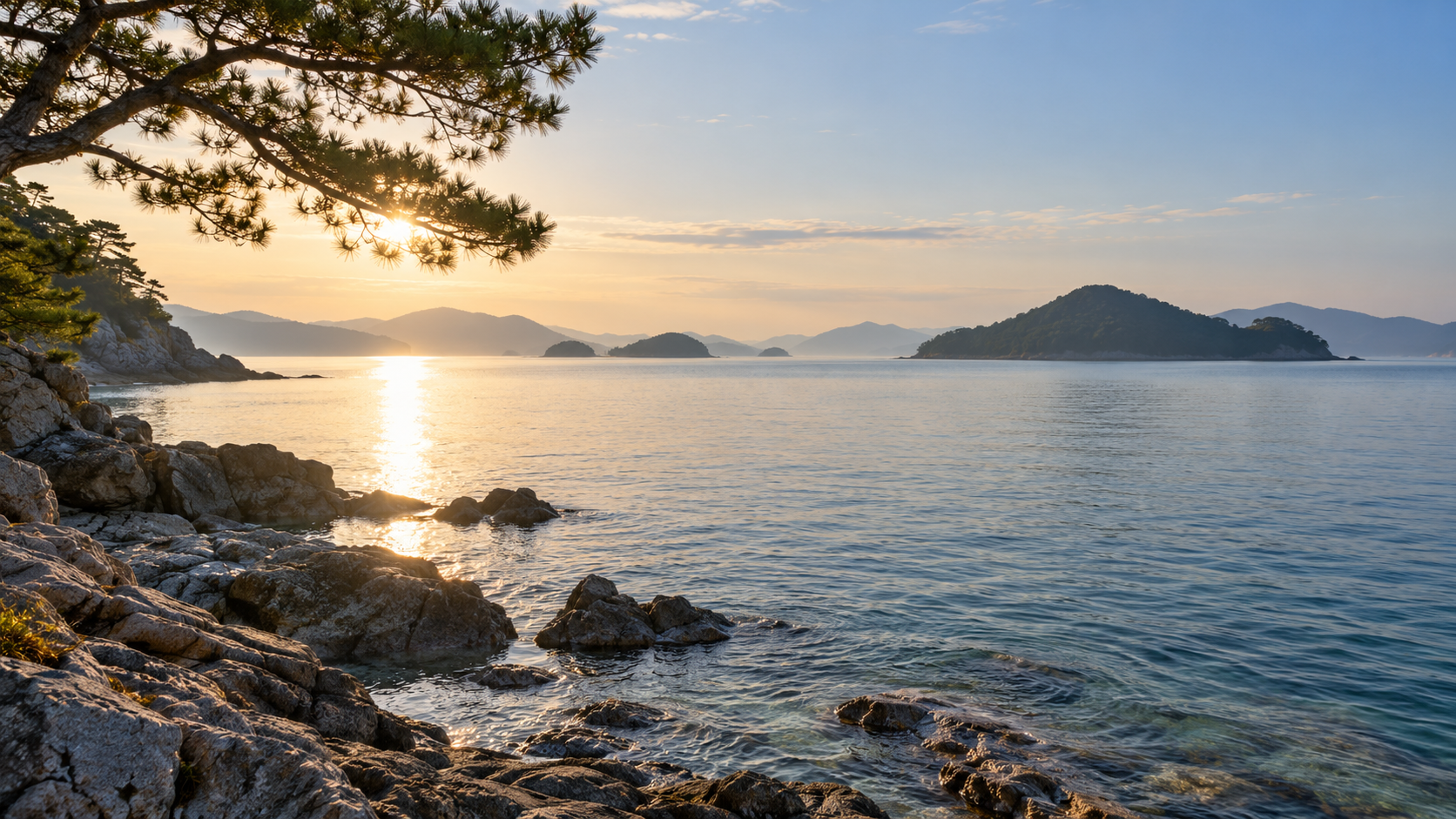
Retired Emperor Sutoku was exiled to Sanuki, the region corresponding to present-day Kagawa Prefecture. Sakaide City’s chronology records the exile in 1156 and his later death in Sanuki. The outcome of the conflict thus involved a change in where he would live as well as defeat at the capital.
Following the result beyond the battle’s base makes the settlement of the conflict more concrete. Sutoku left Kyoto. Where a defeated participant subsequently lived is another part of the aftermath, which cannot be contained within the few hours of fighting alone.
Later prayers, acts of commemoration and narratives gathered around Sutoku. Accounts of an angry spirit belong to that later field of memory and tradition. They are not adopted as the immediate cause of the conflict or as a record of his actual words.
The event of exile and the ways people later remembered it are connected but different subjects. Keeping them apart allows the history of the conflict and the reading of tradition to remain distinct. Neither requires a reconstructed voyage, a precise landing place or invented private speech.
Chapter 10
What present-day monuments tell us
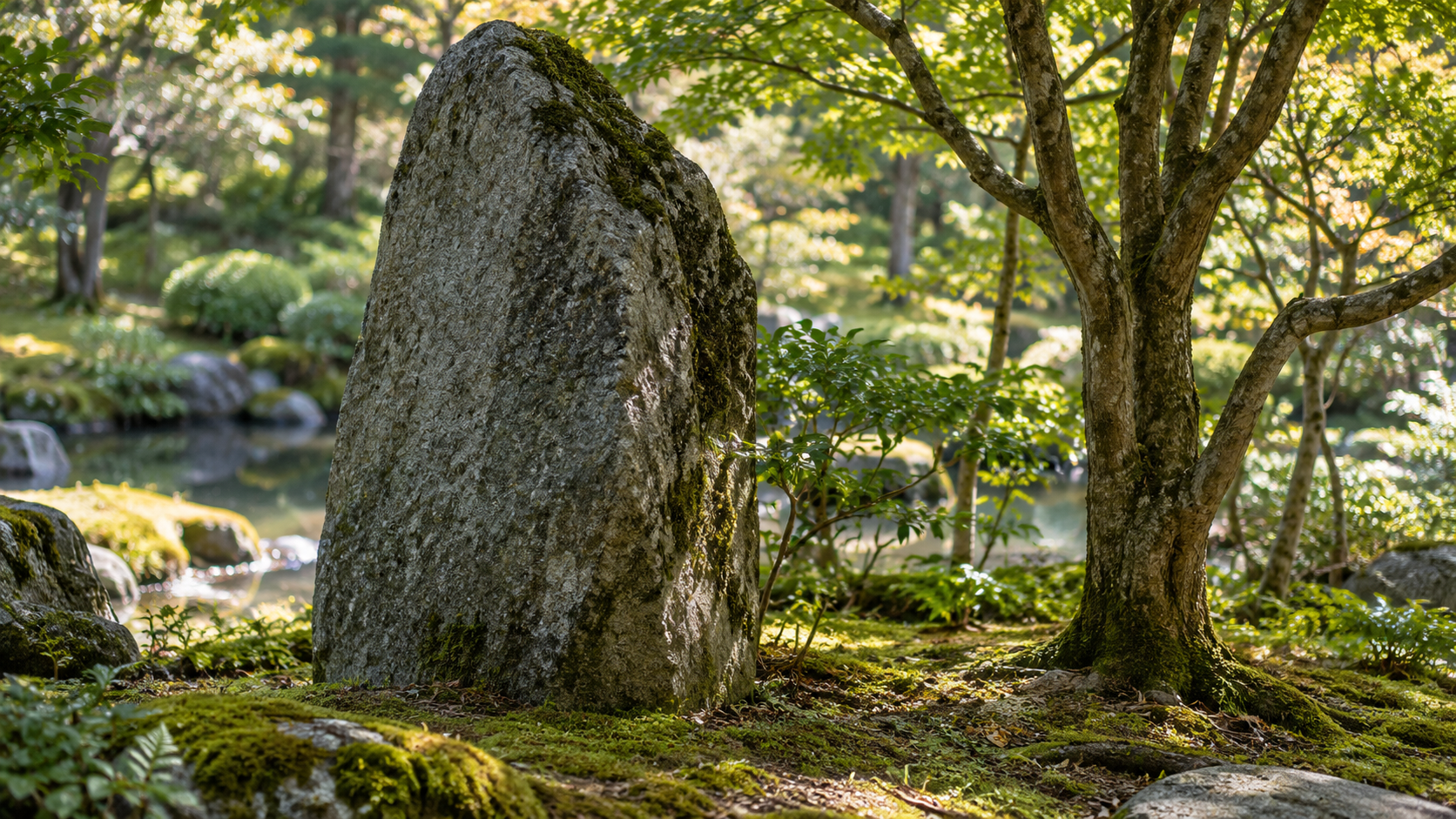
Kyoto has monuments marking places connected with the conflict. A marker’s presence does not mean that the buildings or scene of 1156 survive there unchanged. Its date and the explanation attached to it belong to the evidence that needs to be read.
Kyoto City dates the Shirakawa Kitadono marker to 1939. The account of Tameyoshi’s mound discusses a tradition recorded in an Edo-period topographical work and relocation during railway construction in the Meiji period. Those later stages are part of the history of remembrance at the site.
The place traditionally described as Yorinaga’s head mound is also uncertain. Kyoto City’s summary of the supplementary inscription mentions the possibility that it was a shrine dedicated to Yorinaga and states that the matter is not certain. The explanation does not authenticate a precise burial site.
Commemoration and tradition record the activity of people who carried memories forward. Recognizing that value does not make every later memorial direct evidence for the twelfth-century event. The question of what happened and the question of how a place came to preserve its memory remain distinguishable.
Chapter 11
An event, its sources and a printed tale
The Hōgen conflict has also been told through the war tale Hōgen monogatari. The Hiroshima archives chronology, meanwhile, names sources for events, including Heihanki. These different forms of material should not be treated as if they had the same date, purpose or evidential role.
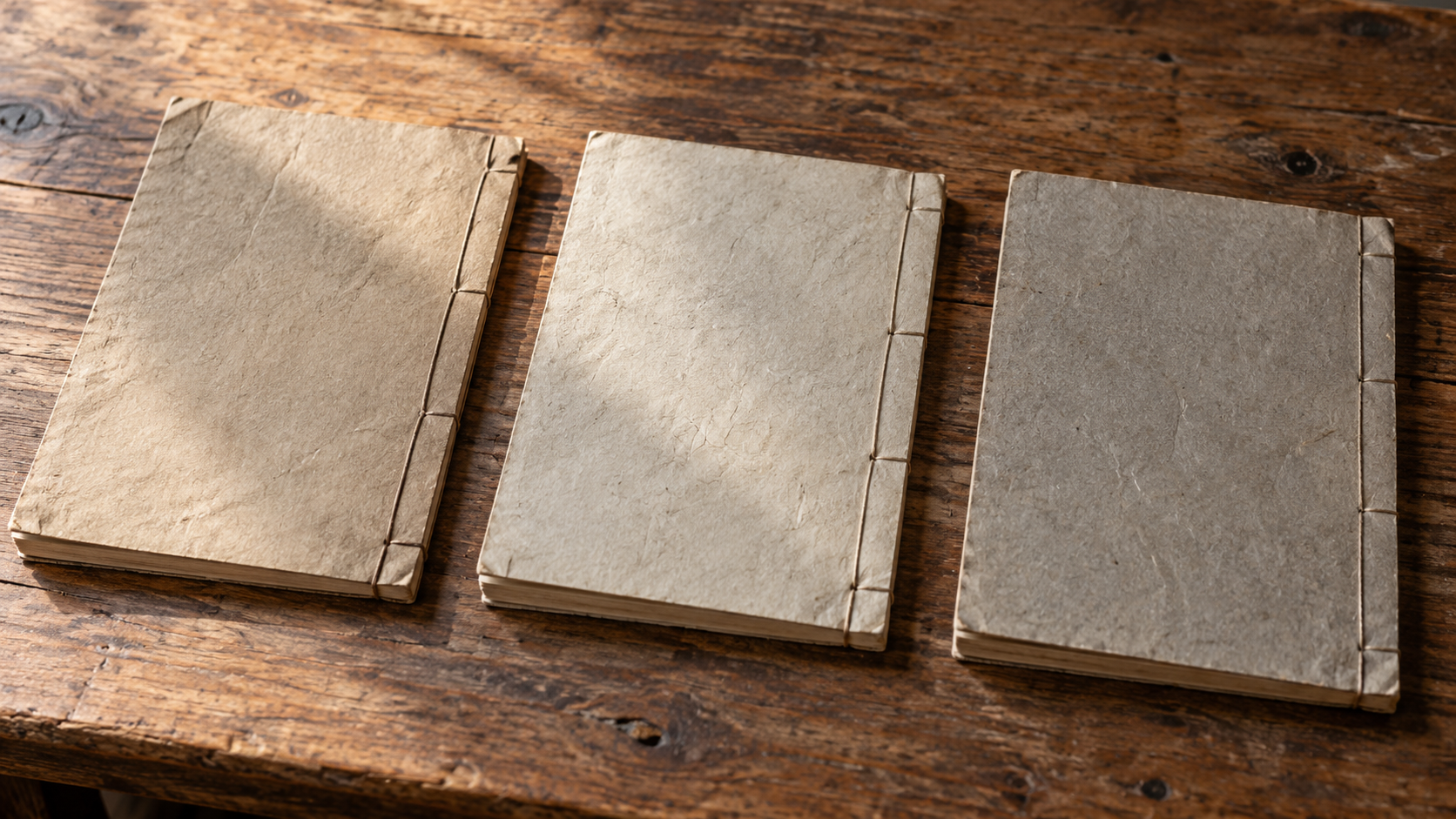
The academic digital archive of the Tokai National Higher Education and Research System presents a copy of Hōgen monogatari in Nagoya University’s Kobayashi collection. Its catalogue describes three volumes in three books and gives 1624 as the publication year of that particular edition.
That date does not mean the work was first composed in 1624. The publication of a surviving item, the composition of the narrative and the events of 1156 told within it are different chronological questions. A catalogue record for one copy cannot answer all three at once.
This article uses the bibliographic description and institutional chronology within their stated scopes. It does not claim an independent full reading of every page of the war tale or of the original diary. Keeping the consulted material visible prevents a list of sources from becoming an exaggerated claim of examination.
Chapter 12
Three years later, the alignment changes
The Heiji conflict followed three years later, in 1159. Kyoto City’s chronology now records Fujiwara no Nobuyori, Yoshitomo and others attacking the residence of the retired emperor Go-Shirakawa. It is a different episode from the attack associated with the Hōgen conflict.
The relationship between Kiyomori and Yoshitomo, on the same side in 1156, did not remain unchanged. Go-Shirakawa’s title had also changed from reigning emperor to retired emperor. The two events cannot be combined into one continuous confrontation with identical camps.
Emperor and retired emperor, Fujiwara brothers, warrior father and son, uncle and nephew: the conflict in the capital emerged where these relationships overlapped. Family names did not predetermine every alliance. The combinations need to be checked for the moment being described.
Returning to Hōgen through Kiyomori and Yoshitomo’s shared side reveals the complexity behind the familiar Minamoto and Taira names. Political connections divided even members of the same family. A short battle and its severe aftermath become more understandable when those relationships remain in view.
How to read this work
History, interpretation, and reconstruction
Read the Hōgen conflict through its overlapping imperial, aristocratic and warrior relationships, preserving the differences between fighting, punishment, later commemoration and narrative sources.
This work is grounded in published sources and historical research. Interior thoughts, dialogue, and some visual details are cinematic reconstructions. Where historians disagree, the article presents the point as debated rather than settled fact.
Timeline
The story in time
-
The Heiji conflict: Nobuyori, Yoshitomo and others attack Retired Emperor Go-Shirakawa’s residence. The Hōgen camps are not projected unchanged onto it.
Sources: s02 -
Publication year of the Hōgen monogatari item catalogued by the university archive, distinct from the work’s composition and the event of 1156.
Sources: s08 -
Accounts describe traditions of Tameyoshi’s mound and relocation associated with railway construction; no contemporary remains are thereby authenticated.
Sources: s04 -
The Shirakawa Kitadono marker is erected, according to Kyoto City; it is not itself a building from 1156.
Sources: s03
People & terms
A guide for new readers
Key figures
- Taira no Kiyomori
- Warrior on Emperor Go-Shirakawa’s side who attacked the Shirakawa residence alongside Yoshitomo and others.
- Minamoto no Yoshitomo
- Warrior on Emperor Go-Shirakawa’s side, while his father Tameyoshi supported Sutoku.
- Minamoto no Tameyoshi
- Yoshitomo’s father, a supporter of Sutoku who faced punishment after defeat.
- Taira no Tadamasa
- Kiyomori’s uncle, who supported Sutoku and stood in a different camp from his nephew.
- Retired Emperor Sutoku
- Retired emperor who used Shirakawa Kitadono as a base and was exiled to Sanuki after defeat.
- Emperor Go-Shirakawa
- Reigning emperor in 1156, supported by Tadamichi, Kiyomori, Yoshitomo and others.
- Fujiwara no Tadamichi
- Yorinaga’s brother and a supporter of Emperor Go-Shirakawa.
- Fujiwara no Yorinaga
- Tadamichi’s brother and a supporter of Sutoku, who died after being wounded following the defeat.
Glossary
- Hōgen conflict 保元の乱
- The 1156 civil conflict discussed here, in which Kiyomori and Yoshitomo supported the same side.
- Heiji conflict 平治の乱
- The 1159 conflict, distinguished from Hōgen because relationships and Go-Shirakawa’s title had changed.
- Reigning and retired emperor 天皇・上皇
- Different positions in the imperial political setting; Go-Shirakawa is reigning emperor in 1156 and retired emperor in 1159.
- Cloistered emperor 法皇
- The title used here for Toba at his death, rather than substituting a later stage of Go-Shirakawa’s career into 1156.
- Shirakawa Kitadono 白河北殿
- A residence used by Sutoku and burned in the conflict; a later marker does not establish its exact layout.
- Sanuki 讃岐
- The region corresponding to present-day Kagawa Prefecture, to which Sutoku was exiled.
- Hōgen monogatari 保元物語
- The Tale of Hōgen, a narrative work whose particular 1624 printed copy is distinguished from composition and the event narrated.
- Heihanki 兵範記
- A source named in the institutional chronology; no full independent reading of the original diary is claimed here.
- Historical calendar 当時の暦
- The calendar of the dated 1156 entries. Seventh-month dates have not been silently converted into modern calendar dates.
- Memorial mound 塚
- A site of commemoration or tradition; its later history is not automatically proof of an authenticated medieval burial.
- Edo and Meiji 江戸・明治
- Later periods appearing in the account of the mound tradition and relocation, distinct from the twelfth-century conflict.
- Bibliographic item 書誌掲載個体
- The particular copy described in an archive catalogue. Its publication date is not automatically the composition date of the work.
Sources & method
How this article was built
The English account retains the fixed Japanese article’s eight people, twelve chapters, eight timeline entries and nine adopted sources. Publishers are counted conservatively as six parent organizations; repeated Kyoto City pages count once and ADEAC is treated as the host for Nagano City’s text.
The Hiroshima chronology’s relevant page is used as a compiled chronology with cited sources, rather than as a full independent reading of the original diary. Historical-calendar dates remain unconverted. Toba’s death and the attack are separate entries, not the same event or day.
Responsibility for punishing defeated relatives is distinguished from identifying physical executioners. Monument histories, mound traditions and possible shrine identification remain attributed and qualified. The 1624 date belongs to a catalogued item, not the composition of the work or the 1156 conflict.
SHIGEKI’s illustrations are AI-generated imaginative reconstructions. Anonymous figures, buildings, stones, clothing and untitled books are not authenticated portraits, original objects, exact sites or source facsimiles. No institutional photographs or maps are reproduced, and no military dialogue, private feelings, precise troop positions or execution scenes are invented as fact.
Sources
References and further reading
- Historical Background: The Hōgen and Heiji Conflicts, Cultural Digital Library 日本芸術文化振興会・文化デジタルライブラリー/史実とその時代:保元・平治の乱 Title translated editorially for reader convenience. Japan Arts Council 日本芸術文化振興会 Historical introduction in performing-arts educational material: Toba’s death, camps and kinship, a battle lasting hours and responsibility for punishing defeated relatives. Not an independent full reading of original records or authentication of physical executioners. Accessed 2026-10-22
- The History of Kyoto City 京都市・京都市のあゆみ Title translated editorially for reader convenience. Kyoto City 京都市 Distinguishes the 1156 attack by Kiyomori, Yoshitomo and others from the 1159 attack by Nobuyori, Yoshitomo and others. Go-Shirakawa’s titles follow the date; no precise tactics or personal speech are added. Accessed 2026-10-22
- SA 017: Site of Shirakawa Kitadono 京都市・SA017白河北殿址 Title translated editorially for reader convenience. Kyoto City 京都市 The residence’s history, Sutoku’s move in the seventh month of 1156, destruction in the conflict and erection of the marker in 1939. The marker is not a surviving medieval building or an exact plan. Accessed 2026-10-22
- SI 069: Monument Recording the Relocation of Minamoto no Tameyoshi’s Mound 京都市・SI069源為義塚移建碑 Title translated editorially for reader convenience. Kyoto City 京都市 Tameyoshi’s camp and surrender to Yoshitomo, the execution-location account attributed to Hōgen monogatari, and later mound traditions and relocation. No full independent reading of the war tale or authentication of contemporary remains. Accessed 2026-10-22
- Hiroshima Prefectural History Chronology: Ancient Period, 1156 Entries 広島県立文書館・広島県史年表(古代)31頁 Title translated editorially for reader convenience. Hiroshima Prefectural Archives 広島県立文書館 Separate entries for death, attack, exile and executions in the seventh month of 1156, with source citations. Dates remain in the historical calendar, without a modern conversion or a claim to reading the full original Heihanki. Accessed 2026-10-22
- A Brief Historical Chronology of Sakaide 坂出市・坂出史略年表 Title translated editorially for reader convenience. Sakaide City 坂出市 The 1156 exile to Sanuki. Later commemoration is separated from exile; ambiguous fine date placement and age calculations are not adopted. Accessed 2026-10-22
- Hōgen Monogatari: Nagoya University Kobayashi Collection 146 東海国立大学機構学術デジタルアーカイブ・保元物語(名古屋大学小林文庫146) Title translated editorially for reader convenience. Tokai National Higher Education and Research System 東海国立大学機構・名古屋大学 Catalogue for three volumes in three books, giving 1624 as the publication year of the listed item. Not the narrative’s composition year or a contemporary original of 1156; no full independent reading of images or transcription, and no authenticated military-council dialogue. Accessed 2026-10-22
- Summary of the Supplementary Inscription for Fujiwara no Yorinaga’s Grave Monument 京都市・藤原頼長墓副碑 碑文の大意 Title translated editorially for reader convenience. Kyoto City 京都市 The explanation considers a place traditionally called a head mound possibly a shrine to Yorinaga and retains uncertainty. No precise authentic grave location is certified. Accessed 2026-10-22
- The Hōgen and Heiji Conflicts, Nagano City History 長野市誌・保元 平治の乱(ADEAC公開本文) Title translated editorially for reader convenience. Nagano City 長野市誌(ADEAC公開) The published city-history text, hosted on ADEAC, on Tadamichi and Yorinaga as brothers, their camps and divisions within kinship. ADEAC is a platform, not an additional publisher; no precise troop count or inferred individual motive is added as fact. Accessed 2026-10-22
Continue reading
More stories from Shigeki
Shigeki English
Sakai’s Merchant City: Trade, Self-Government and Survival
A port, a merchant council and town communities—from changing authority to rebuilding after fire.
- When From the later fifteenth century through the Sengoku period, the fire of 1615 and early Edo-period reconstruction.
- Where Sakai, in present-day Osaka Prefecture, where maritime routes met roads on land.
Shigeki English
The Aburanokōji Incident: After Leaving the Shinsengumi
A separation in spring, a new base in summer, and two successive attacks.
- When Kyoto in Keiō 3 (1867). The incident’s historical date corresponds to December 13, 1867.
- Where Kyoto: the guards’ successive bases, the Aburanokōji attack site and the later place of remembrance.