
SHIGEKI ENGLISH STORYEN
Japanese history in English
Kondō Isami: From His Last Camp at Nagareyama to Itabashi
Defeat at Katsunuma, reorganization in a village and a brief stay at Nagareyama: follow the commander’s final period through changing places and the people who sustained the unit.
From Tama’s practice venues and Kyoto to Katsunuma, Gohē Shinden, Nagareyama and Itabashi, follow Kondō Isami’s life through local support, old-calendar dates, a revised chronology and the difference between recorded actions and remembered motives.
At a glance
Before you enter the story
- When
- 1834 birth; journey to Kyoto in 1863; shogunate service from 1867; the final movements and execution in 1868. Keiō 4 month-and-day dates remain in the contemporary Japanese calendar.
- Where
- Kamiishihara and Tama; Kyoto; Edo and the road toward Kōfu through Katsunuma; Gohē Shinden; Nagareyama; Itabashi.
- Key figures
- Kondō Isami, Hijikata Toshizō, Kondō Shūsuke, Satō Hikogorō, Kojima Shikanosuke
- What was at stake
- How a defeated unit could gather men and secure food and lodging, and how to follow its commander’s final movements without turning local remembrance into a record of his thoughts.
Why this story matters
The larger history behind the turning point
The familiar commander in Kyoto also belonged to a network of practice venues and supporters in Tama. The final military movements depended on provisions and lodging in another village. Following those connections allows everyday regional support to remain visible alongside capture, execution and later remembrance.
Historical context
What an international reader needs to know
Reading the places in sequence
The article moves between different regions and stages of a life. Kamiishihara in present-day Chōfu and the practice venues in Tama belong to the early setting; Kyoto to the Shinsengumi’s better-known duties. The later return to Edo precedes the movement toward Kōfu, defeat at Katsunuma and gathering at Gohē Shinden. Nagareyama was the last camp, and Itabashi the later place of execution.
The names in present-day visitor guides do not always describe one historical point. The tomb outside Itabashi Station’s east exit is listed at an address in Kita Ward, while Hirao-juku’s secondary official lodging marks a different place associated with detention. Knowing the endpoints of Kondō’s transfer does not establish every road, ferry or stop between them.
Dates, names and the limits of a remembered scene
Keiō 4 corresponds to the year 1868, but the article’s numbered months and days retain the Japanese calendar then in use. Fourth month, days 2, 3 and 25 should therefore not be read as Gregorian April 2, 3 and 25. No unverified conversion is supplied. Modern exhibition dates and cultural-property designation dates belong to separate records.
Kondō used the name Ōkubo Yamato during this final period. Institutional explanations use different expressions for his appearance before the opposing forces, surrender and capture. The article keeps the supported sequence: he presented himself after the surrounding forces arrived, was captured and was sent onward. A later local story explaining his motive is attributed rather than reconstructed as speech.
Watch the film
See the story in motion
The film currently uses Japanese audio. This English article provides the context and source trail; it does not imply that an English subtitle track is available.
Chapter 01
His Life Did Not End at Nagareyama
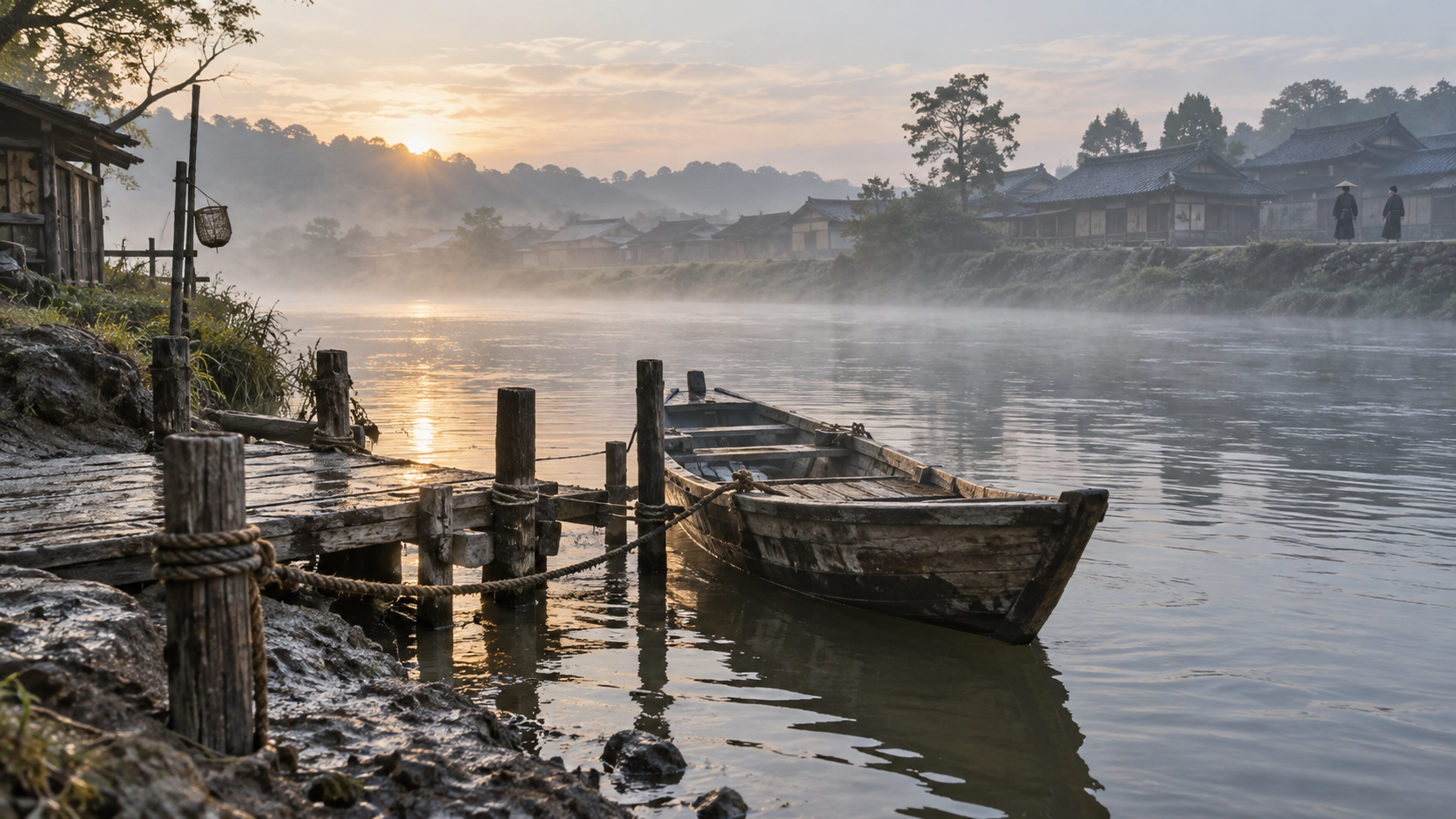
Nagareyama was the place where Kondō Isami established his last camp. Following the Shinsengumi commander’s movements leads onward from there to Itabashi. After being surrounded, he presented himself to the new government’s forces. He was captured and subsequently sent to Itabashi, where his life came to an end.
His execution took place on the twenty-fifth day of the fourth month of Keiō 4. The year was 1868, but the month and day belong to the Japanese calendar then in use. Nagareyama preserves the memory of his last camp; Itabashi marks the later end of his life as a prisoner.
Before the movement between these two places came defeat at Katsunuma and an effort to reorganize the unit. Looking farther back leads to security duties in Kyoto, swordsmanship practice in Tama and his upbringing at Kamiishihara. The final journey belongs within this longer sequence of places and changing circumstances.
The commander’s end is difficult to explain through one decision alone. Men had to be gathered, food and lodging secured, and a unit kept moving even after defeat. Following the places in order brings these practical demands into view alongside the events for which Kondō is best remembered.
Chapter 02
From a Farming Household to a Swordsmanship Household
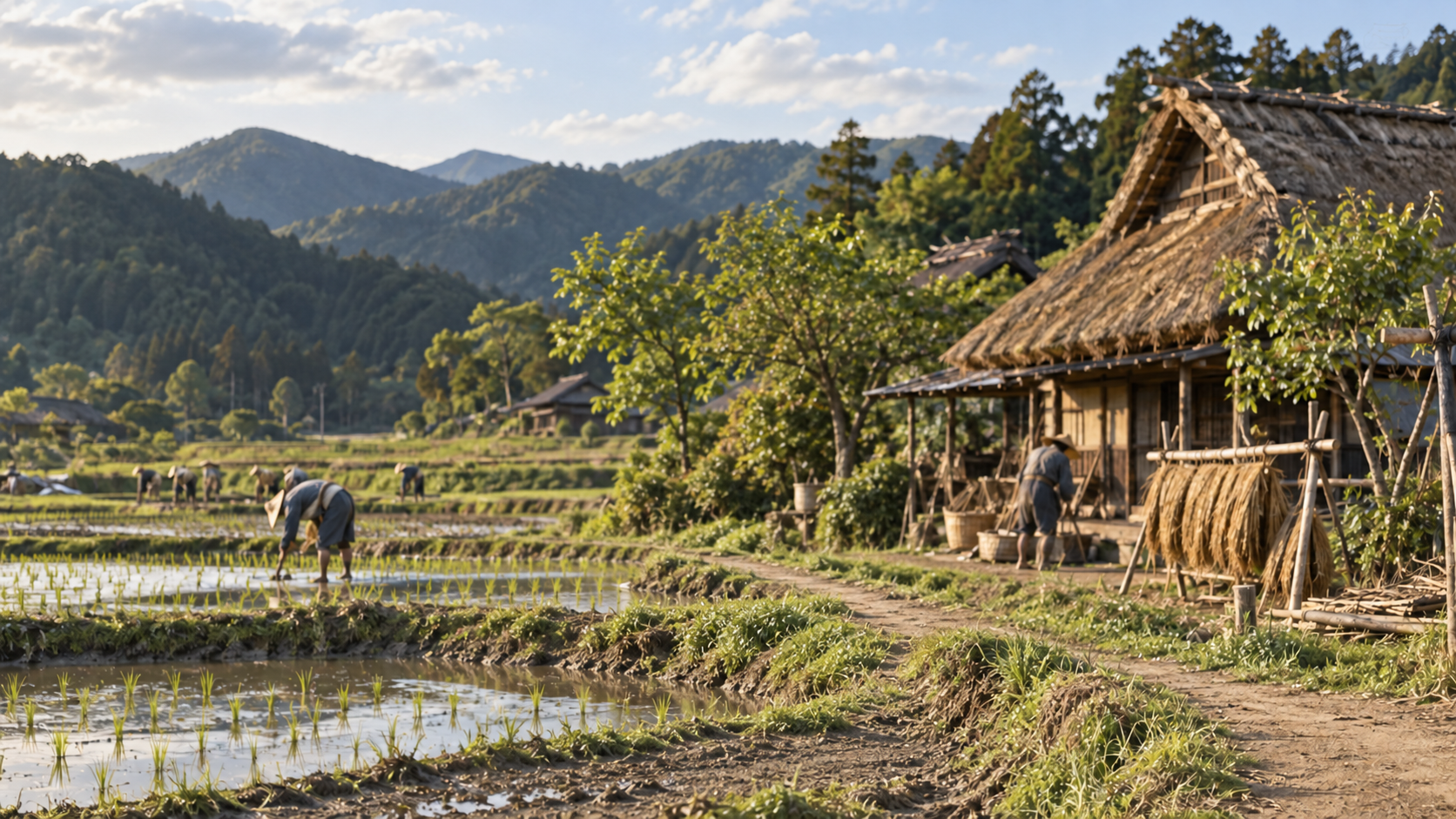
Kondō Isami was born in 1834 as the third son of a farming family in Kamiishihara village, Musashi Province, in what is now Chōfu. The life later associated with the Shinsengumi’s command in Kyoto began in a village in Tama, before that organization and its familiar image existed.
The swordsmanship tradition he studied was Tennen Rishin-ryū. He became Kondō Shūsuke’s adopted son and later succeeded as a fourth-generation teacher. A person born into a farming household thus came to inherit a place in a swordsmanship household. This change preceded the formation of the Shinsengumi.
The document recording Kondō’s adoption survives as a designated cultural property of Chōfu. The heir to a swordsmanship tradition and the person born in a rural household are parts of the same life. Such surviving material offers a way to follow the relationship between those two settings.
Before he went to Kyoto, Kondō already had companions and supporters connected through practice. Places where swordsmanship was taught also brought him into contact with people who would later support the unit. His subsequent activities therefore rested partly on relationships formed before his better-known work as commander.
Chapter 03
People Connected by Tama’s Practice Venues
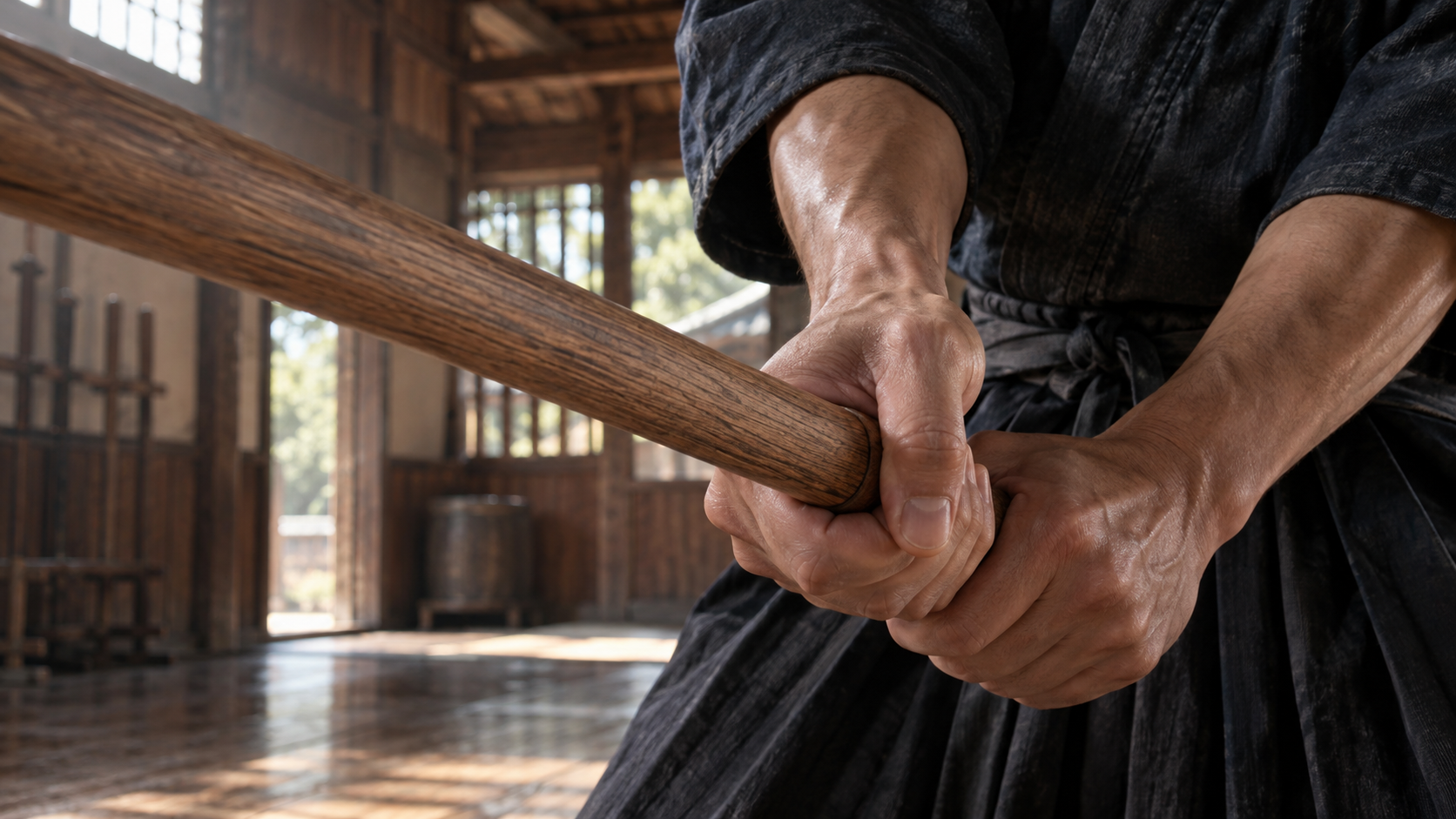
Hijikata Toshizō, Okita Sōji and Inoue Genzaburō studied Tennen Rishin-ryū, as did Kondō. Hino City describes the tradition as emphasizing techniques usable in actual combat. Its notably heavy wooden practice swords are one aspect of that training introduced in the municipal explanation, without establishing identical abilities among all its students.
Kondō visited practice venues in Tama and formed connections with Satō Hikogorō and Kojima Shikanosuke. Both men provided places where he could teach. Their support continued after the Shinsengumi’s activities began, connecting people associated with the local practice grounds to a unit operating far away.
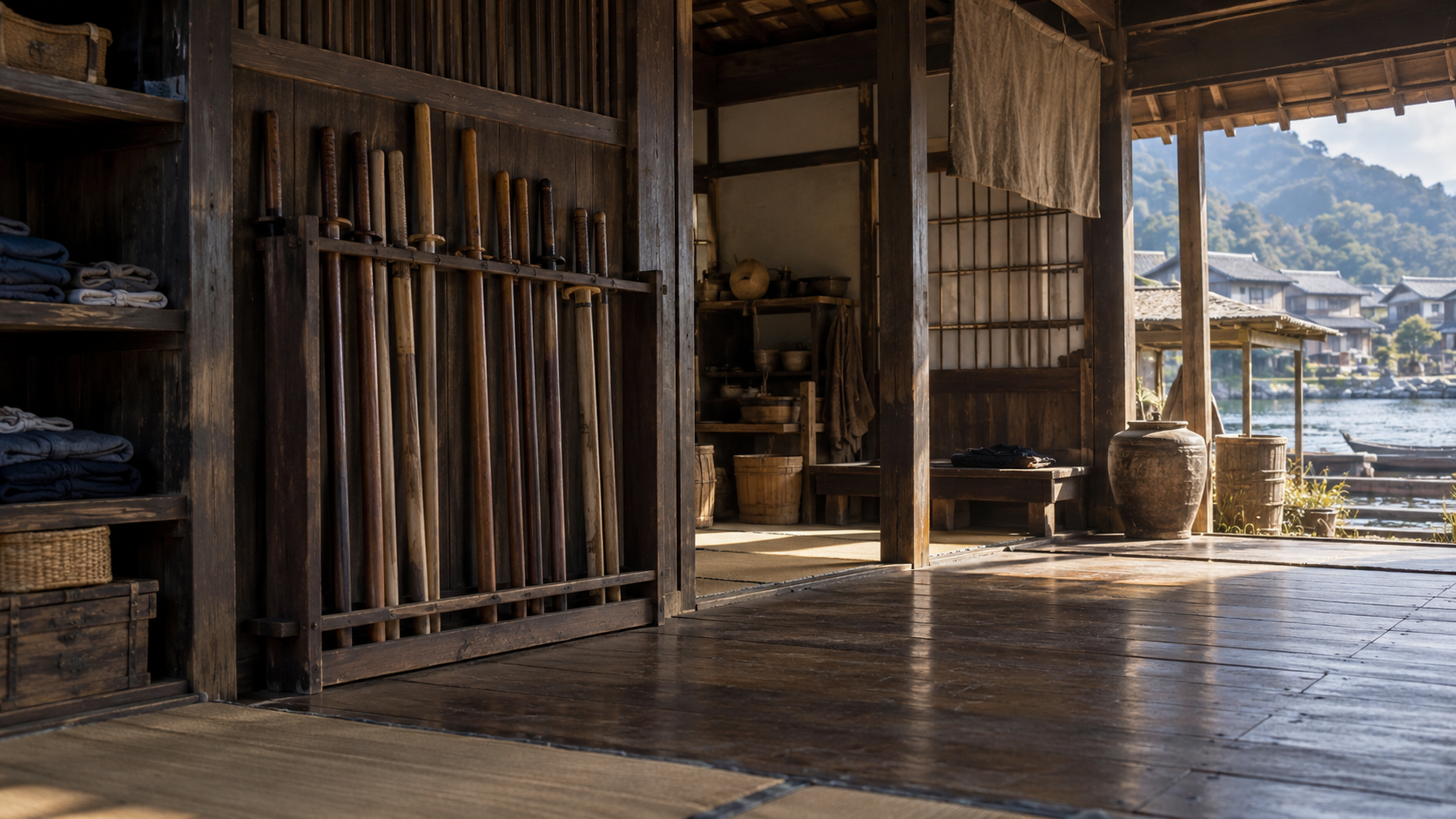
People met through swordsmanship, and other people sustained the places where it was practiced. These regional connections continued after Kondō and his companions left for Kyoto. Letters and materials associated with the swordsmanship tradition offer ways to trace relationships that extended across that geographical separation.
The swords and distinctive clothing of the unit’s members can easily draw the eye. Behind them were connections developed in Tama. A group working in distant Kyoto retained links with people in its home region, and those links form part of the setting in which its activities became possible.
Chapter 04
Remaining in Kyoto and Becoming the Shinsengumi
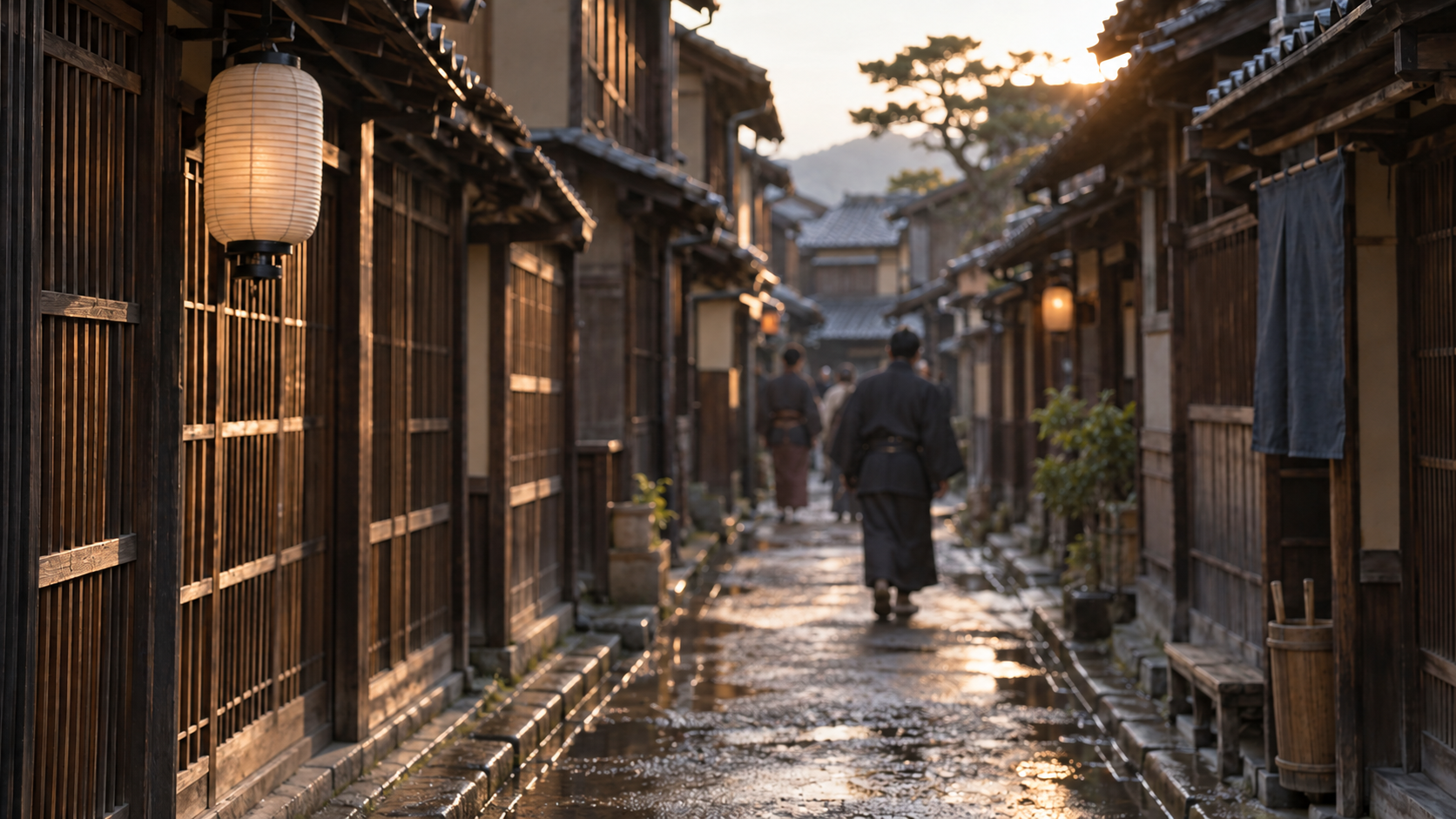
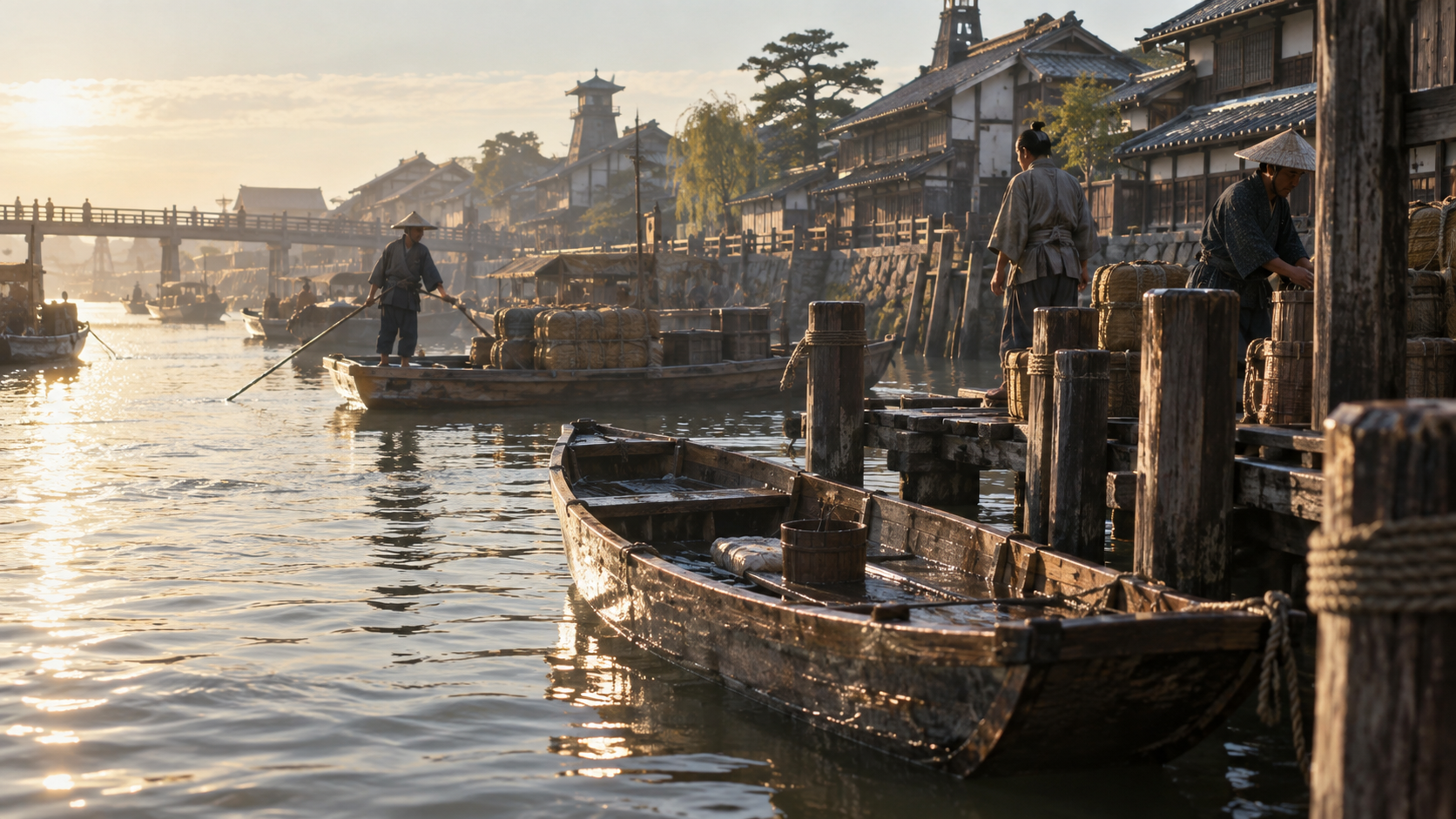
In 1863 Kondō and his companions joined the Rōshigumi, recruited to guard the shogun during his journey to Kyoto. They traveled to the city and later separated from those who returned to Edo. Kondō’s group remained in Kyoto, where its work developed in a new setting.
Placed under the charge of the Aizu domain, the Shinsengumi undertook security duties in the city. Through activities including the Ikedaya Incident, Kondō became known as its commander. The work of a man associated with Tama’s swordsmanship venues had expanded into the streets and political circumstances of Kyoto.
In 1867 he entered the shogunate’s service as a retainer. After that change in status came the return of governing authority and the restoration of imperial rule, followed by armed conflict between the former shogunate’s supporters and the new government. The unit’s circumstances changed again within that sequence.
The titles and duties acquired in Kyoto did not by themselves guarantee a footing in the next conflict. A unit that had undertaken urban security work now had to move and reorganize amid war. Its later history therefore needs to be followed beyond the city where it became famous.
Chapter 05
The Unit Returns to Edo
In 1868, after the former shogunate’s side was defeated at Toba–Fushimi, the Shinsengumi also returned to Edo. Leaving Kyoto did not end the unit’s activities. Back in the eastern region, Kondō and his companions turned toward another military undertaking under altered conditions.
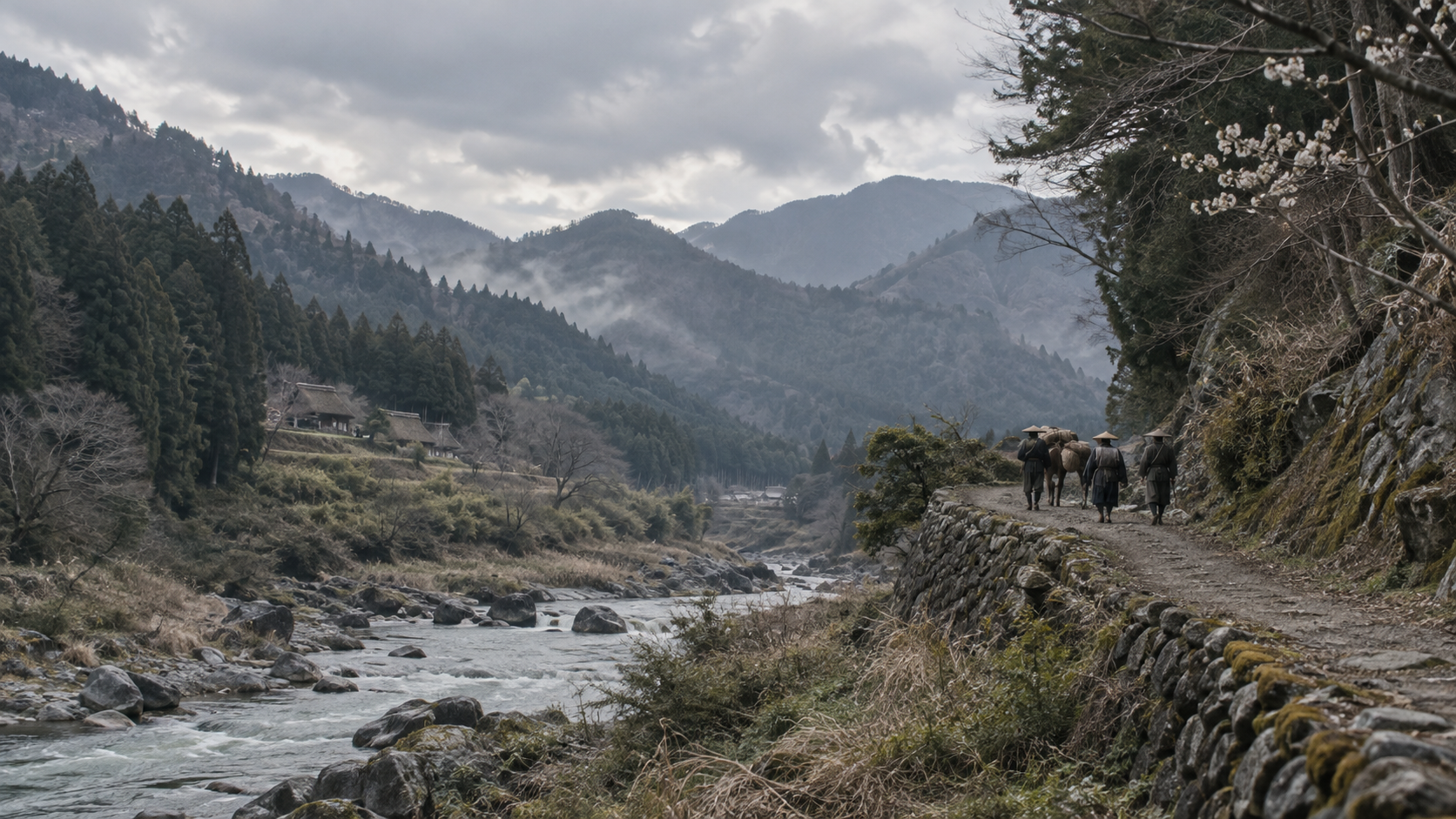
Kondō organized the Kōyō Chinbutai, whose destination was Kōfu. The path of a unit that had patrolled Kyoto’s streets became the movement of a force toward Kai Province. The change of task accompanied a change of setting, with the organization seeking a way forward after the earlier defeat.
That movement was connected with Tama and the Kōshū road, places with associations in Kondō’s own life. Proximity to familiar country, however, did not itself establish a secure military position. Returning toward his home region and sustaining a force capable of further action were different questions.
The unit needed to gather men, move and maintain a form in which it could confront an opponent. Its renewed departure from Edo soon reached another turning point: defeat at Katsunuma. The story of the last camp begins with this sequence of movement and setbacks, rather than a direct journey from Kyoto.
Chapter 06
After Defeat at Katsunuma
On the way to Kōfu, the Kōyō Chinbutai fought the new government’s forces at Katsunuma and was defeated. Kondō’s men withdrew toward Edo once more. The unit organized after the return from Kyoto had again been forced to change direction, leaving the problem of what it could do next.
After defeat came the task of restoring a unit capable of acting. Scattered men had to be gathered, places to stay secured and preparations made for a further move. Time was spent on this work before the group entered Nagareyama, where the last camp is usually remembered.
Documents preserved by the Kaneko family at Gohē Shinden provide a more concrete view of these movements. Nagareyama City explains that their discovery led to a reconsideration of the unit’s stay and travels. The surviving record changed how the period before the final camp could be understood.
Looking at Nagareyama alone would leave this earlier reorganization out of the picture. Attention therefore needs to turn to Gohē Shinden, the village where Kondō’s men were gathering. The practical history of rebuilding a group belongs alongside the later account of its commander’s capture.
Chapter 07
Gohē Shinden: Sustaining a Unit
Gohē Shinden lay around what is now Ayase in Adachi, where Kondō and his men gathered a unit. Nagareyama City’s explanation also records his use of the name Ōkubo Yamato. Both the village setting and the name belong to the effort to follow this stage in the group’s movements.
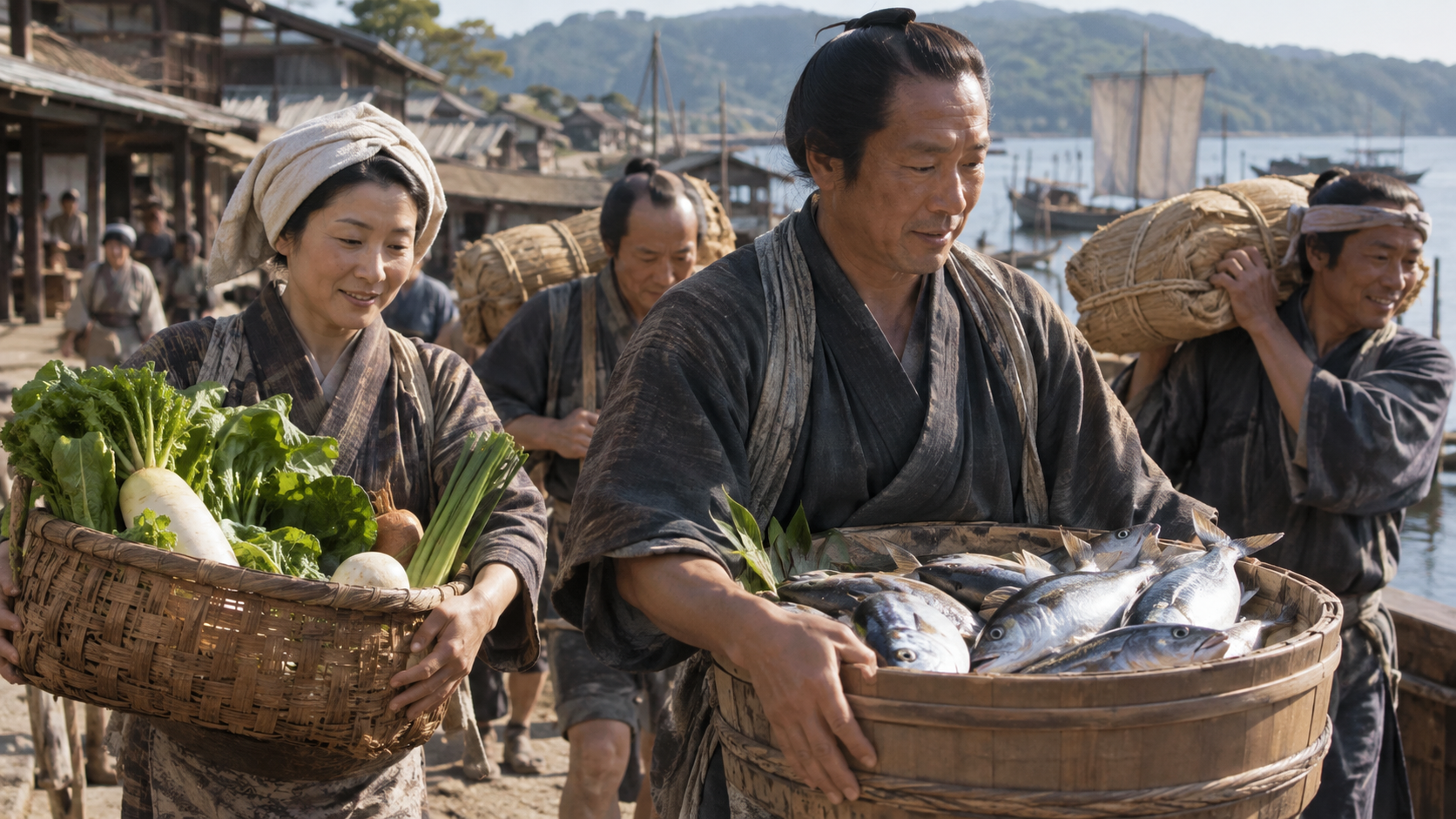
The Adachi City Folk Museum’s account mentions fish and vegetables, straw sandals, bowls, firewood and oil among the supplies provided. Weapons were only part of what sustained a military group. Eating, walking and using fire also required repeated everyday preparations, involving objects less prominent in the familiar image of the Shinsengumi.
As the numbers grew, members stayed in separate houses and a temple. The records of these lodgings and supplies reveal a group with daily needs living within a village. Reorganization involved accommodation and provision as well as the gathering of men who might take part in further military action.
The museum explains that movement began on the night of the first day of the fourth month in the old calendar, and that the unit was at Nagareyama the next morning. Before Kondō’s last camp came days of reorganization supported by people in the village.
Chapter 08
The Stay at Nagareyama Was Short
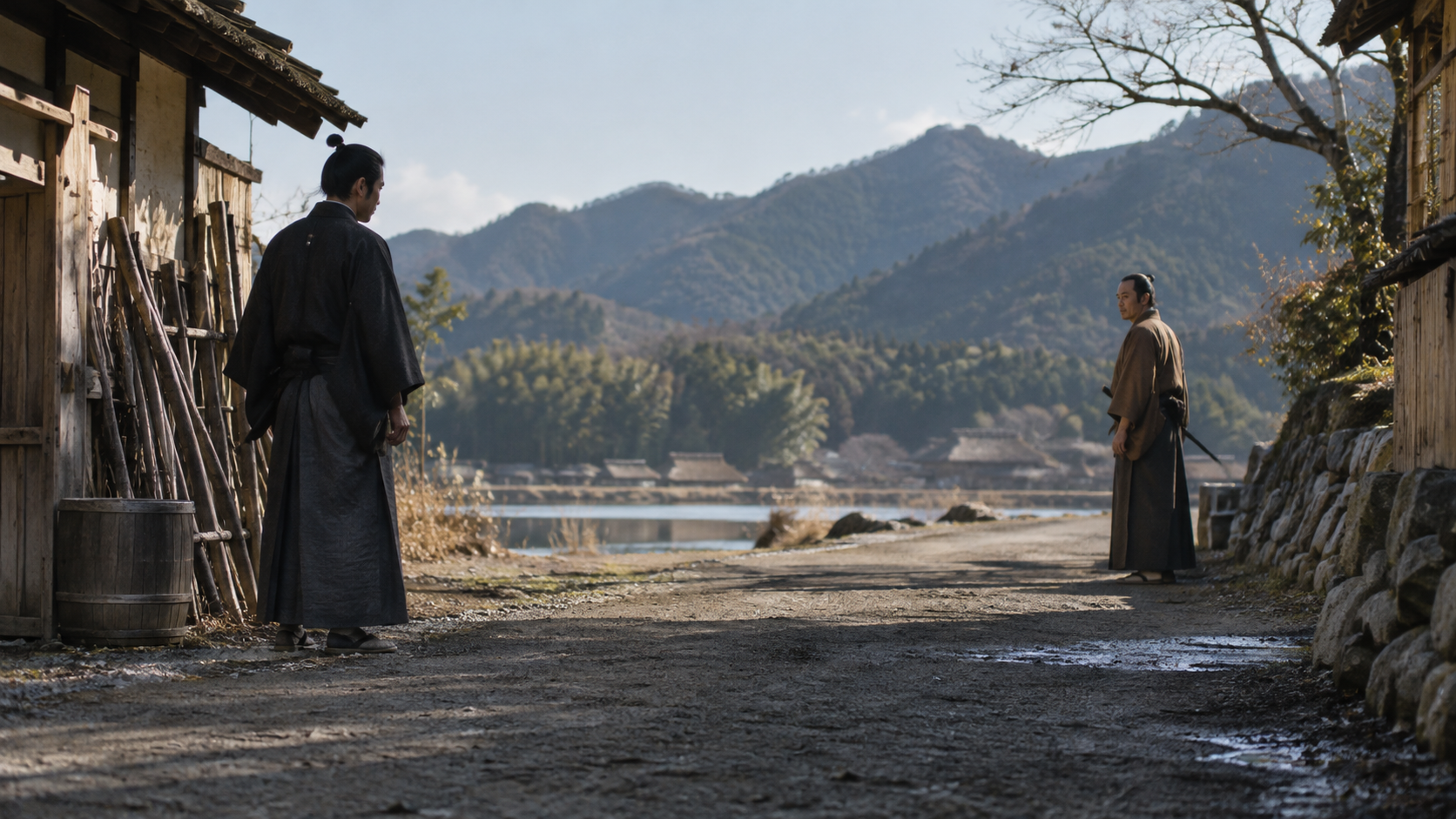
The unit entered Nagareyama on the second day of the fourth month of Keiō 4. The next day, the third, it was surrounded by the new government’s forces. Only shortly after moving into the town, Kondō and his companions faced another situation requiring a response.
An earlier understanding that the group had stayed in Nagareyama for about two weeks was reconsidered after the discovery of documentary evidence. The much shorter stay makes a substantial difference when considering the last camp. Time spent reorganizing beforehand should not be transferred into an extended occupation of Nagareyama.
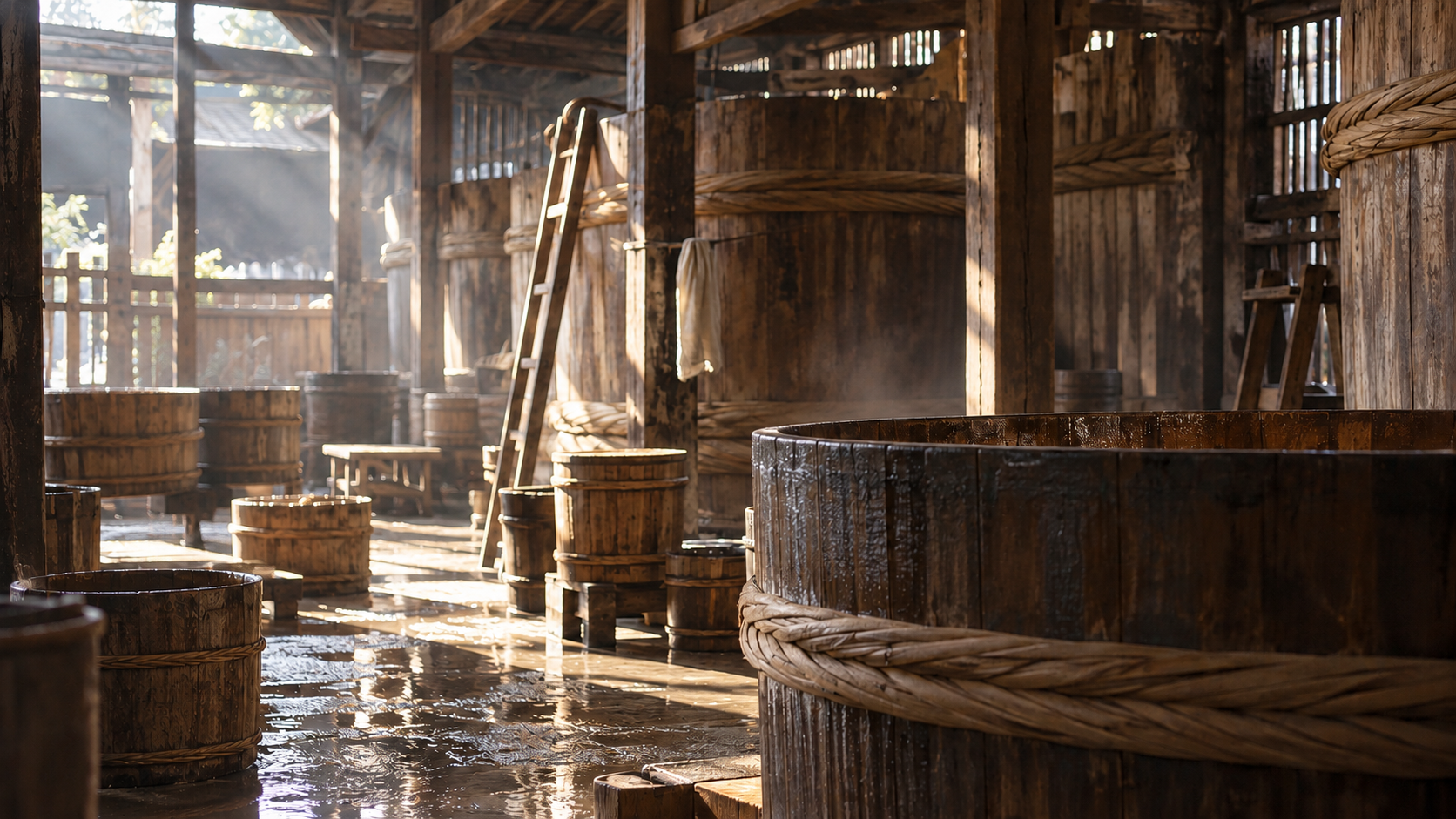
Nagareyama City explains that a brewing household served as headquarters and that members were also lodged at places including temples. Names attached to the headquarters site differ between guides and reports of research. The common description of a brewing household can be retained while leaving such details qualified.
Why was Nagareyama chosen? The city’s explanation of the camp site explicitly says that the reason is not well understood. A more precise account of when the unit arrived does not automatically establish a single motive for choosing the place. The chronology and the explanation of intention remain different questions.
Chapter 09
An Appearance Before the Forces, and a Remembered Motive
Was Nagareyama chosen as a stage toward Aizu, or as somewhere to reorganize the unit? A city report on an exhibition describes an effort to consider several explanations of the purpose and intended destination. The circumstances surrounding Kondō still leave room for investigation beyond the sequence of places.
After being surrounded, Kondō presented himself to the new government’s side. A local account says that he did so to keep the town from being drawn into the fighting. Nagareyama City’s report on a commemorative event introduces this explanation as a story passed down in the community.
The action of presenting himself and the motive offered to explain it need to remain separate. A reason handed down later cannot be turned into words that Kondō demonstrably spoke at the time, or into a direct record of his thoughts. The account does not reconstruct such a scene.
After his appearance he was captured and sent to Itabashi. The brief camp at Nagareyama thus became a turning point at which the unit lost its commander. Following the places leads onward toward a post town north of Edo, while the precise course of his transfer remains unestablished here.
Chapter 10
A Life Ends at Itabashi
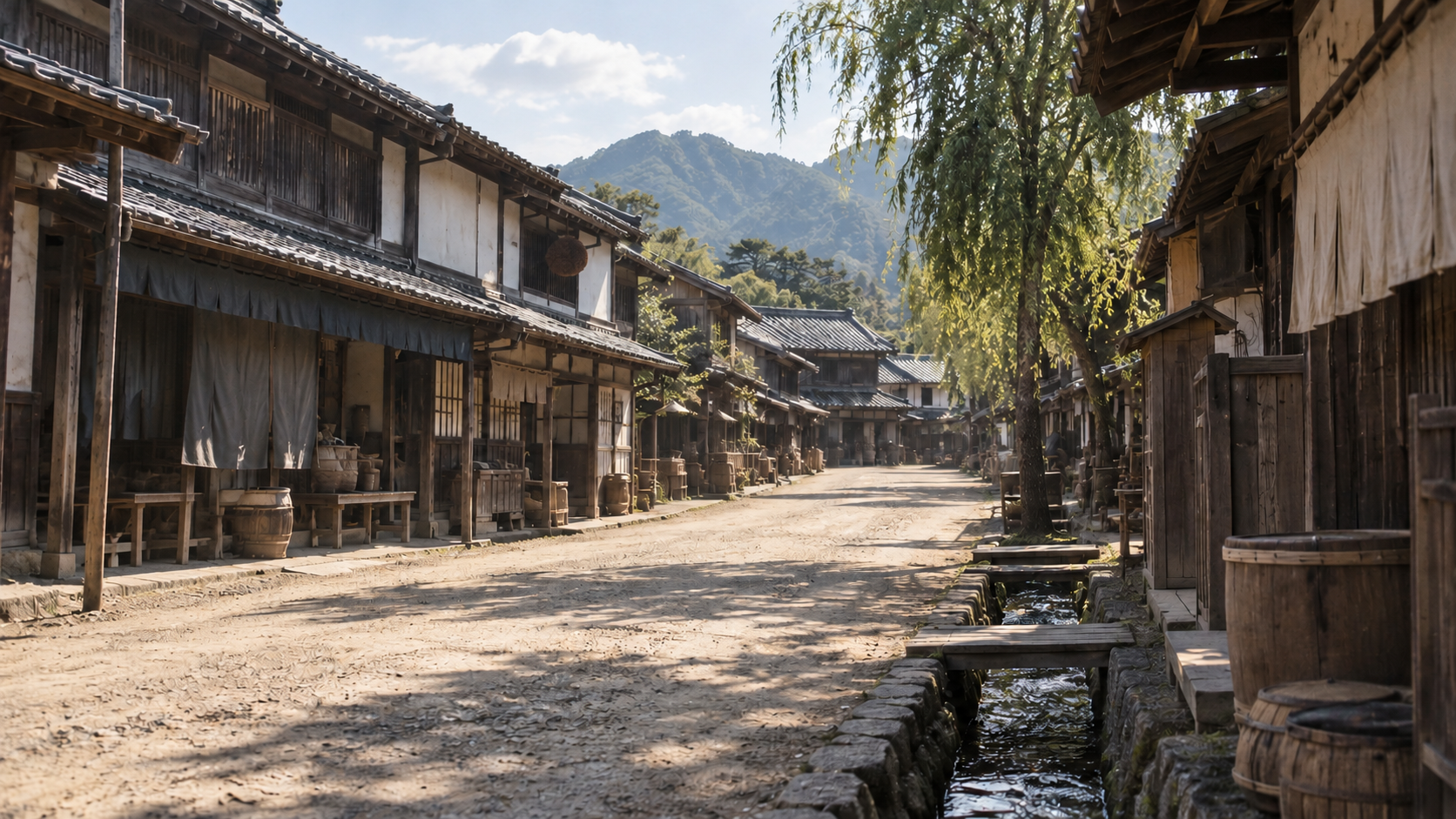
The new government’s forces had established headquarters at Itabashi post town. Captured at Nagareyama, Kondō was sent there. Itabashi’s guide explains that he was confined at the secondary official lodging in Hirao-juku until his execution, giving a specific place of detention within the larger post-town setting.
He was executed on the twenty-fifth day of the fourth month of Keiō 4, in the old calendar. After returning from Kyoto to Edo, suffering defeat at Katsunuma, reorganizing the unit and moving to Nagareyama, Kondō’s life ended at Itabashi. These successive places belong to different stages of the final period.
A tomb associated with Kondō now stands outside the east exit of Itabashi Station. The address in the guide is Takinogawa, Kita Ward. Visiting that tomb and tracing the detention site or the place of execution concern distinct locations; the name Itabashi should not collapse them into one point.
The explanations establish a movement from Nagareyama to Itabashi. They do not determine every road or ferry crossing used along the way. The commander’s final period becomes clearer by following places that can be supported individually, while leaving an exact itinerary unfilled where the evidence used here does not provide one.
Chapter 11
Places That Remember a Separation
The fighting on the former shogunate’s side continued after Kondō’s death. Hijikata Toshizō moved on to other battlefields and died at Hakodate in the following year. Their lives ended at different times and in different places. Their separation at Nagareyama is not the death of both men there.
Letters connected with the people who supported Kondō and materials associated with swordsmanship remained in Tama. The commander’s death did not erase the earlier relationships with those places. Surviving materials allow the story to return to connections formed before Kyoto and before the unit’s last campaigns.
An article published by Nagareyama City describes how an earlier description of the town as the place where Kondō’s life ended was revised to describe it as the place where Kondō and Hijikata parted. Local remembrance could change its wording as the events associated with a place were investigated again.
Nagareyama recalls Kondō’s last camp; Itabashi recalls his execution. Adding these distinct events to the familiar Kyoto history also reveals the different paths taken by the unit’s members afterward. The names of places preserve different parts of a story whose participants did not all share the same ending.
Chapter 12
Land and People Along the Final Journey
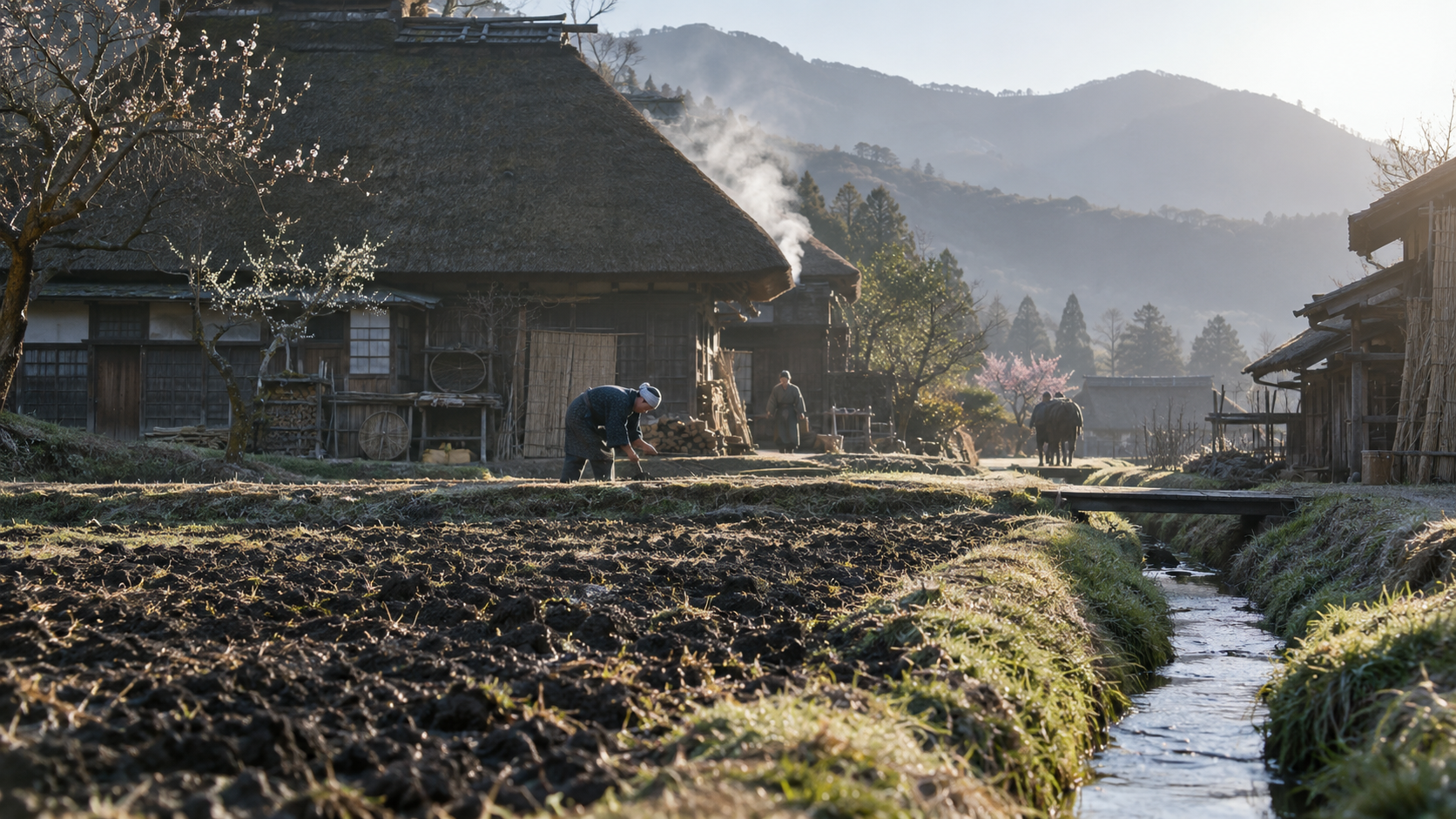
Born into a farming household at Kamiishihara, Kondō inherited a place in a swordsmanship household and formed relationships through Tama’s practice venues. Before the departure for Kyoto and the role of commander came connections with people and land that continued into his later life.
After the return to Edo came the attempt to reach Kōfu, defeat at Katsunuma, reorganization at Gohē Shinden and the brief camp at Nagareyama. The last stage of the military story also intersects with village life: people had to provide food and places to sleep for the gathered unit.
Tradition and uncertainty remain around what Kondō thought when he presented himself to the opposing side. The sequence can nevertheless be followed through distinct places and dates: arrival at Nagareyama on the second day of the fourth month, appearance on the third, transfer to Itabashi and execution on the twenty-fifth, all in the old calendar.
The familiar commander in Kyoto can lead attention onward to this later journey. Reading Nagareyama and Itabashi separately, with the reorganization and regional support that preceded them, gives more people a place in Kondō Isami’s final history. A single memorable scene cannot contain all of those connected experiences.
How to read this work
History, interpretation, and reconstruction
Reading Kondō’s final period through defeat, village reorganization, the last camp and transfer to Itabashi reveals regional support while preserving the distinction between an established sequence and later traditions about motive.
This work is grounded in published sources and historical research. Interior thoughts, dialogue, and some visual details are cinematic reconstructions. Where historians disagree, the article presents the point as debated rather than settled fact.
Timeline
The story in time
-
Kondō Isami is born into a farming household in Kamiishihara village, Musashi Province.
Sources: s01 -
He joins the Rōshigumi and travels to Kyoto, remains there and serves with the Shinsengumi; he becomes a shogunate retainer in 1867.
Sources: s04 -
After Toba–Fushimi he returns to Edo, organizes the Kōyō Chinbutai and heads toward Kōfu, but is defeated at Katsunuma.
Sources: s05 -
The unit enters Nagareyama and is surrounded the following day. Kondō presents himself to the new government’s forces and is captured.
Sources: s06
People & terms
A guide for new readers
Key figures
- Kondō Isami
- Succeeded to the Tennen Rishin-ryū swordsmanship tradition and became commander of the Shinsengumi. After presenting himself to the new government’s forces at Nagareyama in 1868, he was captured and later executed at Itabashi.
- Hijikata Toshizō
- Studied Tennen Rishin-ryū and served with the Shinsengumi. He continued fighting after his separation from Kondō and died at Hakodate the following year.
- Kondō Shūsuke
- Isami’s swordsmanship teacher and adoptive father.
- Satō Hikogorō
- Provided a practice venue in Tama and supported the later activities of the Shinsengumi.
- Kojima Shikanosuke
- Formed a connection with Kondō through his visits to teach swordsmanship and supported the Shinsengumi.
Glossary
- Tama 多摩
- The home-region setting of Kondō’s birth and teaching connections before his Kyoto career. Modern Chōfu and Hino appear in the institutional accounts of those connections.
- Musashi Province 武蔵国
- The historical provincial name used for Kondō’s birthplace at Kamiishihara. It is retained rather than treated as a current municipal boundary.
- Tennen Rishin-ryū 天然理心流
- The swordsmanship tradition studied by Kondō and several companions; teaching visits helped connect practice venues and supporters.
- Rōshigumi 浪士組
- The group recruited to guard the shogun on his journey to Kyoto in 1863. The later Shinsengumi history follows those who remained in Kyoto.
- Shinsengumi 新選組
- The unit associated here with Kyoto security duties and Kondō’s command, followed through later movement and reorganization.
- Aizu domain 会津藩
- The domain under whose charge the Shinsengumi served in Kyoto. A proposed later destination toward Aizu is kept separate from a verified motive for selecting Nagareyama.
- Shogunate retainer 幕臣
- Kondō’s status from 1867 in the cited account. That status alone did not guarantee a military footing after the political and military changes that followed.
- Kōyō Chinbutai 甲陽鎮撫隊
- The force Kondō organized after returning to Edo, heading toward Kōfu before defeat at Katsunuma.
- Gohē Shinden 五兵衛新田
- The village around present-day Ayase, Adachi, where the unit gathered before Nagareyama. The local museum supplies the reading used here.
- Ōkubo Yamato 大久保大和
- A name used by Kondō during the final period, as recorded in Nagareyama City’s explanation. It is not treated as proof of a private intention.
- Waki-honjin 脇本陣
- A secondary official lodging at a post town. The Hirao-juku site is identified by Itabashi’s guide as Kondō’s place of detention before execution.
- Old-calendar dates 旧暦
- Month and day designations from the Japanese calendar then in use. The fourth-month dates in Keiō 4 are not silently equated with Gregorian April dates.
- Itabashi tomb and detention site 近藤勇墓と平尾宿脇本陣
- Distinct places in the modern guide. The tomb by Itabashi Station’s east exit has an address in Takinogawa, Kita Ward; it is not equated with the place of confinement or execution.
Sources & method
How this article was built
This translation follows the fixed public Japanese manuscript’s twelve chapters and forty-eight body paragraphs, with five listed people, seven timeline entries and thirteen sources in their original order. Source and scene IDs remain unchanged. The English reference titles are editorial translations rather than claims of official English titles.
Relevant passages on all thirteen official or institutional HTML sources were consulted. The original Kaneko family documents, complete archival transcriptions, adoption document, letters, portraits and museum objects were not independently deciphered or authenticated. Exhibition and event reports identify what was discussed or displayed, not what the translator has personally inspected.
The publisher labels distinguish Chōfu City, Hino City, the Tokyo Metropolitan Board of Education, Nagareyama City, Itabashi Ward and Adachi Ward, alongside the Tama Digital Shinsengumi collection project. ADEAC is a hosting platform, not an extra independent publisher. Municipal folk-museum pages are grouped with their municipal publisher rather than counted twice.
The Keiō 4 month-and-day dates are explicitly old-calendar dates. No Gregorian conversion, modern-age calculation, precise transfer itinerary, ferry crossing, intermediate stop or exact execution time is invented. The routes of the surrounding forces, remaining unit members and modern guided walks are not assigned to Kondō’s transfer.
The Kaneko documents’ significance is conveyed through the institutional explanations: they revised the older picture of a roughly two-week Nagareyama stay. The unit’s reorganization and supplies at Gohē Shinden remain distinct from its short stay in Nagareyama. Exact troop counts, supply quantities and payments are not introduced without checking the originals.
A brewing household is retained as the common description of the headquarters. Different site names and the reasons for choosing Nagareyama remain qualified. The local story that Kondō wished to spare the town is attributed as tradition, not quoted as his own recorded words. No private motives, last dialogue or dramatic prevention of suicide are added.
The present tomb by Itabashi Station, confinement at Hirao-juku and execution are not collapsed into one location. A monument’s construction date or a cultural-property designation date is not turned into the tomb’s construction date. The fate of Kondō’s head and the current location of particular remains are not authenticated here. Hijikata’s later death at Hakodate remains a separate event.
All twelve generated illustrations were actually viewed in the retained contact sheet. Their canonical bytes and article-use rights are checked against the Japanese review. The boats, streets, training halls, brewing vats and anonymous people are imagined representations, not authentic portraits, original objects, exact buildings, site photographs or a verified transfer route. Institutional photographs and document images are not reproduced.
Connecting training relationships, village support and the final journey is the article’s interpretation of the sequence. The video has Japanese audio; English subtitles are unverified.
Sources
References and further reading
- Preserving the Historic Site of Kondō Isami’s Birthplace 調布市・市史跡近藤勇生家跡の整備 Title translated editorially for reader convenience. Chōfu City 調布市 The municipal site explanation supports his 1834 birth and the present locality. The current historic site is not an intact original farmhouse. Accessed 2026-10-17
- Tennen Rishin-ryū 日野市・天然理心流 Title translated editorially for reader convenience. Hino City 日野市 The municipal explanation describes named students, emphasis on usable techniques and heavy wooden practice swords. These characteristics do not prove identical skills or particular battlefield outcomes. Accessed 2026-10-17
- Tama Digital Shinsengumi Museum: Collection Commentary 多摩デジタル新選組資料館・資料解説 Title translated editorially for reader convenience. Tama Digital Shinsengumi Museum 多摩デジタル新選組資料館/ADEAC The collection commentary on ADEAC supports adoption, succession, teaching visits and support from Satō and Kojima. The original letters, documents and clothing were not independently authenticated or deciphered. Accessed 2026-10-17
- A Walking Course Through Places Associated with the Shinsengumi 東京都文化財めぐり・新選組ゆかりの地散策コース Title translated editorially for reader convenience. Tokyo Metropolitan Board of Education 東京都教育委員会・東京都文化財めぐり Selected historical sections were consulted for the Kyoto career, later movement and distinct endings of Kondō and Hijikata. Memorials and modern cultural-property designations are not contemporary battle records. Accessed 2026-10-17
- What Was the Shinsengumi? 流山市・新選組とは Title translated editorially for reader convenience. Nagareyama City 流山市 The sections on security duties, Toba–Fushimi and the Kōyō Chinbutai provide the sequence toward Katsunuma. Broad judgments about political motives are not adopted as established facts. Accessed 2026-10-17
- The Shinsengumi and Nagareyama 流山市・新選組と流山 Title translated editorially for reader convenience. Nagareyama City 流山市 The explanation and chronology discuss the Kaneko documents, reorganization and the brief Nagareyama stay. Old-calendar dates and the later routes of remaining members are kept distinct from Kondō’s transfer. Accessed 2026-10-17
- The Site of Kondō Isami’s Camp 流山市・近藤勇陣屋跡 Title translated editorially for reader convenience. Nagareyama City 流山市 The municipal guide identifies the last camp while acknowledging uncertainty about why Nagareyama was chosen. A crossing used by the surrounding forces is not assumed to be Kondō’s transfer route. Accessed 2026-10-17
- The Second Kondō Isami Memorial Observance 流山市・第2回近藤勇忌 Title translated editorially for reader convenience. Nagareyama City 流山市 This 2005 event report describes a local tradition about sparing the town from fighting. It is not a contemporary record of Kondō’s thoughts or exact spoken words. Accessed 2026-10-17
- Itabashi Walking Course 板橋区・板橋散策コース Title translated editorially for reader convenience. Itabashi Ward 板橋区 The sections on the tomb and Hirao-juku’s secondary official lodging distinguish present tomb location from detention. They do not establish every transfer road, an exact execution point or the current location of remains. Accessed 2026-10-17
- The Shinsengumi Nagareyama Group Guides Visitors Through Historic Places 流山市・新選組流山隊が歴史の舞台を案内 Title translated editorially for reader convenience. Nagareyama City 流山市 The 2013 event report records revised wording about Kondō and Hijikata’s separation and a guide’s interpretation of the headquarters site. Neither the modern walk nor its ferry stop establishes an 1868 transfer itinerary. Accessed 2026-10-17
- Museum Exhibition: The Shinsengumi Enter Nagareyama 流山市・2004年博物館企画展新選組流山に入る Title translated editorially for reader convenience. Nagareyama City 流山市 The 2004 exhibition report describes consideration of several explanations for the unit’s purpose and destination. The original exhibited objects were not inspected for this translation. Accessed 2026-10-17
- Special Display of Kondō Isami’s Adoption Document 調布市・近藤勇養子縁組状の特別公開 Title translated editorially for reader convenience. Chōfu City 調布市 The official notice identifies a designated cultural property deposited at the city museum. Reading the notice is not independent decipherment of the original or a claim of attending the display. Accessed 2026-10-17
- The Shinsengumi and Adachi 足立区立郷土博物館・新選組とあだち Title translated editorially for reader convenience. Adachi Ward 足立区立郷土博物館 The municipal folk museum’s explanation supports the Gohē Shinden location, provisions, dispersed lodging and departure. Complete Kaneko-document transcriptions and original manuscripts were not independently read. Accessed 2026-10-17
Continue reading
More stories from Shigeki
Shigeki English
Sakai’s Merchant City: Trade, Self-Government and Survival
A port, a merchant council and town communities—from changing authority to rebuilding after fire.
- When From the later fifteenth century through the Sengoku period, the fire of 1615 and early Edo-period reconstruction.
- Where Sakai, in present-day Osaka Prefecture, where maritime routes met roads on land.
Shigeki English
The Aburanokōji Incident: After Leaving the Shinsengumi
A separation in spring, a new base in summer, and two successive attacks.
- When Kyoto in Keiō 3 (1867). The incident’s historical date corresponds to December 13, 1867.
- Where Kyoto: the guards’ successive bases, the Aburanokōji attack site and the later place of remembrance.