
SHIGEKI ENGLISH STORYEN
Japanese history in English
Toba-Fushimi: Why Did the Former Shogunate’s Army Retreat?
Two roads to Kyoto, an imperial banner, defecting domains and Tokugawa Yoshinobu’s night departure from Osaka Castle.
In the first month of 1868, about 15,000 troops of the former shogunate lost to a far smaller force south of Kyoto. Follow the opening shot at Koeda Bridge, the fighting in Fushimi, the imperial banner, the closed gates of Yodo and Yoshinobu’s escape from Osaka Castle.
At a glance
Before you enter the story
- When
- From the return of political authority in 1867 through the battle of the first month of 1868 to the end of the Boshin War in 1869.
- Where
- Toba and Fushimi south of Kyoto, Yodo, Osaka Castle, Edo and Hakodate.
- Key figures
- Tokugawa Yoshinobu, Matsudaira Katamori, Matsudaira Sadaaki, Hijikata Toshizō, Saigō Takamori, Iwakura Tomomi, Prince Ninnajinomiya Yoshiakira
- What was at stake
- Whether the Tokugawa house would keep a place in the new political order, and how a larger army came to lose the first battle of the war.
Why this story matters
The larger history behind the turning point
Toba-Fushimi was the first battle of the Boshin War, and its outcome shifted power within the new government toward those who wanted the Tokugawa removed. Within a few days, a political dispute had become a civil war.
The battle is often explained by one dramatic moment, such as the appearance of the imperial banner or Yoshinobu’s flight. Reading the sources side by side shows several developments overlapping, and shows how much the surviving explanations differ on details as basic as the size of the armies.
Historical context
What an international reader needs to know
Places and political terms
Kyoto was the seat of the imperial court, Osaka lay to the southwest and Edo, now Tokyo, was the seat of the shogunate. Toba and Fushimi stood on the roads leading into Kyoto from the south. Satsuma and Chōshū were powerful domains that led the new-government forces, while Aizu and Kuwana were the domains most closely tied to Yoshinobu’s cause.
Dates and names
Months and days before 1873 follow the lunisolar calendar then used in Japan, so they do not match the modern calendar. Japanese family names come first. The term “former shogunate” is used because the shogunate had formally ended before the battle began.
Watch the film
See the story in motion
The film currently uses Japanese audio. This English article provides the context and source trail; it does not imply that an English subtitle track is available.
Opening
A larger army in retreat
On the third day of the first month of 1868, forces of the former Tokugawa shogunate and the new imperial government clashed at Toba and Fushimi, just south of Kyoto. The fighting opened the Boshin War, a civil conflict that would last until the surrender at Hakodate in the far north the following year.
The former shogunate’s army numbered about 15,000 men. The force facing it is usually put at only a few thousand. Even so, the larger army was in flight by the sixth day, and that night Tokugawa Yoshinobu, the former shogun, slipped out of Osaka Castle and set off for Edo.
Why did the stronger side fall back? This article follows the politics before the battle, the fighting on two roads, the imperial banner, the conduct of the Yodo and Tsu domains and Yoshinobu’s departure. Dates follow the Japanese calendar of the time, and where sources disagree, the disagreement is stated.
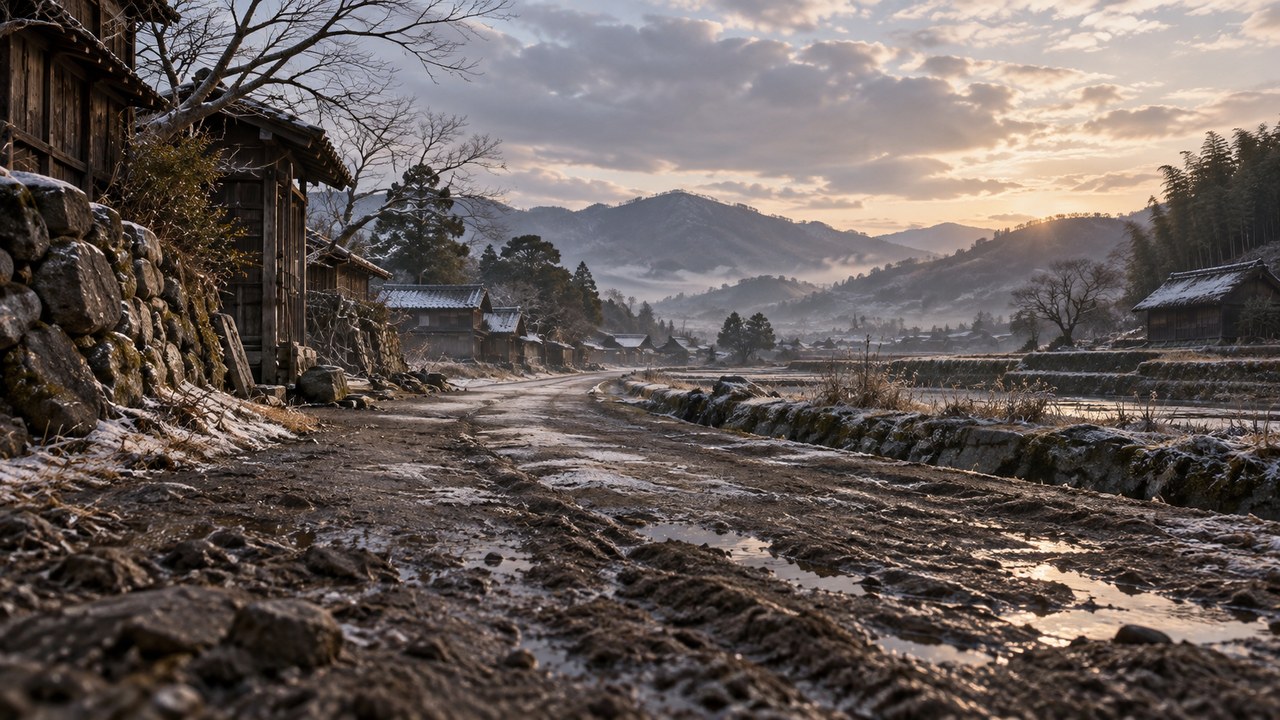
Chapter 1
The question left by the return of power
On the fourteenth day of the tenth month of 1867, Shogun Tokugawa Yoshinobu offered to return political authority to the imperial court, and the court accepted the next day. The National Diet Library’s biography explains that this step, known as taisei hōkan, was meant in part to restore the standing of the Tokugawa house.
On the ninth day of the twelfth month, however, the court issued a decree restoring imperial rule. At a council held that night in the Kogosho hall of the palace, it was decided to abolish the shogunate and to require Yoshinobu to give up his court rank and return his lands.
How should the Tokugawa house be treated once it had handed back power? The question remained open. Reference works describe the resentment at efforts to shut Yoshinobu out of the new government as one of the sparks of the war that followed.
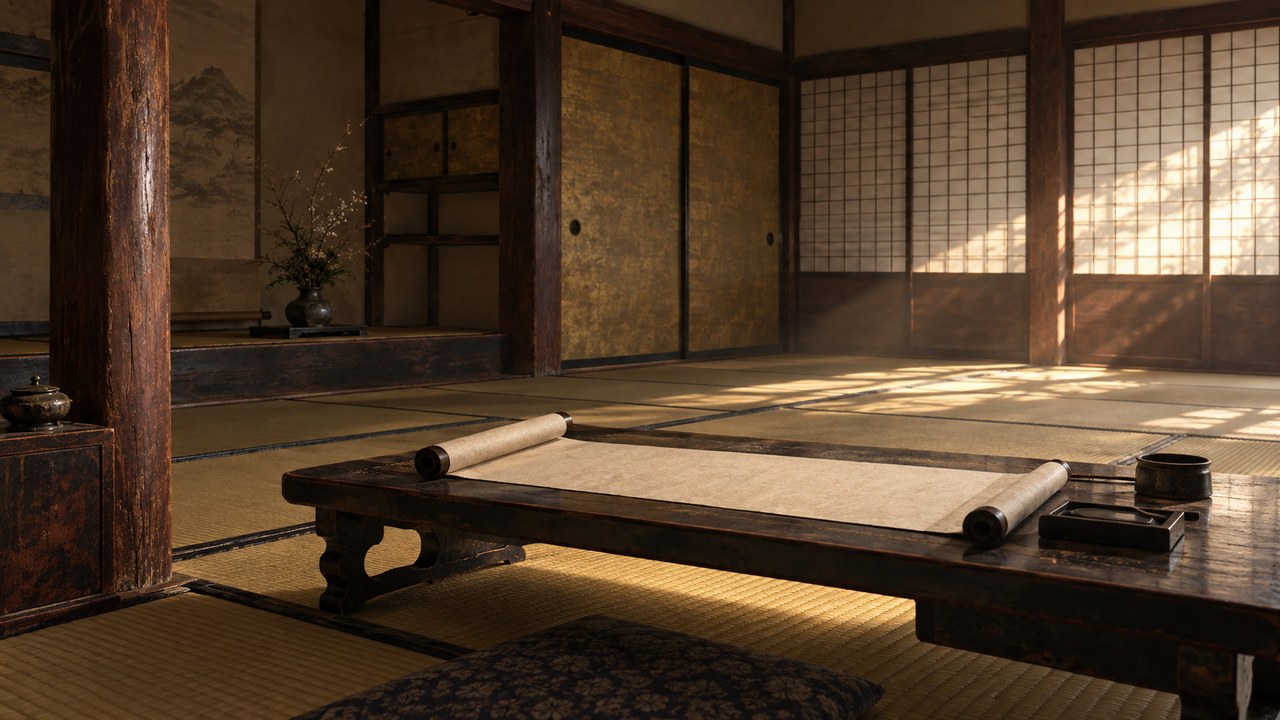
Chapter 2
Osaka Castle and the declaration against Satsuma
The demand for his rank and lands enraged the men of Aizu and Kuwana and the former shogunate’s retainers. Yoshinobu calmed them, relieved Aizu and Kuwana of their duty guarding the palace gates and led them out of Kyoto to Osaka Castle. An article on the Shirobito castle site dates the move to the twelfth day of the month; the Ibaraki Prefectural Museum of History gives the thirteenth.
In Edo, meanwhile, the anti-Tokugawa camp was using masterless samurai to stir up disorder in the city. On the twenty-fifth day of the twelfth month, the shogunate’s side burned the Satsuma domain’s residence there. Reference works present this as the Tokugawa side taking the bait of a deliberate provocation.
On New Year’s Day of 1868, Yoshinobu drew up a declaration against Satsuma and sent his army toward Kyoto, claiming that he would remove evil advisers from the emperor’s side. On the second day, about 15,000 men, shogunate troops together with soldiers of Aizu and Kuwana, began marching north.
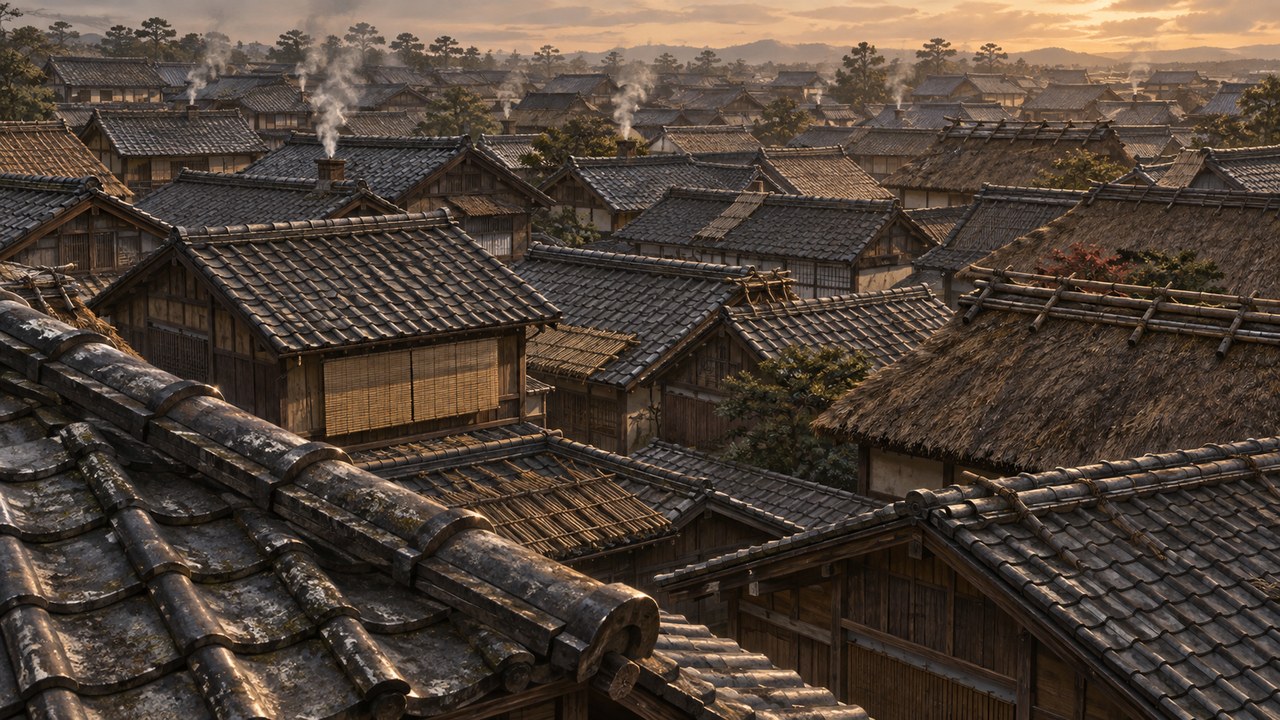
Chapter 3
Two roads to Kyoto
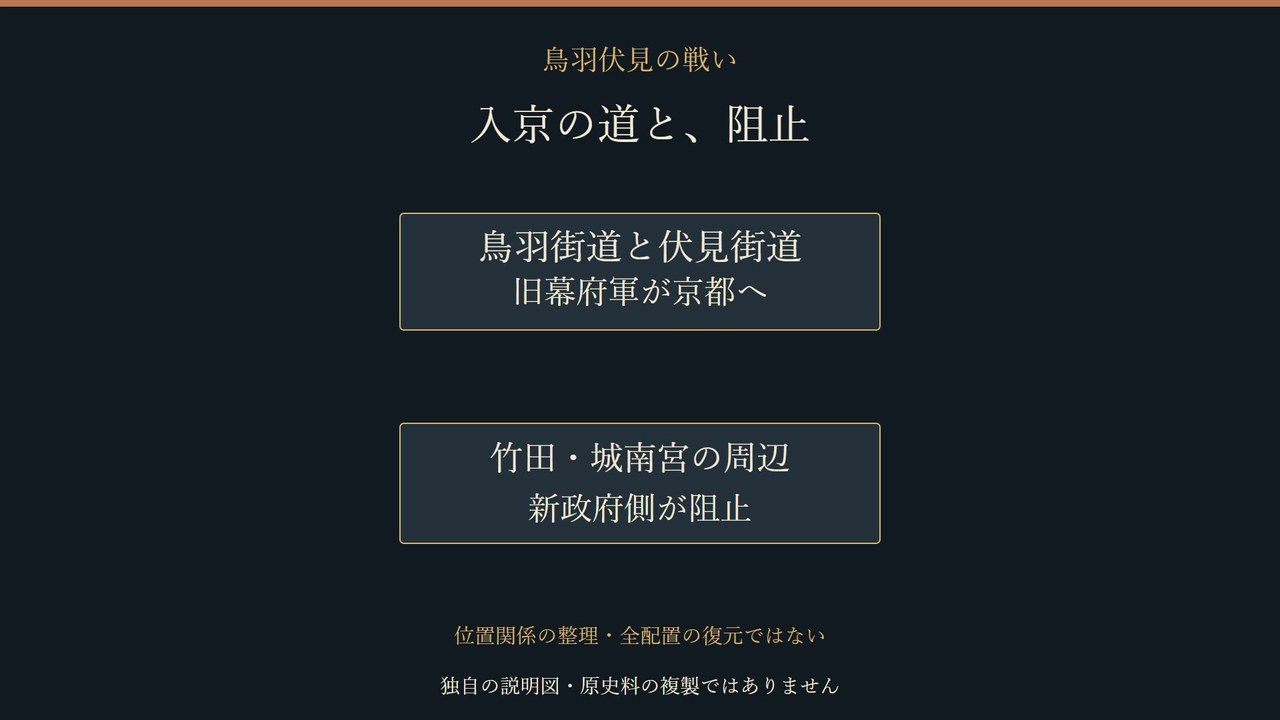
The main body of the former shogunate’s army advanced on Kyoto along two routes, the Toba road and the Fushimi road. According to Kyoto City, new-government forces took up positions around Takeda and the shrine of Jōnangū in order to block the troops moving north along the Toba road. Because the advance was divided, the battle would be fought in two places at once.
At Fushimi, the Shinsengumi, moved there by the shogunate after the restoration decree, occupied the Fushimi magistrate’s office. Their commander, Kondō Isami, had been wounded and had withdrawn to Osaka Castle, so Hijikata Toshizō took charge, according to Kyoto’s official tourism guide.
On the new-government side, Satsuma troops made their headquarters at the shrine of Gokōnomiya in Fushimi. Satsuma also based itself at the temple of Tōji, and tradition holds that Saigō Takamori watched the course of the fighting through a telescope from the top of its five-story pagoda.
Chapter 4
Cannon fire at Koeda Bridge
On the third day, the former shogunate’s troops on the Toba road came face to face with new-government forces near Koeda Bridge, west of Jōnangū, where the road crossed the Kamo River. The bridge of that time was not the one that carries the name today.
A Kyoto City historical walking map says the two sides argued at the bridge. When the shogunate’s troops tried to force their way through, Satsuma gunners fired an Armstrong gun. That report, the map says, served as the signal for the fierce fighting that followed.
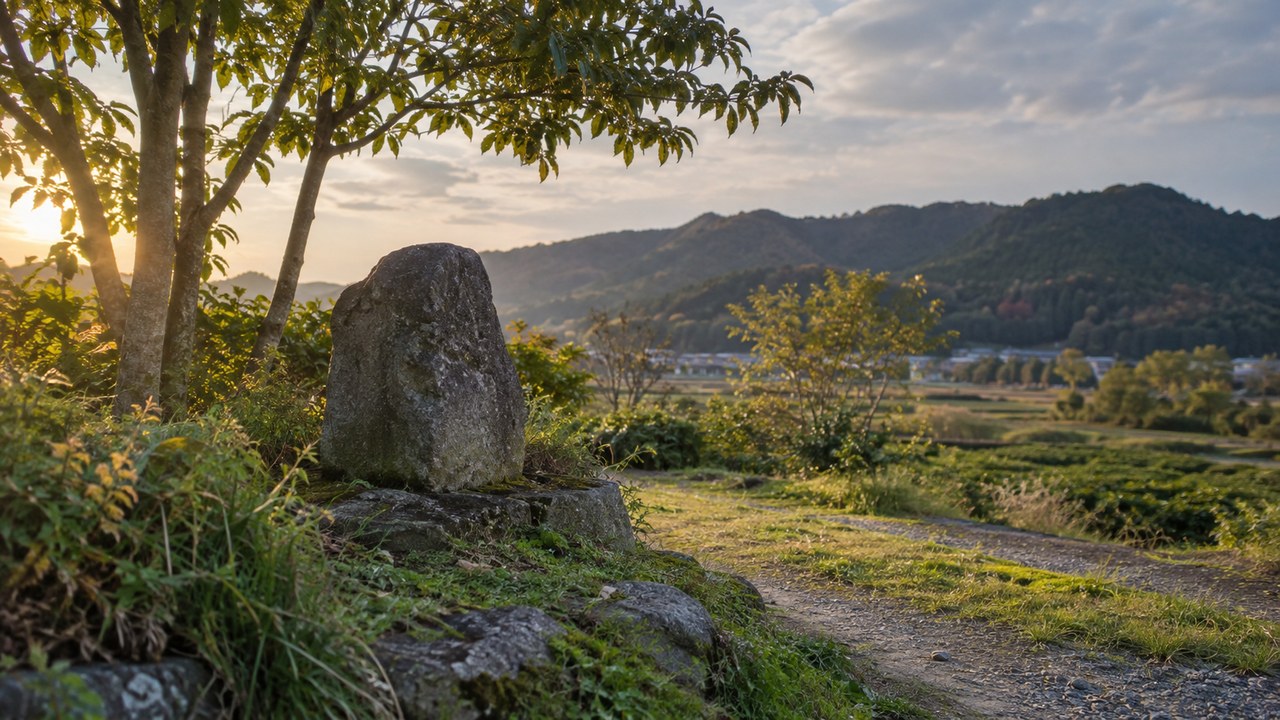
The Yamakawa dictionary of Japanese history places the clash on the night of the third. The area around today’s Toba Imperial Villa Site Park became a scene of heavy fighting, and monuments there mark the place where the Boshin War began. A stone marking Koeda Bridge also stands in the park.
Chapter 5
Fighting in the streets of Fushimi
Fighting broke out at Fushimi as well. From their headquarters at Gokōnomiya, Satsuma troops bombarded the Shinsengumi and others holding the magistrate’s office. The defenders were defeated and the building burned down, according to Kyoto’s tourism guide.
The battle also reached the town itself. Guns were fired in front of Uosaburō, a restaurant on Kyōmachi street, and bullet marks can still be seen in the lattice at its entrance. A Japan Tourism Agency description notes bullet holes on the front of a small Tenmangū shrine within the grounds of Gokōnomiya.
On the Toba road the armies met along a highway. At Fushimi, the battlefield was a place where people lived and worked. The marks left in the wood remain a reminder of how close the war came to ordinary streets and the households along them.
Chapter 6
Counting the armies
The sources consulted here agree on about 15,000 men for the former shogunate’s army. Their figures for the new-government army vary: about 4,000 in the Sekai Daihyakka encyclopedia and the Yamakawa dictionary, about 4,500 in the Nihon Daihyakka Zensho and in Kagoshima Prefecture’s account of 3,000 Satsuma and 1,500 Chōshū men, about 5,000 at the Ibaraki museum, and 6,000 according to Kyoto City.
On every count the former shogunate’s army was the larger. Reference works point to the superior equipment of the new-government troops as a cause of the defeat, and the Nihon Daihyakka Zensho adds their higher morale, saying that they drove the larger army back in a single day.
The fighting did not end on that first day, however. The same encyclopedia dates the end of the battle to the sixth. Between the first defeat and that date, the situation around the former shogunate’s army changed sharply, in ways that numbers alone do not explain.
Chapter 7
The imperial banner
On the fourth day, the new government named Prince Ninnajinomiya Yoshiakira as commander-in-chief of the expedition against its enemies. The Yamakawa dictionary says that the court granted an imperial brocade banner that day, and that with it the new-government force became the official imperial army.
The banner did not appear out of nowhere. According to the Yamaguchi Prefectural Archives, the court noble Iwakura Tomomi had earlier asked Ōkubo Toshimichi of Satsuma and Shinagawa Yajirō of Chōshū to have such banners prepared, and they were made in secret at Yamaguchi, in Chōshū territory.
A Shirobito article by Takizawa Hiroyasu argues that raising arms against the banner meant rebellion against the emperor, and that Yoshinobu, schooled in the loyalist thought of Mito, wished to avoid it. That is one interpretation, and it cannot settle what Yoshinobu himself was thinking.
Chapter 8
The gates of Yodo stay shut
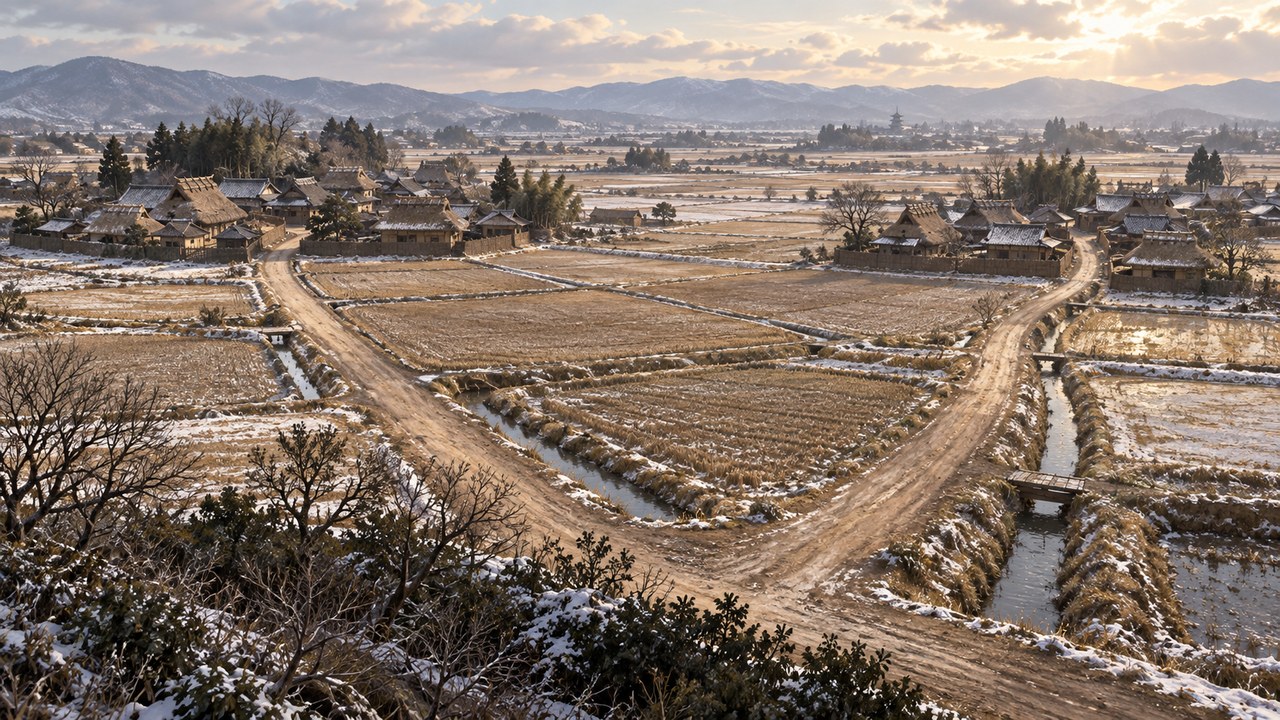
The fighting moved from Toba and Fushimi toward Yodo and Nakajima. The Yodo domain is said to have refused to admit the retreating shogunate troops to its castle, and the troops are said to have set fire to the castle town. A Kyoto City map also records that the town burned in the fighting of 1868.
Traces of that fire lie underground. The Kyoto City Archaeological Research Institute reports that excavation at the eastern enclosure of Yodo Castle found signs of a fire linked to the battle, the first such evidence identified in the castle town. At the nearby temple of Myōkyōji, the mark of a cannonball that passed through the building is still shown, and a memorial stone by Enomoto Takeaki honors the shogunate’s dead.
The Yamakawa dictionary states that the defection of the Yodo and Tsu domains contributed to the rout on the sixth. With domains it might have relied on turning away, the retreating army was left with less and less ground on which to regroup.
Chapter 9
The night Yoshinobu left Osaka Castle
During the fighting, the Ibaraki museum explains, Yoshinobu lay ill with a worsening cold at Osaka Castle. On the night of the sixth, after the defeat, he secretly left the castle with a handful of companions, among them Matsudaira Katamori of Aizu, Matsudaira Sadaaki of Kuwana and Itakura Katsukiyo of Bitchū-Matsuyama.
The party boarded the shogunate’s warship Kaiyō off Tenpōzan, and the ship sailed on the eighth. The Shirobito article notes that it left without its captain, Enomoto Takeaki. The officers and men of the army were left behind at Osaka Castle, without the commander in whose name they had marched.
On the twelfth, Yoshinobu landed at the Hama Palace and went on to Edo Castle. Back in Osaka, fire had broken out on the ninth near the kitchens of the castle’s main enclosure, destroying the main palace and most of the other buildings. In Edo, Yoshinobu explained events to Seikan’in-no-miya, the widow of the shogun Iemochi, and asked her to help carry his plea of submission to the court.
Chapter 10
Why did they retreat?
The National Diet Library’s explanation holds that the former shogunate’s army collapsed because Yoshinobu, its supreme commander, left Osaka Castle and sailed for Edo by warship. This view gives great weight to the departure of the man at the top of the chain of command.
Reference works, on the other hand, cite defeat by better-equipped troops and the defection of Yodo and Tsu when they describe the rout of the sixth. Yoshinobu left the castle on the night of that same day. One can therefore read the sequence as a collapse at the front that his departure made final.
This article does not reduce the retreat to one cause. Early defeat, the imperial banner, the loss of allied domains and the flight of the commander all came together within a few days. What individual units decided, or what soldiers felt, cannot be determined from these explanations alone.
Chapter 11
From Edo to Hakodate
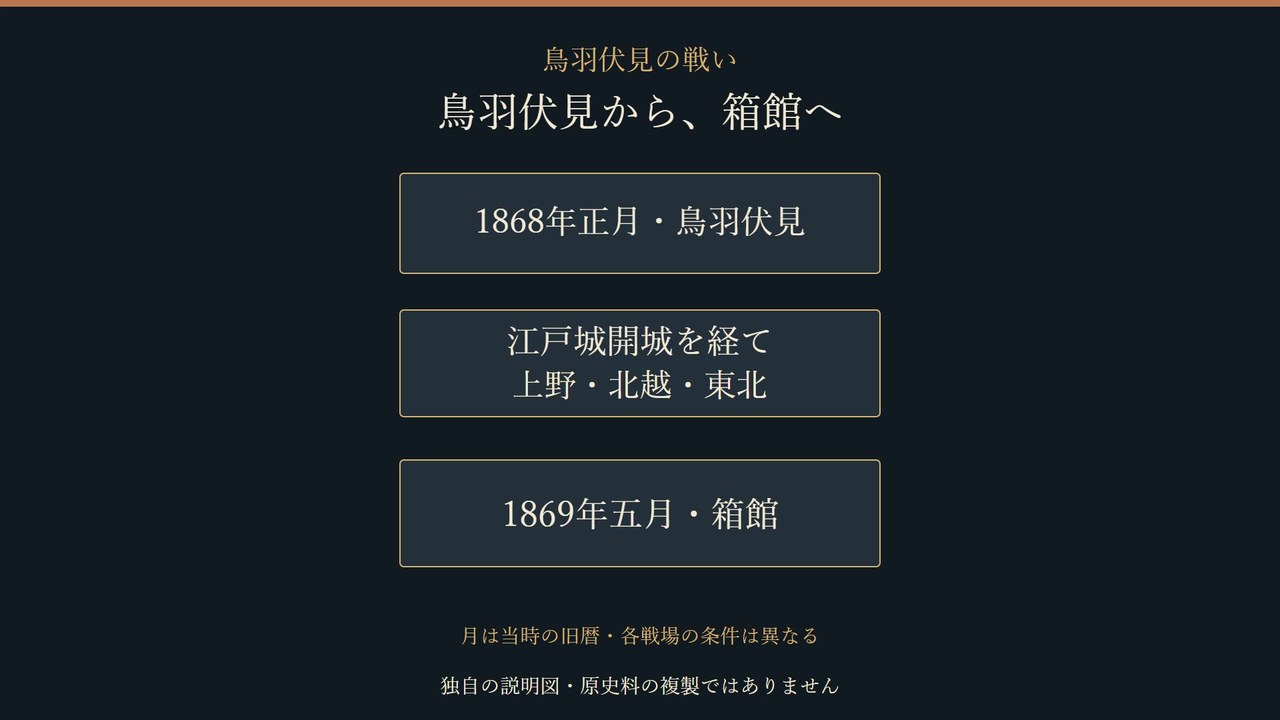
On the seventh day of the first month, the new government issued an order to pursue and punish Yoshinobu. In the second month, Prince Arisugawa Taruhito was appointed commander of the eastern expedition, and armies set out for Edo along the Tōkaidō, Tōsandō and Hokurikudō highways.
Yoshinobu entrusted negotiations with the advancing army to Katsu Kaishū, the former shogunate’s army commissioner. On the twelfth day of the second month, he entered the Daiji-in at Kan’eiji in Ueno and placed himself in confinement. After talks between Katsu and Saigō Takamori, Edo Castle was handed over on the eleventh day of the fourth month without a final assault on the city.
The war went on. After the Battle of Ueno on the fifteenth day of the fifth month and campaigns in Echigo and the northeast, Enomoto Takeaki’s forces held out at the Goryōkaku fort in Hakodate until it surrendered on the eighteenth day of the fifth month of 1869, ending a war of about a year and a half.
Chapter 12
What flags and stones remember
The battle was remembered in many forms. According to the National Archives of Japan, the painter Ukita Kasei spent about two years from May 1888 copying the banners and flags of the new-government army, reproducing seventeen kinds in thirty-four drawings mounted as four scrolls. They were made twenty years after the war.
A 2017 exhibition at the Kyoto National Museum brought together Satsuma flags and a letter preserved at Jōnangū, a cannonball kept at Gokōnomiya, and broadsheets and color prints of the time, including the song Tokoton’yare, whose words are attributed to Shinagawa Yajirō. Made for different purposes and from different standpoints, these objects show the same battle from separate angles.
The stone marker reading “Site of the Battle of Toba-Fushimi” was set up at Shimotoba in Fushimi Ward in 1976. The few days it recalls, in which a larger army fell back, helped decide who would hold power in Japan and opened a war that lasted a year and a half.
How to read this work
History, interpretation, and reconstruction
The retreat of the former shogunate’s army cannot be explained by Yoshinobu’s departure alone. Early defeat, the imperial banner, the loss of allied domains and the commander’s flight came together within a few days.
This work is grounded in published sources and historical research. Interior thoughts, dialogue, and some visual details are cinematic reconstructions. Where historians disagree, the article presents the point as debated rather than settled fact.
Timeline
The story in time
-
Tokugawa Yoshinobu submits his return of political authority; the court accepts the next day.
Sources: s25 -
The shogunate’s side burns the Satsuma residence in Edo.
Sources: s10 -
With Yodo and Tsu having defected, the former shogunate’s army is routed.
Sources: s15 -
The new government orders the pursuit of Yoshinobu.
Sources: s15 -
The warship Kaiyō sails from Osaka with Yoshinobu aboard.
Sources: s10 -
Fire destroys most of the buildings of Osaka Castle’s main enclosure.
Sources: s20 -
Yoshinobu enters confinement at the Daiji-in of Kan’eiji in Ueno.
Sources: s10 -
The Goryōkaku at Hakodate surrenders, ending the Boshin War.
Sources: s17 -
Copying of the new-government army’s flags begins, a task of about two years.
Sources: s01 -
The stone marker for the Toba-Fushimi battlefield is set up at Shimotoba in Kyoto.
Sources: s03
People & terms
A guide for new readers
Key figures
- Tokugawa Yoshinobu
- The former shogun, who sent his army toward Kyoto and left Osaka Castle for Edo on the night of the sixth day.
- Matsudaira Katamori
- Lord of Aizu, who left Osaka Castle with Yoshinobu and boarded the Kaiyō.
- Matsudaira Sadaaki
- Lord of Kuwana, who left Osaka Castle with Yoshinobu and boarded the Kaiyō.
- Hijikata Toshizō
- Vice-commander of the Shinsengumi, said to have led its men at Fushimi after Kondō Isami was wounded.
- Saigō Takamori
- A Satsuma leader said to have watched the battle from Tōji, who later negotiated the handover of Edo Castle.
- Iwakura Tomomi
- A court noble who arranged for imperial banners to be prepared before the war.
- Prince Ninnajinomiya Yoshiakira
- The imperial prince named commander-in-chief on the fourth day of the first month.
Glossary
- Boshin War 戊辰戦争
- The civil war of 1868–1869 between the new imperial government and supporters of the former shogunate.
- Taisei hōkan 大政奉還
- The return of political authority from the shogun to the imperial court in 1867.
- Ōsei fukko 王政復古
- The decree of 1867 that restored direct imperial rule and abolished the shogunate.
- Jikan nōchi 辞官納地
- The demand that Yoshinobu give up his court rank and return his lands.
- Kinki 錦旗
- An imperial brocade banner, marking an army as acting for the emperor.
- Kangun 官軍
- An army recognized as acting for the imperial court.
- Chōteki 朝敵
- An enemy of the imperial court.
- Domain 藩
- A territory governed by a lord under the Tokugawa system.
- Shinsengumi 新選組
- An armed unit formed to keep order in Kyoto for the shogunate.
- Bugyōsho 奉行所
- The office of a magistrate appointed by the shogunate.
Sources & method
How this article was built
This English edition follows the revised Japanese article scene by scene and keeps its twenty-five sources, their order and its nineteen timeline entries. It draws on national and local public institutions, museums, archives, reference works and signed articles.
Institutional explanations, reference works and the interpretation offered here are kept separate. Troop numbers and the date of Yoshinobu’s move to Osaka differ among sources and are given as differences. The reading of the banner’s effect on Yoshinobu is attributed to the article that proposes it, and no private thoughts or conversations are invented.
Sources
References and further reading
- Battle of Toba-Fushimi (The Boshin War Begins) 国立公文書館・鳥羽・伏見の戦い(戊辰戦争が始まる) Title translated editorially for reader convenience. National Archives of Japan 国立公文書館 The outbreak of war, its course to Hakodate and the copied drawings of flags made from 1888. Accessed 2026-11-19
- Battle of Toba-Fushimi: 150th Anniversary of the Return of Power 京都国立博物館・大政奉還150年記念 鳥羽伏見の戦い Title translated editorially for reader convenience. Kyoto National Museum 京都国立博物館 The opening of the battle and the flags, prints, letters and diaries shown in the 2017 exhibition. Accessed 2026-11-19
- Toba-Fushimi Battlefield Marker 京都市・鳥羽伏見の戦跡 Title translated editorially for reader convenience. Kyoto City 京都市 The two roads, the clash south of Koeda Bridge, troop figures and the 1976 stone marker. Accessed 2026-11-19
- The Boshin War (International Library of Children’s Literature) 国立国会図書館・国際子ども図書館・戊辰戦争 Title translated editorially for reader convenience. National Diet Library 国立国会図書館 Yoshinobu’s departure from Osaka and the collapse of the former shogunate’s army. Accessed 2026-11-19
- Portraits of Modern Japanese Historical Figures: Tokugawa Yoshinobu 国立国会図書館・近代日本人の肖像 徳川慶喜 Title translated editorially for reader convenience. National Diet Library 国立国会図書館 Yoshinobu’s career and the return of political authority. Accessed 2026-11-19
- Kyoto Historical Walking Map: Toba Imperial Villa Site 京都歴史散策マップ「鳥羽離宮跡」 Title translated editorially for reader convenience. Kyoto City and Kyoto City Archaeological Research Institute 京都市・京都市埋蔵文化財研究所 The old Koeda Bridge, the opening shot and troop figures of 15,000 and 6,000. Accessed 2026-11-19
- Kyoto Historical Walking Map: Yodo 京都歴史散策マップ(淀) Title translated editorially for reader convenience. Kyoto City and Kyoto City Archaeological Research Institute 京都市・京都市埋蔵文化財研究所 The burning of the Yodo castle town in 1868 and the cannonball mark at Myōkyōji. Accessed 2026-11-19
- Leaflet Kyoto No. 411: Excavation Results of 2022 リーフレット京都 No.411 発掘ニュース140 発掘成果をふりかえって2022 Title translated editorially for reader convenience. Kyoto City Archaeological Research Institute and Kyoto City Archaeological Museum 京都市埋蔵文化財研究所・京都市考古資料館 Traces of fire from the battle found at the eastern enclosure of Yodo Castle. Accessed 2026-11-19
- The Stone Walls of Yodo Castle (Lecture 307) 淀城の石垣(京都市考古資料館文化財講座 第307回) Title translated editorially for reader convenience. Matsunaga Shūhei, Kyoto City Archaeological Research Institute 松永修平(京都市埋蔵文化財研究所) Yodo’s refusal to admit the retreating army and the fire in the castle town. Accessed 2026-11-19
- Tokugawa Yoshinobu and the Boshin War 徳川慶喜と戊辰戦争 Title translated editorially for reader convenience. Ibaraki Prefectural Museum of History 茨城県立歴史館 Dates of the move to Osaka, the burning of the Satsuma residence, the declaration, the escape, the voyage and confinement. Accessed 2026-11-19
- The Boshin War 戊辰戦争 Title translated editorially for reader convenience. Kagoshima Prefecture 鹿児島県 Troop figures for Satsuma and Chōshū and the handover of Edo Castle. Accessed 2026-11-19
- Miyako Fūryū Tokoton’yare Bushi 都風流トコトンヤレぶし Title translated editorially for reader convenience. Yamaguchi Prefectural Archives 山口県文書館 The commissioning of the imperial banners and their secret manufacture at Yamaguchi. Accessed 2026-11-19
- The Secret Imperial Order to Overthrow the Shogunate 討幕の密勅 Title translated editorially for reader convenience. Yamaguchi Prefectural Archives 山口県文書館 The restoration decree and the decisions of the Kogosho council. Accessed 2026-11-19
- Following the Road of the San’in Pacification, Part 1 <懐かしの立命館>山陰道鎮撫の道を辿る 第1部 Title translated editorially for reader convenience. Ritsumeikan University 立命館大学 The start of the battle and the appointment of Prince Ninnajinomiya Yoshiakira on the fourth day. Accessed 2026-11-19
- Battle of Toba-Fushimi (Toba Fushimi no Tatakai) 鳥羽伏見の戦 Title translated editorially for reader convenience. Kotobank コトバンク Reference entries on troop numbers, the night clash, the banner, the defections and the order against Yoshinobu. Accessed 2026-11-19
- Battle of Toba-Fushimi 鳥羽・伏見の戦い Title translated editorially for reader convenience. Kotobank コトバンク Reference entries on the march north, equipment and morale, and the end of fighting on the sixth. Accessed 2026-11-19
- Boshin War 戊辰戦争 Title translated editorially for reader convenience. Kotobank コトバンク Reference entries on the causes of the war, the eastern expedition, Edo, Ueno and Hakodate. Accessed 2026-11-19
- Kaiyō Maru 開陽丸 Title translated editorially for reader convenience. Kotobank コトバンク The warship’s voyage from Osaka to Edo with Yoshinobu aboard. Accessed 2026-11-19
- Negotiations for the Takeover of Edo Castle (History of Shinagawa Ward) 東征軍の江戸城接収交渉(『品川区史』) Title translated editorially for reader convenience. Shinagawa City Digital Archive 品川区 しながわデジタルアーカイブ Yoshinobu’s landing at the Hama Palace and arrival at Edo Castle on the twelfth day. Accessed 2026-11-19
- Yoshinobu and Osaka Castle: Why Did He Flee? 【慶喜と大坂城】慶喜はなぜ、大坂城から逃亡したのか? Title translated editorially for reader convenience. Takizawa Hiroyasu, Shirobito 滝沢弘康(城びと) The move to Osaka, one interpretation of the banner’s effect, Enomoto’s absence and the castle fire. Accessed 2026-11-19
- Around Fushimi 伏見界わい Title translated editorially for reader convenience. Kyoto City Tourism Association, Kyoto Travel Guide 京都観光Navi(京都市観光協会) The magistrate’s office, Gokōnomiya, Uosaburō, Jōnangū and the Toba Imperial Villa site. Accessed 2026-11-19
- Southern Kyoto 広域-南 Title translated editorially for reader convenience. Kyoto City Tourism Association, Kyoto Travel Guide 京都観光Navi(京都市観光協会) The Satsuma base at Tōji, the tradition about Saigō and the marks at Myōkyōji. Accessed 2026-11-19
- Gokōnomiya Shrine 御香宮神社 Title translated editorially for reader convenience. Japan Tourism Agency 観光庁 地域観光資源の多言語解説文データベース The shrine’s use as a Satsuma headquarters and the bullet marks at its Tenmangū. Accessed 2026-11-19
- A Transport Hub Between Kyoto and Osaka: Katsura and Fushimi 江戸時代、京都と大坂を結ぶ交通の要 ~桂・伏見 Title translated editorially for reader convenience. Sumitomo Mitsui Trust Realty, Kono Machi Archives 三井住友トラスト不動産(このまちアーカイブス) The opening near Koeda Bridge, fighting toward Yodo and Nakajima and the bridge monument. Accessed 2026-11-19
- Bakumatsu and Restoration Stamp Rally Guidebook 大政奉還150周年記念 幕末維新スタンプラリー ガイドブック Title translated editorially for reader convenience. Kyoto City and the Kyoto City Committee for the 150th Anniversary of the Return of Power 京都市・大政奉還150周年記念プロジェクト京都市運営委員会 Dates of the return of power, the restoration decree and the Kogosho council. Accessed 2026-11-19
Continue reading
More stories from Shigeki
Shigeki English
From the Black Ships to Hakodate: Sixteen Years from Bakumatsu to Meiji
Treaties, the Sakuradamon incident, the Kinmon incident, the Satsuma–Choshu alliance, the return of power, Toba–Fushimi, Edo Castle, Aizu and Hakodate: diplomatic commitments, political authority and military command did not change at the same moment.
- When 1853–1869, with administrative changes in 1869 and 1871 placed separately
- Where Uraga, treaty ports, Edo, Kyoto, Toba–Fushimi, Aizu and Hakodate
Shigeki English
Nitta Yoshisada | Why the Man Who Took Kamakura Kept Fighting in Echizen
The uprising at Ikushina Shrine, three battles in Musashi, the Inamuragasaki legend, Toshoji, the Kenmu warrior office, Takenoshita and Kyoto, Shirahata Castle and Minatogawa, two princes at Kanegasaki, the recapture from Somayama, death at Tomyoji Nawate, and a helmet and a stone.
- When The family landscape from the mid-twelfth century; Yoshisada’s 1333–1338 career; seventeenth-century and later remembrance. Medieval months and days remain in the historical calendar.
- Where Nitta-shō around Ōta, Kamakura, Harima and the Hyōgo coast, then Kanegasaki near Tsuruga and the Echizen setting of renewed activity and death.