
SHIGEKI ENGLISH STORYEN
Japanese history in English
Tomioka Silk Mill: Learning Skills and Carrying Them Home
From the quality of Japan’s silk exports to Paul Brunat, the women who trained at the mill, Wada Ei’s memories and a World Heritage site.
Opened in 1872, the Tomioka Silk Mill was a government model factory that produced silk and trained women in machine reeling. Follow its origins, French technology, recruitment, Wada Ei’s recollections, changing owners and preservation.
At a glance
Before you enter the story
- When
- From the silk export boom of the 1860s through the founding of the mill in 1872, its closure in 1987 and its World Heritage inscription in 2014.
- Where
- Tomioka in present-day Gunma Prefecture, with links to Yokohama, France, Nagano and related silk sites in Gunma.
- Key figures
- Paul Brunat, Shibusawa Eiichi, Odaka Junchū, Edmond Bastien, Nirazuka Naojirō, Wada Ei
- What was at stake
- How Japan could raise the quality of a leading export and spread machine reeling through trained people.
Why this story matters
The larger history behind the turning point
Tomioka shows that the transfer of industrial technology depended on people as well as machines. Women trained at the mill could carry what they had learned back to their home regions, as the career of Wada Ei demonstrates.
The mill’s long history also requires care in reading its numbers and memories. Equipment counts, workforce figures, later recollections and present-day displays each belong to a particular time and should not be merged into one picture.
Historical context
What an international reader needs to know
Places and terms
Tomioka lies in Gunma Prefecture, northwest of Tokyo. Yokohama was the main port through which Japanese silk was exported. Reeling is the stage that turns cocoons into raw silk, and it is different from weaving silk into cloth.
Dates and names
Months and days through 1872 follow the Japanese calendar then in use, so they do not match the modern calendar. Japanese names are given with the family name first.
Watch the film
See the story in motion
The film currently uses Japanese audio. This English article provides the context and source trail; it does not imply that an English subtitle track is available.
Opening
What the mill sent out besides silk
In 1872, a government-run silk mill began operating at Tomioka in present-day Gunma Prefecture, northwest of Tokyo. Its reeling hall, about 140 meters long, held 300 French-made reeling basins, and Tomioka City’s official site describes it as the largest silk-reeling factory in the world at the time.
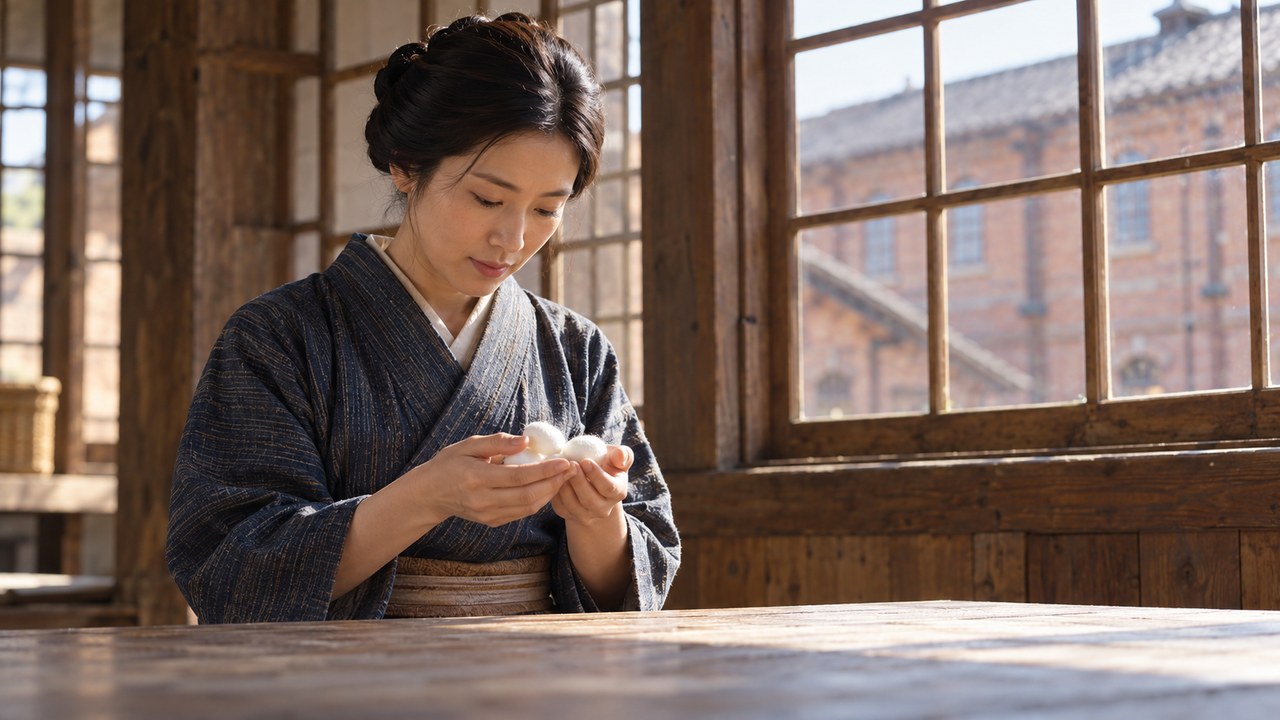
Producing raw silk was only part of the mill’s purpose. Women were recruited from across Japan to learn machine reeling, and those who completed their training were expected to return home and teach others. That movement of people and skills was written into the basic plan for the mill from the start.
This article follows the story from the quality problems of Japan’s silk exports through construction, the training of women workers, the recollections of Wada Ei, changes of ownership and the mill’s preservation. Where sources disagree, the disagreement is stated. Months and days through 1872 follow the Japanese calendar then in use.
Chapter 1
A quality problem in a leading export
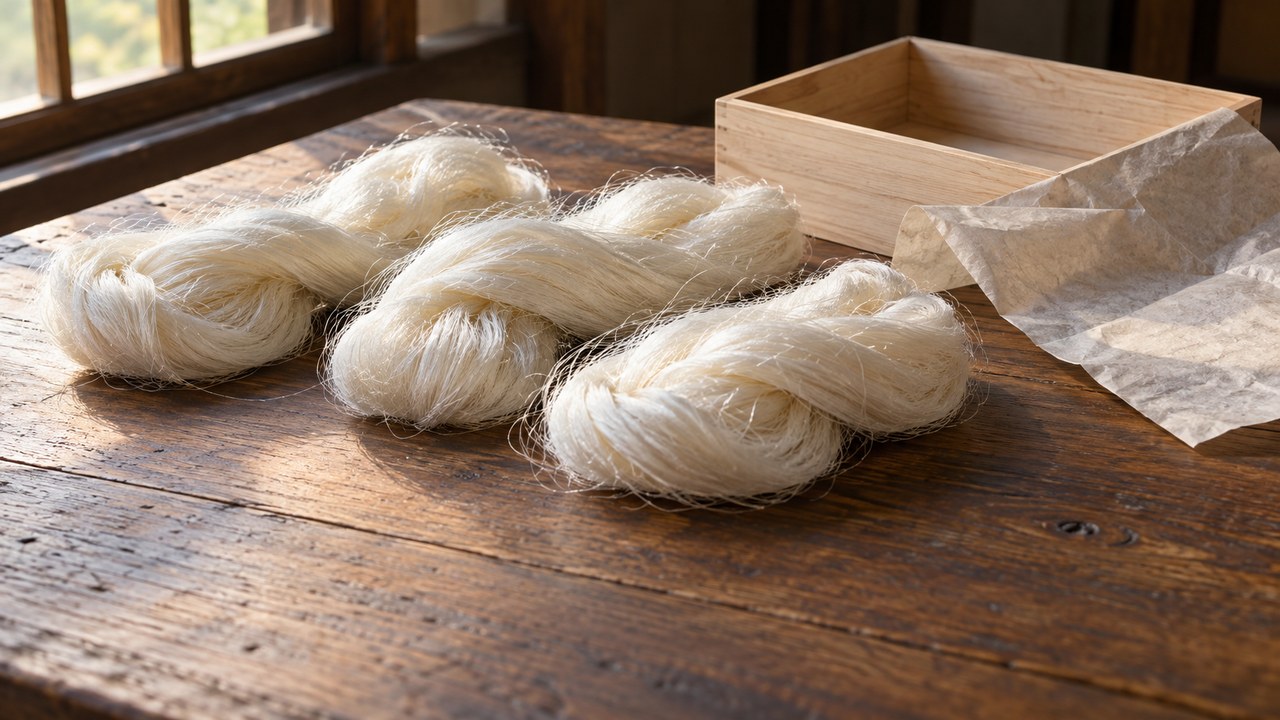
After Japan opened its ports, raw silk became one of its main exports. A Japan Tourism Agency explanation says that silk and related products made up more than 80 percent of Japanese exports in 1863. When silkworm disease spread through Europe and output collapsed in the major producing countries, large quantities of Japanese silk left through Yokohama.
The National Diet Library explains that this excessive demand encouraged careless mass production and allowed dishonest traders to flourish. The faster exports grew, the more pressing it became to restore confidence in the quality of Japanese silk. Machine reeling on the European model offered the new government one way of addressing the problem.
In 1870, the Meiji government decided to build a model machine-reeling mill with Japanese capital. Tomioka City’s official site lists three basic principles: introduce Western reeling technology, invite foreign instructors, and recruit women workers from all over the country. Each principle concerned not only production at one factory but also the spread of skills beyond it.
Chapter 2
Two years from plan to operation
The man chosen to guide the project was Paul Brunat (1840–1908), a Frenchman working as a silk inspector in Yokohama. According to the National Diet Library, he was hired in the sixth month of 1870 and asked to help select a site. The officials responsible on the government side included Ōki Takatō, Tamano Seiri, Sugiura Yuzuru and Shibusawa Eiichi.
Brunat signed his formal contract with the government on the seventh day of the intercalary tenth month of 1870. The design was entrusted to Edmond Bastien (1839–1888), a French draftsman employed at the Yokosuka shipyard, who is said to have completed the plans in about fifty days. In 1871 Brunat traveled to France and purchased a full set of reeling equipment.
Construction began in the third month of 1871, and the main buildings were nearly complete by the seventh month of 1872. Operations started on the fourth day of the tenth month. A Nippon.com article attributes the gap between completion and opening to the difficulty of finding enough workers, a problem taken up in a later chapter.
Chapter 3
Making French technology work in Japan
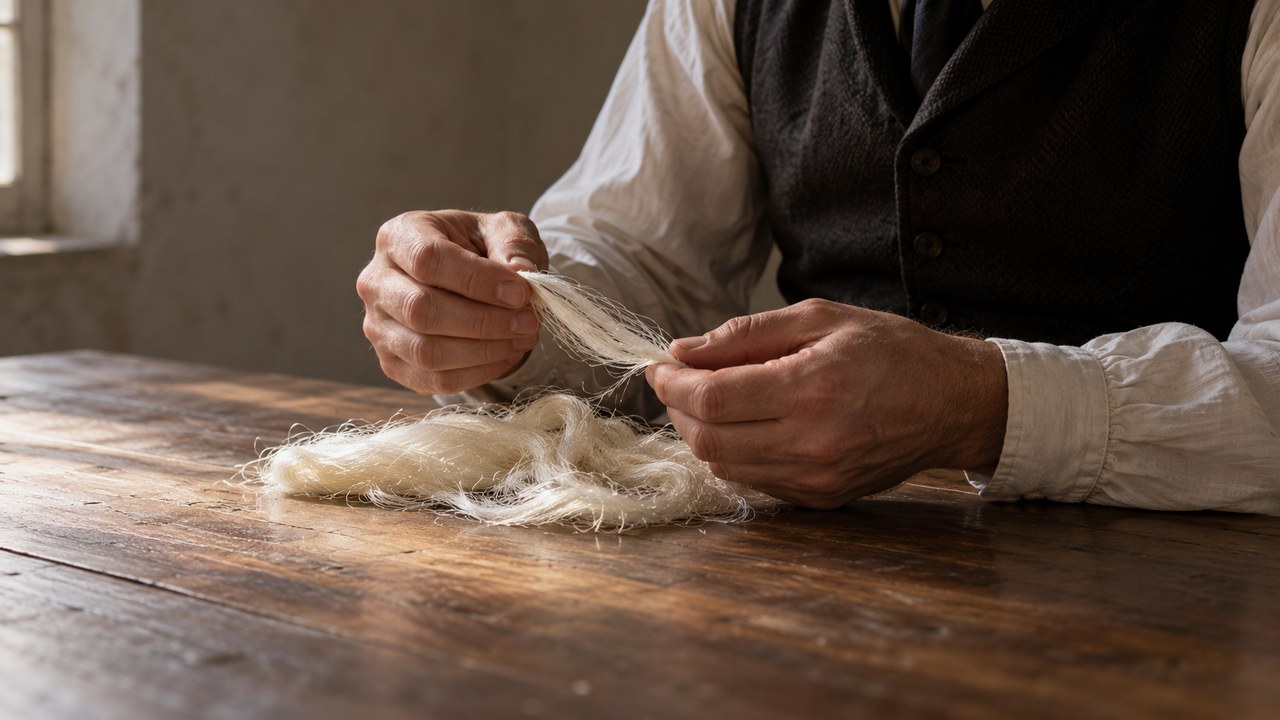
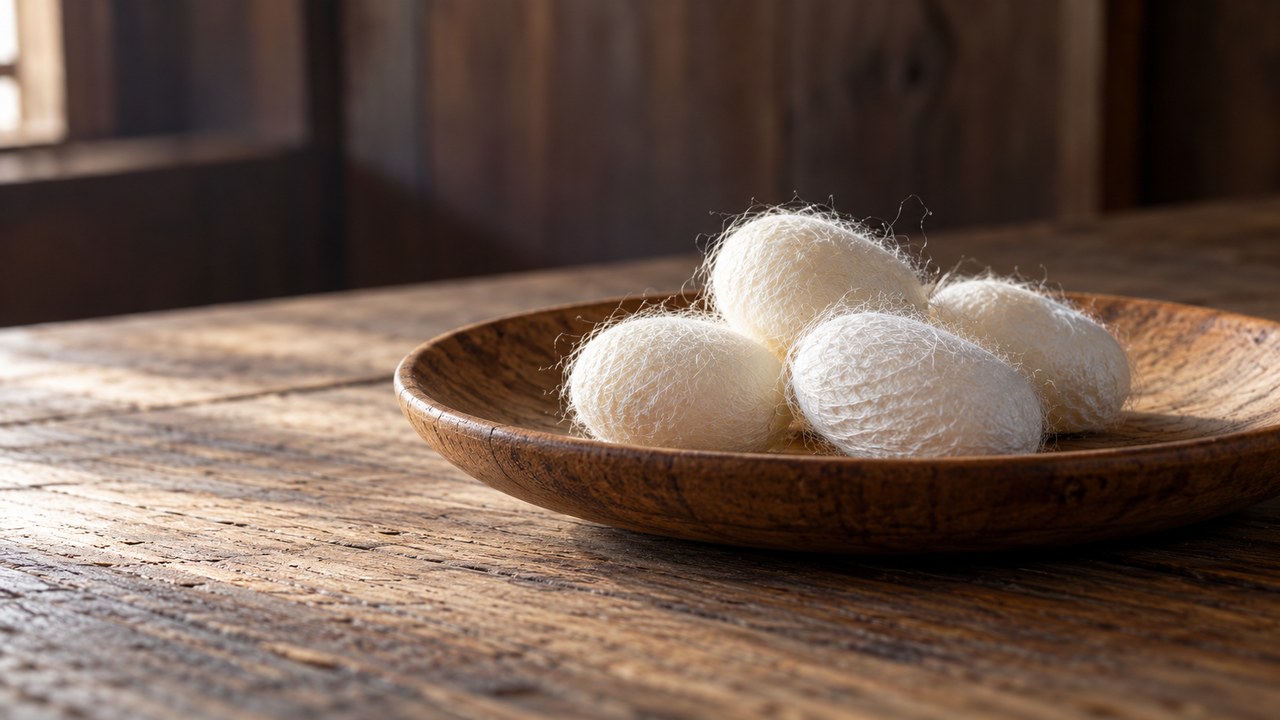
A single cocoon can yield more than 1,000 meters of thread. Reeling is the process of drawing off these fine filaments and turning them into raw silk. Producing silk of consistent quality required dependable equipment for this stage, and it also required people who had been properly trained in how to use that equipment.
Brunat arranged the import of French reeling machines and a steam engine. Tomioka City’s official site also credits him with optimizing the reeling process for Japanese conditions. In that account, his contribution was more than the delivery of foreign machinery: he helped adapt an imported method so that it could actually be used in Japan.
UNESCO recognizes the successful transfer of French sericulture and silk-reeling techniques to Japan as one of the values of the World Heritage property. That is a modern assessment, however. It should not be read as evidence that the people who founded the mill in the early 1870s thought about their undertaking in those same terms.

Chapter 4
Why Tomioka?
Tomioka City’s official site gives two reasons for choosing the location: it was not far from Yokohama, and cocoons, the mill’s raw material, could be obtained easily there. Around 1869, Brunat had toured silk-producing districts with a party from the British legation and had observed how sericulture and reeling were carried out in the region.
The National Diet Library notes that Brunat examined the terrain, wind direction and water supply in detail. Together with Odaka Junchū and others, he visited the area and settled on the site of a former administrative compound beside the Kabura River. Water could be drawn from the Nanokaichi irrigation channel, which ran along the north side of the site.
Accounts of the fuel supply differ. A Nippon.com article says that the nearby Takasaki coalfield made it easier to secure power and counts this among the reasons for the choice. Tomioka City’s official site, by contrast, records that the quality and quantity of the coal still needed to be investigated further at the time.
Chapter 5
A factory of timber, brick and tile
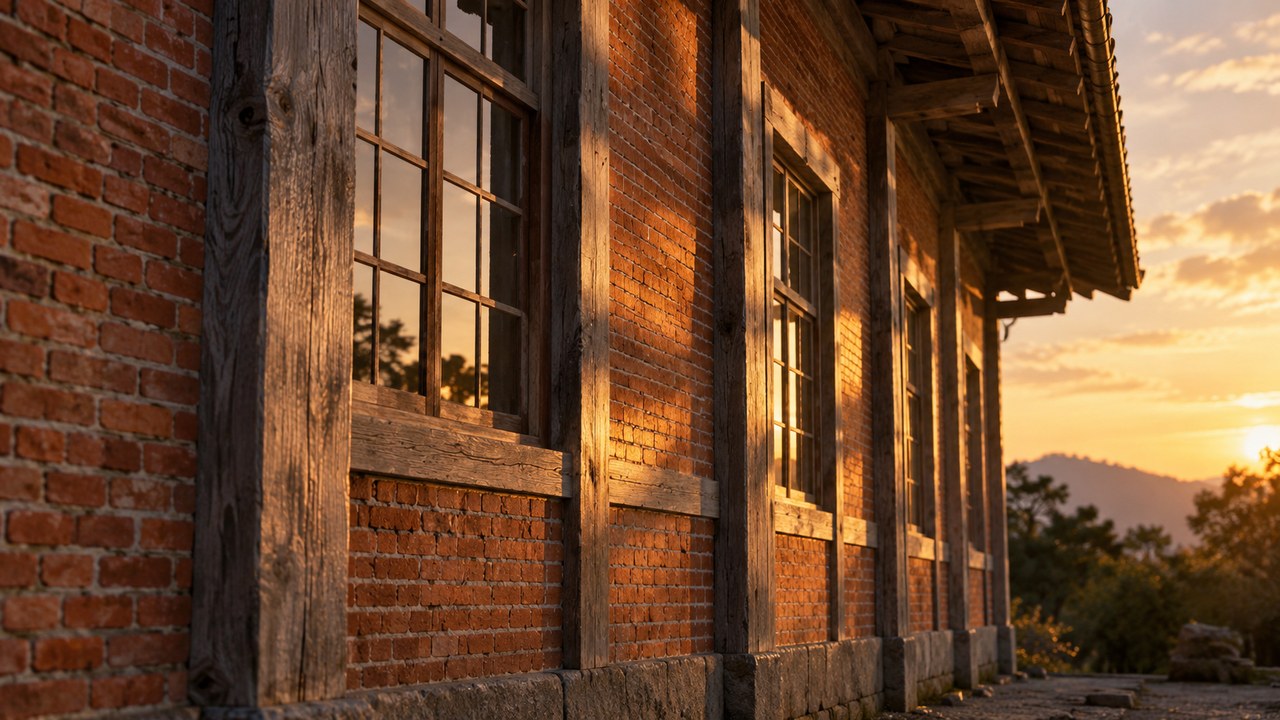
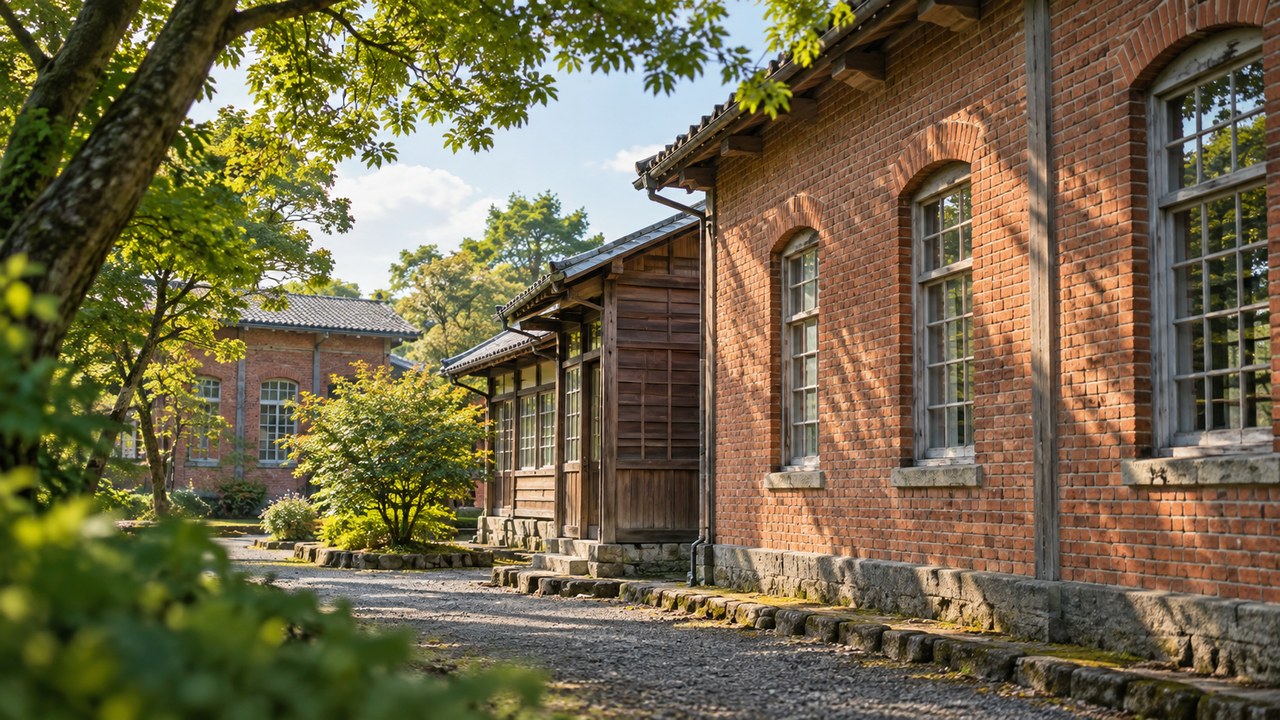
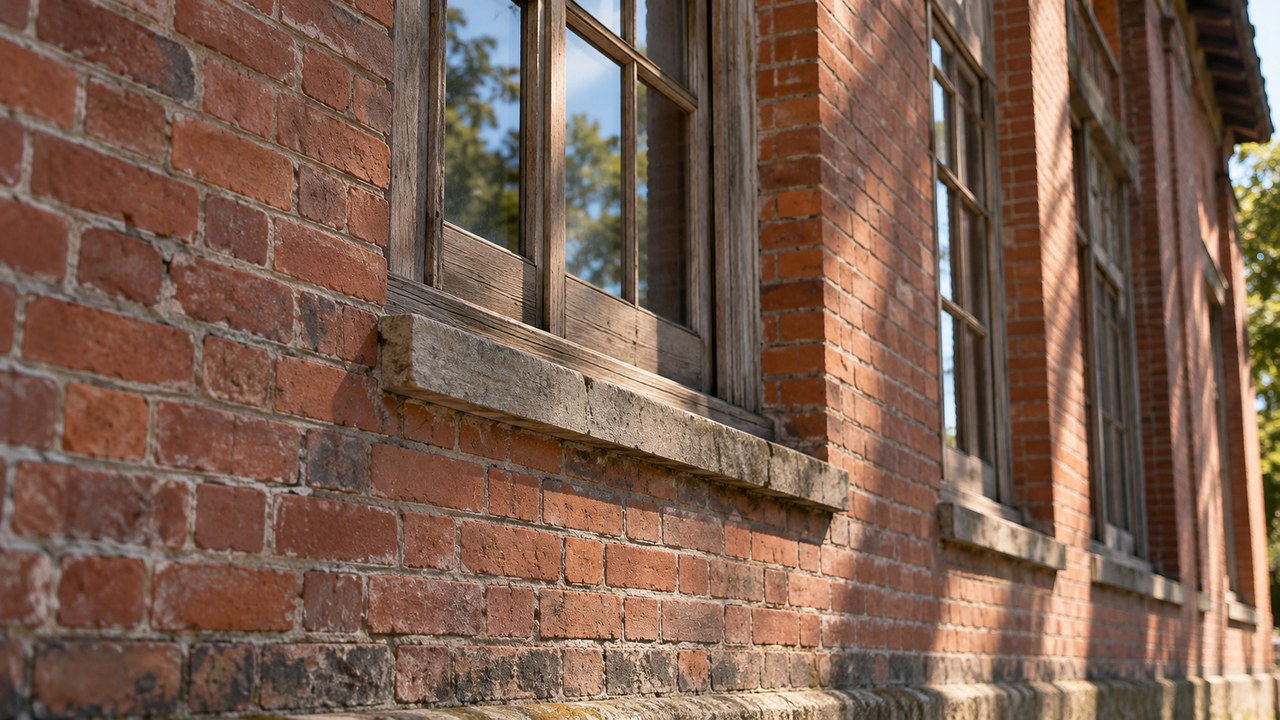
The buildings look like Western factories, yet their roofs are covered with Japanese tile. They use a timber-framed brick structure, in which bricks fill a framework of wooden posts and beams. The bricks are laid in Flemish bond, known in Japan as French bond, with headers and stretchers alternating, and the joints use lime plaster rather than mortar.
Nirazuka Naojirō (1823–1898), a tile maker, took charge of procuring building materials and was also involved in firing the bricks. French designers drew the plans, while Japanese materials and craftsmanship turned them into buildings. The result combined the technical knowledge of two countries within a single structure, a feature that visitors can still observe today.
The East Cocoon Warehouse is about 104 meters long. Dried cocoons were stored on its upper floor, while the ground floor served as offices and work space. The keystone of its central arch is carved with the characters for the fifth year of Meiji, or 1872. The two warehouses were sized for an era when silkworms were raised once a year.
Chapter 6
What the number 300 means
The reeling hall is about 140 meters long, with a building area of 1,726.92 square meters. King-post trusses support the roof, creating a large open space without columns down the center of the building. When the mill was founded, this hall held 300 metal reeling basins that had been brought from France.
The figure of 300 counts equipment. It does not tell us how many people were at work on any given day, and the number of women employed has to be checked in other sources. Keeping the scale of the machinery separate from the size of the workforce is an essential first step in reading the mill’s history.
The equipment changed over time. Automatic reeling machines made by Nissan were installed in the late 1960s. The number 300 therefore describes the mill as it was at its founding and cannot be applied to the whole of an operating life that lasted roughly 115 years, from 1872 until the final shutdown in 1987.
Chapter 7
How the women workers came to Tomioka
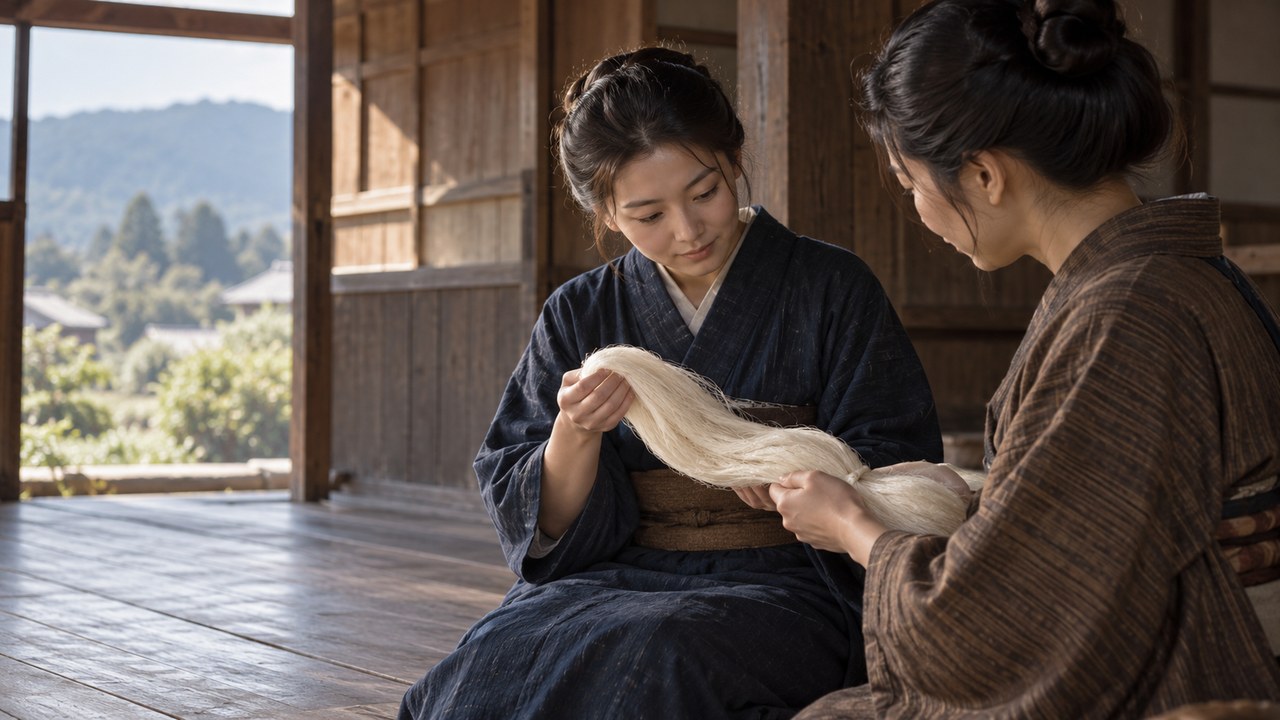
Recruitment did not go smoothly at first. According to a Japan Tourism Agency explanation, local people who saw the French staff drinking red wine spread a rumor that they were drinking blood, and women were reluctant to come. Odaka Yū, the daughter of the first director, Odaka Junchū (1830–1901), is said to have become the first worker and set an example.
The same explanation says the mill sought unmarried women aged fifteen to twenty-five and that more than 400 women worked there at one point. The Agency for Cultural Affairs’ description states that 404 women gathered from the domains, including daughters of prominent families and former samurai. Those who completed their training were expected to become instructors in their home regions.
Nippon.com articles mention dormitories, bedding and meals, a clinic offering free medical care and a system of Sunday holidays. Experience nevertheless varied with period and position. These descriptions outline the conditions the institution provided, but they cannot be taken as a uniform account of the daily lives of all the women who worked at Tomioka over the years.
Chapter 8
Wada Ei’s written memories
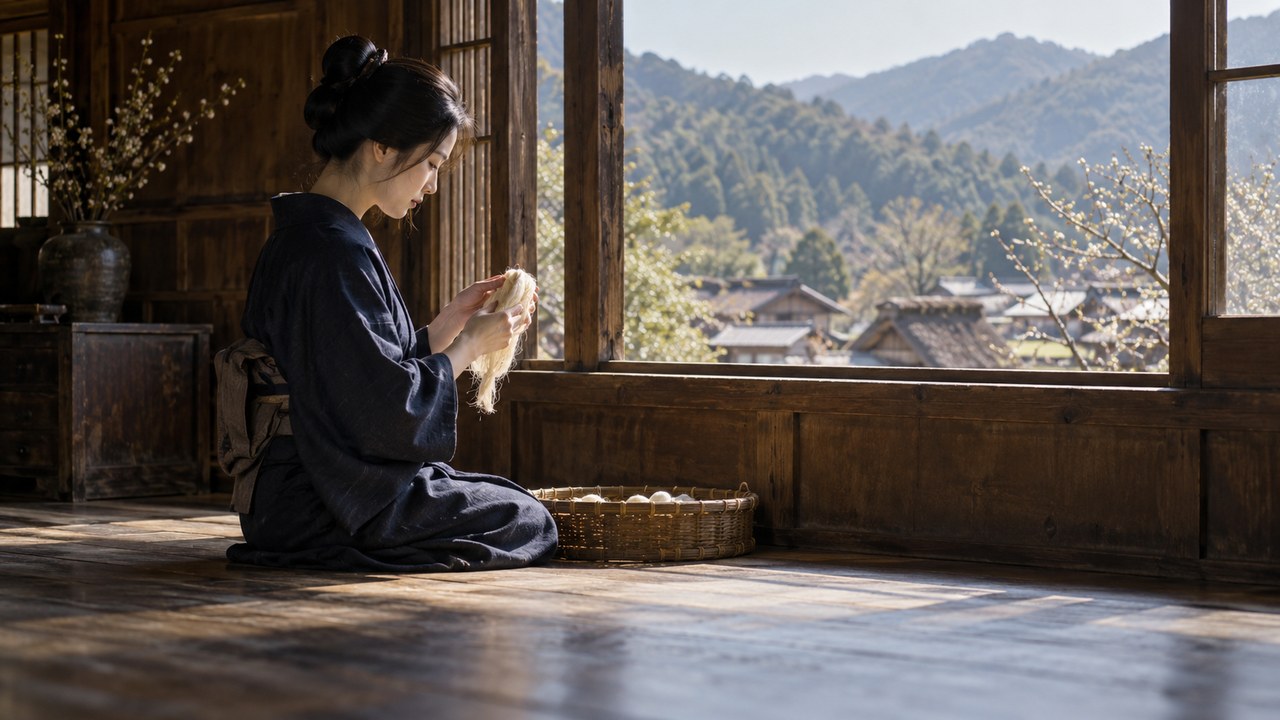
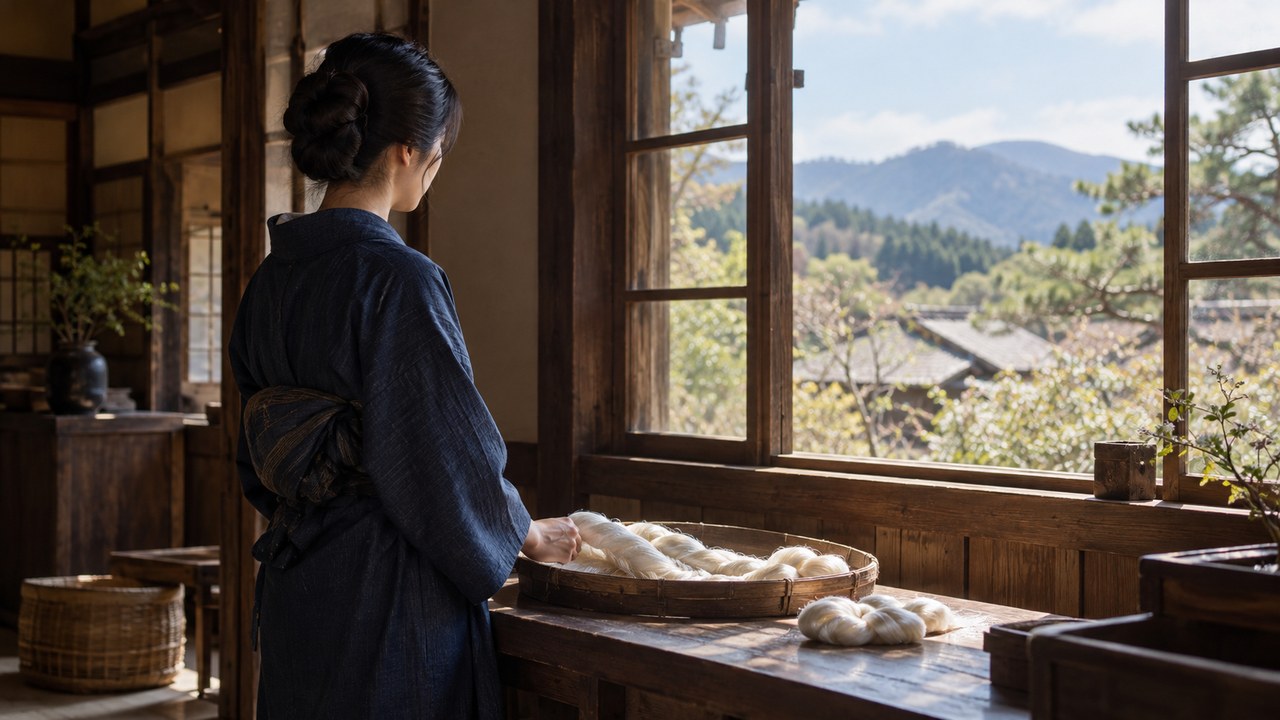
One woman whose experience reaches us in her own words is Wada Ei (born Yokota Ei, 1857–1929). The daughter of a samurai family from Matsushiro in Shinano Province, she entered the Tomioka mill in the fourth month of 1873 and worked there as a first-class worker until the seventh month of the following year.
After returning home, she taught women workers at the Nishijō Village mill, later known as Rokkōsha, and in 1878 she became an instructor at the Nagano prefectural reeling mill. Her career shows concretely what the model factory hoped to achieve, with a woman trained at Tomioka teaching others in her home region. She left the silk industry when she married in 1880.
Ei began writing about those years in 1907 or later, and her texts were published in 1931 as Tomioka Nikki and Tomioka Kōki. Because she wrote more than thirty years after leaving the mill, her work is a valuable recollection, but it needs to be read separately from records made during the mill’s founding years.
Chapter 9
From the state to Mitsui, Hara and Katakura
Sources differ on when the period of French direction ended. The Japan Center for Asian Historical Records says management passed to Japanese staff in 1875, while Tomioka City’s official site and others say the foreign instructors left in 1876. From then on, the mill was run by Japanese staff alone, carrying forward the methods it had been established to teach.
Government management did not always produce a profit, although Tomioka silk was highly regarded abroad. A sale was announced in 1880, but no buyer came forward, and the plan was dropped in 1884. Another attempt in 1891 also failed. The mill was finally sold to the Mitsui family in the tenth month of 1893.
In 1902 the mill passed to the Hara partnership, which drew attention for mass-producing high-quality silk on Minorikawa multi-end reeling machines. It became an independent company, Tomioka Seishisho, in 1938 and merged the following year with Katakura Silk Spinning, the predecessor of today’s Katakura Industries. Operations finally came to an end in the third month of 1987.
Chapter 10
Four sites and one system of silk
In June 2014, “Tomioka Silk Mill and Related Sites” was inscribed on the World Heritage List. The property consists of four separate places with different roles, not four buildings of one factory. UNESCO’s assessment points to the transfer of French technology and to an integrated system of mass production linking the raising of silkworms with the reeling of silk.
The Tajima Yahei Sericulture Farm, built in 1863, added a raised roof ventilator that improved air circulation for silkworms. Takayama-sha, a school opened in 1884 by Takayama Chōgorō (1830–1886), taught a method that controlled temperature, airflow and humidity. Its students came from across Japan and also from the Korean Peninsula and China.
The Arafune Cold Storage, built between 1905 and 1914, used naturally cold air to store silkworm eggs and delay their hatching, which allowed cocoons to be harvested more times each year. It could hold about 1.1 million egg cards. The spread of electric refrigeration brought its use to an end by 1935.
Epilogue
What the silent factory preserved
After operations stopped, Katakura Industries continued to look after nearly all of the buildings. A Nippon.com article reports that the company followed a policy of not selling, not renting and not demolishing the site. In 2005 the buildings were donated to Tomioka City, and in July of that year the grounds were designated a National Historic Site.
In July 2006 the founding-era buildings were designated Important Cultural Properties, and in December 2014 the reeling hall and the East and West Cocoon Warehouses became National Treasures. The West Cocoon Warehouse reopened in 2020 after about six years of conservation work, with exhibition rooms and a hall set inside glass rooms that make use of its seismic steel reinforcement.
The Tomioka Silk Mill that visitors see today layers brick walls from the founding period, machinery from later decades and modern conservation work. A factory that made silk, trained people and sent skills out across the country can be read through those overlapping periods, each of which left its own mark on the place.
How to read this work
History, interpretation, and reconstruction
The significance of the Tomioka Silk Mill cannot be explained by its buildings and machines alone. Reading its equipment, instructors, trainees, later owners and preservation period by period shows how technology spread through people.
This work is grounded in published sources and historical research. Interior thoughts, dialogue, and some visual details are cinematic reconstructions. Where historians disagree, the article presents the point as debated rather than settled fact.
Timeline
The story in time
-
Silk and related products make up more than 80 percent of Japan’s exports.
Sources: s09 -
The Tomioka Silk Mill begins operating.
Sources: s06 -
Wada Ei enters the mill and works there until the seventh month of 1874.
Sources: s03 -
Wada Ei becomes an instructor at the Nagano prefectural reeling mill.
Sources: s03 -
Wada Ei writes down her memories of Tomioka.
Sources: s03 -
Her recollections are published as Tomioka Nikki and Tomioka Kōki.
Sources: s03 -
Operations stop.
Sources: s01
People & terms
A guide for new readers
Key figures
- Paul Brunat
- A French silk inspector in Yokohama who guided the founding of the mill (1840–1908).
- Shibusawa Eiichi
- A Ministry of Finance official involved in establishing the mill (1840–1931).
- Odaka Junchū
- A cousin of Shibusawa Eiichi and the mill’s first director (1830–1901).
- Edmond Bastien
- A French draftsman at the Yokosuka shipyard who drew the mill’s plans (1839–1888).
- Nirazuka Naojirō
- A tile maker who procured building materials and was involved in firing the bricks (1823–1898).
- Wada Ei
- A first-class worker at Tomioka in 1873–1874 who later taught reeling and wrote recollections (1857–1929).
Glossary
- Raw silk 生糸
- Thread reeled from silkworm cocoons, before it is woven into cloth.
- Silk reeling 繰糸
- The process of drawing filaments from cocoons and forming them into raw silk.
- Reeling basin 釜
- The unit in which reeling equipment is counted; the mill had 300 at its founding.
- Kōjo 工女
- Women workers employed and trained at a mill.
- Government model factory 官営模範工場
- A state-run factory built to demonstrate new methods and train people in them.
- Cocoon warehouse 置繭所
- A building used to store dried cocoons.
- Timber-framed brick 木骨煉瓦造
- A structure in which bricks fill a framework of wooden posts and beams.
- Sericulture 養蚕
- The raising of silkworms to produce cocoons.
- Silkworm egg card 蚕種
- Silkworm eggs, commonly stored and traded on sheets of paper.
- Domain 藩
- A territory governed by a lord under the Tokugawa system.
Sources & method
How this article was built
This English edition follows the revised Japanese article scene by scene and keeps its twelve sources, their order and its seventeen timeline entries. It draws on public institutions, UNESCO, a national archive and published articles.
Institutional explanations and the interpretation offered here are kept separate. The end of foreign direction, the coal supply and the number of workers are described with the differences or limits found in the sources, and no private thoughts or conversations are invented.
Sources
References and further reading
- Learn About the Tomioka Silk Mill 富岡製糸場を知る Title translated editorially for reader convenience. Tomioka City Official Tourism Website 富岡市観光公式ホームページ(しるくるとみおか) Founding principles, the choice of site, Brunat’s contract, changes of ownership, designations and key people. Accessed 2026-11-19
- Highlights of the Tomioka Silk Mill 富岡製糸場のみどころ Title translated editorially for reader convenience. Tomioka City Official Tourism Website 富岡市観光公式ホームページ(しるくるとみおか) The size, structure and use of the cocoon warehouses and reeling hall, and the history of their designation. Accessed 2026-11-19
- Building a Large Government Factory (Modern Japan and France) 1. 大規模官営工場の建設(近代日本とフランス―憧れ、出会い、交流) Title translated editorially for reader convenience. National Diet Library 国立国会図書館 The silk quality problem, Brunat’s hiring and surveys, Bastien’s design work and Wada Ei’s career and writings. Accessed 2026-11-19
- Tomioka Silk Mill and Related Sites Tomioka Silk Mill and Related Sites Title translated editorially for reader convenience. UNESCO World Heritage Centre UNESCO World Heritage Centre The four components and the assessment under criteria (ii) and (iv). Accessed 2026-11-19
- Former Tomioka Silk Mill 旧富岡製糸場 Title translated editorially for reader convenience. Agency for Cultural Affairs, Cultural Heritage Online 文化庁 文化遺産オンライン Construction dates, Brunat’s equipment purchase, the figure of 404 workers and changes of ownership. Accessed 2026-11-19
- Former Tomioka Silk Mill: Reeling Hall 旧富岡製糸場 繰糸所 Title translated editorially for reader convenience. Agency for Cultural Affairs, Cultural Heritage Online 文化庁 文化遺産オンライン The hall’s size and structure, the date operations began and its National Treasure status. Accessed 2026-11-19
- The History of the Tomioka Silk Mill: Japanese Culture in a Large Western-Style Factory 世界遺産「富岡製糸場」の歴史:大規模洋式工場に宿る和の文化 Title translated editorially for reader convenience. Nippon.com ニッポンドットコム Building methods, the construction period, reasons given for the site, Sunday holidays, Katakura’s policy and the donation to the city. Accessed 2026-11-19
- Tomioka Silk Mill Travel Guide: Buildings That Carried Japan’s Modernization 世界遺産「富岡製糸場」観光ガイド:日本の近代化を担った建造物群 Title translated editorially for reader convenience. Nippon.com ニッポンドットコム The length of a cocoon’s thread, dormitories and clinic, and the installation of automatic reeling machines. Accessed 2026-11-19
- Tomioka Silk Mill and Japanese Industrialization Tomioka Silk Mill and Japanese Industrialization Title translated editorially for reader convenience. Japan Tourism Agency Multilingual Commentary Database 観光庁 地域観光資源の多言語解説文データベース Silk’s share of exports in 1863 and Brunat’s arrangements for machinery. Accessed 2026-11-19
- Odaka Yu Odaka Yu Title translated editorially for reader convenience. Japan Tourism Agency Multilingual Commentary Database 観光庁 地域観光資源の多言語解説文データベース Recruitment conditions, the blood-drinking rumor, Odaka Yū and the number of workers. Accessed 2026-11-19
- World Heritage Tomioka Silk Mill and Related Sites: The Four Components 世界遺産「富岡製糸場と絹産業遺産群」(世界遺産4資産の紹介) Title translated editorially for reader convenience. Japan Tourism Agency Multilingual Commentary Database 観光庁 地域観光資源の多言語解説文データベース The dates and roles of the four sites, the design of the warehouses and automatic reeling machines. Accessed 2026-11-19
- Tomioka Silk Mill (JACAR Glossary) Tomioka Silk Mill(アジ歴グロッサリー) Title translated editorially for reader convenience. Japan Center for Asian Historical Records, National Archives of Japan 国立公文書館 アジア歴史資料センター The shift to Japanese management, failed sale attempts, the sale to Mitsui and later ownership. Accessed 2026-11-19
Continue reading
More stories from Shigeki
Shigeki English
From the Black Ships to Hakodate: Sixteen Years from Bakumatsu to Meiji
Treaties, the Sakuradamon incident, the Kinmon incident, the Satsuma–Choshu alliance, the return of power, Toba–Fushimi, Edo Castle, Aizu and Hakodate: diplomatic commitments, political authority and military command did not change at the same moment.
- When 1853–1869, with administrative changes in 1869 and 1871 placed separately
- Where Uraga, treaty ports, Edo, Kyoto, Toba–Fushimi, Aizu and Hakodate
Shigeki English
Nitta Yoshisada | Why the Man Who Took Kamakura Kept Fighting in Echizen
The uprising at Ikushina Shrine, three battles in Musashi, the Inamuragasaki legend, Toshoji, the Kenmu warrior office, Takenoshita and Kyoto, Shirahata Castle and Minatogawa, two princes at Kanegasaki, the recapture from Somayama, death at Tomyoji Nawate, and a helmet and a stone.
- When The family landscape from the mid-twelfth century; Yoshisada’s 1333–1338 career; seventeenth-century and later remembrance. Medieval months and days remain in the historical calendar.
- Where Nitta-shō around Ōta, Kamakura, Harima and the Hyōgo coast, then Kanegasaki near Tsuruga and the Echizen setting of renewed activity and death.