
SHIGEKI ENGLISH STORYEN
Japanese history in English
The Siege of Kumamoto Castle: How a Burned Fortress Held Out for 52 Days
In 1877 the garrison lost its keep before the battle began, then endured assault, flood and hunger until relief arrived on April 14.
During the Satsuma Rebellion of 1877, Kumamoto Castle lost its keep and palace and still withstood a siege of about fifty days. This article follows the castle's conversion into an army base, the Shinpūren attack, the unresolved fire, the assault, Daniyama, hunger, the April 8 breakout and the relief of April 14.
At a glance
Before you enter the story
- When
- From the castle's completion in 1607 through its Meiji conversion, the siege of February to April 1877, the 1960 rebuilding and the 2021 restoration.
- Where
- Kumamoto Castle and nearby battlefields, including Daniyama, Kyōmachi, Tabaruzaka, Kuhonji and Uto.
- Key figures
- Tani Tateki, Saigō Takamori, Kirino Toshiaki, Kabayama Sukenori, Kodama Gentarō, Yamakawa Hiroshi, Tomita Kōichi
- What was at stake
- Whether the government's main base in Kyushu could survive, and whether the rebellion would spread beyond the island.
Why this story matters
The larger history behind the turning point
The siege decided whether the Satsuma army could move beyond Kumamoto and encourage risings elsewhere. By holding the castle, the garrison gave the government time to bring forces into Kyushu, and the fighting at Tabaruzaka was shaped by the need to reach the besieged defenders.
The story also shows how much depends on evidence. Telegrams, excavated tiles, reminiscences, diaries and photographs each reveal something different about the fire and the siege. Reading them side by side shows both what can be established and what must remain open.
Historical context
What an international reader needs to know
A samurai castle used by a modern army
Kumamoto Castle was built for a warlord of the early seventeenth century, but the troops who defended it in 1877 belonged to the conscript army of the Meiji state. The garrison had already altered the grounds, adding barracks and gun positions, before the Satsuma army arrived.
The Satsuma Rebellion, called Seinan Sensō in Japanese, was the last major armed uprising by former samurai against the new government. The Shinpūren attack of 1876 was a separate event, although it weakened the same garrison only months before the war.
Reading the numbers and the fire
Sources give different figures for the defenders, generally between about 3,500 and 4,000, and this article reports that range instead of choosing one number. The fifty-two-day length follows the chronology used by Kumamoto City's Tabaruzaka museum.
The official position is that the cause of the fire has not been determined. Some researchers and the city's museum consider deliberate burning by the garrison likely, but that remains an interpretation because no order has been found.
Watch the film
See the story in motion
The film currently uses Japanese audio. This English article provides the context and source trail; it does not imply that an English subtitle track is available.
Opening
A castle without its keep
On February 19, 1877, the keep and main palace of Kumamoto Castle went up in flames. Satsuma forces were closing on the town and full-scale fighting had not yet begun. Having lost the most visible symbol of the castle, the Kumamoto garrison still refused to give it up and held out until relief troops arrived on April 14.
Kumamoto City's Tabaruzaka museum counts the siege as lasting fifty-two days. Figures for the defenders range from about 3,500 to about 4,000 depending on the source, while the Satsuma army is put at about 13,000. Much depended on the outcome. If the castle fell, uprisings by discontented former samurai might spread to other parts of Japan.
This article begins with the castle's conversion into a Meiji military base. It then follows the mystery of the fire, the great assault, the struggle against hunger and the breakout of April 8. The question running through each stage is a simple one: how could a castle that had lost its keep survive a siege of this length?
Chapter 1
A castle offered for disposal
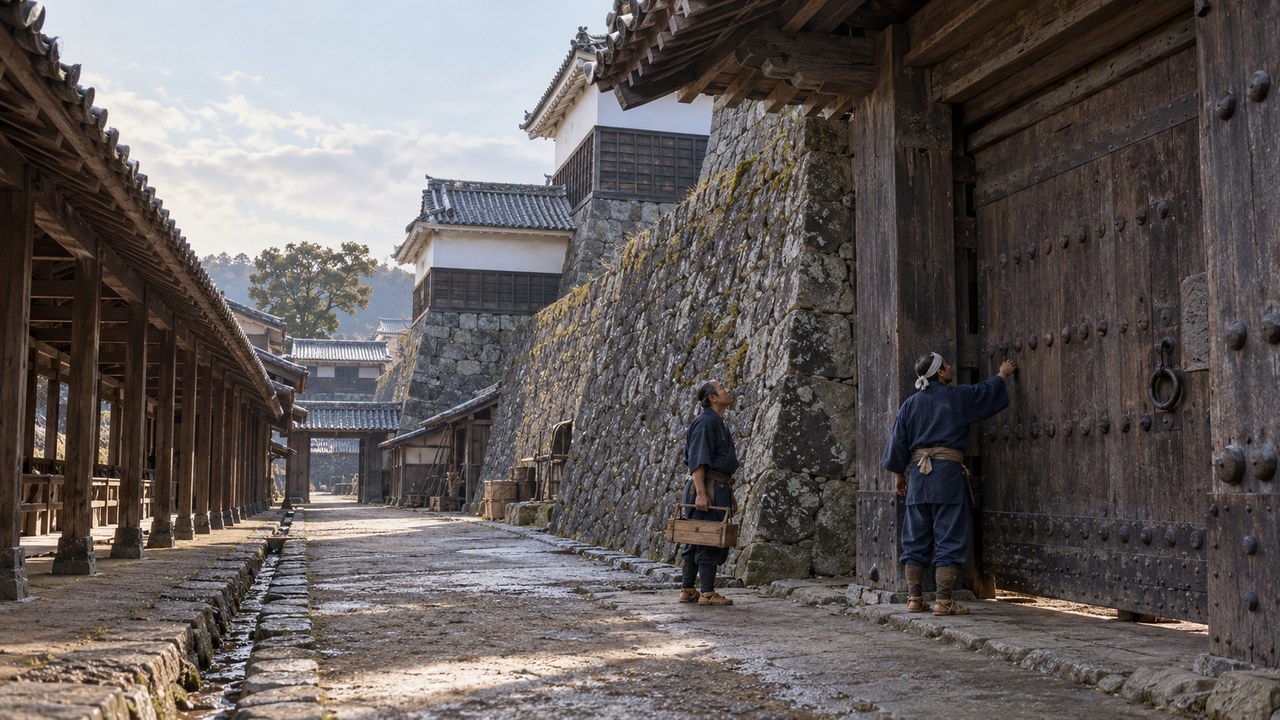
Katō Kiyomasa completed Kumamoto Castle in 1607, but in the first years of Meiji its future was in doubt. Artillery seemed to have made castles obsolete, and maintenance was expensive. As part of its reforms, Kumamoto domain asked the central government in the fifth month of 1870 for permission to dispose of the castle, and that permission was granted.
The domain office moved out of the main palace, and that winter the castle was opened to ordinary people, a rare step for the time. A villager from Tamana district climbed the keep on the eighteenth day of the twelfth month and recorded the view from the top floor. His family and neighbors later went to see it for themselves.
The following year, however, the Chinzei garrison was established at Kumamoto and the army took charge of the castle. When the government sorted Japan's castles in 1873, Kumamoto was among those retained. A fortress that had nearly been given up survived because the new national army found a use for it.
Chapter 2
From domain castle to army base
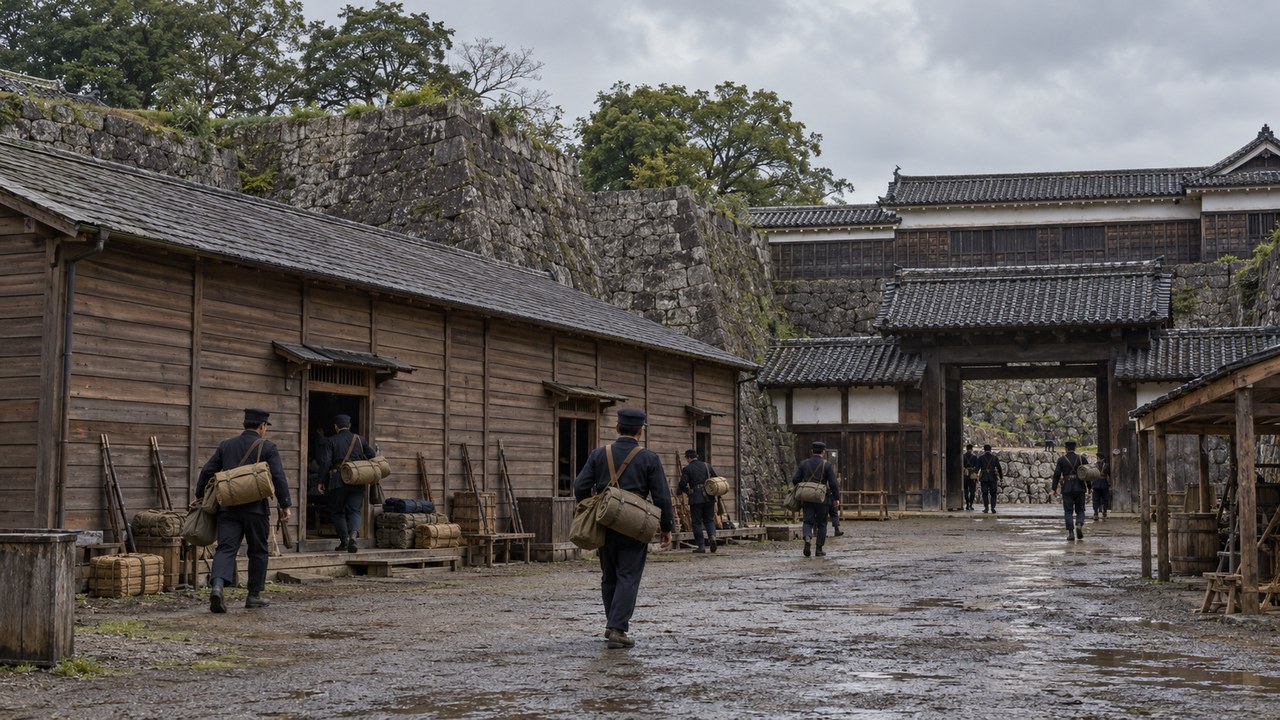
After the abolition of the domains, the headquarters of the garrison responsible for Kyushu was first placed in the former domain residence at Hanabata. The castle formally became garrison land from 1872. According to the official castle history, the grounds were incorporated into army land in 1874, and the headquarters moved into the main enclosure at about that time.
In the second enclosure, the domain school and samurai residences were cleared away for more than ten two-story barracks designed by the French engineer captain Jourdan. They housed the 13th Infantry Regiment. Guns were mounted at the Iidamaru enclosure, and long armories lined the eastern Takenomaru. An old castle and a modern army now occupied the same ground.
Alterations to walls and turrets also caused concern in the capital, and an order of 1873 required the central government's approval for further changes to castles. A survey made by the garrison about half a year before the war still shows the keep, the Uto turret and many other old buildings standing in the main enclosure.
Chapter 3
Two visitors in 1872
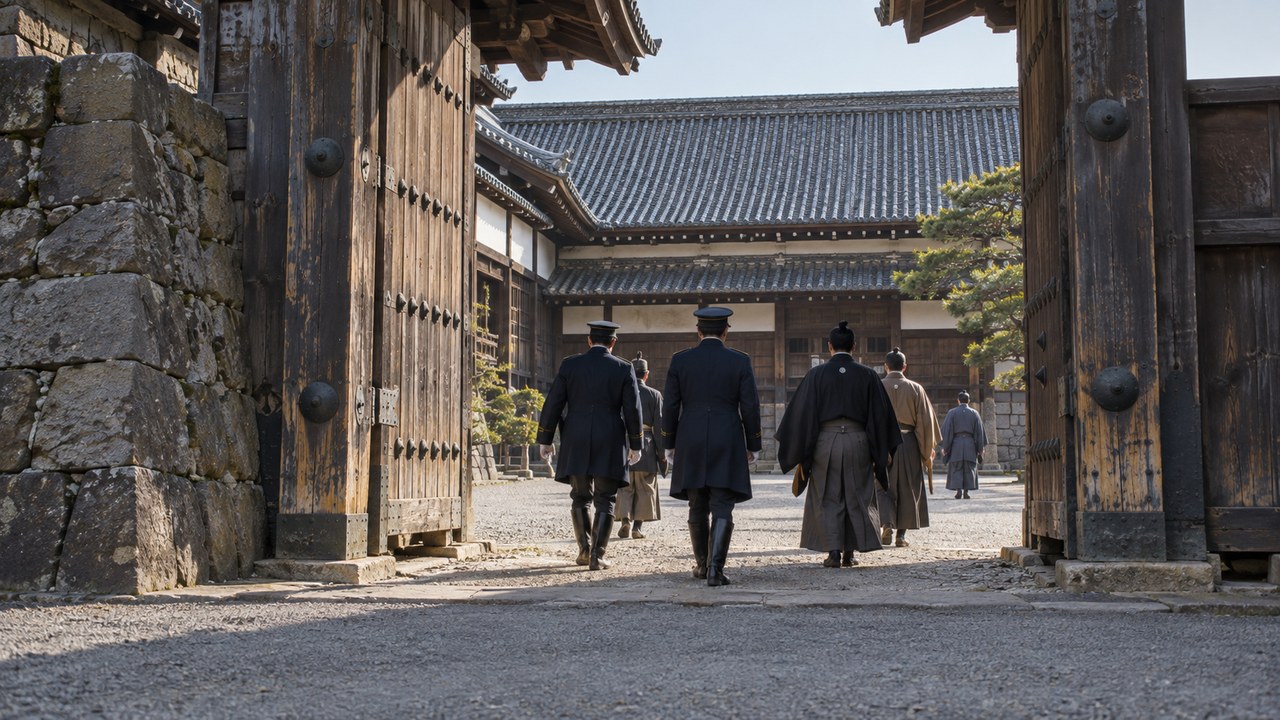
On the nineteenth day of the sixth month of 1872, Emperor Meiji visited the garrison during his tour of western Japan. He reviewed the assembled troops, walked through the castle and rested on an upper floor of the keep. The Tokyo photographer Uchida Kuichi, who traveled with the imperial party, took many pictures of the castle and its surroundings during the journey.
The official in charge of the imperial party was Saigō Takamori, then a state councilor, and the garrison commander who received the emperor was Kirino Toshiaki. Both men left government the following year and returned to Kagoshima. Their departure came only a short time after they had stood together inside the castle as servants of the new state.
Four years later, both would face this castle from the Satsuma side. Nothing in the sources shows that either man foresaw such a war in 1872, and their thoughts on that day cannot be recovered. What can be said is that the attackers of 1877 included men who already knew the castle and its garrison from the inside.
Chapter 4
The wounds of the Shinpūren attack
The garrison suffered a severe blow the year before the war. Late on the night of October 24, 1876, about 170 members of the Shinpūren, led by Ōtaguro Tomoo, rose in Kumamoto. They killed the garrison commander Taneda Masaaki and his chief of staff Takashima Shigenori, and fatally wounded the prefectural governor Yasuoka Ryōsuke, who died three days later.
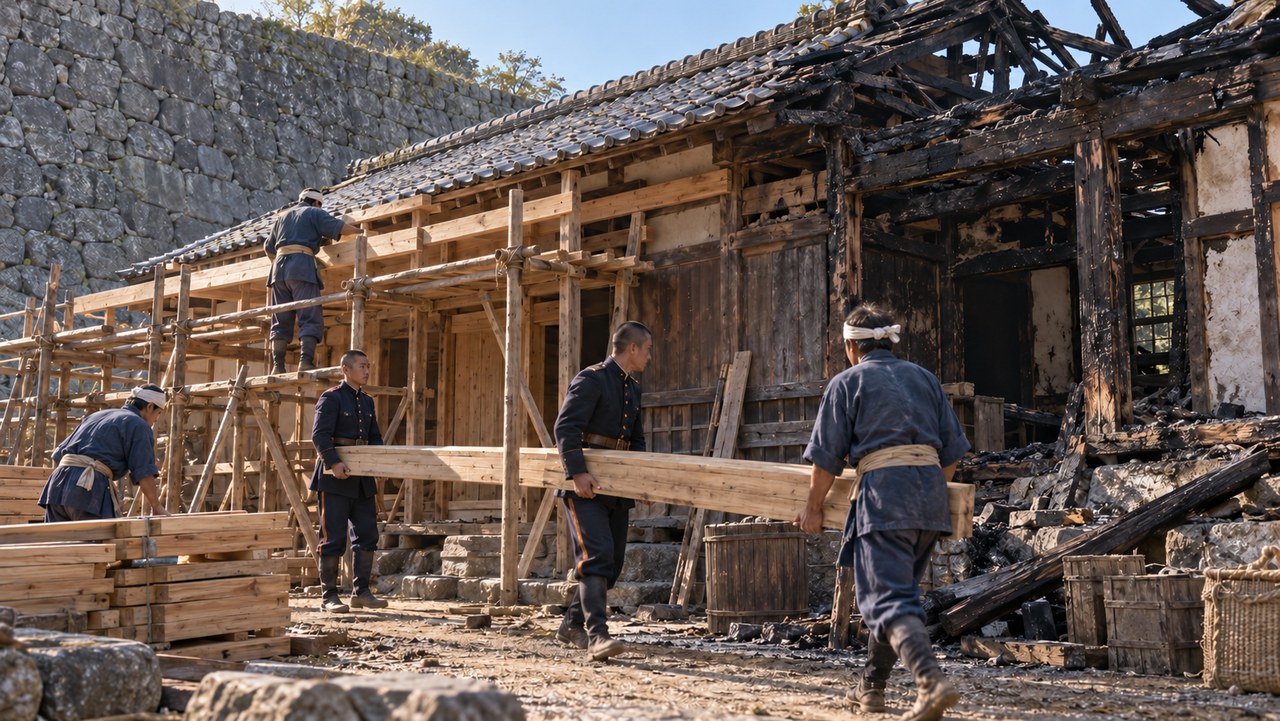
The barracks of the 6th Artillery Battalion burned to the ground, and much of the 13th Infantry Regiment's quarters was also destroyed. The garrison counterattacked and ended the uprising by the next morning, but its own casualties exceeded two hundred. On the Shinpūren side, nearly thirty were killed in action and more than eighty took their own lives.
The garrison hurried to rebuild, yet morale took time to recover. Only four months later, a far larger war arrived at the same castle. The Shinpūren uprising and the Satsuma Rebellion were separate events with separate participants. Even so, the attack helps explain why the garrison that faced Saigō's army in 1877 was not at full strength.
Chapter 5
Deciding to stay and rebuilding the defenses
In February 1877, an army of about 13,000, built around students of the private schools of Kagoshima and led in Saigō's name, marched north. Tani Tateki, commander of the Kumamoto garrison, chose to hold the castle and block the road to Tokyo rather than meet the enemy in the open. The decision to stand a siege was made on February 14.
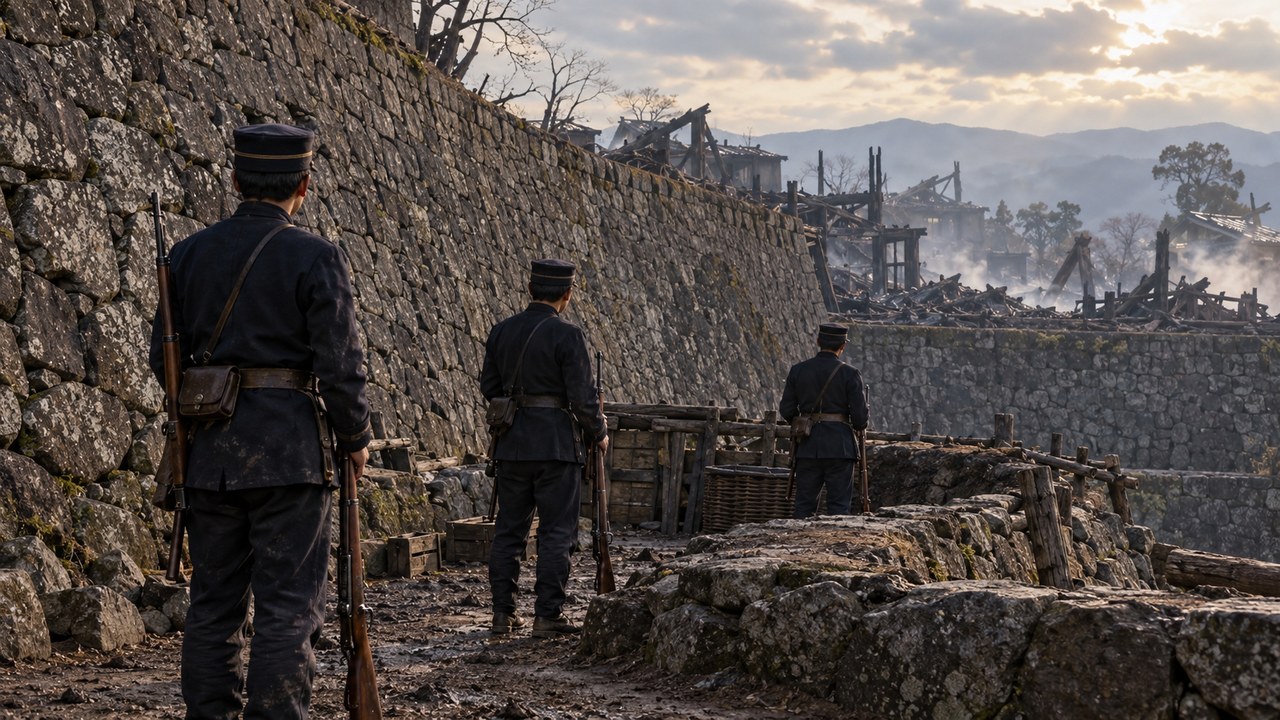
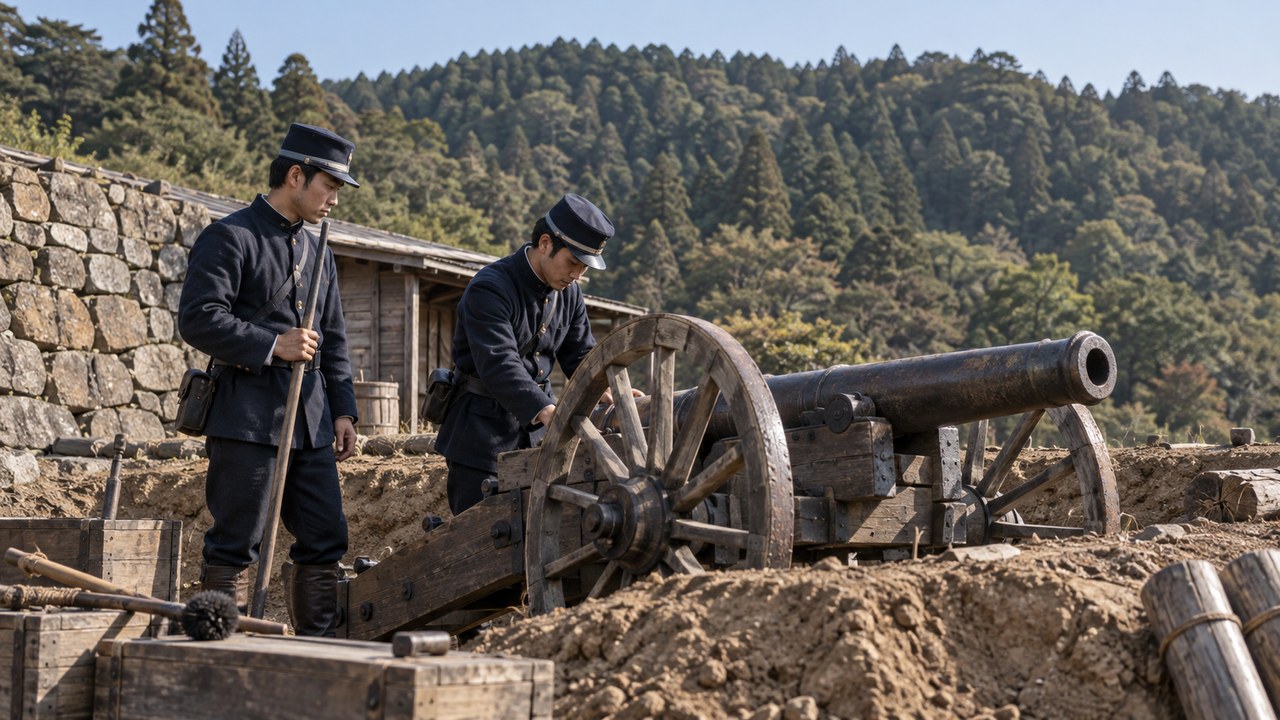
The castle was reshaped for the fight. Under the engineer officer in charge of the works, wooden turrets were removed, and gun batteries, breastworks, trenches and land mines were prepared. Batteries were placed on projecting corners of the defenses so that their fields of fire crossed one another. The result worked much like a modern bastioned fort built within the old stone walls.
Batteries stood at Iidamaru, the main enclosure, Fujisakidai, Chibajō and the Bagu turret, while the Takenomaru area held cookhouses and a powder magazine. Iidamaru received two four-pounder guns and a mortar and would become the scene of the fiercest artillery exchanges. The siege would be fought from these working positions as much as from the famous walls themselves.
Chapter 6
The fire of February 19
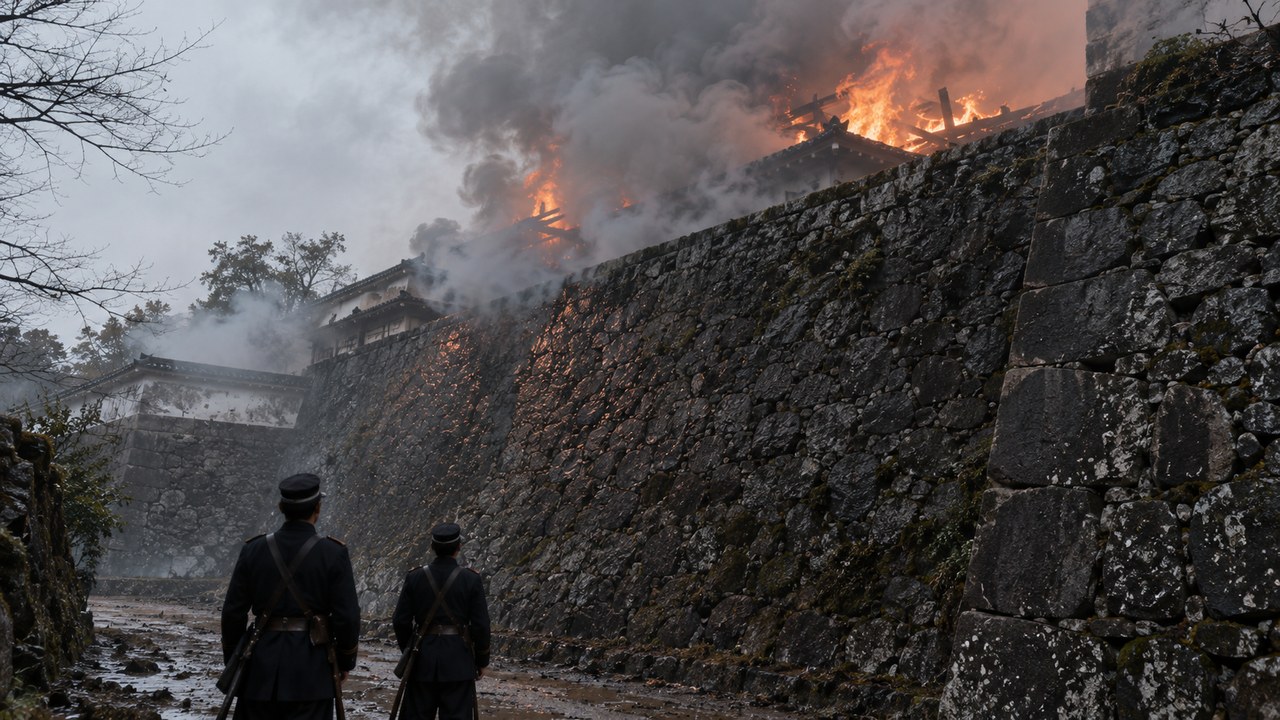
On February 19, the same day the government issued its order to subdue the Satsuma forces, the keep and main palace caught fire. The blaze is said to have destroyed thirty days' worth of rice stored for the siege. On that same day, chief of staff Kabayama Sukenori refused a demand that the garrison place itself under Saigō's command.
The official castle website states that arson and deliberate burning have both been proposed, but that the cause has not been determined. The Kumamoto Castle Research Center likewise lists three possibilities: burning by the garrison itself, arson by a sympathizer of the Satsuma side and an accidental fire. It concludes that the cause remains unknown to this day.
The town suffered too. An entry dated February 20 in the diary of Shinagawa Yajirō, presented by the National Diet Library, describes flames filling the sky over Kumamoto and residents fleeing in every direction. Before the main battle had even begun, both the castle's central buildings and much of the surrounding town had been touched by fire.
Chapter 7
Clues to a deliberate burning
A symposium held in 2017 for the 140th anniversary of the war took up the question again. The first telegram about the fire reported that the garrison had burned the castle itself, but later telegrams described the cause as unknown. That change in wording is one of the starting points for the modern debate about what really happened that day.
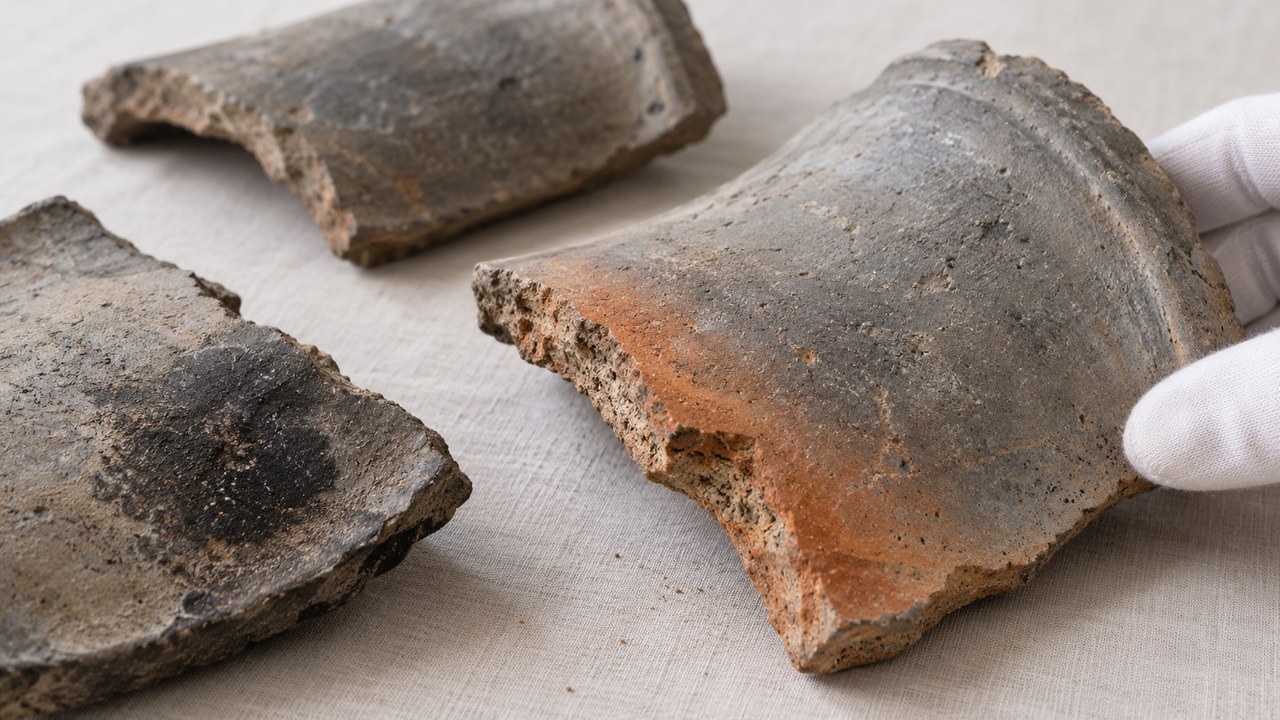
Excavation has recovered roof tiles turned red by heat from the site of the main keep. Speakers at the symposium noted heavy burn traces near the Kobiroma turret, where the garrison's command post is thought to have stood, and pointed to inaccuracies in the later reminiscences of Kodama Gentarō. The city's museum considers it likely that the garrison burned the buildings and concealed the fact.
Researchers have suggested motives, such as denying the enemy an obvious artillery target or forcing the defenders to commit themselves to a fight with no retreat. These remain scholarly interpretations. No written order has been found, and this article does not settle the question. The loss of the keep is certain, while the reason for it stays open.
Chapter 8
The great assault and the fight for Daniyama
Fighting began on February 21 with a reconnaissance toward Kawashiri, and the telegraph line was soon cut, isolating the castle. Satsuma guns on Hanaokayama and other heights bombarded the defenses. In the general assault of February 22 and 23, losses among the garrison and the police units together reached 123. The walls, however, were not breached.
On February 22, Yokura Tomozane, commander of the 13th Infantry Regiment, was killed, and Kabayama was struck by a bullet. Unable to take the castle by storm, the Satsuma army settled into a siege. As fighting intensified to the north at Takase, Yamaga and Ueki, it had to send troops away from the lines around the castle.
The garrison took advantage of the thinning lines. On March 12 and 13 it recaptured positions at Daniyama, west of the castle, in the hardest fighting of the siege. Watanuki Yoshinao, commander of the police units, directed troops in person. The victory also brought in thirty-eight bales of millet and other supplies for the hungry defenders.
Chapter 9
Water, hunger and the wounded
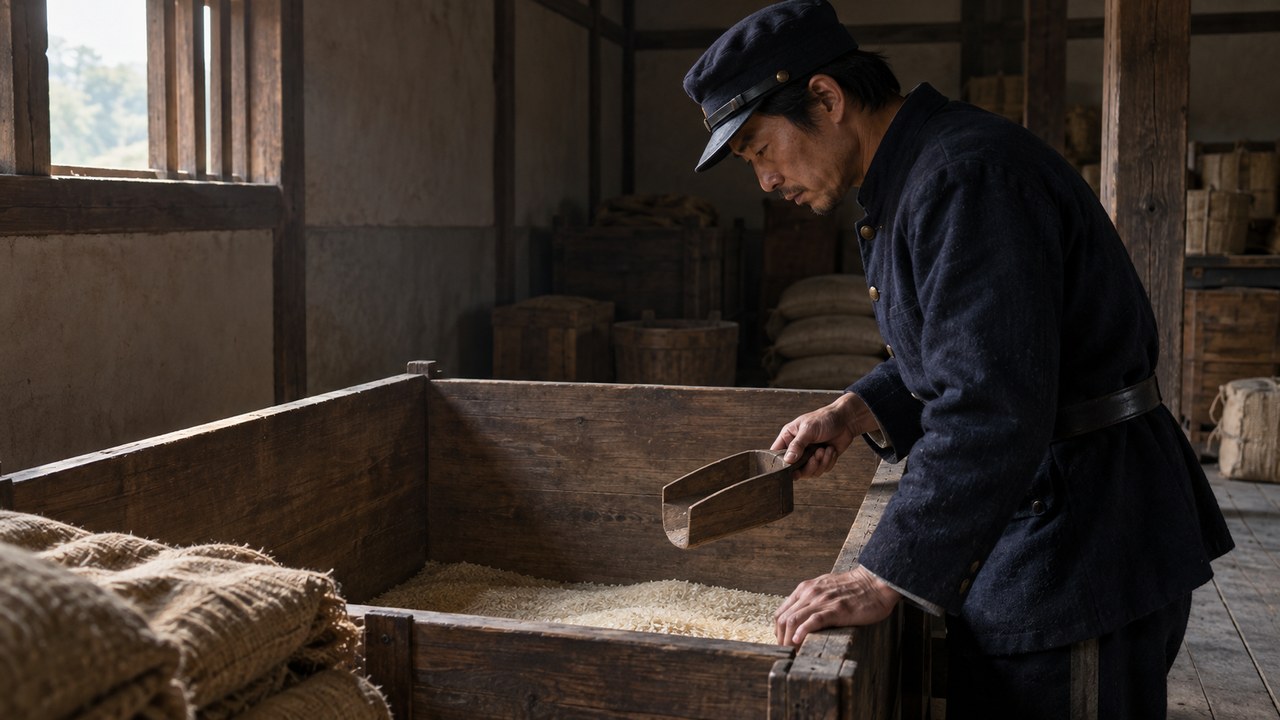
The Satsuma forces dammed the lower Tsuboi River and flooded the land around the castle. For the roughly 3,800 people inside, food was the gravest problem. The rice lost in the fire could not be replaced, and according to the museum's account the defenders ate whatever they could find, including dogs and horses, until no dogs were left.
An officer named Nakamura in the accounting section was responsible for finding provisions. The army surgeon Kihara and others cared for the wounded in the castle hospital. By the end of the siege about 250 defenders had been killed and about 560 wounded. On March 5, the garrison's leaders also issued a notice forbidding looting and violence.
Beyond the walls, government troops trying to reach the castle fought the Satsuma army at Tabaruzaka from March 4 to March 20. On March 27 the garrison made another sortie, toward Kyōmachi. Even so, April arrived without relief, and the stores inside the castle were close to running out. The garrison now had to reach its allies by force.
Chapter 10
The breakout of April 8 and relief on April 14
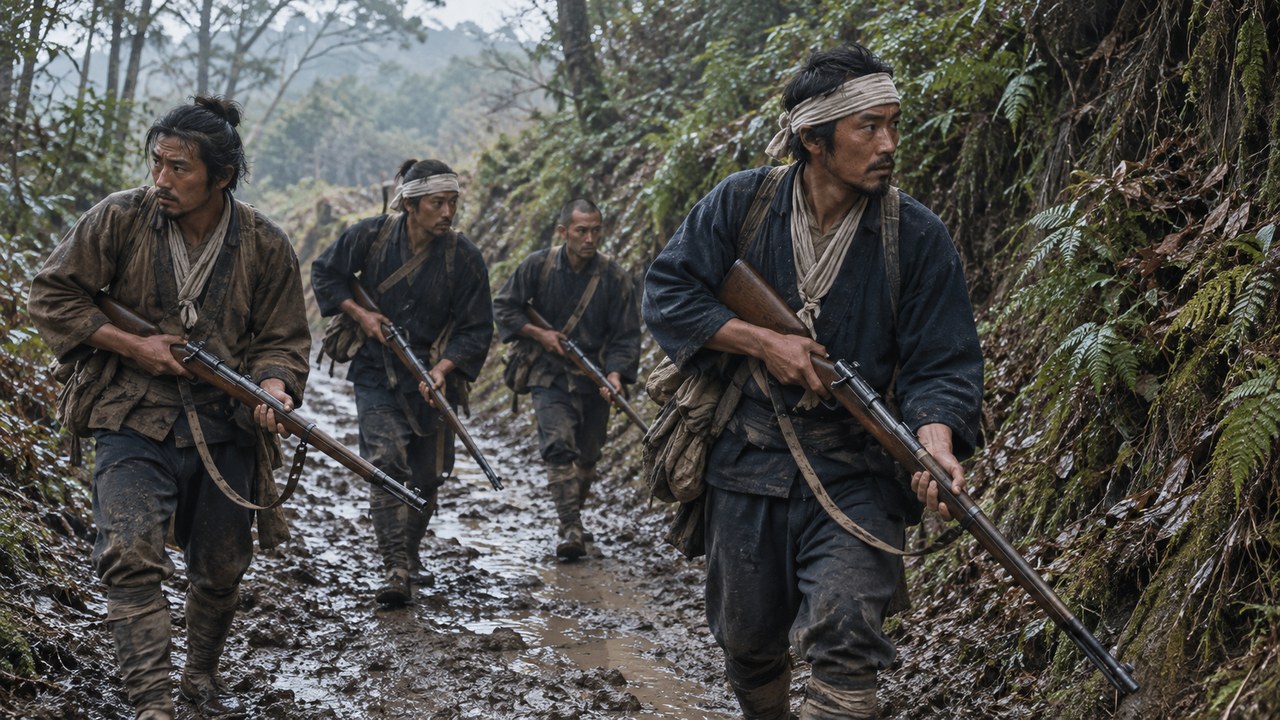
On April 8, the garrison sent out a volunteer breakout force. It broke through the Satsuma lines, secured food, ammunition, rifles and medicine at Kuhonji, and pushed on to Uto. There it made contact with the headquarters of the government force that had landed to the south in order to strike the Satsuma army from the rear.
According to the museum, the operation brought in 746 hyō, or bales, of rice along with other supplies. Just as important, the army outside now had direct news of conditions inside the castle. After weeks without a working telegraph, the garrison had reconnected itself to the wider war. Contact on April 8 was not yet relief, but it changed what both sides could expect.
On April 14, the Satsuma army lifted the siege and withdrew, and the Second Detached Brigade under Lieutenant Colonel Yamakawa Hiroshi entered the castle. Only then, the museum notes, could the defenders eat ordinary cooked rice again. Kumamoto Castle had never been taken, although the war itself would continue elsewhere in Kyushu for months after the garrison's ordeal ended.
Chapter 11
What the old photographs show
The castle before and after the fire also survives in photographs. Tomishige Rihei was asked to photograph the grounds when the garrison was established. A photographer named Nakashima is said to have photographed the castle during the fighting at the request of the Satsuma side. Soon after the war, Ueno Hikoma led a team commissioned by the army to record the battlefields.
The researcher Tomita Kōichi developed a method for placing these images in order. He compared damage to the keep's shutters, broken ornamental roof tiles, changes in trees and other details across many prints. The approach borrows from archaeology, where changing pottery designs are compared to establish a sequence, and it allows undated photographs to be arranged with surprising precision.
His chronology separates photographs taken during the siege, between February 20 and April 14, 1877, from those taken just afterward, when defensive earthworks still stood. Similar stone walls can therefore belong to very different moments. A photograph of the old keep, for example, cannot be used to show what the castle looked like while it was under siege.
Chapter 12
Surviving turrets and a rebuilt keep
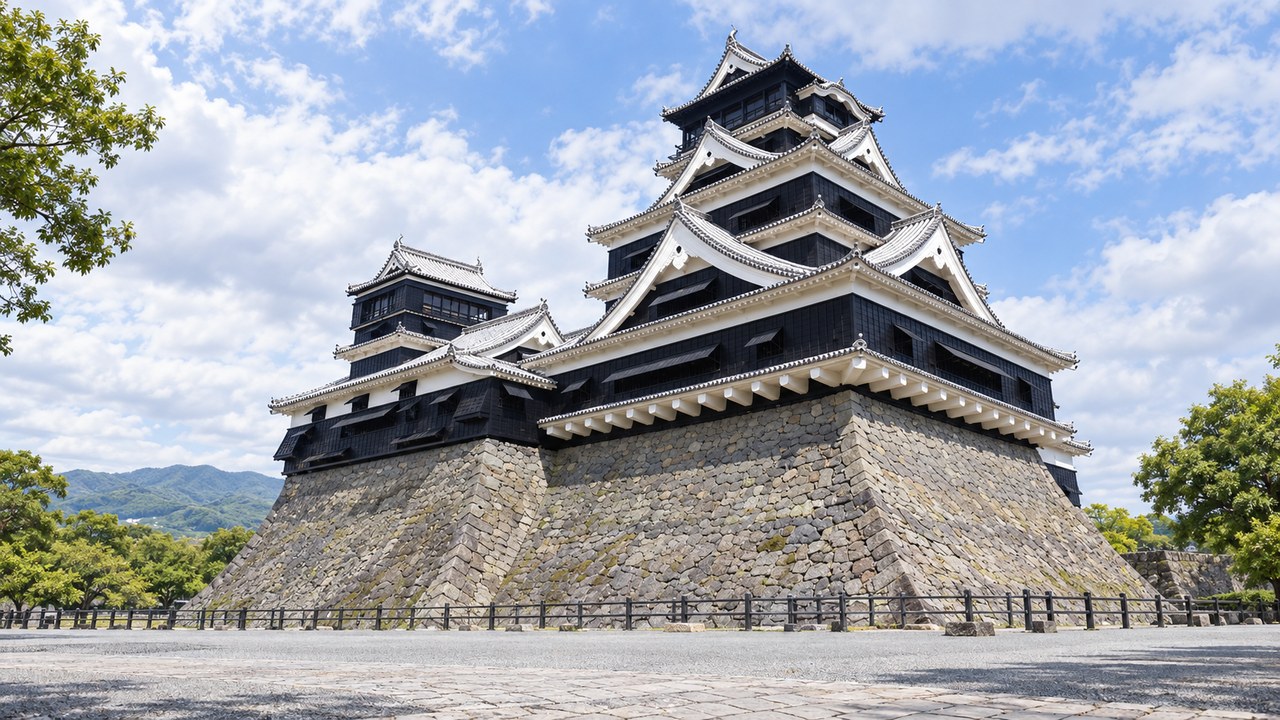
Kumamoto Castle once had forty-nine turrets, eighteen turret gates and twenty-nine other gates, but most of its buildings were destroyed. Thirteen structures survive today, including the Uto turret. They were designated National Treasures in 1933 and became Important Cultural Properties under the postwar law. These buildings are the direct physical link to the castle the garrison defended.
The large and small keeps were rebuilt in steel-reinforced concrete in 1960. Damaged in the Kumamoto earthquakes of 2016, the keep was fully restored in March 2021. Visitors today see an impressive reconstruction, not the building that burned in 1877, and the difference matters for anyone trying to imagine the castle as it stood during the war.
The castle did not hold simply because its stone walls were strong. Rebuilt batteries, soldiers enduring hunger, a breakout that reopened contact with the outside world and an advancing relief army all played their part. Those combined efforts carried the garrison through fifty-two days, long after the most famous building in Kumamoto had been reduced to ashes.
How to read this work
History, interpretation, and reconstruction
After losing its keep, the castle held because rebuilt defenses, work inside the walls, a breakout that restored contact with the outside and an advancing relief army reinforced one another.
This work is grounded in published sources and historical research. Interior thoughts, dialogue, and some visual details are cinematic reconstructions. Where historians disagree, the article presents the point as debated rather than settled fact.
Timeline
The story in time
-
Katō Kiyomasa completes Kumamoto Castle.
Sources: s01 -
Kumamoto domain asks to dispose of the castle. That winter the castle is opened to ordinary people.
Sources: s03 -
Emperor Meiji visits the garrison and tours the castle, attended by Saigō Takamori and received by Kirino Toshiaki.
Sources: s04 -
The castle grounds are incorporated into army land and the garrison headquarters moves into the main enclosure.
Sources: s01 -
The Shinpūren rise in Kumamoto and kill garrison commander Taneda Masaaki and others.
Sources: s06 -
The large and small keeps are rebuilt in steel-reinforced concrete.
Sources: s01 -
Restoration of the keep after the 2016 Kumamoto earthquakes is completed.
Sources: s01
People & terms
A guide for new readers
Key figures
- Tani Tateki
- Commander of the Kumamoto garrison who directed the defense during the siege.
- Katō Kiyomasa
- The builder associated with the completion of Kumamoto Castle in the early seventeenth century.
- Saigō Takamori
- Led the imperial party on the 1872 visit and in 1877 marched toward Kumamoto at the head of the Satsuma army.
- Kirino Toshiaki
- Garrison commander at the time of the 1872 visit, who later returned to Kagoshima and joined the Satsuma side.
- Tomita Kōichi
- A researcher whose study uses early photographs to examine changes in the castle and castle town.
- Kabayama Sukenori
- Chief of staff of the Kumamoto garrison, who refused Saigō's demand on February 19 and was wounded on February 22.
- Kodama Gentarō
- Garrison officer during the siege, whose later reminiscences figure in the debate over the fire.
- Yamakawa Hiroshi
- Lieutenant colonel who led the Second Detached Brigade into the castle on April 14, 1877.
Glossary
- Satsuma Rebellion 西南戦争
- The 1877 war involving government forces and the Satsuma side; relief of Kumamoto Castle was an episode within the continuing conflict.
- Early Meiji period 明治初期
- The setting in which former domain institutions and castle buildings were reorganized for the new military establishment.
- Garrison, or chindai 鎮台
- The military establishment whose personnel occupied and defended Kumamoto Castle under Tani Tateki.
- Chinzei garrison 鎮西鎮台
- The early regional military establishment responsible for Kyushu, with headquarters placed at Kumamoto in 1871.
- Tenshu 天守
- The castle keep, a prominent building in the skyline. Its loss did not remove every defensive space or working facility within the grounds.
- Honmaru Goten 本丸御殿
- The palace in the main enclosure, later used as military headquarters and destroyed in the 1877 fire.
- Ninomaru 二の丸
- A castle enclosure where the accounts locate barracks and other army facilities during the early Meiji transformation.
- Hanabata 花畑
- The former domain-residence location identified as the garrison’s initial headquarters before use of the castle palace.
- Shinpūren 神風連
- The group associated with the October 1876 attack on the garrison; not the same organization as the Satsuma forces in the 1877 siege.
- Engineer troops 工兵
- The personnel described as making defensive works and combat passages in response to conditions during the siege.
- Daniyama 段山
- A location west of the castle associated with severe fighting in the research center’s account; no precise battle map is reconstructed here.
- Tabaruzaka 田原坂
- The fighting discussed by the museum in connection with government troops moving south to relieve the castle and Satsuma efforts to stop them.
- Breakout, or totsui 突囲
- The effort to pass through surrounding forces. The April 8 contact achieved by a garrison force is distinct from reinforcement entry on April 14.
- Uto turret 宇土櫓
- A structure transmitted as a historical castle building, distinct from the reconstructed keeps; this classification does not establish its present repair state or accessibility.
- Photographic chronology 古写真の編年
- Establishing sequence or date through evidence including visible changes in buildings and trees, as discussed in Tomita’s study.
- Breastwork 胸壁
- A low defensive wall of earth or other material that shelters soldiers firing from behind it.
- Flanking force, or shōhaigun 衝背軍
- Government troops landed south of Kumamoto to strike the Satsuma army from the rear.
Sources & method
How this article was built
This English edition follows the revised Japanese article scene by scene and keeps its thirteen sources, their order and its sixteen timeline entries. It draws on the official Kumamoto Castle website, the Kumamoto Castle Research Center, the Tabaruzaka museum, a Kumamoto City symposium report, a study hosted by Kokugakuin University, the National Diet Library and Nippon Tabi Magazine. Titles given in English are editorial translations.
Original documents were not independently transcribed. Institutional explanations, researchers' views and SHIGEKI's interpretation are kept apart, and differing figures are reported as ranges. Dates through 1872 follow the calendar in use at the time.
Sources
References and further reading
- Kumamoto Castle: History 熊本市・公式熊本城 歴史 Title translated editorially for reader convenience. Kumamoto City 熊本城公式サイト Used for construction, the 1874 transfer to army land, the numbers of defenders and attackers, the unresolved fire, the 1960 rebuilding and the 2021 restoration. Accessed 2026-11-18
- The Satsuma Rebellion and Kumamoto Castle — Research Center, October 2017 熊本城調査研究センター 〈6〉西南戦争と熊本城(市政だより2017年10月) Title translated editorially for reader convenience. Kumamoto City 熊本市(熊本城調査研究センター) Used for the Satsuma army, the fire and its theories, the outbreak of fighting, batteries and facilities, Daniyama, the damming of the Tsuboi River and the events of April 8 and 14. Accessed 2026-11-18
- The Castle Disposal Proposal and Public Viewing — Research Center, June 2017 熊本城調査研究センター 〈2〉熊本城廃棄案と御城拝見(2017年6月) Title translated editorially for reader convenience. Kumamoto City 熊本市(熊本城調査研究センター) Used for the 1870 disposal request, the public viewing and a villager's record, the 1871 garrison and the castle's retention in 1873. Accessed 2026-11-18
- Establishing the Garrison and the Imperial Tour — Research Center, July 2017 熊本城調査研究センター 〈3〉鎮台の設置と明治天皇巡幸(2017年7月) Title translated editorially for reader convenience. Kumamoto City 熊本市(熊本城調査研究センター) Used for the garrison headquarters, the castle's status from 1872, the 1873 order on alterations and the imperial visit of 1872. Accessed 2026-11-18
- The Garrison’s Alterations to Kumamoto Castle — Research Center, August 2017 熊本城調査研究センター 〈4〉鎮台による熊本城改変(2017年8月) Title translated editorially for reader convenience. Kumamoto City 熊本市(熊本城調査研究センター) Used for the move of the headquarters, the barracks, the guns at Iidamaru, the armories and the survey made before the war. Accessed 2026-11-18
- The Shinpūren Incident and Damage to the Garrison — Research Center, September 2017 熊本城調査研究センター 〈5〉神風連の変と鎮台の被災(2017年9月) Title translated editorially for reader convenience. Kumamoto City 熊本市(熊本城調査研究センター) Used for the barracks designed by Jourdan and the Shinpūren attack of October 24, 1876, with its casualties and damage. Accessed 2026-11-18
- The Siege of Kumamoto: Digital Exhibition — Tabaruzaka Museum 熊本市田原坂西南戦争資料館 デジタル展示 熊本籠城戦 Title translated editorially for reader convenience. Kumamoto City 熊本市・田原坂西南戦争資料館 Used for the fifty-two-day chronology, the rebuilding of the defenses, food supply, casualties, the notice of March 5, commanders and the museum's view on the fire. Accessed 2026-11-18
- Report of the Satsuma Rebellion 140th-Anniversary Symposium 熊本市 西南戦争140年記念シンポジウム報告 Title translated editorially for reader convenience. Kumamoto City 熊本市・西南戦争140年記念シンポジウム Used for the changing telegrams, the distribution of burned finds, Kodama's reminiscences and researchers' views on possible motives for burning. Accessed 2026-11-18
- Kumamoto Castle: Important Cultural Properties 熊本市・重要文化財 熊本城 Title translated editorially for reader convenience. Kumamoto City 熊本市 Used for the former numbers of turrets and gates, the thirteen surviving structures and their designation. Accessed 2026-11-18
- Tracing Changes in Kumamoto Castle and Its Castle Town Through Early Photographs — Tomita Kōichi 國學院大學学術フロンティア・富田紘一 熊本城と城下町の変遷を古写真に探る Title translated editorially for reader convenience. Kokugakuin University 國學院大學学術フロンティア(著者 富田紘一・熊本市教育委員会) Used for the photographers Tomishige, Nakashima and Ueno and for Tomita's method and chronology of early photographs. Accessed 2026-11-18
- Special Feature on the Kumamoto Siege, Part 2 熊本籠城戦特集その2 Title translated editorially for reader convenience. Kumamoto City 熊本市・田原坂西南戦争資料館 Used for the order to stand a siege, the fighting of February 22, provisions and the route of the April 8 breakout force. Accessed 2026-11-18
- Shinagawa Yajirō: The World of Diaries 品川弥二郎|人物から日記を見る(日記の世界) Title translated editorially for reader convenience. National Diet Library 国立国会図書館 Used for diary entries on the town on February 20, 1877, and on the fighting at Daniyama on March 13. Accessed 2026-11-18
- Tabaruzaka Park 田原坂公園 Title translated editorially for reader convenience. Nippon Tabi Magazine ニッポン旅マガジン Used for the dates of the battle of Tabaruzaka, March 4 to March 20, 1877. Accessed 2026-11-18
Continue reading
More stories from Shigeki
Shigeki English
Oishi Riku: Beyond the End of Chushingura, the Family That Lived On
Born in Toyooka, a wife in Ako, then Yamashina, Toyooka again and Hiroshima: a spring homecoming and an autumn divorce letter, the deaths of husband and son, further losses, and a son’s appointment in Hiroshima.
- When 1669–1736, with the events of 1702 kept in their separate seasons, and later memory from 1748 to 2014
- Where Toyooka, Ako, Yamashina and Hiroshima
Shigeki English
The Ōmiya Incident: The Night Ryōma and Nakaoka Were Attacked, Read Through the Surviving Records
The Teradaya, the return of power, the move to the Ōmiya, the night of the attack, three deaths, the funeral at Ryōzen, the Mimawarigumi testimony and theories of a hidden hand, with what can be confirmed kept apart from competing accounts.
- When The attack on the 15th day of the 11th month of Keiō 3 (10 December 1867), with its background from 1865 and later testimony, the 1927 marker and the 1962 statues
- Where The Ōmiya, a soy-sauce merchant’s shop on Kawaramachi in Kyoto.