
SHIGEKI ENGLISH STORYEN
Japanese history in English
Oishi Riku: Family Life Beyond the Ending of Chushingura
A spring homecoming, an autumn divorce letter and a later life extending to Hiroshima.
Follow Oishi Riku from Toyooka through Ako and Yamashina to Hiroshima. Distinguish her return home, childbirth and divorce letter, then read the family’s continuing years through museum explanations and surviving correspondence introduced by researchers.
At a glance
Before you enter the story
- When
- 1669–1736, with the events of 1702 kept in their separate seasons
- Where
- Toyooka, Ako, Yamashina and Hiroshima
- Key figures
- Oishi Riku, Oishi Kuranosuke, Their children, Riku’s Ishizuka family in Toyooka
- What was at stake
- What becomes visible when a familiar story’s ending is approached as a point within the continuing lives of a family?
Why this story matters
The larger history behind the turning point
A dramatic raid can become the end of a historical story while leaving the subsequent lives of family members outside the frame. Riku’s movements and correspondence reveal a longer chronology involving homes, children, bereavement and new circumstances in Hiroshima.
Separating events also prevents a later outcome from being inserted into an earlier scene. Her spring return, summer childbirth and autumn divorce letter were not one departure. The records support changes in family circumstances without supplying every private feeling or an invented final conversation.
Historical context
What an international reader needs to know
Historical family and later drama
Chushingura names a powerful tradition of stories and performance associated with the Ako incident. Kobe University Library explains the 1748 Kanadehon Chushingura as a dramatic work that moved its historical subject into another period. Its characters and scenes are not direct records of Riku’s biography.
This article instead centres on a museum account, municipal explanations and correspondence introduced by researchers. It does not claim a new full reading of original letters, private household records or the dramatic texts. The distinction permits the history of the family to continue beyond the familiar plot.
Calendar dates and family status
Months and days attached to Edo-period events and letters are retained in their historical-calendar form. A date described here as the fourth or tenth month is not silently converted into an identical Gregorian date. Approximate marriage dating also remains approximate, and traditional age counts are not added.
The second son’s entry into religious life and the third son’s adoption are different actions described in the museum account. Neither should be replaced by the other. Likewise, the 1,500-koku appointment concerns the third son’s service conditions, not a figure for Riku’s personal income.
Watch the film
See the story in motion
The film currently uses Japanese audio. This English article provides the context and source trail; it does not imply that an English subtitle track is available.
Scene 01
Beyond a familiar ending
Chushingura places the night of the raid near its dramatic summit. Yet after that night, members of the Oishi family still had lives to continue. Following Riku, the wife of Oishi Kuranosuke, connects Toyooka, Ako, Yamashina and Hiroshima rather than one famous event alone.
One distinction matters at the outset: returning to Toyooka and receiving a divorce letter happened at different times. The museum explanation places the homecoming in spring and the letter in autumn. Sharing a year does not make them one action.
The sources also differ from a later play. Kobe University Library introduces the 1748 Kanadehon Chushingura as a work shifting the Ako incident into another historical setting. Its scenes cannot be substituted for records of Riku’s life. The family history here begins by separating those forms of evidence.
Scene 02
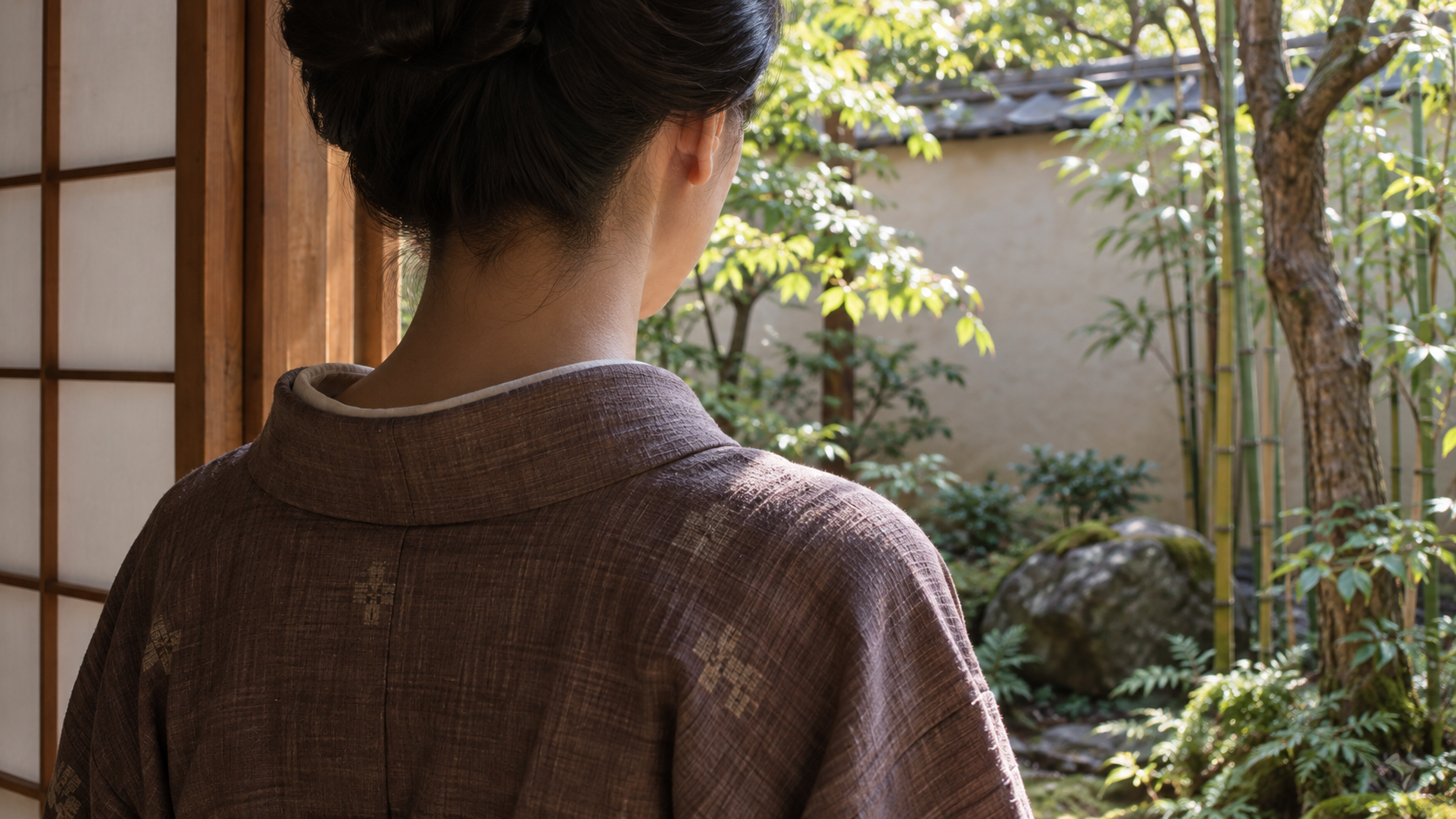
Born into the Ishizuka family
Riku was born in 1669 in the area of present-day Toyooka, Hyogo Prefecture. The museum introduces her as the eldest daughter of the Ishizuka family, serving the Kyogoku house of the Toyooka domain. Her connections there preceded marriage into the Oishi family.
Returning later to Toyooka therefore meant going back to her natal family, rather than moving to an unknown place. Viewing her only through the role of Kuranosuke’s wife would make those earlier family relationships harder to see.
Places commemorating Riku can still be found in Toyooka, but present memorials and facilities are not unchanged views of her childhood surroundings. The first point is the connection between her own beginnings and the home to which she subsequently returned.
Scene 03
Family years in Ako
Riku married Kuranosuke, a retainer of the Ako Asano house, around 1686 according to the museum account. Their eldest son was born in 1688 and later took the name Chikara. An eldest daughter, a second son and later a second daughter followed.
The household thus had years of history before the incident. Toyooka’s municipal publication introduces letters to her father mentioning children’s writing practice and a request for new-season soba. These are modern explanations of correspondence, not direct quotations newly deciphered for this article.
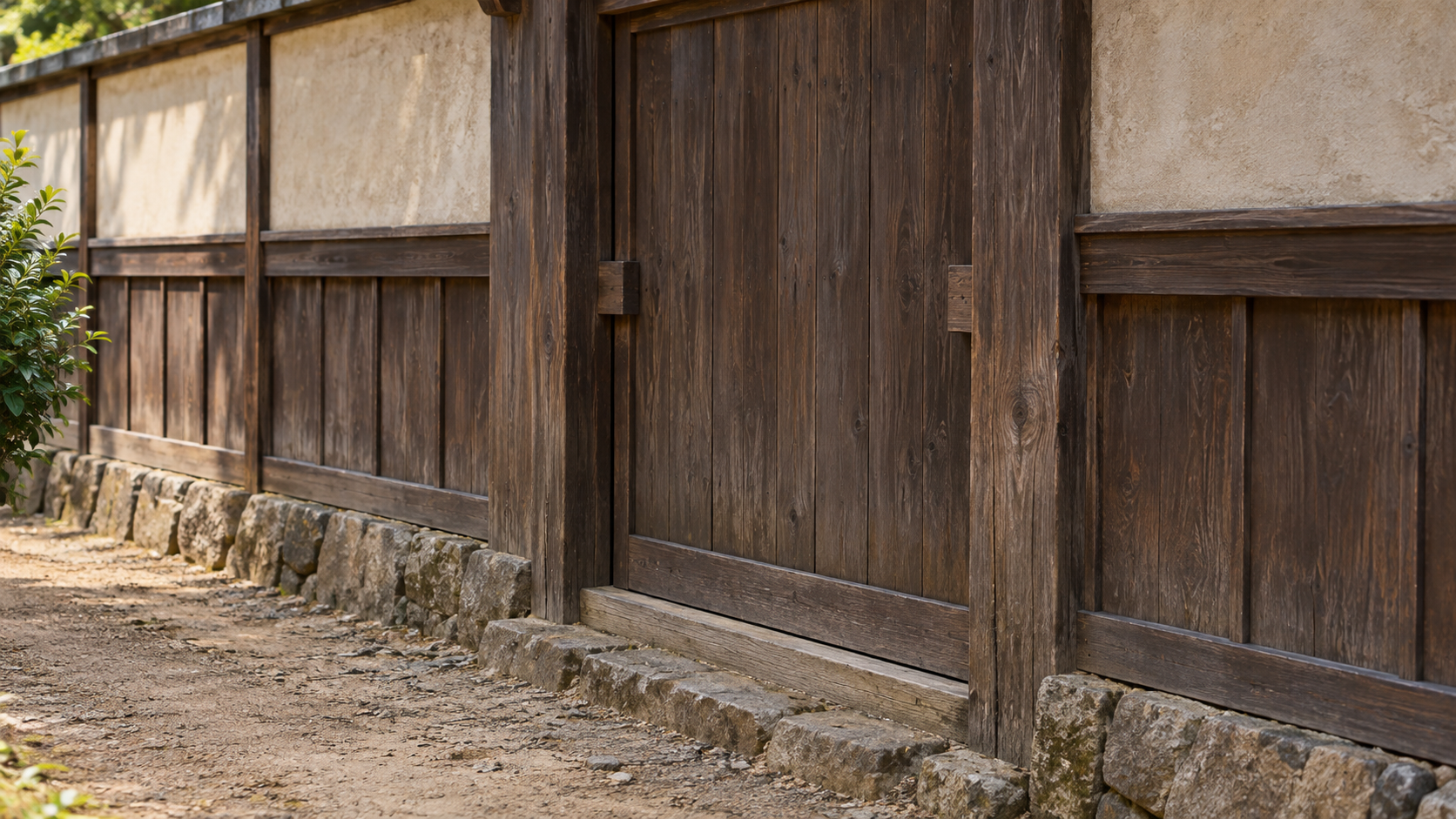
Present architecture also needs its own chronology. Ako’s digital museum explains that the main residence burned in 1729 and the longhouse gate underwent major rebuilding in 1856. The current building should not be treated as the unchanged home in which the family had lived.
Scene 04
A lost lordly house and a move to Yamashina
The household’s circumstances changed in 1701. Following the sword attack inside Edo Castle, Asano Takumi-no-kami was ordered to commit seppuku and the Ako Asano house was abolished. Its retainers’ families also had to reorganize their lives.
The museum explains that while arrangements for surrendering Ako Castle proceeded, Riku and the children stayed temporarily with relatives. The castle’s transfer and a family settling into another home were not the same problem. Later they lived in Yamashina, Kyoto.
While Kuranosuke and others considered what to do, the family’s place of residence was changing too. The move is therefore more than background to a raid narrative: it was a change in where Riku and the children lived. The municipal chronology corroborates the wider sequence without turning every old-calendar date into a modern one.
Scene 05
A spring homecoming and summer birth
The museum newsletter places pregnant Riku’s return to Toyooka in the middle of the fourth month of 1702, leaving her eldest son Chikara behind. She was expecting her fifth child and returned to the Ishizuka home where her father lived.
In the seventh month she gave birth to her third son. Yamashina and Toyooka were different places in the family’s experience; its members were not all together while the year’s events unfolded. The move home and the birth were separate stages.
Only after following spring and summer does the account reach the autumn divorce letter. Keeping the order visible prevents the later document from being inserted into the earlier departure. The months here retain the historical-calendar form given by the sources.
Scene 06
The autumn letter and different family arrangements
The museum dates the sending of the divorce letter to the tenth month of the same year. It explains the action as intended to prevent punishment for the raid extending to wife and children. That reason is presented as the institution’s explanation, rather than as a newly discovered private statement.
The museum also describes the second son entering religious life and taking the name Soren to avoid being implicated through his father and brother, while the third son was placed for adoption. Those were distinct arrangements. Divorce was not the only action changing family position or affiliation.
A single document does not reveal the whole emotional relationship. The word divorce does not by itself prove the disappearance of affection, nor does it authorize an invented last conversation. The article follows the documented changes while keeping private feelings outside what the evidence establishes.
Scene 07
After losing husband and eldest son
Kuranosuke and Chikara joined the raid on Kira’s residence. Through the punishment that followed, Riku lost her husband and eldest son. A story ending with the raid or seppuku can leave the later years of the family beyond its frame.
Riku still had children, including the third son born in Toyooka. The family’s life did not stop at the deaths of the two participants. Their subsequent places of residence and relationships form another part of the history.
From this point, the question shifts from who joined the raid to where surviving family members lived and with whom. Materials concerning Riku’s later life show that the famous ending was not the end of available historical questions.
Scene 08
Bereavements spread across years
According to the museum, Riku lost her eldest daughter in the year after her husband and eldest son’s seppuku. In 1709, her second son also died of illness. These were losses spread across years, beyond the immediate aftermath of the raid.
The passage of time should not be filled with an invented continuous series of scenes of sorrow. The deaths recorded by the source and the continuing lives of the surviving family need to be followed together.
Living children, ties with her father and commemoration of those who had died all belonged to the later history. Riku’s biography contains several turning points after the incident, rather than one unchanging state defined by its outcome.
Scene 09
With her father at Shofukuji
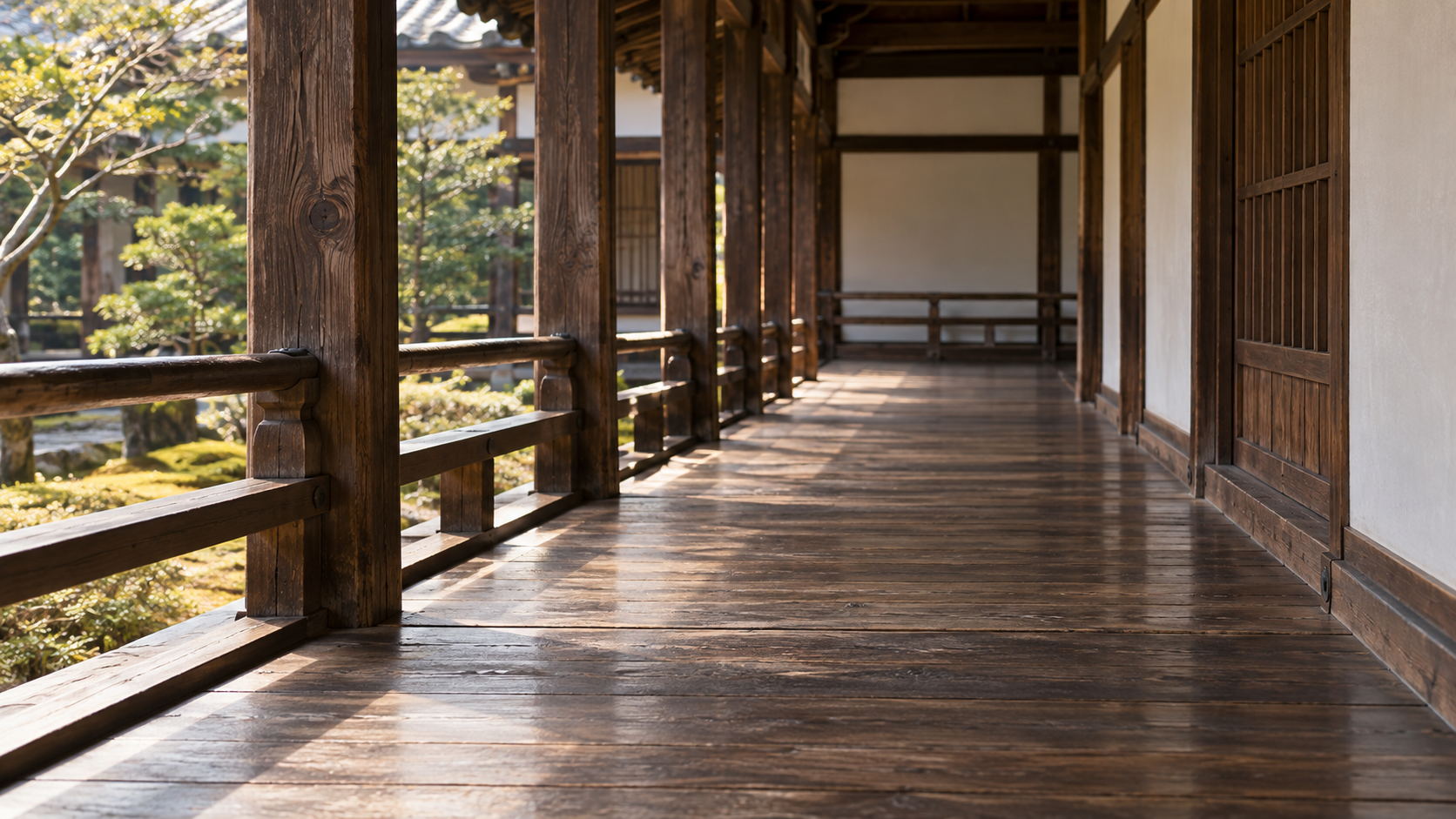
In 1711, Riku’s father retired from his senior service position and went to live at Shofukuji in Toyooka. Riku moved there with her second daughter and third son. Their residence formed part of the family’s continuing connection with her father.
The museum describes days spent commemorating her husband and deceased children. Toyooka’s present guide also locates a memorial containing Riku’s hair at Shofukuji. The modern commemorative site and the conditions of her historical residence remain separate kinds of information.
Her father died in the seventh month of 1713. His death and the later decision to move to Hiroshima should not be combined into one event on one day. The sequence matters again when following how family circumstances changed.
Scene 10
Her third son’s service and the move to Hiroshima
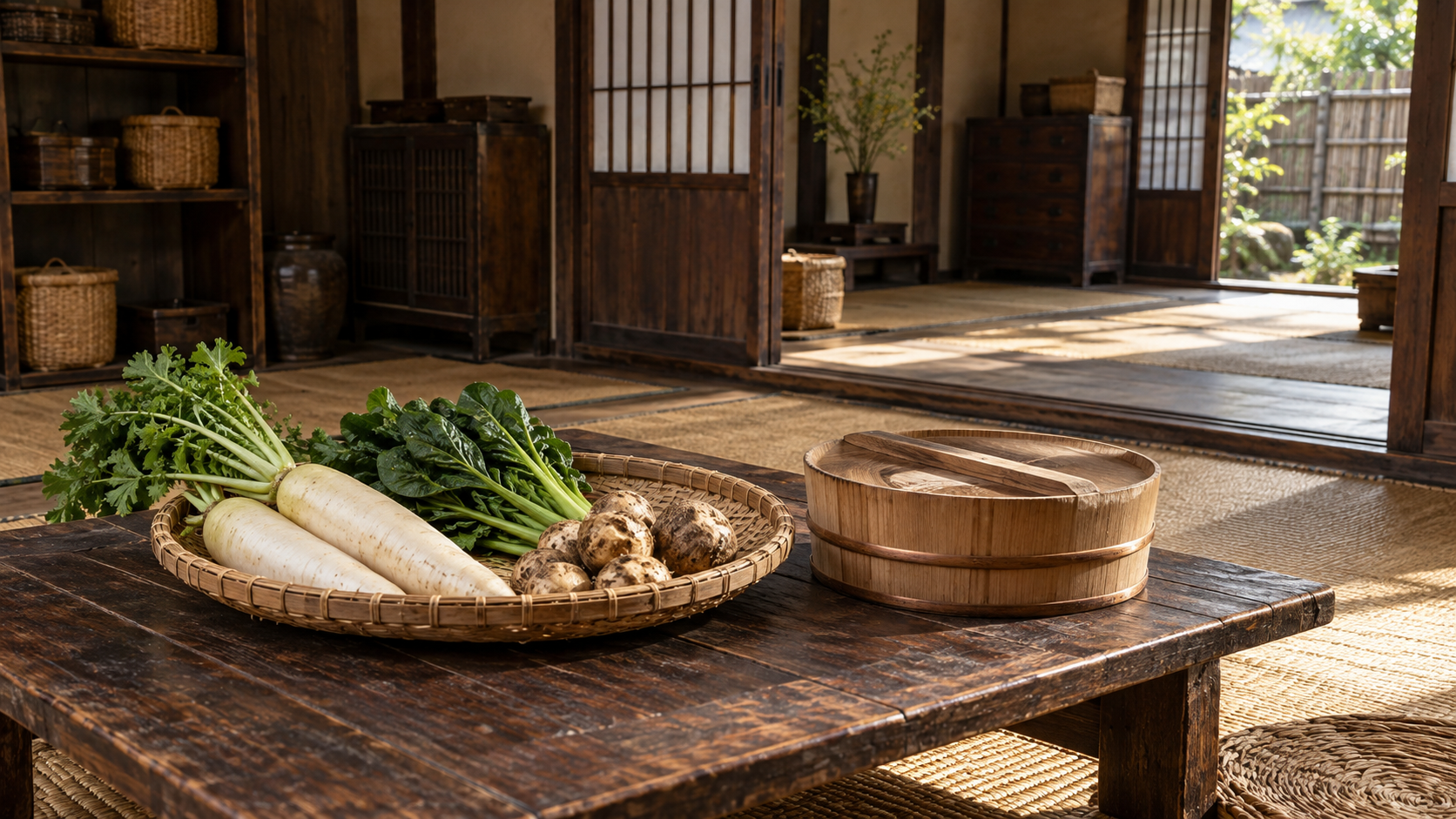
After her father’s death, another change followed. The main Asano house in Hiroshima offered service to Riku’s third son, and the family moved there. The museum explains that he was appointed on the same 1,500-koku terms as his father.
That figure concerns the son’s appointment, not Riku’s personal income. The relationship between the Oishi and Asano houses provides the setting for the move. Riku and her second daughter accompanied the third son rather than remaining permanently in Toyooka.
The museum also describes the daughter’s marriage soon after arrival to a person connected with the Asano family. Different family members continued their lives in the new place. Knowing of the move prevents Riku’s biography from stopping with her return to her natal home.
Scene 11
Letters from the later years
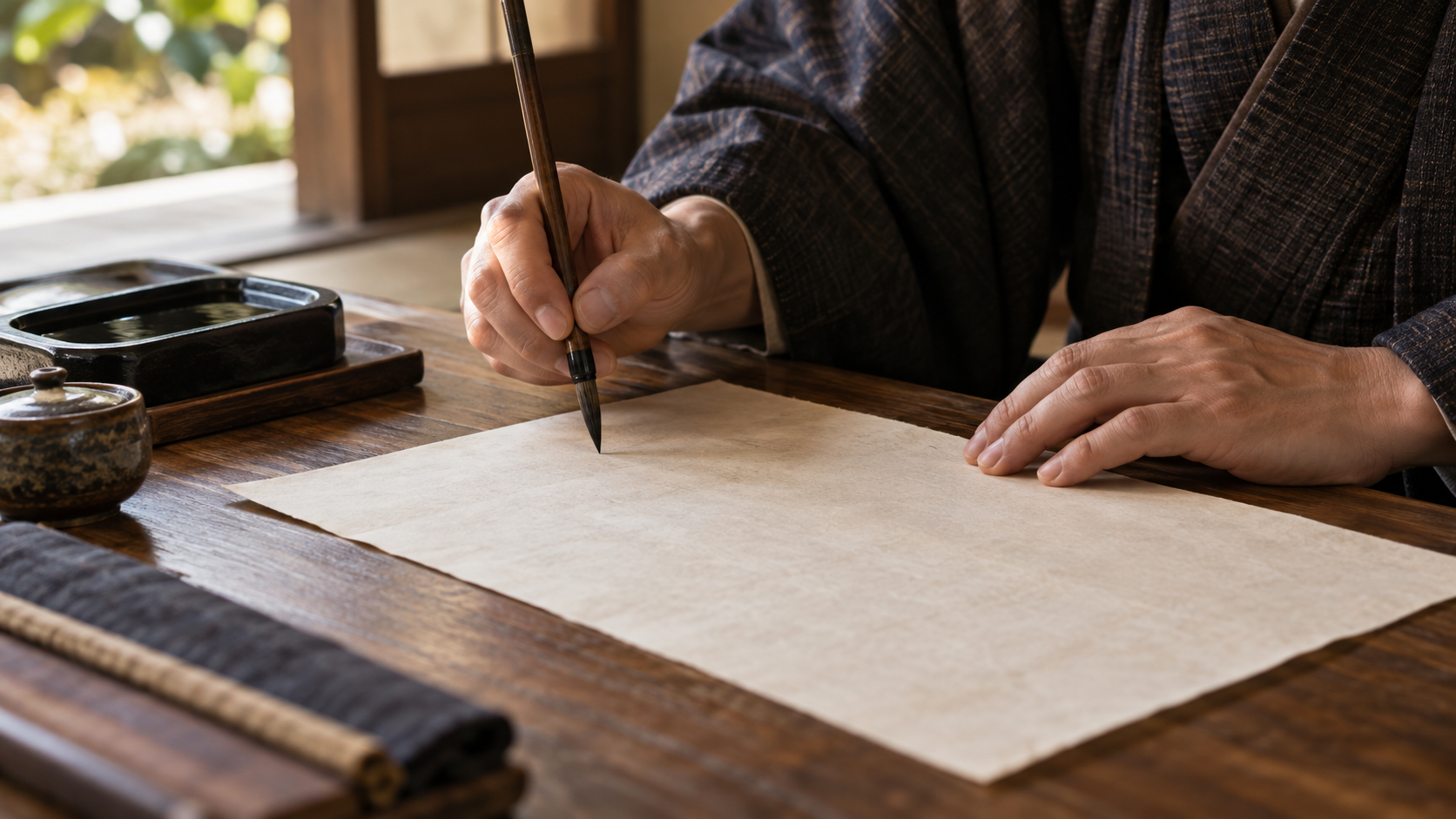
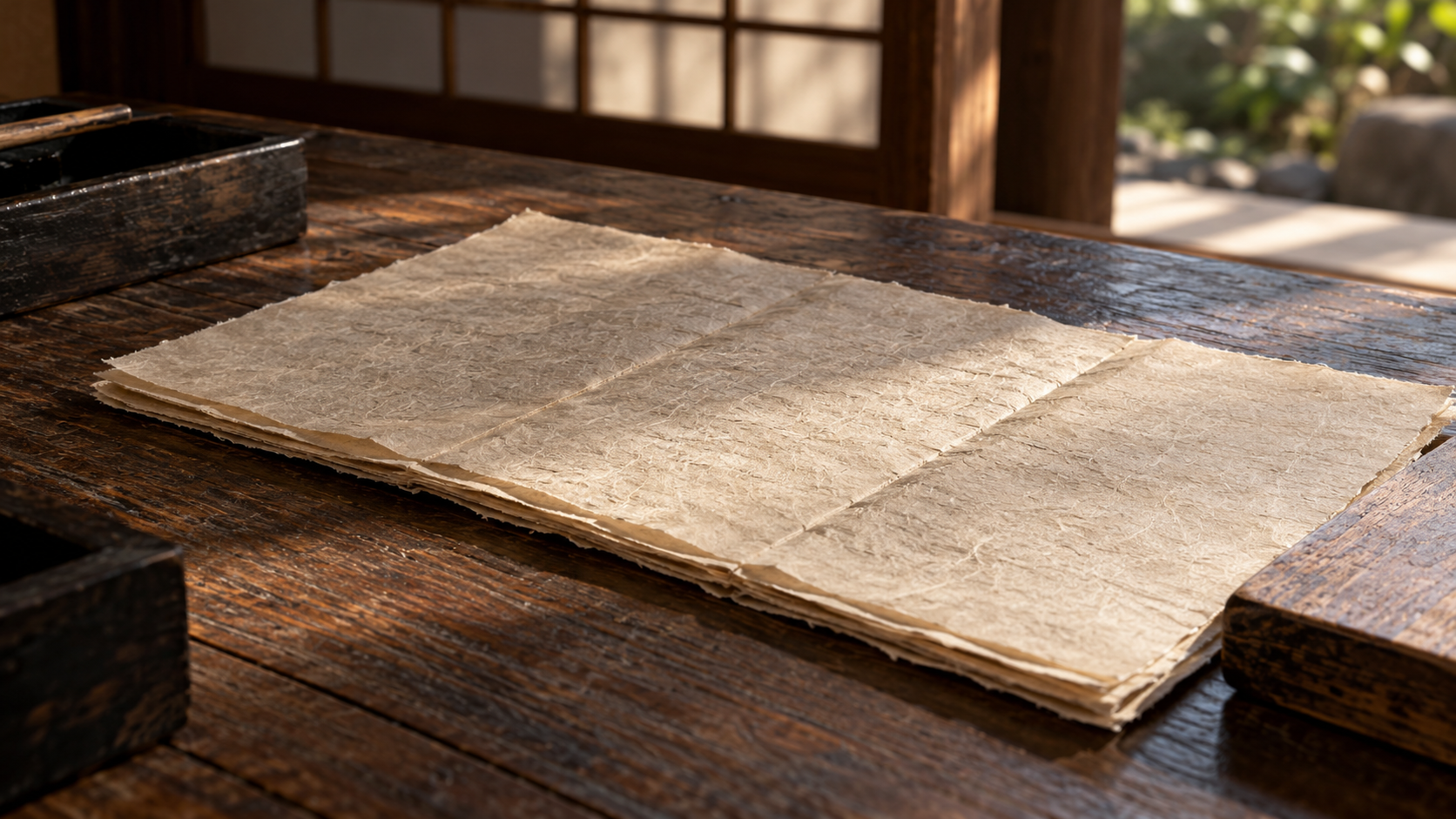
The museum newsletter introduces a letter by Riku dated the ninth day of the tenth month of Shotoku 4 and a letter by her third son dated the fourth day of the fourth month of Shotoku 5. These correspond to the labelled years 1714 and 1715; the source calendar wording is retained.
Their existence shows that written materials concerning the family continued after the move to Hiroshima. It does not mean the present article has independently read every word or recovered every thought. The evidence followed here is the material as introduced and explained by the museum.
Ako’s municipal newsletter column on Riku’s kitchen also introduces correspondence comparing the Ako and Hiroshima residences, including rooms and the kitchen. That provides a glimpse of domestic circumstances after the move. The modern researcher’s explanation, however, remains distinct from a new full transcription or an inference about all private feelings.
Scene 12
A life larger than one incident
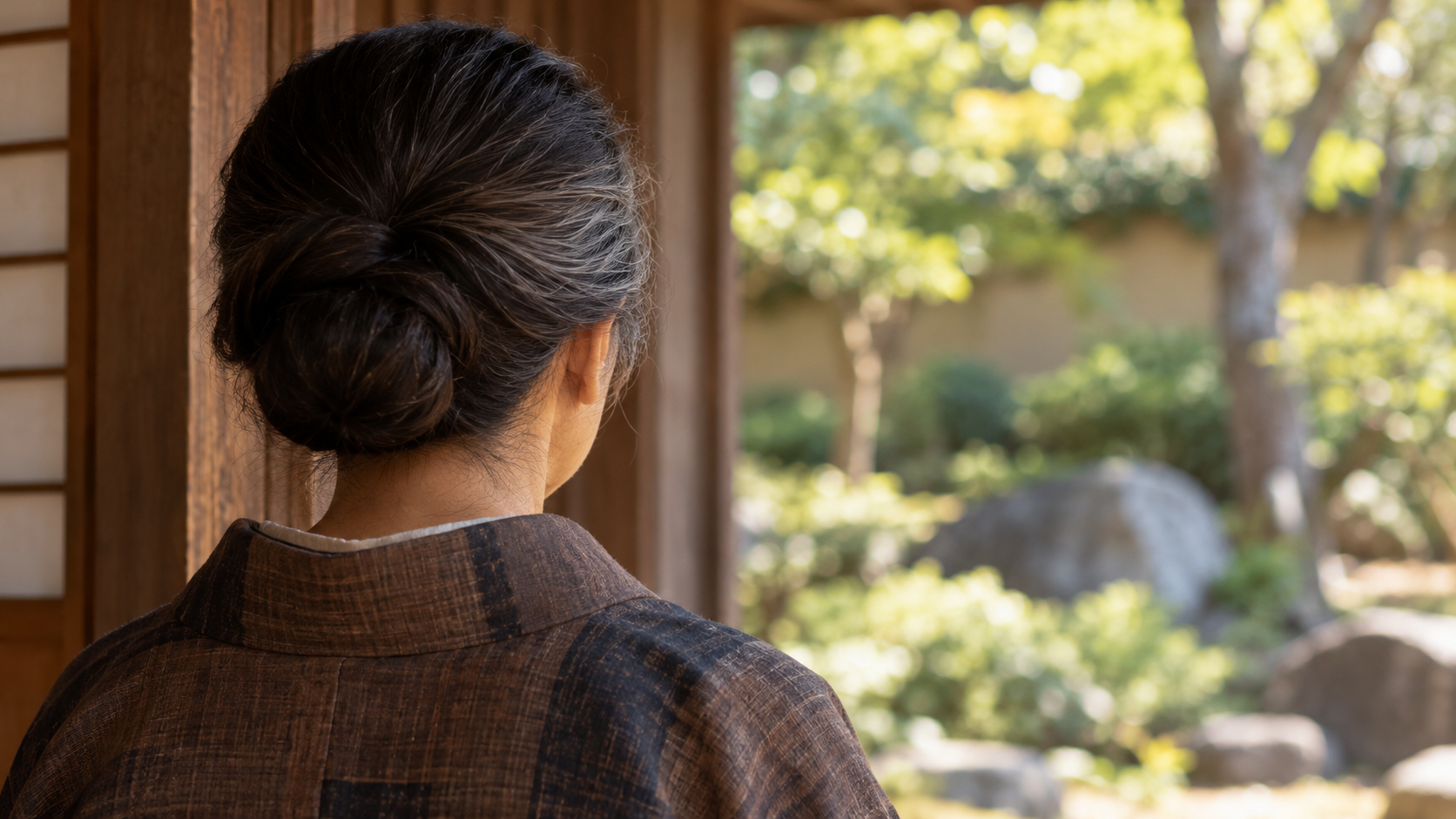
Riku spent her later years in Hiroshima and died in 1736. Toyooka, Ako, Yamashina, a return to Toyooka and then Hiroshima mark a life extending across places and many years. The incident alone does not encompass it.
Distinguishing homecoming from the divorce letter and following materials from after the raid both widen the view beyond a familiar plot. They also encourage attention to how evidence is introduced, dated and interpreted.
Known as Kuranosuke’s wife, Riku can also be followed as a person who continued living with family in changing circumstances. The records support that longer account without requiring invented dialogue, a portrait claimed as authentic or certainty about thoughts that the sources do not reveal.
How to read this work
History, interpretation, and reconstruction
Riku’s life becomes clearer when her homecoming and divorce letter are treated as separate events and her family’s later years are followed beyond the famous raid.
This work is grounded in published sources and historical research. Interior thoughts, dialogue, and some visual details are cinematic reconstructions. Where historians disagree, the article presents the point as debated rather than settled fact.
Timeline
The story in time
-
Riku is born into the Ishizuka family in Toyooka.
Sources: m65 -
She marries Oishi Kuranosuke.
Sources: m65 -
Her third son is born in Toyooka.
Sources: m65 -
The divorce letter is sent, at a different time from the homecoming.
Sources: m65 -
Following her father’s retirement, she moves to Shofukuji with her second daughter and third son.
Sources: m65 -
Riku’s letter is introduced in the museum newsletter; the historical calendar date is retained.
Sources: m65 -
The third son’s letter, distinguished from Riku’s letter of the preceding year.
Sources: m65 -
Riku dies in Hiroshima.
Sources: m65
People & terms
A guide for new readers
Glossary
- Chushingura 忠臣蔵
- The tradition of stories and performance associated with the Ako incident, distinguished here from direct biography.
- Kanadehon Chushingura 仮名手本忠臣蔵
- The 1748 dramatic work introduced by Kobe University Library as moving the incident into another period.
- Ishizuka family 石束家
- Riku’s natal family serving the Kyogoku house in Toyooka.
- Divorce letter 離縁状
- The document sent in the tenth month of 1702, distinguished from Riku’s earlier homecoming.
- Entry into religious life 出家
- The action concerning the second son in the museum account, distinct from the third son’s adoption.
- Koku 石
- The unit used in the stated terms of the third son’s service; the figure is not assigned to Riku’s personal income.
- Shofukuji 正福寺
- The Toyooka temple connected with her father’s retirement and the family’s residence, and with a present memorial.
Sources & method
How this article was built
Every current Japanese scene, timeline entry and source identifier is translated. Source titles are editorial translations. The museum remains the main biographical authority; supporting municipal publications are not inflated into independent original documents, and the Ako column’s Toyooka research authorship is stated.
Before publication, the saved museum paper was inspected again. The second son’s entry into religious life was corrected from an earlier draft’s confusion with adoption; the third son’s adoption remains separate. Mourning wording includes deceased children rather than dropping the eldest daughter from the account.
Return, childbirth, divorce, her father’s death and later relocation keep their separate dates. Letter existence and modern explanation are not equated with a full new reading of manuscripts. All images are conceptual, with no third-party photograph, private document or manuscript facsimile reproduced.
Sources
References and further reading
- Toyooka City History Museum News No. 65, September 2022 豊岡市立歴史博物館ニュース第65号(2022.9) Title translated editorially for reader convenience. Toyooka City History Museum 豊岡市立歴史博物館 Printed pages 2–4 are the principal biographical source. The marriage remains approximate; homecoming, birth and divorce are separate. Page 3 distinguishes the second son’s religious entry and the third son’s adoption. The service figure belongs to the third son. Accessed 2026-10-31
- Toyooka municipal newsletter, 25 September 2013, page 36: Riku 広報とよおか 2013.9.25 p36 豊岡偉人伝17 りく Title translated editorially for reader convenience. Toyooka City 豊岡市 Used for the modern explanation of letters mentioning writing practice and new-season soba. This is not treated as a separate original Edo-period source or quoted as a newly read original. Accessed 2026-10-31
- Riku’s hair memorial and Korin Hall 豊岡市・大石りく遺髪塚(香林会館) Title translated editorially for reader convenience. Toyooka City 豊岡市 Used for the present memorial and monument at Shofukuji. They do not establish an unchanged historical building or landscape. Accessed 2026-10-31
- Shofukuji, Hinado 17, Toyooka: official temple directory 曹洞宗公式・豊岡市日撫17 正福寺 Title translated editorially for reader convenience. Soto Zen 曹洞宗 A limited check of the present temple identification and location, not independent evidence for the Edo-period biography. Accessed 2026-10-31
- Ako municipal newsletter, April 2025: Riku’s kitchen 広報あこう2025年4月号「忠臣蔵の散歩道61 りくの台所」 Title translated editorially for reader convenience. Ako City; author from Toyooka City cultural property research 赤穂市(執筆:豊岡市文化財室史料調査員) Printed page 26, PDF page 14 left, introduces correspondence about the Hiroshima house and kitchen. The Toyooka authorship is explicit; this is not counted as an independent original source from the museum account. Private papers and images are not reproduced. Accessed 2026-11-04
- Concise chronology of the Ako retainers 赤穂市 赤穂義士略式年表 Title translated editorially for reader convenience. Ako City 赤穂市 Corroborates the 1701 sequence, the family’s return in the fourth month of 1702 and the son’s Hiroshima service in 1713. Old-calendar dates are not converted by assumption. Accessed 2026-11-04
- Structure of Ako Castle: Kuranosuke’s residence 赤穂城デジタルミュージアム 赤穂城の構造・大石内蔵助良雄の屋敷 Title translated editorially for reader convenience. Ako City 赤穂市 Used for the main residence’s 1729 fire, the gate’s 1856 rebuilding and later repair. Present architecture is not treated as an unchanged family home. No photographs or plans are reproduced. Accessed 2026-11-04
- The Ako incident and Chushingura 神戸大学附属図書館 2-1 赤穂事件と忠臣蔵 Title translated editorially for reader convenience. Kobe University Library 神戸大学附属図書館 The collection explanation supports the 1748 work’s creation and its shift of historical setting. Drama and prints are not direct biographical records; original plays and collection images are not reproduced. Accessed 2026-11-04
Continue reading
More stories from Shigeki
Shigeki English
Enomoto Takeaki after Defeat: Government Service, Treaties and Migration
Follow the changing responsibilities behind a former opponent’s Meiji career.
- When From service under the shogunate to release in 1872, the treaty of 1875 and migration to Mexico in 1897
- Where Japan, Saint Petersburg, Siberia and overseas settlement projects
Shigeki English
Dojima Rice Market: Receipts, Accounts and the Movement of Prices
Trading without moving a bale did not make every transaction the same kind of trade.
- When Seventeenth-century Osaka; relocation around 1697; recognition in 1730; later Edo networks; institutional changes from 1869 to 1939
- Where Dojima and the Nakanoshima warehouse district in Osaka, linked to rice-producing regions and distant customers