
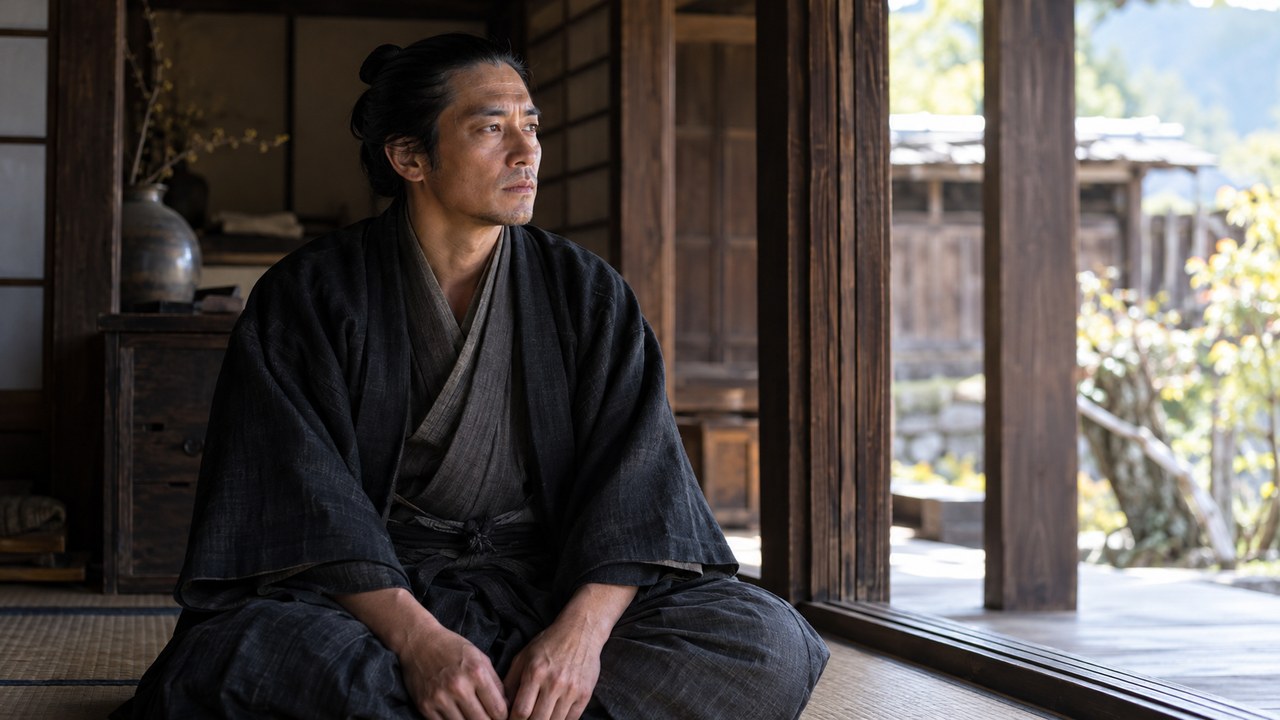
SHIGEKI ENGLISH STORYEN
Japanese history in English
The Hagi Rebellion: Why a Meiji Councillor Turned to Revolt
Maebara Issei's names and origins, the battlefields of the Restoration, his work in Echigo, high office and resignation, his criticism of the government, and the rising of 1876 through to his execution.
Maebara Issei, who led the rising at Hagi in 1876, had served the Meiji government as a councillor and vice-minister of military affairs. This article follows his change of name from Sase to Maebara, Shokasonjuku and the wars of the 1860s, his relief efforts as an official in Echigo, his resignation in 1870, his criticism of policy, the rising of 28 October after those in Kumamoto and Akizuki, suppression within about a week, capture at Uryu and execution on 3 December, and the dates of the books and prints that reported the event, keeping the differences between sources.
At a glance
Before you enter the story
- When
- From his birth in 1834 and study in 1857, through appointments in 1869 and resignation in 1870, to the rising of 28 October 1876, his capture on 5 November and execution on 3 December; representations published in 1876, 1877 and 1914.
- Where
- Hijiwara in Hagi and Funaki; Kyoto and Kokura; Echigo and Nagaoka; the Meirinkan in Hagi; Uryu harbour in Izumo; Hagi again for the execution.
- Key figures
- Maebara Issei, Okudaira Kensuke, Yokoyama Toshihiko, Miura Goro, Kido Takayoshi, Omura Masujiro
- What was at stake
- How participation in a new government gave way to criticism and armed opposition, and how later representations shape the event’s retelling.
Why this story matters
The larger history behind the turning point
Maebara's career shows why a later label of "rebel" cannot explain every earlier action. Keeping his service, resignation, policy criticism, rising and execution in sequence gives a more exact reading of how a former councillor came to oppose the state he had helped to build.
The sources also disagree in instructive ways, on the day the rising began, on how many joined it and on how many were executed. Keeping those differences, rather than picking one number, shows how much of the event is firmly known and how much depends on the source consulted.
Historical context
What an international reader needs to know
A career crossing the Restoration
The Meiji Restoration is the political transition around which the adopted institutional biographies organize Maebara’s service. His military activities in 1866 and 1868 precede the appointments described for 1869. For readers entering the story through the rebellion alone, that order matters: the insurgent of 1876 had earlier worked toward and within the emerging state.
Hagi, Echigo and Izumo also mark different stages of the account. Hagi is associated with his origins, uprising and execution; Echigo with administrative work and relief proposals; Izumo with capture during the final movement described by the sources. A single familiar place name should not replace this geographical sequence.
Three clocks in a historical account
An event can acquire several dates in a catalogue or exhibition list. Here the Hagi uprising occurred in 1876, an illustrated book appeared that December, a colour print was issued on 1 February 1877, and an edited record collection appeared in June 1914. These dates describe different actions by different kinds of historical material.
The record collection also covers a period, October through December 1876. Its publication date, the dates of the records it brings together and the duration of the actual fighting answer separate questions. Holding those distinctions in view helps a reader use institutional guides without making claims that the guides themselves do not establish.
Watch the film
See the story in motion
The film currently uses Japanese audio. This English article provides the context and source trail; it does not imply that an English subtitle track is available.
Opening
From inside the government to open revolt
A man who had sat as a councillor of the Meiji government turned armed force against that same government. In 1876, the ninth year of Meiji, Maebara Issei led an uprising in the castle town of Hagi in Yamaguchi Prefecture. His career contains one of the sharpest reversals of the early Meiji years, and it deserves to be followed step by step.
Maebara was not a defeated partisan of the old shogunate. He studied at Shokasonjuku, fought in the wars of the 1860s on the side that overthrew the shogunate, and served in the new state as a councillor and as vice-minister of military affairs. Six years after leaving office, he chose to fight the government he had helped to build.
This article follows his origins and names, the battlefields of the Restoration, his work in Echigo, his appointments and resignation, his criticism of government policy, and the rising through to his execution. It also keeps the course of the event apart from the dates when books, prints and records about it were later produced.
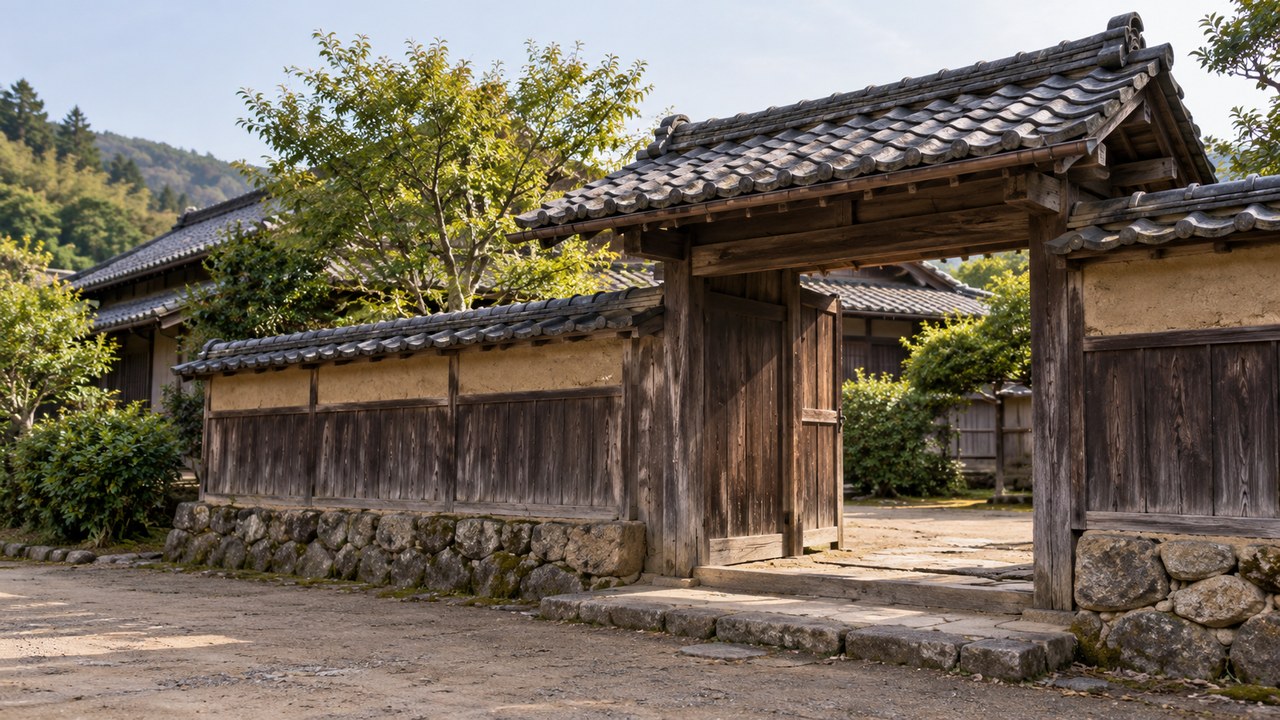
Chapter 1
Two names: Sase and Maebara
Maebara Issei was born in 1834, the fifth year of Tenpo, into a samurai family of the Hagi domain. According to the Yamaguchi Prefectural Library, he was born in Hijiwara village in Hagi. The Yamaguchi Tourism Federation adds that he spent his early childhood in Funaki in Asa district, now part of Sanyo-Onoda City, because of his father's duties.
As a young man he was known as Sase Yasoro. The prefectural archives explain that he came from the Sase family, later founded a separate branch household, and changed his surname to Maebara in 1865. Sase and Maebara are therefore two names for one person, not the careers of two different men joined together.
His former residence still stands in Hijiwara, Hagi. Yet the survival of a house and a family archive does not mean that all of his thoughts are known. This article uses names and places as a way in, and follows only the parts of his life that the adopted sources allow us to confirm.
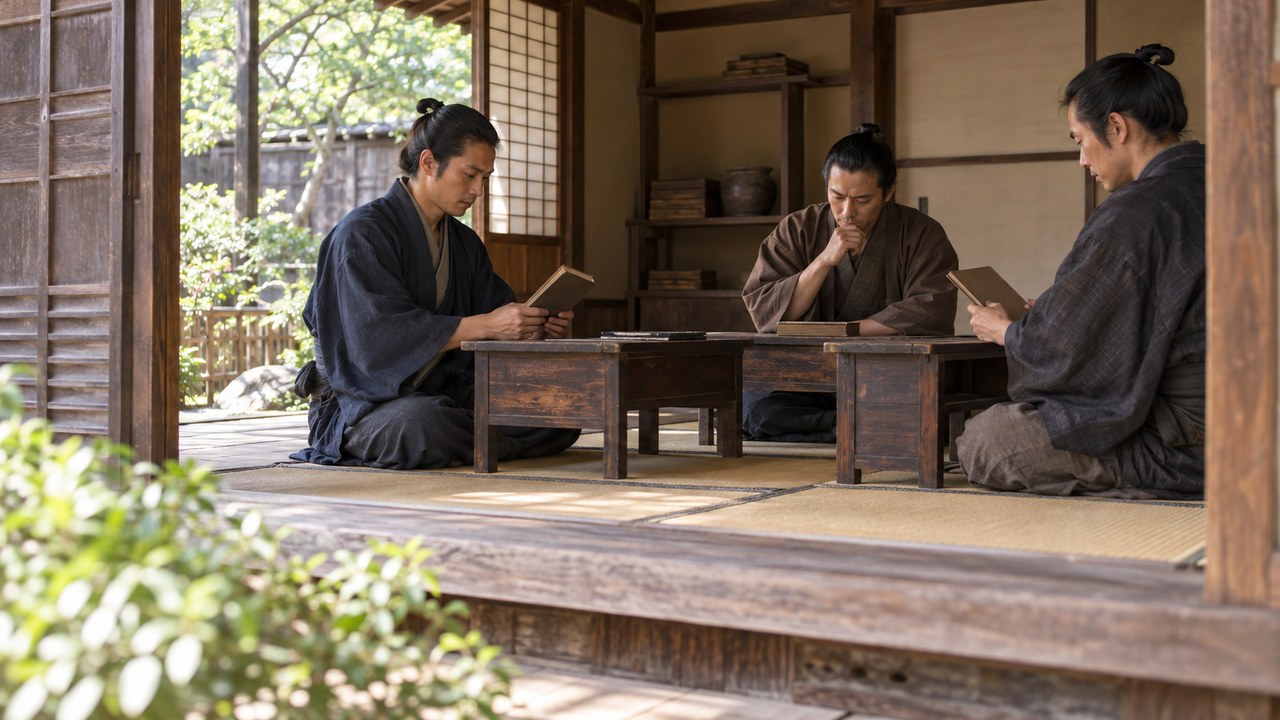
Chapter 2
From the classroom to the battlefields of the 1860s
In 1857 Maebara returned to Hagi and entered Shokasonjuku, the private school run by Yoshida Shoin. The tourism federation's description notes that after studying there he also learned Western studies and joined the movement to revere the emperor and expel foreigners, which was then reshaping politics in Choshu. Shokasonjuku is remembered for the many students who later became leaders of the Meiji state, and Maebara was one of them before he became one of its opponents.
In 1862 he left the domain without permission and went up to Kyoto. During the war of 1866, known in Yamaguchi as the Four-Borders War and elsewhere as the second shogunate expedition against Choshu, the prefectural library records that he served as an acting staff officer in the fighting around Kokura.
Looking back from the rebellion of 1876, it is tempting to read these early years as preparation for revolt. In this period, however, Maebara was working alongside his domain to create a new political order. His later break with the government cannot be projected backwards onto every earlier action.
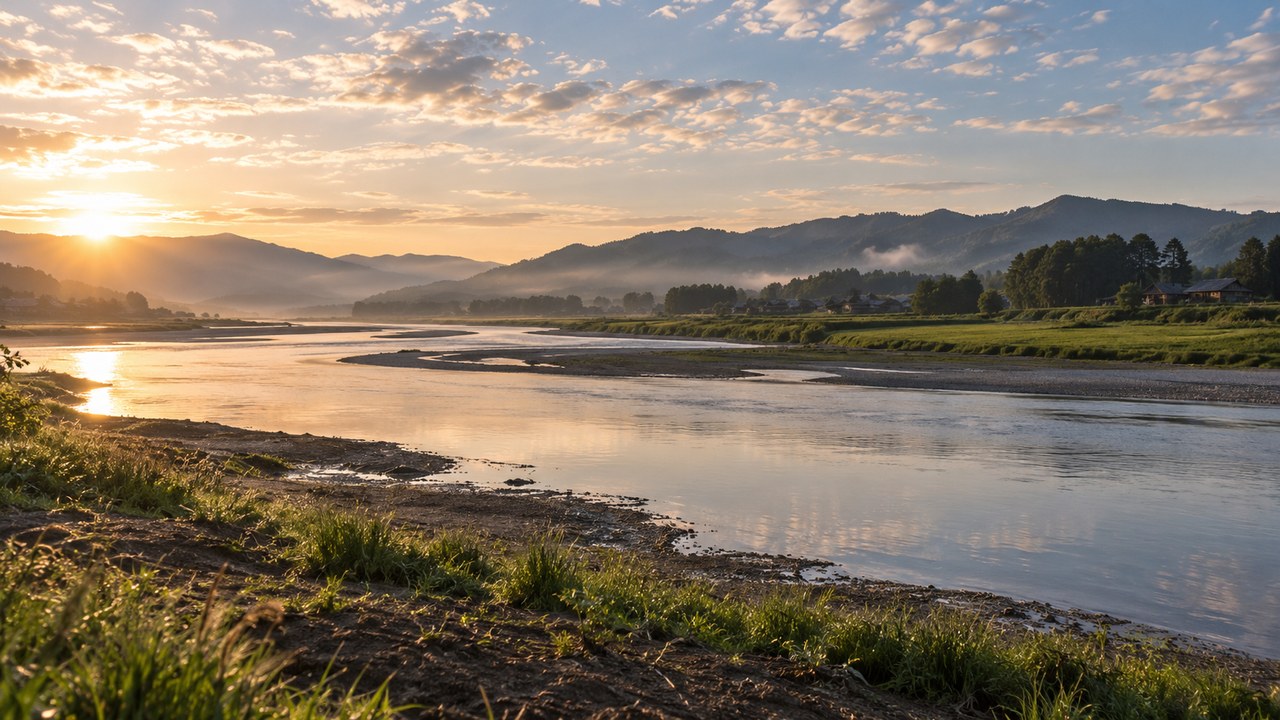
Chapter 3
The northern campaign and the Echigo administration
In 1868, the first year of Meiji, Maebara joined the expedition to the Hokuetsu region as deputy commander of the Kanjotai unit. According to the tourism federation, he served as a staff officer on the Echigo front and took part in the campaign against Nagaoka Castle, one of the hardest-fought actions of the Boshin War. The campaign gave Maebara direct experience of a long and costly civil war fought far from his home domain, in the north of Japan.
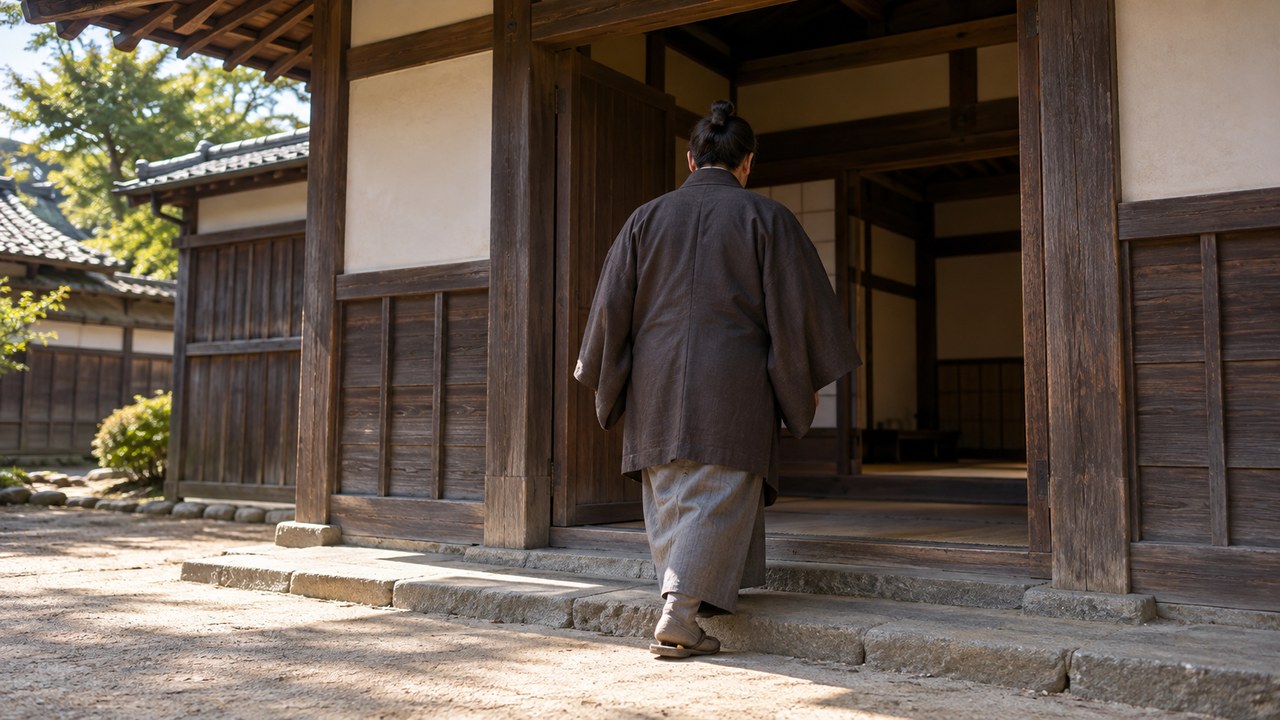
After the fighting, in the second month of 1869, he became a hanji, a senior official of the Echigo administration. Hagi City's local-history guide presents him as someone who tried to relieve the people of Echigo, citing measures to lighten the annual tax and a plan for a diversion channel on the Shinano River.
The same guide says that these measures brought him into conflict with the central government. The diversion channel was a plan at this stage, and it cannot be said that Maebara completed it. His attempt at relief and his disagreement with the centre appear together here, at an early point in his official career. The same tension, between local needs and the direction set in Tokyo, would return in a sharper form in the years that followed.
Chapter 4
Councillor and vice-minister of military affairs
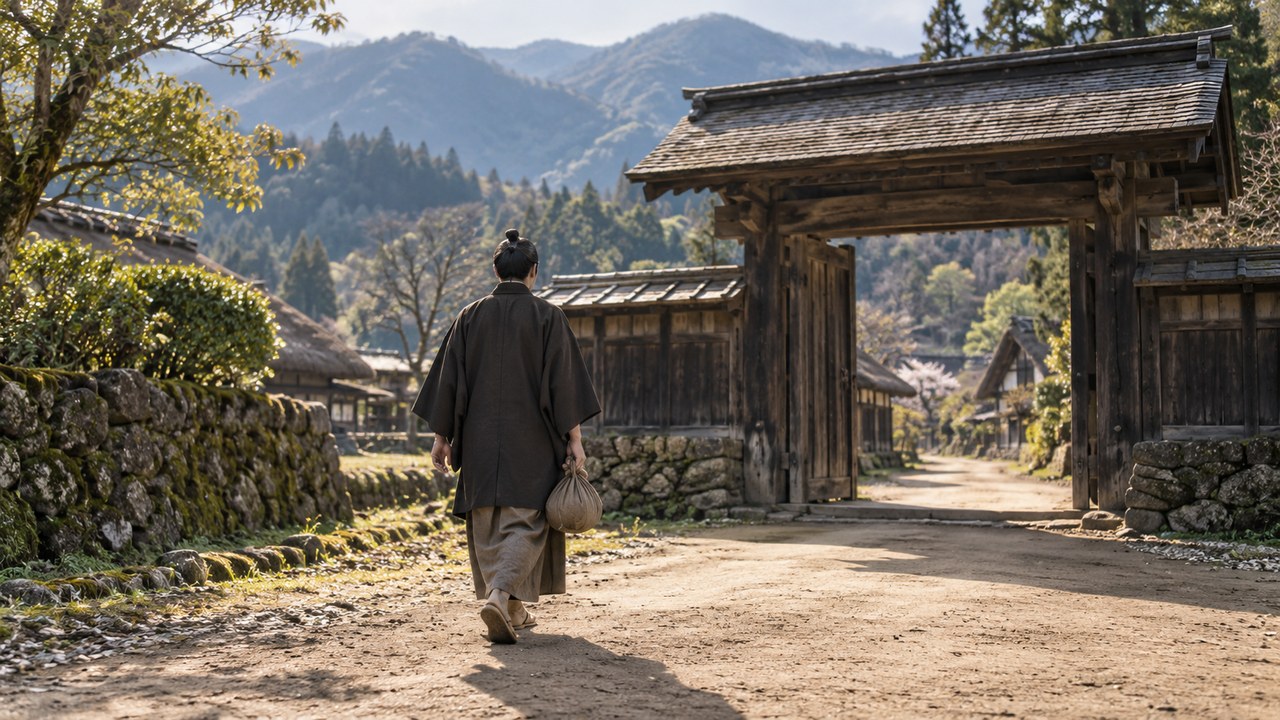
In the ninth month of 1869 Maebara became a sangi, a councillor of the new government. In the twelfth month of the same year he became hyobu taifu, vice-minister of military affairs, succeeding Omura Masujiro, who had died after being attacked by assassins. The prefectural library lists his appointments in exactly this order.
Councillors sat at the centre of government and shaped policy, while the vice-minister stood second in the ministry responsible for the armed forces. Maebara was therefore not an outsider pressing demands on the state. He held a place where both national decision-making and military affairs passed through his hands.
A man who later attacked the government had once helped to run it. To understand the Hagi Rebellion, that period of service has to remain visible, rather than being erased to fit the ending. His later criticism came from someone who knew how the new state worked from the inside.
Chapter 5
Resignation and return home
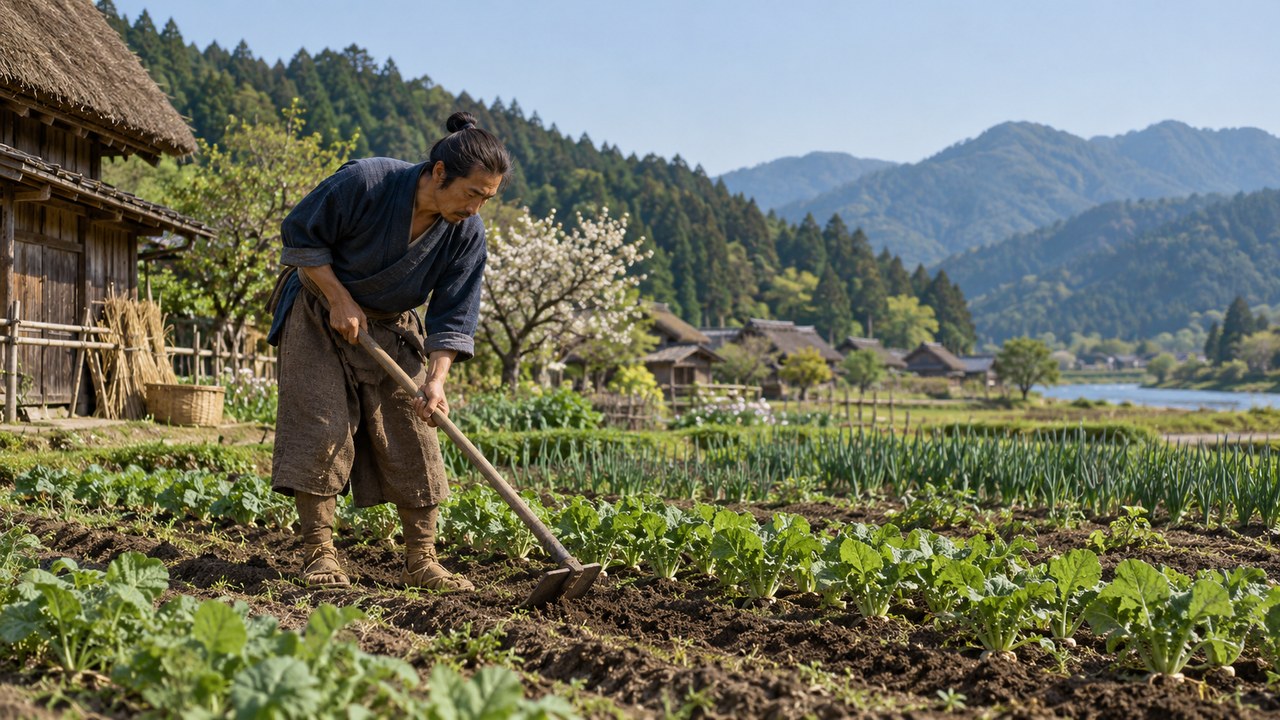
In 1870, the third year of Meiji, Maebara resigned and went home to Hagi. The prefectural library explains that the trigger was the Dattai disturbance in Yamaguchi, when soldiers of the domain's irregular units, including the Kiheitai, resisted being disbanded and the domain suppressed them by force. Many of those soldiers had fought for the Restoration, and their treatment divided former comrades within Choshu itself.
The Yamakawa concise dictionary of Japanese history names a conflict with Kido Takayoshi over the punishment of those involved as the reason for his resignation. The tourism federation likewise says that he left office because of disagreements with the government. Both accounts place the break in 1870, not in the year of the rising.
Six years separate his resignation from his rebellion. It cannot be said that the rising of 1876 was already decided when he went home. Inventing a speech of resolve would erase that gap. After his return, this article follows only words and actions that can be dated and confirmed from the adopted sources.
Chapter 6
What did he criticise?
Hagi City's guide does not limit Maebara's criticism to a single policy. Alongside his criticism of the government's leaders, it lists the land-tax reform, the conscription ordinance and the Treaty of Saint Petersburg, which exchanged Sakhalin for the Kuril Islands. His objections reached across taxation, the military system and foreign relations.
According to the Heibonsha World Encyclopedia, in a letter of March 1876 Maebara argued that under international law Japan had only the appearance of a half-sovereign state, and he condemned the government's policies in the harshest terms. The Nipponica encyclopedia explains that he opposed the civil approach of Kido and others and favoured a more forceful line.
Recording these criticisms is not the same as judging them correct. Nor can we assume that everyone who joined the rising acted for the same reasons. Rather than reducing the uprising to the single phrase "samurai discontent", this article keeps in view how wide-ranging the stated criticisms were. The policies he named affected landholders, former samurai and the country's borders in different ways, and each could attract different kinds of supporters.
Chapter 7
News from Kumamoto and Akizuki, and the rising at Hagi
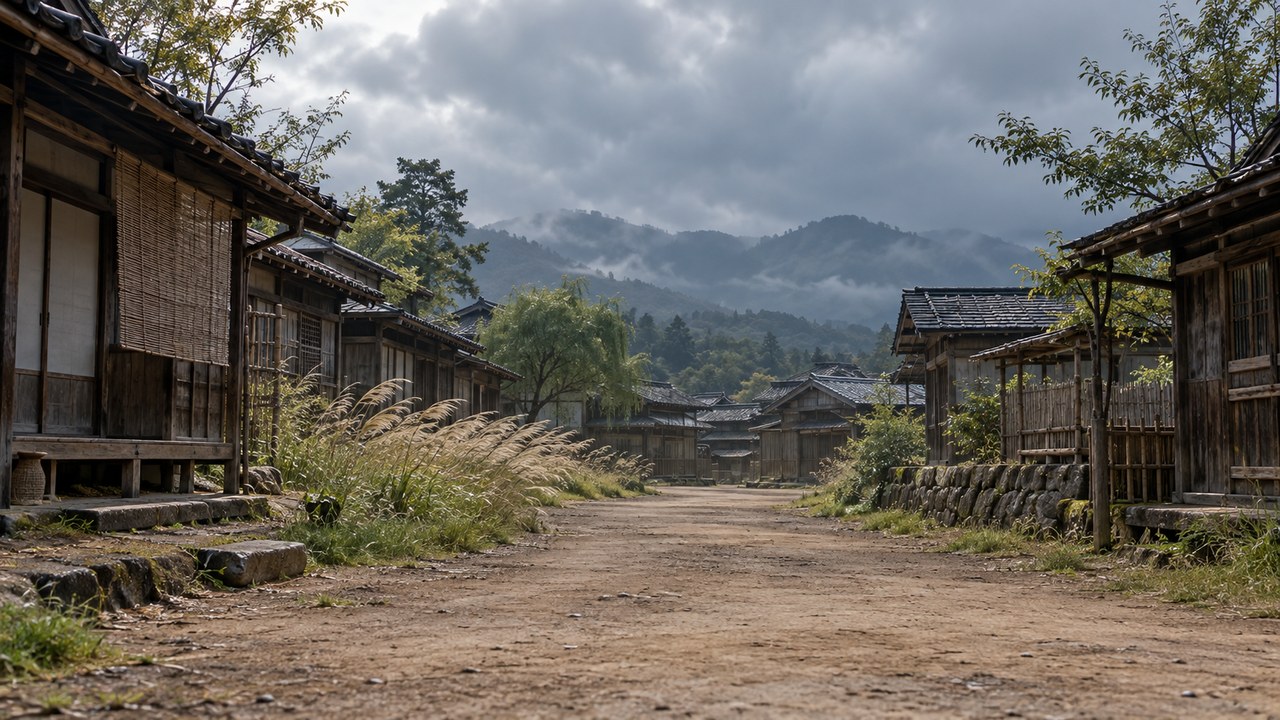
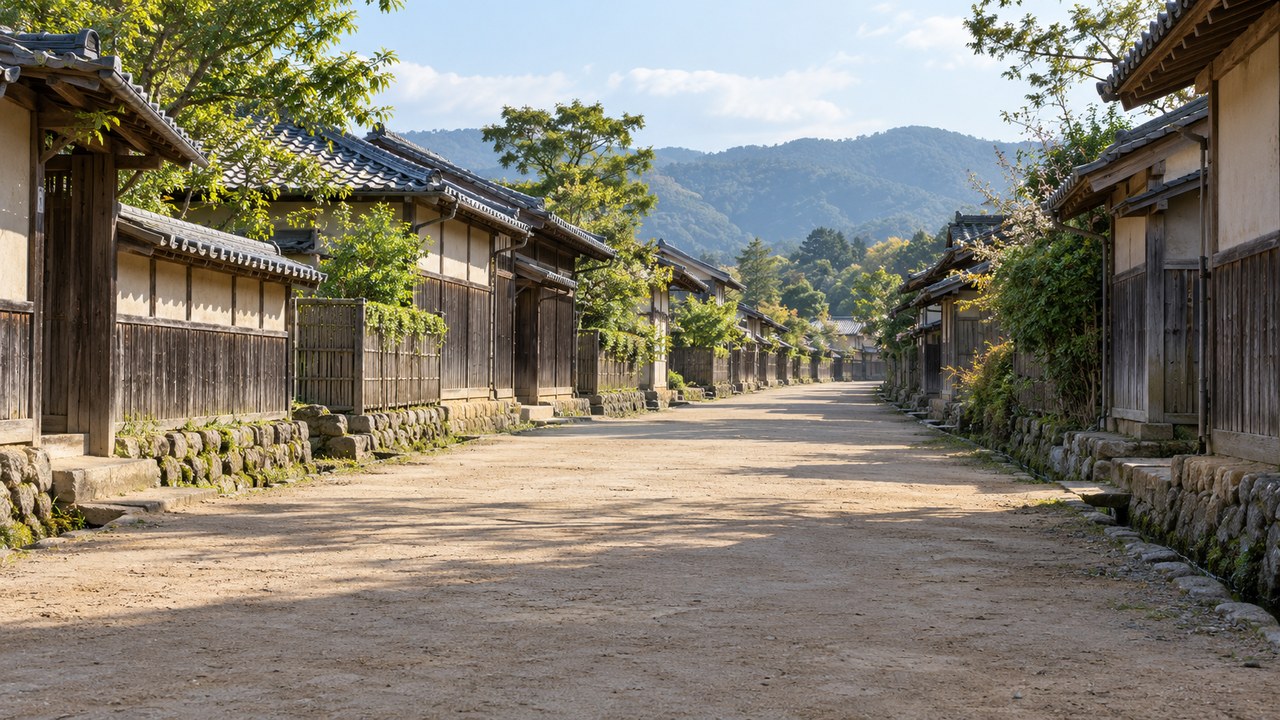
On 24 October 1876 the Shinpuren rose in Kumamoto. On the 27th the Akizuki Rebellion followed in Fukuoka. According to several Japanese dictionaries, Maebara and his associates acted after hearing of these risings and took up arms on 28 October at the Meirinkan, the former domain school in Hagi.
The Heibonsha World Encyclopedia places their assembly at the Meirinkan on the 26th and says that they displayed a gate sign reading Junkokugun, roughly "army of those who die for the nation". The number of participants differs between dictionaries: just over two hundred, a little more than a hundred, or more than five hundred in all. The gap reflects different ways of counting, such as whether only the core group or everyone who gathered at some point is included.
The leaders who rose with Maebara included Okudaira Kensuke and Yokoyama Toshihiko. This article does not choose a single figure for the size of the force and keeps the differences between the sources. The Nipponica entry adds that the rebels failed to win support from discontented former samurai in Satsuma.
Chapter 8
Suppressed within about a week
The government had been aware of the movement in advance. According to the Yamakawa dictionary, the rebels seized government funds and planned to attack the prefectural office in Yamaguchi, but the plan failed. Fighting with government forces continued in and around the town of Hagi. The rebels were thus confined to the area around their starting point, without reaching the seat of prefectural government.
The suppression was led by Miura Goro, commander of the Hiroshima garrison, with garrison troops. The Heibonsha World Encyclopedia also mentions soldiers from the Osaka garrison and two warships approaching from the sea, and it dates the end of the disturbance to 6 November, about a week after the rising began.
A colour print of the street fighting in Hagi survives. Yet a picture made afterwards, with names and dramatic scenes, cannot confirm that every person fought in the positions shown. This article does not use the print to add numbers, movements or dialogue to the story of the fighting.
Chapter 9
Captured at Uryu, executed at Hagi
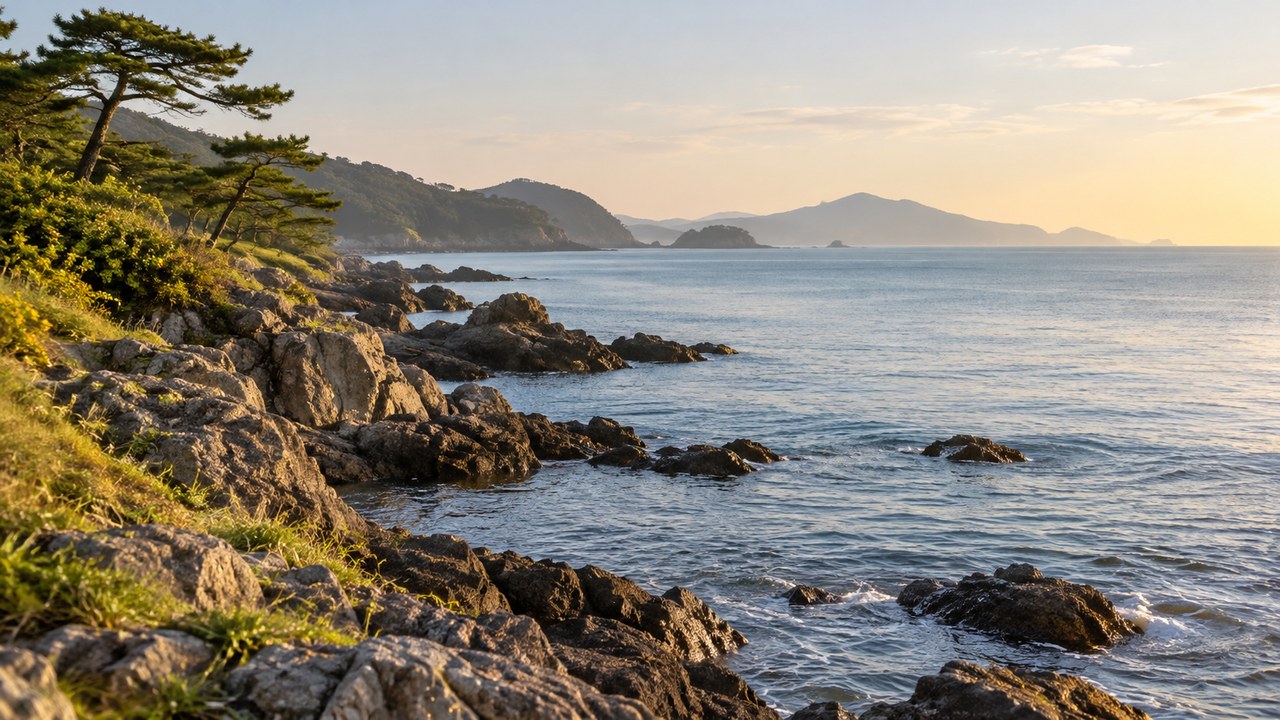
During the fighting Maebara left Hagi and headed east by sea with other leaders. The Mypedia encyclopedia records that he planned to travel to Tokyo along the San'in coast and petition the emperor to purge the government, rather than remain in Hagi to the end of the fighting. The plan shows that he still sought to change the government's direction by appealing to the throne, not only by force of arms.
The voyage ran into trouble, and on 5 November he was captured after entering the harbour of Uryu in Izumo, in present-day Shimane Prefecture. He was taken under guard by way of Matsue, and on 3 December 1876 he was beheaded at Hagi. He was forty-three years old.
Those executed with him included Okudaira and Yokoyama; the Heibonsha World Encyclopedia gives seven people, while other dictionaries give eight. Hagi, where the rising began; Izumo, where he was captured; and Hagi again, where he died. Keeping these places in sequence stops the story from collapsing into a single scene.
Chapter 10
Books, prints and prefectural records
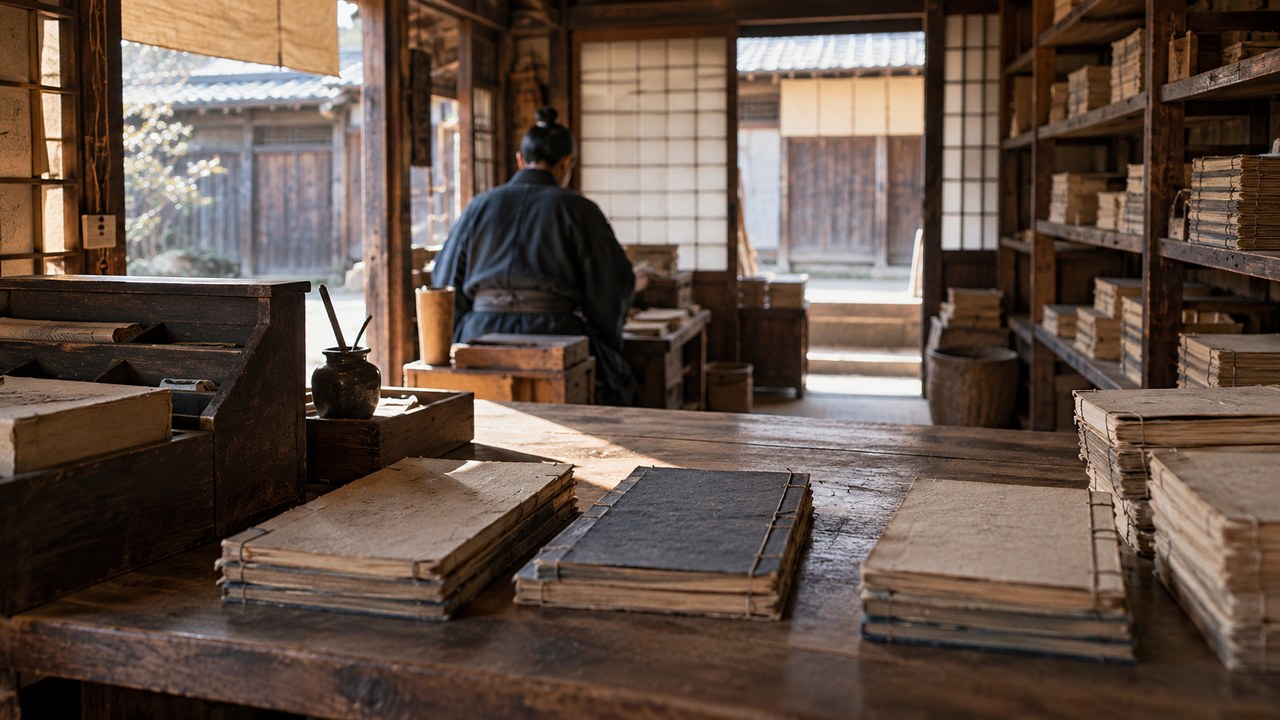
Once the fighting ended, printed reports reached a wide public. The Yamaguchi Prefectural Library's exhibition introduction lists an illustrated book published in December 1876 that told readers about the disturbances in Kumamoto and Yamaguchi together. Such publications shaped how people far from Hagi first imagined the rising.
The Yamaguchi Prefectural Museum's guide to its collection describes a colour print of the battle at Hagi and dates its publication to 1 February 1877. The library exhibition also includes a volume that organised the prefectural office's records from October to December 1876 and was published in June 1914.
The time of the event, the time when records were organised and the time when publications appeared must be read separately. Records covering October to December do not mean that fighting lasted all that time. Nor does early publication guarantee that the details of a picture are accurate.
Conclusion
Not one rebellion laid over another
In 1876, the year of the Hagi Rebellion, the Shinpuren rose in Kumamoto and the Akizuki Rebellion broke out in Fukuoka. In 1877 the Satsuma Rebellion followed. Kumamoto City's historical account also treats the Shinpuren rising and the Satsuma Rebellion as events of different years. Placing the dates side by side shows a sequence of separate risings within a few months, not one coordinated campaign.
Even under the shared label of samurai rebellions, the places, the people involved and the course of events were not the same. The Seisen-ban Nihon Kokugo Daijiten describes the Hagi Rebellion as a forerunner of the Satsuma Rebellion, but the outcome of the following year's war cannot simply be laid over the events at Hagi.
Study at Shokasonjuku, the battlefields of the 1860s, attempts at relief in Echigo, high office in the new government, resignation and return home, and criticism of policy: the question of why a former councillor turned to revolt can be approached by following these steps, and the six years between resignation and rising, in order.
How to read this work
History, interpretation, and reconstruction
Following Maebara Issei's work toward the Restoration, his career in the new government, his resignation in 1870 and the rising of 1876 in order, and separating the course of the event from the publication and editing of the materials that reported it.
This work is grounded in published sources and historical research. Interior thoughts, dialogue, and some visual details are cinematic reconstructions. Where historians disagree, the article presents the point as debated rather than settled fact.
Timeline
The story in time
-
He returns to Hagi and enters Shokasonjuku.
Sources: s01 -
He leaves the domain and goes up to Kyoto.
Sources: s08 -
He founds a branch household and changes his surname to Maebara.
Sources: s02 -
In a letter he sharply criticises government policy.
Sources: s07 -
The rising begins at the Meirinkan in Hagi (one dictionary dates the assembly to the 26th).
Sources: s07
People & terms
A guide for new readers
Key figures
- Maebara Issei
- Born into the Sase family. Served as a councillor and a senior official in the Ministry of Military Affairs, resigned and returned home in 1870, and rose against the government at Hagi in 1876.
- Okudaira Kensuke
- Joined Maebara and others in the uprising at Hagi in 1876.
- Ōmura Masujirō
- Named in the prefectural library’s biography as Maebara’s predecessor in the military office he assumed at the end of 1869.
- Yokoyama Toshihiko
- Rose with Maebara and Okudaira at Hagi and was executed in December 1876.
- Miura Goro
- Commander of the Hiroshima garrison who led the troops that suppressed the rebellion.
- Kido Takayoshi
- Choshu-born government leader with whom Maebara is said to have clashed over the punishment of the Dattai disturbance.
Glossary
- Hagi 萩
- The town associated with Maebara’s 1876 uprising and his subsequent execution. The capture described in this article occurred elsewhere, in Izumo.
- Hijiwara 土原
- The locality in Hagi identified as Maebara’s birthplace and the subject of the city’s adopted local-history guide.
- Sase Yasorō 佐世八十郎
- A name associated with Maebara Issei before the surname change described in the archives’ family history.
- Shōkasonjuku 松下村塾
- The school at which the institutional biography places Maebara’s study in 1857.
- Shikyō War 四境戦争
- The 1866 fighting in which the library biography places Maebara in the Kokura campaign.
- Echigo 越後
- The region connected with Maebara’s administrative service and the relief proposals described by Hagi City.
- Hanji 判事
- The title of Maebara’s office in the Echigo administration as given in the adopted Japanese account; no identity with a present-day judicial office is assumed.
- Sangi 参議
- A councillor’s office in the early Meiji government, held by Maebara in 1869. It is not a reference to a modern parliamentary seat.
- Hyōbu daifu 兵部大輔
- A senior office in the Ministry of Military Affairs, taken up by Maebara at the end of 1869. The historical title is retained to avoid an exact modern equivalence.
- Land-tax reform 地租改正
- A policy concerning land taxation named among Maebara’s criticisms in Hagi City’s account.
- Conscription ordinance 徴兵令
- The military-service measure listed among the criticisms in the adopted city guide.
- Sakhalin–Kuril exchange treaty 千島樺太交換条約
- The territorial treaty named among Maebara’s objections in Hagi City’s explanation. This article does not attempt a separate history of its negotiation.
- Nishiki-e 錦絵
- A colour woodblock print. The example described by the prefectural museum was published in 1877 and represents the Hagi fighting of 1876.
- Shizoku 士族
- The former-samurai social category used in accounts of these uprisings. The label does not establish identical motives among all participants.
- Meirinkan 明倫館
- The former school of the Hagi domain, where the 1876 rising assembled and began.
- Junkokugun 殉国軍
- The name written on the rebels' gate sign, roughly "army of those who die for the nation".
- Dattai disturbance 脱隊騒動
- The 1869-1870 revolt of Choshu irregular-unit soldiers against disbandment; it led to Maebara's resignation.
Sources & method
How this article was built
This English edition follows the revised Japanese article scene by scene and keeps its eight sources, their order and its thirteen timeline entries. It draws on the Yamaguchi Prefectural Library, Archives and Museum (grouped as Yamaguchi Prefecture), Hagi City's local-history guide, Kumamoto City, the Yamaguchi Tourism Federation and dictionary entries collected on Kotobank. Titles given in English are editorial translations.
Where sources differ, on the date of the rising, the number of participants or the number executed, the differences are stated in the text rather than resolved. Institutional guides and dictionary entries are not treated as full readings of the underlying manuscripts or publications.
The images are AI-generated imaginative reconstructions, not authenticated portraits, historical photographs or exact reconstructions. No invented speech, inner motive, troop total or precise route fills gaps in the evidence, and the later colour print is not used to fix the positions of combatants.
Sources
References and further reading
- Maebara Issei: Guide to Researching Meiji Restoration Figures, No. 21 前原一誠(明治維新人物調べ方案内No.21) Title translated editorially for reader convenience. Yamaguchi Prefecture 山口県立山口図書館 Biographical introduction and research guidance. The biographies, chronology and collected letters it lists have not been independently read in full. Accessed 2026-11-18
- Sase Family Documents: Collection Description 佐世家文書・文書群詳細 Title translated editorially for reader convenience. Yamaguchi Prefecture 山口県文書館 Collection history and description support the family names and career outline. The 142 individual documents have not all been independently deciphered. Accessed 2026-11-18
- Meiji Restoration Figures Gallery: Maebara Issei, 150 Years after His Death 明治維新人物ギャラリー資料展示・没後150年前原一誠 Title translated editorially for reader convenience. Yamaguchi Prefecture 山口県立山口図書館 The exhibition introduction dated 1 October 2026 lists publications and explains their dates. No visit to the exhibition or complete reading of the featured books is claimed. Accessed 2026-11-18
- Hijiwara Treasure Map おたからマップ土原 Title translated editorially for reader convenience. Hagi Citywide Museum Project Executive Committee 萩市・萩まちじゅう博物館 The Hagi disturbance section on PDF page 1 and the local explanation are used. Maps, portraits and illustrations are not reproduced. Accessed 2026-11-18
- Guide to Bakumatsu and Restoration Materials, Part 2: Research Report 45, pp. 101–130 所蔵幕末維新関係資料ガイド2・研究報告45 pp101–130 Title translated editorially for reader convenience. Yamaguchi Prefecture 山口県立山口博物館 Printed page 130, item 71: description and image of a colour print issued on 1 February 1877. The composition does not establish the positions of combatants in 1876; the image is not reproduced. Accessed 2026-11-18
- Plan for Maintaining and Improving Historical Character: Chapter 1, Historical Background 歴史的風致維持向上計画・第1章歴史的風致の背景 Title translated editorially for reader convenience. Kumamoto City 熊本市 Printed page 39, modern period section, distinguishes the Shinpūren uprising of 1876 from the Satsuma Rebellion of 1877. No whole-volume reading or reproduction of illustrations is claimed. Accessed 2026-11-18
- Hagi Rebellion (dictionary entries) 萩の乱 Title translated editorially for reader convenience. Kotobank (Nipponica, Heibonsha World Encyclopedia, Yamakawa Concise Dictionary of Japanese History and others) コトバンク(日本大百科全書・世界大百科事典・山川 日本史小辞典ほか) Used for the Shinpuren rising of 24 October and the Akizuki Rebellion of 27 October 1876, the rising of 28 October (or assembly on the 26th), the Junkokugun gate sign, differing participant numbers, Okudaira Kensuke and Yokoyama Toshihiko, suppression by Miura Goro with Hiroshima and Osaka garrison troops and warships, the end on 6 November, capture at Uryu on 5 November, executions on 3 December (seven or eight), the letter of March 1876, the conflict with Kido, the plan to go to Tokyo and the description as a forerunner of the Satsuma Rebellion. Differences between dictionaries are kept in the text. Accessed 2026-11-18
- Former Residence of Maebara Issei 前原一誠旧宅 Title translated editorially for reader convenience. Yamaguchi Tourism Federation 山口県観光連盟(おいでませ山口へ) Used for the former residence in Hijiwara, childhood in Funaki, study at Shokasonjuku and Western learning, leaving the domain in 1862, service as a staff officer at Nagaoka, appointments in Echigo and as councillor, resignation around 1870, the 1876 rising, capture at Uryu and execution at Hagi. Accessed 2026-11-18
Continue reading
More stories from Shigeki
Shigeki English
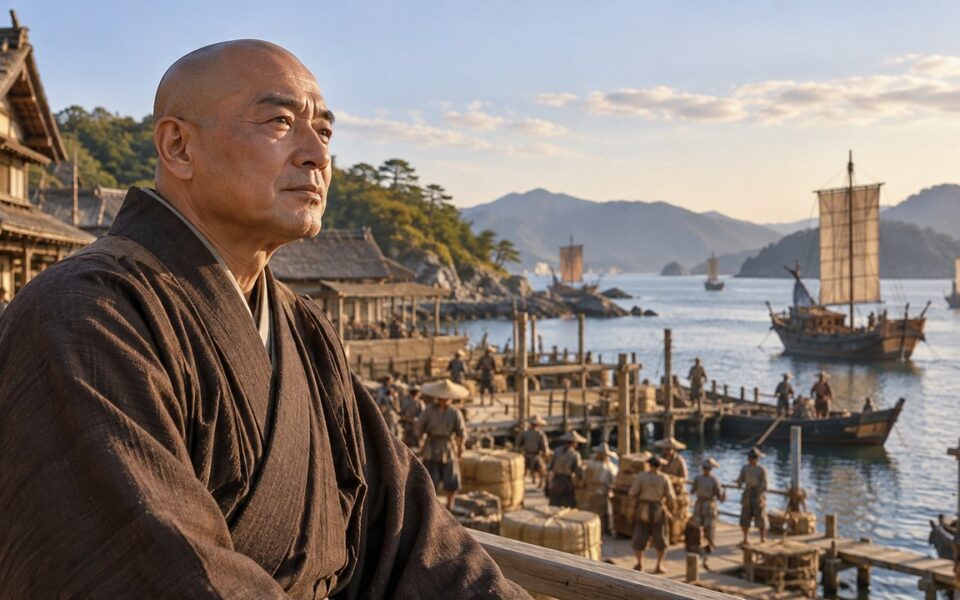
Taira no Kiyomori: From the First Warrior Noble to a Capital by the Sea
Born as Tadamori’s heir, he rose through the Hogen and Heiji conflicts to grand minister of state, then turned from Fukuhara to Itsukushima, Owada no Tomari and Song ships, before the transfer and return of the capital, his death and the end of his family.
- When 1118–1181, from his birth to his death, with the defeat at Dan-no-ura in 1185 and the statue of 1967
- Where Kyoto, Fukuhara in present-day Kobe, Owada no Tomari, Itsukushima, the Ondo Strait and Dan-no-ura
Shigeki English
Oishi Riku: Beyond the End of Chushingura, the Family That Lived On
Born in Toyooka, a wife in Ako, then Yamashina, Toyooka again and Hiroshima: a spring homecoming and an autumn divorce letter, the deaths of husband and son, further losses, and a son’s appointment in Hiroshima.
- When 1669–1736, with the events of 1702 kept in their separate seasons, and later memory from 1748 to 2014
- Where Toyooka, Ako, Yamashina and Hiroshima