
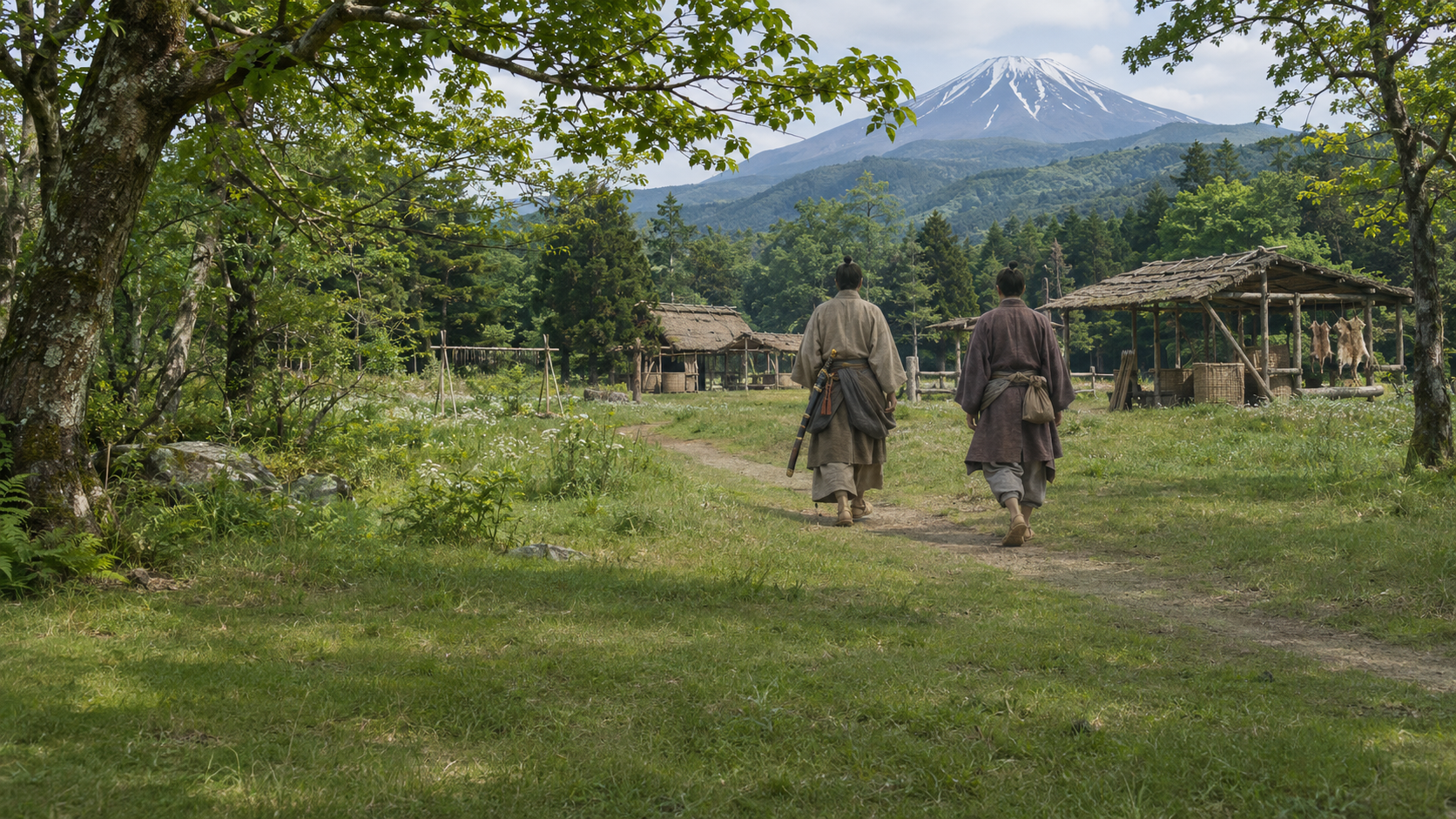
SHIGEKI ENGLISH STORYEN
Japanese history in English
The Soga Brothers: From the Revenge of 1193 to New Year Theatre
A hunt, a chronicle, changing narratives and the scenes selected by noh and kabuki.
Separate the revenge at Yoritomo’s Fuji hunt in 1193 from the later history of remembering it. Follow the compilation of the Azuma Kagami, different Soga narratives, the noh play Kosode Soga, kabuki encounters, New Year performances, illustrated games and visits to associated places.
At a glance
Before you enter the story
- When
- The event in 1193, a chronicle compiled around 1300, later manuscripts and printed books, Edo theatre and subsequent performances
- Where
- The Fuji hunting grounds and later settings of narration, theatre, publishing and local remembrance
- Key figures
- Soga Juro Sukenari, Soga Goro Tokimune, Kudo Suketsune, Kawazu Saburo Sukeyasu, Minamoto no Yoritomo
- What was at stake
- How did a story ending in the brothers’ deaths become a familiar attraction of the New Year stage?
Why this story matters
The larger history behind the turning point
An event and the works made from it have different histories. Later audiences did not always encounter the revenge as a complete reconstruction of one night. A farewell, a tense meeting or a familiar actor’s performance could become the centre of attention in its own right.
This distinction gives artistic works a historical value without turning their dialogue into eyewitness testimony. A play can show how people remembered and reshaped the brothers, while a print can reveal the popularity of actors and roles in the period when it was produced.
Historical context
What an international reader needs to know
Names, households and the hunting assembly
The brothers are known by the Soga name, but their father was Kawazu Saburo Sukeyasu. Institutional accounts connect the change of name with their mother’s subsequent marriage to Soga Sukenobu. Household relationships therefore belong to the background of the revenge, as well as the dispute associated with their father’s death.
Yoritomo’s Fuji hunt brought numerous warriors together. Fujinomiya’s account treats the gathering as a military exercise and a demonstration of authority, not simply a private sporting excursion. The revenge occurred within that larger assembly and its lodgings. Exact camp arrangements cannot be recovered just from places associated with the story today.
A dated entry is not the date a book was completed
The historical day given for the revenge is the twenty-eighth day of the fifth month in the Japanese calendar of 1193. Copying those numbers as a modern May 28 would erase the calendar distinction. The chronicle that narrates the event was also compiled much later than the night itself.
The date of an event, the formation of a narrative, the copying of a manuscript and the publication of a printed edition identify different activities. The 1687 book introduced in an archive exhibition does not establish that the Soga story originated in 1687. The same caution applies to later stage pictures and prints.
Watch the film
See the story in motion
The film currently uses Japanese audio. This English article provides the context and source trail; it does not imply that an English subtitle track is available.
Scene 01
A fatal revenge and a festive afterlife
The brothers killed their father’s enemy, but neither survived the aftermath. Yet the tragedy later became a subject of performances associated with the start of the year. That contrast opens two histories: an event in 1193 and the continuing activity of telling it.
Soga Juro Sukenari and Goro Tokimune killed Kudo Suketsune during Yoritomo’s Fuji hunt. Institutional descriptions establish that broad course, but many vivid scenes familiar from the story belong to later narration and performance.
Questions about what the brothers said to one another, or how their mother sent them away, cannot be answered by treating a dramatic scene as a record of the night.
Scene 02
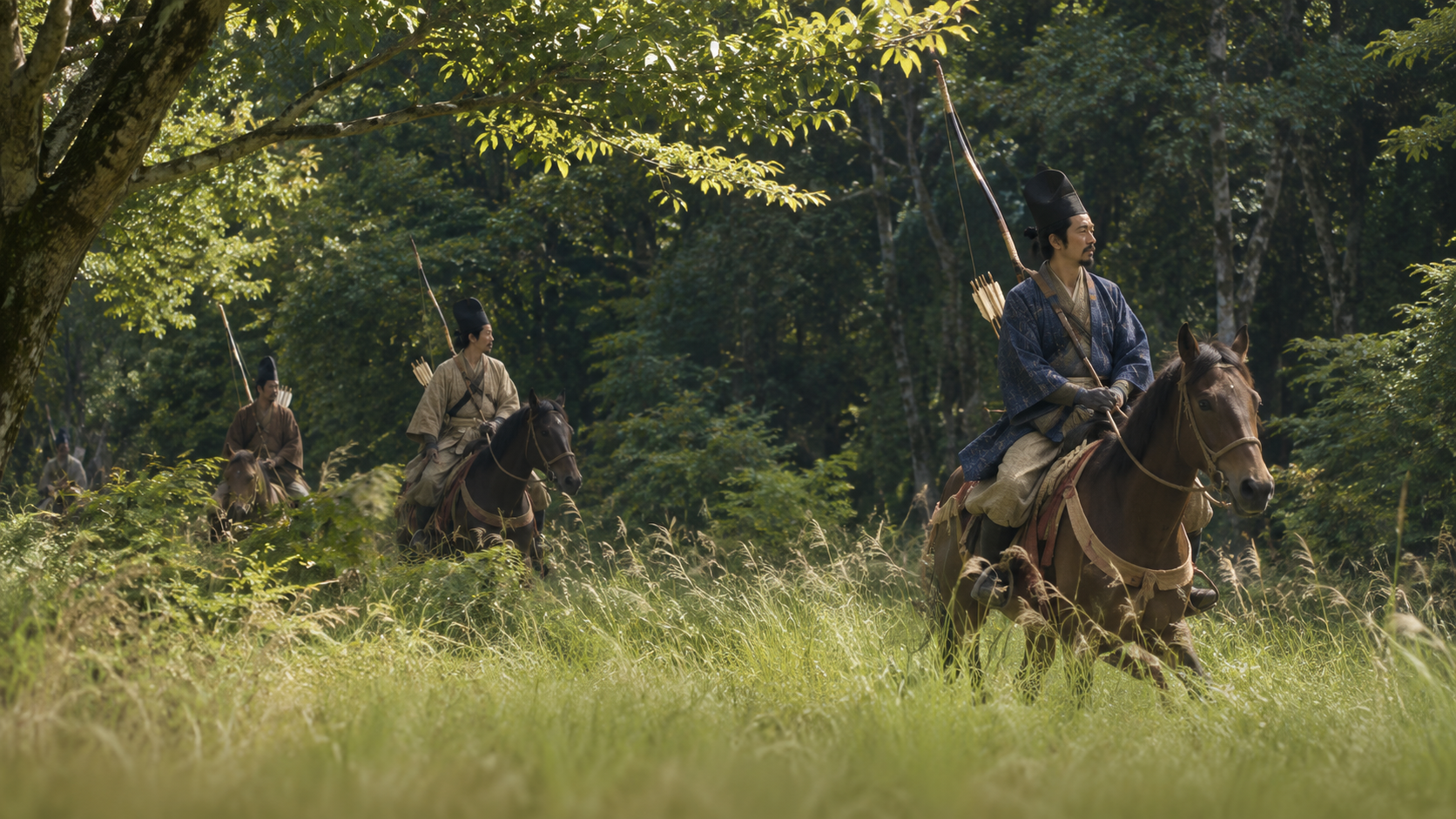
The gathering at Fuji
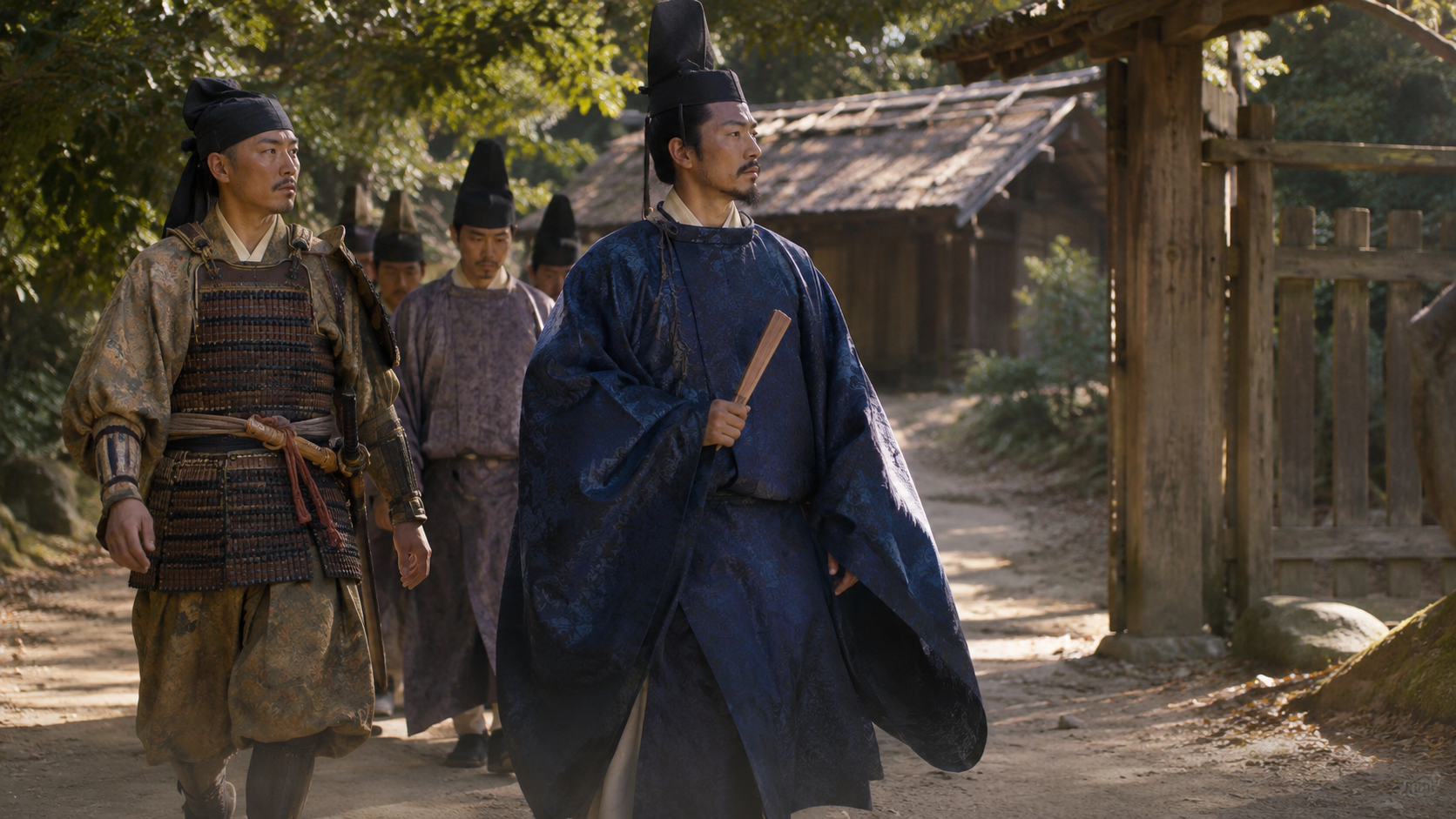
A makigari was a hunt in which animals were surrounded. Fujinomiya City describes Yoritomo’s large gathering as having the character of military exercise and a display of his power. Warriors and their lodgings formed part of its setting.
The revenge was therefore not an isolated duel between people meeting far from political authority. It happened where warriors had assembled under Yoritomo.
Local places associated with the hunt and brothers can connect landscape and story. Those traditions do not, by themselves, determine the location of every lodging or the precise arrangement of the camp on the night of the attack.
Scene 03
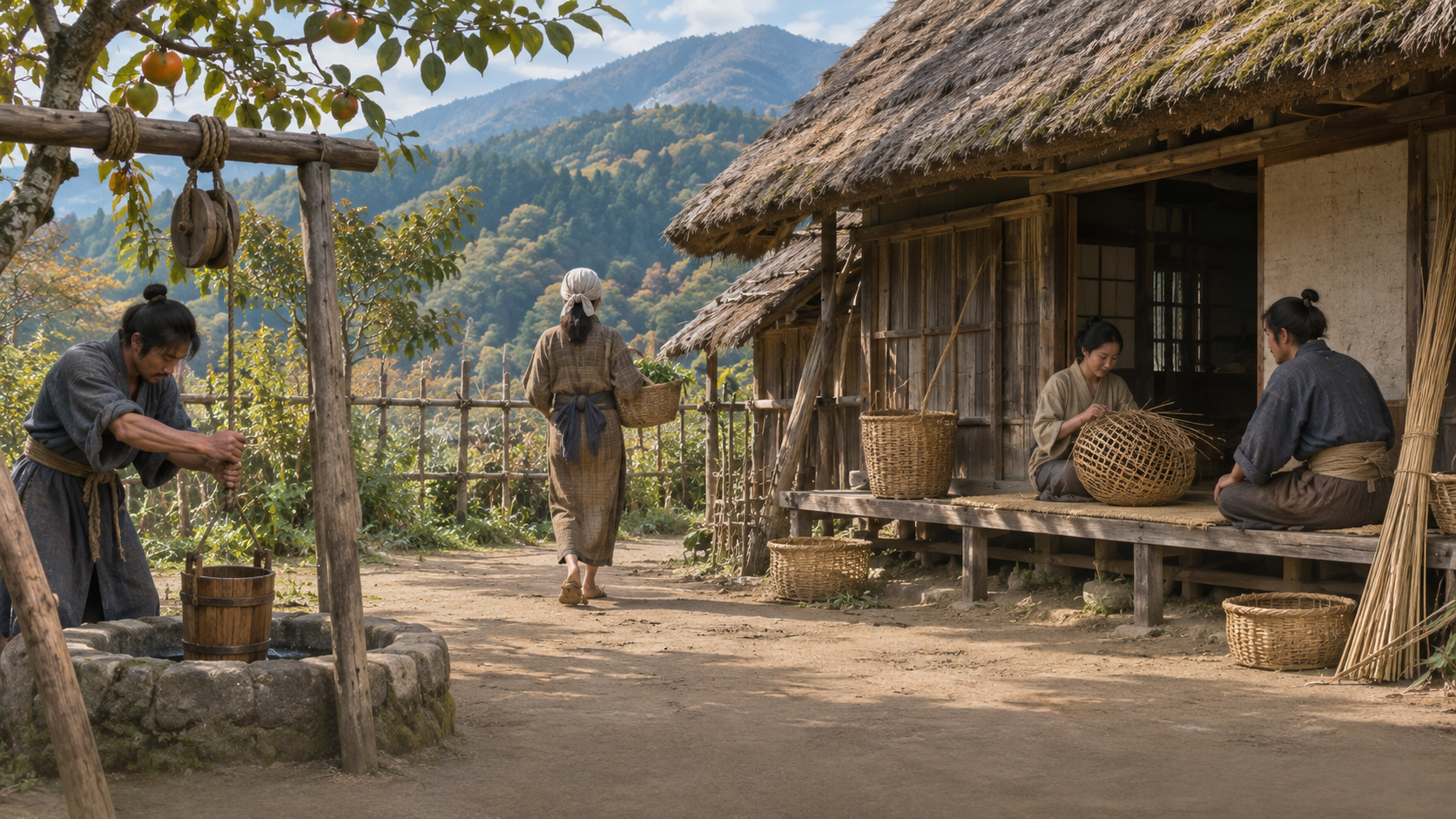
The household behind the Soga name
The brothers’ father was Kawazu Saburo Sukeyasu. Public institutional explanations connect his death at the hands of Suketsune’s retainers with a dispute over family land. Their mother later married Soga Sukenobu, and the brothers became known by that household name.
Suketsune subsequently served close to Yoritomo and participated in the hunt. A father’s enemy thus appeared within the same gathering as the brothers.
These relationships provide context without establishing the children’s private vows or emotions. Narratives can shape years of hardship into a continuous life story, but the vividness of that shape is not proof of every imagined childhood scene.
Scene 04
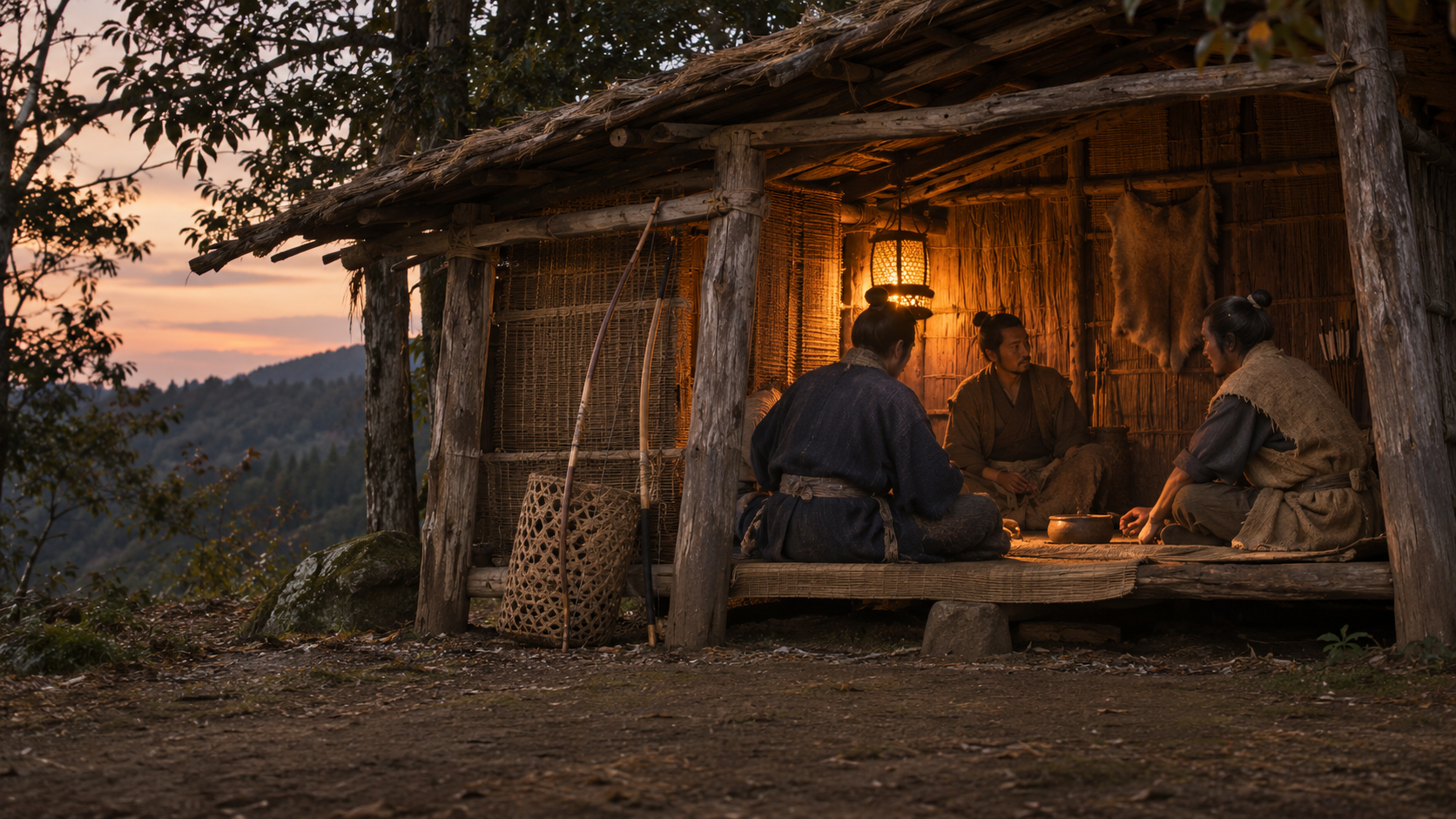
Killing Suketsune did not bring the brothers home
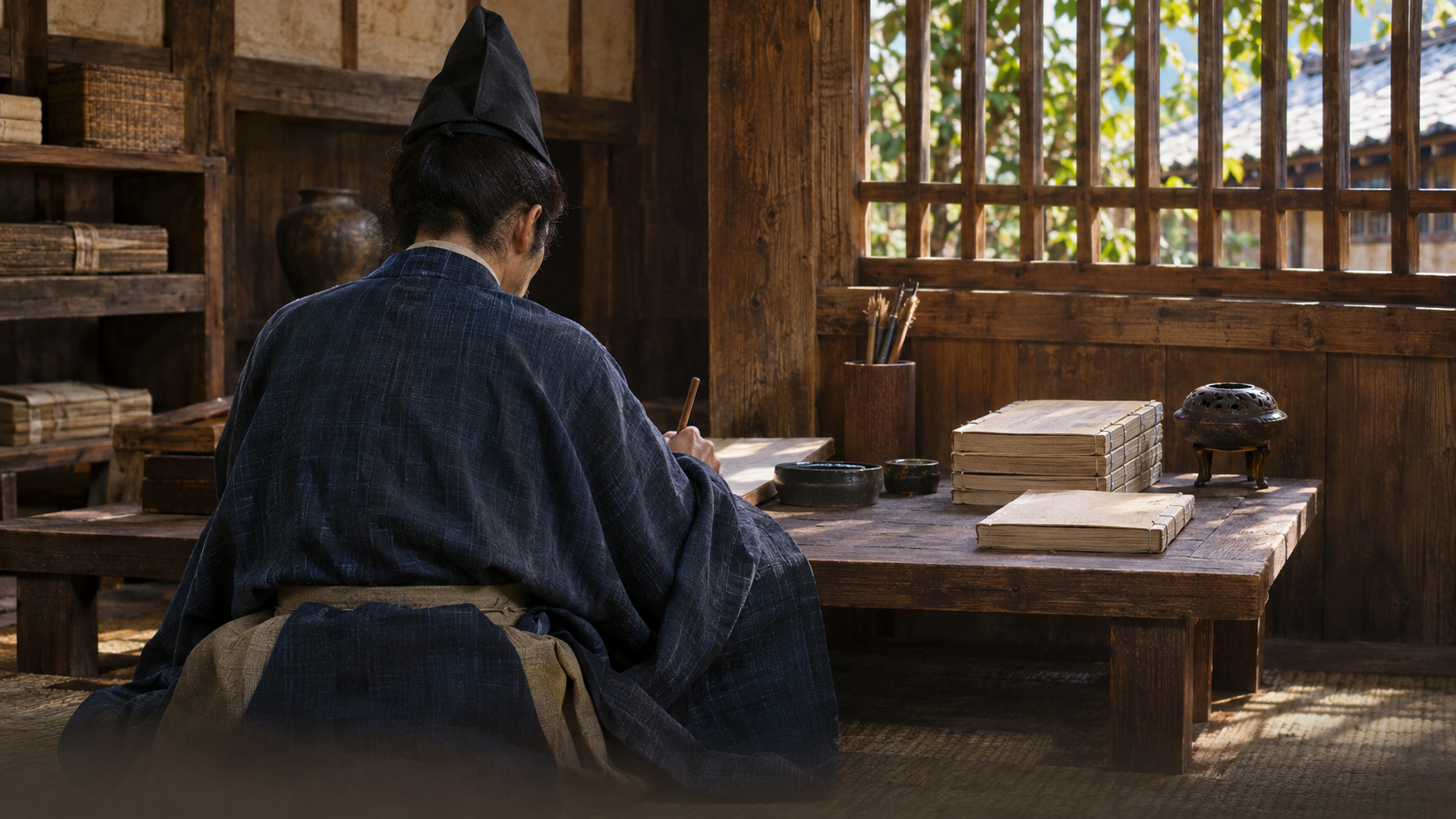
On the night of the twenty-eighth day of the fifth month of Kenkyu 4, the brothers attacked Suketsune at his lodging during the hunt. The Azuma Kagami entry for that date names the participants and describes the incident.
Sukenari died in the fighting, while Tokimune was captured and subsequently executed. The revenge did not provide a path back to their home together.
Their deaths also did not end the subject’s later history. A record conveying the incident and a narrative returning to the brothers could take on different roles, even while sharing the same fatal ending.
Scene 05
Consider when the Azuma Kagami was compiled
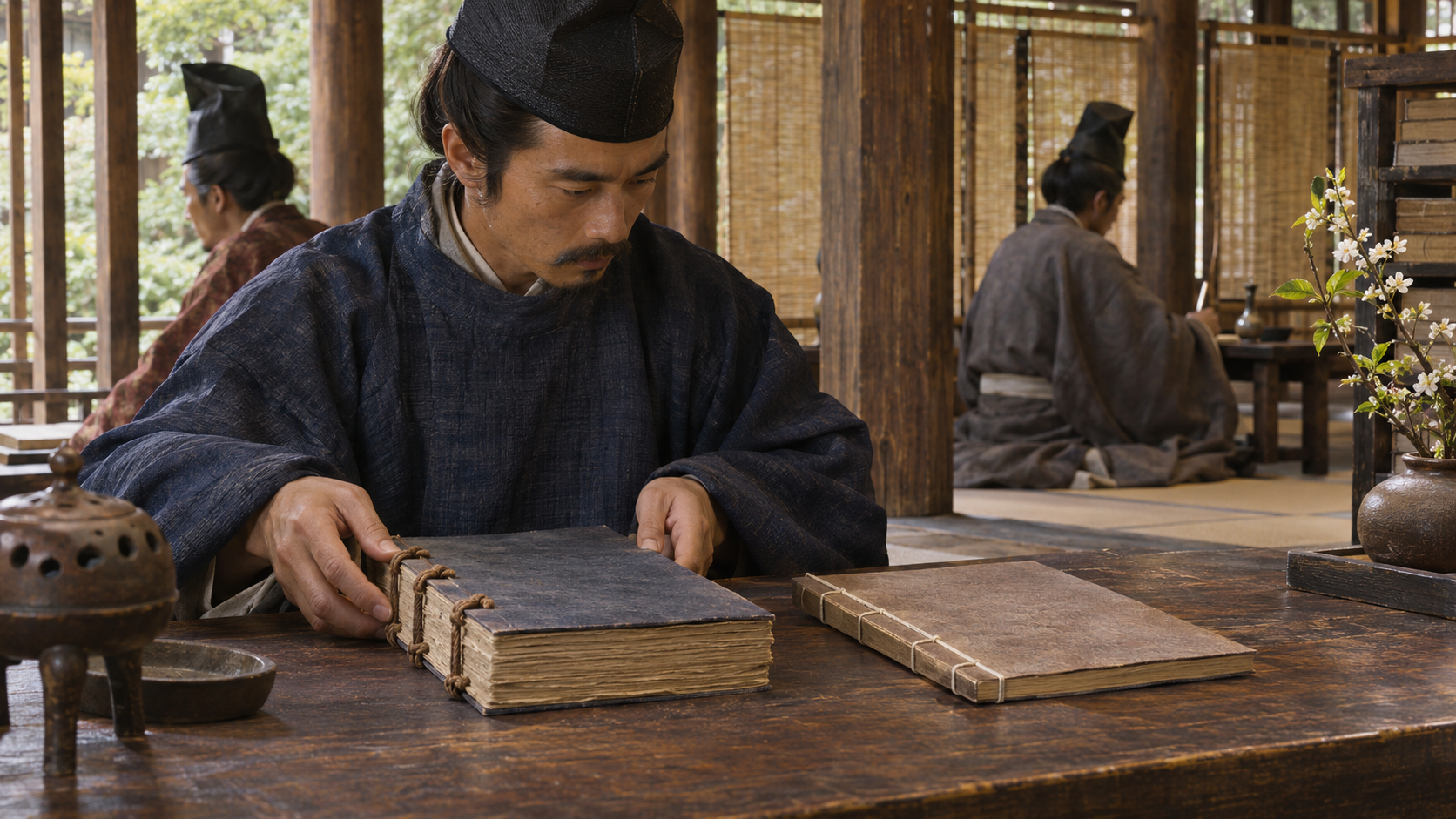
The National Archives of Japan describes the Azuma Kagami as a history organized around the Kamakura shoguns. Its compiler and exact completion date remain uncertain; compilation around 1300 is estimated.
The incident of 1193 did not become a completed volume on the night it happened. Government diaries, temple and shrine records, and documents transmitted in warrior families are among the materials thought to underlie the compilation.
The sequence of dated entries is valuable, but its form should not conceal the later work of collecting and arranging information. An important chronicle is not an unrestricted record of every participant’s experience.
Scene 06
There is more than one Soga narrative
The National Archives distinguishes major textual families of the Soga Monogatari, including mana and kana versions. Copies can also differ in the number of volumes. Questions about formation therefore need to identify which text is meant.
The exhibition’s edition printed in 1687 belongs to the history of publication. It does not identify the first occasion on which anybody told the brothers’ story.
Narrative formation, manuscript copying and commercial printing have different dates. Placing them all beside the original event would lose the long period during which people continued to transmit and reshape the subject.
Scene 07
Remembering people who died
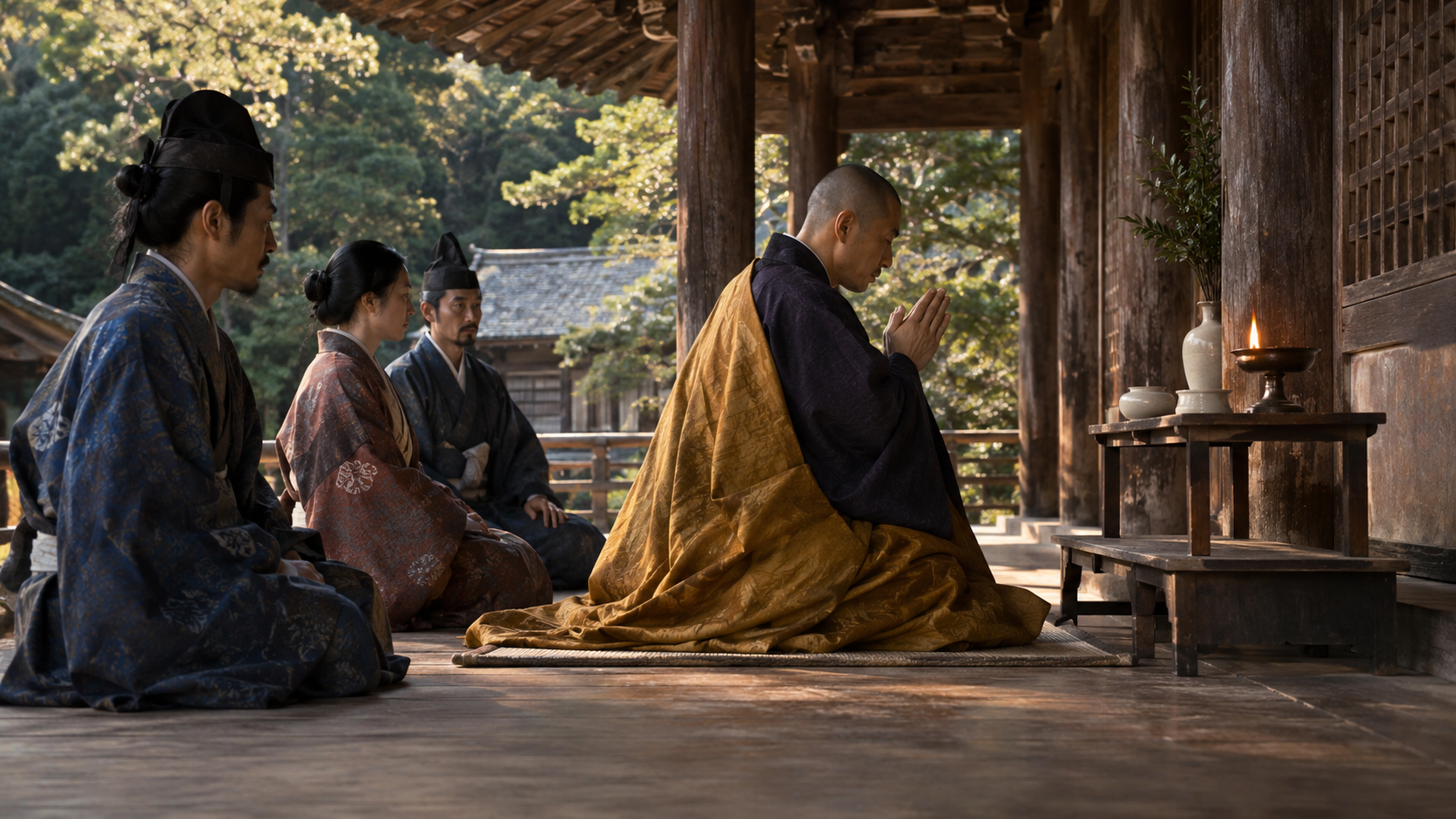
The National Archives presents the idea that narration intended to pacify the brothers’ spirits contributed to the story’s early form as a supposition. The beginning of that process is not fully established.
The explanation nevertheless points to a possible role beyond recording victory, killing and punishment. Narration can return the dead to an audience’s attention through departure, family relationships and grief.
This is an interpretation of the work of remembering. The narrative should not be used unchanged as proof of every episode in 1193, but it can be studied as evidence of how later people received the brothers.
Scene 08
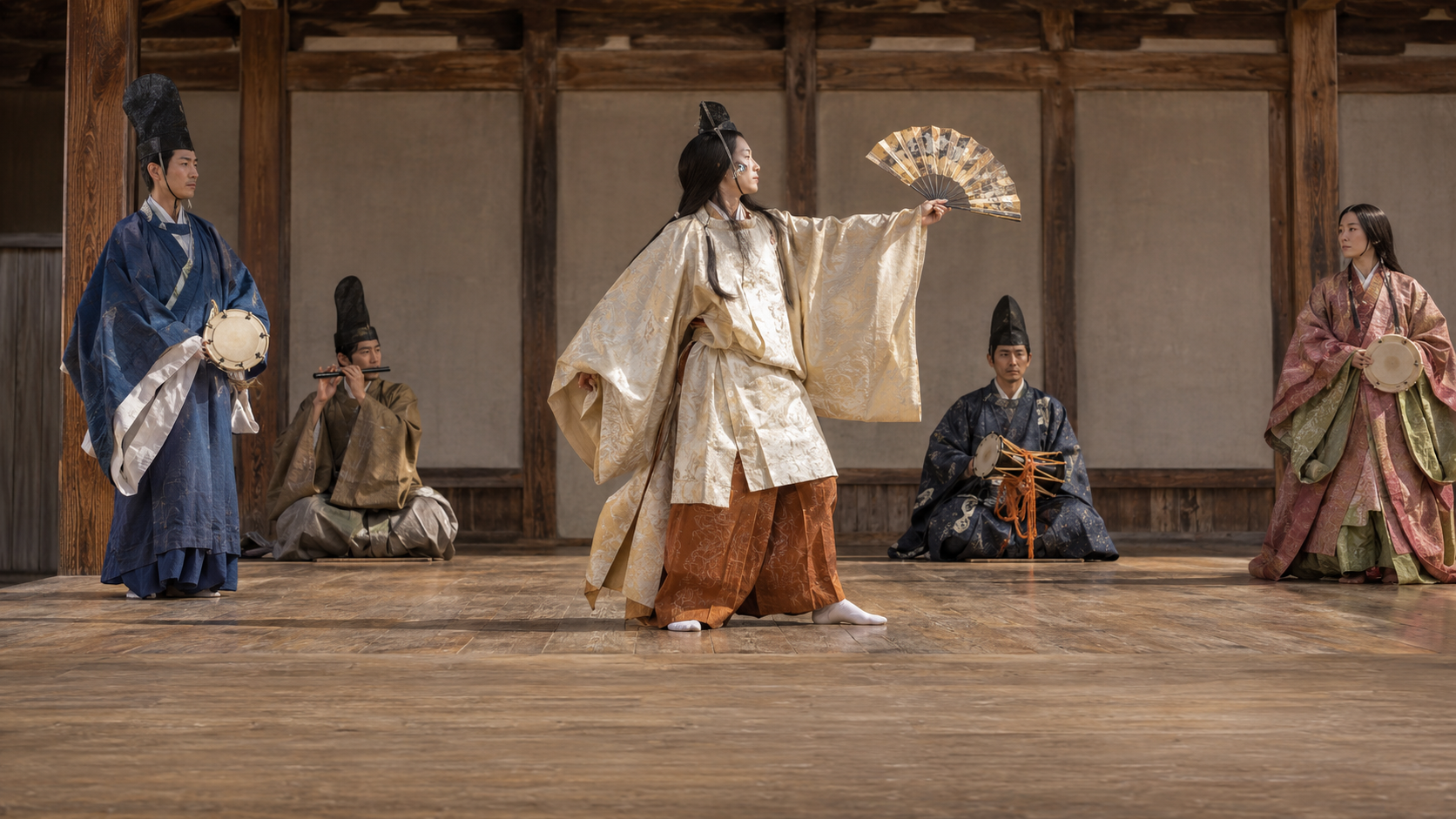
Noh selects an encounter with the mother
The Nohgaku Performers’ Association’s synopsis of Kosode Soga begins with the brothers visiting their mother. Within the play, their appeal changes a relationship in which the younger brother remains disinherited, and the brothers perform a departure dance.
This selection centres time spent between mother and children instead of staging only the attack at the lodging. An audience that knows the ending can experience departure as a final separation.
That is the play’s dramatic action, not a transcript of the historical mother’s words. Reading it as a work allows the chosen scene to matter without turning its speech into documentary evidence.
Scene 09
A meeting in which the enemy is not killed
Kabuki’s Soga encounter chooses another point of tension. Ritsumeikan University’s exhibition explanation describes the brothers meeting Suketsune through Kobayashi Asahina’s assistance. Goro presses toward attack while Juro and Asahina restrain him.
The revenge does not happen in that encounter. In the stage story, Suketsune promises a later meeting after his duty and provides items connected with access to the hunt before they part.
The encounter accumulated varied treatments within Edo Soga plays and later became an independent performance piece. Its appeal cannot be reduced to showing the final killing: the anticipated confrontation was itself something audiences repeatedly watched.
Scene 10
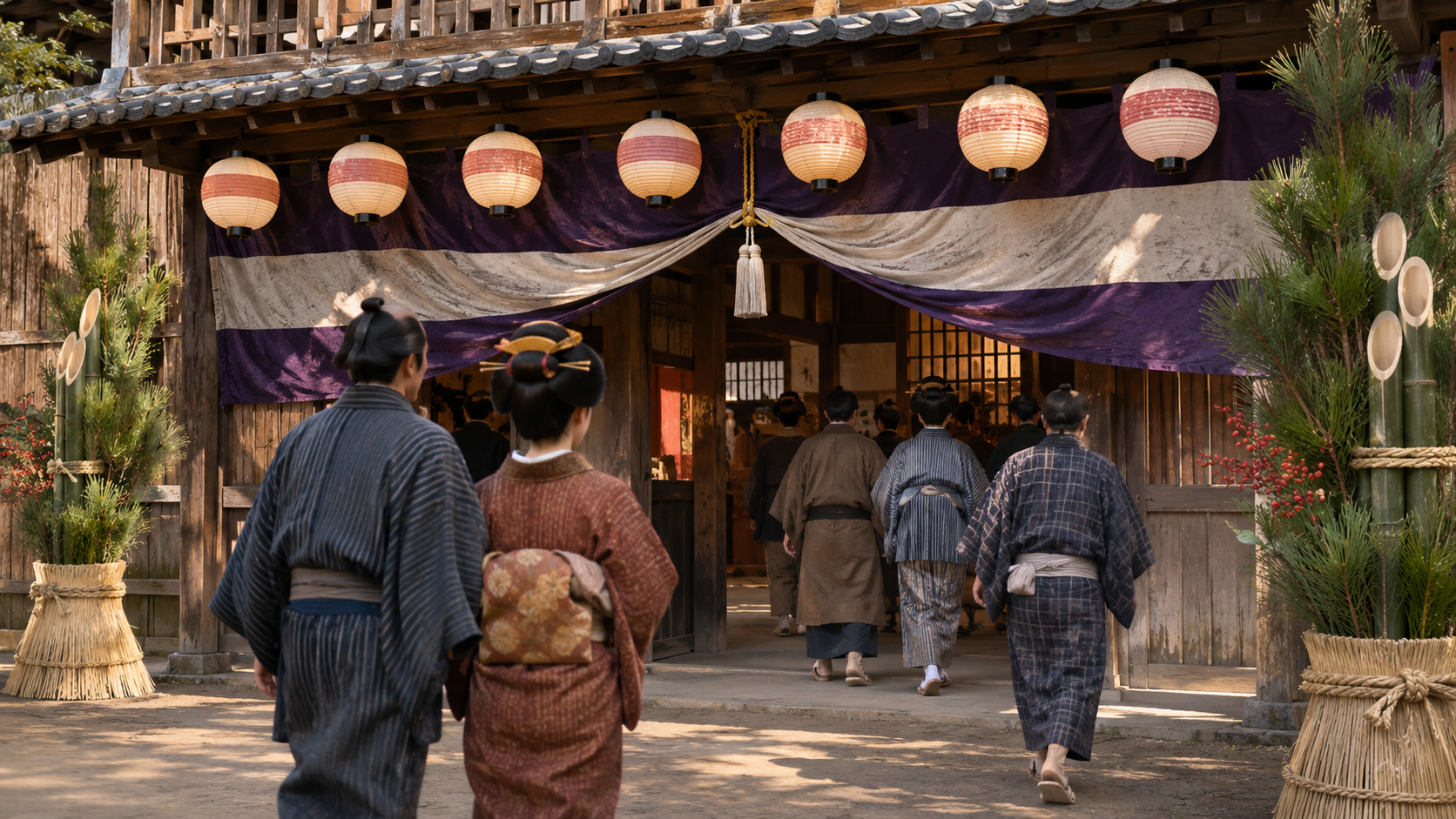
The New Year programme returns to Soga
The Japan Arts Council’s lecture report explains how Soga plays became a customary New Year attraction at Edo’s three theatres. It mentions works including Kotobuki Soga no Taimen, Yanone and Sukeroku within the subject’s theatrical connections.
Repeated performance did more than reproduce the entire event from beginning to end. Familiar roles, an actor’s art and a new treatment of a known subject could all give the return its appeal.
That is an interpretation of theatrical repetition, rather than a claim about every individual spectator’s feelings. A fatal story could draw people to a festive season’s performance without changing the outcome of the original revenge.
Scene 11
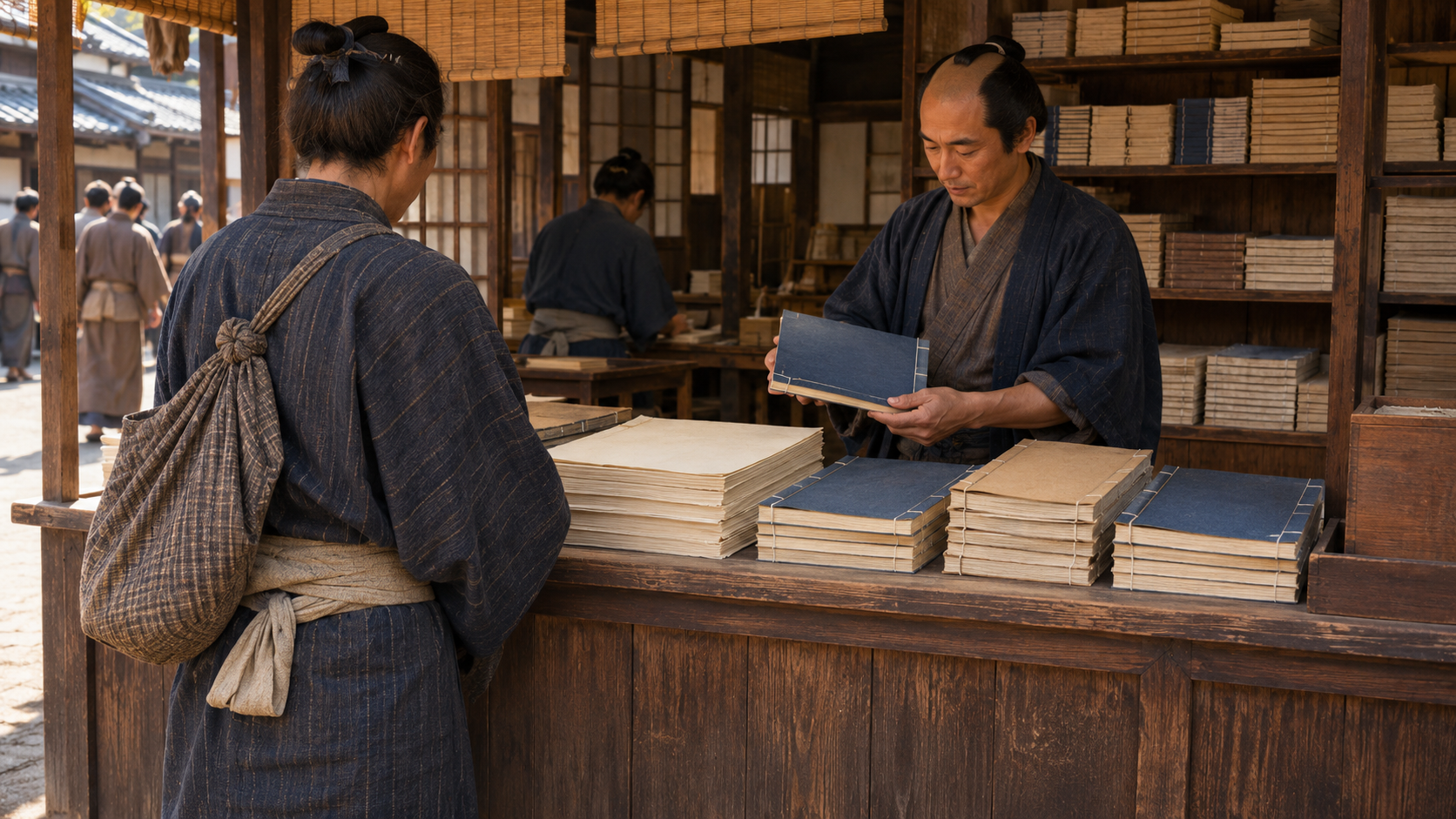
Roles and actors travel onto paper
Tokyo Metropolitan Library introduces a taimen sugoroku showing Soga characters through actors’ likenesses, accompanied by role and actor names. Comparing the performers and their careers, the library estimates an early-1816 New Year publication.
The faces in this material concern later actors and performance culture. They are not authenticated likenesses of the Kamakura-period warriors.
Fuji Kaguya-hime Museum also follows Soga subjects through prints and visits to associated places. A story could move between stage, paper and landscape. An old image is useful for studying that movement without being a direct picture of the historical crime scene.
Scene 12
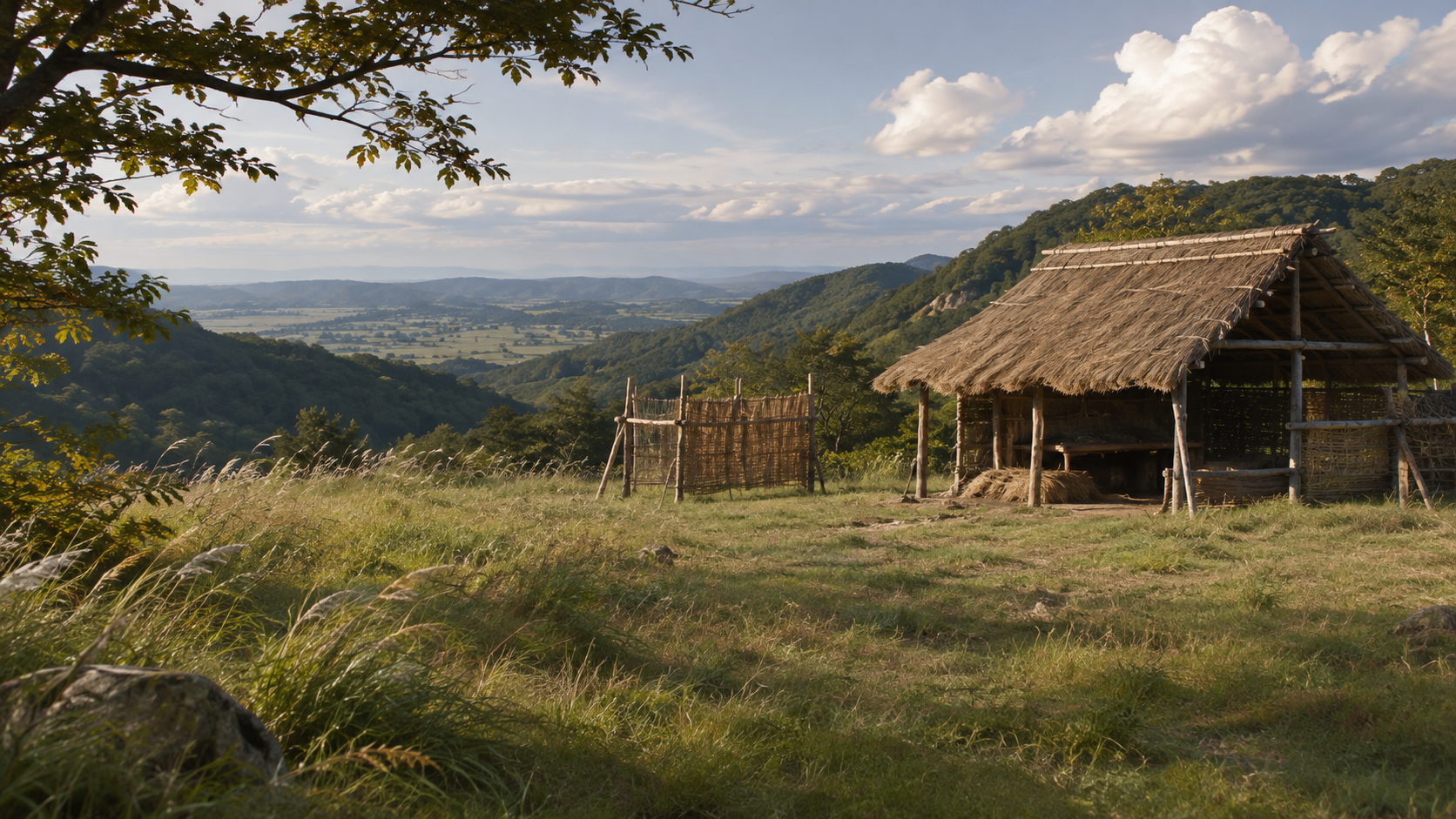
Keep the two histories readable
The event’s broad course leads to Suketsune’s killing and the brothers’ subsequent deaths. The history of representing them then continues through narration, family farewells, anticipated confrontation, performance, printing and visits to related sites.
Separating record and story preserves both their uses. It asks what is reported to have happened and what later makers chose to bring before an audience.
The single night in 1193 and the many occasions on which a curtain rose should retain their different times. Together they show how one ending could become the starting point for many works.
How to read this work
History, interpretation, and reconstruction
Distinguishing the event’s outcome from the scenes selected by later works explains how a fatal revenge became a recurring subject for storytelling and festive theatre.
This work is grounded in published sources and historical research. Interior thoughts, dialogue, and some visual details are cinematic reconstructions. Where historians disagree, the article presents the point as debated rather than settled fact.
Timeline
The story in time
-
Compilation of the Azuma Kagami is placed around this time, rather than on the night of the event.
Sources: s02 -
Publication year of the Soga Monogatari edition introduced by the National Archives, not the story’s first formation.
Sources: s01 -
Soga plays become associated with customary New Year programmes.
Sources: s08 -
Tokyo Metropolitan Library dates the taimen sugoroku by comparison of the depicted actors and their active periods.
Sources: s10 -
The Soga encounter is performed as an independent piece.
Sources: s07
People & terms
A guide for new readers
Glossary
- Makigari 巻狩
- A hunt involving surrounding game; the institutional account also considers the Fuji assembly’s military and political setting.
- Azuma Kagami 吾妻鏡
- A chronicle concerning the Kamakura shoguns, compiled later than the 1193 revenge it describes.
- Soga Monogatari 曽我物語
- Narratives of the brothers transmitted in differing textual families, manuscripts and printed editions.
- Kosode Soga 小袖曽我
- A noh play selecting the brothers’ encounter with their mother and departure; its dialogue belongs to the work.
- Taimen 対面
- An encounter or formal meeting; the Soga stage encounter builds tension without performing the final revenge in that scene.
- Sugoroku 双六
- An illustrated game format; the cited example depicts theatrical roles through later actors’ likenesses.
Sources & method
How this article was built
The broad event, a chronicle’s compilation, narrative families and individual stage plots are treated as separate subjects. The hypothesis of narration to pacify spirits remains attributed and qualified. No precise original exchange between the brothers, their mother or Suketsune is invented.
Later pictures and performances are useful evidence for reception and artistic selection. A printed edition’s year does not date the first telling of a story, and an actor’s portrait does not establish a medieval warrior’s face. The article reproduces no institutional manuscript image, print, original theatrical photograph or source-book page.
Sources
References and further reading
- Soga Monogatari, Exhibition Entry 19 国立公文書館「19.曾我物語」 Title translated editorially for reader convenience. National Archives of Japan 国立公文書館 Textual families, the estimated role of spirit-pacifying narration and an edition printed in 1687. Formation and publication dates are distinguished. Accessed 2026-11-06
- Azuma Kagami, Exhibition Entry 8 国立公文書館「8.吾妻鏡」 Title translated editorially for reader convenience. National Archives of Japan 国立公文書館 The compilation’s character, uncertain authorship and estimated date around 1300; it is not described as a book completed on the night of the revenge. Accessed 2026-11-06
- The Soga Brothers’ Revenge 小田原市「曽我兄弟の仇討ち」 Title translated editorially for reader convenience. Odawara City 小田原市 Institutional outline of the event and aftermath. Historical month and day are retained without silent conversion to the modern calendar. Accessed 2026-11-06
- The Soga Brothers ジャパンサーチ「曾我兄弟」 Title translated editorially for reader convenience. Japan Search / Historiographical Institute, University of Tokyo explanation ジャパンサーチ/東京大学史料編纂所解説 Chronicle entry, textual traditions, adaptations and printed editions. Repeated chronicle references are not additional eyewitnesses. Accessed 2026-11-06
- Exploring Kamakura-Period Fujinomiya 富士宮市「いざ富士宮!鎌倉時代の富士宮探訪」 Title translated editorially for reader convenience. Fujinomiya City 富士宮市 The hunt’s wider military and political gathering and places associated through tradition; exact camp deployment is not established from modern sites. Accessed 2026-11-06
- Kosode Soga: Play Synopsis 能楽協会「小袖曽我」 Title translated editorially for reader convenience. Nohgaku Performers’ Association 能楽協会 Used as a synopsis of the noh work, not as a record of the historical mother’s dialogue or private feelings. Accessed 2026-11-06
- Soga no Taimen, Exhibition Section 4.1.3 立命館大学ARC「4.1.3 曽我の対面」 Title translated editorially for reader convenience. Ritsumeikan University Art Research Center 立命館大学ARC The encounter’s dramatic plot, variations in Edo New Year plays and later independent staging. Stage action is distinguished from the event. Accessed 2026-11-06
- New Year Theatre and Festive Clothing 日本芸術文化振興会「あぜくらの集い 初芝居と晴れ着」 Title translated editorially for reader convenience. Japan Arts Council 日本芸術文化振興会 Lecture report concerning customary New Year Soga performances and related repertoire. It does not establish every spectator’s individual response. Accessed 2026-11-06
- The Soga Brothers! 富士山かぐや姫ミュージアム「曽我兄弟!」 Title translated editorially for reader convenience. Fuji Kaguya-hime Museum 富士山かぐや姫ミュージアム The subject’s adaptation into performance, prints and visits to associated places; later material is not treated as a direct image of the hunt. Accessed 2026-11-06
- Taimen Sugoroku, Entry 6 東京都立図書館「6.対面双六」 Title translated editorially for reader convenience. Tokyo Metropolitan Library 東京都立図書館 Actor likenesses and names support an estimated New Year 1816 date. The figures represent actors rather than authenticated medieval portraits. Accessed 2026-11-06
- Questions Surrounding the Soga Revenge 静岡県立中央図書館公開PDF「曽我兄弟仇討ち事件の謎」 Title translated editorially for reader convenience. Shizuoka Prefectural Central Library, published study booklet 静岡県立中央図書館公開PDF The two relevant printed pages discuss a chronicle excerpt, proposed political backgrounds and narrative formation. Theories are not silently combined into a settled motive. Accessed 2026-11-06
- Soga Monogatari and Ukiyo-e, Part 1 小田原市「曽我物語と浮世絵1」 Title translated editorially for reader convenience. Odawara City 小田原市 A further institutional presentation of the incident and its representation. Shared chronicle material is not counted as independent contemporary testimony. Accessed 2026-11-06
Continue reading
More stories from Shigeki
Shigeki English
Japan’s Land Tax Reform: Rice, Cash and the Land Certificate
The measurements and valuations behind a tax of three percent of land value.
- When Certificates associated with 1872; reform from 1873; rate reduction in 1877 and implementation continuing to 1881
- Where Japan, with regional examples from Gifu, Niigata, Kumamoto and Nagano
Shigeki English
Taira no Masakado: From a Family Conflict to Provincial Rebellion
Follow changes in opponents and authority between 935 and 940.
- When 935–940; later legends, manuscripts and printed editions considered separately
- Where Eastern Japan, including Hitachi, Shimotsuke, Kozuke and Shimosa, within a provincial geography different from modern prefectures