
SHIGEKI ENGLISH STORYEN
Japanese history in English
The Einin Tokuseirei: Two Deeds and the Conditions for Recovering Land
Buyer status, twenty years and the legal work done by a sale deed and a transfer deed.
Begin with two documents for the same field in 1297. Read the Einin order through the status of purchasers, possession periods, official documents, future transfers, litigation and interest-bearing loans. Distinguish the law’s dates from transactions and its later use in a dispute in 1345.
At a glance
Before you enter the story
- When
- The order and transactions of 1297; a later use of the copied law in litigation in 1345
- Where
- The Kamakura government, its Rokuhara administration in Kyoto and a field in Yamashiro Province
- Key figures
- Nobe Tomoyoshi, The woman identified as Fujiwara in the deeds, The cultivators of Shimokuze estate
- What was at stake
- Whose transferred land could be recovered, under what conditions, and why might the same transaction leave two different deeds?
Why this story matters
The larger history behind the turning point
Calling a measure “debt relief” can conceal differences among creditors, purchasers, forms of property and court procedure. The surviving clauses require several questions rather than a single yes-or-no test. Those distinctions matter to the people trying to maintain claims over land already transferred.
The two deeds also reveal a response to law through paperwork. Their wording and an annotation support the institution’s interpretation of a protective strategy, while leaving its timing and eventual success uncertain. The uncertainty is part of the historical evidence, rather than an invitation to invent the parties’ private conversation.
Historical context
What an international reader needs to know
Terms that describe relationships, not a modern universal public
Gokenin were warriors in a lord–vassal relationship with the Kamakura government. The distinction between them and people outside that relationship appears in the treatment of purchasers. It should not be replaced by a modern assumption that every buyer enjoyed an identical legal position.
Land is the central object in the clauses examined here, but the measure also deals with litigation and interest-bearing lending. A rule governing recovery of a transferred field is not automatically a statement that every loan, household obligation and pledged movable object simply ceased to exist.
A medieval text can survive through a later dispute
The institution explains that cultivators of Shimokuze estate submitted copied provisions in litigation in 1345. The copied text bears a date in 1297. The date of the rule and the later occasion on which the copy was used therefore refer to different activities.
Historical month and day labels follow the calendar then in use. A modern catalogue, an institutional transcription, an educational excerpt and an original handwritten document also require different levels of reading. The account uses the stated descriptions and transcription; it does not claim to have independently deciphered every character on all original sheets.
Watch the film
See the story in motion
The film currently uses Japanese audio. This English article provides the context and source trail; it does not imply that an English subtitle track is available.
Scene 01
Two documents for one field
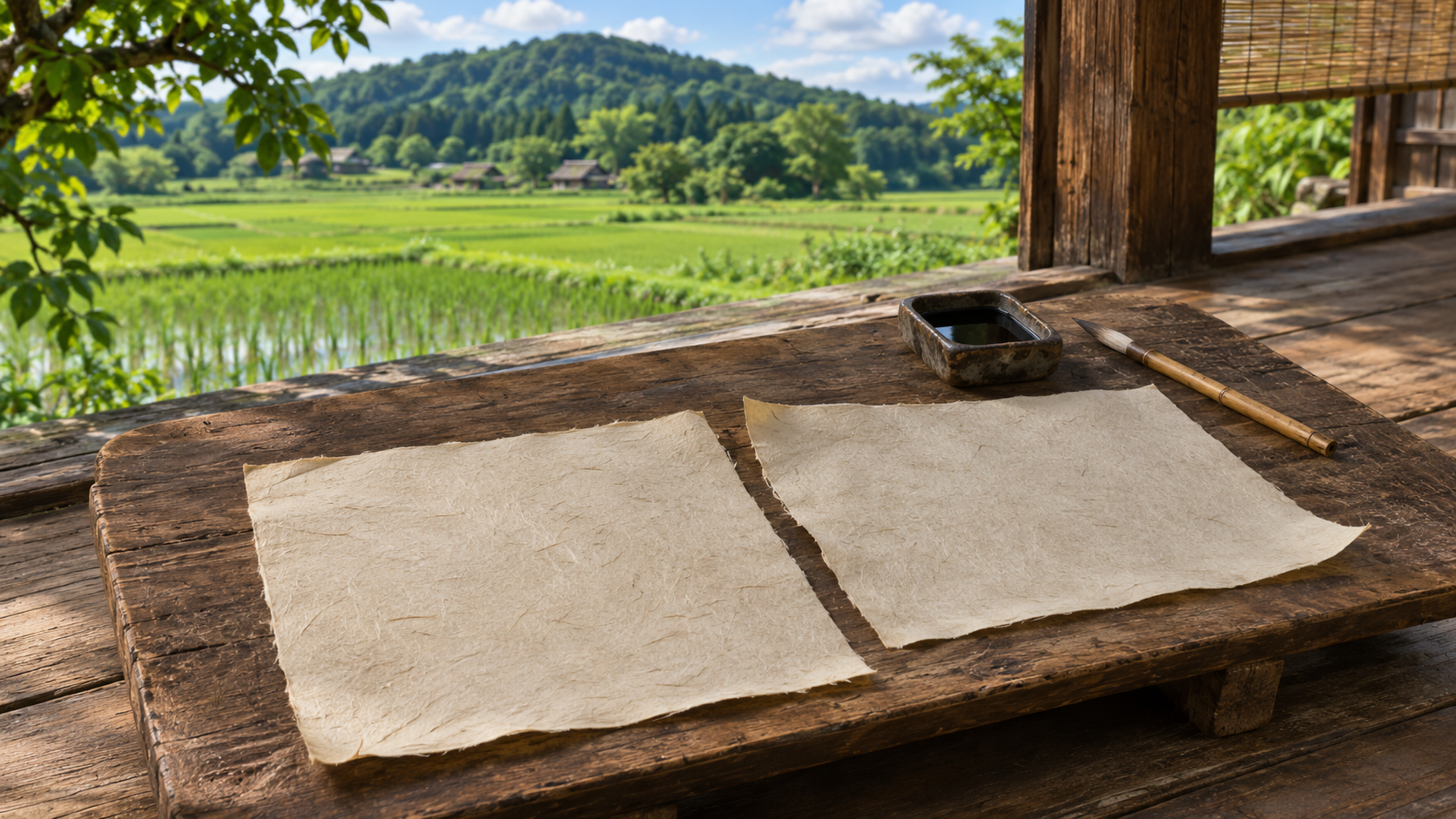
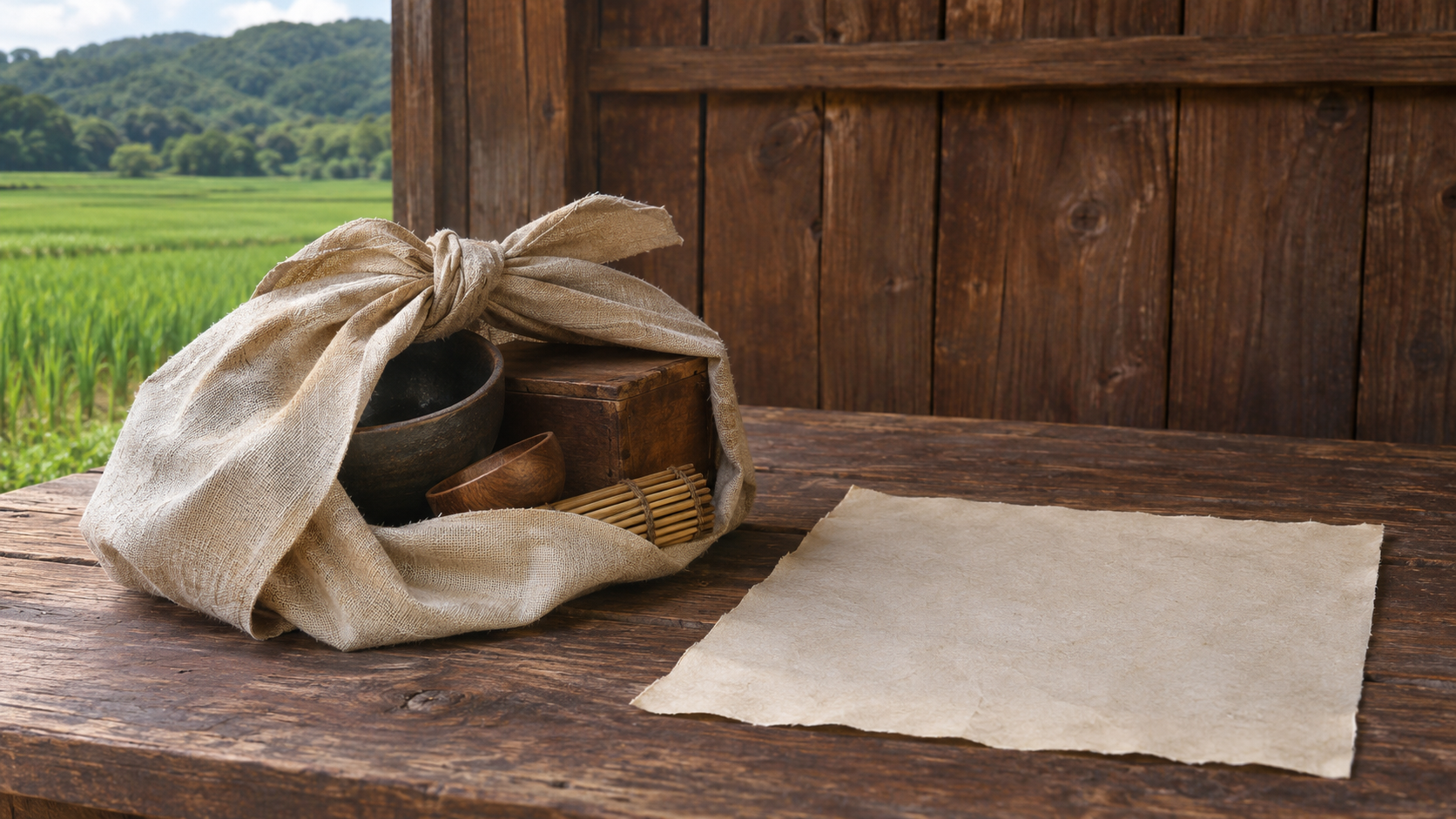
In 1297, two kinds of deed were made on the same date for the same field. One described a sale; the other described a transfer. The name of the person disposing of the land appears in both, and the recipient is also shared.
An annotation on the transfer deed connects the receipt of two documents with the government’s tokusei measure. The puzzle is not merely why two pieces of paper survived, but why two different documentary forms might matter to the same transaction.
The pair offers an entry into the conditions of the Einin order and the way a change in law could affect preparations made to support a claim.

Scene 02
Look at the purchaser as well as the former holder
The name Einin tokuseirei can suggest a command erasing everyone’s debts at once. The land provisions instead require attention to the identity of the purchaser. A former holder seeking recovery was only one participant in a transfer.
The buyer might be another gokenin, or someone outside that relationship. The provisions did not treat those positions as interchangeable.
Asking only whether a person had a debt misses the conditions relevant to land already sold or pledged. To understand a recovery claim, the two sides of the transfer need to remain in view.
Scene 03
How the provisions reached the surviving collection
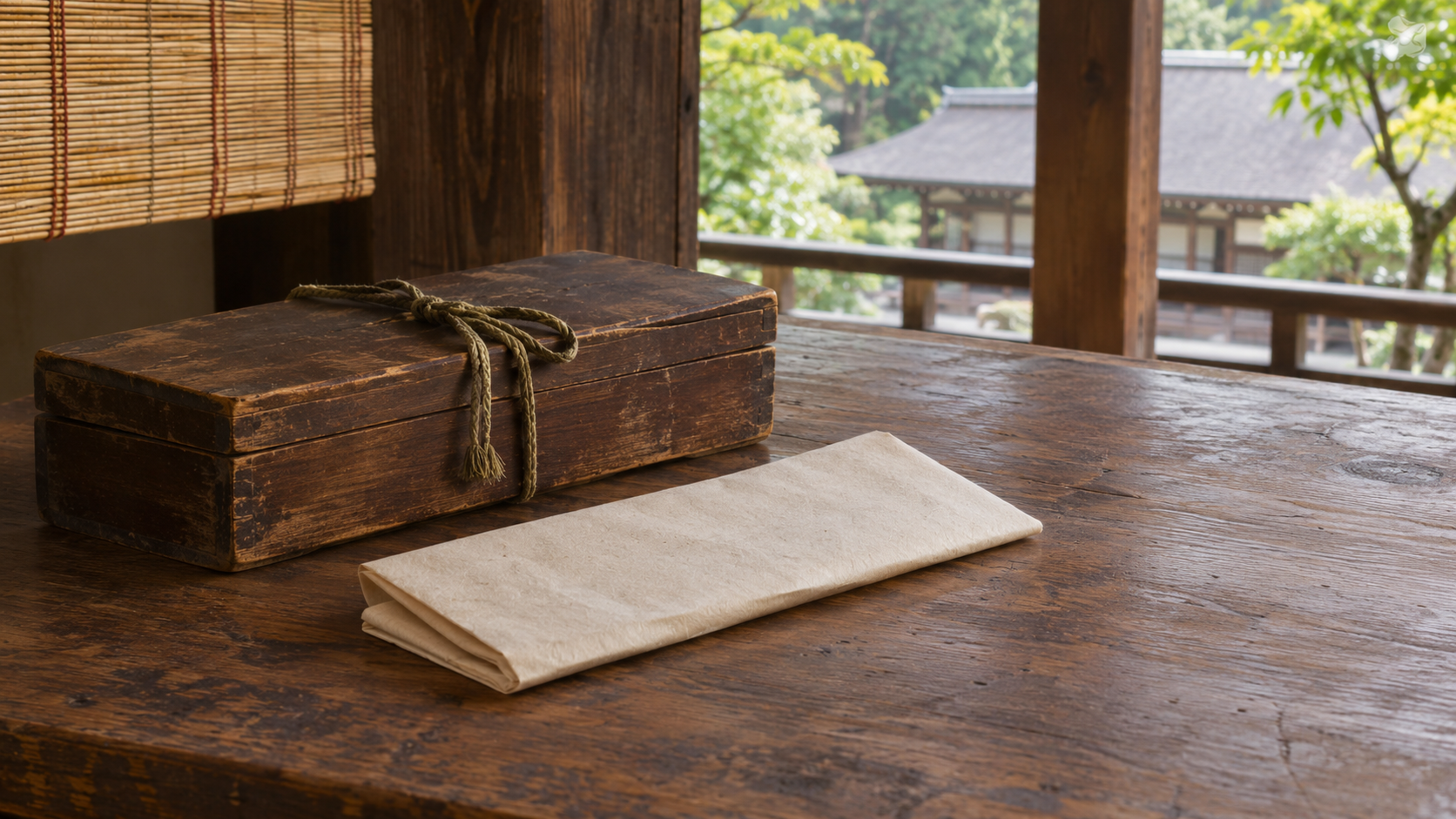
The Toji Hyakugo Archives, held by the Kyoto Institute, Library and Archives, include a draft or copy of provisions dated the sixth day of the third month of Einin 5, or 1297. The institution describes its later role as evidence submitted by the Shimokuze cultivators in 1345.
This is a history of transmission and use as well as of government command. A rule could be copied and invoked in an argument long after its stated date.
Preserving that distinction prevents the surviving paper from being casually described as a complete record of the moment when the order was first proclaimed.
Scene 04
Twenty years is a condition, not a universal expiry date
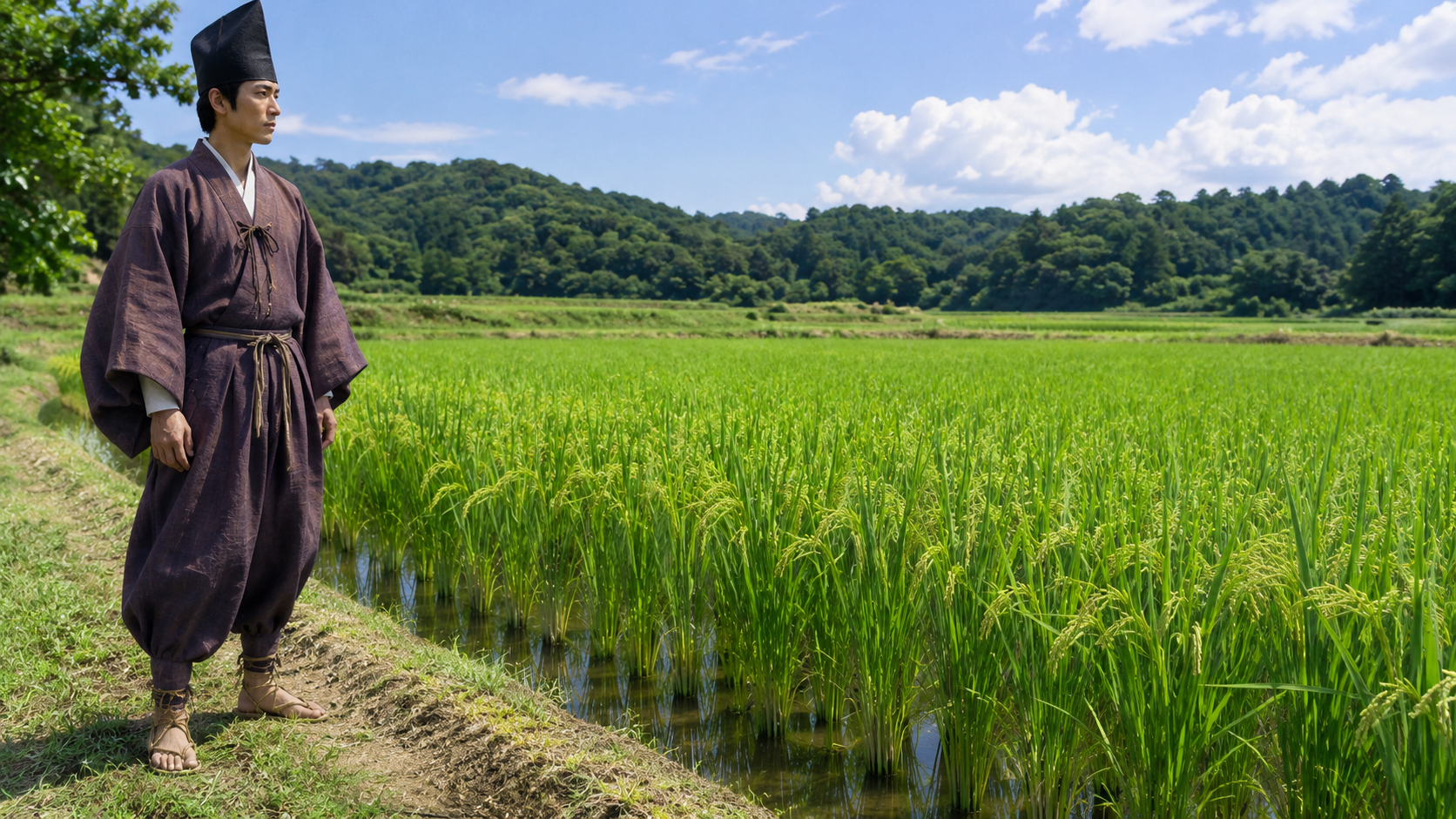
For land purchased by jito or gokenin, the relevant provision refers to observance of established rules and states that land held beyond twenty years need not be recovered by its former holder. The identity of the purchaser comes before the period in this reading.
Twenty years is not a general countdown after which everybody’s debts disappear. Nor does a former holder’s wish to recover a field make recovery unconditional.
This relationship between status and time is why taking the number out of its clause changes the meaning. An educational excerpt can help explain it, but the institutional transcription supplies the fuller legal context used here.
Scene 05
Future transfers, earlier transfers and recognized possession
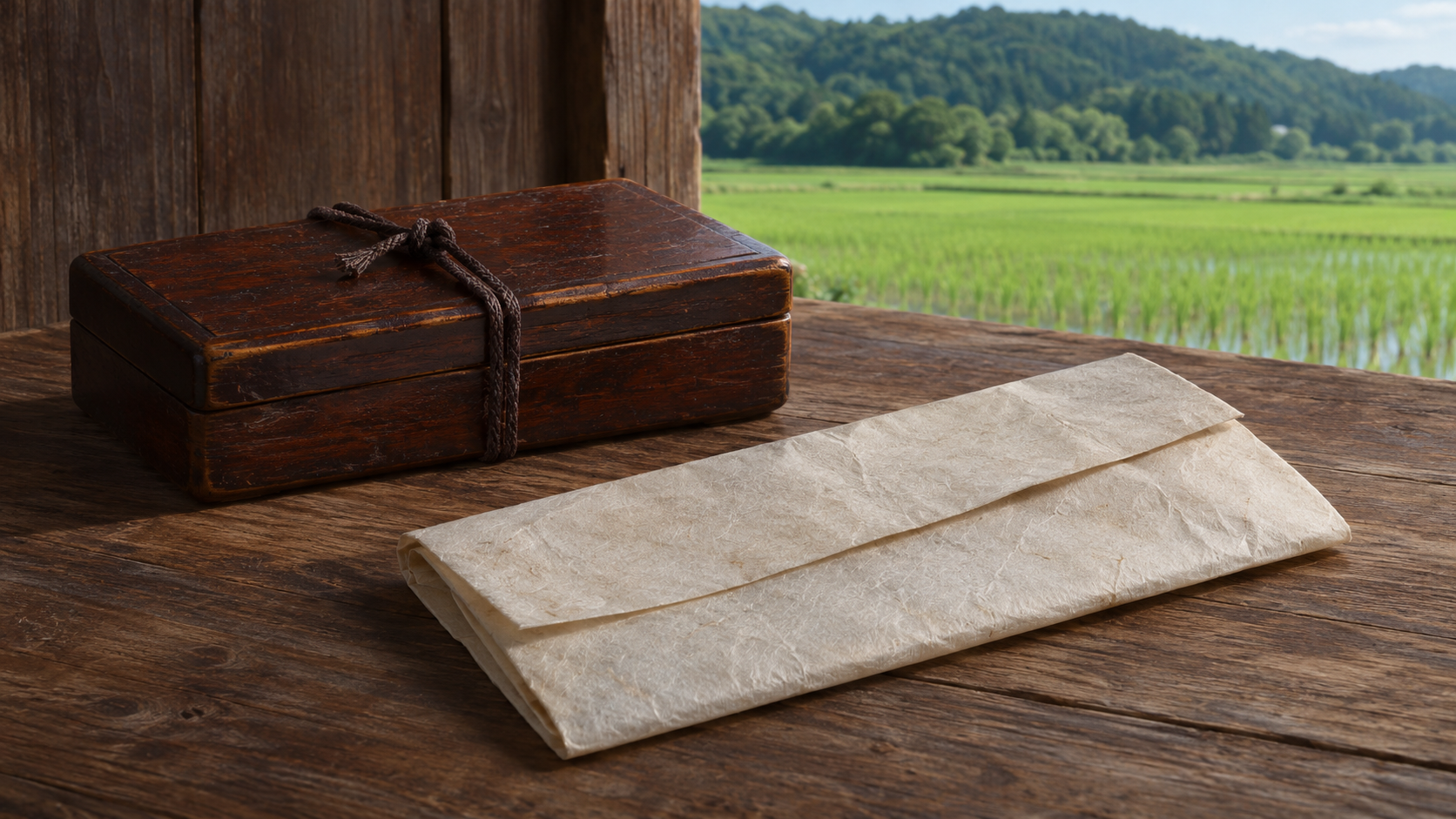
The same group of records preserves provisions communicated from Kanto to Rokuhara. They prohibit future pledging or sale of gokenin holdings, while addressing the return of land previously transferred.
The text also provides qualifications involving government documents and possession extending beyond twenty years. Those qualifications belong to the treatment of rights already established or recognized.
Stopping a future transaction, reversing an earlier one and deciding how to treat an existing title are separate legal operations. A single broad phrase such as “give the land back” cannot express all of them.
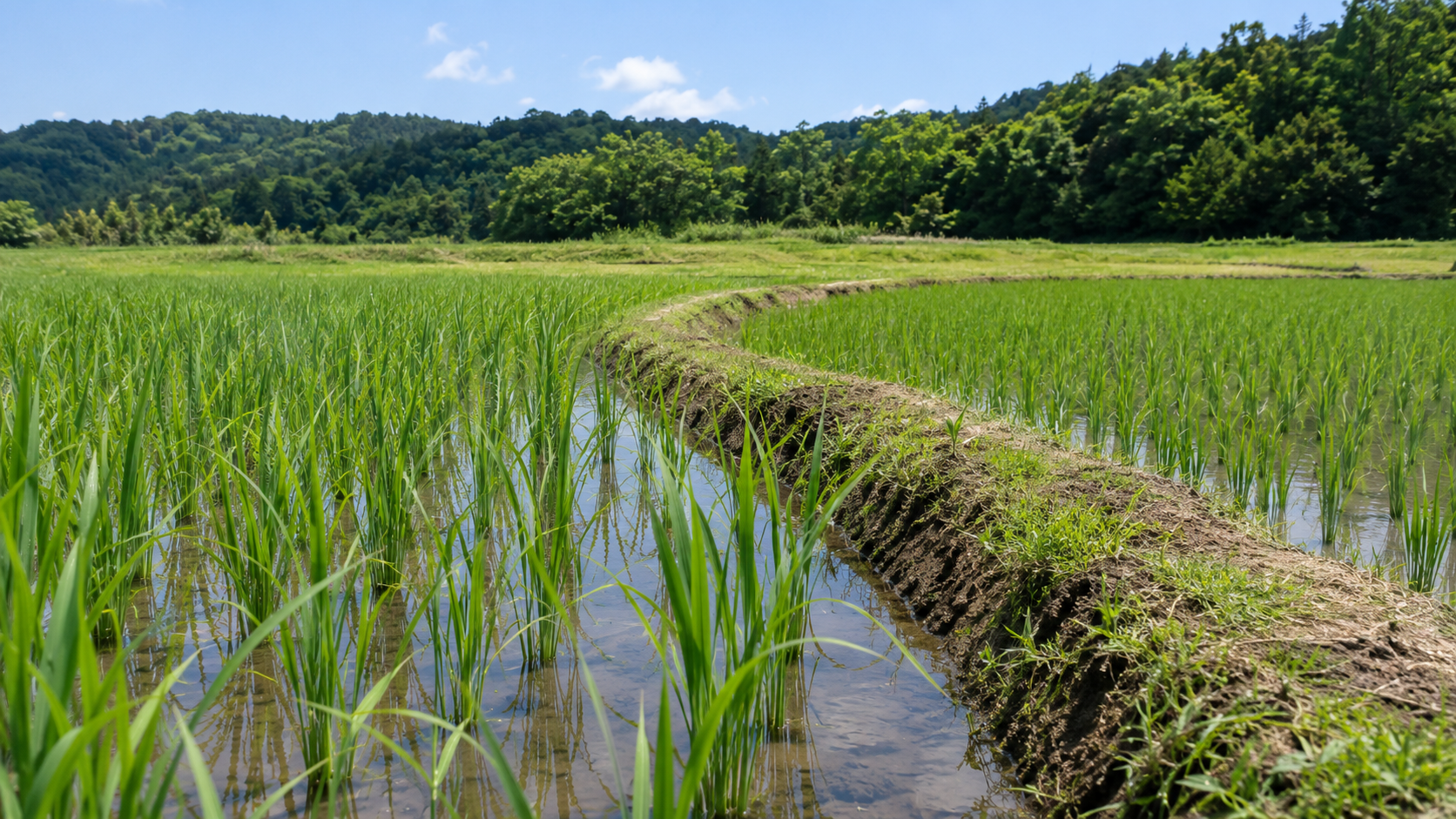
Scene 06
A different purchaser, a different treatment
The clauses separately address land purchased by people described as non-gokenin or bonge. Here the text states recovery without regard to whether a long or short time had elapsed. The twenty-year condition cannot be applied indiscriminately to this category.
The result is a framework in which the purchaser’s position affects the protection of an acquired claim. That is a feature of the wording, not a list of completed recoveries.
To establish what happened in a particular district, one would also need evidence of disputes, judgments and enforcement. A legal standard and a local outcome remain different things to investigate.

Scene 07
The measure also concerns access to litigation
Another provision concerns osso, a term associated with renewed challenges to judicial decisions. It describes repeated litigation as burdensome and unsettling, including to a party whose position had been recognized.
The text indicates a stop while distinguishing matters that had not yet been adjudicated. It is therefore not a statement that every court case was abolished.
Land recovery was only one part of the measure. The handling and closure of disputes also shaped the conditions in which claims might be pursued. Keeping the procedural clause separate helps prevent a property rule from becoming a universal description of judicial practice.
Scene 08
Read the lending clause on its own terms
A further provision deals with risen suiko, lending associated with interest. Its wording criticizes burdens that deepen the difficulty of people in need and states a refusal of adjudication in the specified matters.
It also addresses complaints that payment had not been made despite an existing order. Alongside this is a qualification concerning the pledging of goods in storehouses.
Land recovery, money-related litigation and the pledging of movable goods do not become one identical act merely because they appear within the same measure. The article therefore avoids an image of all obligations vanishing in a single instant.

Scene 09
Return to the transfer deed and sale deed
Both deeds are dated the twenty-third day of the sixth month of Einin 5. They concern the same field in Yamashiro and connect the same parties, but one is framed as a sale and the other as a transfer.
The institution interprets the pair as a possible precaution: if a sale became vulnerable to recovery, the buyer could also possess a deed representing the acquisition as a gratuitous transfer.
That explanation is attributed to the institutional commentary. It is not a verbatim record of an agreement spoken aloud, and it does not establish that the strategy ultimately protected the field.

Scene 10
An annotation does not supply every missing event
The annotation establishes a connection between tokusei and receiving two documents. The commentary also allows that the writing may have been added later. Its timing should not simply be assumed to coincide with the original transaction.
The surviving pair thus supports a question about legal preparation while leaving other questions open. We cannot infer a successful defence of possession merely because both deeds remain in an archive.
Separating what is written from what is absent makes the problem more specific. It lets us consider the parties’ difficult situation without supplying their thoughts or inventing a final judgment.

Scene 11
Issuing, transmitting, transacting and invoking
The sequence includes provisions dated the sixth day of the third month, two deeds of the twenty-third day of the sixth month and a related government communication dated the twenty-second day of the seventh month. In 1345, a copied law was used in litigation.
These dates do not all identify the same event. They concern issuance, communication, a transaction and later invocation. The local chronology’s entry for 1297 helps locate the order, without replacing those distinctions.
A timeline is most useful when it preserves the activities attached to each date. It becomes less useful if every provision and every response is crowded beside a single proclamation day.
Scene 12
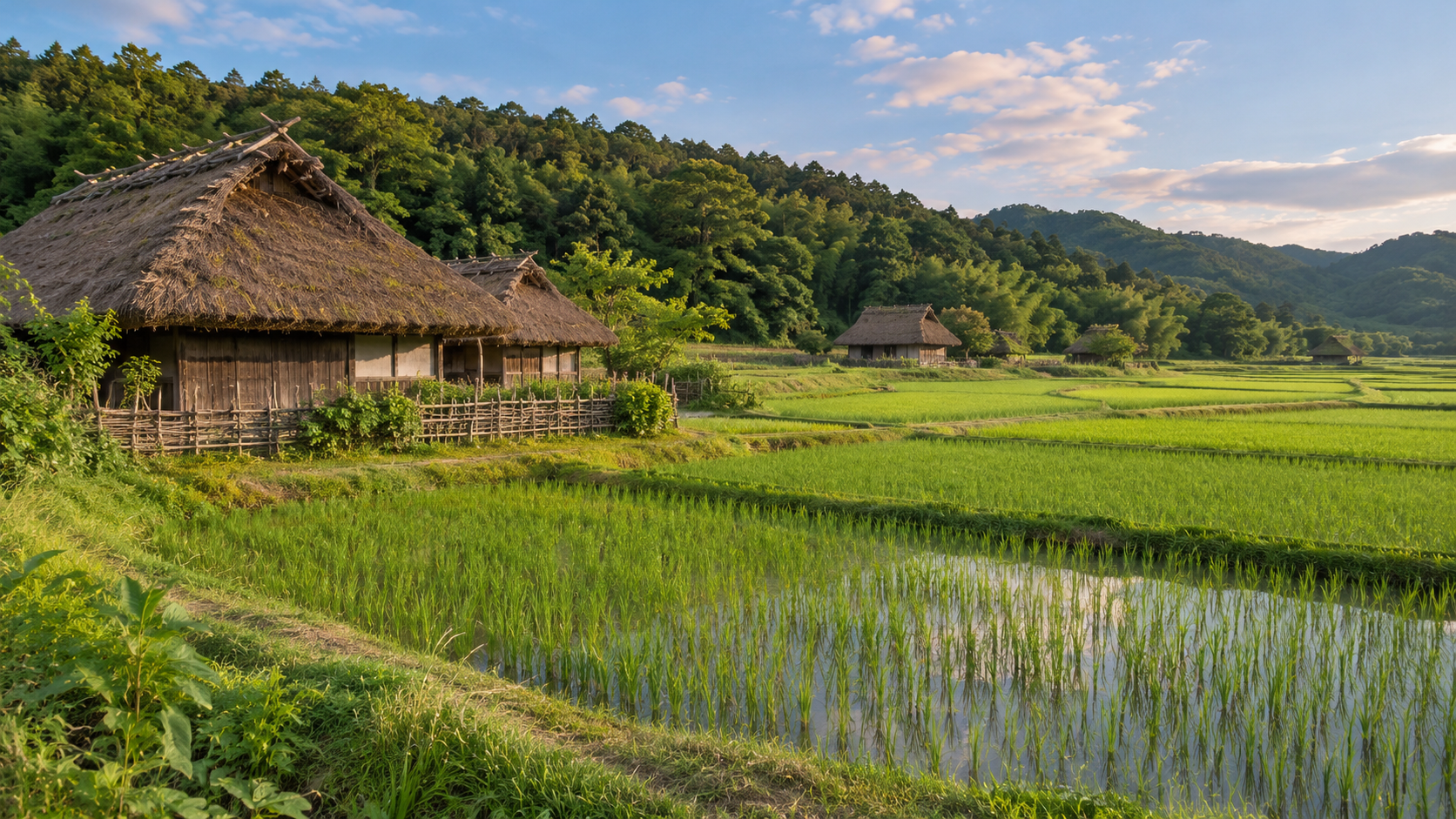
Whose land could come back?
The answer requires more than identifying a person with a debt. The positions of former holder and purchaser, the length of possession and the existence of official documents all belong to the conditions considered in the surviving provisions.
The two deeds show people responding to that legal environment through the documents they held. Cultivation continued on land whose claims were also expressed, defended and contested on paper.
The short name tokusei opens onto this relationship between fields, documents and argument. The law mattered through how people read it, invoked it and prepared for its effects, while the surviving evidence still leaves particular outcomes unresolved.
How to read this work
History, interpretation, and reconstruction
The Einin order was not a universal instant cancellation of every debt: its conditions affected land claims and the documentary preparations people made to defend them.
This work is grounded in published sources and historical research. Interior thoughts, dialogue, and some visual details are cinematic reconstructions. Where historians disagree, the article presents the point as debated rather than settled fact.
Timeline
The story in time
People & terms
A guide for new readers
Glossary
- Tokuseirei 徳政令
- A measure concerning restoration or relief. Its particular clauses and qualifications must be read rather than assumed from the name.
- Gokenin 御家人
- A warrior in a lord–vassal relationship with the Kamakura government; the purchaser’s relationship affects the clauses examined here.
- Jito 地頭
- A land-related official or steward; the text places jito and gokenin within a specified purchaser category.
- Baiken 売券
- A deed recording a sale, distinguished here from a deed representing a transfer in a different form.
- Yuzurijo 譲状
- A transfer deed. The institution interprets its presence beside a sale deed as a possible protective documentary strategy.
- Osso 越訴
- Renewed resort to litigation or challenge to a judgment; its treatment is read separately from the land clauses.
- Risen suiko 利銭出挙
- Interest-bearing lending discussed in a distinct provision, rather than an automatic synonym for every land transaction.
Sources & method
How this article was built
The first four references identify different passages in one exhibition publication. The next two are catalogue records in the same collection. These are not six independent contemporary witnesses. The legal clauses are approached through the institution’s transcription, while the interpretation of the two deeds remains expressly attributed to its commentary.
Physical PDF pages 13–15 correspond to printed pages 11–13; the reference notes distinguish those two numbering systems. No source page or manuscript image is reproduced. The article preserves uncertainty about the annotation’s timing, the parties’ intentions and the eventual success of any defensive strategy.
Sources
References and further reading
- Toji Hyakugo Exhibition, 2018: Copied Government Provisions, Printed Page 11 平成30年度東寺百合文書展 文書の解説(前期展示部分)印刷11頁 関東事書案 Title translated editorially for reader convenience. Kyoto Institute, Library and Archives 京都府立京都学・歴彩館 The relevant page is PDF page 13, confirmed from its printed pagination. Institutional transcription and commentary; not a full independent decipherment of the original handwriting. Accessed 2026-11-06
- Toji Hyakugo Exhibition, 2018: Lending Provision, Printed Page 12 平成30年度東寺百合文書展 文書の解説(前期展示部分)印刷12頁 利銭出挙条項 Title translated editorially for reader convenience. Kyoto Institute, Library and Archives 京都府立京都学・歴彩館 The continuation appears on PDF page 14. The lending clause is separated from land recovery and the qualification about pledging goods. Accessed 2026-11-06
- Toji Hyakugo Exhibition, 2018: Nobe Tomoyoshi Transfer Deed, Printed Page 12 平成30年度東寺百合文書展 文書の解説(前期展示部分)印刷12頁 野部友吉田地譲状 Title translated editorially for reader convenience. Kyoto Institute, Library and Archives 京都府立京都学・歴彩館 Institutional transcription and interpretation of the transfer deed and annotation; the possibility of later annotation is retained. Same exhibition publication as the surrounding references. Accessed 2026-11-06
- Toji Hyakugo Exhibition, 2018: Sale Deed, Printed Page 13 平成30年度東寺百合文書展 文書の解説(前期展示部分)印刷13頁 同日売券 Title translated editorially for reader convenience. Kyoto Institute, Library and Archives 京都府立京都学・歴彩館 PDF page 15. The sale deed is compared with the preceding transfer deed; no modern-currency conversion or unrecorded final outcome is supplied. Accessed 2026-11-06
- Toji Hyakugo Archives: Copied Provisions, Catalogue Item 28745 東寺百合文書 京函48号の2 永仁5年3月6日 Title translated editorially for reader convenience. Kyoto Institute, Library and Archives 京都府立京都学・歴彩館 Catalogue identification and date for Kyo box 48, item 2. Related image branches do not imply that every original character has been independently read. Accessed 2026-11-06
- Toji Hyakugo Archives: Government Communication, Catalogue Item 28747 東寺百合文書 京函48号の4 永仁5年7月22日 Title translated editorially for reader convenience. Kyoto Institute, Library and Archives 京都府立京都学・歴彩館 Catalogue metadata for Kyo box 48, item 4 and its seventh-month date. Different catalogue entries are distinguished from independent narrative witnesses. Accessed 2026-11-06
- Ebina Historical Chronology: Medieval and Early Modern Periods 海老名歴史年表 中世・近世編 Title translated editorially for reader convenience. Ebina City 海老名市 Used only for the chronology’s location of the order in 1297, not as a substitute for the detailed legal provisions. Accessed 2026-11-06
- Materials for Developing Learning: Lower Secondary Social Studies 発展的な学習を推進するための指導資料 中学校社会 永仁の徳政令 Title translated editorially for reader convenience. Tokyo Metropolitan Board of Education 東京都教育委員会 The 2012 educational excerpt on printed page 21 provides a comparison for buyer status and twenty years; it is a modern teaching excerpt, not another medieval original. Accessed 2026-11-06
Continue reading
More stories from Shigeki
Shigeki English
Passing Hakone Checkpoint: Identity, Direction and Travel Documents
A pass mattered, but the inspection depended on more than possessing paper.
- When Edo-period Hakone; establishment at the present location around 1619, regulations of 1711 and later reconstruction
- Where The Tokaido road between Lake Ashi and the surrounding mountains at Hakone
Shigeki English
The Heiji Conflict: How an Emperor’s Movement Changed Kyoto
Follow Sanjo Palace, the imperial residence and Rokuhara through a changing political struggle.
- When The Hogen conflict of 1156 as background; the Heiji conflict of 1159 and Yoritomo’s exile in 1160
- Where Kyoto: Sanjo Palace, the imperial residence and Kiyomori’s Rokuhara base; later exile in Izu