
SHIGEKI ENGLISH STORYEN
Japanese history in English
The Wada Conflict: Why Did Wada Yoshimori Fight the Government He Served?
How relationships among the warriors supporting Kamakura developed into fighting in its streets.
Read the conflict of 1213 through punishment within Yoshimori’s family, his nephew Tanenaga’s restraint, a dispute over a residence and Miura Yoshimura’s choice. Distinguish office, kinship and political allegiance, the two days of fighting in the Japanese calendar, and the Azuma Kagami from its later manuscript copies.
At a glance
Before you enter the story
- When
- Service under Yoritomo, the disputes of 1213 and fighting on the second and third days of the fifth month in the Japanese calendar, followed by Yoshimura’s later career
- Where
- Kamakura, including the shogun’s residence and Hojo Yoshitoki’s residence; family connections extended to the Miura district of Sagami
- Key figures
- Wada Yoshimori, Hojo Yoshitoki, Miura Yoshimura, Wada Tanenaga, Minamoto no Sanetomo
- What was at stake
- Why did a senior official associated with supervising the shogun’s retainers lead forces against the center of their government?
Why this story matters
The larger history behind the turning point
Yoshimori’s position makes the conflict more than a story about an outside enemy attacking Kamakura. A warrior who had helped support the government came to fight at its center. The steps connecting family punishment, a residence dispute and the breakdown of cooperation help explain that transformation.
Kinship and service to the same lord did not guarantee the same political choice. Yoshimori’s defeat and Yoshimura’s continuing prominence show why the histories of the Wada branch and the wider Miura family must be kept distinct, even when their people and relationships were closely connected.
Historical context
What an international reader needs to know
Office and family were overlapping relationships
The samurai-dokoro was an office concerned with supervising the shogunate’s retainers, and its betto was its head. Yoshimori held that position. His service under Yoritomo and membership in the Miura family therefore mattered alongside his own household, relatives and possessions.
Hojo Yoshitoki held a leading political position, while Miura Yoshimura belonged to the same wider family as Yoshimori. These connections help identify the participants, but they cannot by themselves predict allegiance. The conflict developed among people already linked through government and kinship.
Modern explanations and the surviving chronicle
The account uses municipal chronologies, institutional character introductions, a curator’s explanation and a catalogue describing the Azuma Kagami. Statements attributed to the chronicle through the curator are identified as such. This is not a claim to have independently read the entire original chronicle or the medieval dictionary used in that explanation.
All month and day references retain the Japanese calendar of the period. The year heading on one modern chronology and the era label on a month-by-month table require care. The dates are not Gregorian May 2 and May 3 obtained by copying the same numbers, and no modern weekdays are assigned.
Watch the film
See the story in motion
The film currently uses Japanese audio. This English article provides the context and source trail; it does not imply that an English subtitle track is available.
Scene 01
A senior official attacks the government’s center
In 1213, forces entered the struggle around the shogun’s residence and Hojo Yoshitoki’s residence in Kamakura. Wada Yoshimori, who led the attacking side, was a powerful warrior with an established place in the government. He had served as head of the samurai-dokoro.
The question is how such an official came to fight at the center of the system he had supported. Punishment reaching into his family, conflict over a residence and the decision of his relative Miura Yoshimura are important parts of the sequence.
Beginning with Yoshimori’s relationship to the government changes the frame of the story. His forces were not simply an unrelated enemy appearing from outside. The conflict developed through relationships among warriors who had served within the same political order.
Scene 02
Yoshimori’s position under Yoritomo
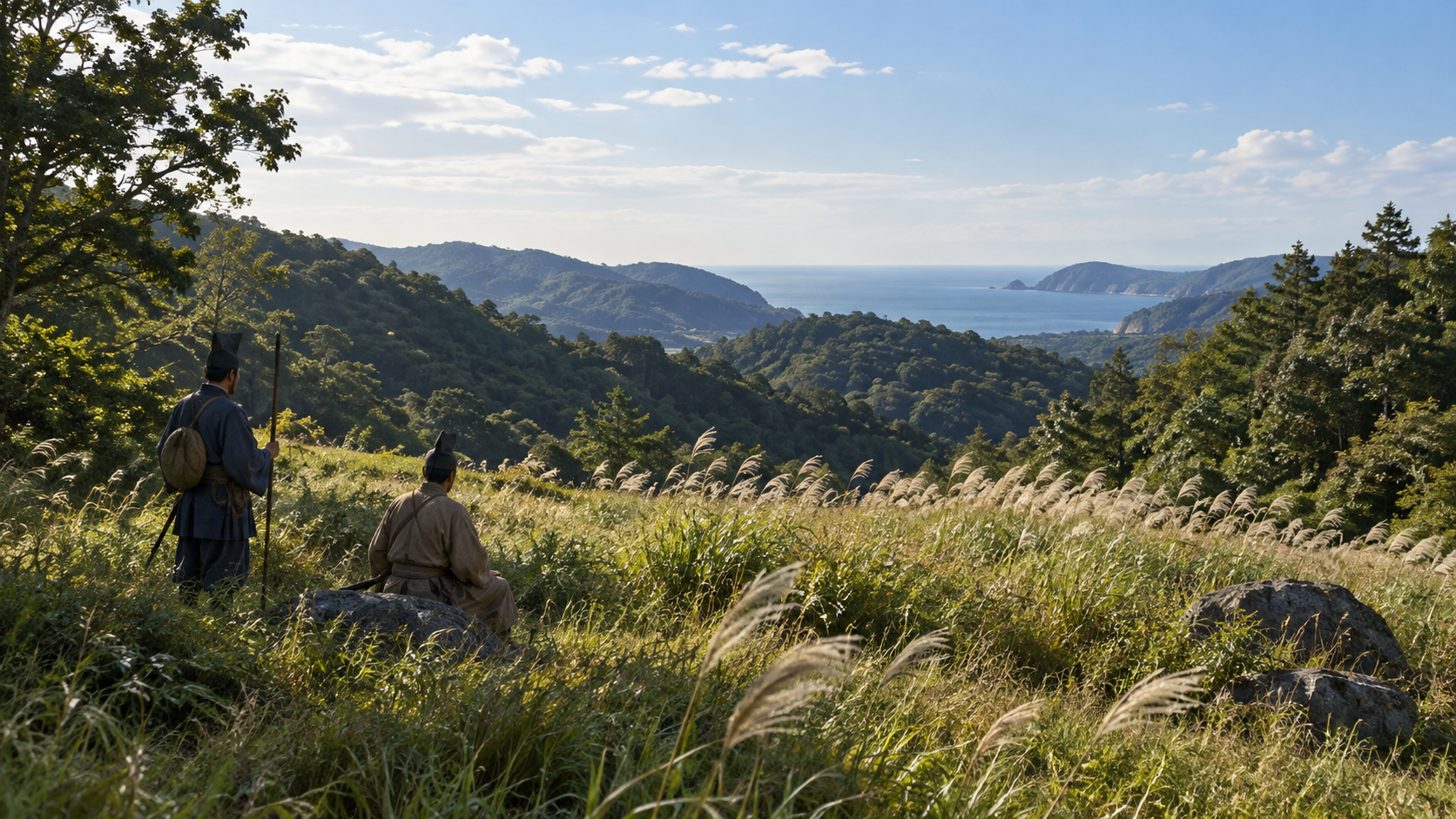
Yoshimori was based at Wada in the Miura district of Sagami. He belonged to the Miura family and supported Minamoto no Yoritomo’s uprising. The Kamakura tourism association’s introduction describes his service and appointment to head the samurai-dokoro.
Betto means the head of the relevant office. In this case, the office was concerned with supervising the shogunate’s retainers. Yoshimori’s career therefore placed him within the government’s organization, rather than outside the institutions that the fighting later threatened.
That background helps identify the conflict as an internal confrontation among warriors supporting the shogunate. His office and earlier service mattered, but they did not guarantee that every subsequent dispute would be resolved through cooperation. Position within an institution did not remove competing family and political interests.
Scene 03
Serving the same shogun did not eliminate competing interests
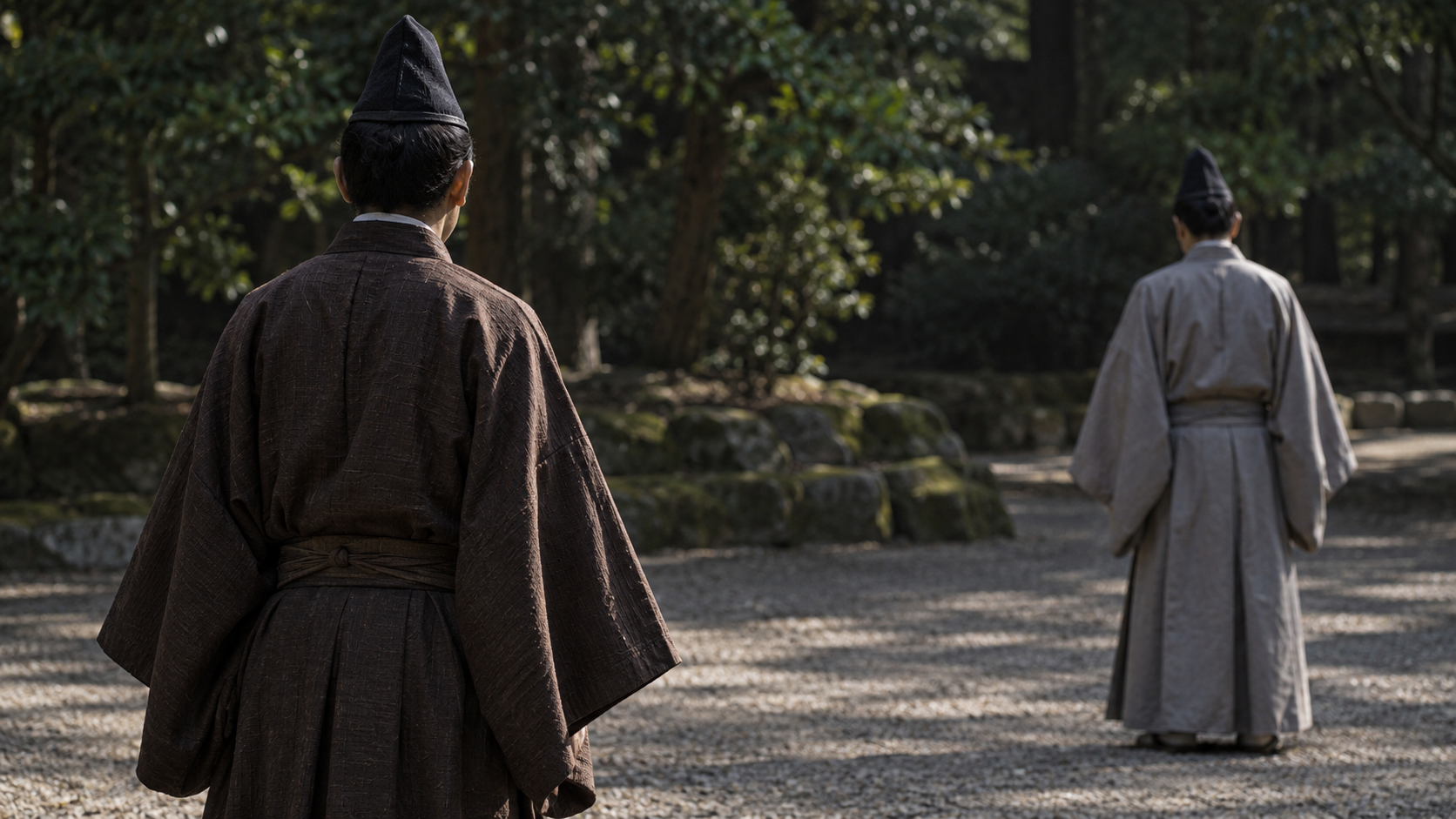
After Yoritomo’s death, Hojo influence within the government increased. Yet its retainers did not necessarily share the same interests at every moment. Yoshimori had his own family, holdings and office, while Yoshitoki occupied a leading position in political affairs.
Even people serving the same shogun could find cooperation strained by the punishment of relatives or the treatment of a residence. These issues linked a household’s concerns with the exercise of authority inside the government. They should be considered as concrete disputes rather than reduced to an invented private conversation.
In the Wada conflict, worsening relationships developed into the movement of armed forces within Kamakura. The steps leading to that outcome matter. A claim that the whole confrontation had been planned from the beginning would require evidence beyond the sequence and institutional explanations used here.
Scene 04
The sons were pardoned; the nephew faced different treatment
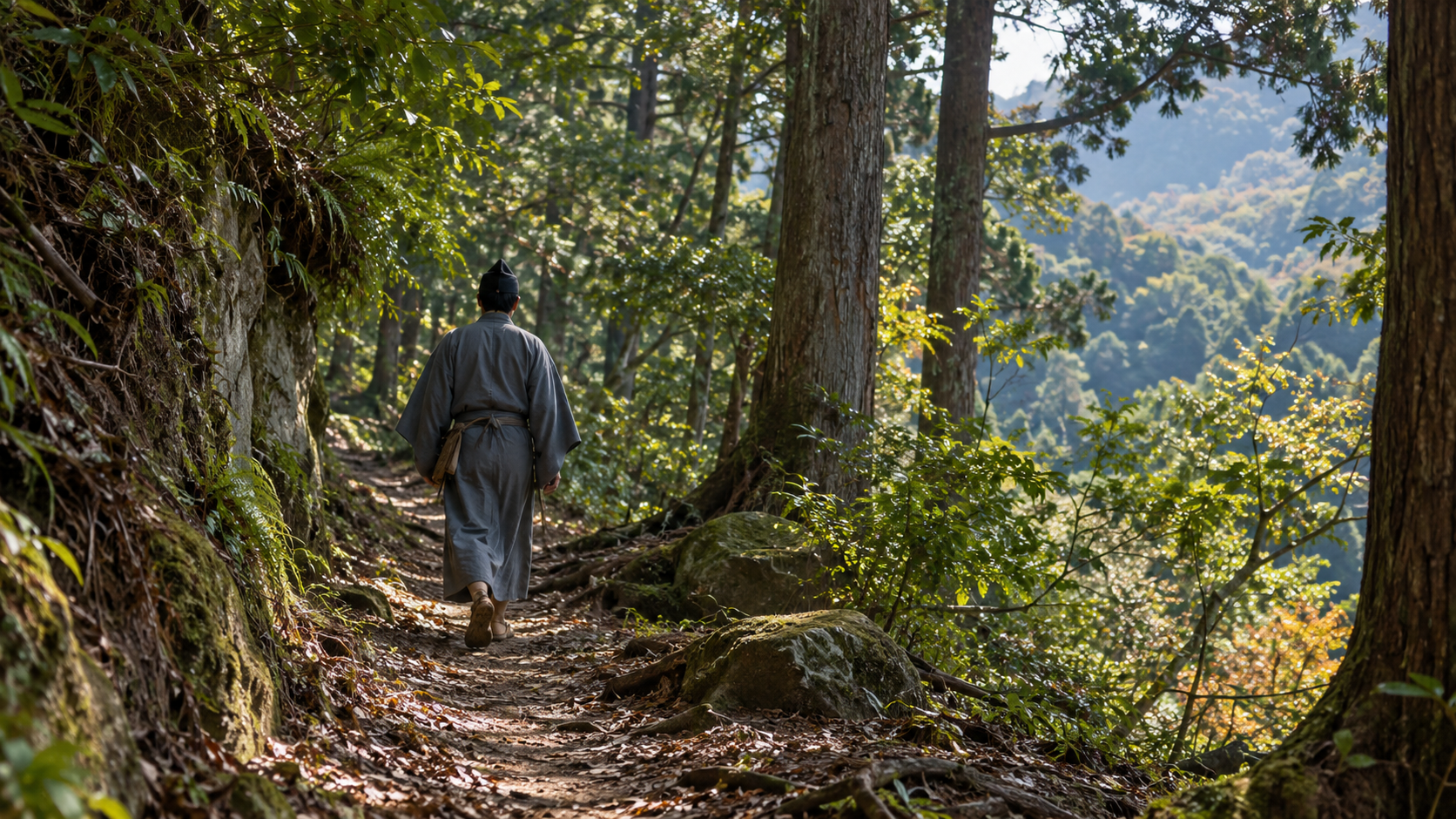
Before the battle, a plot involving the shogun Sanetomo and the Hojo came to light. Members of Yoshimori’s family were arrested, including his sons Yoshinao and Yoshishige and his nephew Tanenaga. Their connection with the affair did not result in identical treatment for every relative.
Yokosuka’s month-by-month table says that Yoshimori came from Kazusa to Kamakura, met Sanetomo and successfully sought pardons for his two sons. Tanenaga, however, was not pardoned in the same way. Separating the sons’ outcome from the nephew’s is essential to following the dispute.
The account does not settle conflicting modern spellings of the plot leader’s name or identify Yoshimori himself as its proven mastermind. Its focus is the reported sequence of arrests, a request for clemency and differing punishments. Those distinctions prevent the whole household from being treated as one undifferentiated defendant.
Scene 05
What does menbaku mean?
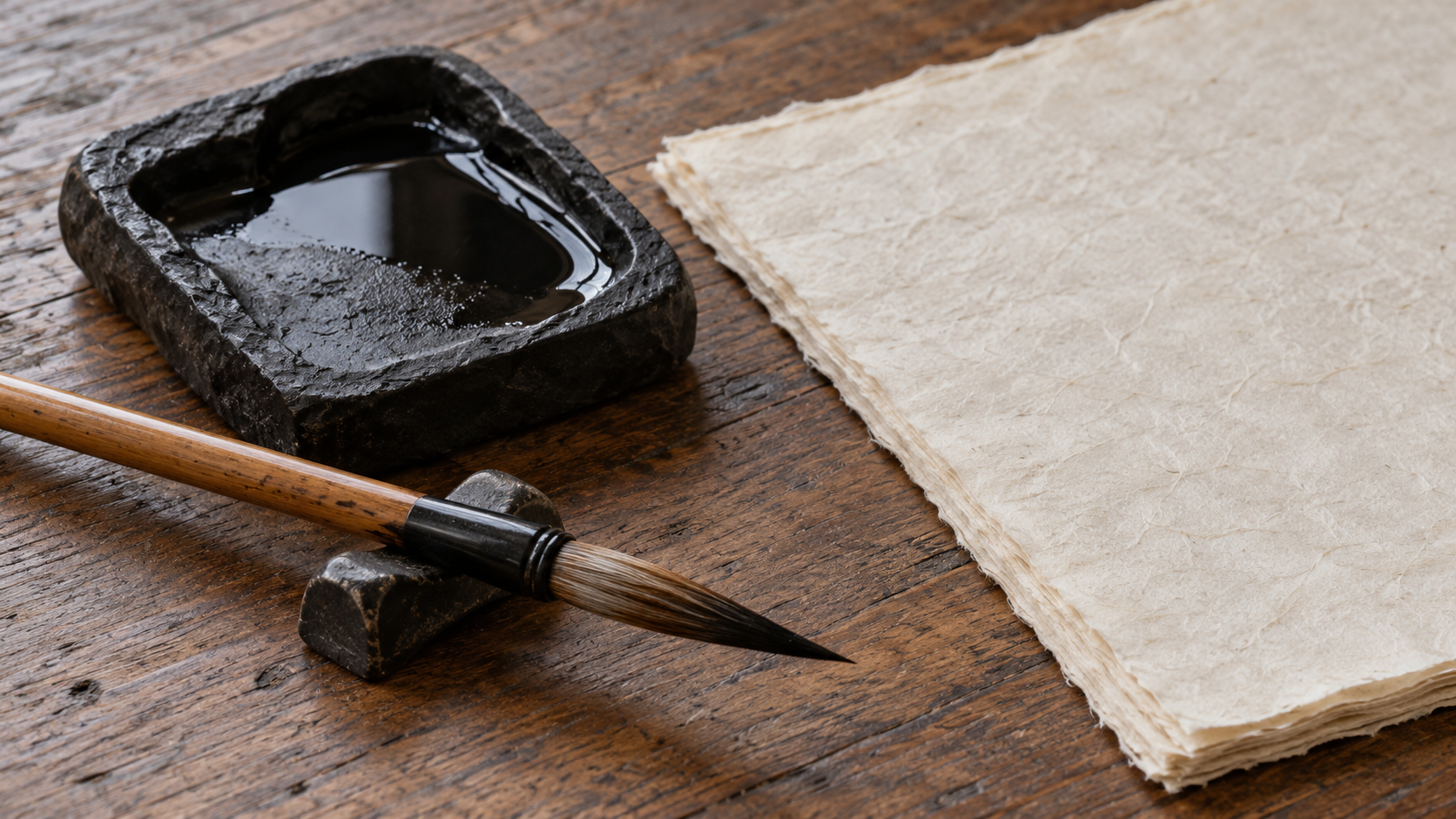
A curator’s explanation published by Kamakura City discusses the Azuma Kagami’s account of Tanenaga being subjected to menbaku by Yoshitoki. It presents that treatment as one of the motives associated with Yoshimori’s decision to take up arms.
Menbaku does not mean covering a person’s face with cloth. Drawing on the old dictionary Chiribukuro, the curator explains it as a condition in which the hands are tied behind the back. The explanation connects Yoshimori’s anger with his relative being treated as a criminal.
This remains a reading of a recorded motive, conveyed through the curator’s discussion of the chronicle and dictionary. It does not reveal every part of the participants’ inner lives. No facial expression, dialogue or complete private intention is supplied to fill the gap between the explanation and what can actually be established.
Scene 06
The dispute reached Tanenaga’s residence
The treatment of Tanenaga’s residence added another issue. Yokosuka’s table records that Yoshimori sought and obtained permission to receive the property. It then records Yoshitoki receiving it and expelling Yoshimori’s representative. The order of those actions matters.
The consequences of punishment therefore extended beyond the arrested individual. Control over a residence associated with the family became part of the confrontation. From Yoshimori’s side of the sequence, harsh treatment of a relative was followed by exclusion from management of the property.
The background was not solely a clash of feelings. It also involved a concrete place and the authority to control it. This account follows the table’s sequence without claiming to resolve every question about the original ownership or all the legal issues connected with the allocation.
Scene 07
An oath and Yoshimura’s choice
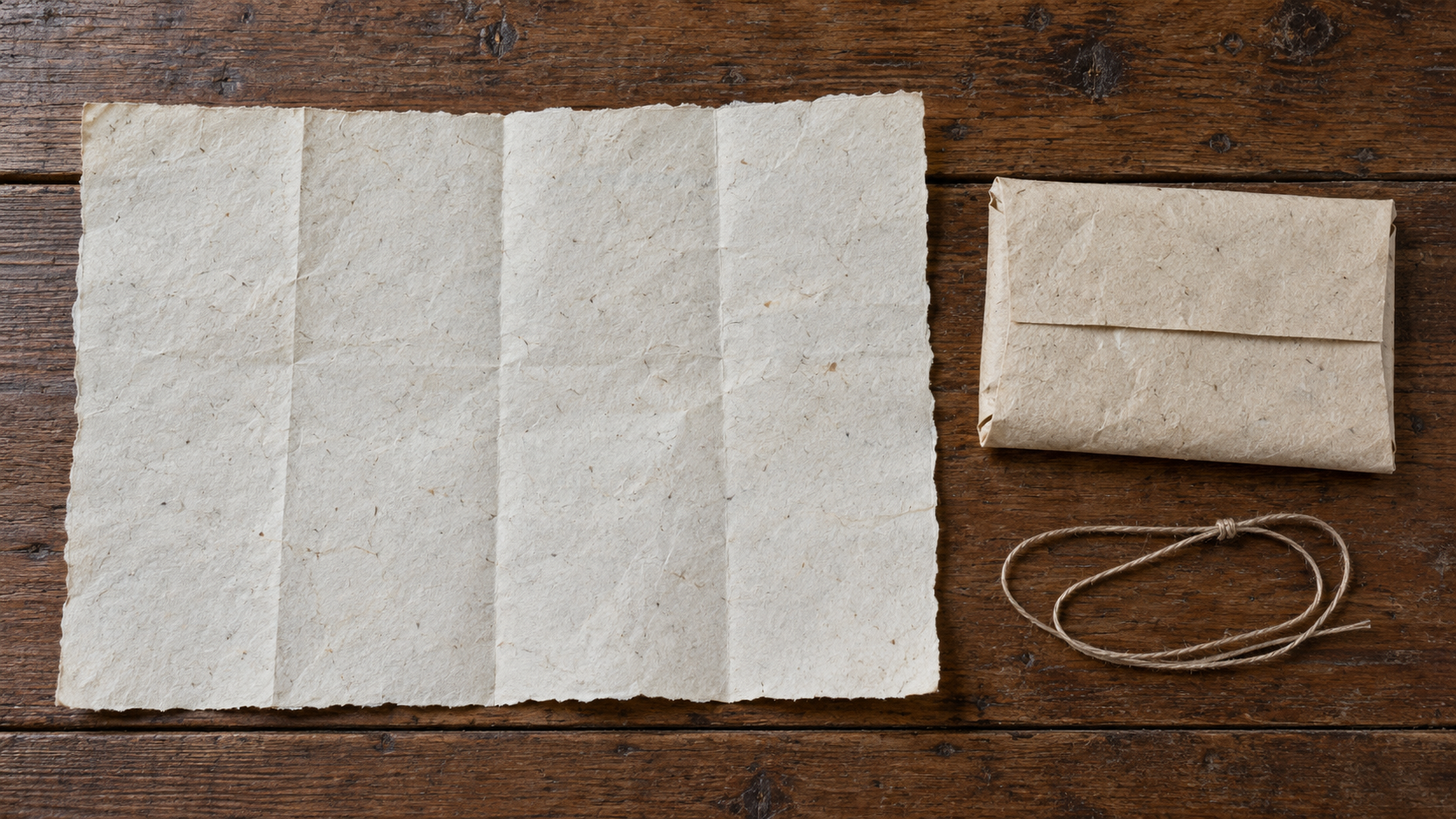
Miura Yoshimura was important because kinship did not ensure shared allegiance. Kanagawa’s explanation says that he wrote an oath promising to support Yoshimori but subsequently informed Yoshitoki of the uprising. The relationship described through a promise did not produce the same action in the conflict.
A kishomon is a document swearing an undertaking before deities. That general definition is supported here by the prefectural history museum’s explanation of a different oath issued by Ieyasu in 1582. It helps explain the document type, not the contents of Yoshimura’s particular pledge.
Ieyasu’s later document must not be mistaken for Yoshimura’s. Its paper, signature and blood-mark details are not assigned to a document of 1213. The comparison is limited to terminology, while Yoshimura’s reported political choice rests on the explanation specifically addressing the Wada conflict.
Scene 08
Fighting begins in Kamakura on the second day
On the second day of the fifth month in the Japanese calendar, Yoshimori took up arms. Yokosuka’s table records attacks on the shogun’s residence and Yoshitoki’s residence. The setting was the town containing the government, rather than a distant frontier or an isolated mountain castle.
That location gives the confrontation its distinctive character. Forces led by the official associated with supervising retainers approached the residences at the political center. Looking at which positions inside the government came into conflict is more informative than simply asking who arrived from outside the town.
The HTML chronology places 1213 under a Kenpo 1 year heading, while the month-by-month table labels the fifth-month events Kenryaku 3. The article uses 1213 and the period-calendar dates without attaching the annual heading mechanically to that month. These are not modern May dates or weekdays, and no exact street plan is reconstructed.
Scene 09
The next day brought defeat and Yoshimori’s death
The fighting continued through the third day of the fifth month. The Wada side was defeated, and Yoshimori was killed. The municipal table describes deaths in battle and by suicide among many of those on his side, without the article adopting an unverified total.
A powerful office and achievements dating to Yoritomo’s time did not determine the result. Yoshimura’s alignment with the Hojo is an important part of considering the defeat. Shared family connections had not produced a united force behind Yoshimori.
At the same time, reducing the outcome to one person’s decision would conceal the disputes that accumulated before the uprising. The differing punishments, the treatment of Tanenaga and the residence issue belong to the process being explained. The conclusion should not replace that sequence with a single dramatic act.
Scene 10
The Wada defeat was not the end of the entire Miura family
The loss of Yoshimori changed the balance within the government. The Kamakura tourism association’s account of Yoshitoki describes the victory as strengthening the Hojo position. Yet the Wada branch’s defeat did not mean every member of the wider Miura family disappeared at once.
Yoshimura, who cooperated with the Hojo, remained prominent afterward. Yokosuka’s chronology records the establishment of the deliberative council in 1225 and the participation of Yoshimura and others. This supplies a later point of comparison with the outcome of 1213.
The Hoji conflict of 1247, involving the Miura main line, belongs to a separate episode. Shared family names should not cause defeats at different moments to be collapsed into one event. Distinguishing the Wada branch, the Miura main line and political cooperation makes the difference between kinship and allegiance clearer.
Scene 11
The Azuma Kagami and its later manuscript witnesses
The Azuma Kagami is an important source for Kamakura history. The cultural heritage database describes it as a chronicle arranging the government’s events by date, while noting differing views about its formation. A dated entry should not automatically be treated as a transparent record of everyone’s thoughts at the time.
The anger attributed to Yoshimori, the sequence of punishments and the dates of fighting each require attention to their evidence. Here the chronicle-related explanation is attributed to the curator rather than represented as an independent full reading of the original text. A dramatic scene and a documented sequence are different kinds of account.
The database’s Hojo manuscript consists largely of later Muromachi-period writing with some early Edo copies. The work’s formation, the events it describes and the dates of surviving copies are distinct. Its transmission through the Odawara Hojo should not be confused with Yoshitoki personally producing that surviving manuscript during the conflict.
Scene 12
Relationships broke down despite shared service and kinship
Why did the head of the samurai-dokoro fight the government? Punishment within his family was immediate to Yoshimori. The severe treatment of his nephew was followed by a residence dispute, while his relative Yoshimura ultimately stood with the Hojo side.
The confrontation was a transformation in relationships among warriors already supporting the government. Those relationships developed into armed conflict around residences in the town itself. The two days of fighting strengthened the Hojo position within the political system.
Office, service under the same lord and family connections all help explain the setting, but none guaranteed a common choice. Reading the sequence alongside the limits of the evidence allows the conflict to remain a political and institutional problem, without inventing dialogue or treating the participants’ private intentions as fully recoverable.
How to read this work
History, interpretation, and reconstruction
The Wada conflict can be understood as a breakdown in relationships within the government, involving office, family and control of a residence, that developed into armed fighting.
This work is grounded in published sources and historical research. Interior thoughts, dialogue, and some visual details are cinematic reconstructions. Where historians disagree, the article presents the point as debated rather than settled fact.
Timeline
The story in time
-
Yoshimori successfully requests pardons for his two sons; Tanenaga faces different treatment.
Sources: calendar -
Permission is given for Yoshimori to receive Tanenaga’s residence.
Sources: calendar -
The table records Yoshitoki receiving the residence and expelling Yoshimori’s representative.
Sources: calendar -
Kanagawa’s explanation says Yoshimura informed Yoshitoki after promising support through an oath.
Sources: kanagawa -
The Wada side attacks the shogun’s and Yoshitoki’s residences.
Sources: calendar -
The Wada side is defeated and Yoshimori is killed.
Sources: calendar -
The municipal chronology records the establishment of the deliberative council and Yoshimura’s participation.
Sources: chronology -
The Hoji conflict involving the Miura main line is a separate event from the conflict of 1213.
Sources: chronology, lineage -
The present Hojo manuscript includes copies from several periods, distinct from the chronicle’s formation and the dates of its subject matter.
Sources: heritage
People & terms
A guide for new readers
Glossary
- Samurai-dokoro 侍所
- The office concerned here with supervising the shogunate’s retainers.
- Betto 別当
- The head of an office; Yoshimori held this position in the samurai-dokoro.
- Gokenin 御家人
- Retainers serving the Kamakura shogunate, whose interests and alliances were not always identical.
- Menbaku 面縛
- Hands tied behind the back, as explained through Chiribukuro in the curator’s discussion; not a cloth covering the face.
- Kishomon 起請文
- A written oath invoking deities. The later Ieyasu example supplies only a general definition, not Yoshimura’s actual text.
- Azuma Kagami 吾妻鏡
- A chronicle of Kamakura government events arranged by date, whose formation and surviving manuscript copies must be distinguished.
Sources & method
How this article was built
The article follows the completed video’s twelve selected chapters and adds context about Yoshimura’s later career, manuscript transmission and the era heading in a modern chronology. Eight institutional references are used, with their different purposes identified rather than treated as eight original accounts of the battle.
The month-by-month table’s relevant three pages were visually examined. Statements about the chronicle and old dictionary are attributed to the curator’s explanation. Neither those manuscripts in full nor the precise original layout of Kamakura’s streets and residences is claimed to have been independently reconstructed.
Dates retain the historical Japanese calendar. A later oath supplies a term’s definition only; the copied chronicle’s age is separated from the events it records. Illustrations are generated conceptual scenes separately adopted for the article, with no original document images, portrait art, photographs or audio reproduced.
Sources
References and further reading
- Episodes from the Miura family: The Wada conflict 三浦一族のエピソード 和田合戦 Title translated editorially for reader convenience. Kanagawa Prefecture 神奈川県 Yoshimura’s oath and report to Yoshitoki, with distinction from the later Hoji conflict. Conflicting spellings of the plot leader’s name are not resolved here. No claim of a fully recovered original plan or private intention. Accessed 2026-11-04
- Kamakura-dono correspondence, installment 12: Kamakura government and Koyasan, by Yamamoto Minami 鎌倉殿通信 第12回 鎌倉幕府と高野山(山本みなみ) Title translated editorially for reader convenience. Kamakura City 鎌倉市 The curator explains the chronicle and Chiribukuro’s definition of restraint with hands behind the back. This is not an independent reading of every original manuscript or a scene with the face covered by cloth. Accessed 2026-11-04
- Miura family chronology, 1213–1333 三浦一族関係年表 建保元年〜元弘三年 Title translated editorially for reader convenience. Yokosuka City 横須賀市 Entries for 1213, Yoshimura’s participation in 1225 and the separate conflict of 1247. The Kenpo annual heading is not mechanically applied to the fifth-month event labelled Kenryaku in the monthly table. Accessed 2026-11-04
- Major Miura figures and genealogy 三浦一族の主な人物・系図 Title translated editorially for reader convenience. Yokosuka City 横須賀市 Relevant character explanations for Yoshimori, Yoshimura and Yoshizumi; no claim to have examined all branches of the linked genealogical diagrams. Distinguishes editorial character assessment from offices and reported events. Accessed 2026-11-04
- Azuma Kagami, Hojo manuscript: Cultural Heritage Database 吾妻鏡(北条本)文化遺産データベース Title translated editorially for reader convenience. Agency for Cultural Affairs 文化庁 The chronicle’s form, debate over formation and later manuscript compilation. This description is not direct reading of the 1213 battle entries or an autograph contemporary record. Accessed 2026-11-04
- Miura family events arranged by month 三浦一族 月別出来事表 Title translated editorially for reader convenience. Yokosuka City 横須賀市 PDF pages 4–6, covering the third, fourth and fifth months, were visually examined for pardons, residence allocation, expulsion and the two days of fighting. The table combines multiple years and is not a modern weekday calendar. No photographs reproduced. Accessed 2026-11-04
- Kamakura-dono and thirteen leading retainers: Character introductions 鎌倉殿と13人の重臣 人物紹介 Title translated editorially for reader convenience. Kamakura City Tourist Association 鎌倉市観光協会 Yoshimori’s office and reappointment, and Yoshitoki’s position, were read. Estimated casualty totals are not adopted; no portrait illustrations reproduced. Accessed 2026-11-04
- Ieyasu’s written oath: Document-type explanation 徳川家康起請文 用語解説 Title translated editorially for reader convenience. Kanagawa Prefectural Museum of Cultural History 神奈川県立歴史博物館 A 1582 document used only for the general meaning of kishomon. It is not Yoshimura’s document of 1213; its paper, signature, blood mark and wording are not assigned to that earlier oath. No source illustration reproduced. Accessed 2026-11-04
Continue reading
More stories from Shigeki
Shigeki English
The Battle of Minatogawa: How Was the Defeated Masashige Remembered?
Separate the time of fighting from the times when records, images and memorials were made.
- When The battle in 1336; a report dated 1337; commemoration in 1692 and 1857; the tunnel, park and statue of the modern city
- Where Minatogawa and Kobe, considered alongside documents, war narratives and later images held or described by several institutions
Shigeki English
Railway Opening and the Takanawa Embankment: Where Trains and Boats Crossed
An embankment carrying trains into the sea also raised the question of keeping a way to the water.
- When Construction in the early 1870s, railway opening in 1872, later widening and reclamation, rediscovery in 2019 and additional designation in 2021
- Where The former coast at Takanawa between Shimbashi and Shinagawa, along the Shimbashi–Yokohama railway