History in Motion — Stories with Sources

Japanese History,Told Like Cinema.

Shigeki turns decisive moments in Japan’s past into immersive visual stories—then gives you the context, disagreements, and sources behind every scene.

Enter the first chapter

Chapter I — Read

Stories from Japanese history

Begin with a question. Follow the people, the choices, and the evidence.

View every story

Shigeki English

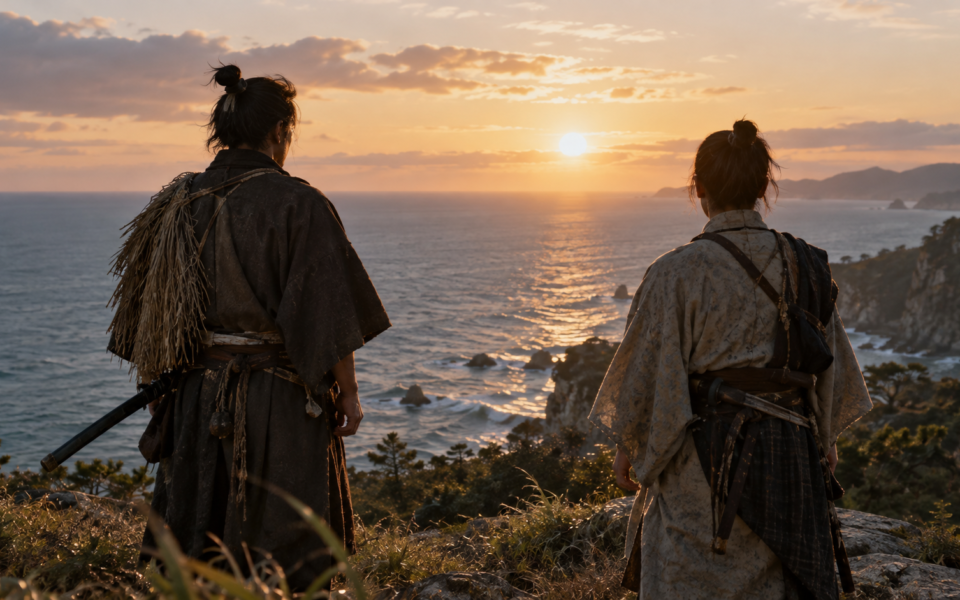
The Battle of Minatogawa: How Was the Defeated Masashige Remembered?

Separate the time of fighting from the times when records, images and memorials were made.

  • When The battle in 1336; a report dated 1337; commemoration in 1692 and 1857; the tunnel, park and statue of the modern city
  • Where Minatogawa and Kobe, considered alongside documents, war narratives and later images held or described by several institutions
18 min read
Read the story

Shigeki English

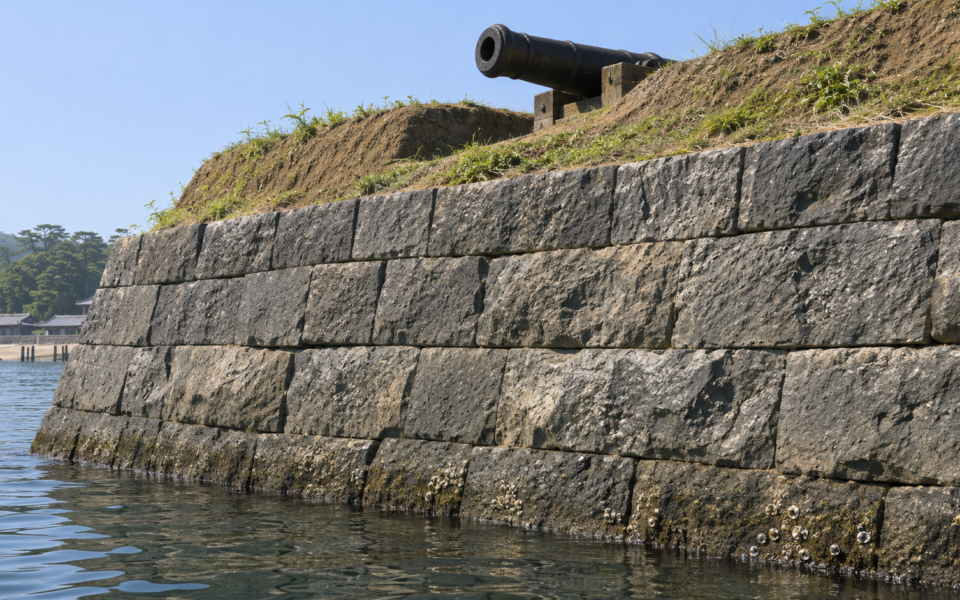
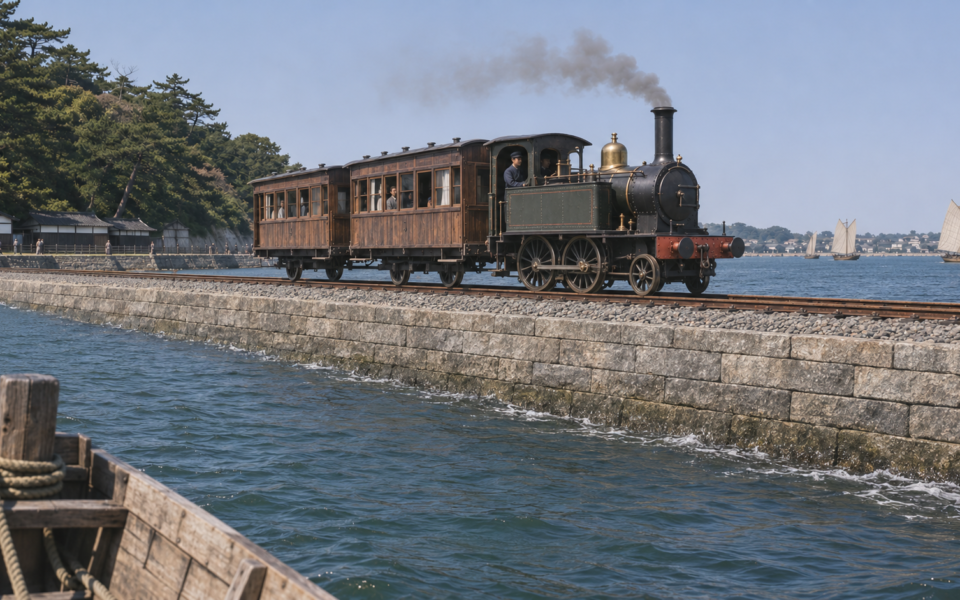
Railway Opening and the Takanawa Embankment: Where Trains and Boats Crossed

An embankment carrying trains into the sea also raised the question of keeping a way to the water.

  • When Construction in the early 1870s, railway opening in 1872, later widening and reclamation, rediscovery in 2019 and additional designation in 2021
  • Where The former coast at Takanawa between Shimbashi and Shinagawa, along the Shimbashi–Yokohama railway
20 min read
Read the story

Shigeki English

The Wada Conflict: Why Did Wada Yoshimori Fight the Government He Served?

How relationships among the warriors supporting Kamakura developed into fighting in its streets.

  • When Service under Yoritomo, the disputes of 1213 and fighting on the second and third days of the fifth month in the Japanese calendar, followed by Yoshimura’s later career
  • Where Kamakura, including the shogun’s residence and Hojo Yoshitoki’s residence; family connections extended to the Miura district of Sagami
20 min read
Read the story

Chapter II — Read with confidence

Stay inside the story without losing the evidence.

Open the notes only when you want them. The narrative remains cinematic; the historical boundaries remain visible.

01

Documented

Claims that can be traced directly to the listed historical record or research.

02

Debated

Questions for which the surviving evidence supports more than one serious reading.

03

Reconstructed

Interior thought, dialogue, and visual atmosphere used to create a cinematic experience.

Chapter III — Watch

The same world, now in motion.

Each English article links to its corresponding Shigeki film. The current films use Japanese audio; the article gives international readers the deeper context, names, chronology, and source trail needed to enter the story.

Language note: English subtitles are a later phase. A film is never labelled as subtitled until that subtitle track has been confirmed on YouTube.

Chapter IV — About Shigeki

Watch the turning point.
Then trace what made it possible.

Shigeki is an independent storytelling project about Japanese history. It separates what the record supports, what historians interpret, what remains disputed, and what cinema must reconstruct.

Read the editorial policy