
SHIGEKI ENGLISH STORYEN
Japanese history in English
Takasugi Shinsaku at Kozanji: From an Isolated Rising to Political Change in Choshu
One night of action does not explain every change of allegiance or government.
Takasugi’s immediate opponent was the Choshu administration pursuing submission to the shogunate. Follow the report at Kozanji, the attack on the Shinchi office, changing participation among the units and the Rikishitai’s shift of allegiance, then distinguish the posted notice from printed proclamations.
At a glance
Before you enter the story
- When
- From the Kiheitai’s founding in 1863 to the end of Genji 1 and the following internal war; historical month and day references retain the contemporary calendar
- Where
- Chofu and Shimonoseki, then Mitajiri, Isa and the Oda–Edo area within Choshu
- Key figures
- Takasugi Shinsaku, Ito Shunsuke, later Ito Hirobumi, Sanjo Sanetomi and the five court nobles, The Rikishitai and Yugekitai, Choshu’s domain administration and other units
- What was at stake
- How did a rising without universal initial support develop into a struggle over Choshu’s political direction?
Why this story matters
The larger history behind the turning point
The later confrontation between Choshu and the shogunate can obscure a conflict within the domain itself. Identifying the immediate opponent changes the question: Takasugi was challenging the administration deciding how Choshu should respond to external pressure.
The units were not a single permanent following. Some initially declined to join, others participated and later changed sides, and new support developed. Those changing relationships explain more than an image of one hero commanding everyone from the first night.
Historical context
What an international reader needs to know
A domain could contain opposing forces
Choshu was a domain in western Japan. Its administration, senior retainers and separately organized military units did not always share one policy. Here, references to the Hagi government army mean the forces of the domain administration, rather than an invading central shogunate army.
The Kiheitai, Rikishitai and Yugekitai were different organizations. Takasugi’s role in founding the Kiheitai did not make every later unit decision an automatic extension of his personal command. A name on the first night’s side of the conflict is not a permanent label for the rest of the campaign.
Contemporary dates and different kinds of document
The twelfth-month dates use the Japanese calendar then in operation. They must not simply be relabelled as Gregorian December dates. The account follows the order from the end of Genji 1 into the following first month without inventing exact modern-calendar conversions.
A museum explanation, an archival essay, a library catalogue and a proclamation offer different evidence. A catalogue identifies an object and records attributions; a political proclamation states its authors’ case. Neither by itself establishes the private intentions of the opposing side.
Watch the film
See the story in motion
The film currently uses Japanese audio. This English article provides the context and source trail; it does not imply that an English subtitle track is available.
Scene 01
Who was the immediate opponent?
When Takasugi Shinsaku rose at Kozanji, whom was he preparing to fight? His immediate opponent was the administration within Choshu that was pursuing submission to the shogunate, rather than a great shogunate army arriving from outside.
His actions developed from the visit to the temple into an attack on an administrative office in Shimonoseki and then into internal war. These were connected stages, not one event contained entirely within the temple grounds.
Not every unit he approached joined at the outset, and some people who did participate later changed their position. Following those participants and the surviving records helps explain how an initially isolated action became part of a political transformation.
Scene 02
Several crises converged in Genji 1
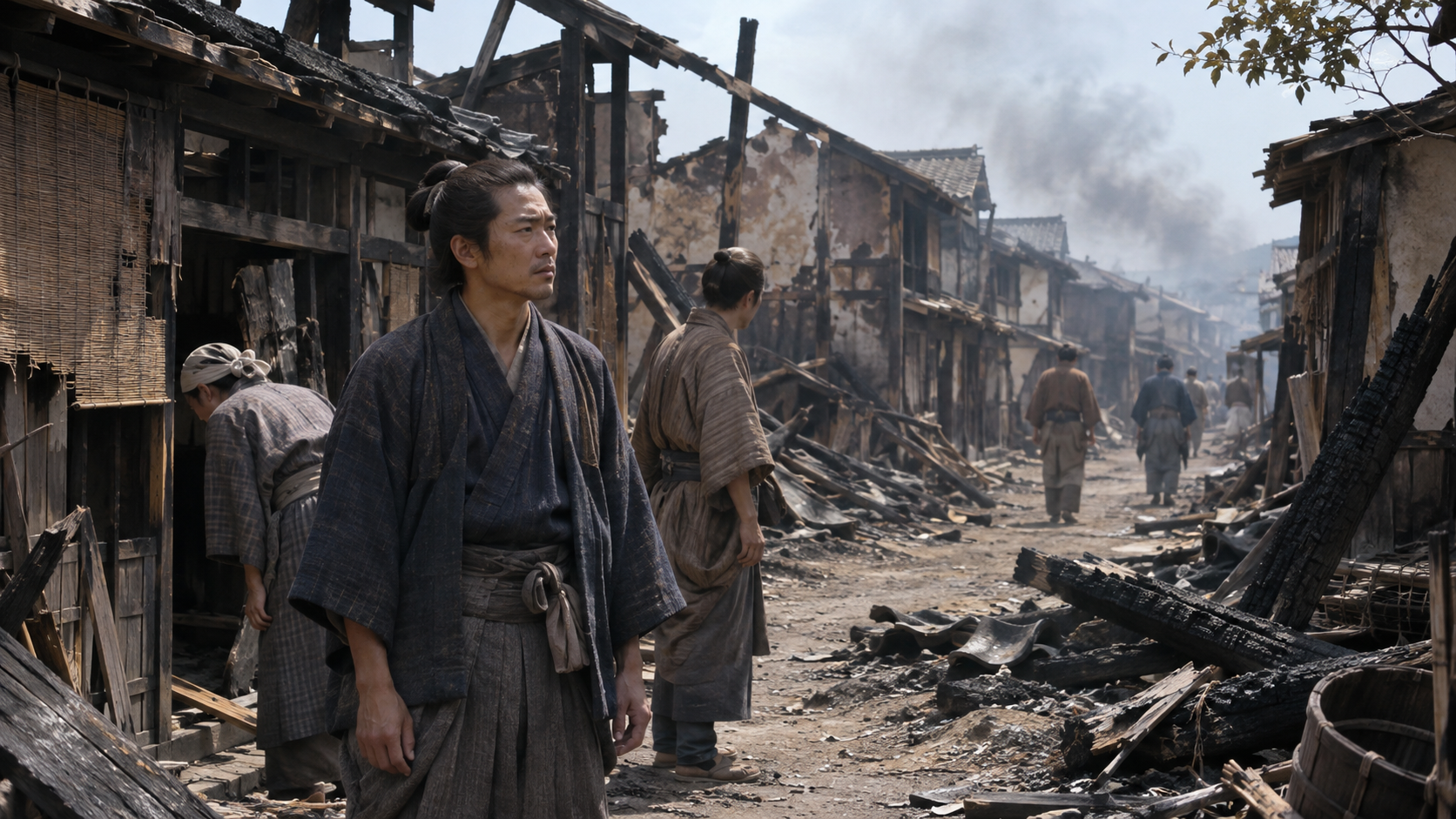
Choshu’s crisis in Genji 1 formed the background. Its forces were defeated in the Kinmon incident in Kyoto, and figures including Kusaka Genzui and Kijima Matabee died. The attack on Shimonoseki by a four-power fleet added another source of pressure.
Yamaguchi Prefectural Library’s biographical guide explains that Takasugi was brought back into service and undertook peace negotiations during the fleet’s attack. Military defeat and negotiation belonged to the immediate experience preceding the internal conflict.
Whether to continue resisting or accept pressure became a political problem inside the domain. The Kozanji rising should be placed within that situation. Kijima’s earlier death is kept distinct from the later rising; he is not presented as a living participant at Kozanji.
Scene 03
Founding a unit did not determine every later decision
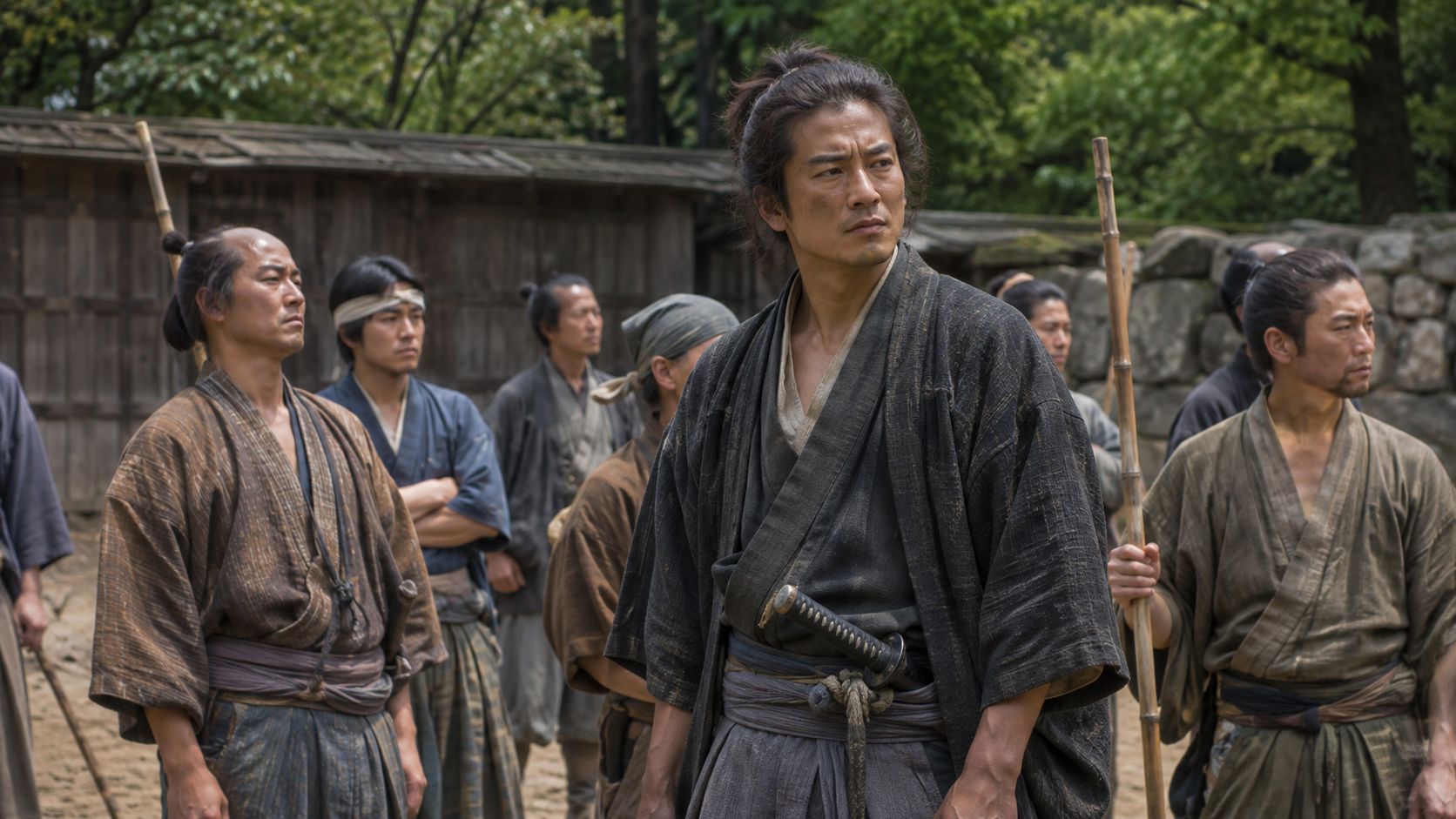
Takasugi had founded the Kiheitai at Shimonoseki in the preceding year, 1863. That history does not establish that the whole organization followed every subsequent decision he made.
Ube City’s explanation states that many units, including the Kiheitai, initially did not align with his rising. The existence of an earlier organizational connection and agreement with a particular action were different matters.
The account therefore asks when each unit acted and on which side, rather than following Takasugi alone as if the others had no decisions to make. Changes in participation are part of the event itself, not a detail to be removed from a simpler heroic narrative.
Scene 04
Submission to the shogunate and conflict within Choshu
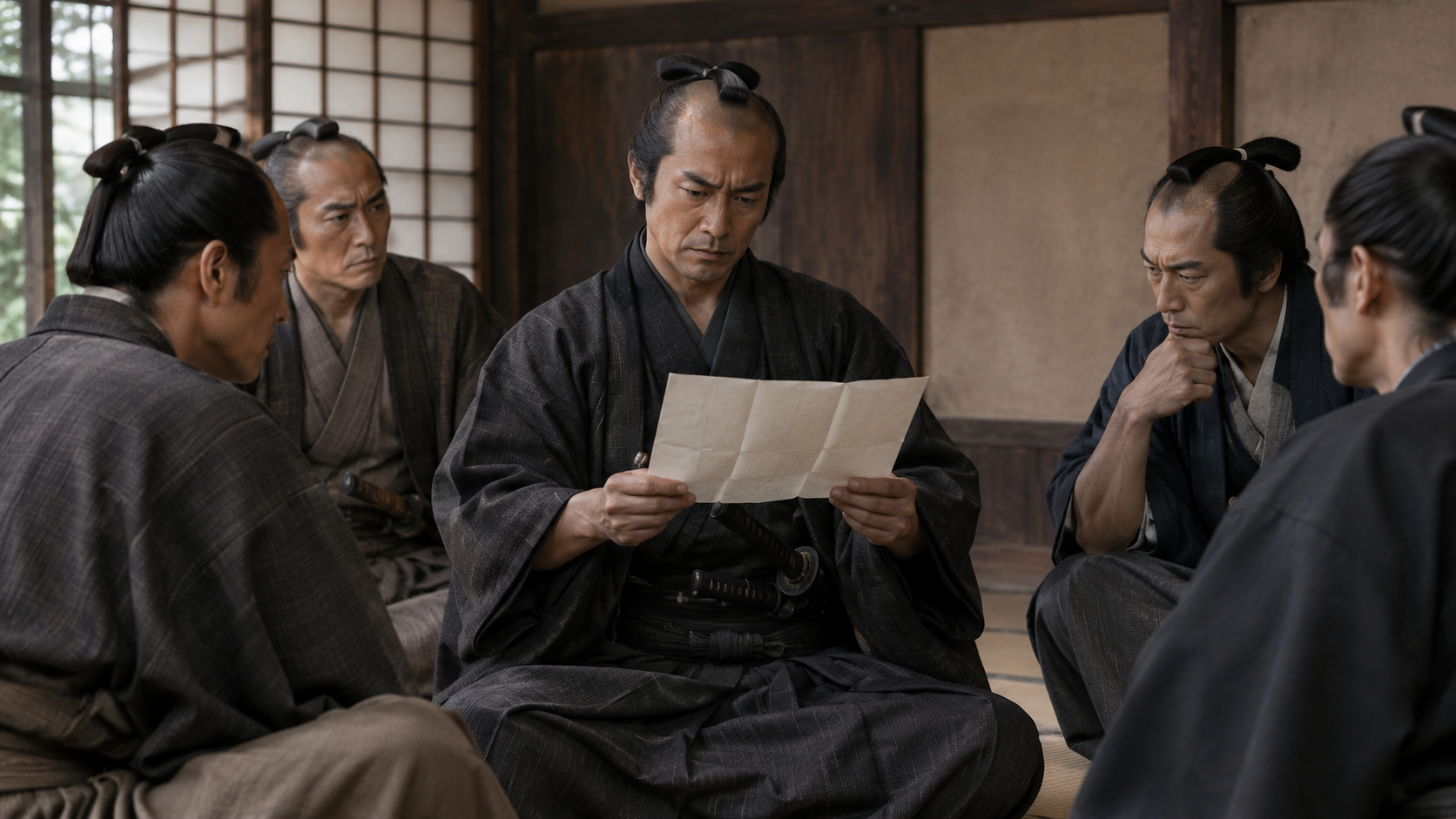
After the Kinmon incident, a conservative group gained influence within the domain and advanced a policy of submission to the shogunate. Yamaguchi Prefectural Archives describes repression of radicals, orders to dissolve units and the compelled deaths of three senior retainers.
Ube’s account also traces the imprisonment and subsequent execution of important retainers. Disagreement over how to preserve the domain affected appointments, punishments and the continued existence of military organizations.
Takasugi’s immediate challenge was directed against those conducting domain politics. A diagram showing only Choshu on one side and the shogunate on the other would obscure this internal struggle. It would merge forces that were then confronting each other.
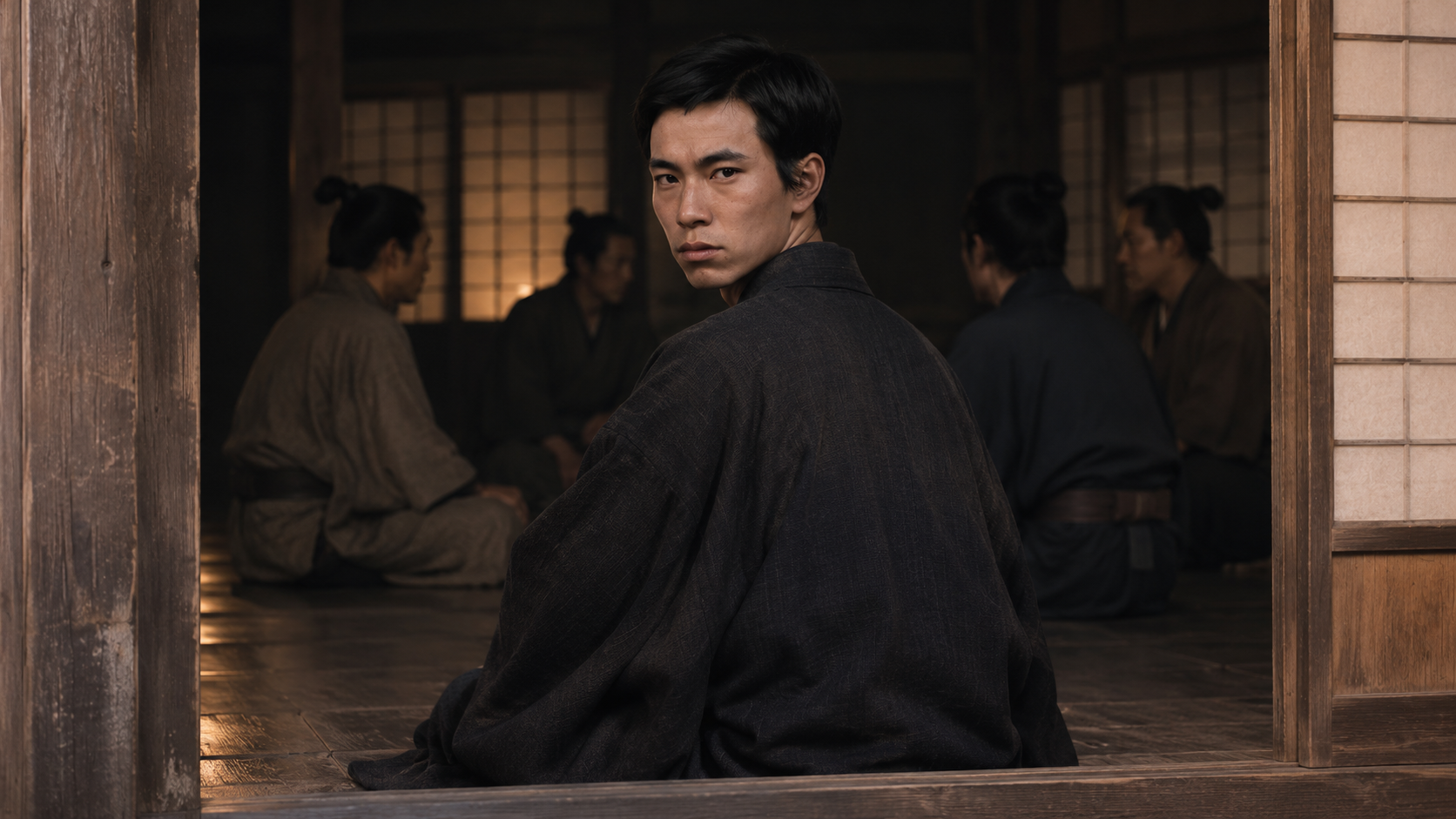
Scene 05
The late-night visit to Kozanji
Late on the fifteenth day of the twelfth month of Genji 1, Takasugi visited Kozanji in Chofu. Hagi Museum’s explanation of a helmet associated with him describes his visit to Sanjo Sanetomi and the other court nobles sheltering there.
This action connects the temple’s name with the rising. The article follows the visit without supplying an invented conversation or treating a later dramatic quotation as independently verified speech.
Reporting the intention to rise at the temple and conducting an attack elsewhere must remain distinct. Focusing on the temple scene alone would make it harder to see what the group subsequently attacked and what resources it sought.
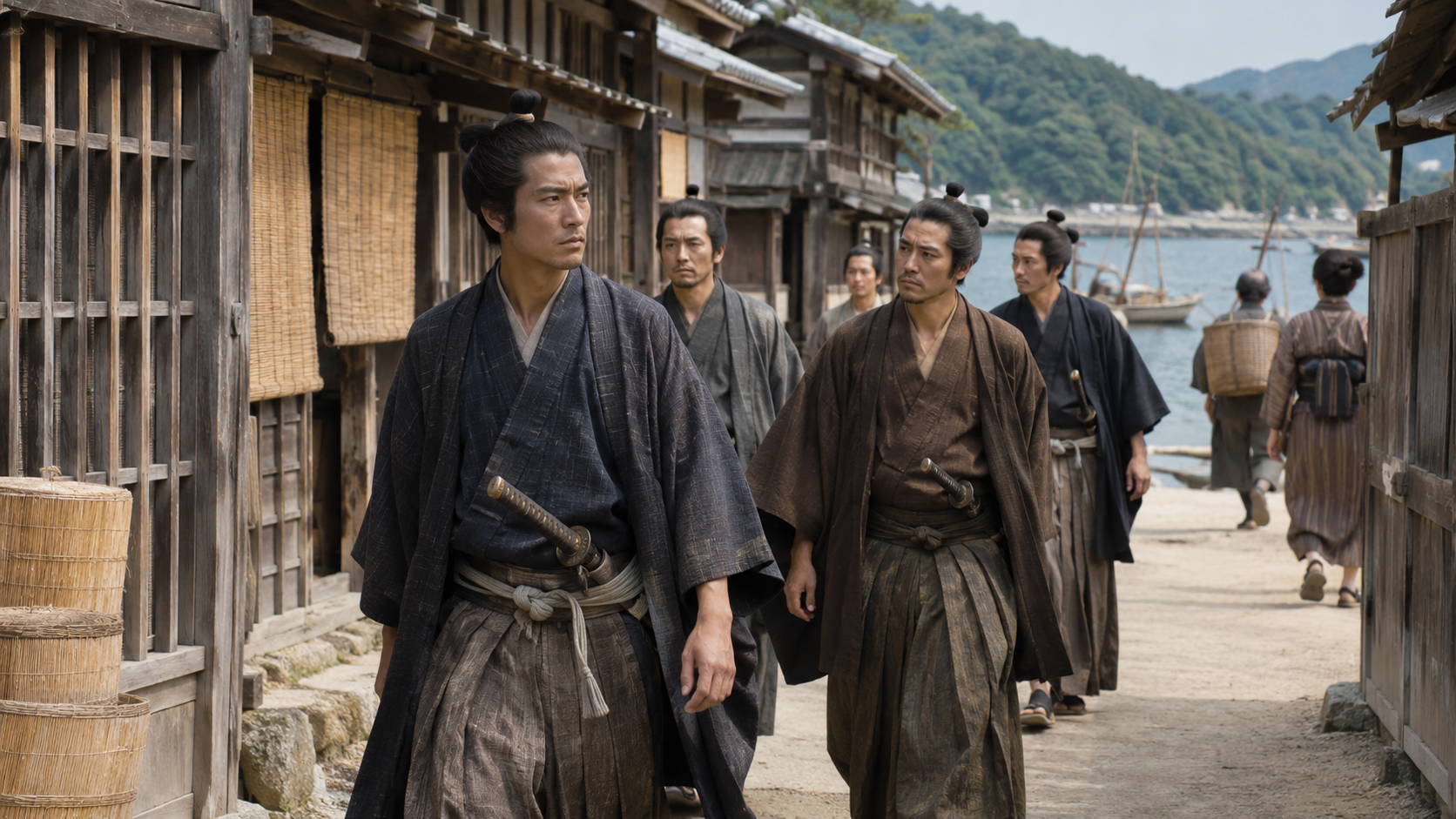
Scene 06
The Shinchi office and the acquisition of equipment
Ube City explains that on the following day, the sixteenth, Takasugi’s group attacked the Shinchi administrative office in Shimonoseki and obtained weapons and ammunition. The action had moved beyond Kozanji.
The same account describes a later attack on the naval establishment at Mitajiri and the acquisition of warships. The rising involved securing the means to continue military action as well as announcing an intention.
Movement between places and access to equipment make the developing struggle more concrete. This account does not infer an exact march route, force size or timetable from the mere sequence of those actions.
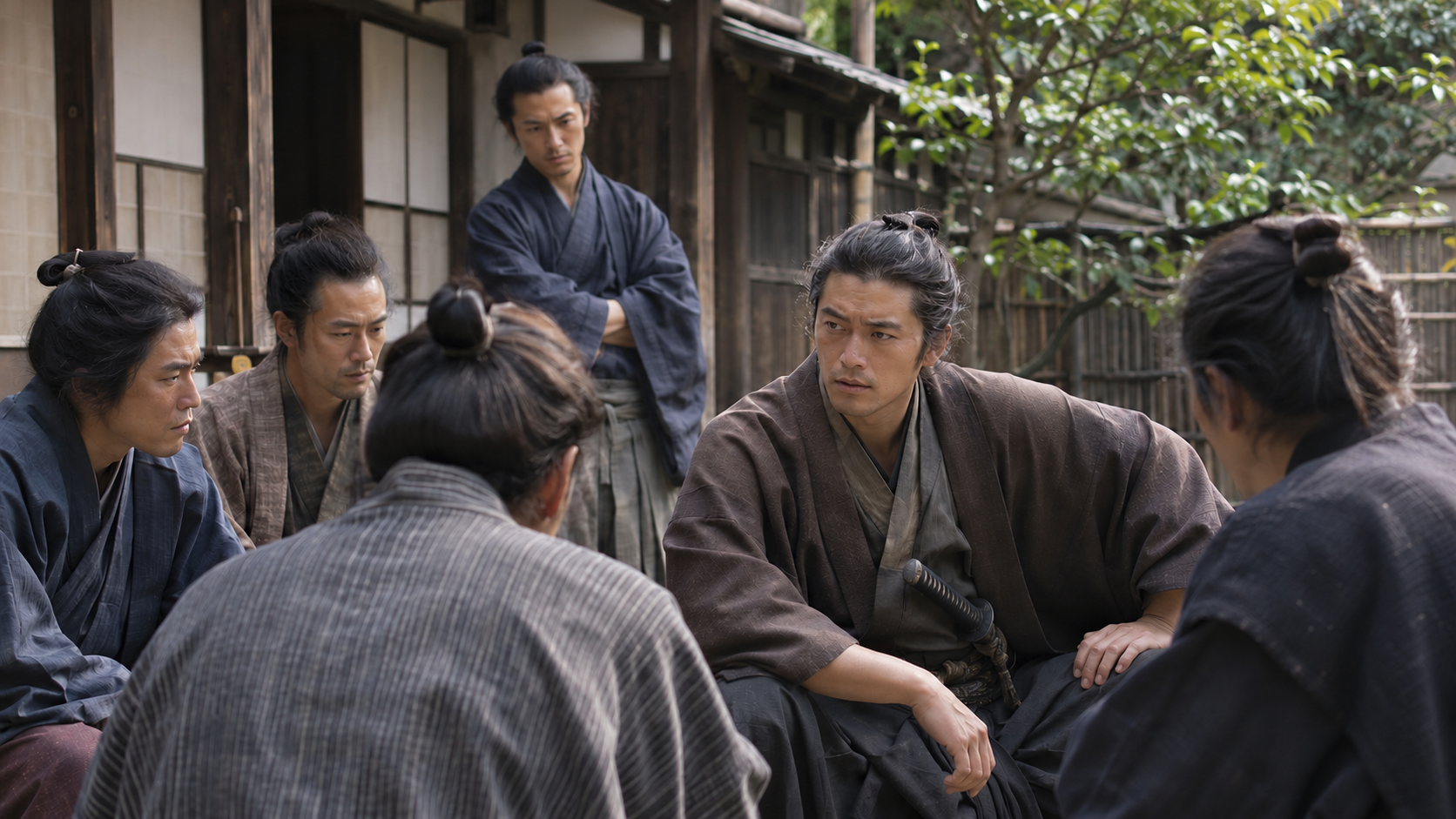
Scene 07
Ito Shunsuke and the Rikishitai were already connected
The prefectural archives explains that the Rikishitai led by Ito Shunsuke, later Ito Hirobumi, was at Kozanji and joined Takasugi’s rising. Ube’s explanation also identifies participation by the Yugekitai and Rikishitai.
That organizational relationship did not begin suddenly on the night of the rising. The archival essay refers to a domain appointment record assigning Ito responsibility for the Rikishitai on the twenty-ninth day of the ninth month, earlier in the same historical calendar year.
Takasugi was therefore neither acting entirely alone nor leading a group that can all be renamed Kiheitai. Identifying the separate organizations reveals more than the general impression of a small following. The displayed appointment record supports a prior connection without requiring an invented account of every member’s motivation.
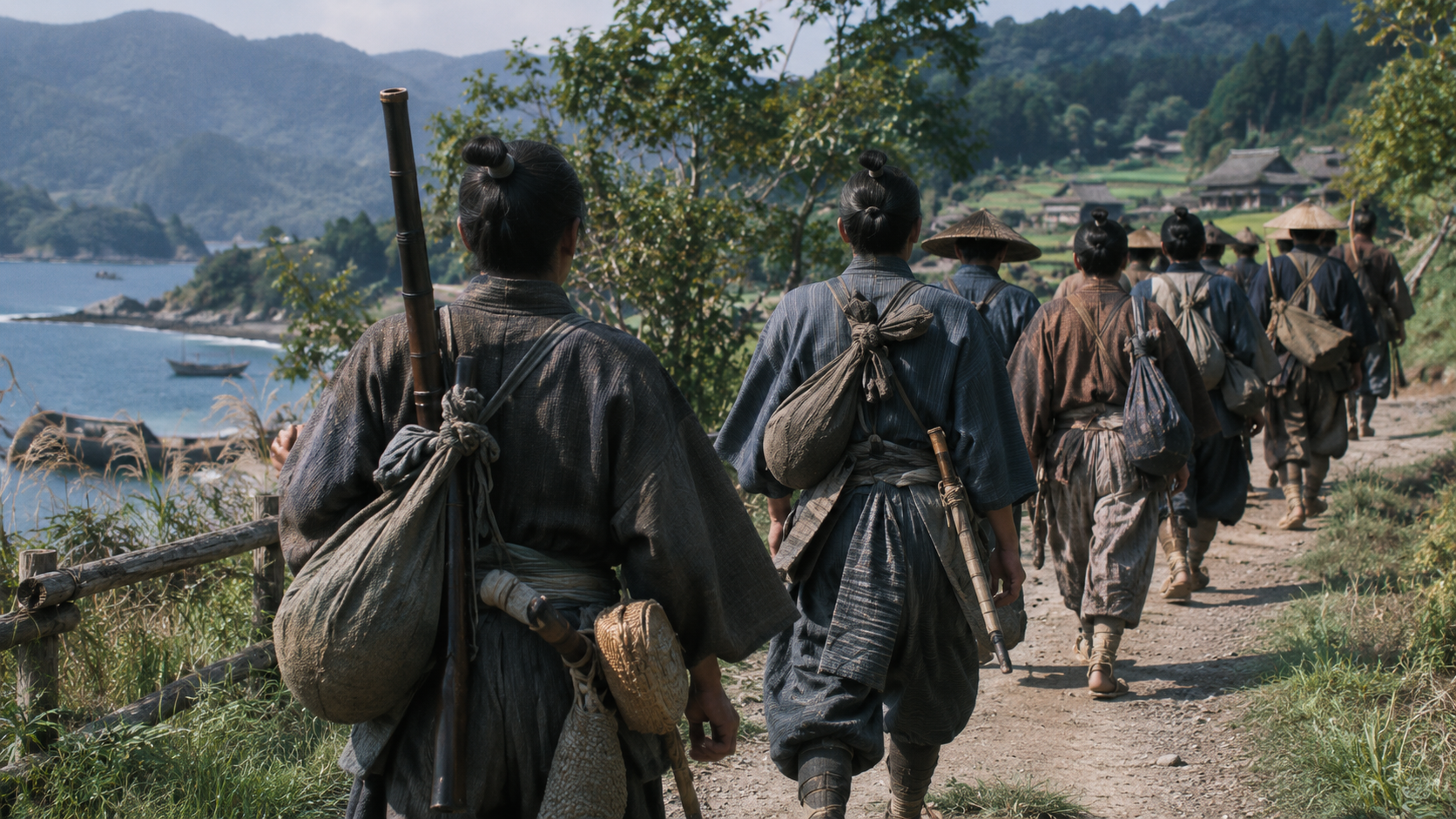
Scene 08
Participants in the rising later fought on the other side
Allegiance did not remain fixed. The archives’ essay explains that, after persuasion by the conservative side, many Rikishitai members returned to Hagi. It then describes members fighting with the Hagi government army during the Oda–Edo conflict.
The returning men served in the government force’s vanguard. The essay records military activity, including the seizure of weapons, alongside deaths and injuries. A change of side thus had consequences in combat, not simply on a list of affiliations.
Participation at Kozanji cannot determine how every participant acted afterwards. The exact date connected with the return is left unstated because the essay’s text and an image caption are inconsistent. Its larger sequence is followed without resolving that discrepancy by assumption.
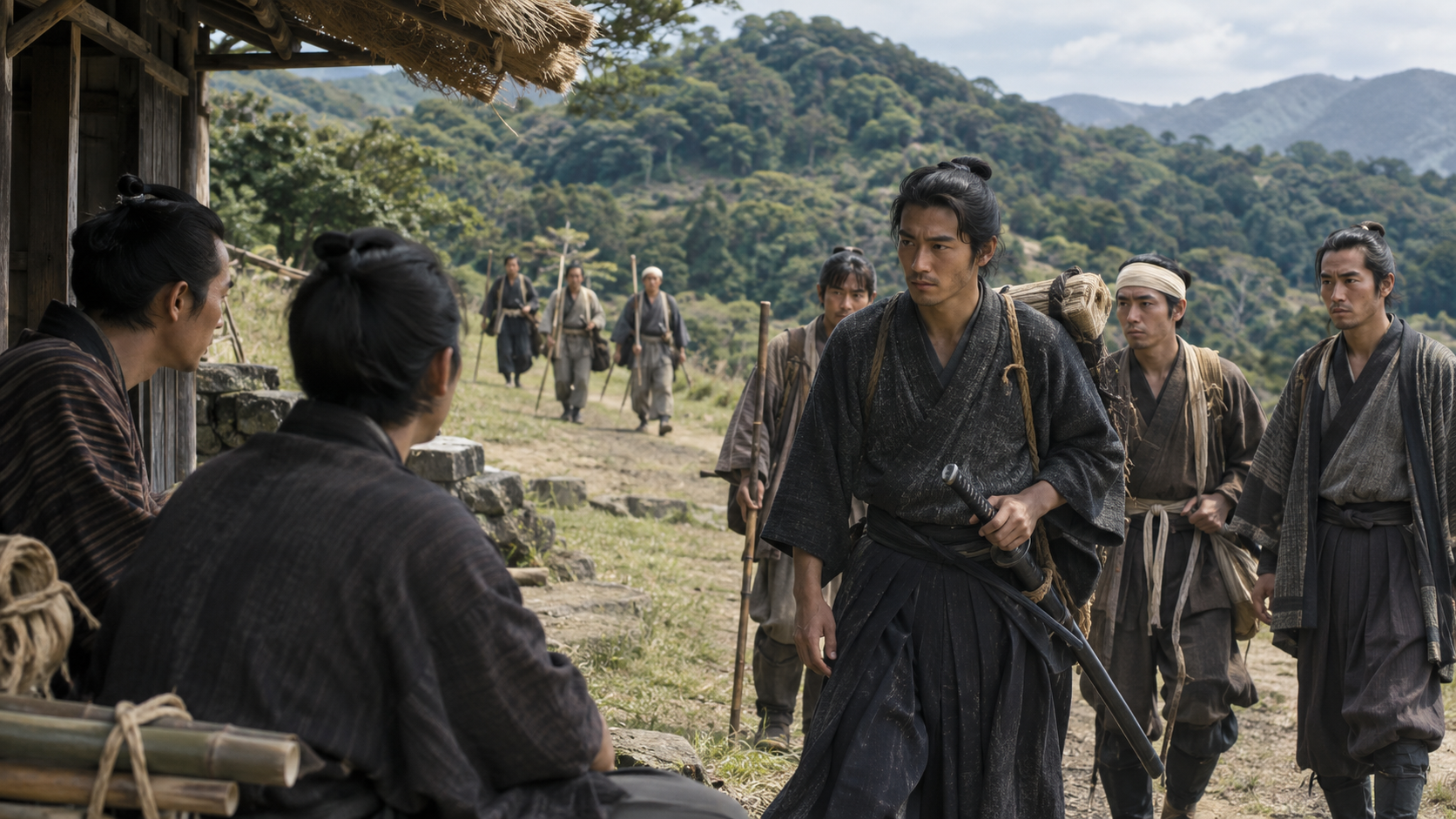
Scene 09
Gathering at Isa and the Oda–Edo fighting
Other units gradually came to support Takasugi’s actions. Ube describes their assembly at Isa as they prepared to advance toward Hagi and their confrontation with the government army around Oda and Edo.
During the first month following the rising, internal war intensified between forces within Choshu. Initial agreement with the rising and later participation in the fighting were separate stages in the development of the coalition.
Mine City also identifies Kinrei Shrine as the site of the units’ headquarters. Present monuments help locate the historical landscape, but they are not photographs of the fighting or unchanged buildings from the campaign. The local place-name Oda is read with a long initial vowel in Japanese.
Scene 10
Military action was accompanied by a public claim
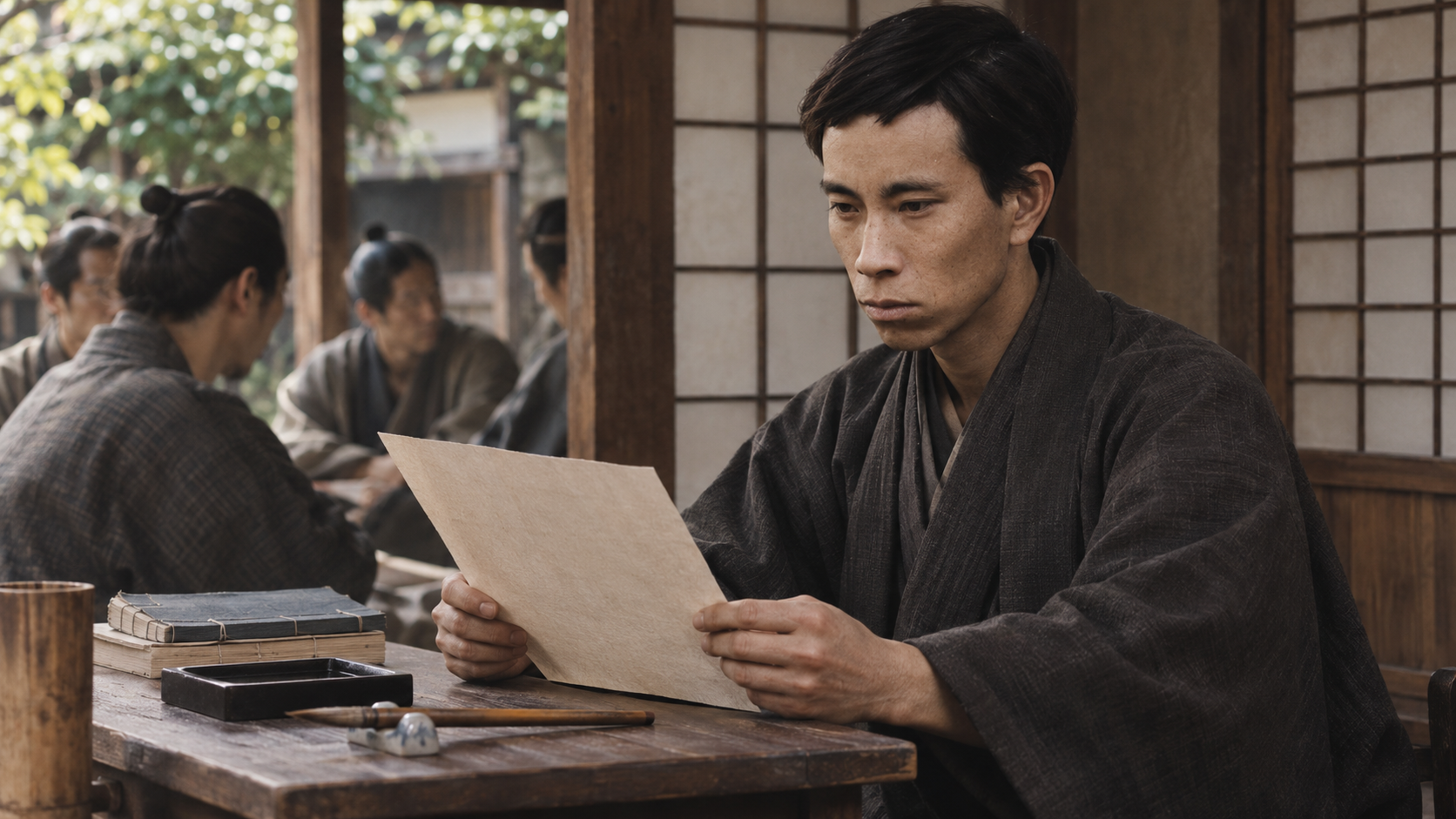
Takasugi and his associates also explained why they were acting. The prefectural library’s exhibition account describes a notice posted after a renewed attack on the Shimonoseki office.
Its argument was that the conservative group was harming the domain against the lord’s wishes and that the insurgents were restoring justice. This was the position advanced by Takasugi’s side, a claim intended to establish legitimacy within the domain.
The argument cannot simply be adopted as proof of the opponents’ inner intentions. The document shows a political effort to justify action alongside the military effort. Reading it that way preserves its value without turning partisan language into an unqualified verdict.
Scene 11
A posted notice and printed proclamations are separate objects
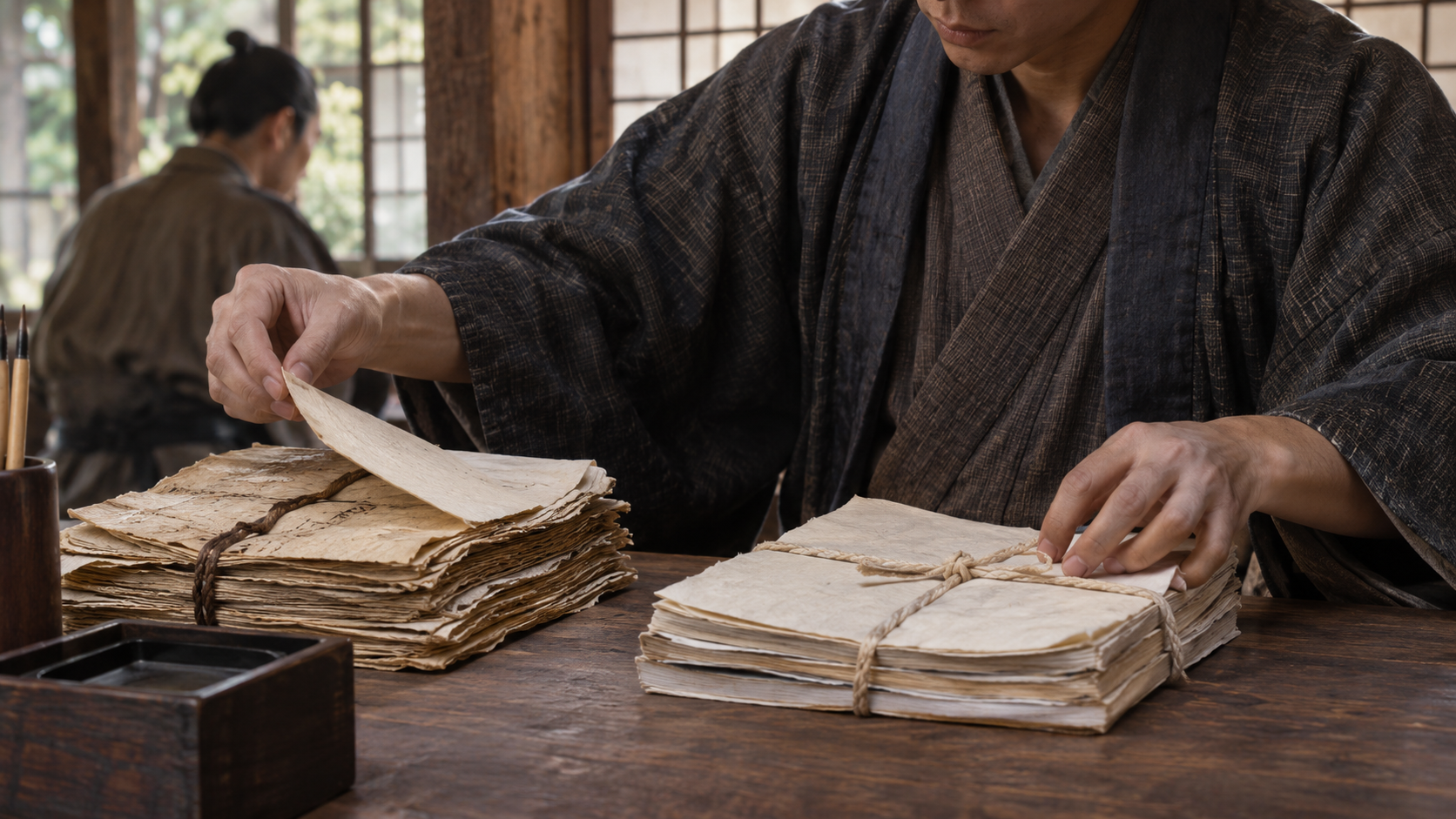
Kyoto University’s Rare Materials Digital Archive holds the Yugekigun kosatsu, a posted notice. Its catalogue attributes the draft to Takasugi and the writing to Ito Hirobumi.
A separate record for Tokan no geki identifies woodblock proclamations and describes three versions. The posted notice and these printed texts should not be merged into one physical object merely because they belong to the same political struggle.
The catalogue information helps distinguish material form, attribution and use. It is not a claim that this article independently transcribed every character, authenticated handwriting or established every calendar conversion in an inscription. No archival image is reproduced in the article illustrations.
Scene 12
From one night to a change of government
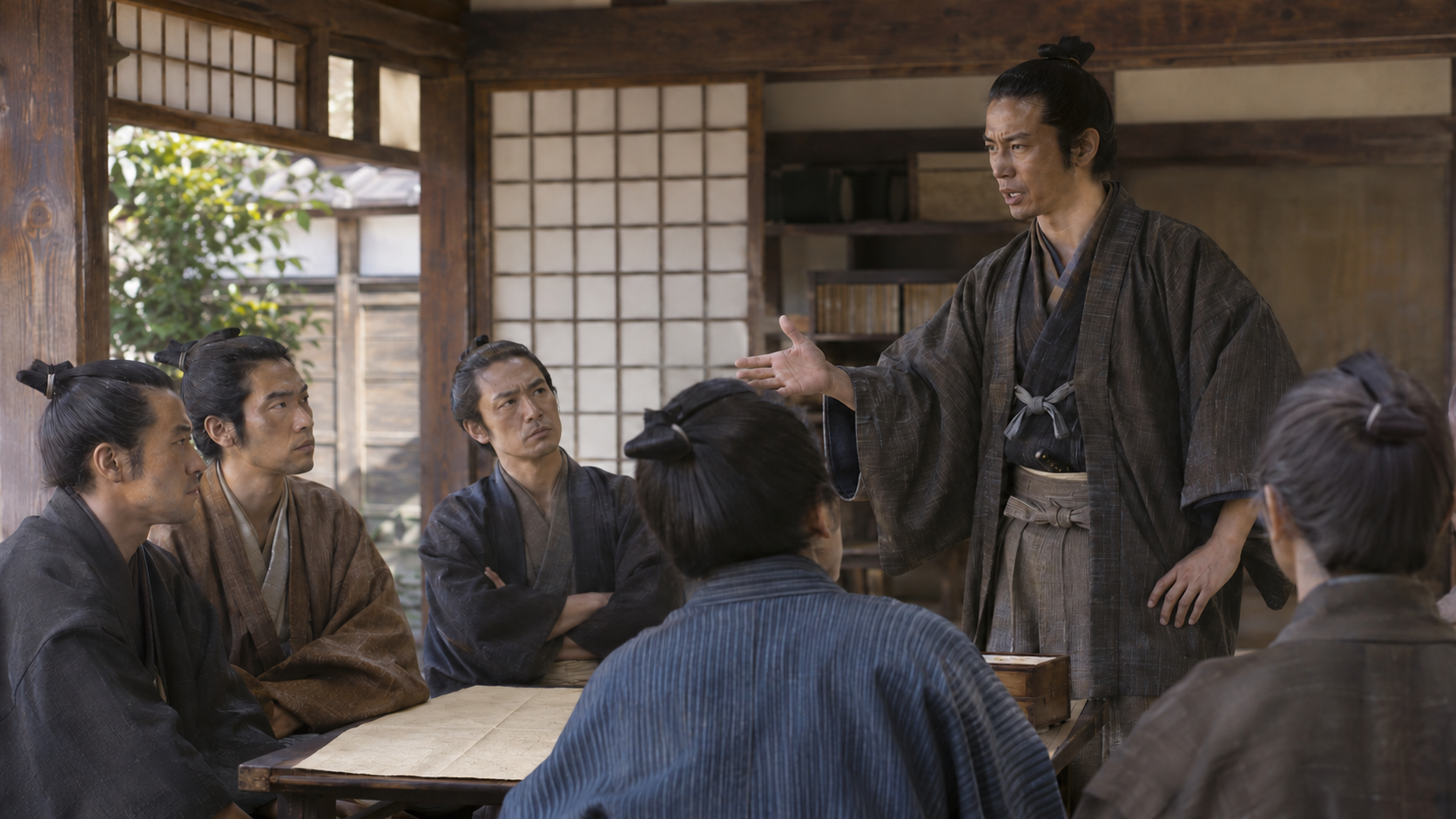
The internal war moved toward victory for the units opposing the existing administration. The archives describes the end of the conflict, the removal of conservative leaders and the establishment of a government resisting the shogunate as stages in a political transformation.
The night at Kozanji did not settle everything at once. Initial refusals, departures, new participation, fighting and political decisions all intervened. The eventual outcome should not be projected backwards as unanimous agreement from the beginning.
Identifying the immediate opponent reveals the rising as a turning point in the struggle over Choshu’s own direction before its later war with the shogunate. Takasugi’s action mattered within that evolving network of people, organizations and political claims.
How to read this work
History, interpretation, and reconstruction
The rising, internal war and political change become clearer when participation is followed unit by unit and the insurgents’ claims are distinguished from independently established facts.
This work is grounded in published sources and historical research. Interior thoughts, dialogue, and some visual details are cinematic reconstructions. Where historians disagree, the article presents the point as debated rather than settled fact.
Timeline
The story in time
-
Takasugi establishes the Kiheitai at Shimonoseki.
Sources: library -
The Kinmon incident and four-power fleet attack form the crisis; Takasugi undertakes negotiations.
Sources: library, rikishitai -
Ito Shunsuke is assigned responsibility for the Rikishitai.
Sources: rikishitai -
The Shinchi office in Shimonoseki is attacked and weapons and ammunition obtained.
Sources: ube -
Many Rikishitai members return to Hagi; the inconsistent exact date is left unresolved.
Sources: rikishitai -
Opposing forces within Choshu fight around Oda and Edo; Rikishitai men also serve in the Hagi government army’s vanguard.
Sources: rikishitai, ube, mine -
The insurgents post a notice asserting the legitimacy of their action.
Sources: tokangeki -
The separate Tokan no geki record describes three proclamations, distinct from the posted notice.
Sources: geki-catalog -
The conflict ends and political change proceeds through removal of conservative leaders and establishment of a government resisting the shogunate.
Sources: rikishitai
People & terms
A guide for new readers
Glossary
- Choshu 長州
- The western Japanese domain whose administration and military units divided over policy in this conflict.
- Kiheitai 奇兵隊
- The military unit founded by Takasugi in 1863; its founding does not imply unanimous support for his later rising.
- Rikishitai 力士隊
- A distinct unit connected with Ito Shunsuke; many members later returned to Hagi and fought with the domain government army.
- Kosatsu 高札
- A posted notice. The Kyoto catalogue’s Yugekigun kosatsu is a different object from the separately catalogued woodblock proclamations.
- Genji 元治
- An era name used in the contemporary dates; its late-year month and day references must not be copied directly into the Gregorian calendar.
Sources & method
How this article was built
The account uses institutional explanations and catalogues, including both pages of the saved prefectural archives essay. The original appointment and other displayed records have not been independently transcribed in full. A catalogue attribution is reported as an attribution, and an insurgent proclamation is read as a claim by its authors.
Initial participation, subsequent return, later combat and political settlement are kept separate. The inconsistent date information around the Rikishitai’s return is left unresolved. Contemporary Japanese month and day references are not converted into Gregorian dates merely by copying their numbers.
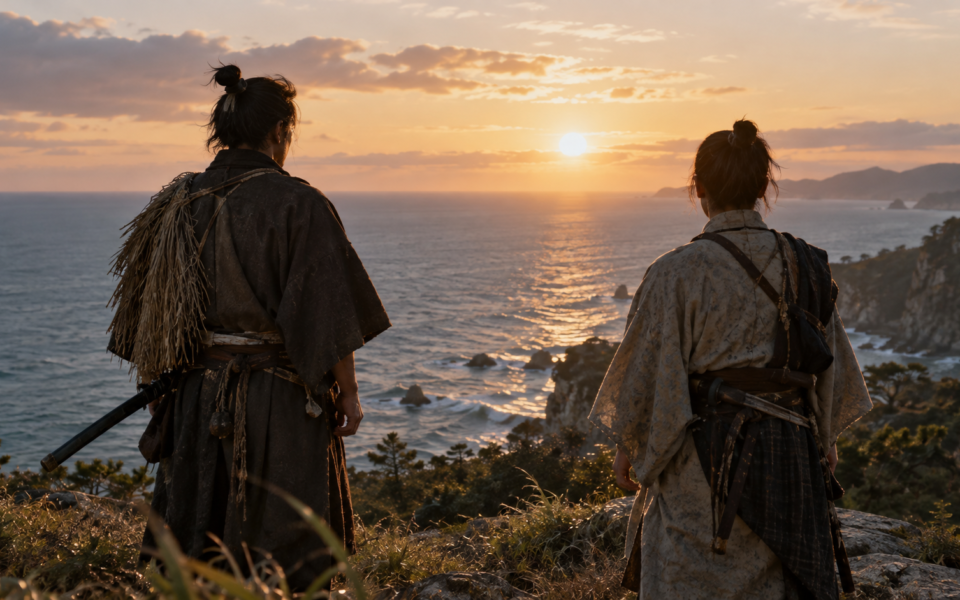
The illustrations are AI-created explanatory scenes. They are not authentic portraits, photographs of the rising, exact meeting or march reconstructions, or reproductions of the surviving notice and proclamations. The archival images, helmet photograph and audio used in other media are not reproduced here.
Sources
References and further reading
- Takasugi Shinsaku: Meiji Restoration Biographical Research Guide No. 14 高杉晋作 明治維新人物調べ方案内 No.14 Title translated editorially for reader convenience. Yamaguchi Prefecture 山口県 Prefectural library overview of the Kiheitai, peace negotiations and the internal conflict, distinguished from the later war with the shogunate. Listed biographies are not all claimed as read. Accessed 2026-11-04
- Takasugi’s Rising and the Fighting at Oda and Edo 高杉晋作の挙兵と太田・絵堂の戦い Title translated editorially for reader convenience. Ube City 宇部市 Board of Education account of the temple report, next-day attack, equipment, initial refusals and later internal war. Exact routes and new numerical claims are not added. Accessed 2026-11-04
- The Rikishitai and Yamawake Katsugoro, Part 3: Into the Battlefield 幕末の諸隊力士隊と山分勝五郎(3) 力士隊、戦場へ Title translated editorially for reader convenience. Yamaguchi Prefecture 山口県 Both saved pages of the prefectural archives essay read as text and images. Appointment, return, government-army service and staged political change are distinguished. Inconsistent date information is not adopted. Accessed 2026-11-04
- Helmet Worn by Takasugi Shinsaku 高杉晋作着用甲 Title translated editorially for reader convenience. Hagi City 萩市 Museum explanation used for the late-night visit to the court nobles. Neither its photograph nor an exact helmet replica is adopted; reported speech is not newly quoted as verified dialogue. Accessed 2026-11-04
- Exhibition: Tokan no geki 明治維新人物ギャラリー資料展示 討奸檄 Title translated editorially for reader convenience. Yamaguchi Prefecture 山口県 Library explanation distinguishes the notice after the renewed attack from later distributed texts. A Gregorian-year typo on the page is not copied; historical calendar dates remain explicit. Accessed 2026-11-04
- Yugekigun kosatsu, RB00014099 遊撃軍高札 RB00014099 Title translated editorially for reader convenience. Kyoto University 京都大学 Main Library catalogue attribution: draft by Takasugi, writing by Ito. No claim of independent full transcription or handwriting authentication; no image reproduction. Accessed 2026-11-04
- Tokan no geki, RB00013970 討奸檄 RB00013970 Title translated editorially for reader convenience. Kyoto University 京都大学 Saved official catalogue read: woodblock material dated 1865, with three proclamations. A separate object from the posted notice; inscriptions and calendar conversion are not independently authenticated. Accessed 2026-11-04
- Headquarters Site of the Units in the Oda–Edo Campaign 大田・絵堂戦役諸隊本陣跡 Title translated editorially for reader convenience. Mine City 美祢市 Municipal explanation identifies Kinrei Shrine as a headquarters site. Modern monuments and the historical fighting are kept distinct. Accessed 2026-11-04
- Kijima Matabee: Revised Biographical Research Guide 来嶋又兵衛 明治維新人物調べ方案内 Title translated editorially for reader convenience. Yamaguchi Prefecture 山口県 Library guide used for the Kijima reading, alternate written name and death in the Kinmon incident. He is not included as a living participant in the later rising. Accessed 2026-11-04
Continue reading
More stories from Shigeki
Shigeki English
The Battle of Minatogawa: How Was the Defeated Masashige Remembered?
Separate the time of fighting from the times when records, images and memorials were made.
- When The battle in 1336; a report dated 1337; commemoration in 1692 and 1857; the tunnel, park and statue of the modern city
- Where Minatogawa and Kobe, considered alongside documents, war narratives and later images held or described by several institutions
Shigeki English
Railway Opening and the Takanawa Embankment: Where Trains and Boats Crossed
An embankment carrying trains into the sea also raised the question of keeping a way to the water.
- When Construction in the early 1870s, railway opening in 1872, later widening and reclamation, rediscovery in 2019 and additional designation in 2021
- Where The former coast at Takanawa between Shimbashi and Shinagawa, along the Shimbashi–Yokohama railway