
SHIGEKI ENGLISH STORYEN
Japanese history in English
Shokasonjuku’s Connections: A Small Room and Letters of Disagreement
Learning from the same teacher did not put every pupil on the same path.
Trace Shokasonjuku from its beginnings in 1842 to lectures at the Sugi home, an enlarged schoolroom, travelling pupils and letters carrying disagreement. Distinguish Shoin’s teaching period, later reopenings, individual careers and the subsequent commemorative landscape.
At a glance
Before you enter the story
- When
- Origins in 1842; Shoin’s teaching in 1856–1859; later reopenings until 1892 and the shrine established in 1907
- Where
- Hagi and the places connected by pupils’ journeys and correspondence
- Key figures
- Yoshida Shoin, Tamaki Bunnoshin, Kubo Gorozaemon, Kusaka Genzui, Takasugi Shinsaku, Ito Hirobumi, Sugi Minji
- What was at stake
- How did a small place of learning connect people whose opinions, experiences and later careers differed?
Why this story matters
The larger history behind the turning point
A famous institution can become a list of famous alumni. Correspondence supplies a different view: a pupil reporting an unsuccessful visit, a teacher making demands and a pupil recording disagreement. Those details make the relationships more specific.
The school’s name also predates and outlasts Shoin’s short period of teaching. Separating those phases avoids turning a long local educational history into one unchanging classroom or treating later political careers as plans already completed in the schoolroom.
Historical context
What an international reader needs to know
The small room was one stage in a longer history
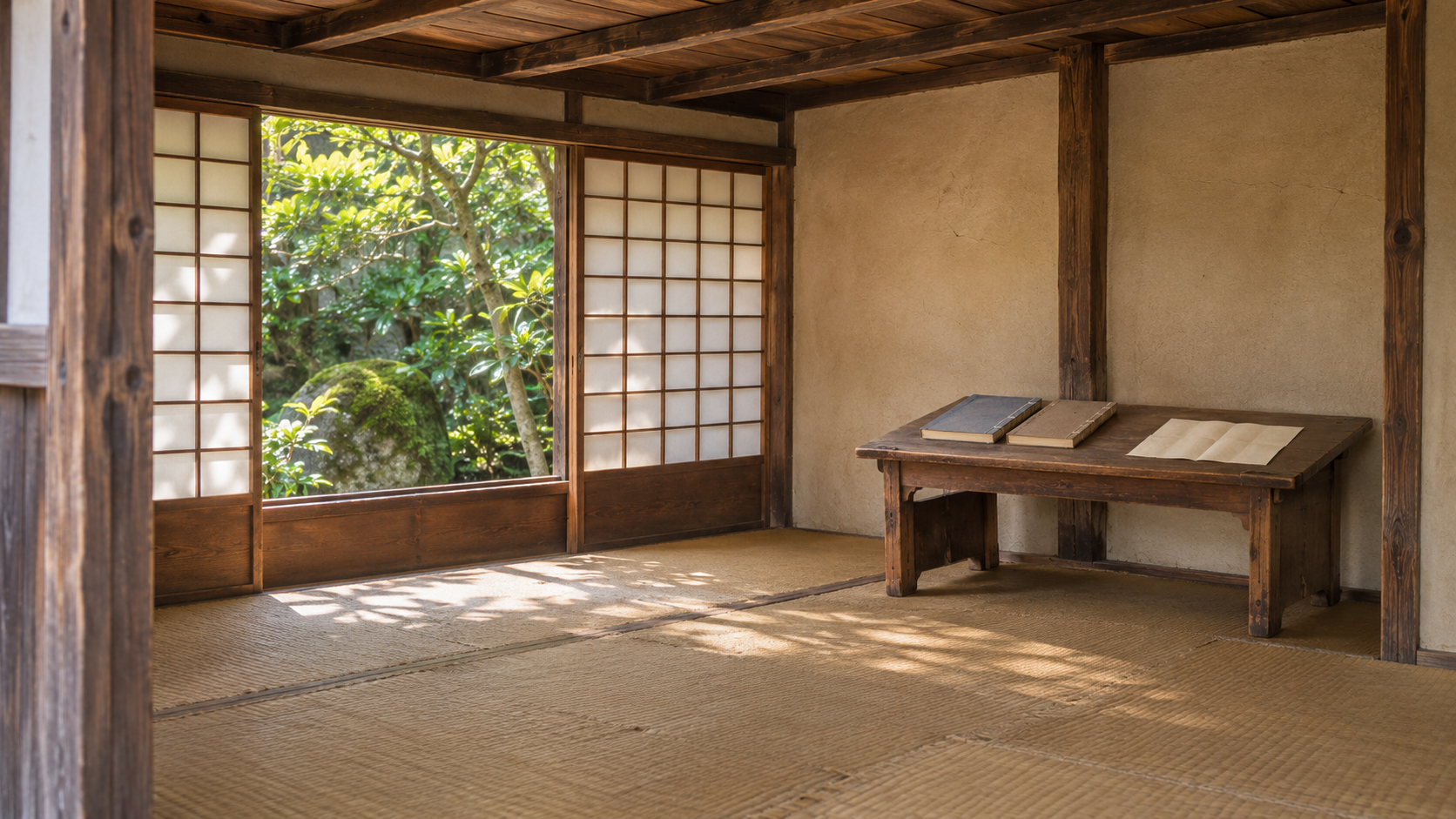
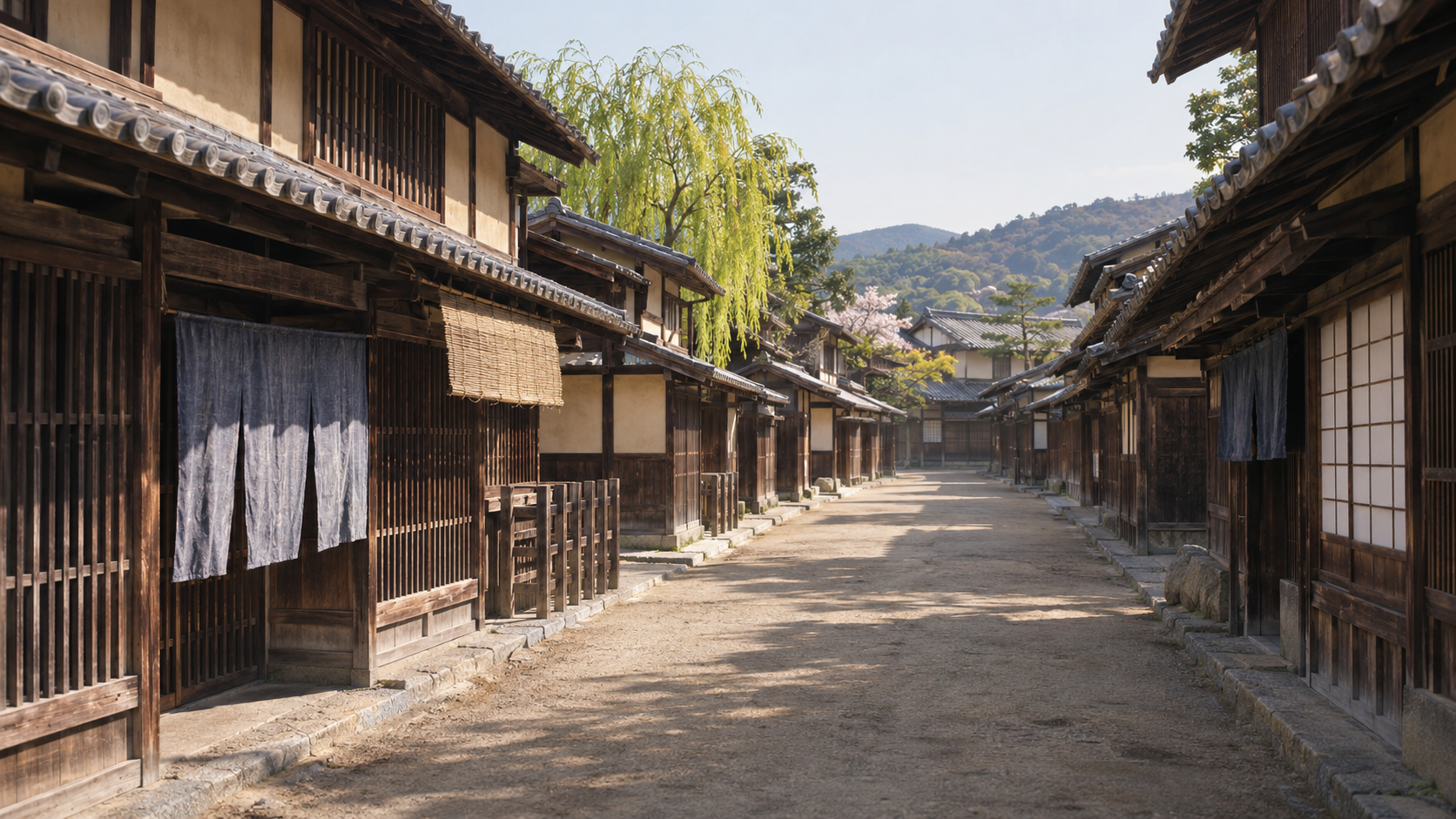
Shokasonjuku began before Shoin took charge. Tamaki Bunnoshin opened a private school at home in 1842, and another teacher later carried on its name. The familiar eight-mat room belongs to the subsequent phase associated with Shoin, not the institution’s entire existence.
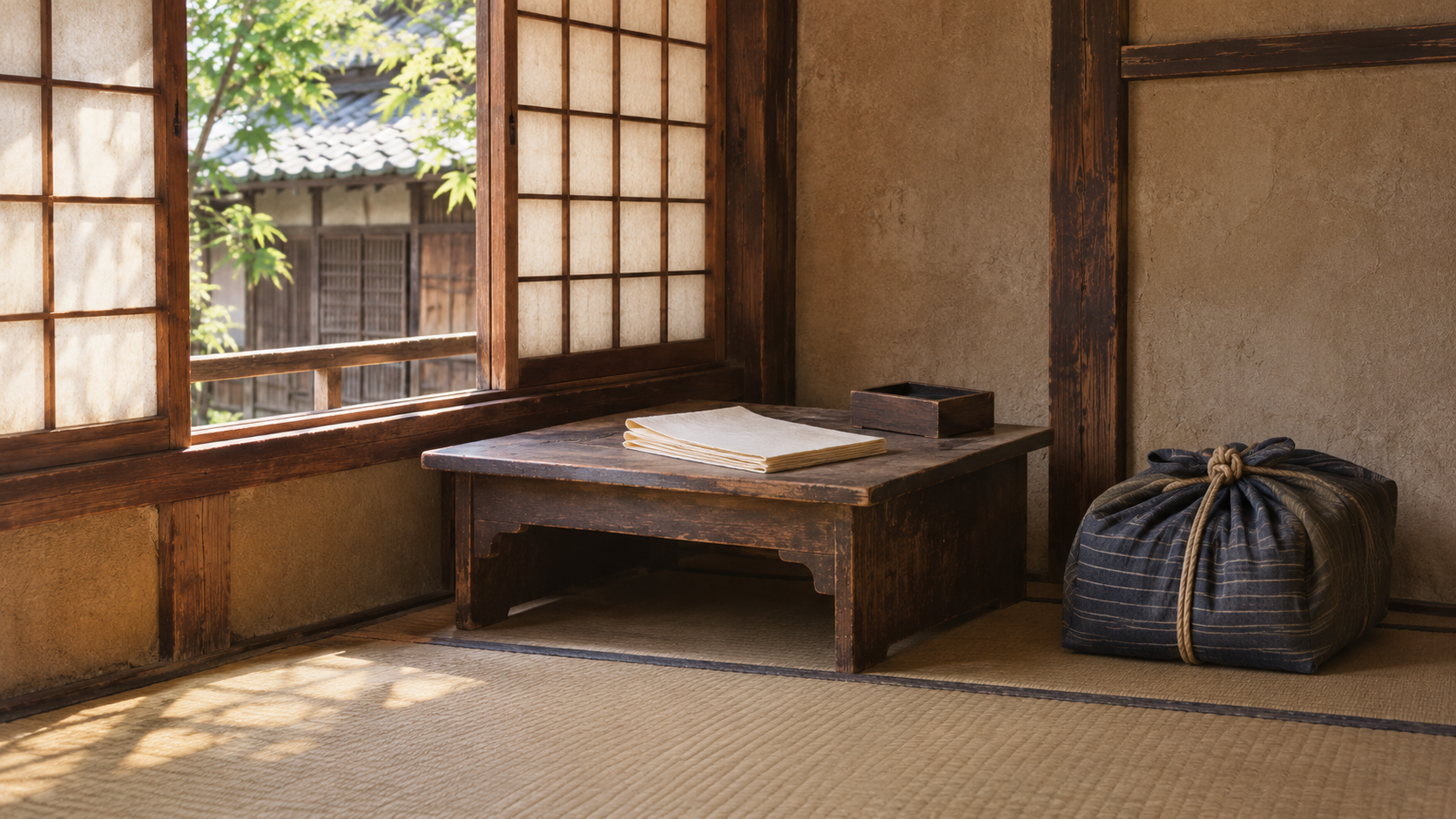
Lectures at the Sugi home, preparation of a school building and enlargement into an additional room were separate developments. A preserved building can introduce those changes without allowing every lesson or all attendance to be reconstructed.
Shared study did not mean identical experience
Students arrived with different backgrounds and also learned elsewhere. A connection with Shoin did not supply every part of their knowledge or determine every later action. Discussion and correspondence could sustain a relationship even when agreement failed.
Institutional biographies, collection descriptions and letter explanations support different kinds of statement. The generated illustrations show anonymous learning, travel, building and writing scenes. They are not portraits, original letters, authenticated schoolbooks or documentary views of a particular lesson or prison.
Watch the film
See the story in motion
The film currently uses Japanese audio. This English article provides the context and source trail; it does not imply that an English subtitle track is available.
Scene 01
An eight-mat room and a pupil who disagreed
An eight-mat room survives at Shokasonjuku in Hagi. Names associated with study under Shoin include Kusaka Genzui, Takasugi Shinsaku and Ito Hirobumi. The famous names can suggest unity, but shared study did not mean that everyone accepted the same judgment.
The National Diet Library introduces a letter carrying an annotation by Kusaka expressing disagreement with Shoin. A pupil’s response sits alongside the teacher’s words.
The article follows the room, journeys and letters to ask how the connections worked. The starting point is a relationship capable of carrying objections, rather than an assumption that one teacher produced identical political actors.
Scene 02
The name existed before Shoin’s teaching
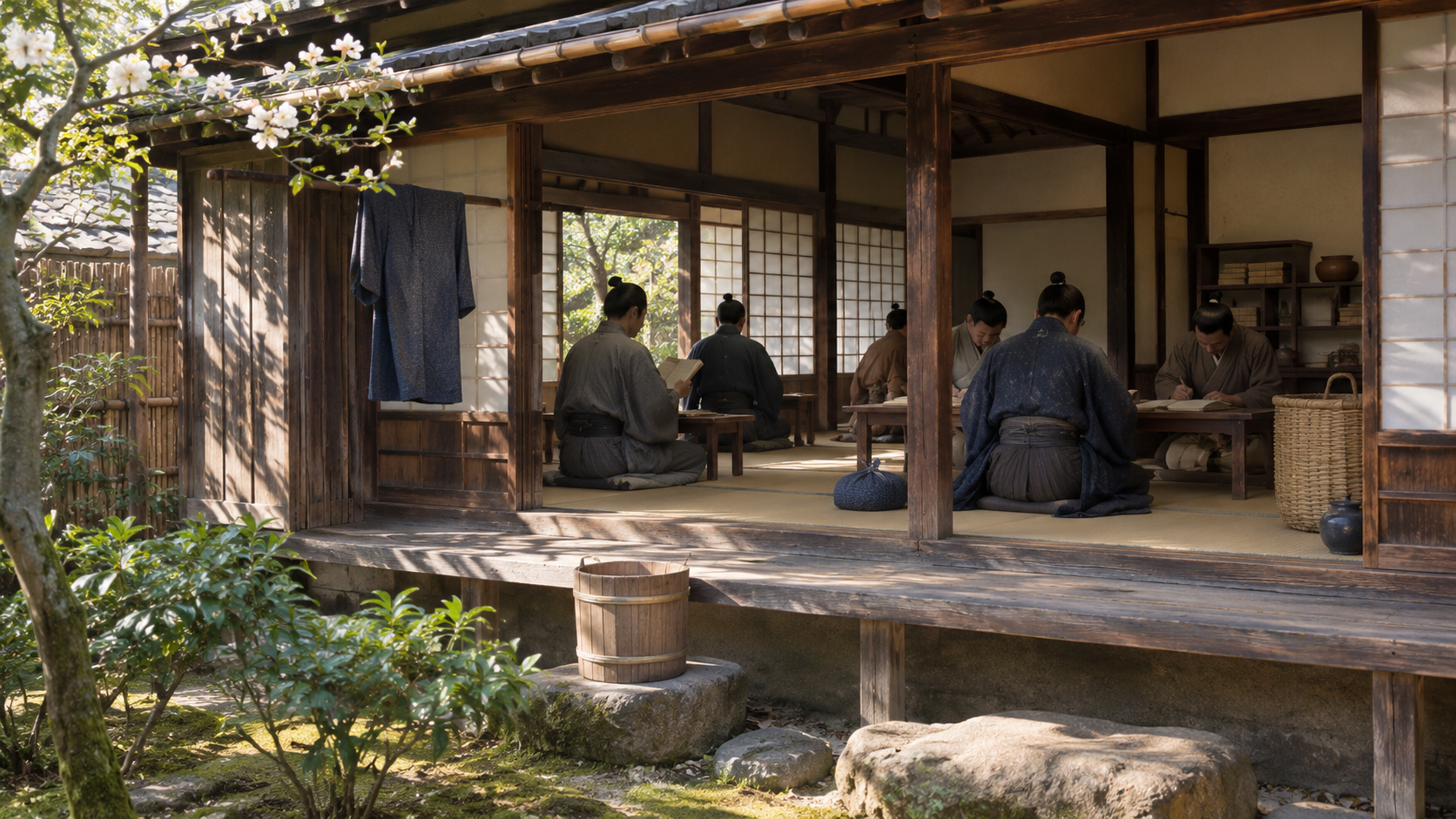
In 1842, Shoin’s uncle Tamaki Bunnoshin opened a private school in his home. Shoin himself studied there as a child. The institution’s origin therefore precedes the later phase for which it is especially well known.
After Bunnoshin’s school closed, Kubo Gorozaemon carried on the name. Changes of teacher and place belong within the history of Shokasonjuku.
It was not established from the beginning as a planned gathering of people already destined to become Restoration leaders. Local and household learning preceded Shoin’s direction, and later fame should not overwrite that earlier educational setting.
Scene 03
A traveller came to teach at home
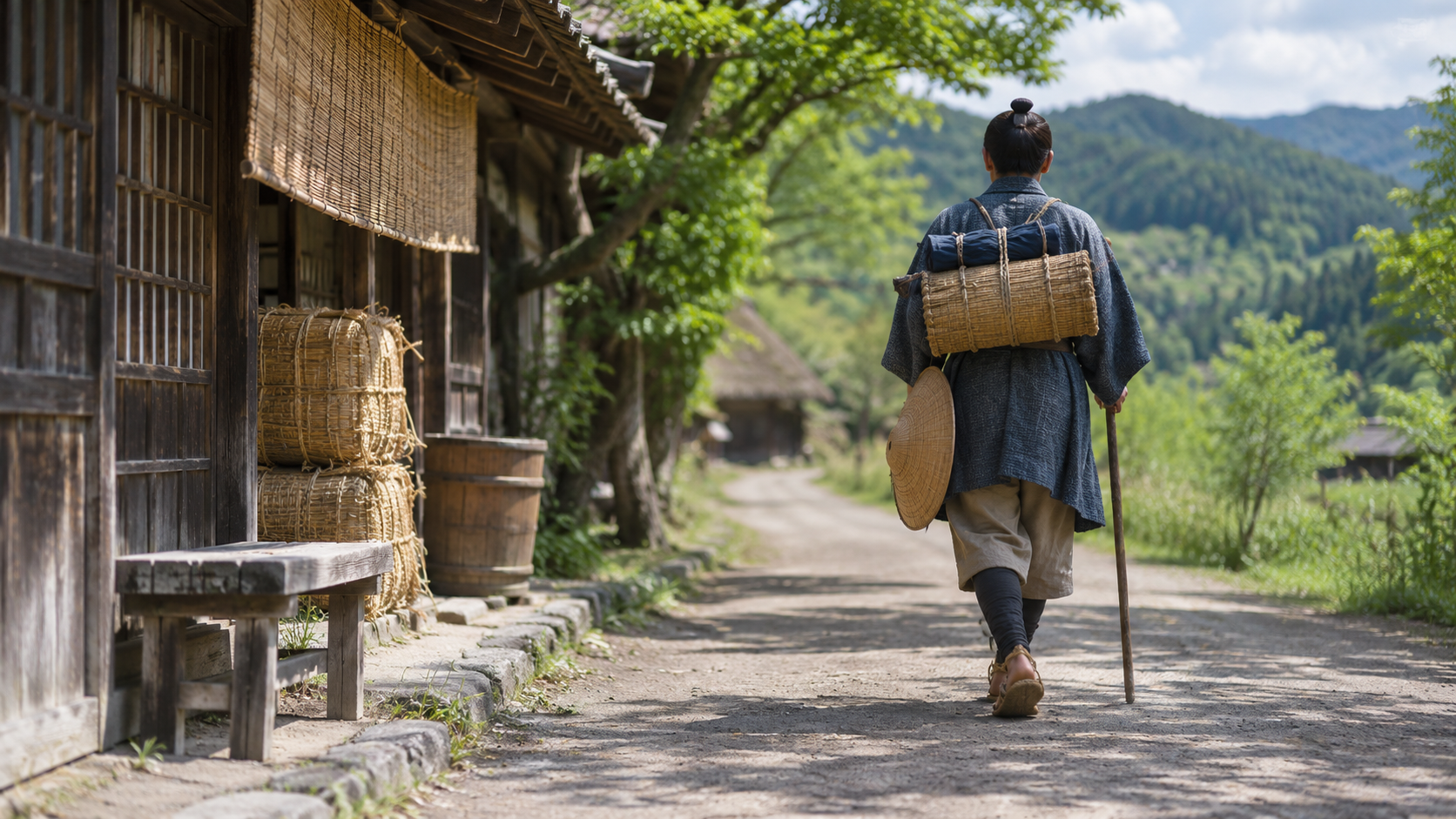
Shoin inherited a household responsibility connected with teaching military studies in the domain. He travelled within Japan to expand his knowledge. In 1854, at Shimoda, he tried to board an American warship and travel abroad.
Permission was refused, and he was arrested and eventually confined in Noyama Prison in Hagi. Leaving prison the following year did not restore unrestricted travel: he was confined at his family’s Sugi home.
Hagi City dates the beginning of lectures to relatives and neighbouring young people to March 1856. Someone who had sought knowledge through travel now received learners at home, within a setting shaped by confinement as well as educational activity.
Scene 04
From eight mats to an additional room
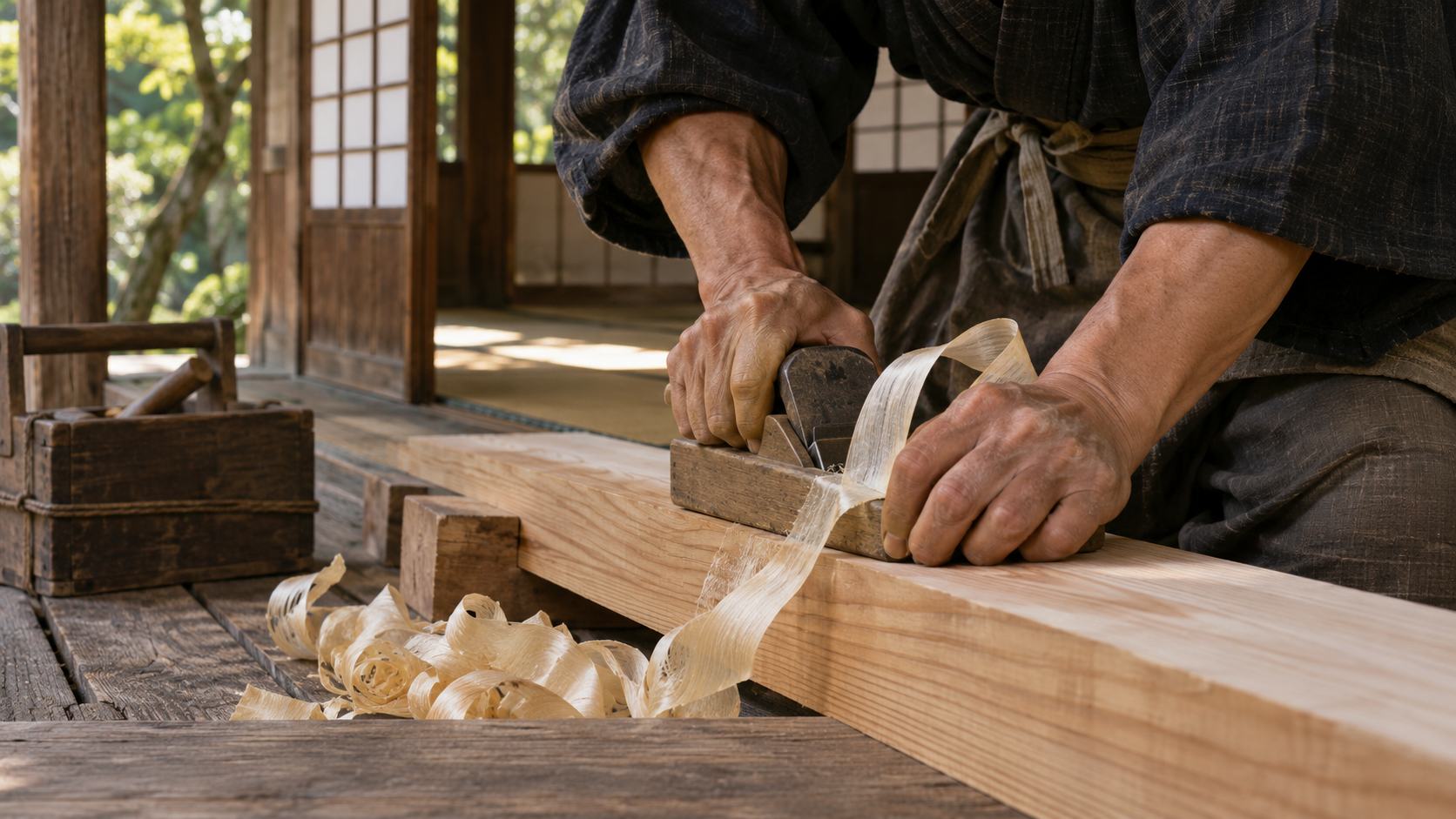
As attendance grew, a structure beside the Sugi home was repaired for use as a school. Shoin Shrine’s institutional history dates the preparation of the eight-mat room to November 1857.
An additional room of ten and a half mats followed as numbers increased. The cultural-property description introduces the two rooms, rather than only the original eight-mat space.
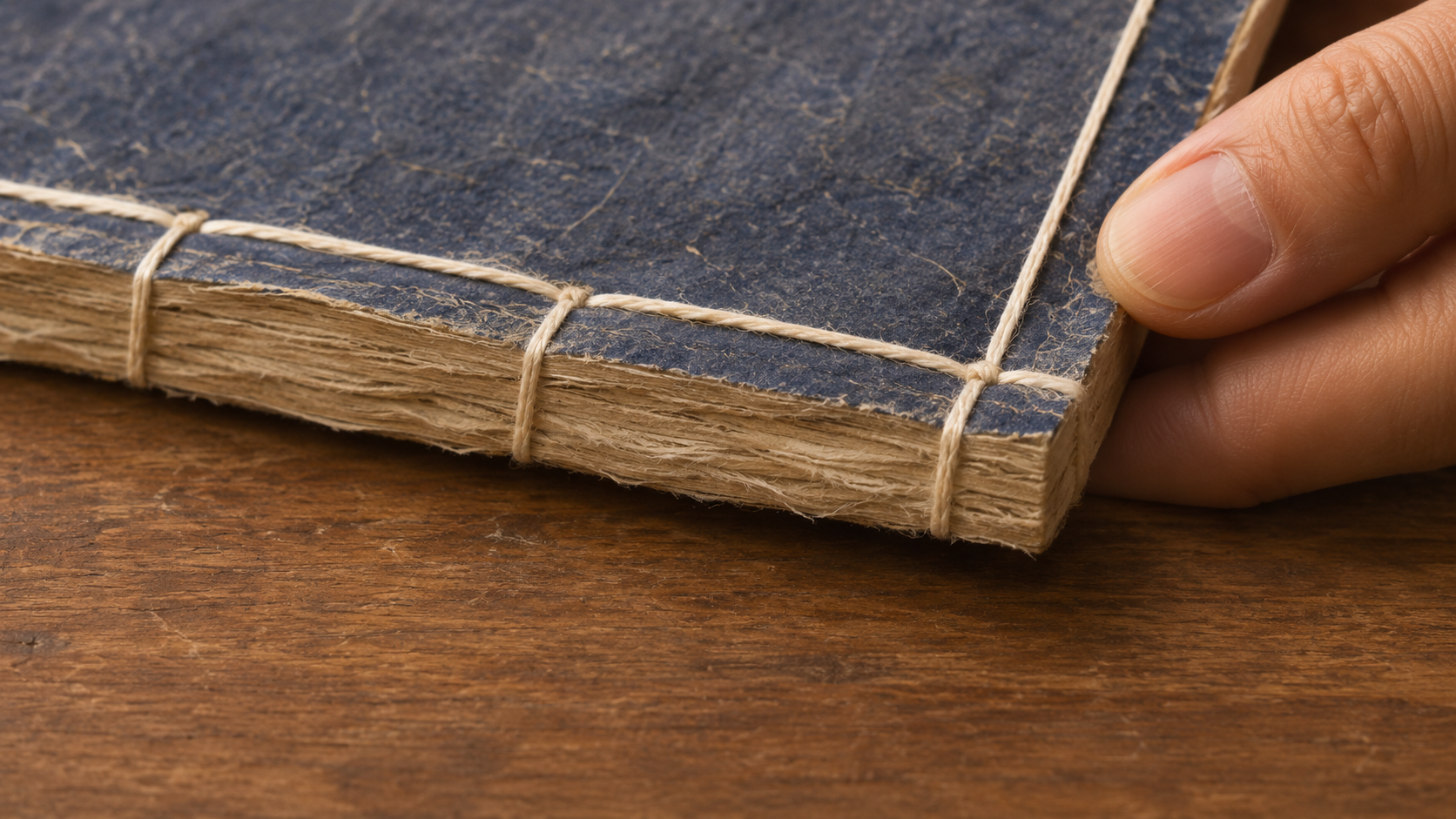
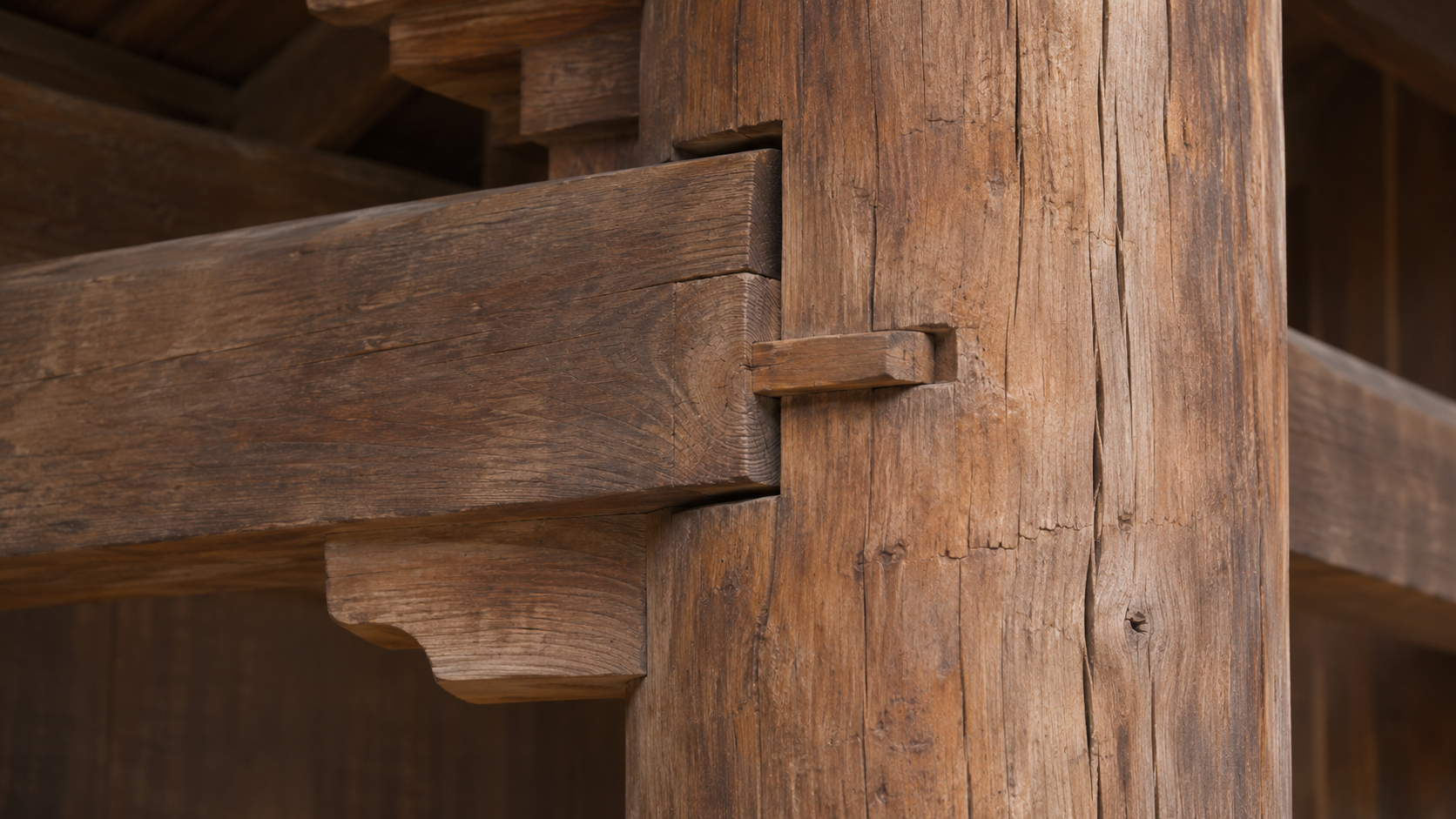
The familiar room size should not imply that everyone always met simultaneously in one unchanging room. Lectures at home, a prepared schoolroom and an enlargement mark a changing learning environment. The woodworking image is explanatory, not a record of the actual construction.
Scene 05
Reading connected with contemporary questions
The subjects included Confucian learning, military studies and history, with lectures on Mencius among them. Reading older books could connect with questions about politics and foreign relations in the present.
Yamaguchi’s tourism federation describes reading and discussion according to interests and progress, alongside listening to lectures. This is an institutional interpretation of the learning methods, rather than a complete surviving timetable.
The method did not automatically generate one agreed answer. Readers could ask different questions of the same text or place emphasis on different problems. The article does not invent a shared classroom conversation to make those differences appear more precise than the evidence allows.
Scene 06
Students had different routes into the school
Yamaguchi’s cultural-property explanation describes a private school attended by children of lower-ranking warriors and ordinary households. That description should not be expanded into a claim that it operated as a modern school with universal equality.
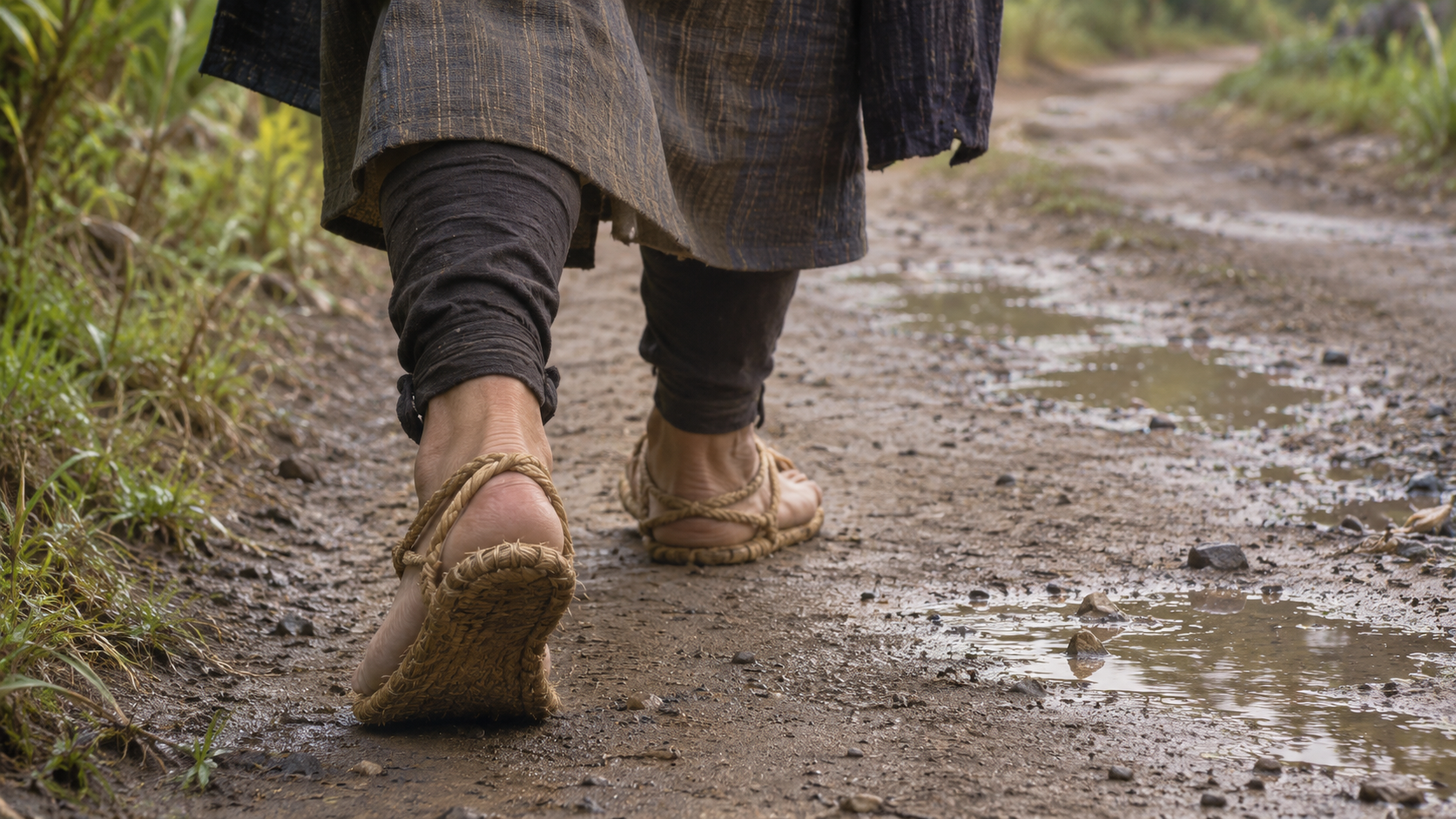
Takasugi also studied at the domain school Meirinkan. Ito learned from Kuruhara Ryozo as well as Shoin. Their education cannot be attributed in full to one institution.
Different experiences met at Shokasonjuku and continued beyond it. Later titles can conceal those earlier differences. The connection was one part of overlapping educational and personal histories, rather than a substitute for every other relationship.
Scene 07
A journey report reached the teacher
A letter by Kusaka preserved at Hagi Museum records part of a journey toward study in Edo in 1858. The cultural-heritage description explains his departure from Atsuki and a visit to Myoenji in Tozaki to meet Gessho.
Gessho was absent, so Kusaka left and reported an intention to proceed toward Iwakuni. The letter carried news of movement and an unsuccessful encounter, rather than only a grand political statement.
Such reports connected pupil and teacher beyond the school building. The place-names do not supply an exact reconstructed itinerary or travel time. They show that leaving the school did not necessarily end the exchange of information.
Scene 08
A letter preserved a conflict within the relationship
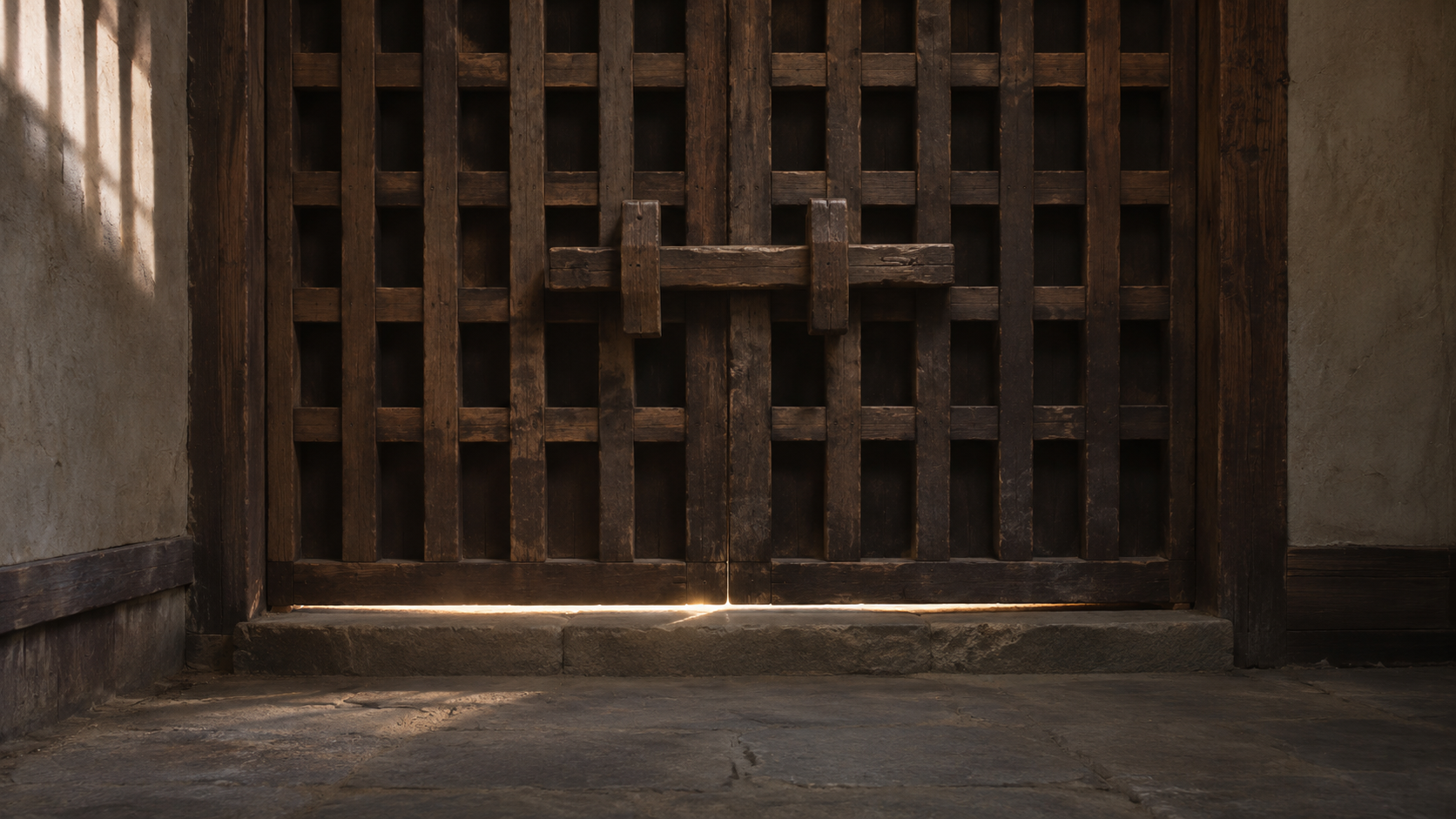
Shoin was confined again in Noyama Prison at the end of 1858. The National Diet Library’s introduction to correspondence from the following year explains disagreement among pupils over his political plans.
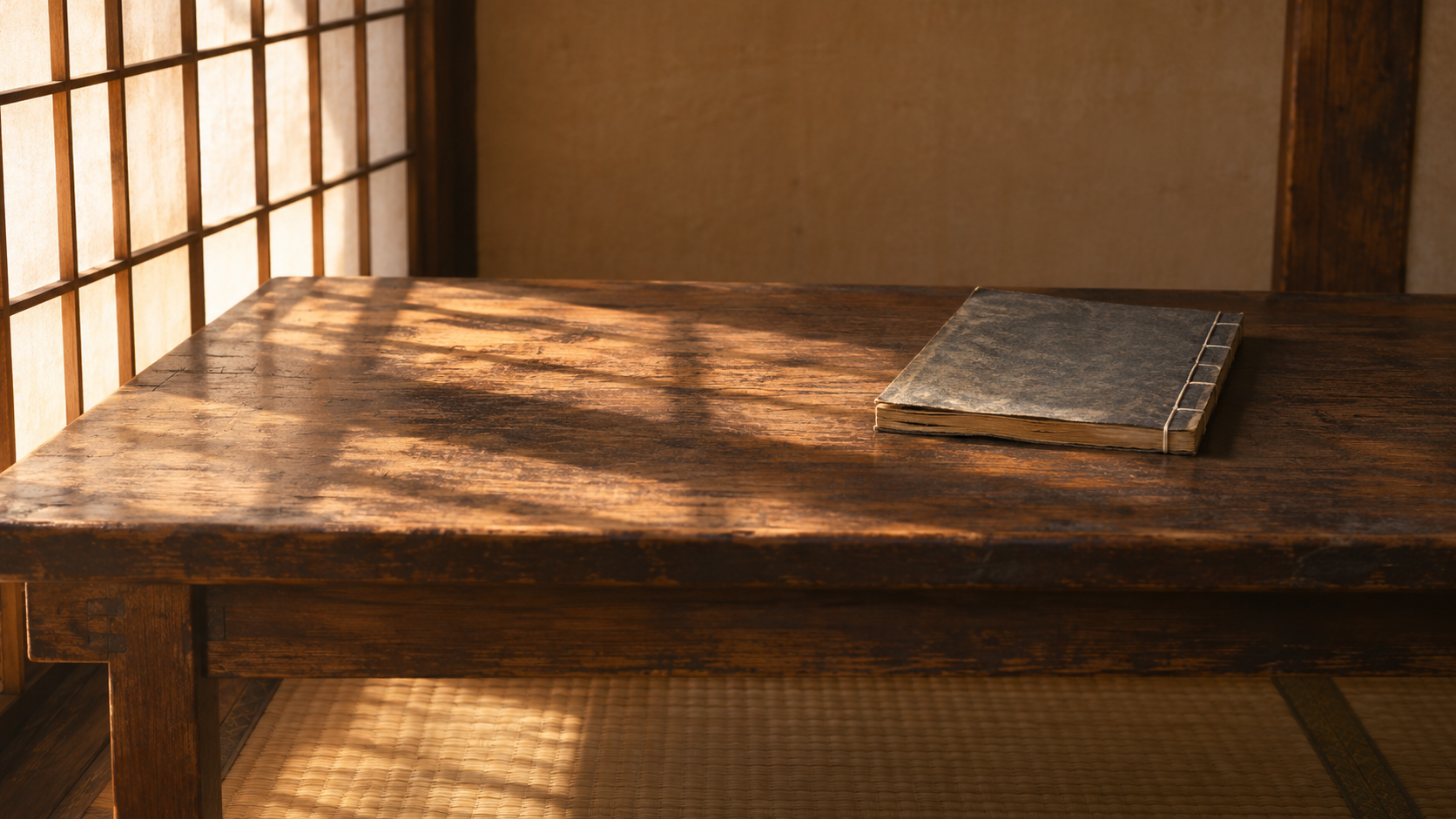
In a letter dated 29 March 1859, he declared a break with pupils over their response concerning the arrested Irie Kuichi and others. Kusaka’s annotation records that he could not accept the position.
The account attributes the interpretation to the library’s letter explanation rather than claiming a full independent transcription of the original handwriting. A strong connection and agreement were different things. The letter complicates a later image of an entirely united group.
Scene 09
Their later paths diverged
Kusaka died in the Kinmon conflict in 1864. Takasugi organised the Kiheitai at Shimonoseki in 1863 and later participated in domain politics and warfare, but died before the Meiji Restoration.
Ito went secretly to Britain in 1863 with Inoue Kaoru and others, returning the following year and becoming involved in foreign negotiations. Mentioning that shared voyage does not make Inoue a Shokasonjuku pupil.
War, travel, overseas study and negotiation gave former pupils different later experiences. Their careers were not simply the execution of one schedule established in the classroom. Common study remained part of their histories without determining every subsequent judgment.
Scene 10
The name continued after Shoin’s death
Shoin was executed in Edo in 1859. Shokasonjuku’s history did not end that year. The shrine’s account describes study meetings, closures and reopenings after his death.
Former pupils returning home reopened the school in 1865. In the Meiji period, teaching passed through Tamaki Bunnoshin and later Shoin’s brother Sugi Minji.
Minji reopened it in 1880, and it closed in 1892. Shoin’s brief teaching period and the later local educational history both belong to the name. Combining them into one uninterrupted scene would remove changes of teacher, circumstances and activity.
Scene 11
The preserved building and the later shrine
The school is now preserved within Shoin Shrine’s grounds. The shrine was established in 1907, so the current commemorative setting must be distinguished from the landscape during Shoin’s teaching in the late shogunate period.
Preservation does not allow every lesson to be reconstructed. Yamaguchi’s library and archives hold materials including a school account and correspondence among pupils, relatives and friends.
Those collections offer questions about when a text was written and between whom it passed. A catalogue description is not a complete reading of every item. Present displays and portraits should not be moved unchanged into an imagined nineteenth-century classroom.
Scene 12
Learning continued outside the room
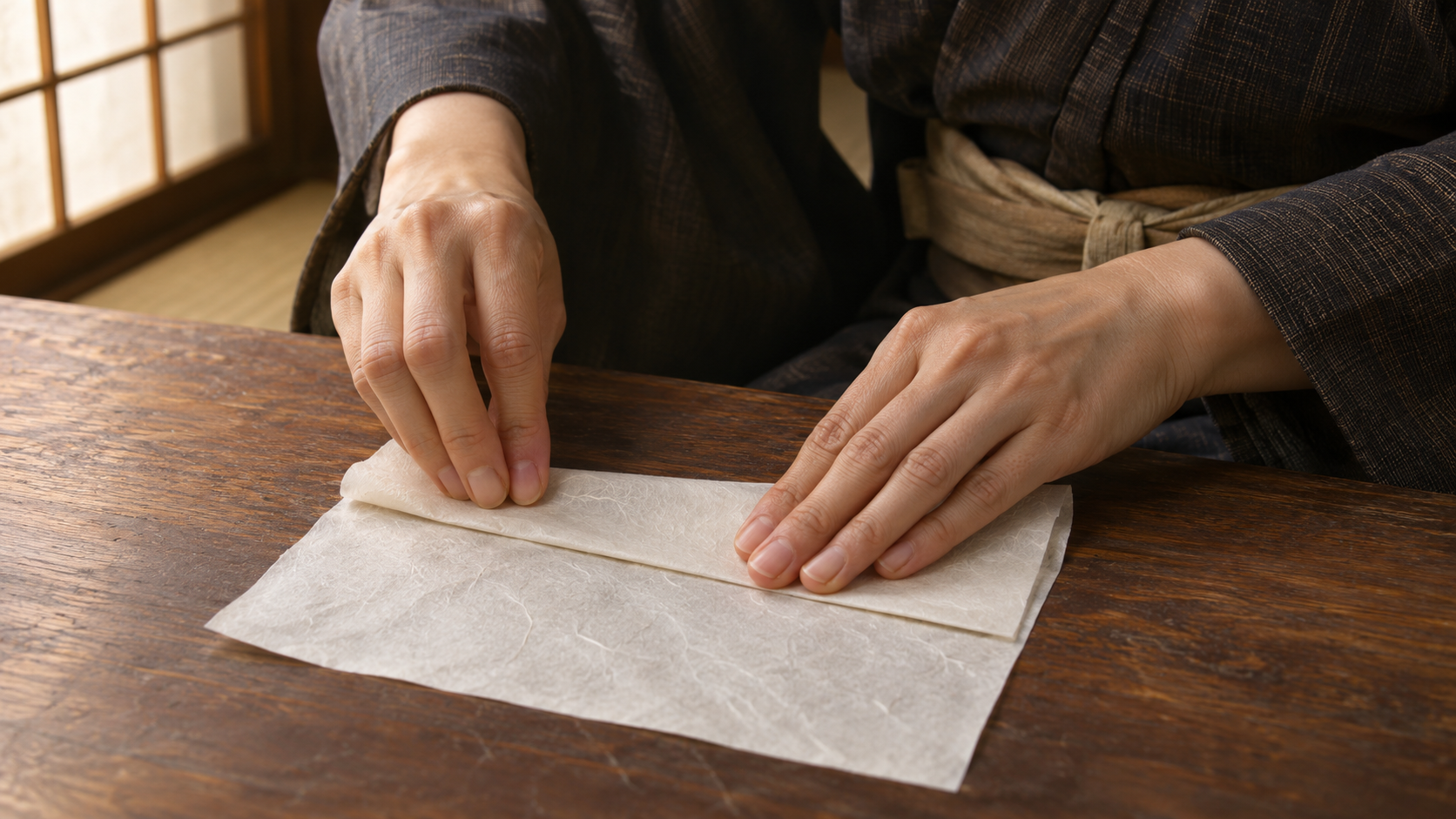
How did the small school connect people? Young people with different experiences met, read and discussed, then continued to exchange news and opinions through letters after leaving. The relationships were not always peaceful or uniform.
Kusaka’s annotation preserves a pupil responding to the teacher while retaining an objection. That evidence matters alongside the more familiar list of people who later became prominent.
The connection can be followed through meeting, reading, questioning and writing back from elsewhere. Looking at those exchanges makes the network more concrete without turning a small room into the predetermined origin of every later political action.
How to read this work
History, interpretation, and reconstruction
The school’s connections developed through encounters, reading, discussion and correspondence, including disagreement, rather than through uniform obedience to one predetermined programme.
This work is grounded in published sources and historical research. Interior thoughts, dialogue, and some visual details are cinematic reconstructions. Where historians disagree, the article presents the point as debated rather than settled fact.
Timeline
The story in time
-
Tamaki Bunnoshin opened a private school at home; Kubo Gorozaemon later continued its name.
Sources: s03 -
Lectures to relatives and neighbouring young people began at the Sugi home.
Sources: s01 -
Kusaka sent Shoin news from a journey toward study in Edo.
Sources: s09 -
A letter declaring a break with pupils bears Kusaka’s annotation of disagreement.
Sources: s05 -
Former pupils returning home reopened the school.
Sources: s03 -
Sugi Minji’s reopening was followed by the school’s eventual closure.
Sources: s03 -
Shoin Shrine was established, distinct from the setting of the earlier lessons.
Sources: s02
People & terms
A guide for new readers
Glossary
- Shokasonjuku 松下村塾
- A private school whose name existed before and continued after Shoin’s own teaching period.
- Tatami room size 八畳
- The eight-mat room is one phase of the school building, later supplemented by another room.
- Private school 私塾
- A place of learning outside the assumption of a modern uniform school system or universal admission.
- Correspondence 書簡
- Letters connecting particular senders and recipients, including travel reports and disagreement.
- Noyama Prison 野山獄
- The place of confinement in Hagi relevant to Shoin’s biography and later correspondence.
- Meirinkan 明倫館
- The domain school where Takasugi also studied, illustrating educational connections beyond Shokasonjuku.
Sources & method
How this article was built
The narrative separates the school’s origins, Shoin’s teaching, later reopenings and the commemorative setting. Several references come from the same library and archives; they describe different items but are not eleven independent contemporary witnesses.
The 1858 journey report and the 1859 letter bearing disagreement are distinct documents. Their institutional explanations support particular exchanges without supplying a complete classroom transcript, every original handwritten line or everyone’s private intention.
Biographies establish that learners had other teachers and different later careers. Those differences prevent a shared educational connection from becoming a claim that every action was planned at school. Generated images remain explanatory and authenticate neither a preserved room nor a named individual.
Sources
References and further reading
- Hagi’s heritage assets: Shokasonjuku 萩市「萩エリア~萩市の資産 松下村塾」 Title translated editorially for reader convenience. Hagi City 萩市 Distinguishes lectures at home from the later school-building phase. Accessed 2026-11-06
- Cultural property: Shokasonjuku 山口県文化財「松下村塾」 Title translated editorially for reader convenience. Yamaguchi Prefecture 山口県文化財 Explains the preserved building and learners without implying a modern universally equal institution. Accessed 2026-11-06
- Changes in Shokasonjuku 松陰神社「松下村塾の変遷」 Title translated editorially for reader convenience. Shoin Shrine 松陰神社 Institutional history of the school’s teachers, enlargement, reopenings and closure. Commemorative evaluation is distinguished from chronology. Accessed 2026-11-06
- Yoshida Shoin materials inherited by the Yoshida family 山口県立山口図書館・山口県文書館「吉田松陰関係資料(吉田家伝来)」 Title translated editorially for reader convenience. Yamaguchi Prefectural Yamaguchi Library and Archives 山口県立山口図書館・山口県文書館 Collection overview, not a claim to have deciphered all 377 items. Original images are not reproduced. Accessed 2026-11-06
- Handwritten records of people living through the late shogunate, items 50–51 国立国会図書館「あの人の直筆 幕末を生きた人々」資料50・51 Title translated editorially for reader convenience. National Diet Library 国立国会図書館 Explanations of the letter and Kusaka’s annotation, attributed to the holding institution rather than presented as invented dialogue. Accessed 2026-11-06
- What was taught at Shokasonjuku? 山口県観光連盟「松下村塾では何を教えた?」 Title translated editorially for reader convenience. Yamaguchi Tourism Federation 山口県観光連盟 Interpretive explanation of reading and discussion. Modern university analogies and claims of uniform equality are not adopted. Accessed 2026-11-06
- Research guide: Takasugi Shinsaku 山口県立山口図書館「高杉晋作 調べ方案内No.14」 Title translated editorially for reader convenience. Yamaguchi Prefectural Yamaguchi Library 山口県立山口図書館 Biographical outline used for other education and later events, without making them predetermined in the school. Accessed 2026-11-06
- Research guide: Ito Hirobumi 山口県立山口図書館「伊藤博文 調べかた案内No.39」 Title translated editorially for reader convenience. Yamaguchi Prefectural Yamaguchi Library 山口県立山口図書館 Biographical context; later office does not establish his purpose on entering the school, and Inoue is not labelled a pupil. Accessed 2026-11-06
- Letter by Kusaka Genzui 文化庁文化遺産DB・萩博物館「久坂玄瑞書簡」 Title translated editorially for reader convenience. Agency for Cultural Affairs cultural-heritage database / Hagi Museum 文化庁文化遺産DB・萩博物館 Individual document explanation used for the travel report. It does not supply invented travel times or a precise reconstructed route. Accessed 2026-11-06
- Birthplace of Kusaka Genzui 萩市観光協会「久坂玄瑞誕生地」 Title translated editorially for reader convenience. Hagi Tourism Association 萩市観光協会 Biographical overview used without forcing differing conventions of age into one figure. Accessed 2026-11-06
- Catalogue: Shokasonjuku record with commentary by Tsuchiya Shokai 山口県立山口図書館・山口県文書館「松下村塾記(土屋蕭海批評)」目録 Title translated editorially for reader convenience. Yamaguchi Prefectural Yamaguchi Library and Archives 山口県立山口図書館・山口県文書館 Catalogue description rather than a complete independent reading or a claim to establish the whole work’s exact composition date. Accessed 2026-11-06
Continue reading
More stories from Shigeki
Shigeki English
The Second Choshu Expedition: Four Fronts and a Negotiated Withdrawal
Read weapons together with terrain, training, command and support.
- When 1866, distinct from the first expedition in 1864; the process of ending extended into January 1867
- Where Oshima, the Aki border, Iwami and the Kanmon Strait facing Kokura
Shigeki English
Hasedo: Why Fighting Continued after Sekigahara
Separate the siege, the arrival of news, and withdrawal under pursuit.
- When 1600; month and day references use the calendar of the time
- Where Hasedo and Yamagata in Dewa, connected with Aizu and distant Sekigahara