
SHIGEKI ENGLISH STORYEN
Japanese history in English
The Saga Rebellion and Eto Shinpei: From Resignation to Armed Conflict
Separate the departure from government, the journey home and the emergence of a military leader.
Why did a politician who helped build Meiji judicial institutions end up fighting the government? Follow the petition for an elected assembly, changing rule in Saga, competing groups, telegrams and troop orders. Distinguish contemporary records from later chronologies and Saga’s present reassessment.
At a glance
Before you enter the story
- When
- Mainly 1872–1874; dates in 1874 follow the new calendar
- Where
- Tokyo, Saga, Nagasaki and Tosa
- Key figures
- Eto Shinpei, Shima Yoshitake, Okubo Toshimichi, The Seikanto and Yukokuto groups
- What was at stake
- What happened between leaving the government, petitioning for political change and taking a leadership role in fighting it?
Why this story matters
The larger history behind the turning point
The same person could reform institutions while in office, petition for political change after leaving and later become involved in armed conflict. Reading those actions as a single predetermined decision hides the events and changing circumstances between them.
Saga’s present preference for the term Saga War highlights a regional reassessment. That interpretation deserves to be identified alongside government records and later scholarship. A name alone cannot replace investigation of the sequence, or stand for every participant’s voice.
Historical context
What an international reader needs to know
Political methods and military leadership
A petition for an elected assembly and an attack on a prefectural office were different kinds of action. Eto’s association with both does not prove that signing the former was a declaration of intent to undertake the latter. Their dates and circumstances need to remain separate.
Likewise, departure from Tokyo, the formal submission of the petition and its newspaper publication did not all occur on one day. The chronology and national institutional accounts provide different milestones. The article does not adopt the claim that he departed on the day after newspaper publication.
The sources have their own dates
The account includes a contemporary government record, a later historian’s lecture and chronology, an archives exhibition and a present prefectural portal. An explanation of Eto’s motive in a later source is attributed to that source rather than presented as his own newly read statement.
The chronology explicitly uses the old calendar through Meiji 5 and the new calendar from Meiji 6. Its 1874 dates therefore differ in kind from older calendar labels. Where it and the prefectural account differ over a capture date, the narrative retains the broader month rather than silently choosing one day.
Watch the film
See the story in motion
The film currently uses Japanese audio. This English article provides the context and source trail; it does not imply that an English subtitle track is available.
Scene 01
Resignation, homecoming and becoming a leader
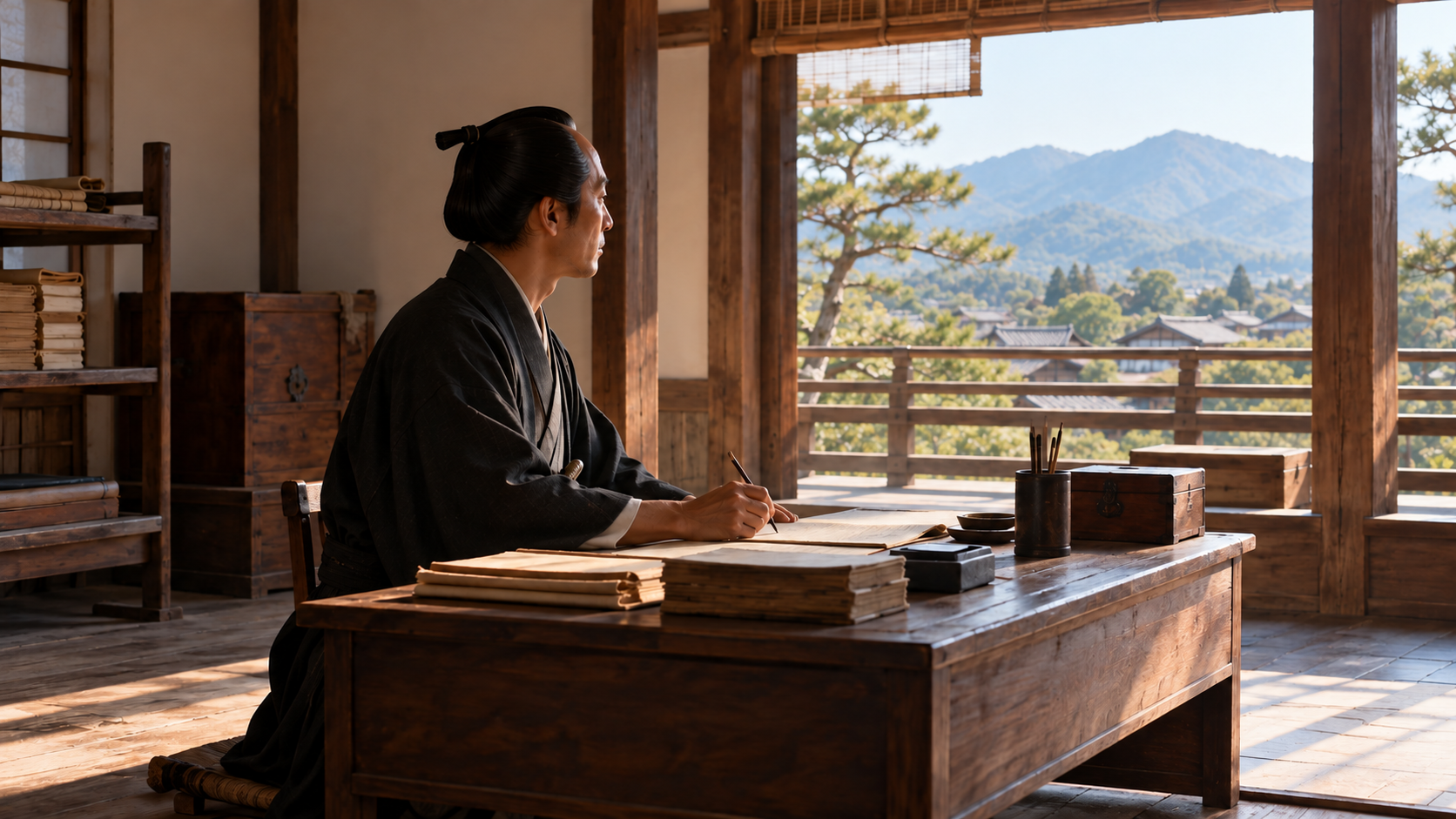
Eto Shinpei helped organize judicial institutions in the Meiji government. In 1874, he fought that government and was executed. The contrast raises a question about the events between reforming the state and opposing it in arms.
Leaving office, returning to Saga and becoming a military leader were separate stages. Treating them as one decision would remove the circumstances that developed along the way.
This article follows Eto, developments in Saga and the government’s deployment in sequence. It begins with the changing situation rather than assigning a final judgement to his character before examining what happened.
Scene 02
The period of judicial reform
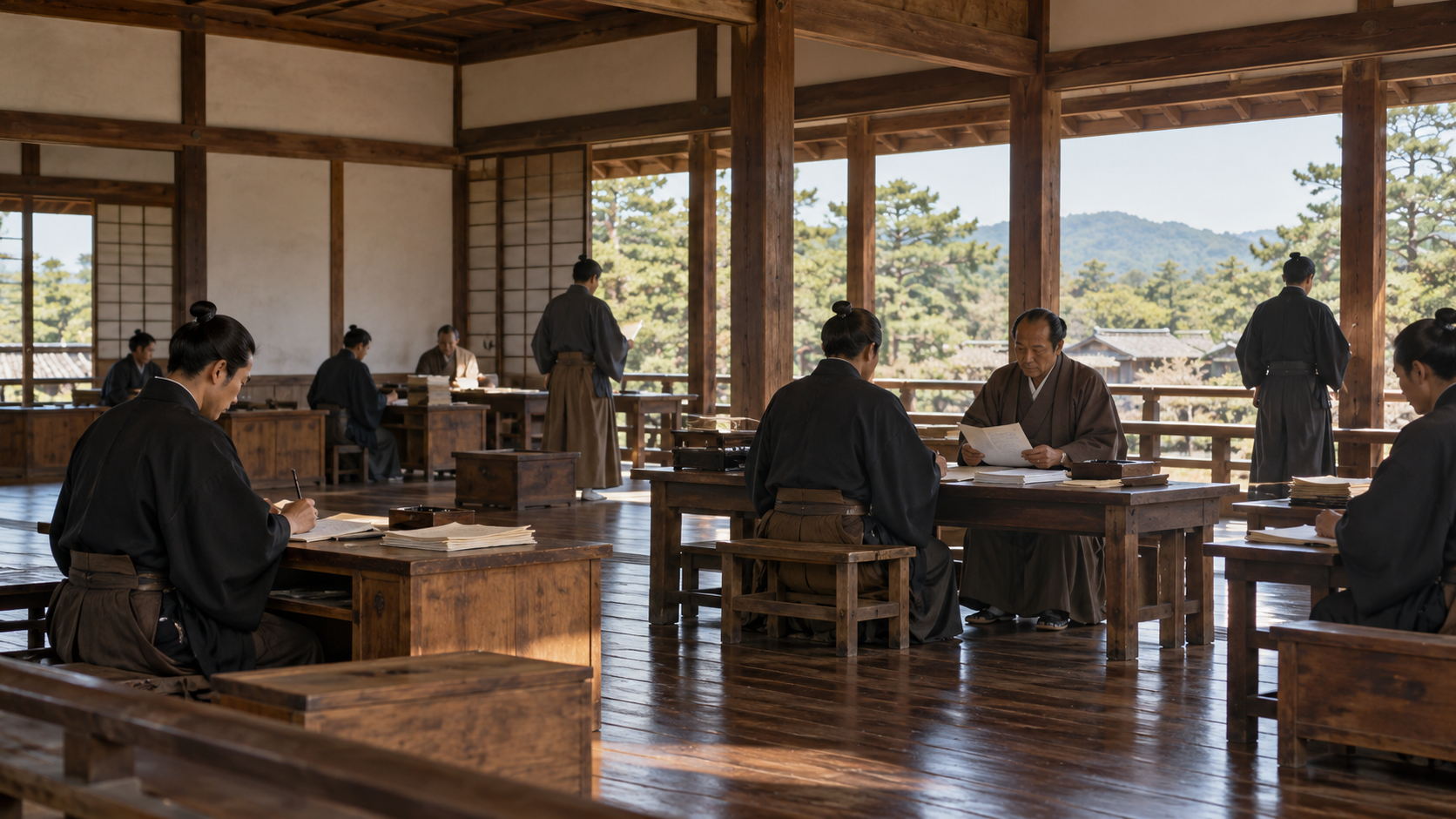
Eto came from Saga and participated in the new Meiji government. In 1872 he became minister of justice, working on courts and legal institutions. The National Diet Library biography identifies judicial organization and work toward a civil code among his activities.
Those institutions differed from present arrangements. The Japan Center for Asian Historical Records explains that there was a period when the minister also headed the ministry’s court. Relations between judicial work and administration were changing.
Mouri Toshihiko’s lecture presents Eto as concerned with avoiding wrongful judgements as well as speedy trials. The institutional project was not completed by one individual, but his career included work toward constructing a new state system.
Scene 03
An elected-assembly petition and departure from Tokyo
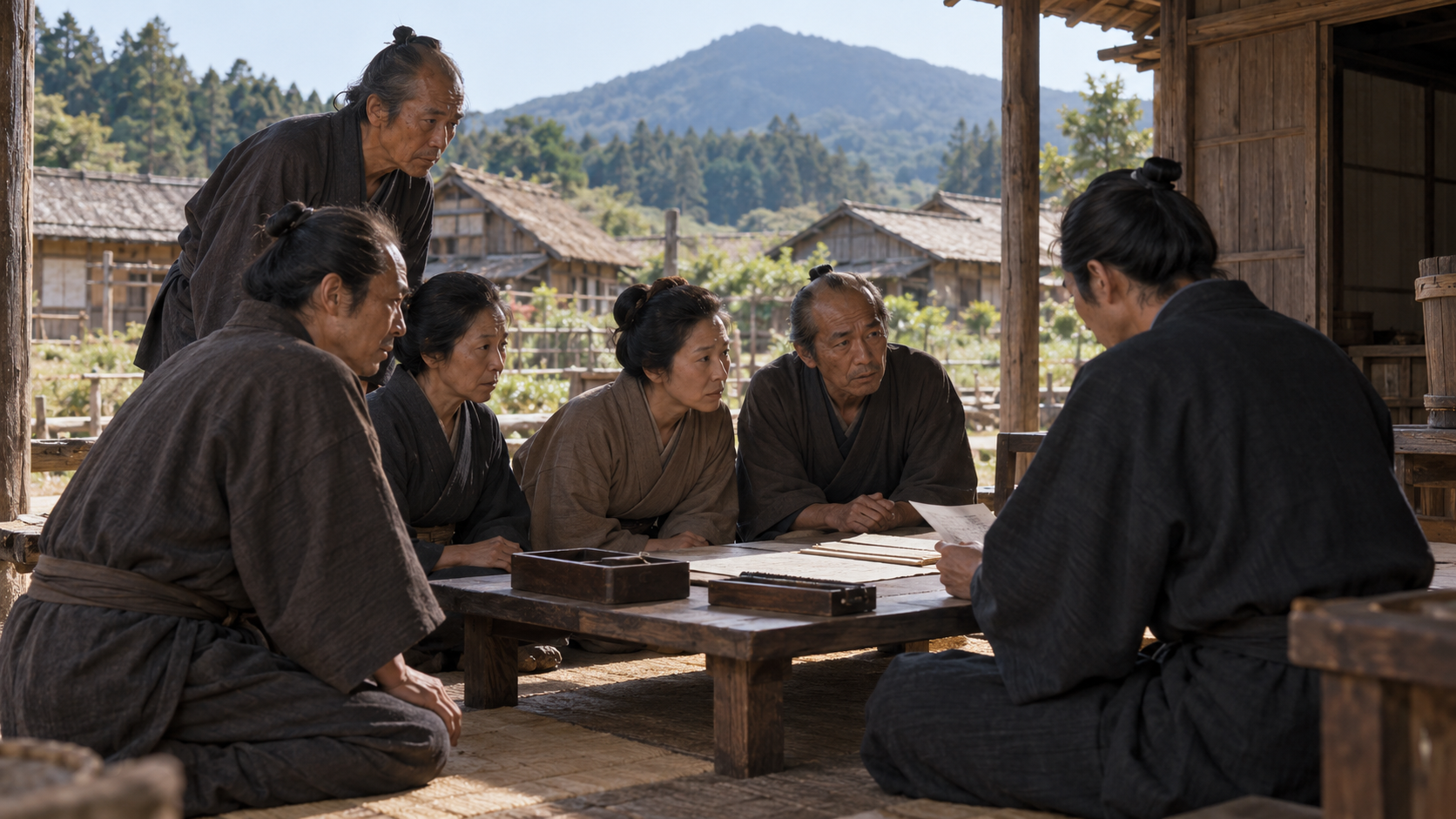
Eto left government in 1873 amid disagreement over dispatching an envoy to Korea. He continued seeking political change, signing the petition for an elected assembly in January 1874.
National institutional accounts date submission to the Sain to 17 January and newspaper publication to the next day. The National Diet Library’s reference text, based on the newspaper version, includes Eto’s name and argues for public discussion through an assembly.
The text also answers the objection that people were not ready by arguing that participation could develop knowledge. Petitioning and later fighting remain different actions. Mouri’s chronology places Eto’s departure from Tokyo on 13 January, before submission and newspaper publication.
Scene 04
Changing government in Saga
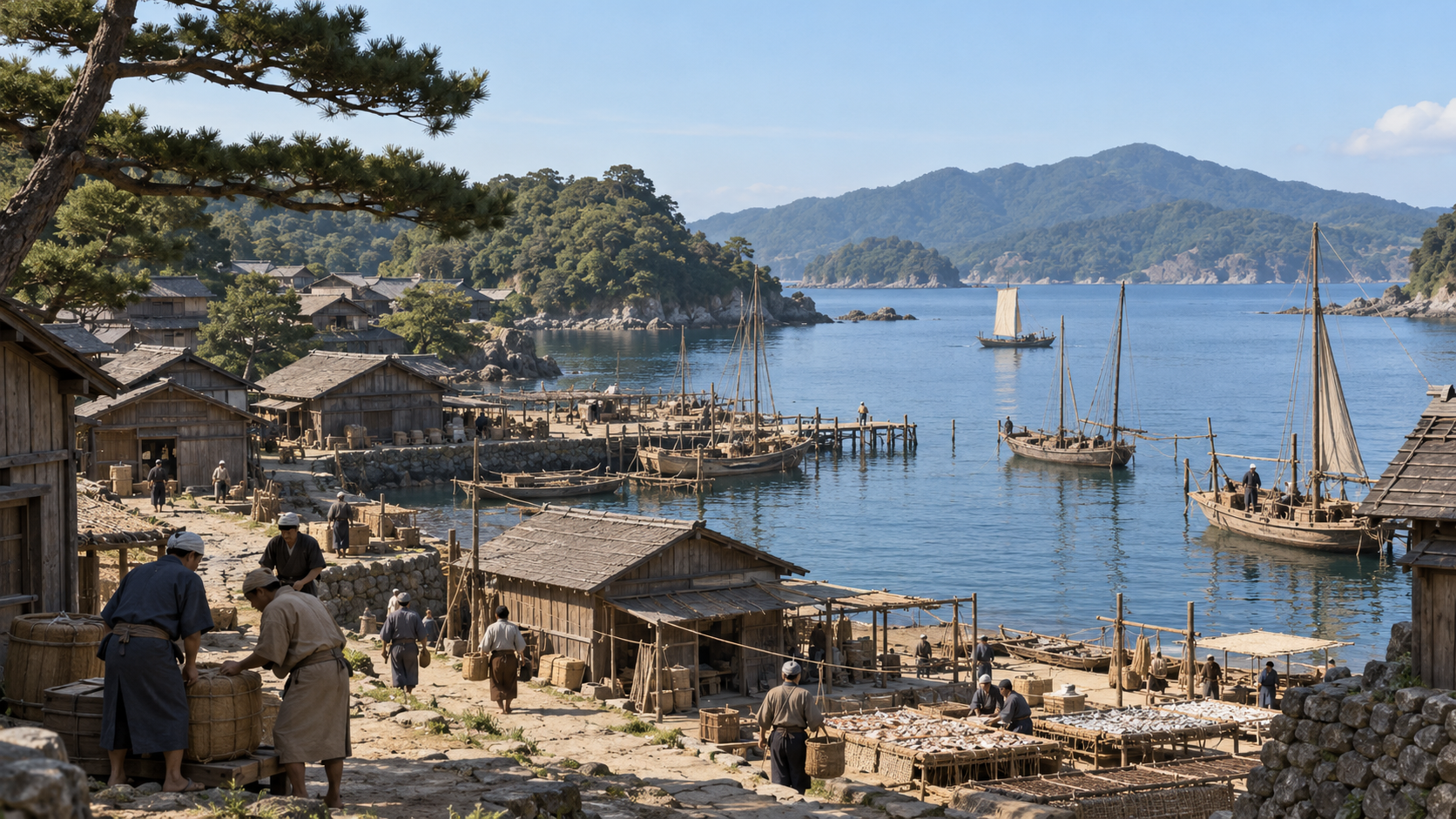
The prefectural archives exhibition describes changes in local government after the domains became prefectures. Following rule by people from the former Saga domain, a governor from another prefecture pursued centralizing reforms, increasing resentment.
Who governed the prefecture and how it should change mattered locally. Disagreement within the government in Tokyo cannot alone explain these developments. Local opposition and the movements of former central officials would eventually intersect.
Administrative geography had also changed. The exhibition dates the transfer of the prefectural office from Imari to Saga and the change of name to 1872. The transition involved places and personnel as well as a new label.
Scene 05
Two groups with different aims
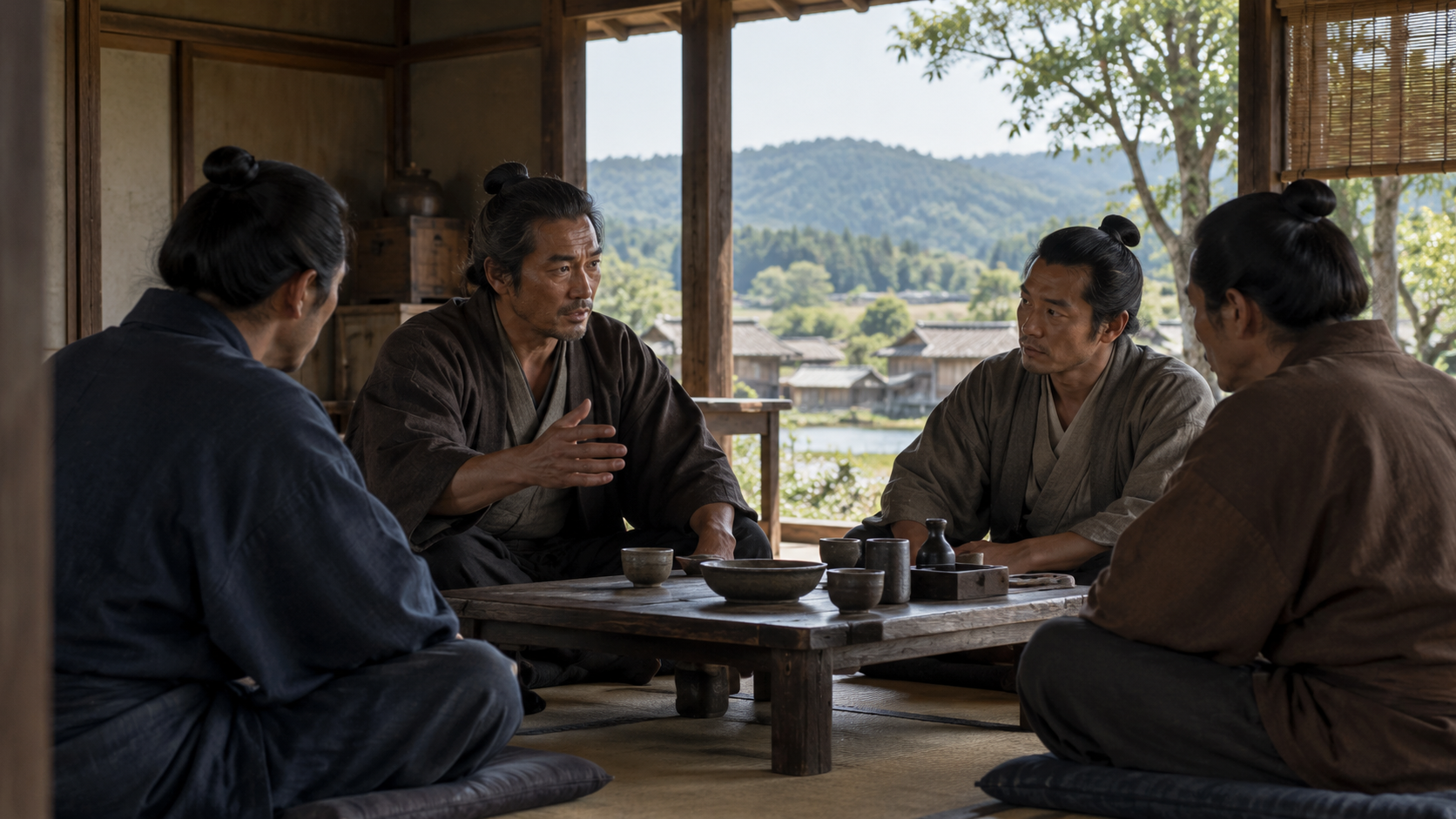
Saga’s former samurai did not all share one programme. The Seikanto sought a forceful policy toward Korea and government reform, while the Yukokuto centred on support for arrangements associated with the former domain.
The National Archives explanation also distinguishes reform from a return toward feudal arrangements. Opposition to the government could overlap without making the desired outcome identical for everyone.
The prefectural exhibition dates formation of the Seikanto to December 1873 and the Yukokuto to the following January. Their eventual combination matters precisely because they had begun as distinct groups.

Scene 06
Returning home was not the same event as selection as leader
The prefectural archives and current Saga explanation describe Eto’s return as intended to restrain and persuade discontented former samurai. This is a later explanation of purpose, not a newly read letter by Eto himself.
Mouri’s chronology places a period at Fukahori in Nagasaki after the January departure and before his selection as Seikanto leader. It provides a way to distinguish the journey home from the later leadership role.
The chronology also lists a meeting on 11 February and selection as leader on 12 February separately. The stages should not be recast as the execution of one continuous plan already fixed when he left Tokyo.
Scene 07
Sending a telegram and receiving it
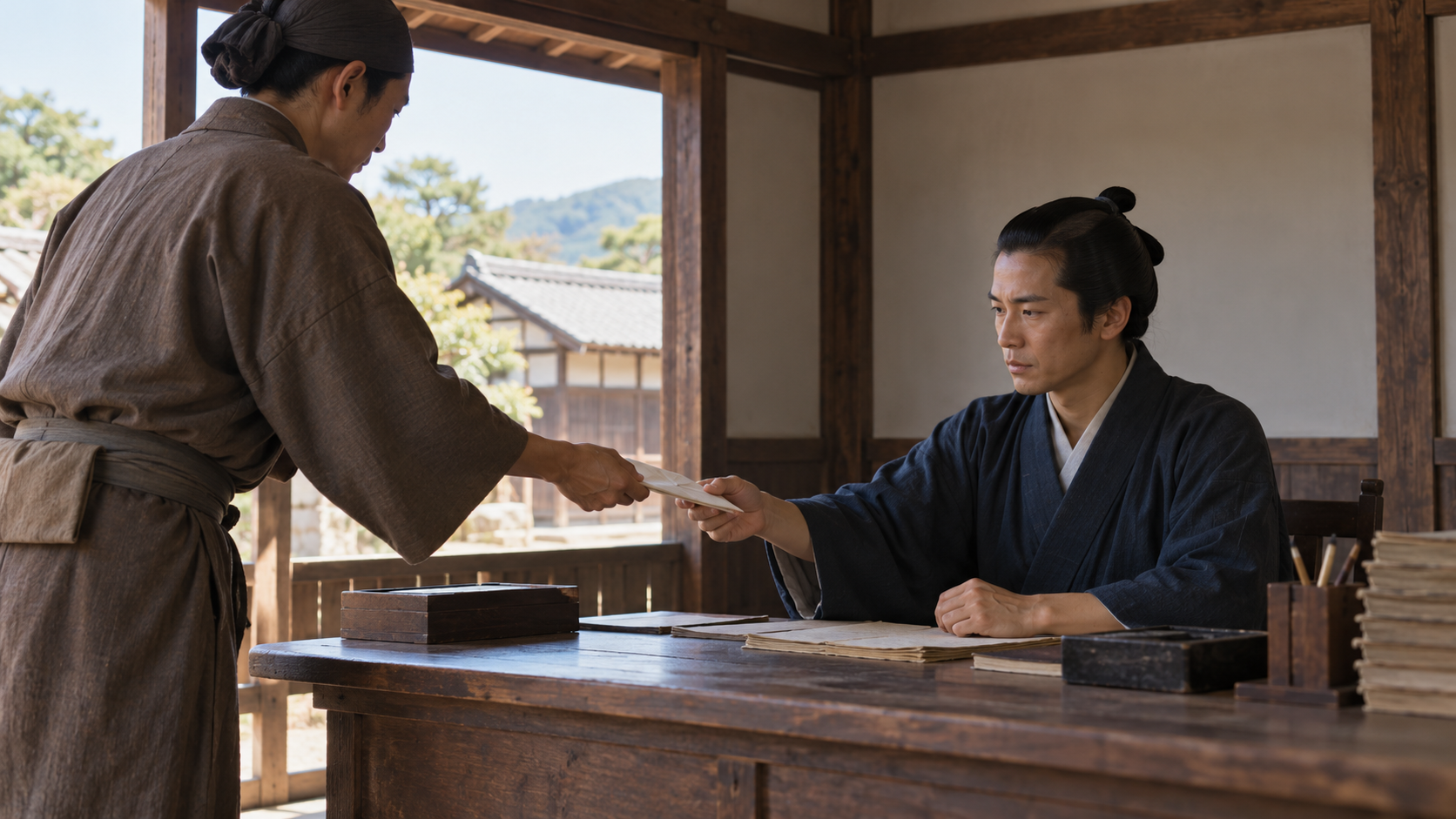
A government record in the National Archives preserves an early-February telegram. The retained image shows wording identifying dispatch at eight in the evening on 2 February. Reports preceded the full development of the fighting.
Saga’s present explanation describes receipt of a telegram on 3 February. Dispatch and receipt are different stages, so the two dates should not simply be treated as competing dates for one identical action.
This document concerns the reporting and receiving of information by government. It is not a letter in which Eto states his purpose in returning. Its evidentiary role is narrower than a general explanation of his motives.
Scene 08
Troop orders and fighting around the castle
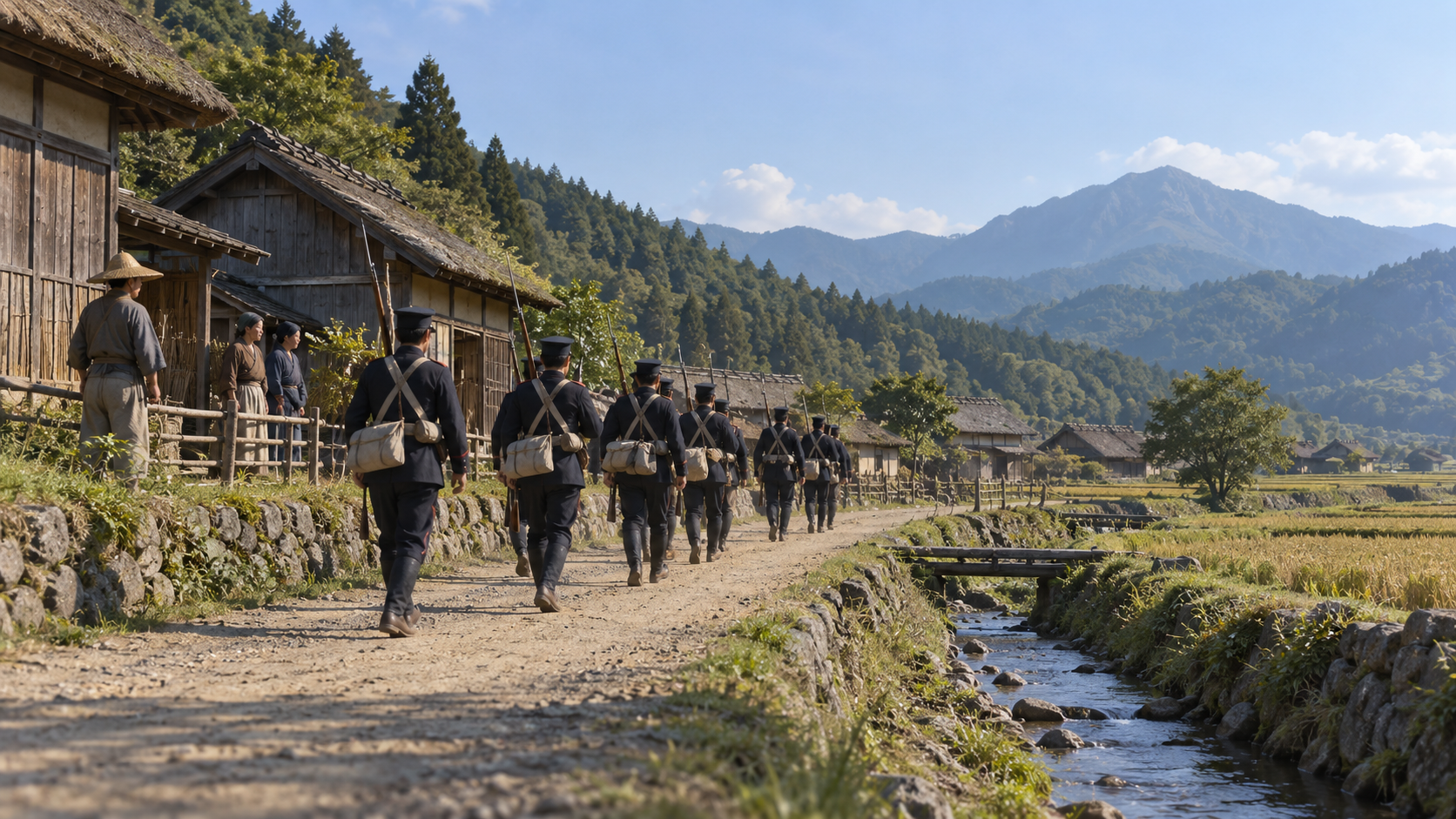
The chronology lists a troop order on 4 February, Eto’s selection as leader on 12 February and the attack on the Saga prefectural office on 16 February. The deployment order precedes the leadership appointment.
The prefectural interpretation emphasizes opposition to a new governor arriving with troops. Government concern and military deployment interacted with local resistance. Political conflict developed through actions on both sides into armed confrontation.
The prefectural sequence distinguishes troops entering Saga Castle from fighting around it on 16–18 February. Ordering a deployment, arriving at the site and launching an attack were different milestones, rather than one event.
Scene 09
Defeat and Eto’s departure after the occupation
Eto’s side occupied Saga Castle, but the government counterattacked under Okubo Toshimichi and others. Mouri’s chronology places defeat at Asahiyama on 22 February, followed by dissolution of the Seikanto force and Eto’s departure on the next day.
Taking the castle had not settled the war. Eto later met Saigo Takamori in March, but a relationship between men who had left government does not by itself establish military support from other regions.
The dissolution of one force is also distinct from the end of all fighting in Saga. The chronology’s government entry, the National Archives account of pacification and a proclamation announcing it are not silently merged into one date.
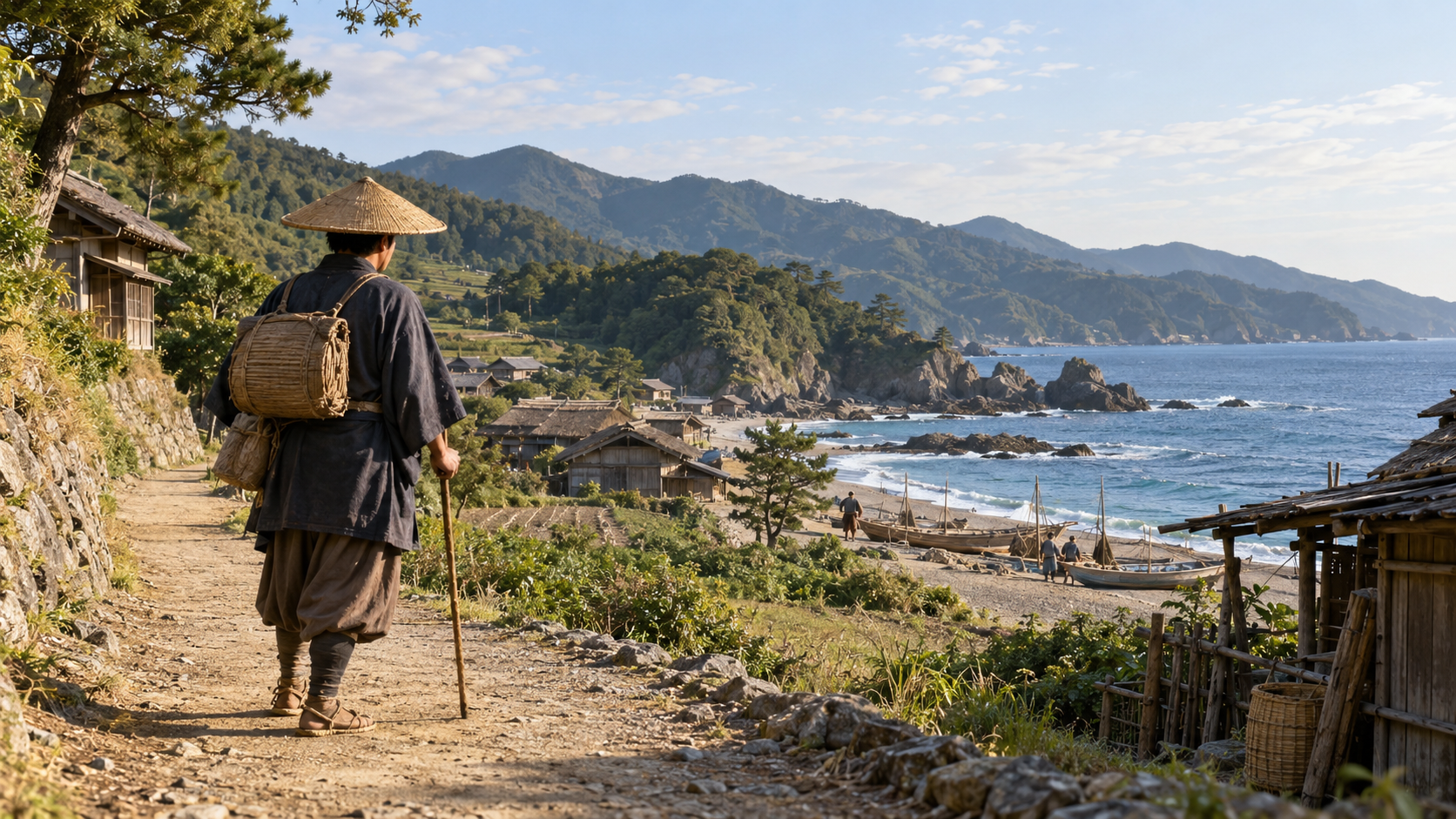
Scene 10
Capture, transfer, sentence and execution
Eto was captured in Tosa in March and taken to Saga. On 13 April he received a death sentence and was executed that day. A politician who had worked on judicial institutions was judged by the government he had served.
That career does not itself explain every procedure in the trial or reveal his inner thoughts. The chronology and prefectural table also differ on the exact day of capture, so the narrative keeps capture at month level.
Capture in March, transfer to Saga and the sentence and execution in April form a sequence. The distinctions remain necessary alongside the earlier stages of government service, political petition and armed conflict.

Scene 11
Saga Rebellion and Saga War
The government volume is titled an account of the Saga punitive expedition. The current prefectural portal uses Saga War as part of a reassessment questioning a description centred solely on Eto as an instigator of rebellion.
A government report and a present regional reassessment were not created at the same time for the same purpose. Neither automatically supplies the voice of every participant. Their names and perspectives need to be examined alongside events.
The prefectural archives also introduces Meiji Shichinen Eki no Kogai, compiled in 1916. A later summary is not the same kind of evidence as a record written on the day of an event in 1874. The date of compilation matters as well as the title.
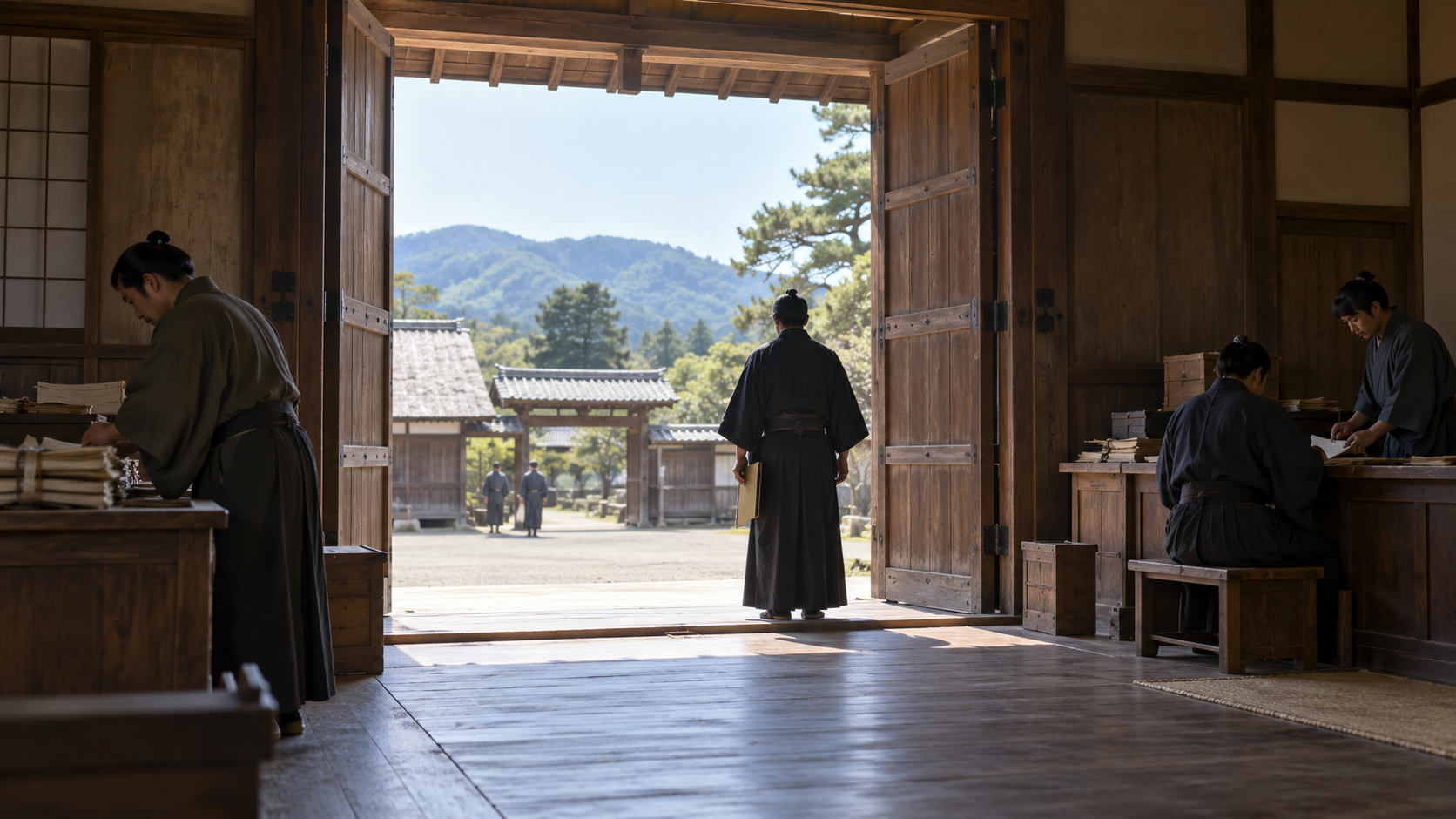
Scene 12
Avoiding a single road to the ending
Eto left central government after a political dispute and joined an effort for an elected assembly. In Saga, changes in rule and the activities of groups with different aims were developing at the same time.
The government moved troops, and Eto became involved in fighting as leader of the Seikanto. Resignation, homecoming and leadership each have intervening circumstances; none should disappear into the eventual execution.
Putting the actions of government and Saga back into chronological order explains why the conflict cannot be reduced to one personality. The result does not make the return home a predetermined first step along a single road to armed rebellion.
How to read this work
History, interpretation, and reconstruction
Treating resignation, homecoming and selection as a leader as separate stages reveals how central and local actions developed into armed conflict.
This work is grounded in published sources and historical research. Interior thoughts, dialogue, and some visual details are cinematic reconstructions. Where historians disagree, the article presents the point as debated rather than settled fact.
Timeline
The story in time
-
Eto becomes minister of justice and works on institutional reform.
Sources: 130-ndl-etou -
Leaves government amid disagreement over an envoy to Korea.
Sources: 130-ndl-etou -
Mouri’s chronology dates departure from Tokyo separately from submission and publication of the petition.
Sources: 130-mouri-chronology -
The elected-assembly petition is submitted to the Sain.
Sources: 130-naj-petition -
The petition appears in Nisshin Shinjishi.
Sources: 130-ndl-petition-newspaper-text, 130-naj-petition -
The telegram’s sending is distinguished from the following day’s receipt described by the prefectural account.
Sources: 130-naj-telegram, 130-saga-portal -
The chronology records Eto being selected as Seikanto leader.
Sources: 130-mouri-chronology -
The prefectural office is attacked; fighting develops around the castle.
Sources: 130-mouri-chronology, 130-saga-archives -
Defeat at Asahiyama, then dissolution of the Seikanto force and Eto’s departure; not the end of all fighting.
Sources: 130-mouri-chronology -
Captured in Tosa; differences in the exact day between the chronology and prefectural table are not erased.
Sources: 130-mouri-chronology, 130-saga-portal -
Sentenced to death and executed the same day.
Sources: 130-mouri-chronology -
Date of compilation of the later summary introduced by the prefectural archives, distinct from a contemporary 1874 record.
Sources: 130-saga-archives
People & terms
A guide for new readers
Glossary
- Seikanto 征韓党
- A Saga group associated with a forceful policy toward Korea and government reform; its aims were not identical to those of the Yukokuto.
- Yukokuto 憂国党
- A separate group associated with support for the former domain order, later joining opposition to the government.
- Sain 左院
- The central government deliberative body to which the elected-assembly petition was submitted.
- Gonrei 権令
- A prefectural administrative office of the period, discussed in relation to the changing government of Saga.
- Saga War 佐賀戦争
- The term used by the present prefectural portal as part of a regional reassessment of the event also known as the Saga Rebellion.
Sources & method
How this article was built
The twelve chapters accompany the published video and preserve the distinctions between government records, later scholarship and present interpretation. They follow separate political and military stages rather than treating the outcome as inevitable.
The saved chronology and telegram image were visually checked. Signing, departure, formal submission and newspaper publication are separate actions. Sending and receiving a telegram likewise represent different stages.
The capture day is not forced into agreement where the chronology and prefectural account differ. The narrative uses March. Dissolution of the Seikanto force, government entry, pacification and proclamation also remain distinct events.
The illustrations are generated explanatory scenes, not historical photographs or authentic portraits. The archive-storage scene represents a modern setting. Historical document images remain with the linked holding institutions; the illustrations do not reproduce their contents.
Sources
References and further reading
- Japan’s History: Eto Shinpei and the Saga Rebellion 日本のあゆみ 江藤新平らが反乱を起こす(佐賀の乱) Title translated editorially for reader convenience. National Archives of Japan 国立公文書館 Modern explanation identifies the government volume and the two groups. The description is distinguished from an independent reading of all six original photographs. Accessed 2026-11-04
- Government Records: Account of the Saga Punitive Expedition, Photograph Two 公文録 佐賀征討始末(一)資料写真2 Title translated editorially for reader convenience. National Archives of Japan 国立公文書館 Saved cover and telegram images were inspected. Dispatch wording for 2 February at 8 p.m. is a limited reading, not a complete transcription or proof of Eto’s motives. Accessed 2026-11-04
- Portraits of Modern Japanese Historical Figures: Eto Shinpei 近代日本人の肖像 江藤新平 Title translated editorially for reader convenience. National Diet Library 国立国会図書館 Institutional biography for government service, resignation, petition and later leadership. It is not direct evidence of his purpose in returning home. Accessed 2026-11-04
- Mouri Toshihiko: Eto Shinpei’s Judicial Reform and Chronology 毛利敏彦 江藤新平の司法改革をめぐって・江藤新平年譜 Title translated editorially for reader convenience. Kansai University 関西大学 Later lecture and chronology; the saved table on PDF page thirteen, printed page 155, was visually checked. Its calendar note and separate milestones are retained. Fresh retrieval returned 429; the whole lecture was not newly reread. Accessed 2026-11-04
- Reading the Meiji Restoration and Saga through Public Documents: Formation of Saga Prefecture 公文書から読み解く明治維新と佐賀(1)佐賀県の成立 Title translated editorially for reader convenience. Saga Prefecture 佐賀県 Archives exhibition explaining administrative change, groups and confrontation. Its interpretation of homecoming is attributed, and the summary compiled in 1916 is distinguished from contemporary records. Accessed 2026-11-04
- Saga War: Saga Bakumatsu and Restoration Portal 佐賀幕末維新ポータル 志 佐賀戦争 Title translated editorially for reader convenience. Saga Prefecture 佐賀県 Current prefectural reassessment and event table. Arguments about unavoidable self-defence are not promoted into independently established fact; the capture-day discrepancy and distinct dispatch/receipt stages remain visible. Accessed 2026-11-04
- Historical Materials of Modern Japan: Petition for an Elected Assembly 史料にみる日本の近代 民撰議院設立の建白 Title translated editorially for reader convenience. National Diet Library 国立国会図書館 Institutional explanation of submission and publication. Drafts on display and the newspaper-based reference text are distinguished. Accessed 2026-11-04
- Wishes on Paper: A History of Memorials and Petitions 紙に願いを 建白・請願の歴史 Title translated editorially for reader convenience. National Archives of Japan 国立公文書館 Exhibition explanation corroborates submission on 17 January and newspaper publication on 18 January. No exhibition image is reproduced. Accessed 2026-11-04
- Japan’s History: Submission of the Elected-Assembly Petition 日本のあゆみ 民撰議院設立建白書を提出する Title translated editorially for reader convenience. National Archives of Japan 国立公文書館 Modern explanation and item identification. Its eight original photographs are not all represented as independently deciphered. Accessed 2026-11-04
- Elected-Assembly Petition: Reference Text Based on Nisshin Shinjishi 民撰議院設立建白書 日新真事誌掲載版の参考テキスト Title translated editorially for reader convenience. National Diet Library 国立国会図書館 The reference text explicitly derives from the newspaper of 18 January 1874, not from the displayed drafts. Eto’s name and the argument about participation were read in that text, not claimed as a new autograph reading. Accessed 2026-11-04
- JACAR Glossary: Ministry of Justice アジ歴グロッサリー 司法省 Title translated editorially for reader convenience. National Archives of Japan 国立公文書館 Explains changing functions, including a period when the minister headed the ministry’s court. The institution is not equated with the current judicial system. Multiple pages of the same institution are not separate issuing organizations. Accessed 2026-11-04
Continue reading
More stories from Shigeki
Shigeki English
The Battle of Minatogawa: How Was the Defeated Masashige Remembered?
Separate the time of fighting from the times when records, images and memorials were made.
- When The battle in 1336; a report dated 1337; commemoration in 1692 and 1857; the tunnel, park and statue of the modern city
- Where Minatogawa and Kobe, considered alongside documents, war narratives and later images held or described by several institutions
Shigeki English
Railway Opening and the Takanawa Embankment: Where Trains and Boats Crossed
An embankment carrying trains into the sea also raised the question of keeping a way to the water.
- When Construction in the early 1870s, railway opening in 1872, later widening and reclamation, rediscovery in 2019 and additional designation in 2021
- Where The former coast at Takanawa between Shimbashi and Shinagawa, along the Shimbashi–Yokohama railway