
SHIGEKI ENGLISH STORYEN
Japanese history in English
Oichi and Odani: Three Sisters beyond Two Castle Falls
Follow family connections, survival and the years between two sieges.
Oichi and her daughters survived Odani in 1573. After her remarriage and their move to Kitanosho in 1582, the castle fell in 1583: Oichi died, while Chacha, Hatsu and Go survived. Separate known movements, local tradition and gaps in the record.
At a glance
Before you enter the story
- When
- 1570–1583, with later family connections and modern heritage explanations
- Where
- Odani in northern Omi and Kitanosho in Echizen
- Key figures
- Oichi, Azai Nagamasa, Oda Nobunaga, Shibata Katsuie, Chacha, Hatsu and Go
- What was at stake
- How did marriage, changing alliances and warfare alter the family’s location and possibilities of survival?
Why this story matters
The larger history behind the turning point
A castle’s defeat did not determine an identical fate for everyone living within its political world. Distinguishing the lord, his wife and their children restores important differences to a familiar account of a fallen stronghold.
The years between two dramatic events matter. Odani’s fall did not immediately lead to remarriage or to Kitanosho. An incomplete record of residences should remain incomplete rather than be filled with a continuous invented journey.
Historical context
What an international reader needs to know
Marriage connected houses without removing other ties
Oichi was Nobunaga’s sister and Nagamasa’s wife. Her daughters consequently belonged to more than one family connection. Those relationships help explain the political setting, but they cannot reveal every private conversation or prove a person’s unrecorded feelings.
A marriage could establish a connection without permanently resolving military relations. Lords also maintained relationships with retainers, territories and neighbouring powers. The later conflict therefore cannot responsibly be attributed to one woman’s failure to preserve harmony between the houses.
A mountain castle was more than a single keep
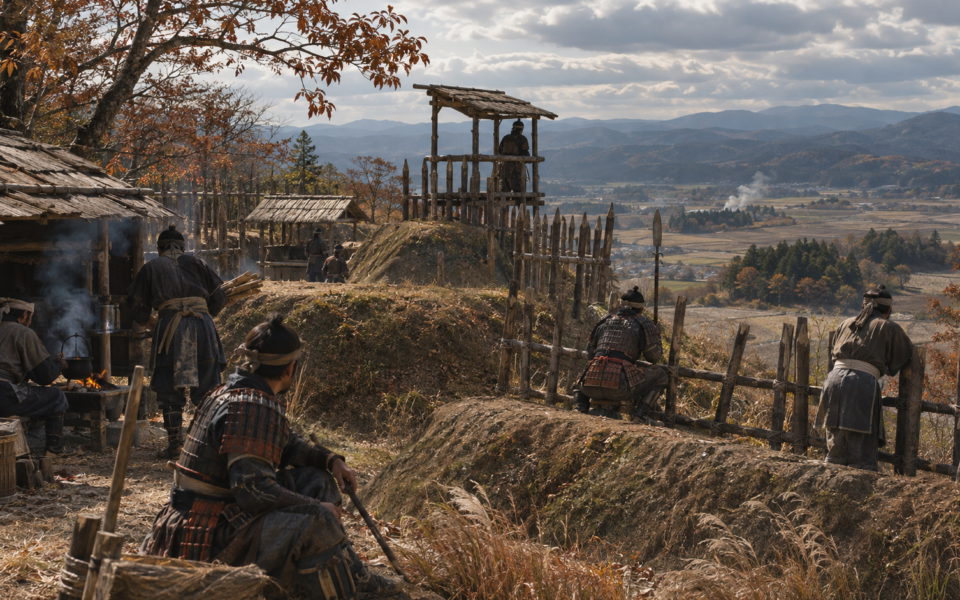
Odani combined defended spaces on ridges with residences, religious buildings and settlement below. Modern preservation work considers this wider environment. A familiar image of one great keep on a flat plain would obscure the relationship between its defensive and residential spaces.
The institutional explanations used here have different purposes. A preservation plan describes a site, a municipal history summarises people and events, and a tourism association records a tradition. Combining their statements does not create an exact escape itinerary or an authenticated farewell scene.
Watch the film
See the story in motion
The film currently uses Japanese audio. This English article provides the context and source trail; it does not imply that an English subtitle track is available.
Scene 01
The daughters survived two castle falls
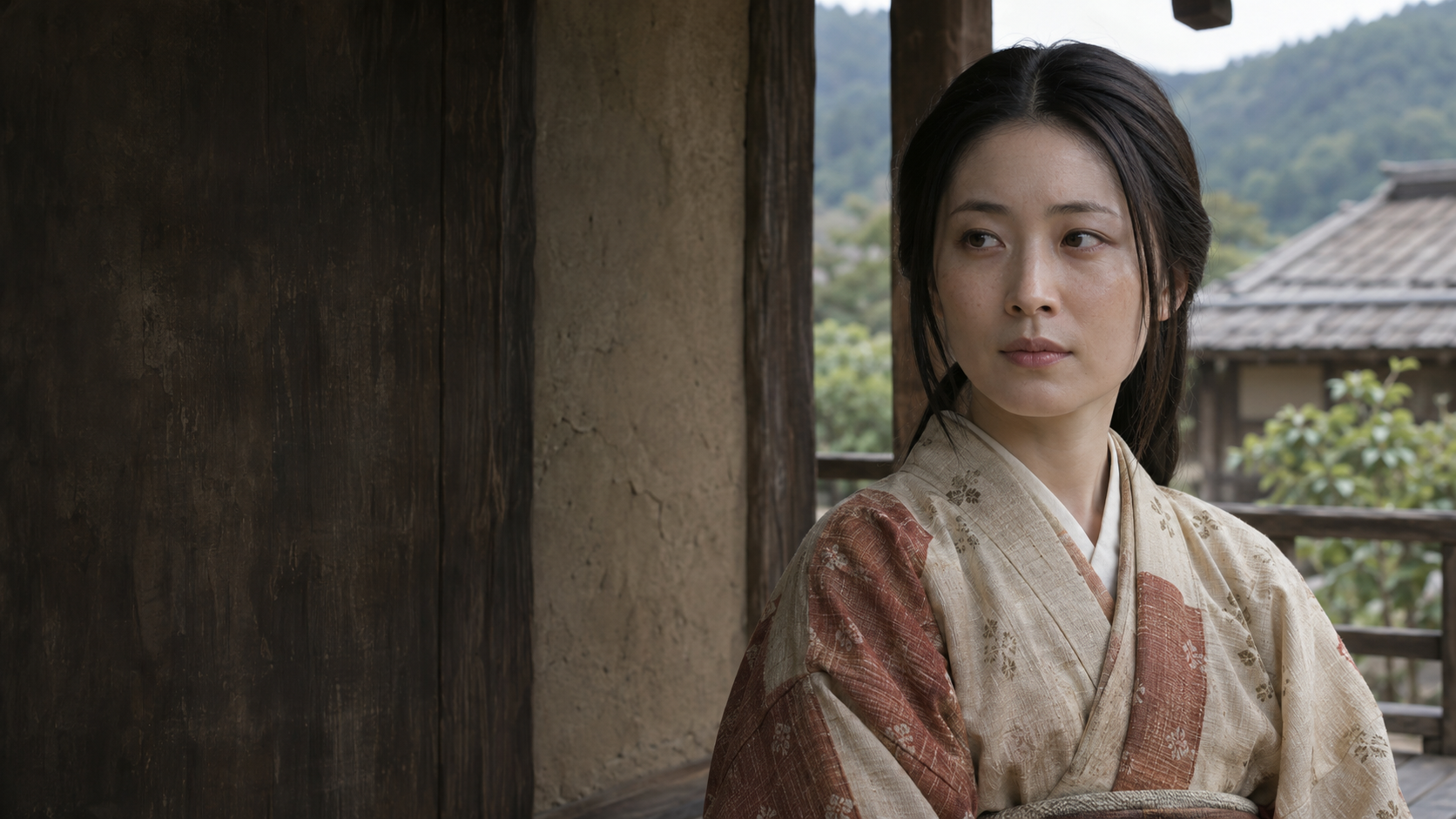
Oichi and her three daughters faced the fall of two castles: Azai Nagamasa’s Odani and Shibata Katsuie’s Kitanosho. Their outcomes were not identical. Oichi survived the first but died at the second; Chacha, Hatsu and Go survived both.
Beginning with that difference shifts attention from the fate of a stronghold to the people whose lives continued beyond it. The death of a lord cannot simply stand for the death of every member of his family.
The following account traces connections and known movements. It does not reconstruct every stage of a flight, the exact words spoken between mother and children, or a route that the consulted evidence cannot securely establish.
Scene 02
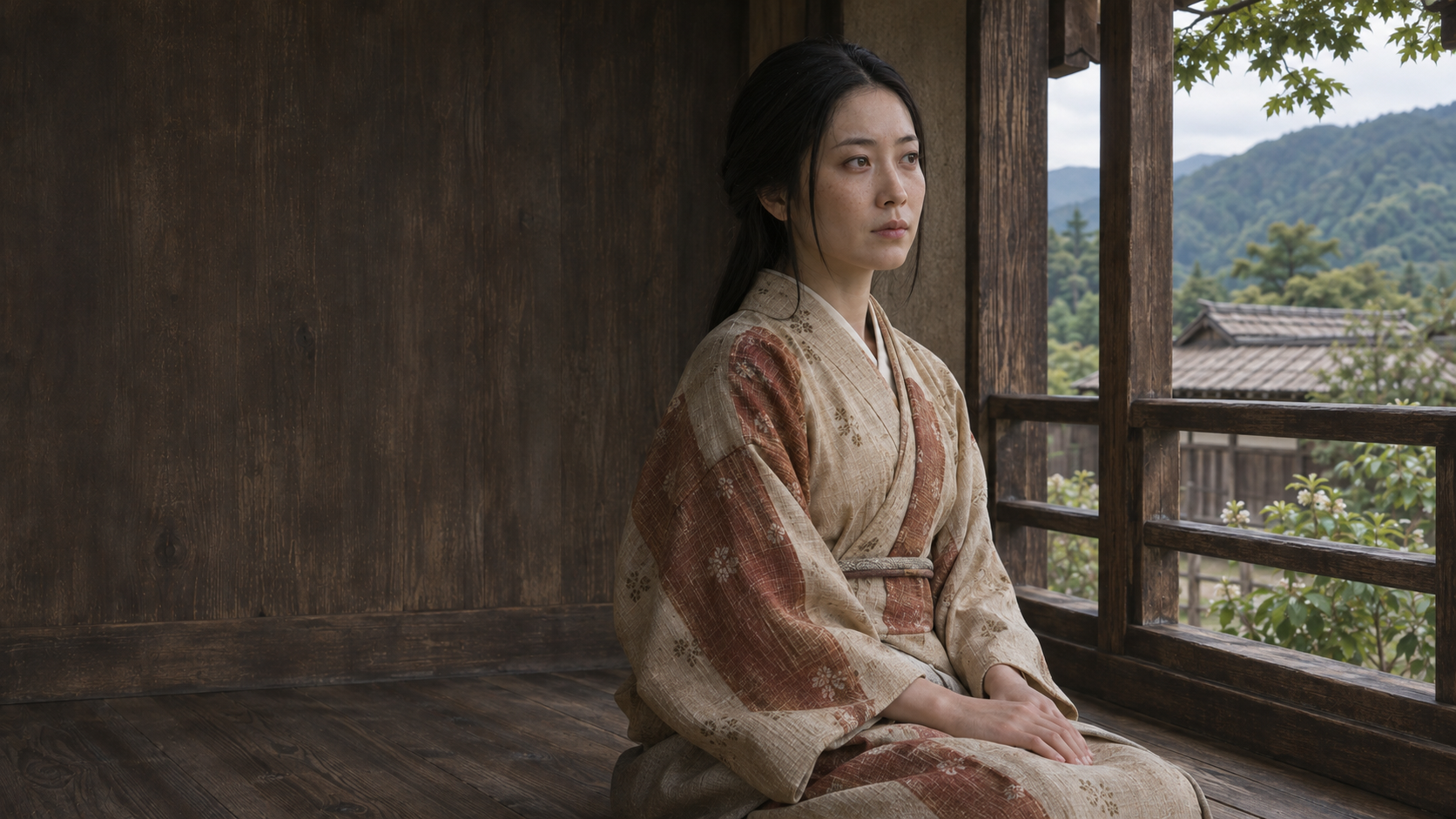
Place Oichi within several family connections
Oichi was the sister of Oda Nobunaga. She married the Omi lord Azai Nagamasa, and their daughters were Chacha, Hatsu and Go. Nobunaga was therefore their maternal uncle as well as a major political actor.
Kinship did not guarantee a permanent shared military position. Nobunaga and Nagamasa eventually became opponents while those family relationships continued to exist. It is necessary to hold both facts together.
A family relationship establishes who was connected to whom. It does not by itself show what Oichi thought at a particular moment, whose proposal she supported privately, or what she said to either her husband or brother.
Scene 03
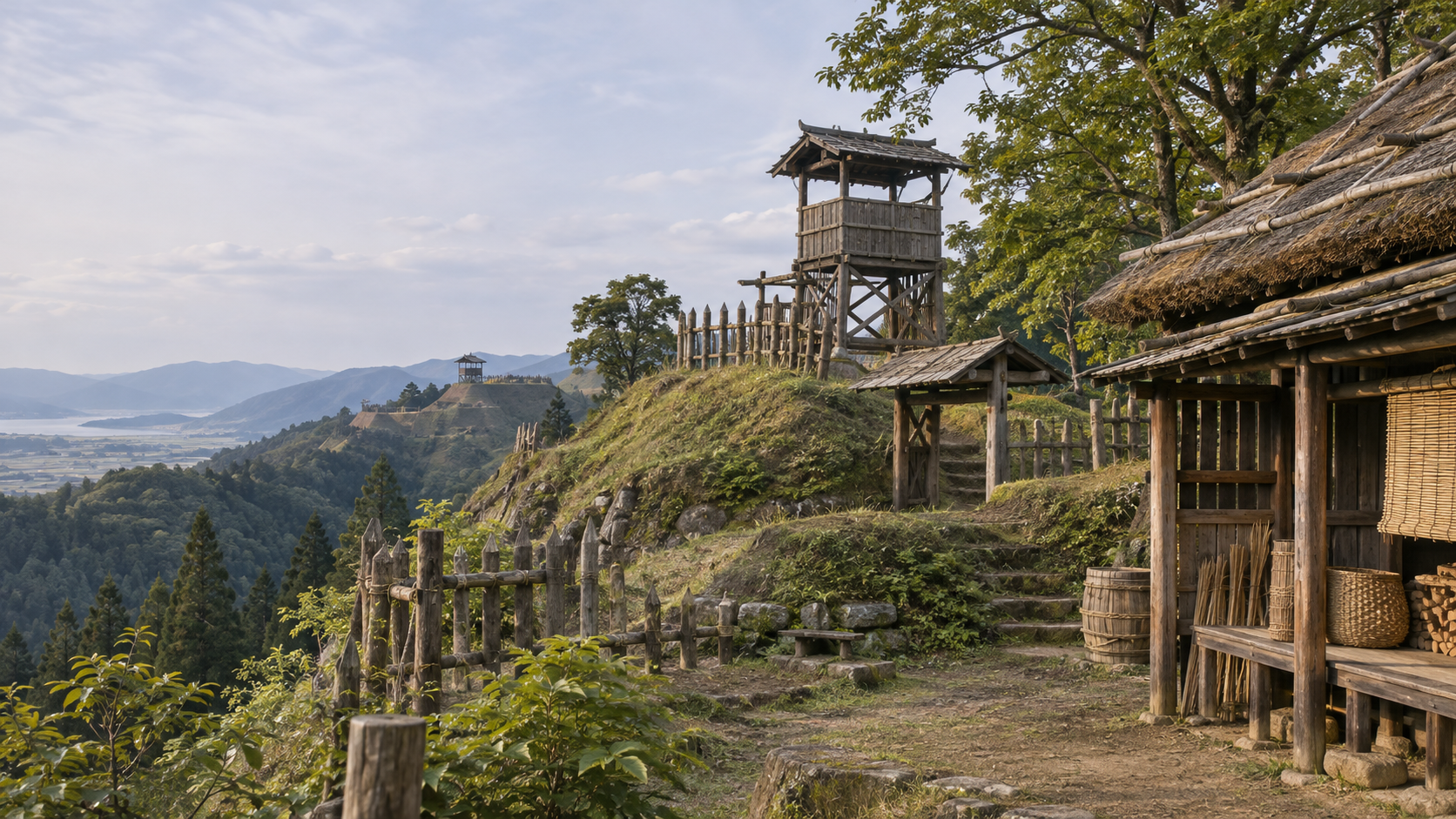
Odani occupied ridges, valleys and settlement
Odani stood on Mount Odani, northeast of Lake Biwa in present Nagahama. The municipal preservation plan treats its ridge enclosures together with residences, retainers’ houses, temples and the settlement in front of the mountain.
Defence and everyday life were distributed across a wider landscape. Imagining only one large keep on level ground would make that relationship difficult to understand. The physical setting forms part of the family’s history without identifying their daily rooms.
Modern heritage designation and management concern the surviving site. An older designation explanation’s inconsistent fall-year wording is not adopted over the 1573 chronology used here. Nor is a generated mountain view a measured reconstruction of the historical compound.
Scene 04
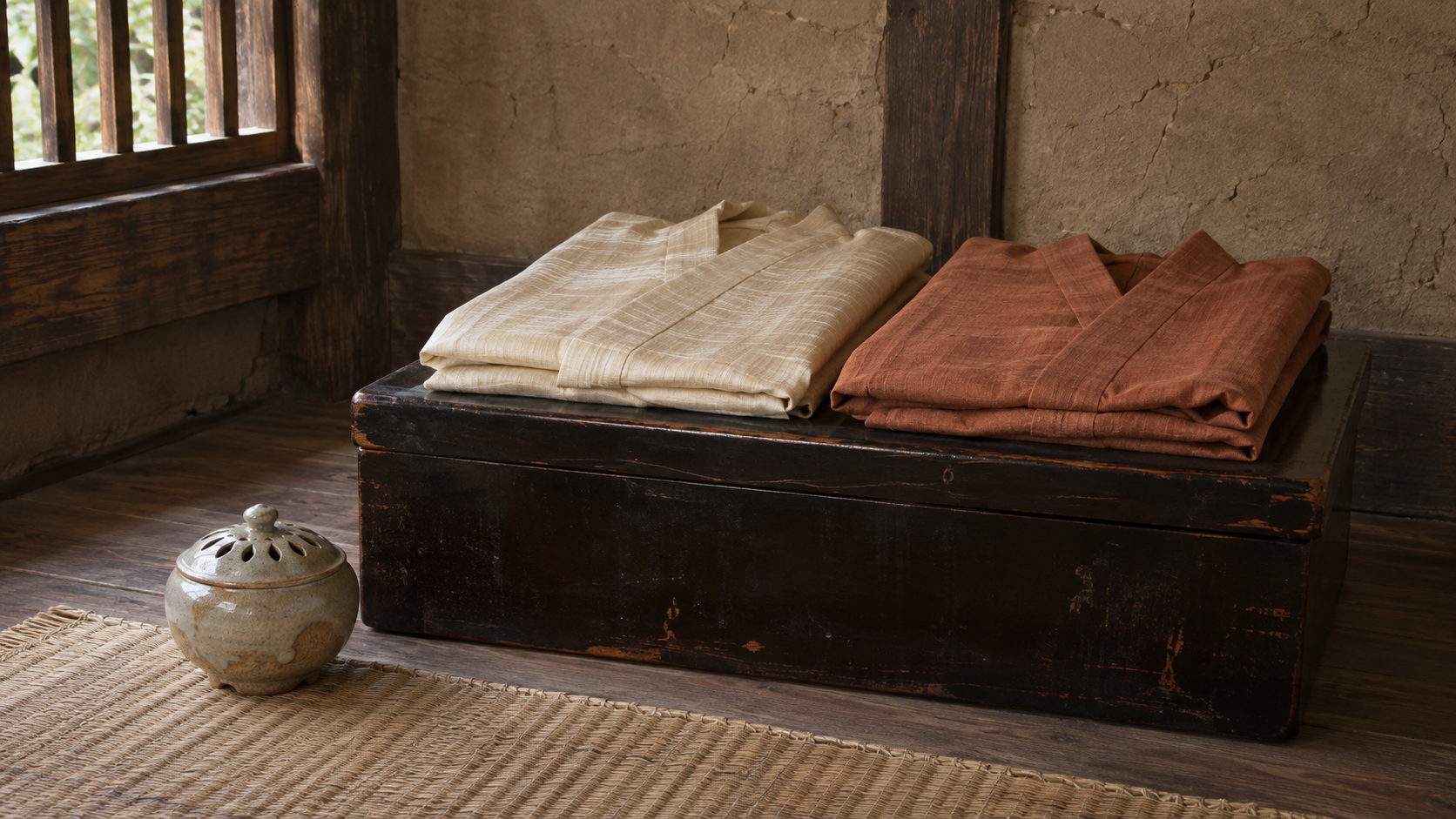
Marriage established a political connection
Oichi’s entry into the Azai house connected two families. For the Oda, it created a relationship with a lord in Omi; for the Azai, it created kinship with Nobunaga. That connection belonged to a wider political setting.
Existing ties did not vanish when a new marriage was made. Territories, retainers and neighbouring powers remained part of each house’s decisions. One additional relationship did not erase all the others.
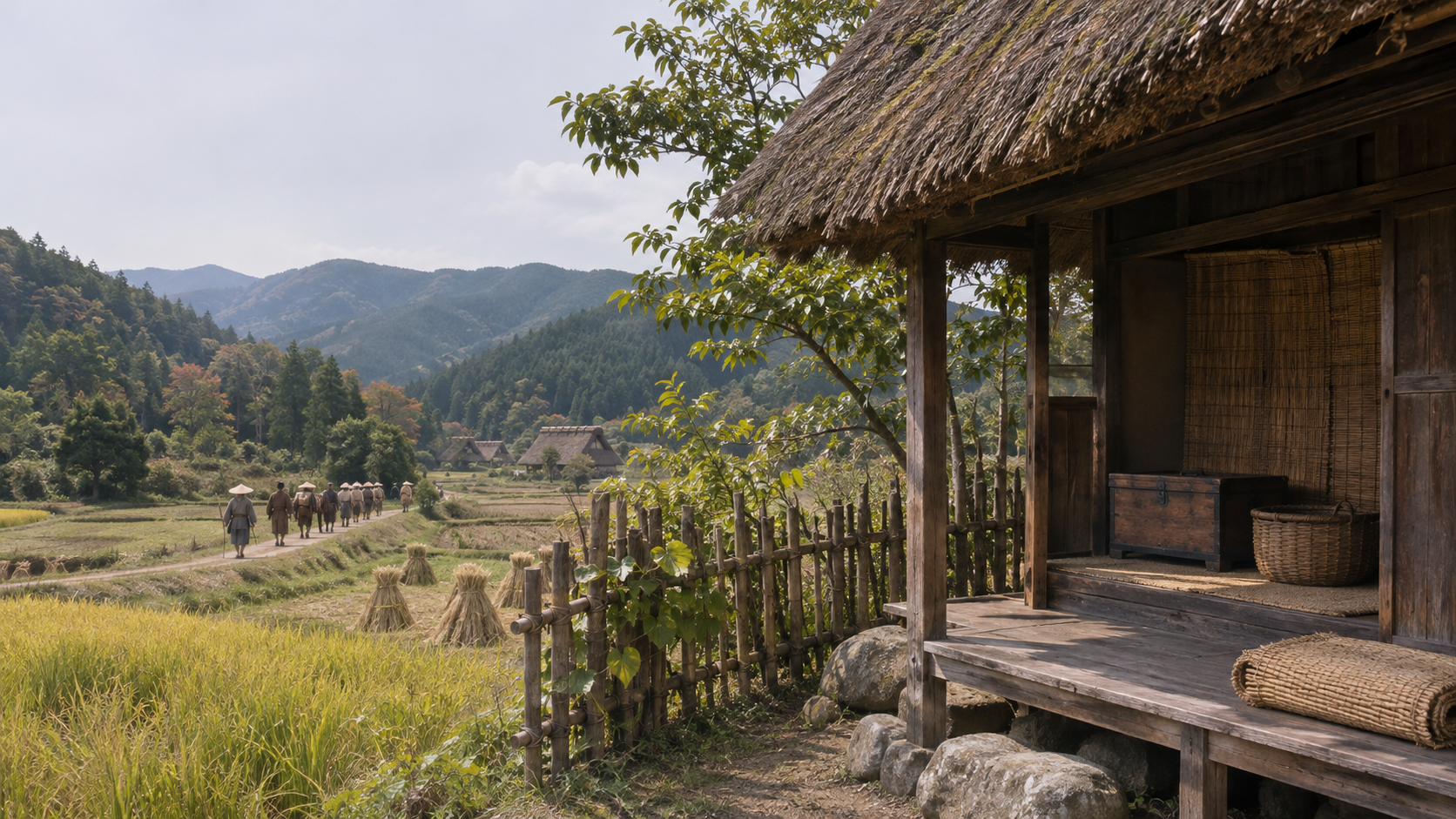
Explanations differ over the precise time of the marriage. This account therefore preserves its place before the conflict without fixing an unsupported wedding date, ceremonial route or exchange of words. The household objects are illustrative, not identified possessions.
Scene 05
Brother and husband became military opponents
In 1570, when Nobunaga attacked the Asakura in Echizen, Nagamasa moved into opposition to him. The conflict around Odani continued beyond that year and the Battle of Anegawa, extending into 1573.
The marriage still existed as a family fact, while the military relationship between the houses changed. Oichi’s brother and husband now stood on opposing sides, and the place associated with her family became a target of war.
That change should not be reduced to one woman’s personal ability to prevent conflict. Nor should it be explained as the inevitable consequence of one private act. The chronology establishes changing relations without inventing an individual’s complete responsibility.
Scene 06
Odani fell in 1573
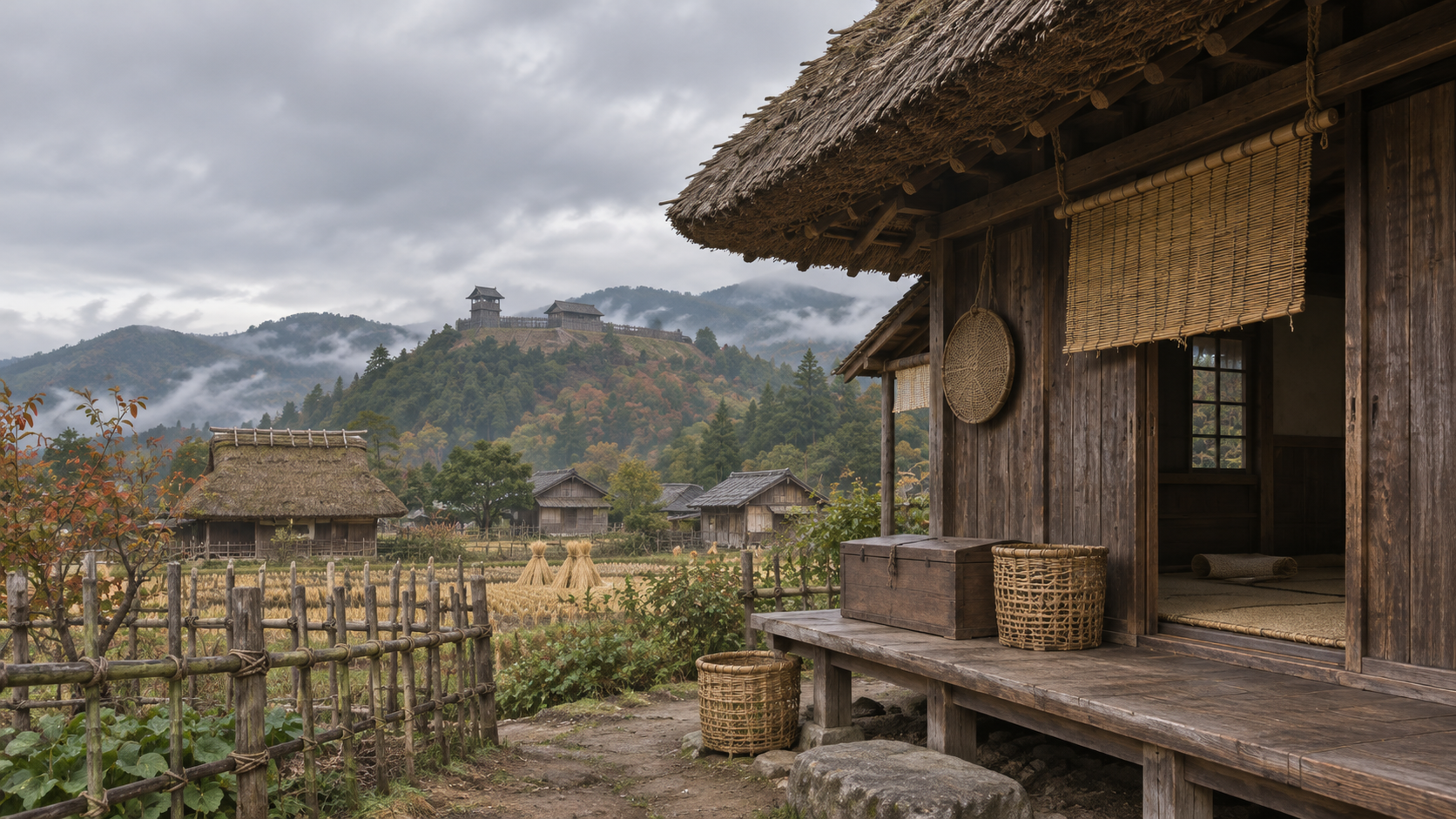
Oda forces took Odani in 1573, and Nagamasa died by suicide. The Azai stronghold lost its former role. Oichi and the three sisters, however, survived its fall. The lord’s death and the family’s survival are distinct results.
An account organised only around attackers and defenders can stop when the castle is defeated. For surviving relatives, questions of protection and subsequent family connections remained. Their history did not stop at the military conclusion.
Oichi’s Oda kinship continued, and the daughters were both Nagamasa’s children and the children of Nobunaga’s sister. Those overlapping ties belong to the explanation of survival without supplying a detailed record of the departure itself.
Scene 07
Known departure is different from an exact route
Municipal explanations describe Oichi and her daughters leaving Odani and coming under protection connected with the Oda side. That broad movement does not establish a complete itinerary through particular gates, paths and stopping places.
An exact escort, hour of descent or conversation could make the episode vivid, but vividness would not make it documented. The narrative therefore leaves those details unresolved rather than presenting a dramatic reconstruction as an observed event.
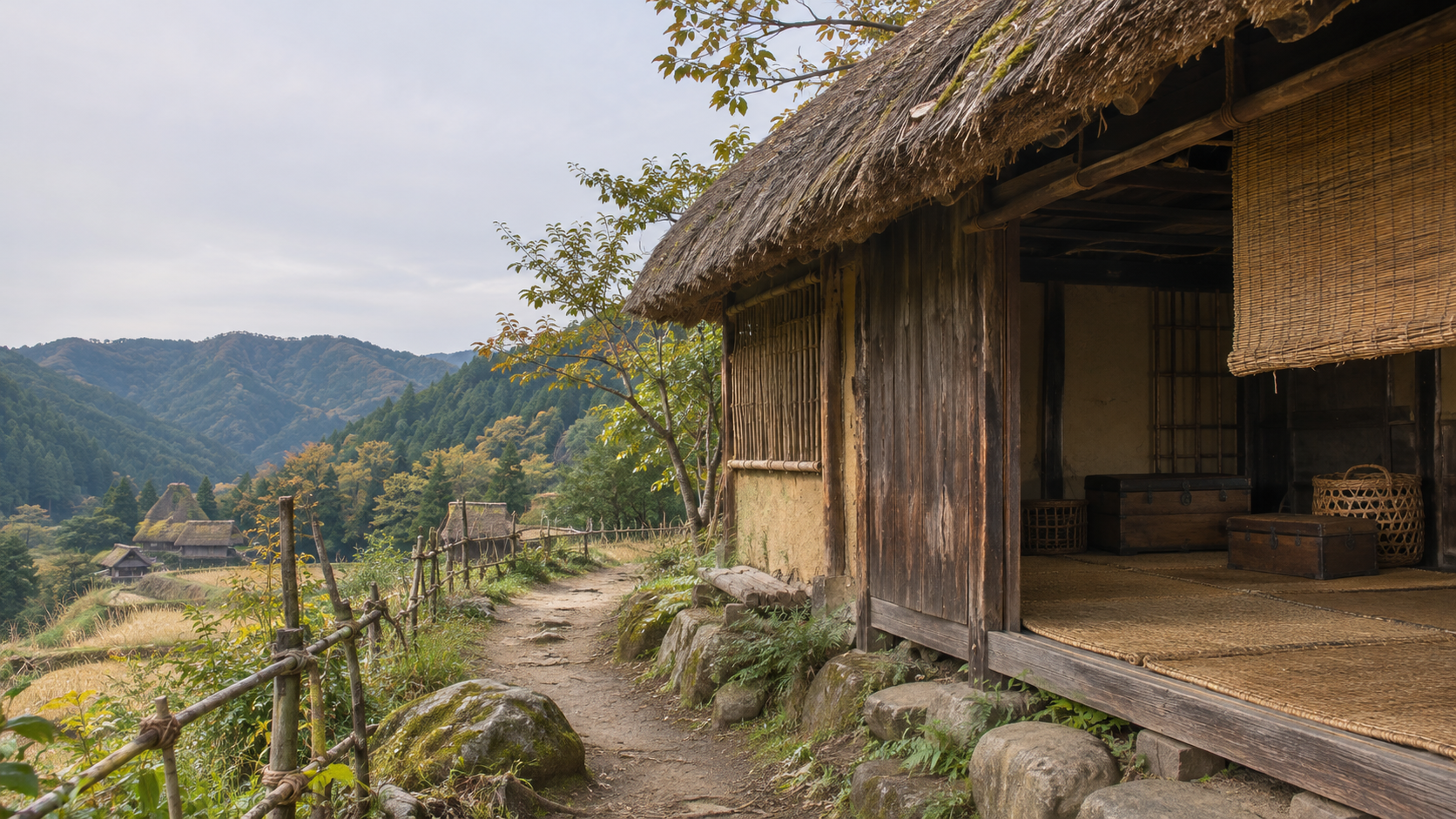
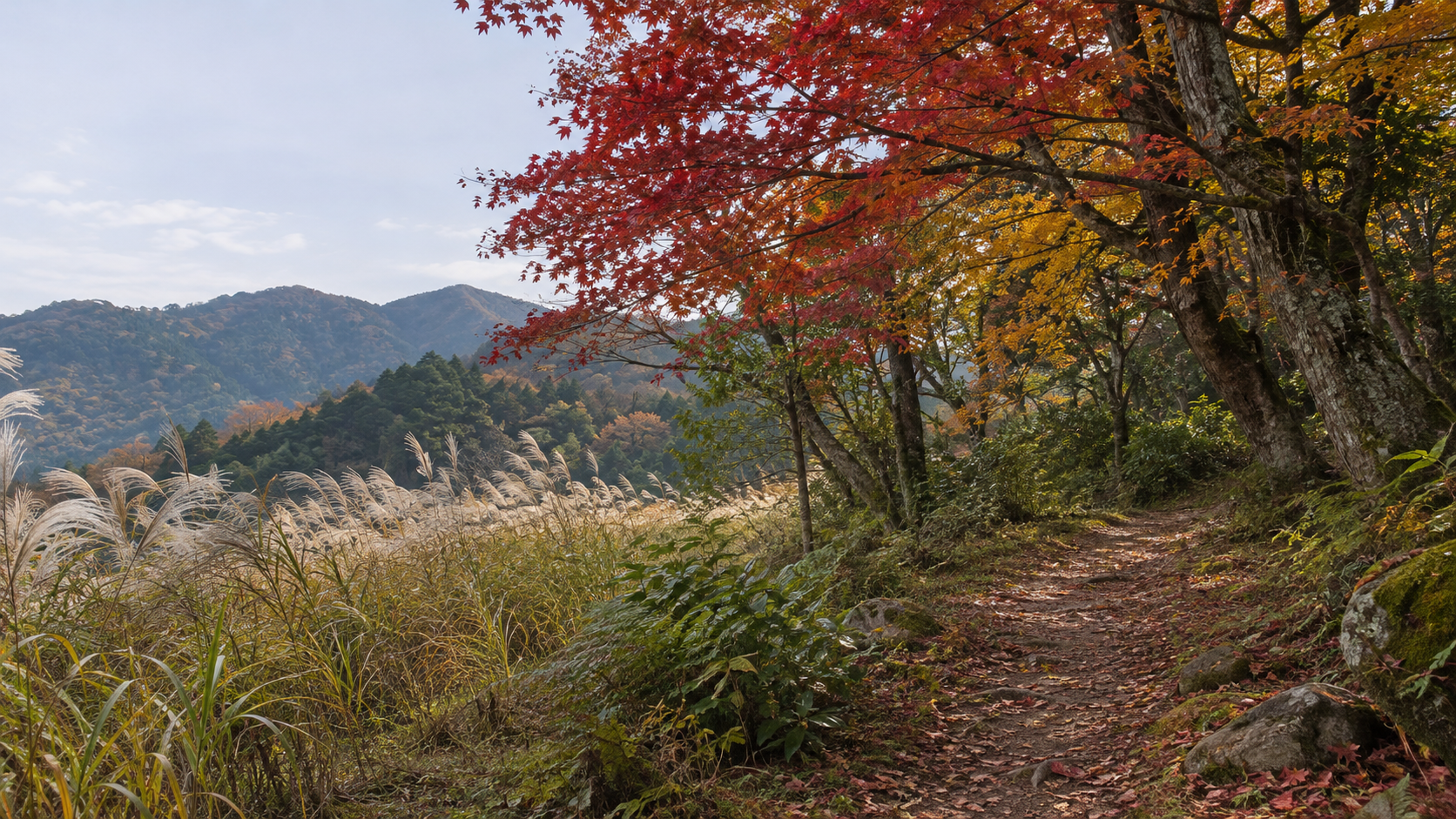
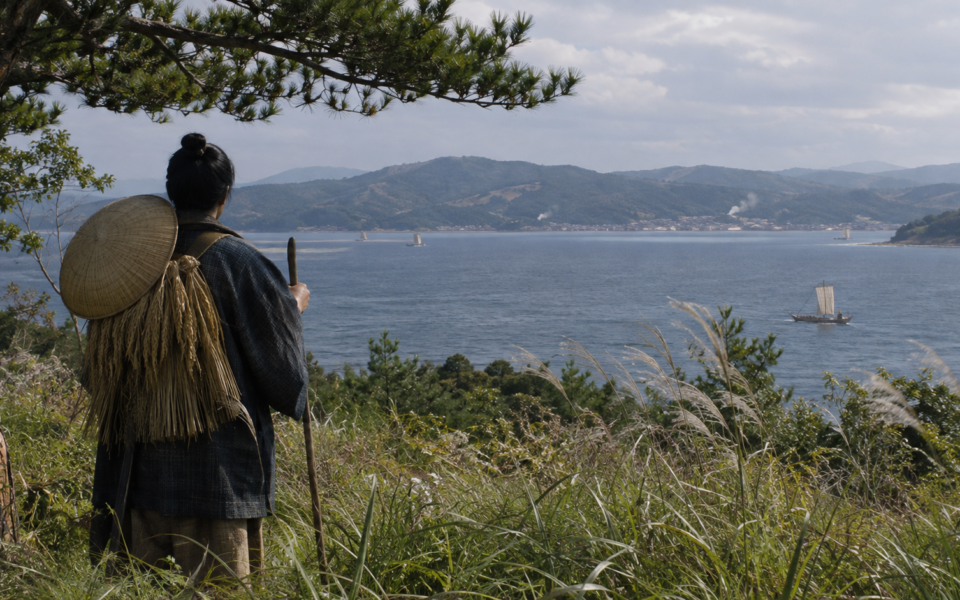
The relationship between an initial location and later protection can be explained without drawing a single authenticated walking route. A conceptual village path supplies atmosphere only; it identifies neither an escape road nor a securely documented meeting place.
Scene 08
Jitsuzoin preserves a local tradition
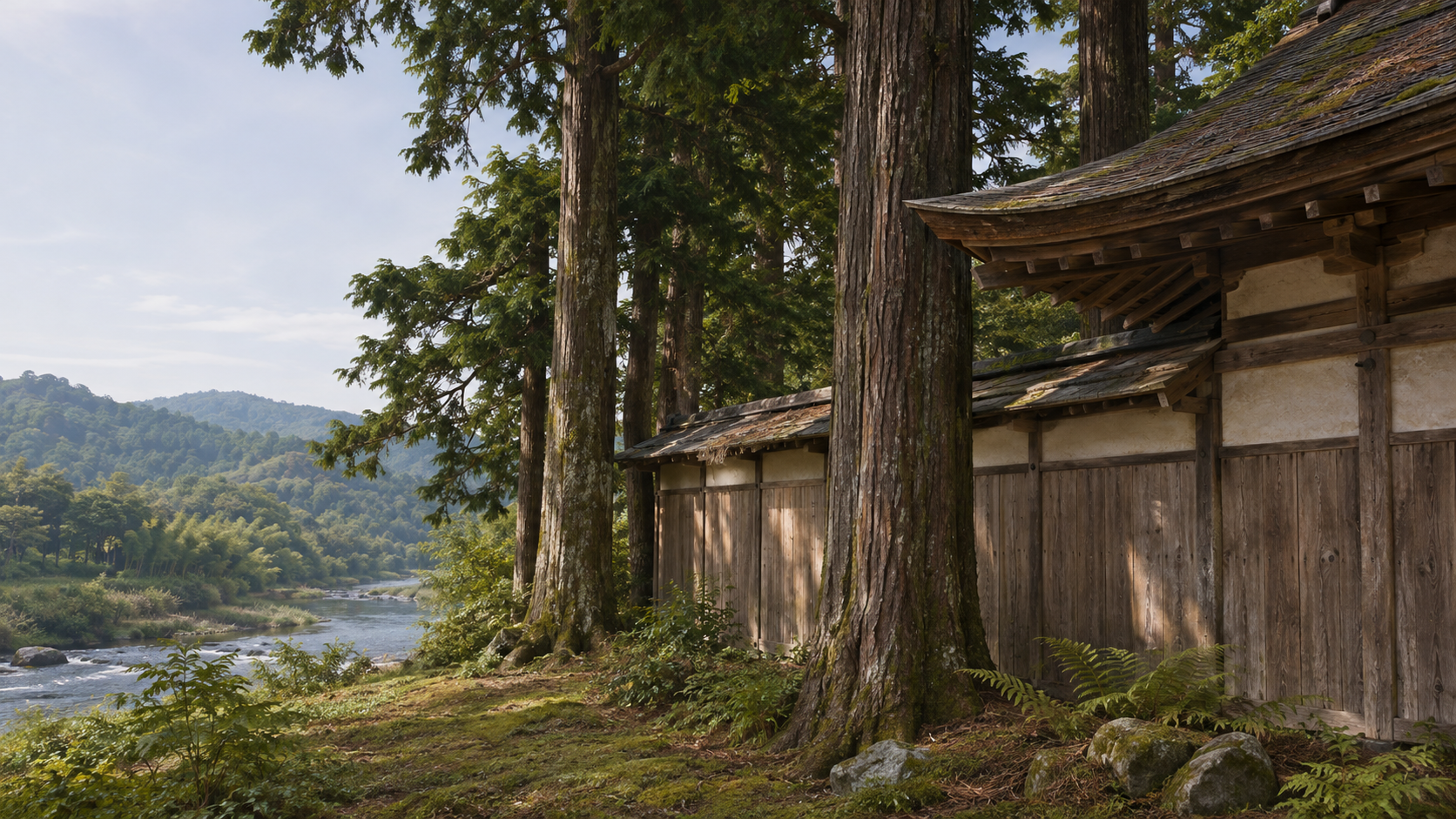
The Nagahama–Maibara tourism association introduces a tradition that Oichi and the sisters were sheltered at Jitsuzoin by a nun related to Nagamasa as his elder sister. It is a surviving local account of refuge.
Its value includes showing how the family’s escape has been remembered in the region. That is different from possessing a timed movement register or proof of every step between Odani and subsequent Oda protection.
The tradition and the broader account can be placed beside one another without being merged into a fully verified sequence. Respecting local memory includes retaining the status in which the source presents it, rather than silently changing tradition into certainty.
Scene 09
About nine years separated departure and remarriage
Odani fell in 1573. Oichi’s remarriage to Shibata Katsuie and the move to Kitanosho belong to 1582. Approximately nine years separated the two events. The second did not follow immediately after the first.
Various local accounts and later narratives discuss residences after Odani. The sources consulted for this article do not establish an uninterrupted sequence of addresses and movement dates throughout the entire interval.
The chronology marks known turning points while leaving the intervening record incomplete. That gap does not mean the daughters’ lives stood still. It marks the limits of what this particular body of evidence can support about where they lived.
Scene 10
After Nobunaga’s death, the family moved to Kitanosho
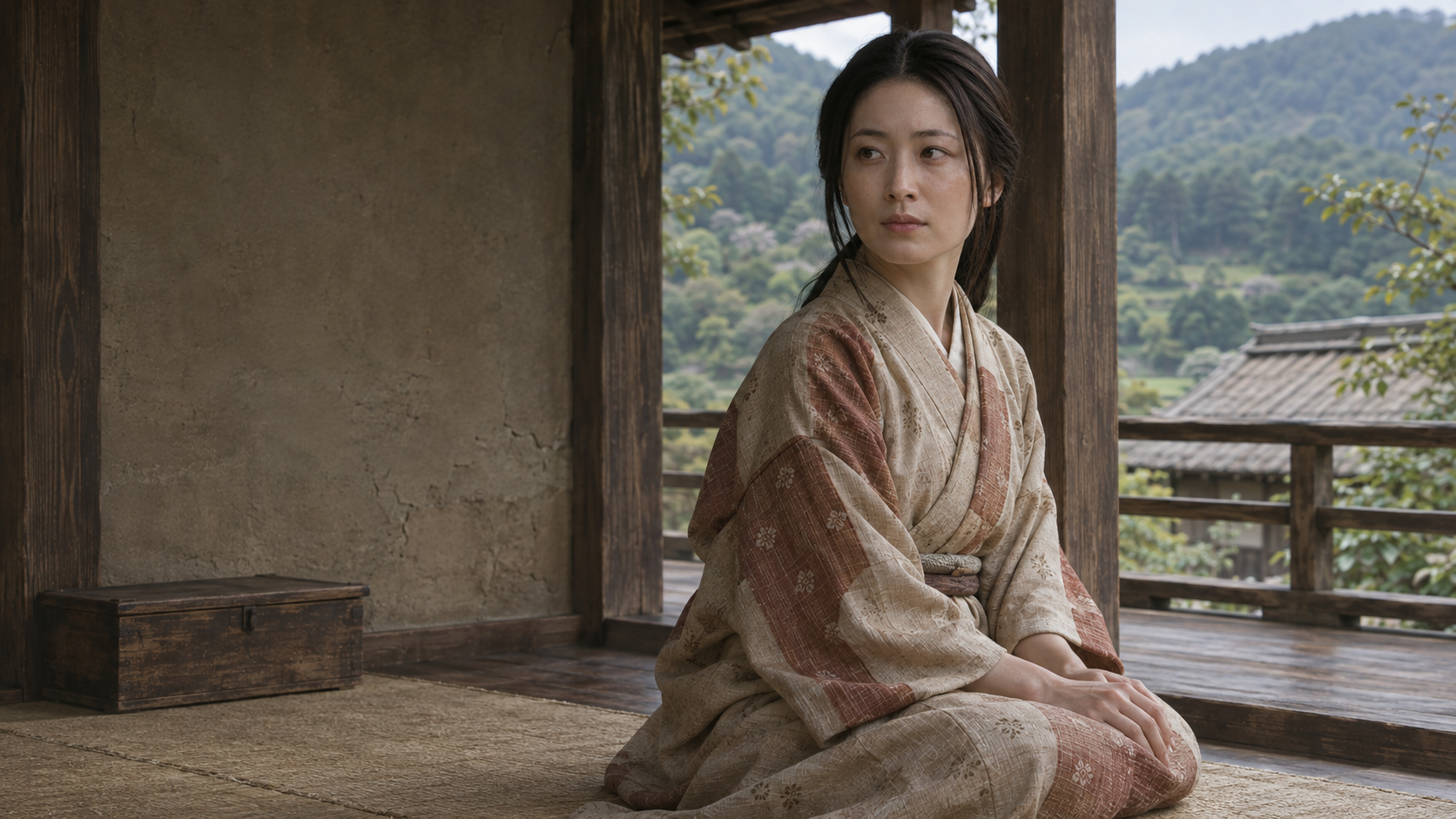
Nobunaga died in the Honnoji incident of 1582, raising questions about succession to his political position. Oichi subsequently married Katsuie, one of his senior retainers, and moved with the three sisters to Kitanosho in Echizen.
Odani had been a mountain stronghold in Omi. Kitanosho occupied an area within the centre of present Fukui. The new marriage connected the family with another house and another place in a changed political environment.
Conflict between Katsuie and Hashiba Hideyoshi intensified toward the following year’s fighting at Shizugatake. This sequence does not disclose the complete emotional basis of the marriage. The political setting and the move can be described without assigning invented private motives.
Scene 11
At Kitanosho, mother and daughters had different outcomes
In 1583 Katsuie withdrew to Kitanosho after defeat at Shizugatake. Hideyoshi’s forces approached, and the castle fell. Oichi died there with Katsuie, while the three sisters left the castle and survived.
At Odani, mother and daughters had all survived. At Kitanosho their outcomes separated. Fukui City’s explanation also acknowledges how little is known in detail about the couple’s actual married relationship.
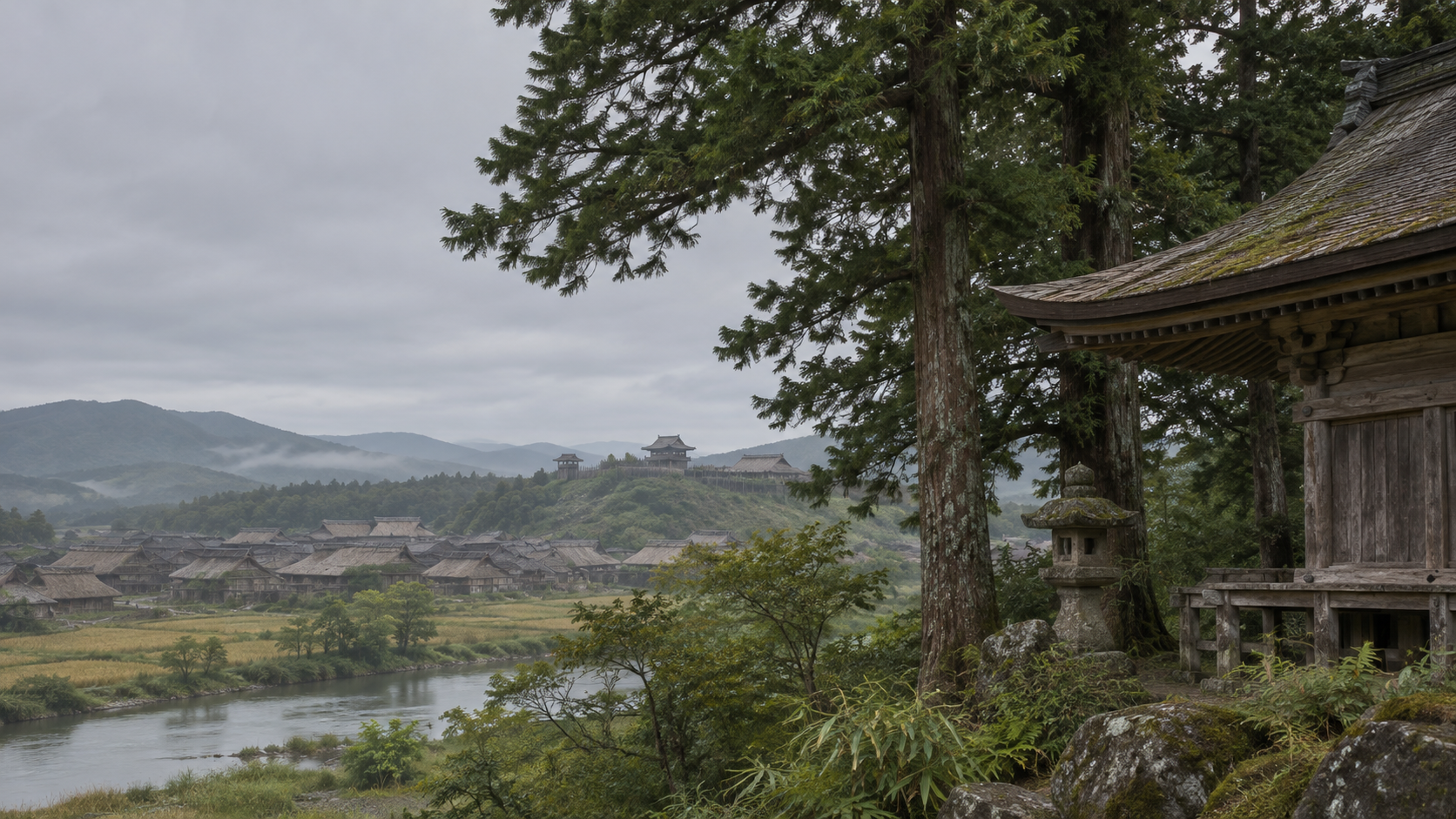
No final conversation or farewell speech is supplied here. The evidence supports the mother’s death and the continuation of her daughters’ lives. A landscape illustration does not authenticate a precise siege view, a location of death or a scene of parting.
Scene 12
Family histories continued beyond the castles
The sisters later entered different powerful family connections. Chacha became Hideyoshi’s consort, Hatsu married Kyogoku Takatsugu, and Go later married Tokugawa Hidetada. Those developments belonged to lives extending beyond both castle falls.
Their later positions should not be presented as destinies already settled when they left Odani. Nor can those outcomes prove what their mother intended years earlier. Later events do not provide direct access to earlier private thought.
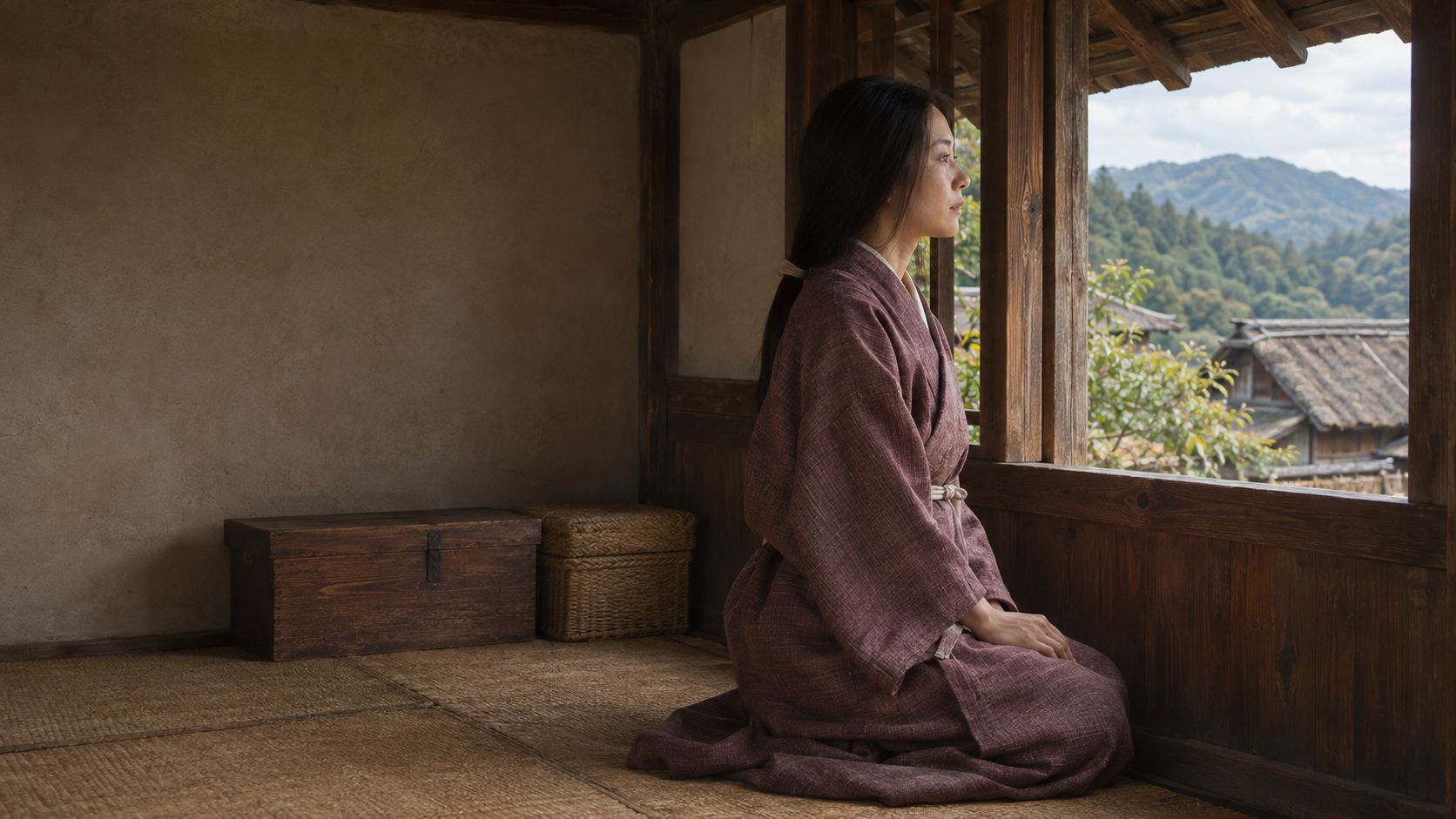
From Odani to Oda-linked protection, then after an interval to Kitanosho, and onward for the surviving daughters: that sequence reveals survival and changing family connections alongside military defeat. The anonymous adult figure is not a verified portrait of any sister.
How to read this work
History, interpretation, and reconstruction
Following surviving family members and the time between castle falls reveals different outcomes that a simple account of military victory and defeat can hide.
This work is grounded in published sources and historical research. Interior thoughts, dialogue, and some visual details are cinematic reconstructions. Where historians disagree, the article presents the point as debated rather than settled fact.
People & terms
A guide for new readers
Glossary
- Odani 小谷
- The Azai mountain stronghold, understood as a wider defensive and residential landscape.
- Kitanosho 北庄
- Katsuie’s base in Echizen, in the central area of present Fukui.
- The three Azai sisters 浅井三姉妹
- Chacha, Hatsu and Go, daughters of Oichi and Azai Nagamasa.
- Castle enclosure 曲輪
- A defined defended space within a castle landscape, rather than necessarily a room inside a keep.
- Jitsuzoin 実宰院
- The temple associated with a local tradition of sheltering Oichi and the sisters.
- Local tradition 伝承
- An inherited account whose existence and cultural significance do not by themselves prove a precise historical itinerary.
Sources & method
How this article was built
The account distinguishes the two castle falls, the intervening years and the different outcomes of mother and daughters. Modern institutional explanations are the immediate sources; listing an older work within them is not treated as independently reading its original manuscript.
The preservation plan is used within the specified historical and site sections. The older heritage catalogue’s date wording does not override the 1573 chronology. Modern heritage management describes the site’s later treatment, rather than supplying family residence records.
Several explanations come from related municipal resources and are not independent eyewitness testimonies. Jitsuzoin remains a tradition, and unresolved movements remain unresolved. Generated images are illustrative; no invented dialogue, exact departure time, private motive or authenticated portrait is added.
Sources
References and further reading
- Preservation and management plan for the Odani castle site 史跡小谷城跡保存管理計画書 Title translated editorially for reader convenience. Nagahama City Board of Education 長浜市教育委員会 Relevant historical and site-description sections, physical PDF pages 34–37, printed 25–28; not the entire report or an exact escape map. Accessed 2026-11-06
- Shibata Katsuie and Oichi 柴田勝家・お市の方 Title translated editorially for reader convenience. History-visible Town Development Association, Fukui 公益財団法人 歴史のみえるまちづくり協会 Institutional biographical explanation. Exact marriage dates, age at death and attributed final poetry are not adopted as established personal speech. Accessed 2026-11-06
- The history of Kitanosho Castle 今こそ知りたい!北庄城の歴史 Title translated editorially for reader convenience. Fukui City official note 福井市公式note Historical explanation, including limits on knowledge of the marriage. No nine-storey keep, private resolve or borrowed photograph is authenticated here. Accessed 2026-11-06
- The three Azai sisters 浅井三姉妹 Title translated editorially for reader convenience. Nagahama City official historical resource 長浜市 北近江豊臣博覧会公式 Family connections and movements. Decorative psychological claims, exact ages and troop figures are omitted. Accessed 2026-11-06
- Jitsuzoin and its tradition of sheltering the sisters 浅井三姉妹を匿った伝承が残る実宰院 Title translated editorially for reader convenience. Nagahama–Maibara Tourism Association 公益社団法人長浜米原観光協会 Evidence for the existence of a local tradition, not proof of a complete escape route or invented arrangements by named individuals. Accessed 2026-11-06
- Odani Castle Ruins Odani Castle Ruins Title translated editorially for reader convenience. Ministry of Land, Infrastructure, Transport and Tourism / Nagahama City 国土交通省 地域観光資源の多言語解説文DB/地域協議会 長浜市 Published multilingual site explanation; its compressed narrative is not merged with temple tradition into an exact itinerary. Accessed 2026-11-06
- Historic sites and preservation planning 史跡・名勝・天然記念物 歴史まちづくり室の取り組み Title translated editorially for reader convenience. Nagahama City 長浜市 Modern designation and management context, distinguished from a record of sixteenth-century residences. Accessed 2026-11-06
- Odani Castle Ruins: Cultural Heritage Online 小谷城跡 文化遺産オンライン Title translated editorially for reader convenience. Agency for Cultural Affairs 文化庁 Designation and remains description. The older explanation’s inconsistent fall-year wording is not adopted as the event date. Accessed 2026-11-06
Continue reading
More stories from Shigeki
Shigeki English
The Second Choshu Expedition: Four Fronts and a Negotiated Withdrawal
Read weapons together with terrain, training, command and support.
- When 1866, distinct from the first expedition in 1864; the process of ending extended into January 1867
- Where Oshima, the Aki border, Iwami and the Kanmon Strait facing Kokura
Shigeki English
Hasedo: Why Fighting Continued after Sekigahara
Separate the siege, the arrival of news, and withdrawal under pursuit.
- When 1600; month and day references use the calendar of the time
- Where Hasedo and Yamagata in Dewa, connected with Aizu and distant Sekigahara