
SHIGEKI ENGLISH STORYEN
Japanese history in English
What Sustained Ishiyama Honganji? Letters, Silver and Rice by Sea
Look beyond the defensive perimeter to the connections that supported a long conflict.
Read the conflict of 1570–1580 through a waterside temple town, regional correspondence, a gift of silver and Mori supply voyages. Distinguish a successful delivery from a secure supply route, and the settlement of 1580 from Kennyo’s and Kyonyo’s separate departures.
At a glance
Before you enter the story
- When
- Conflict from 1570 to 1580; staged departures in 1580; later literary representations considered separately
- Where
- Osaka, its waterways and sea approaches, with connections to regional temples and military powers
- Key figures
- Oda Nobunaga, Kennyo, Kyonyo, Mori naval forces, Regional temples and supporters
- What was at stake
- How could a religious and urban centre sustain resistance, and what does its correspondence reveal beyond the battlefield?
Why this story matters
The larger history behind the turning point
A siege is often imagined through walls and assaults. Supply records and letters introduce another set of questions: who sent support, how it moved and whether the connection could be maintained after one successful delivery.
Ending a conflict also took time. A negotiated agreement, one leader’s departure and the later withdrawal of another group were distinct stages. Letters announcing those changes show relationships continuing beyond the loss of a particular base.
Historical context
What an international reader needs to know
A temple town connected to waterways
Ishiyama, or Osaka, Honganji was a religious centre within a temple town. Moats, earthworks and surrounding terrain mattered, but the site was not simply one isolated building. Religious, urban and transport functions overlapped in the same place.
The Yodo River connected the area with Kyoto, while waterways opened toward Osaka Bay. Such routes could support movement and provisioning, but they also became places where opposing forces contested access. Geography created possibilities that still depended on people maintaining them.
Present remains and later pictures have their own histories
Today’s Osaka Castle cannot be treated as the surviving architecture of Honganji. Osaka City explains that later Toyotomi and Tokugawa construction substantially changed the terrain. A modern landmark can identify the broad area without supplying an exact view of the earlier temple town.
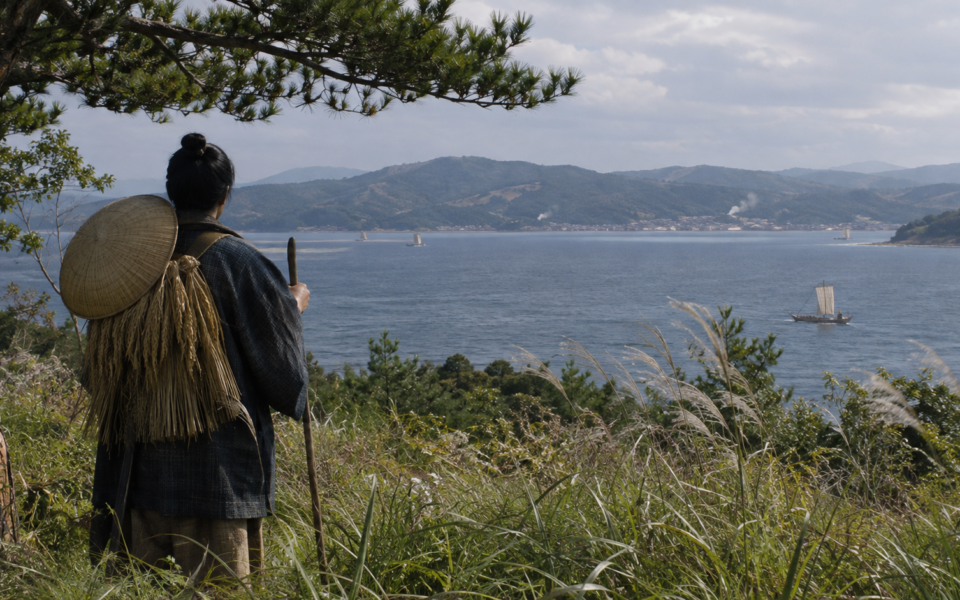
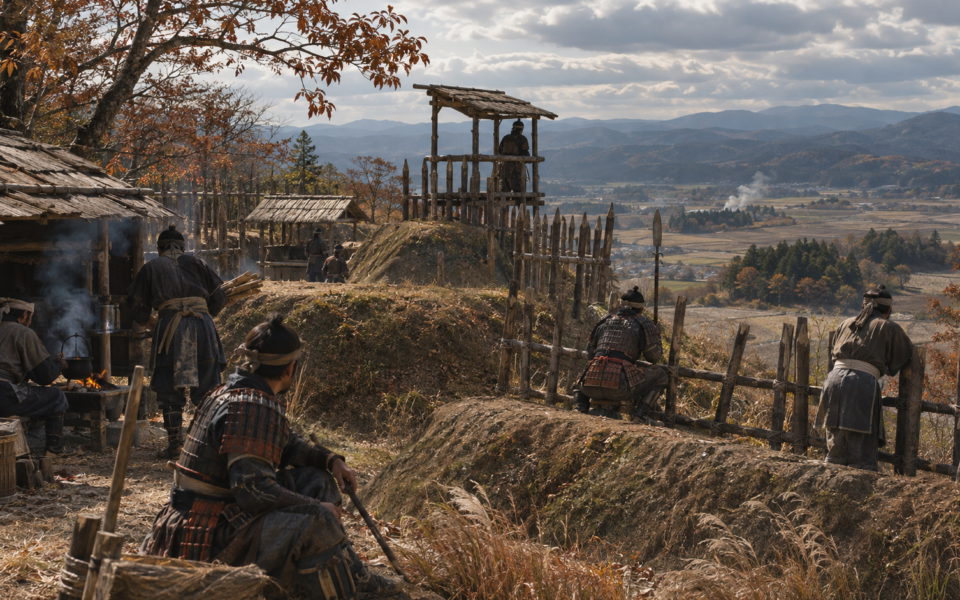
An illustrated Edo-period narrative likewise belongs to its own period. It can illuminate later representation of the conflict, while letters and regional chronologies answer different questions. The generated illustrations here are explanatory scenes, not copies of documents, portraits or exact reconstructions of buildings and sea battles.
Watch the film
See the story in motion
The film currently uses Japanese audio. This English article provides the context and source trail; it does not imply that an English subtitle track is available.
Scene 01
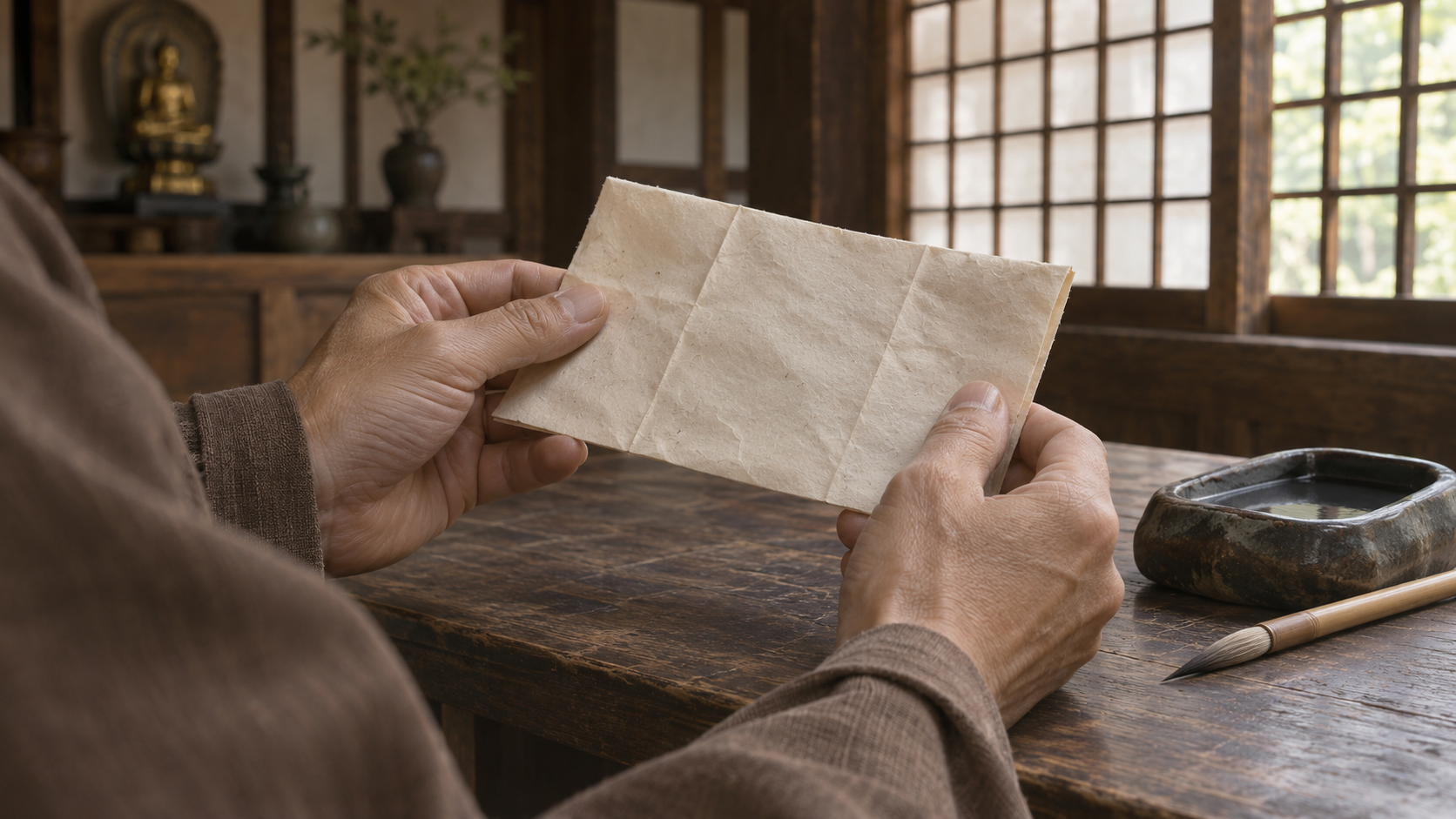
Begin with a letter of thanks
What supported the Honganji stronghold that Nobunaga attacked over many years? One clue comes from a letter sent in the year the conflict ended. Anjo’s cultural-property account describes Kyonyo thanking a recipient for three ryo of silver that had reached him.
A letter about a contribution points beyond the defensive perimeter. It introduces a relationship through which goods and information could travel between the centre and a regional temple. The surviving object therefore offers a different starting point from a battle scene.
The article follows those connections through terrain, correspondence and provisioning by sea. One letter cannot explain the whole conflict, but it can make a particular form of support visible without inventing a complete budget or a common motive for every supporter.
Scene 02
The present castle is a later landscape
The broad setting lies around today’s Osaka Castle. Its present keep and stone walls are not the buildings of Ishiyama Honganji. Osaka City’s explanation stresses how substantially the landscape changed through the Toyotomi and Tokugawa periods.
That later history limits what can be inferred from a modern view. The location of a famous castle does not establish the precise footprint of every earlier temple structure. Nor does an estimated site become a fully excavated plan simply because it appears on a map.
Rivers, wetlands and the elevated Uemachi Plateau provide a more appropriate starting framework. The conceptual illustration introduces those kinds of conditions without claiming to reproduce the exact terrain or the position of buildings during the sixteenth-century conflict.
Scene 03
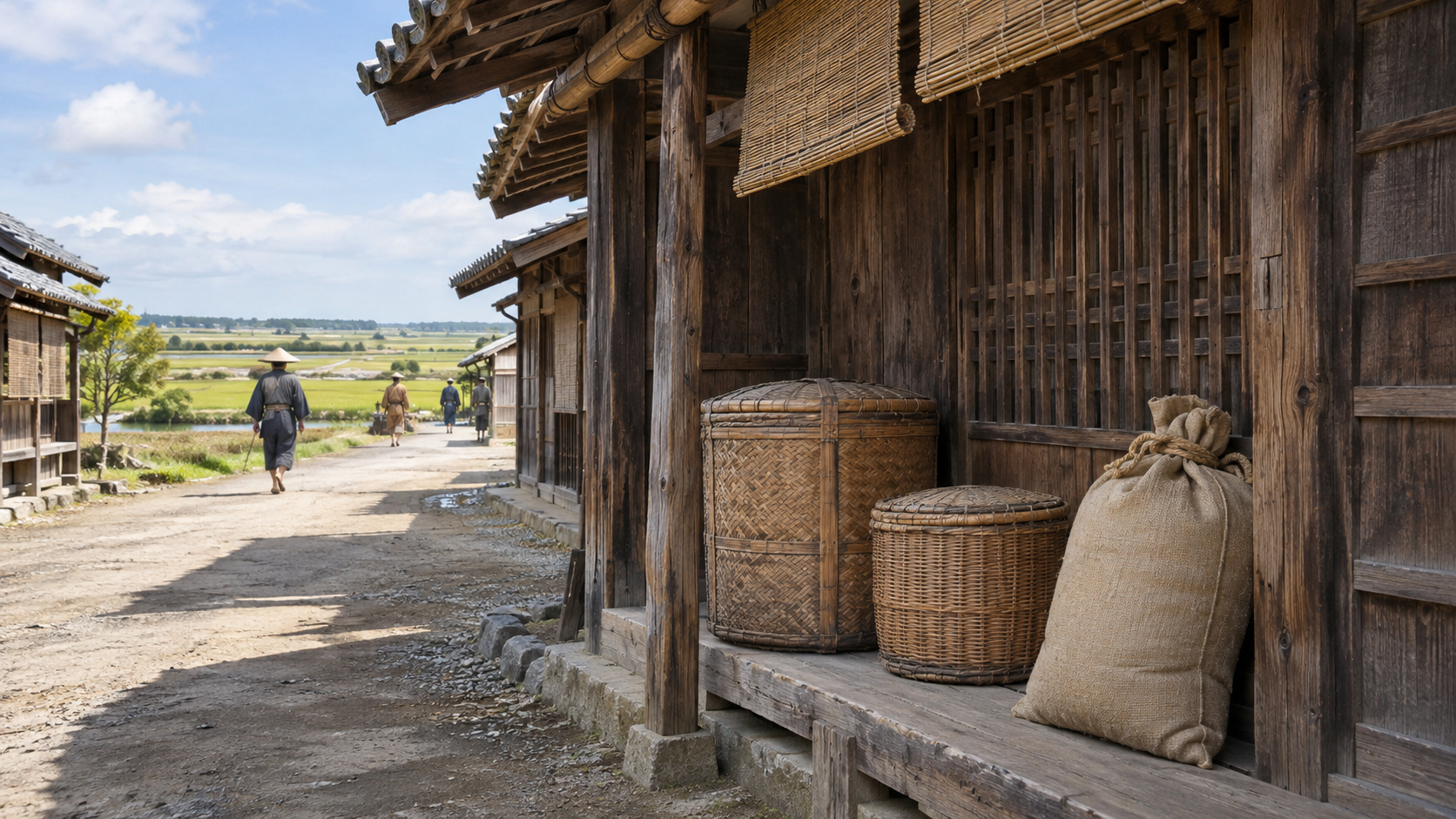
A temple town open to the river
Wet ground surrounded the Uemachi Plateau, with the Yodo River to the north. The river route led toward Kyoto. Osaka City describes the establishment of the Osaka base under Shonyo after the burning of Yamashina Honganji.
The explanation places a temple town enclosed by moats and earthen defences within that history. Religious authority, a settlement and transport connections belonged together. Reducing the base to one temple hall would remove much of the setting in which resistance was sustained.
Waterways could connect the centre with other places, but access was not automatically secure. The same openings that enabled transport also mattered to military pressure. This combination makes the relationship between the town and the routes outside it central to the account.
Scene 04
Eleven calendar years did not mean one continuous battle
The conflict between Nobunaga and Osaka Honganji extended from 1570 to 1580. Counting the calendar years inclusively produces the familiar description of eleven years. This is a way of describing the span, not evidence for an unchanged assault continuing every day.
Land fighting occurred alongside relations with military powers in other regions and negotiations over support. Those activities changed over time. A long conflict must therefore be read through its different episodes rather than as a single day of combat stretched across a decade.
Letters and supply entries help reveal that changing history. They draw attention to work required between battles, including asking for assistance and maintaining access. The length of resistance poses a question about sustained connections as well as defensive strength.
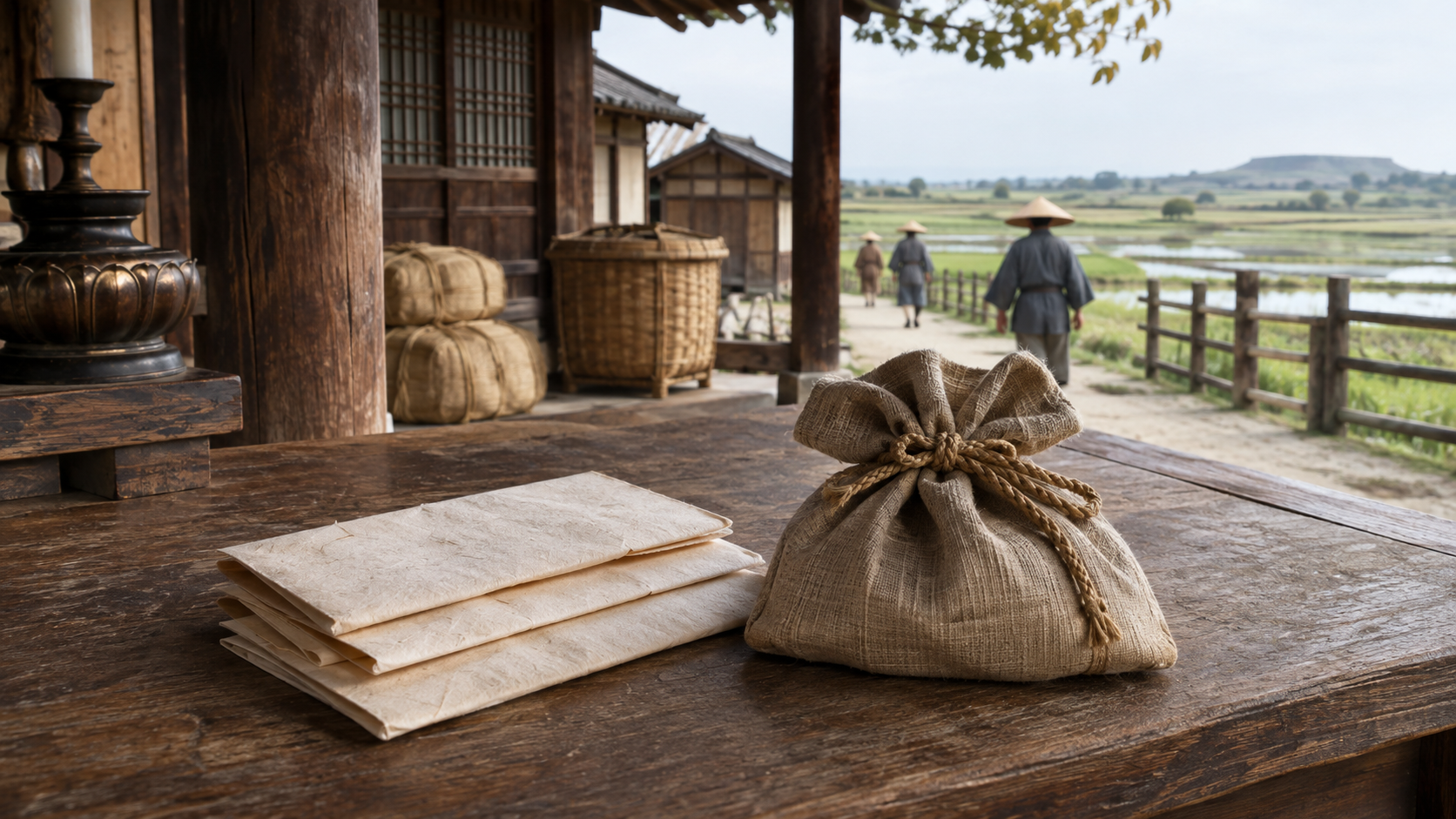
Scene 05
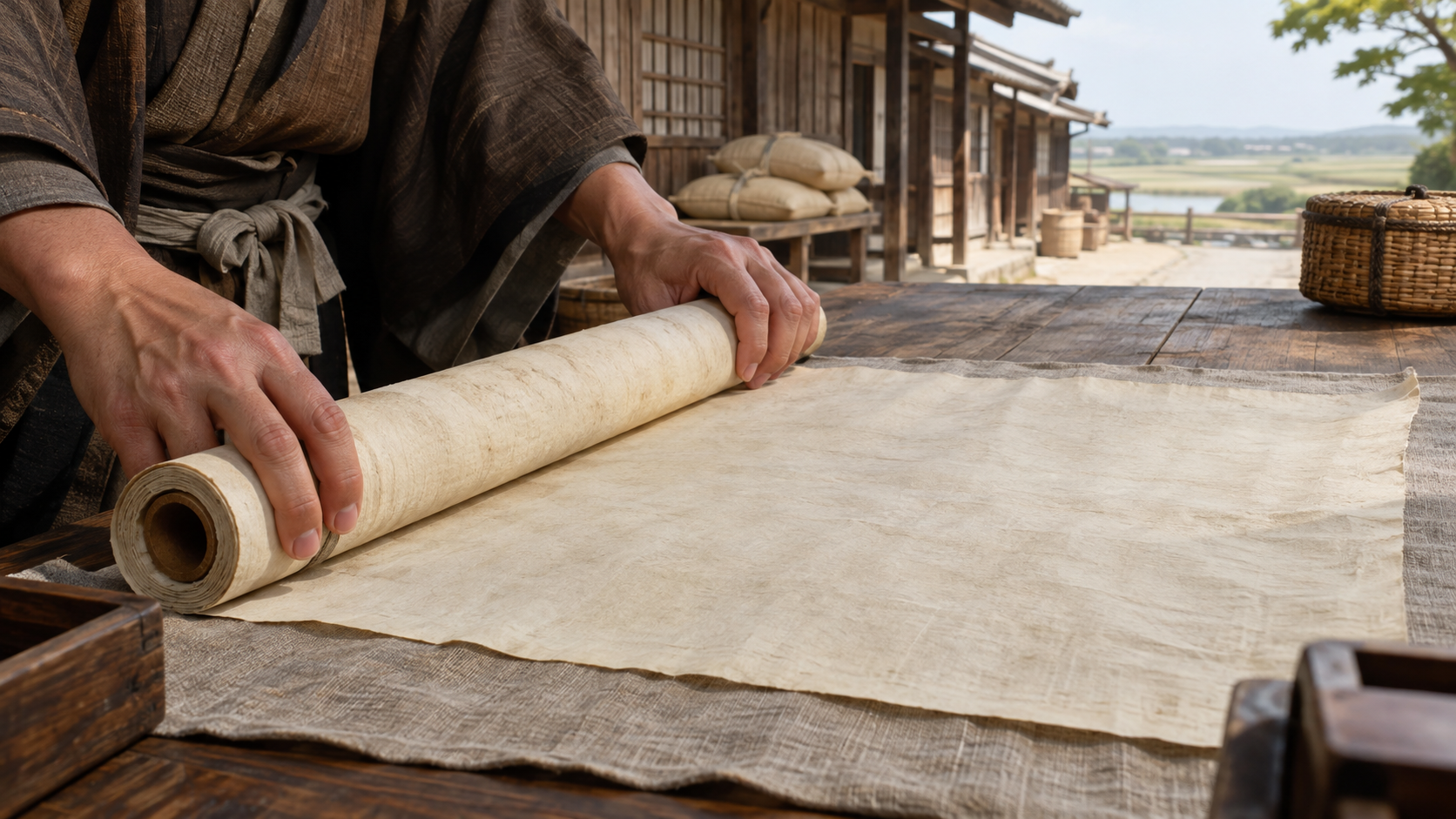
Three ryo of silver and a particular relationship
The letter described by Anjo is held at Honshoji. The cultural-property explanation presents it as one of Kyonyo’s communications to affiliated temples in 1580, mentioning withdrawal and thanking the recipient for silver that had arrived.
The evidence establishes a particular example of money and information moving through a religious relationship. It does not reveal the total cost of the conflict or the feelings of everyone in the town. No conversion into a modern cash equivalent is needed to identify its function.
The account relies on the institution’s explanation rather than claiming an independent transcription of every line of the original handwriting. The distinction keeps the contribution visible while avoiding claims about details that have not been established from the document itself.
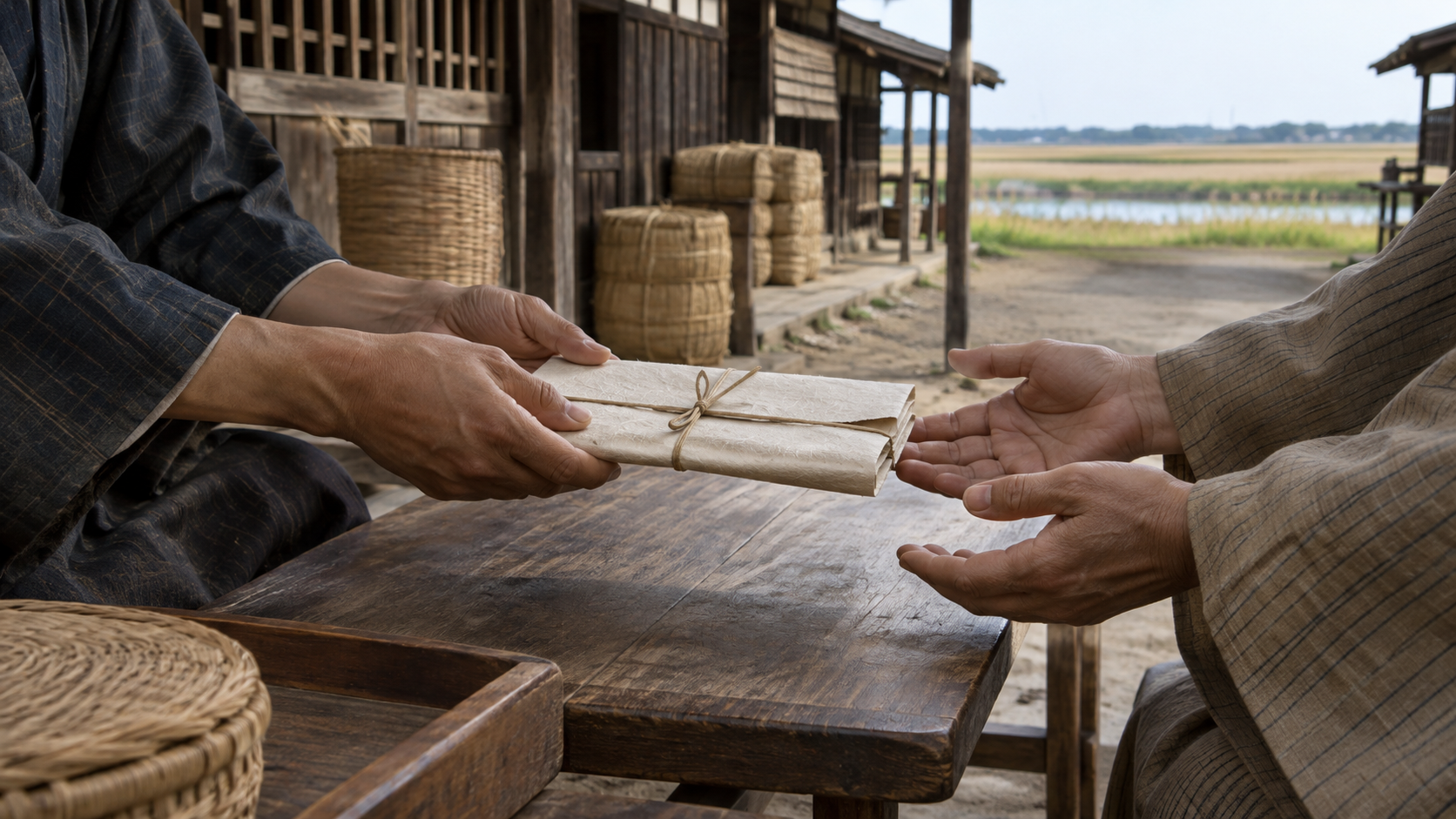
Scene 06
Support followed more than one path
The catalogue explanation of Kennyo’s message preserved at Shokoji discusses relations with Takeda, Azai, Asakura and Mori powers. These relationships differed by counterpart and period. Regional temple networks and negotiations with military lords should not be merged into one timeless organisation.
A letter could connect particular parties in particular circumstances. That is different from proving identical commitments among every participant throughout the conflict. The surrounding political landscape also changed, affecting the setting in which assistance could be sought.
Okayama’s regional explanation of Oda–Mori conflict and Ukita movements provides context for those shifting conditions. It is used within that regional scope, rather than as a complete analysis of every campaign. The useful picture is a set of changing connections, not an unchanging circle of allies.
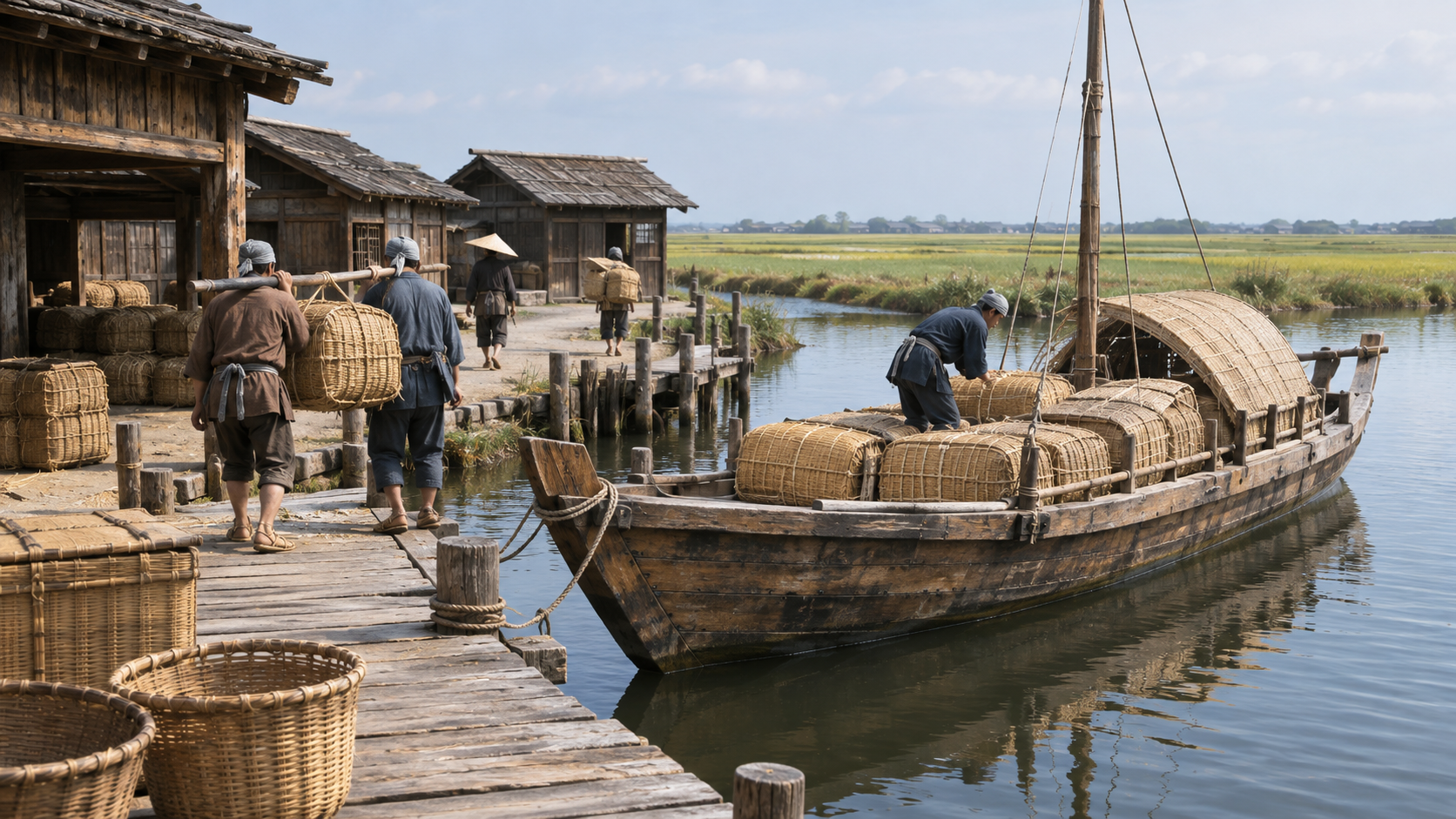
Scene 07
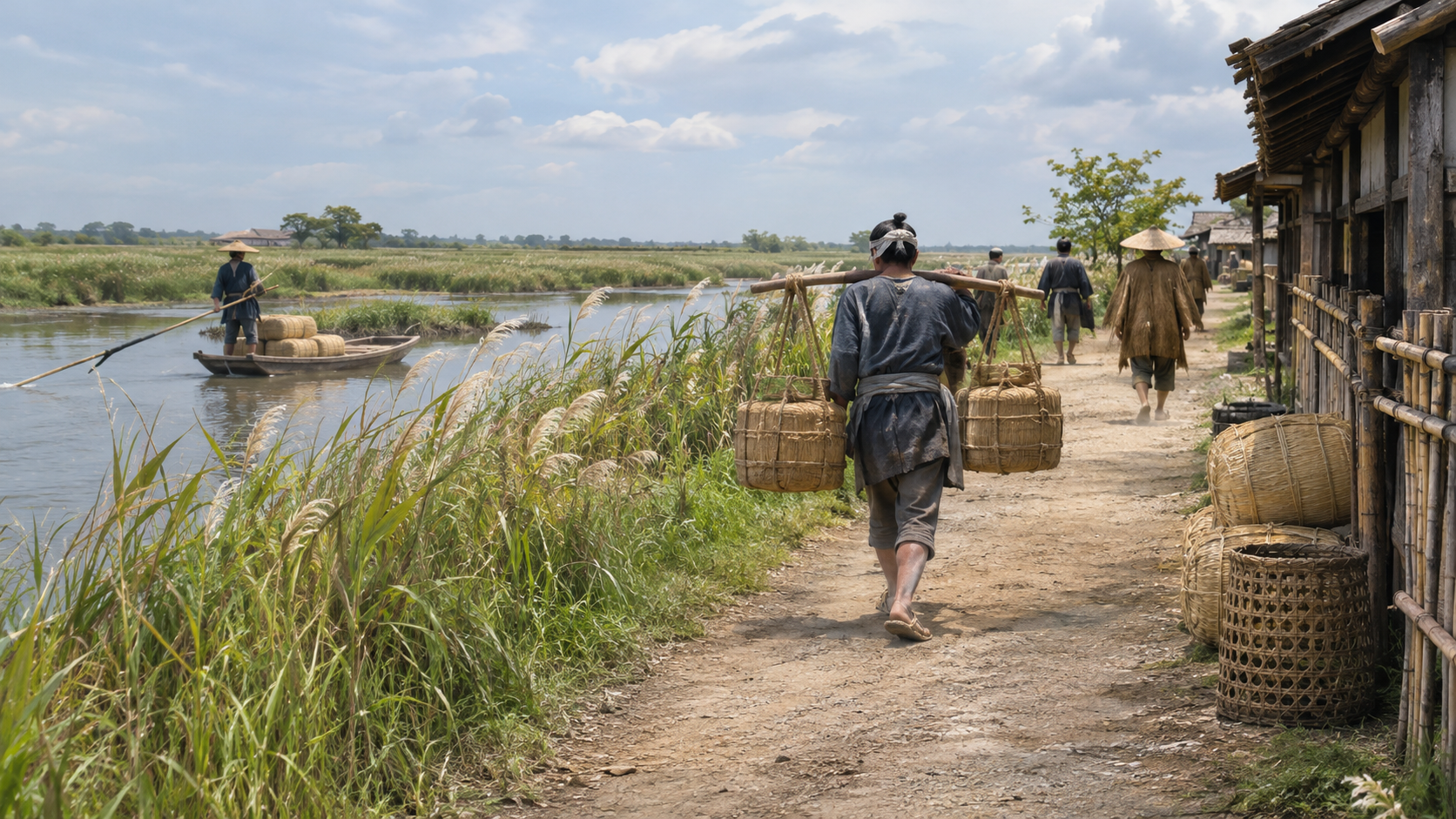
Rice came through the sea approaches
For a base under pressure from land, the approaches from sea and river were consequential. Hiroshima’s chronology records Mori naval forces breaking through at the Kizu River mouth in the seventh month of 1576 and bringing rice into Ishiyama Honganji.
The result concerned more than which ships defeated which opponents. It affected whether food could reach the centre. A naval engagement and a supply operation were connected, but the delivery itself is the concrete outcome relevant to the question of endurance.
The chronology is an institutional compilation drawing on historical materials, not a claim that the article has independently read every underlying manuscript. The illustration of a boat carrying rice introduces the transport function without reconstructing an identified vessel or exact engagement.
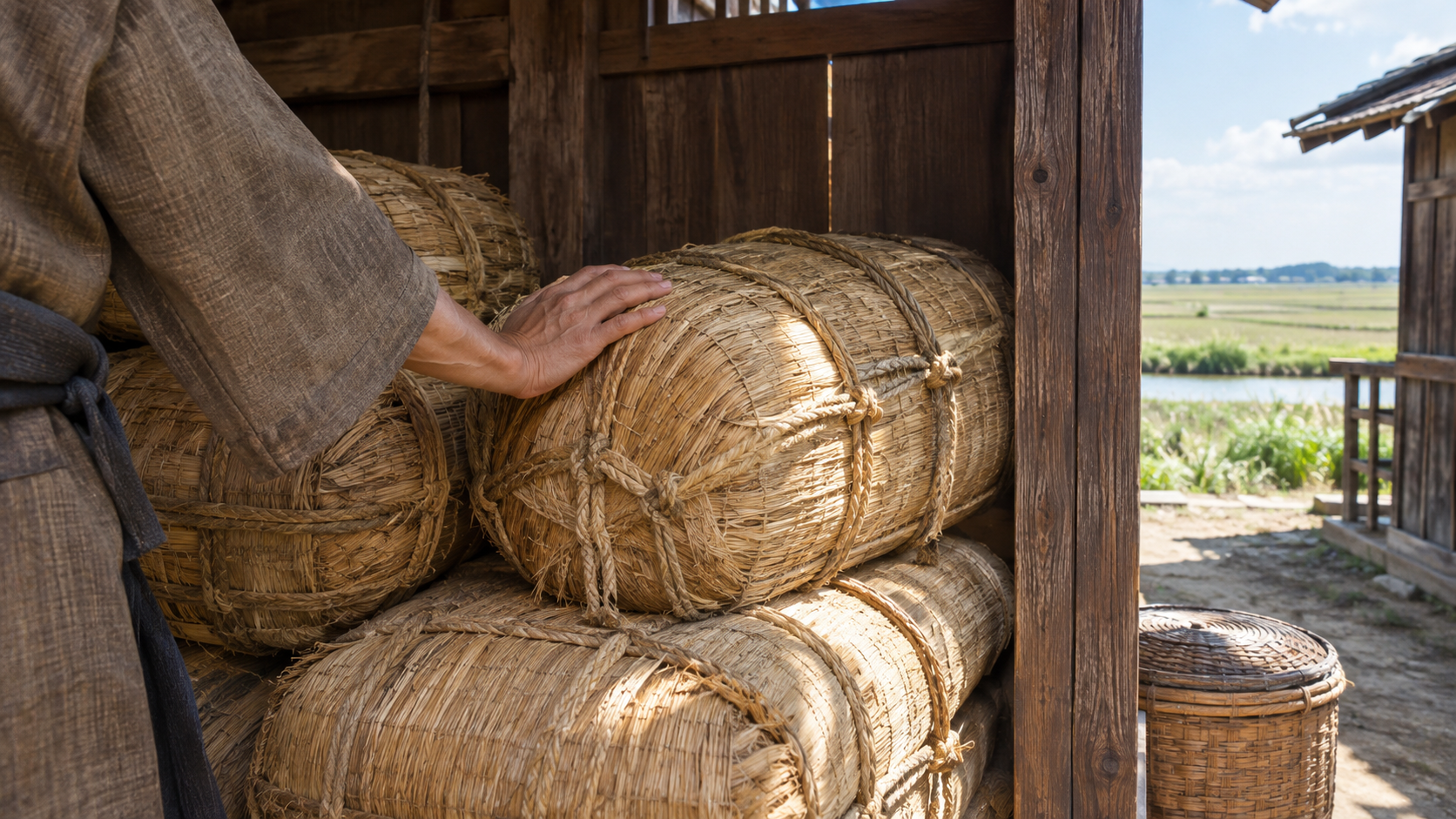
Scene 08
One delivery did not secure every later voyage
Success in the seventh month did not guarantee the next shipment. The same chronology records Kennyo asking the Mori for assistance under maritime blockade in the ninth month of 1576. A successful delivery and a later appeal belong within the same year.
Placing those entries together reveals the difficulty of maintaining access. Feeding a stronghold once and securing conditions for continued resistance were different problems. Neither entry should erase the other in favour of a simple claim that the route was always open or always closed.
The chronology also records a Mori supply arrival on the sixth day of the eleventh month of 1578. Fighting, deliveries and appeals must be followed by their dates. A naval outcome cannot automatically be expanded into permanent cessation of every later supply journey.
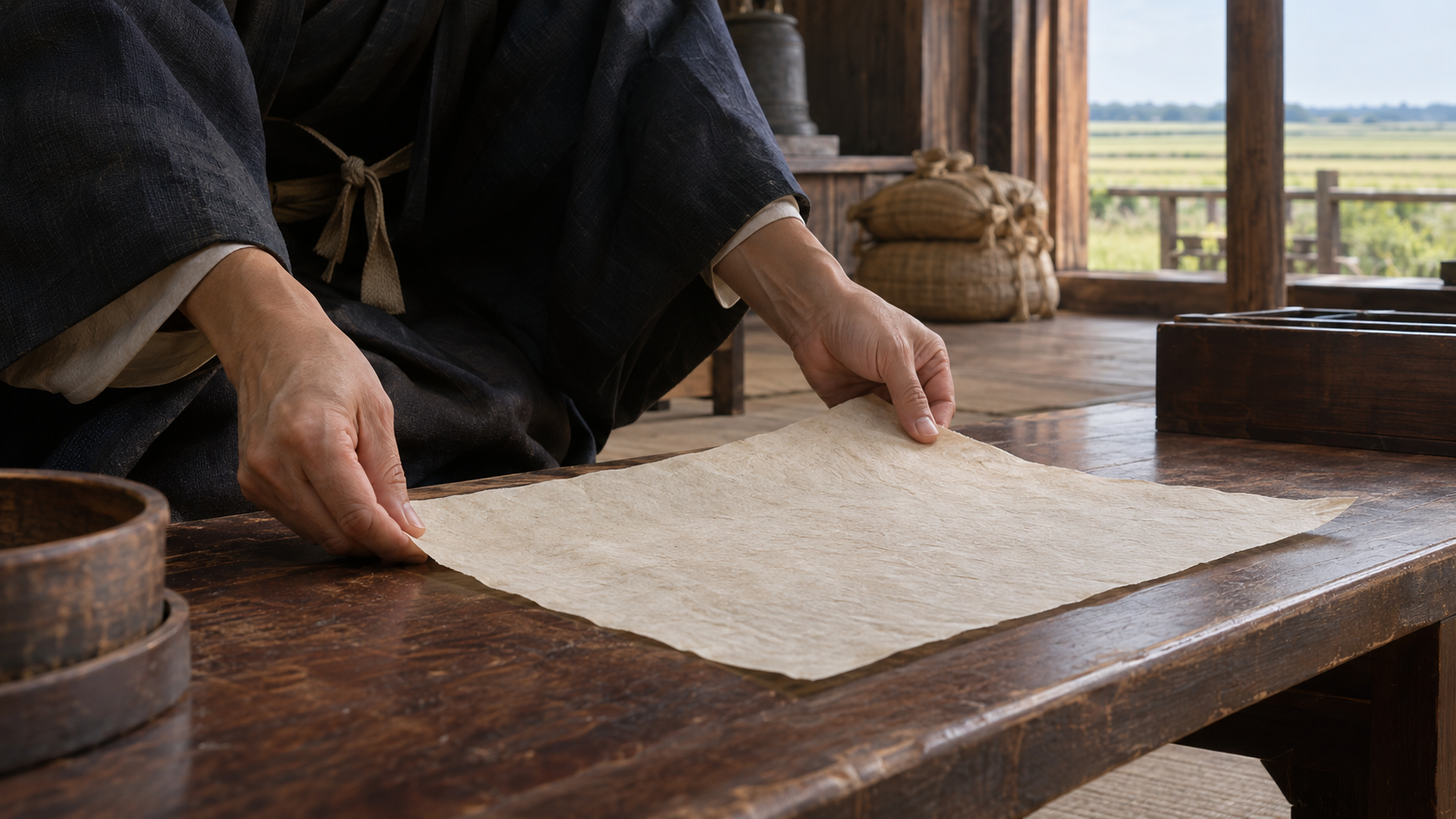
Scene 09
Negotiation moved toward leaving Osaka
In 1580, negotiations between Nobunaga and Kennyo reached agreement through imperial-court mediation. The Shokoji letter’s scholarly explanation identifies the fifth day of the intercalary third month as the point of agreement. Dates in these withdrawal documents use the historical calendar.
Departure from Osaka was a major issue in the settlement. The long confrontation moved toward an agreement to relinquish the base. That development belongs to the process of ending the conflict, but it is not the same event as everyone physically leaving.
Keeping agreement and implementation separate prepares the next stage of the chronology. Different people acted at different times. A single ending scene would conceal the interval between negotiations, Kennyo’s movement and Kyonyo’s later withdrawal from the site.
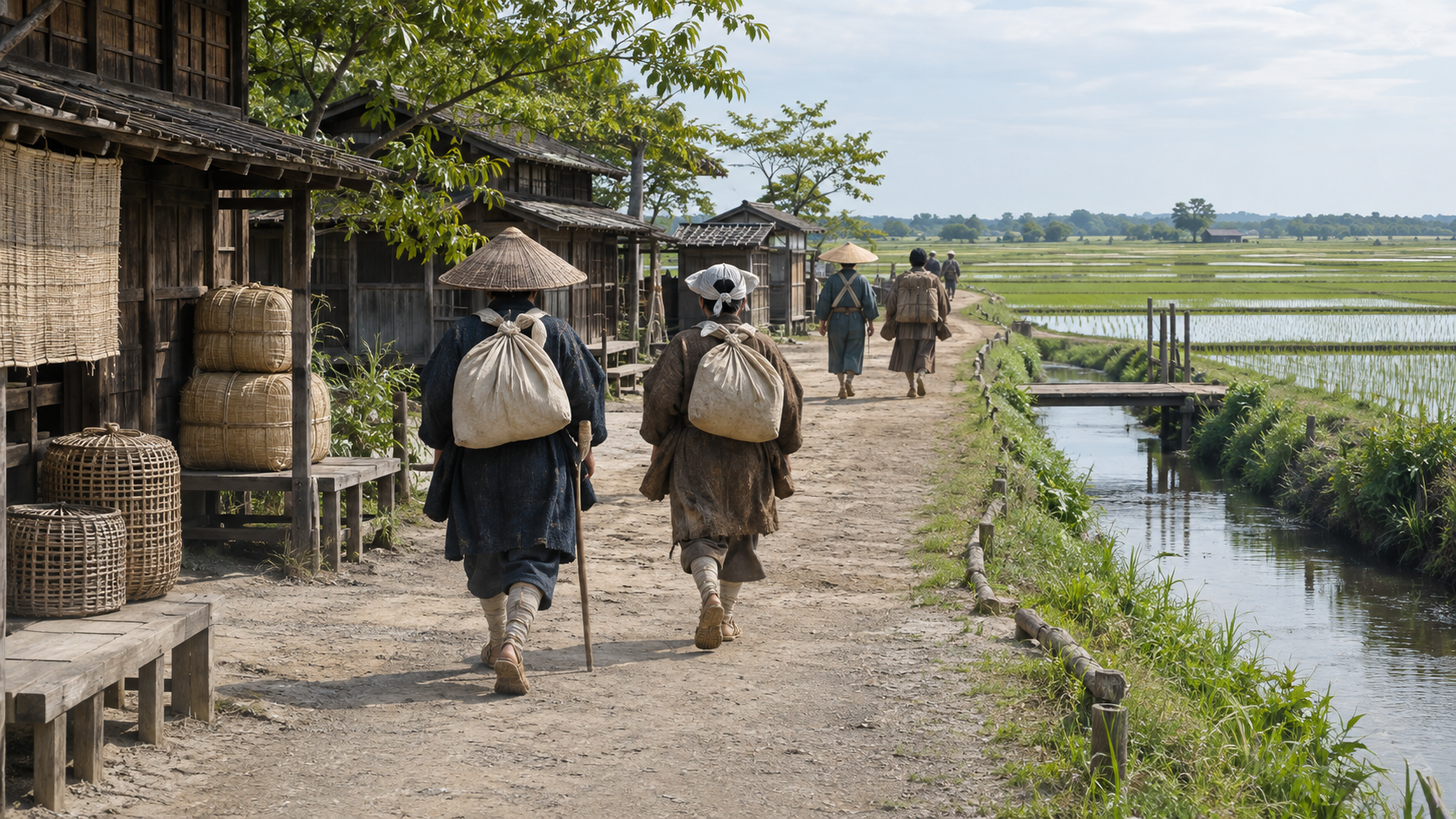
Scene 10
Kennyo’s departure did not empty the whole base
A message dated the fifteenth day of the fourth month tells of Kennyo leaving Osaka for Saika in Kii. The catalogue explanation reads the departure as occurring on the ninth day and arrival on the tenth. The letter communicated movement that had already taken place.
Kyonyo, meanwhile, remained in Osaka. The religious leader’s departure should therefore not be depicted as the instant when everyone present withdrew together. Distinguishing father and son preserves the time needed to understand the conflict’s ending.
Japan Search and ADEAC reproduce the same scholarly explanation of this letter. They offer two access routes to the material, rather than two independent witnesses confirming each date. That relationship is stated explicitly so that repeated cataloguing does not inflate the apparent evidence.
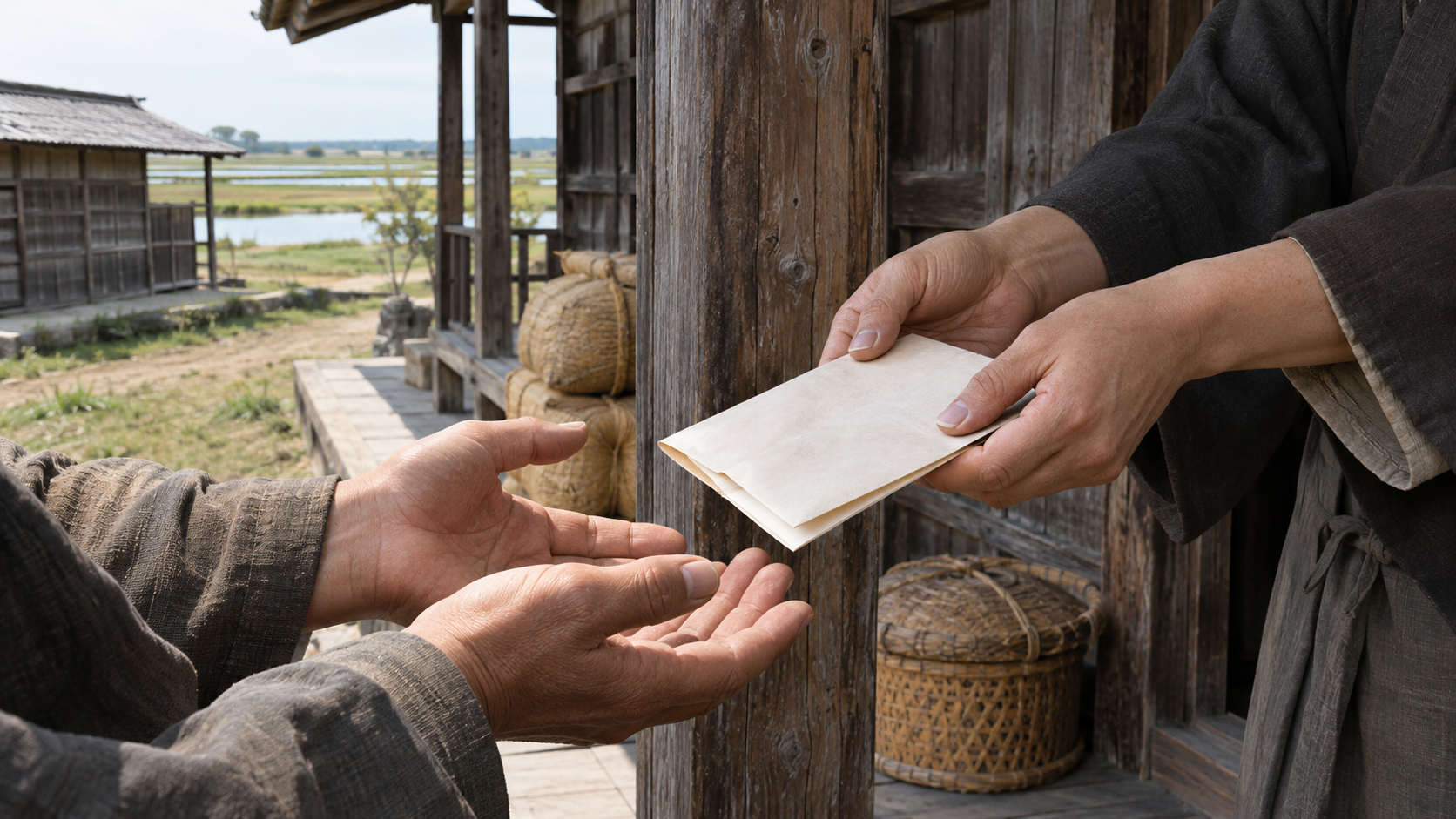
Scene 11
Kyonyo announced his later withdrawal
Kyonyo left Ishiyama Honganji on the second day of the eighth month. Matsubara City introduces a letter he sent to Eikyuji a month later, dated the sixth day of the ninth month, discussing the departure and future religious commitments.
The letter shows a need to inform regional temples after leaving the Osaka base. Losing or relinquishing one location did not mean every relationship connecting the participants disappeared. The destination of the message remains part of the history after the withdrawal.
The article does not use this account to identify a single person responsible for the fire or to assign an unrecorded private intention to Kyonyo. The institutional explanation supports a communication about withdrawal, not every dramatic detail that might be added to an ending scene.
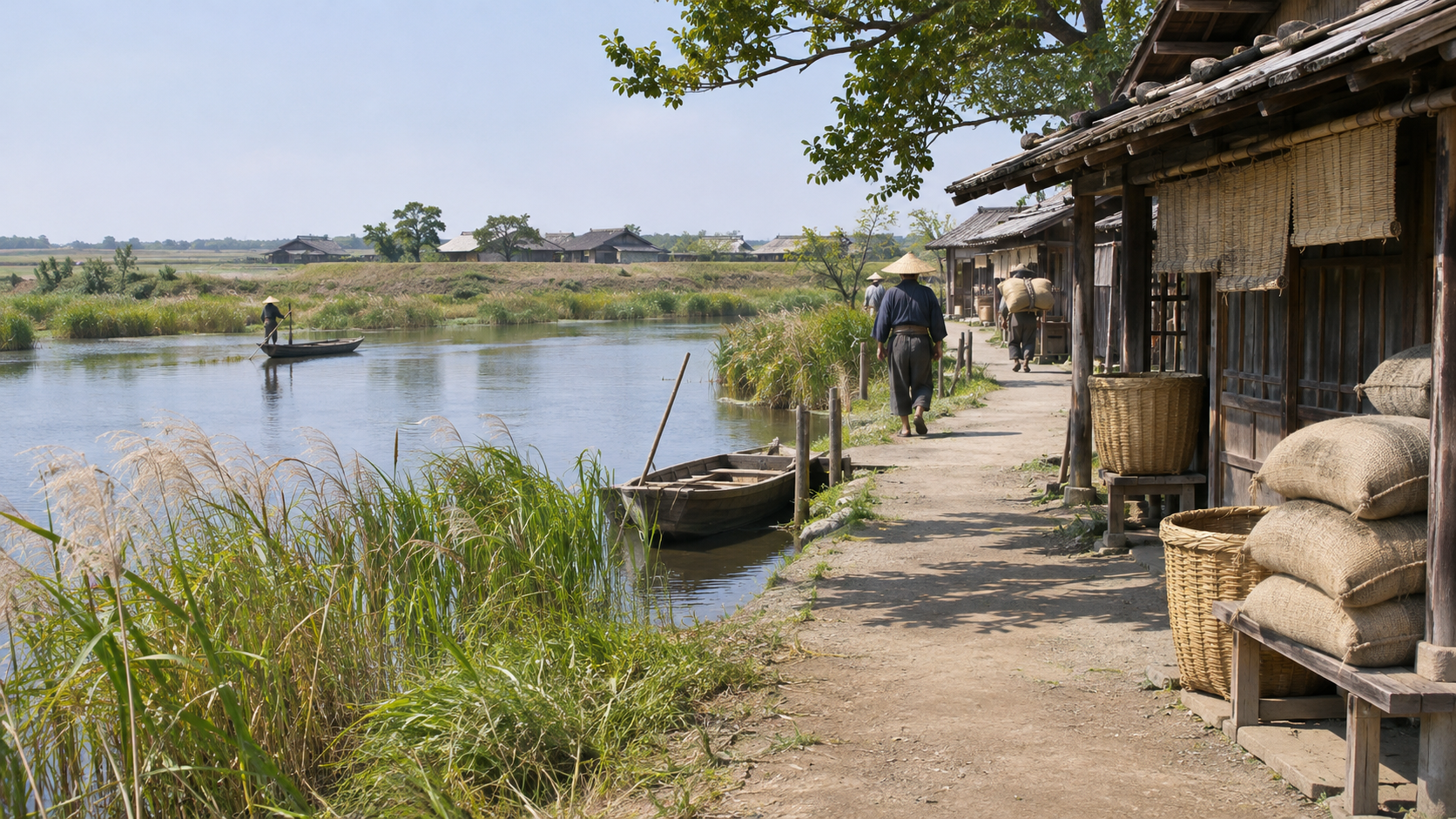
Scene 12
Look beyond the moat
Later readings and performances also represented the conflict. The Osaka Museum of History introduces Ehon Shui Shincho-ki as an Edo-period illustrated narrative. Its pictures belong to that later history of representation, rather than serving as views recorded on the day of a battle.
Returning to letters and regional records reveals a different outline: a town shaped by its terrain, connections carrying contributions and news, and ships bringing provisions through contested approaches. These forms of support complemented the physical setting rather than being separate from military endurance.
To ask what sustained Ishiyama is therefore to look beyond its moat. The evidence does not reduce eleven calendar years to one cause. It identifies several kinds of connection whose maintenance, interruption and eventual changes help explain both continued resistance and the staged departure from Osaka.
How to read this work
History, interpretation, and reconstruction
A stronghold’s endurance depended on more than buildings and terrain: it also required changing connections that carried money, food and information beyond its perimeter.
This work is grounded in published sources and historical research. Interior thoughts, dialogue, and some visual details are cinematic reconstructions. Where historians disagree, the article presents the point as debated rather than settled fact.
Timeline
The story in time
People & terms
A guide for new readers
Glossary
- Temple town 寺内町
- A settlement associated with a religious centre; the Osaka base was more than one isolated hall.
- Kennyo 顕如
- The Honganji leader whose negotiations and departure are distinguished from Kyonyo’s later withdrawal.
- Kyonyo 教如
- Kennyo’s son, who remained at Osaka after Kennyo left and later communicated his own withdrawal.
- Provisions 兵糧
- Food supplies whose delivery and continued availability mattered to the stronghold’s endurance.
- Intercalary month 閏月
- An inserted month in the historical calendar; its label must be retained when identifying the negotiation date.
- Scholarly catalogue explanation 解題
- A modern interpretation attached to a document record, distinguished from direct quotation of the original letter.
Sources & method
How this article was built
Letters, modern scholarly explanations and regional chronologies support different parts of the argument. Japan Search and ADEAC contain the same explanation of one letter and are explicitly identified as duplicates. Repeated access to one source does not create another independent contemporary witness.
Historical month-and-day labels are retained for the sixteenth-century chronology. The narrative separates 1576 and 1578 supply episodes, agreement and actual movement in 1580, and Kennyo’s departure from Kyonyo’s. It does not infer a permanent complete blockade from the outcome of one engagement.
Later literary images and modern generated scenes are not documentary pictures of the conflict. The text avoids a complete war budget, a modern conversion of the silver contribution, invented religious psychology and unverified specifications or counts of ships. It asks what the documented connections reveal without turning them into an exhaustive single-cause explanation.
Sources
References and further reading
- Ehon Shui Shincho-ki exhibition notice 大阪歴史博物館:常設展:展示更新情報:絵本拾遺信長記 Title translated editorially for reader convenience. Osaka Museum of History 大阪歴史博物館 Explains an Edo-period illustrated narrative. It is not a contemporary visual record of the conflict or a claim to have read every original volume. Accessed 2026-11-06
- Letter by Kyonyo: Cultural-property catalogue 教如上人書状 |安城市文化財図録Web版 Title translated editorially for reader convenience. Anjo City Museum of History 安城市歴史博物館 Describes the Honshoji letter and thanks for three ryo of silver. Original handwriting is not presented as independently transcribed in full. Accessed 2026-11-06
- Kennyo’s message announcing departure from Ishiyama 顕如消息(石山退城等をつぐ) - ジャパンサーチ Title translated editorially for reader convenience. Japan Search / scholarly explanation by Kamogawa Tatsuo ジャパンサーチ/東京大学史料編纂所解説 Duplicates the explanation also available through ADEAC; it is not independent corroboration. Accessed 2026-11-06
- Kyonyo’s message to Eikyuji 50 栄久寺にあてた教如の決意 - 松原市 Title translated editorially for reader convenience. Matsubara City 松原市 Explains the later withdrawal and notification. It is not used to assert responsibility for fire or an unrecorded private motive. Accessed 2026-11-06
- Estimated site of Ishiyama (Osaka) Honganji 大阪市中央区:石山(大坂)本願寺推定地 (…>まち歩き>区のスポット) Title translated editorially for reader convenience. Osaka City 大阪市 Explains terrain and the religious base. The present castle and substantially altered landscape are not treated as surviving temple buildings. Accessed 2026-11-06
- The path toward unification 天下統一への道 - 岡山県ホームページ Title translated editorially for reader convenience. Okayama Prefectural Ancient Kibi Cultural Properties Center 岡山県古代吉備文化財センター Regional explanation of Oda–Mori conflict and Ukita movements, used within its stated scope. Accessed 2026-11-06
- Catalogue: Kennyo’s message announcing departure 【顕如消息(石山退城等をつぐ)】(目録) Title translated editorially for reader convenience. Shokoji collection / ADEAC 勝興寺資料/ADEAC Document catalogue and Kamogawa Tatsuo’s explanation. The original handwriting is not independently deciphered here. Accessed 2026-11-06
- Japanese history chronology: Medieval period, part 2 広島県立文書館 日本史年表 中世2 Title translated editorially for reader convenience. Hiroshima Prefectural Archives 広島県立文書館 Relevant entries for 1575–1580 support the sequence of supplies, fighting and appeals. The whole compilation and every manuscript behind it are not claimed as independently read. Accessed 2026-11-06
Continue reading
More stories from Shigeki
Shigeki English
The Second Choshu Expedition: Four Fronts and a Negotiated Withdrawal
Read weapons together with terrain, training, command and support.
- When 1866, distinct from the first expedition in 1864; the process of ending extended into January 1867
- Where Oshima, the Aki border, Iwami and the Kanmon Strait facing Kokura
Shigeki English
Hasedo: Why Fighting Continued after Sekigahara
Separate the siege, the arrival of news, and withdrawal under pursuit.
- When 1600; month and day references use the calendar of the time
- Where Hasedo and Yamagata in Dewa, connected with Aizu and distant Sekigahara