
SHIGEKI ENGLISH STORYEN
Japanese history in English
Nitta Yoshisada: Fighting in Echizen After Kamakura
Victory, defeat, renewed activity and remembrance: follow the warrior who attacked Kamakura through the fighting that continued in Echizen.
From the 1333 attack on Kamakura, follow Yoshisada’s office under Go-Daigo, Shirahata and Minatogawa in 1336, the princes at Kanegasaki, its fall and later recapture, and his death in 1338. Distinguish legends, reliance on Taiheiki and later helmets and monuments from what each source can establish.
At a glance
Before you enter the story
- When
- The family landscape from the mid-twelfth century; Yoshisada’s 1333–1338 career; seventeenth-century and later remembrance. Medieval months and days remain in the historical calendar.
- Where
- Nitta-shō around Ōta, Kamakura, Harima and the Hyōgo coast, then Kanegasaki near Tsuruga and the Echizen setting of renewed activity and death.
- Key figures
- Nitta Yoshisada, Emperor Go-Daigo, Ashikaga Takauji, Kusunoki Masashige, Akamatsu Norimura, Prince Tsunenaga, Prince Takanaga, Wakiya Yoshisuke
- What was at stake
- A regime’s fall and new political office, continuing military conflict, lost and recovered bases, a commander’s death and the later memory of his career.
Why this story matters
The larger history behind the turning point
Kamakura’s victory and Echizen’s death do not tell the whole story between them. Following dates and places preserves renewed activity after defeat, while examining source types explains why a famous tradition, an excavated trace and a later monument offer different kinds of evidence.
Historical context
What an international reader needs to know
Following the geography beyond one victory
The story begins with the family landscape around present-day Ōta and the attack on Kamakura, then moves west to Harima and Hyōgo before reaching the Hokuriku coast and Echizen. These are stages of a changing career. Success at one place is not a complete explanation of the result at another.
A temple’s destruction, the death of Masashige at Minatogawa and the fall of Kanegasaki are also different kinds of ending. Yoshisada survived beyond each of those events. The prefectural history’s account of renewed activity and recapture therefore belongs before the separate account of his own death.
The months used for the medieval sequence remain in the historical calendar. Third month and fifth month are not silently presented as modern March and May. Preserving that convention keeps the relative sequence clear without claiming a conversion that has not been demonstrated.
Events, narratives and the provenance of objects
Taiheiki matters both because institutional accounts refer to it and because the Fukui prefectural history explicitly notes dependence on it for this period. That limitation is part of the explanation. It does not require removing every event from the account, but it prevents councils, tactics and final gestures from becoming unqualified eyewitness scenes.
A designated legendary site preserves an association and a transmitted story. It does not itself prove a sword changed the tide or establish every detail of an encounter. At Tōshōji, rebuilding likewise complicates an attempt to assign all excavated fire traces to one attack.
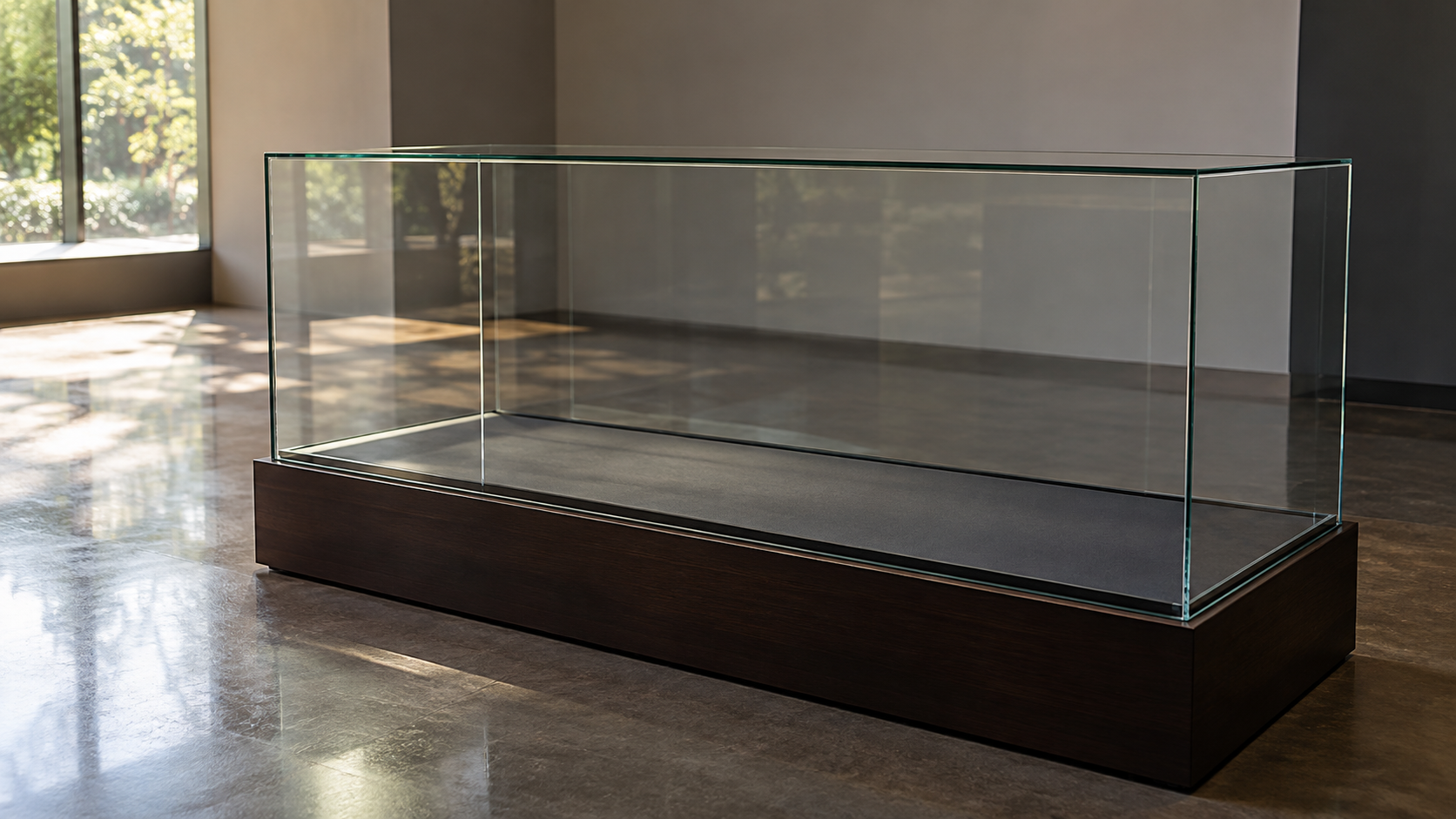
The helmet, monument, shrine and portraits have later histories of discovery, dedication and production. Those histories can be followed as remembrance without authenticating Yoshisada’s personal use of an object or a likeness made from life. The empty gallery case illustrates this question of provenance without displaying an unlicensed source photograph.
Watch the film
See the story in motion
The film currently uses Japanese audio. This English article provides the context and source trail; it does not imply that an English subtitle track is available.
Chapter 01
The war did not end at Kamakura
In 1333 the forces of Nitta Yoshisada and others attacked Kamakura, bringing the Hōjō regime to an end. Five years later Yoshisada died in battle in Echizen. Why did a warrior remembered for victory at Kamakura continue fighting in another region?
A simple movement from triumph to defeat leaves much of that interval out. There was office under a new government, fighting farther west, a castle approached with two princes, and renewed activity after that castle fell. The intervening events deserve to be followed in their own sequence.
The same man faced different opponents and circumstances as the time and place changed. The outcome at Kamakura cannot serve as a verdict explaining every later stage. Nor should the eventual death make everything between the two dates look like an uninterrupted decline.
Before speaking for Yoshisada’s private thoughts, this account asks what happened at particular moments. Municipal and museum explanations and the Fukui prefectural history provide its route. Their accounts of events are read alongside the traditions through which places later remembered him.
Chapter 02
Nitta-shō: the family’s earlier landscape
The landscape associated with the Nitta family lies around present-day Ōta City in Gunma Prefecture. Ōta’s account introduces Nitta-shō as an estate established in the middle of the twelfth century. Its history therefore begins before Yoshisada’s own military career.
The city places Yoshisada in the eighth generation from Nitta Yoshishige, who developed the estate. Land and water formed part of a family history extending beyond one famous commander. Recognizing that earlier setting gives his appearance in the later narrative a geographical and familial context.
The designated Nitta-shō remains do not consist of one large castle alone. They comprise multiple sites, including religious precincts, residence remains and places associated with springs. The designation brings together different parts of a landscape, rather than supplying one complete surviving medieval residence.
Later periods are also present at these sites. The construction date of the Sorimachi residence remains is not certain, and subsequent use and expansion complicate the picture. Present ditches, earthworks and buildings cannot simply be redrawn as an authenticated plan of Yoshisada’s home.
Chapter 03
Raising forces at Ikushina Shrine
Ōta City introduces Ikushina Shrine as the place where Yoshisada raised forces against the shogunate. It gives the eighth day of the fifth month of 1333, the third year of Genkō, and refers to the account in Taiheiki. That source attribution belongs with the date.
The month and day are in the historical calendar. They are not presented as the same dates in the modern calendar. The months used for later battles in this article are handled in the same way, so that the chronology does not silently switch between dating systems.
The shrine precinct retains traditions of mounds and old trees associated with the raising of forces. The place remembered as a point of departure and the scenes told in a war narrative meet in the present guidance. Those layers do not have identical evidential roles.
The explanations do not establish the voices of those gathered, a speech by Yoshisada or the movements of every soldier. These details are not added as fact. Raising forces remains the larger event followed, while the associated traditions retain their character as transmitted accounts.
Chapter 04
Reading the story of a receding sea
Inamuragasaki is one of the places associated with the attack on Kamakura. Kamakura City notes that the story of Yoshisada casting a sword into the sea was taken up in a modern school song. The circulation of that story is one part of the place’s later memory.
The Agency for Cultural Affairs lists the historic site as Inamuragasaki, the legendary site of Nitta Yoshisada’s crossing. Its explanation recounts the tradition that the shore suddenly became a tidal flat during the advance. The word legendary is an essential part of that description.
Dropping that qualification would merge a transmitted story with an established event. Designation of the site does not scientifically demonstrate that throwing a sword caused the sea to recede. The recognition of a place associated with a legend and proof of the legend’s causation are different claims.
Conversely, this article does not dismiss every account of the advance without examining the terrain and tides of the particular occasion. Those conditions have not been independently reconstructed here. A tradition’s survival and the ability to verify its details remain separate matters.
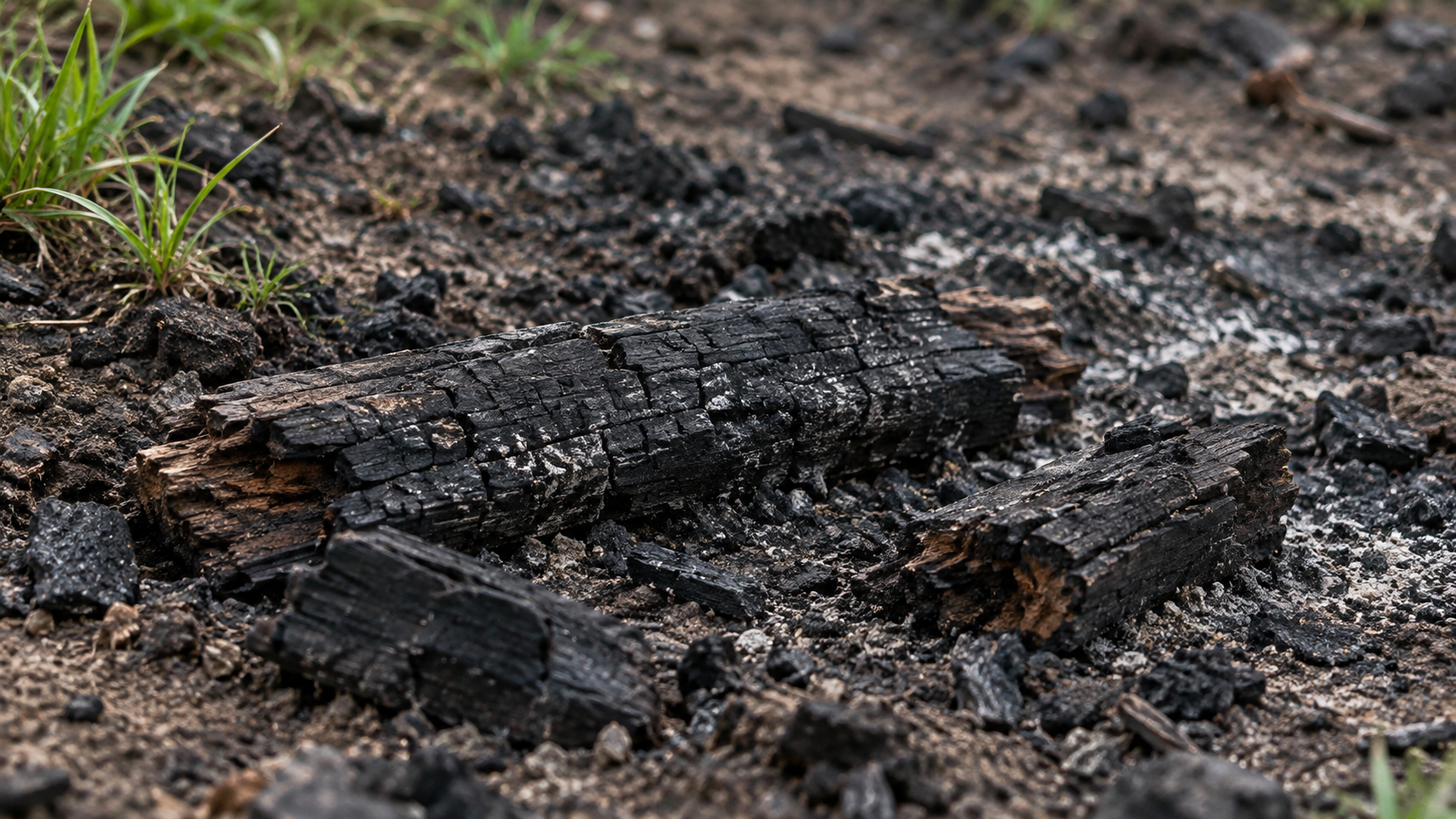
Chapter 05
Tōshōji and the end of a regime
In Kamakura, attacked by Yoshisada’s forces and others in 1333, the Hōjō regime ended. Kamakura City introduces Tōshōji as a place associated with that end: Hōjō Takatoki entered the temple and died there with members of his family and others.
The temple burned at this time and was subsequently rebuilt. The site’s history continued after the political turning point. The years represented in archaeological remains therefore cannot all be compressed into the single event for which the place is especially remembered.
Excavation has identified medieval building remains and traces of fire. Those findings are not automatically evidence identifying every feature as a particular building destroyed in 1333. The account of rebuilding makes it especially important to distinguish the site’s different phases.
No precise death toll, spread of flames or reconstruction of each person’s final moments is placed into the present landscape. The site can still be read as a place associated with a major break in Kamakura politics. Recognizing that significance does not require assigning every remain to one fire.
Chapter 06
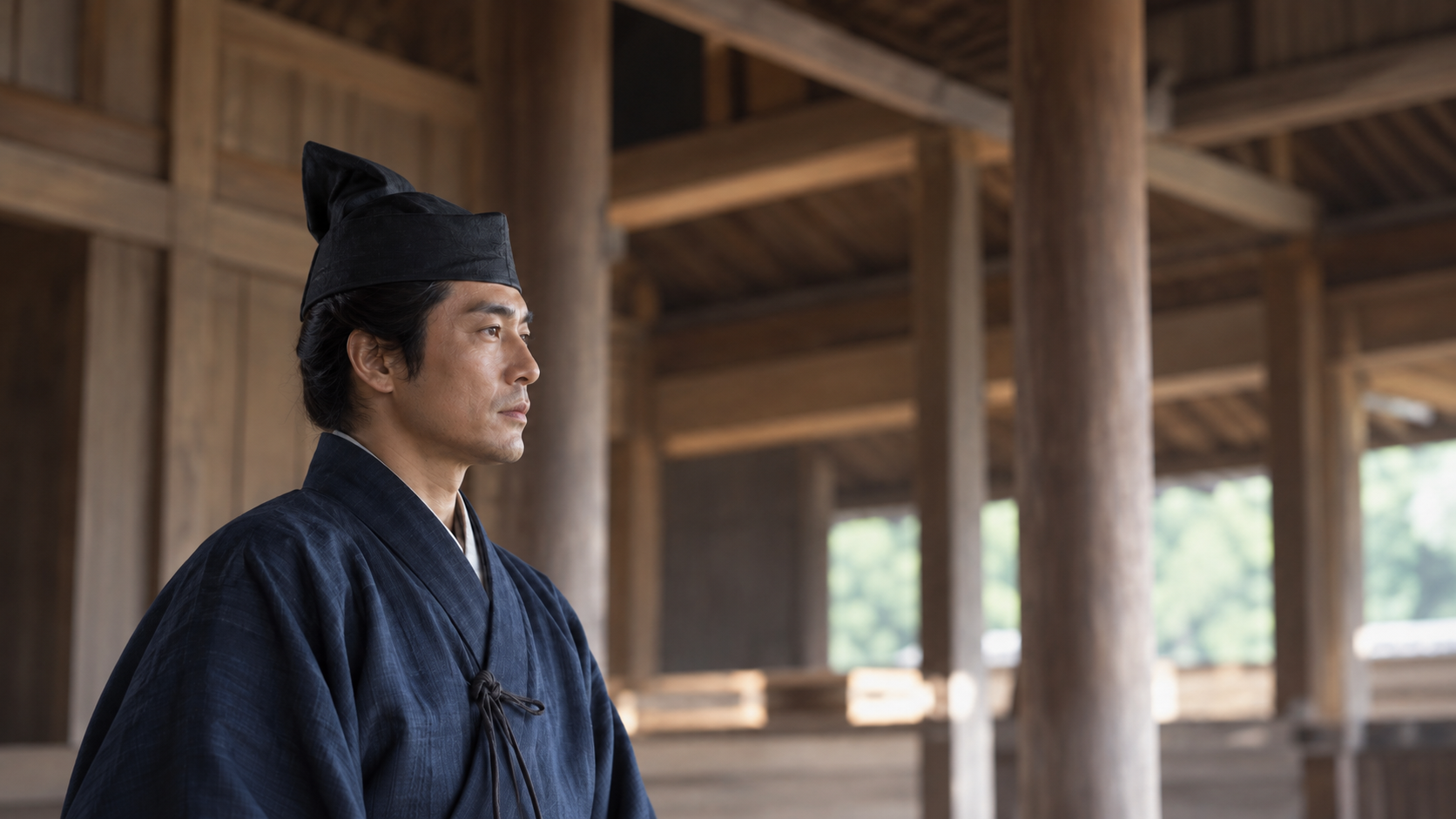
Office under a new government
After the shogunate’s fall, Yoshisada acquired a position within Emperor Go-Daigo’s new government. The Hyōgo Prefectural Museum of History chronology records his appointment as governor of Harima. His career after Kamakura thus involved political office as well as further military activity.
The warrior who had attacked Kamakura now had a role in the new political order beyond the battlefield. Treating the Kenmu government merely as a brief note following his military achievement would make the setting of the subsequent conflict harder to see.
The creation of a government did not mean that fighting everywhere had ended. In 1336 Yoshisada was on the side opposing Ashikaga Takauji. Political arrangements and relationships among warriors continued to change, and the earlier victory did not settle those later alignments.
Before deciding whether he was simply a strong or weak commander, it is useful to follow which side he supported and where he fought. The setting now moves west towards Harima and the sea near Hyōgo. Office, allegiance and location provide the next points in the sequence.
Chapter 07
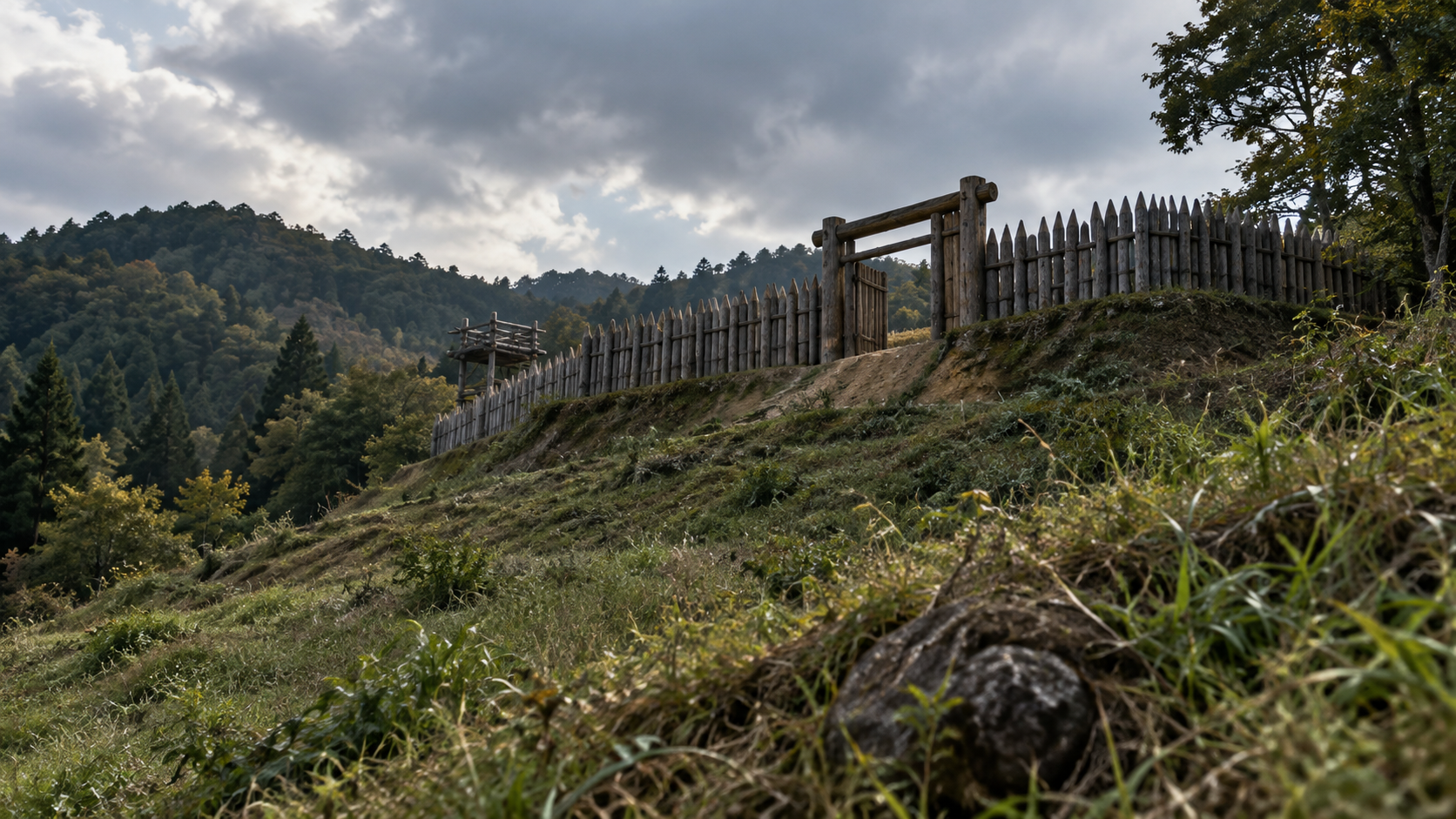
1336: facing Shirahata Castle
In the third month of 1336, the museum chronology records Yoshisada surrounding Akamatsu Norimura at Shirahata Castle in Harima. Three years after the attack on Kamakura, he faced a castle in a different part of the country. The location and opponent belong to this particular stage.
An advance towards a coastal city and an operation surrounding a castle present different settings. A commander’s success in an earlier engagement could not guarantee the result of the next one. Recognizing the difference does not require inventing the details of an unexamined campaign.
Terrain alone, however, is not supplied as a complete explanation of the outcome. The chronology establishes the castle, opponent and period used here. These points connect the episode to what followed, without being expanded into a reconstructed operational plan.
There is no invented war council, expression on Yoshisada’s face or precise arrangement of his men. Following the stated movements leads to another major battle in Hyōgo two historical-calendar months later. The order of events matters even when their tactical detail remains outside the account.
Chapter 08
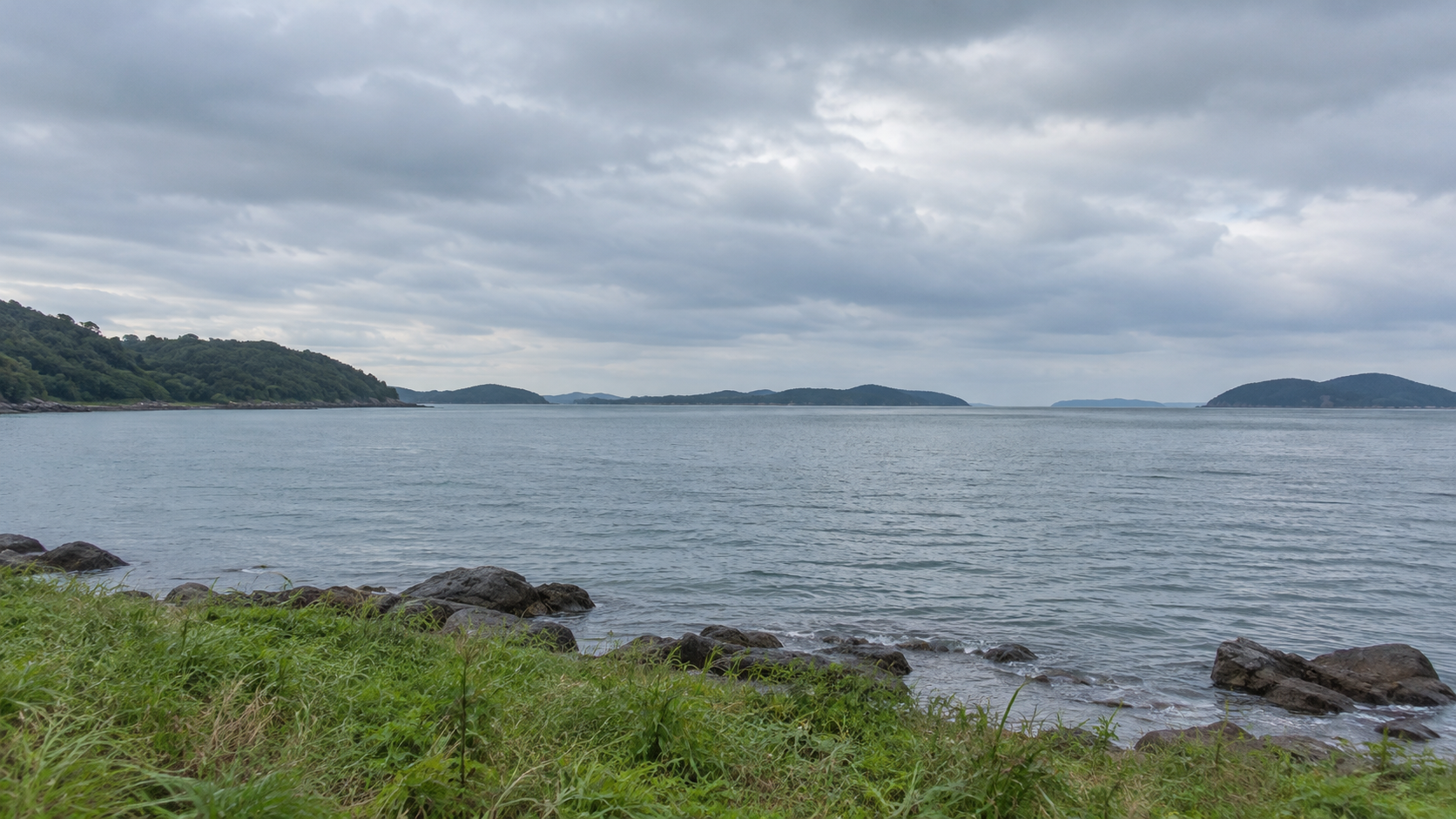
Minatogawa: defeat and different outcomes
In the fifth month of the same year,1336, the Battle of Minatogawa took place. The Hyōgo museum chronology records Takauji defeating the forces of Nitta Yoshisada and Kusunoki Masashige, with Masashige dying in battle. The participants did not all share the same subsequent fate.
Kobe City’s explanation describes Yoshisada’s forces around Wada Cape and Takauji’s approach from the sea. The meeting of land and water in Hyōgo forms part of the military setting. The account provides this geographical relationship without establishing every ship or movement.
Yoshisada’s own life did not end with this defeat. He continued fighting on Go-Daigo’s side. Masashige’s death and Yoshisada’s subsequent career cannot be turned into one ending simply because the two men are named together in the account of the battle.
Stories of long-distance archery and cheers in the war narrative are not adopted as verified actions here. Following Yoshisada beyond defeat takes the account towards a castle in the Hokuriku region. The sequence extends beyond the moment that ended Masashige’s life.
Chapter 09
Two princes and Kanegasaki
The cultural-heritage explanation of Kanegasaki Castle describes Yoshisada accompanying Prince Tsunenaga and Prince Takanaga into the castle in the tenth month of 1336. A castle close to the sea at Tsuruga became the next base in the account. The imperial connection remained part of the fighting.
The castle fell in the third month of 1337. Movement with the princes and the struggle over this distant base show how the political conflict reached beyond the capital. The fall belongs to that sequence, but it is not the date of Yoshisada’s own death.
The Fukui prefectural history describes Yoshisada receiving news of the fall while at Somayama Castle. Reading the castle’s defeat as the death of every person associated with it would erase his later activity. His location and the fate of the base need to be checked separately.
The story therefore continues after the lost castle. The movements of the two princes, Yoshisada’s whereabouts, the outcome of the siege and the span of one life are related questions. None should silently replace the others when following what happened next.
Chapter 10
Renewed activity and a recaptured castle
A line showing Yoshisada doing nothing but losing would conceal the renewed activity in Echizen. The Fukui prefectural history states that his forces resumed operations after Kanegasaki fell. The loss of the base did not simply terminate his military career.
The same history describes the recapture of Kanegasaki by the fourth month of 1338. An account in which he could do nothing after the fall and moved directly towards death would omit this part of its narrative. The sequence includes an attempt to recover position after defeat.
The prefectural history also states a limitation: accounts of developments in this period depend heavily on Taiheiki. That qualification is retained in the English account. Identifying renewed activity within the history is different from treating every council or tactic in a war narrative as an eyewitness record.
Following the events while keeping their source type visible avoids both a simple decline and an unqualified heroic recovery. The military situation continued to change. Another turning point would follow, but the intervening activities remain part of Yoshisada’s career.
Chapter 11
Yoshisada’s death, fighting that continued
Yoshisada died in battle in Echizen in 1338. Within its account of fighting around Fujishima Castle, the Fukui prefectural history introduces Taiheiki’s narrative of an encounter with opponents at Tōmyōji Nawate. The account and the kind of source on which it rests need to remain connected.
The article does not supply his final words or narrate the exact movements of his death as independently certain facts. A narrative describing a death and a verified personal record of its every detail are different things. No particular archer, tally or dramatic gesture is added.
The prefectural history also explains that activity in Echizen continued under Yoshisada’s younger brother Wakiya Yoshisuke and others after his death. Losing a commander was a major event, but it did not mean that every force on the same side immediately disappeared.
The end of Yoshisada’s life and the end of regional fighting thus have different timescales. Following the career of the man who attacked Kamakura should leave room for what other people continued afterwards. His death is a biographical ending, rather than a shortcut to ending the whole conflict.
Chapter 12
A helmet, a monument and later remembrance
The present historic-site name identifies Tōmyōji Nawate as a legendary place of Yoshisada’s death in battle. Fukui Prefecture explains how a helmet’s discovery in the seventeenth century and the erection of a stone monument helped connect the place with him. These are later stages in its remembered history.
The helmet is an object traditionally associated with Yoshisada, not one whose personal use by him has been conclusively established here. Discovery, dedication and commemoration belong to its later provenance. They are not interchangeable with evidence directly recording the events of 1338.
The shrine and portraits introduced by the Fukui City museum also have histories of later establishment, presentation and production. The survival of a portrait does not establish an authenticated likeness made from life during Yoshisada’s lifetime. Each object must retain its own date and evidential scope.
Yoshisada attacked Kamakura, suffered defeat at Minatogawa and renewed his activities in Echizen. No one of those outcomes contains the entire career. Distinguishing events from the ways later places and objects remembered them brings that changing course into view without authenticating every tradition.
How to read this work
History, interpretation, and reconstruction
Trace Yoshisada from Kamakura through the new government and western fighting to recovery and death in Echizen, preserving the distinction between events, war-narrative dependence, legend and later commemoration rather than reducing the career to uninterrupted decline.
This work is grounded in published sources and historical research. Interior thoughts, dialogue, and some visual details are cinematic reconstructions. Where historians disagree, the article presents the point as debated rather than settled fact.
Timeline
The story in time
-
Nitta-shō is established, according to Ōta City; the family’s landscape has a history before Yoshisada.
Sources: s01 -
Ōta describes raising forces at Ikushina Shrine. The Taiheiki account and precinct traditions retain their separate scopes.
Sources: s02 -
Yoshisada’s forces and others attack Kamakura and the Hōjō regime ends. Tōshōji’s history continues after rebuilding.
Sources: s05 -
Yoshisada is appointed governor of Harima under Go-Daigo’s new government.
Sources: s06 -
Yoshisada surrounds Akamatsu Norimura at Shirahata Castle in Harima.
Sources: s06 -
The Fukui prefectural history describes Kanegasaki’s recapture while identifying the heavy dependence on Taiheiki for this period.
Sources: s09 -
Yoshisada dies in battle in Echizen; the prefectural history describes continued activity by Wakiya Yoshisuke and others.
Sources: s10
People & terms
A guide for new readers
Key figures
- Nitta Yoshisada
- Warrior involved in the 1333 attack on Kamakura, who fought on Go-Daigo’s side, renewed his activities in Echizen and died in battle in 1338.
- Emperor Go-Daigo
- Emperor who led the new government after the fall of the shogunate, and on whose side Yoshisada fought.
- Ashikaga Takauji
- Warrior whose forces defeated Yoshisada and Masashige at Minatogawa in 1336, as recorded in an institutional chronology.
- Kusunoki Masashige
- Warrior who fought alongside Yoshisada against Takauji at Minatogawa in 1336 and died in the battle.
- Akamatsu Norimura
- The opponent whom Yoshisada surrounded at Shirahata Castle in 1336, according to the museum chronology.
- Prince Tsunenaga
- Prince whose movement to Kanegasaki with Yoshisada in 1336 is described in the cultural-heritage account.
- Prince Takanaga
- Prince described with Tsunenaga in the cultural-heritage account of the move to Kanegasaki.
- Wakiya Yoshisuke
- Yoshisada’s younger brother; the prefectural history describes continued activity after Yoshisada’s death.
Glossary
- Nitta-shō 新田荘
- The estate and associated multiple historic sites around present-day Ōta, with a history preceding Yoshisada.
- Ikushina Shrine 生品神社
- The place where Ōta’s account locates the 1333 raising of forces, alongside Taiheiki and precinct traditions.
- Inamuragasaki 稲村ヶ崎
- The coastal place designated in connection with the legend of Yoshisada’s crossing; designation does not prove a miraculous tidal cause.
- Tōshōji 東勝寺
- The temple associated with the Hōjō regime’s end in 1333, subsequently rebuilt and represented by archaeological remains of more than one phase.
- Kenmu government 建武政権
- Go-Daigo’s new government after the shogunate’s fall, within which Yoshisada acquired office.
- Harima 播磨
- The region associated here with Yoshisada’s governorship and the operation against Shirahata Castle.
- Minatogawa 湊川
- The 1336 battle in which Yoshisada and Masashige’s forces lost to Takauji; Masashige’s death is distinct from Yoshisada’s later career.
- Kanegasaki 金ヶ崎
- The castle near Tsuruga associated with the princes, its 1337 fall and the subsequent recapture described in the prefectural history.
- Echizen 越前
- The region of Yoshisada’s renewed activity and death in 1338, where fighting continued afterwards.
- Taiheiki 太平記
- The war narrative on which the prefectural history says accounts of this period depend heavily; not silently treated as an eyewitness record in every detail.
- Tōmyōji Nawate 燈明寺畷
- The place associated with the narrative of Yoshisada’s death and a later legendary-site designation and commemoration.
- Historical calendar 当時の暦
- The dating system retained for medieval months and days here, without silently relabelling them as modern calendar dates.
Sources & method
How this article was built
The fixed Japanese article supplies the eight people, twelve chapters, ten timeline entries and fourteen adopted references. Seven conservative parent publishers are retained: Ōta City, the Agency for Cultural Affairs, Kamakura City, Hyōgo Prefecture, Kobe City, Fukui Prefecture and Fukui City. Repeated offices and departments do not become extra organizations.
Current direct source bodies are read within their adopted scopes. The Fukui City museum exhibition URL currently redirects to maintenance; same-URL search-provided text is used with that limit disclosed. Original narrative volumes, complete archaeological reports and personal documents are not claimed as independently read in full.
The 1333 campaign,1336 operations,1337 castle fall and 1338 recapture and death remain distinct. Historical-calendar months are not converted. Precinct traditions, the Inamuragasaki legend, Taiheiki-dependent narrative and later helmet or portrait provenance retain their qualifications. No unverified birth year, troop count, private motive, speech or tactical plan is introduced.
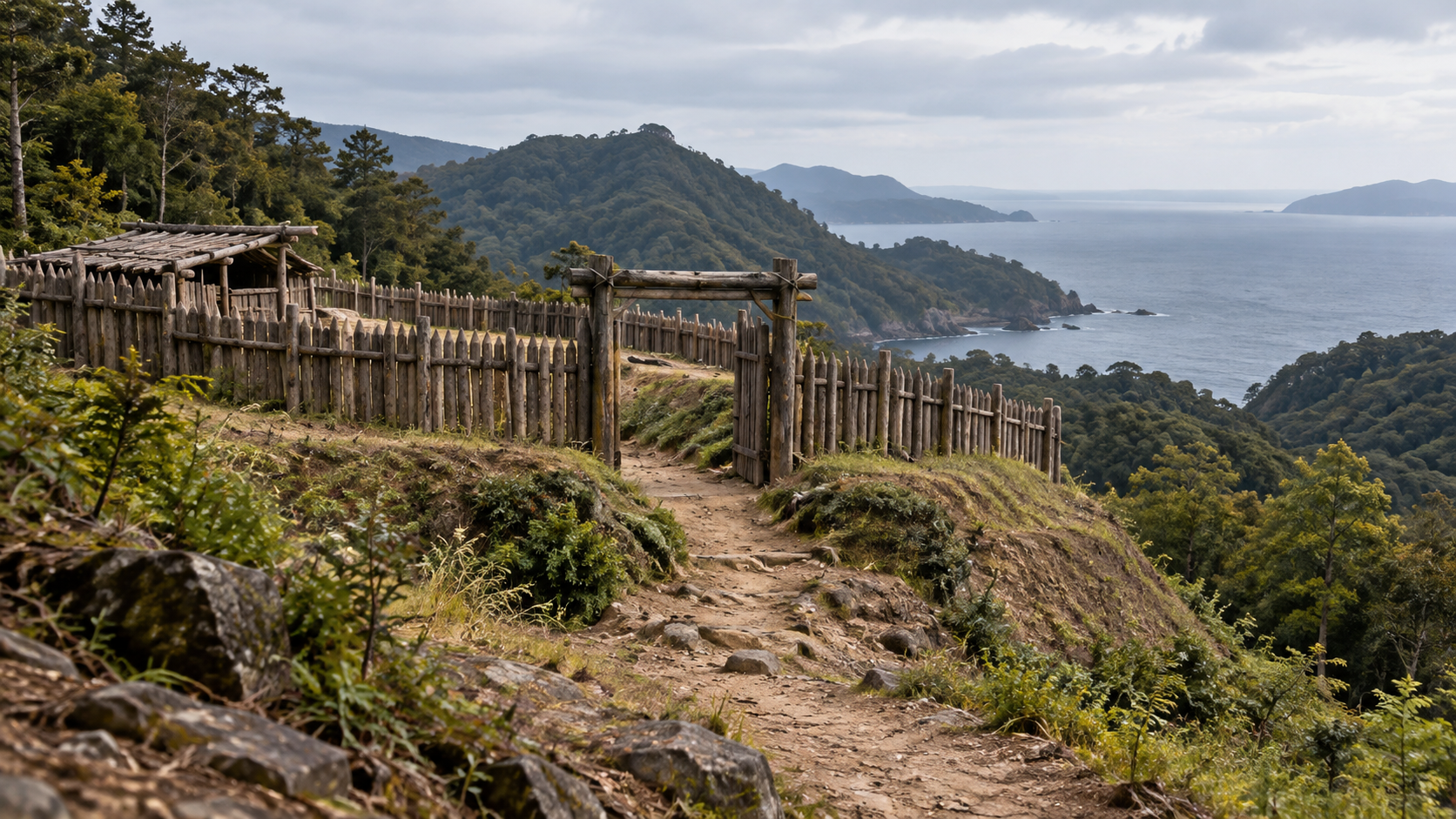
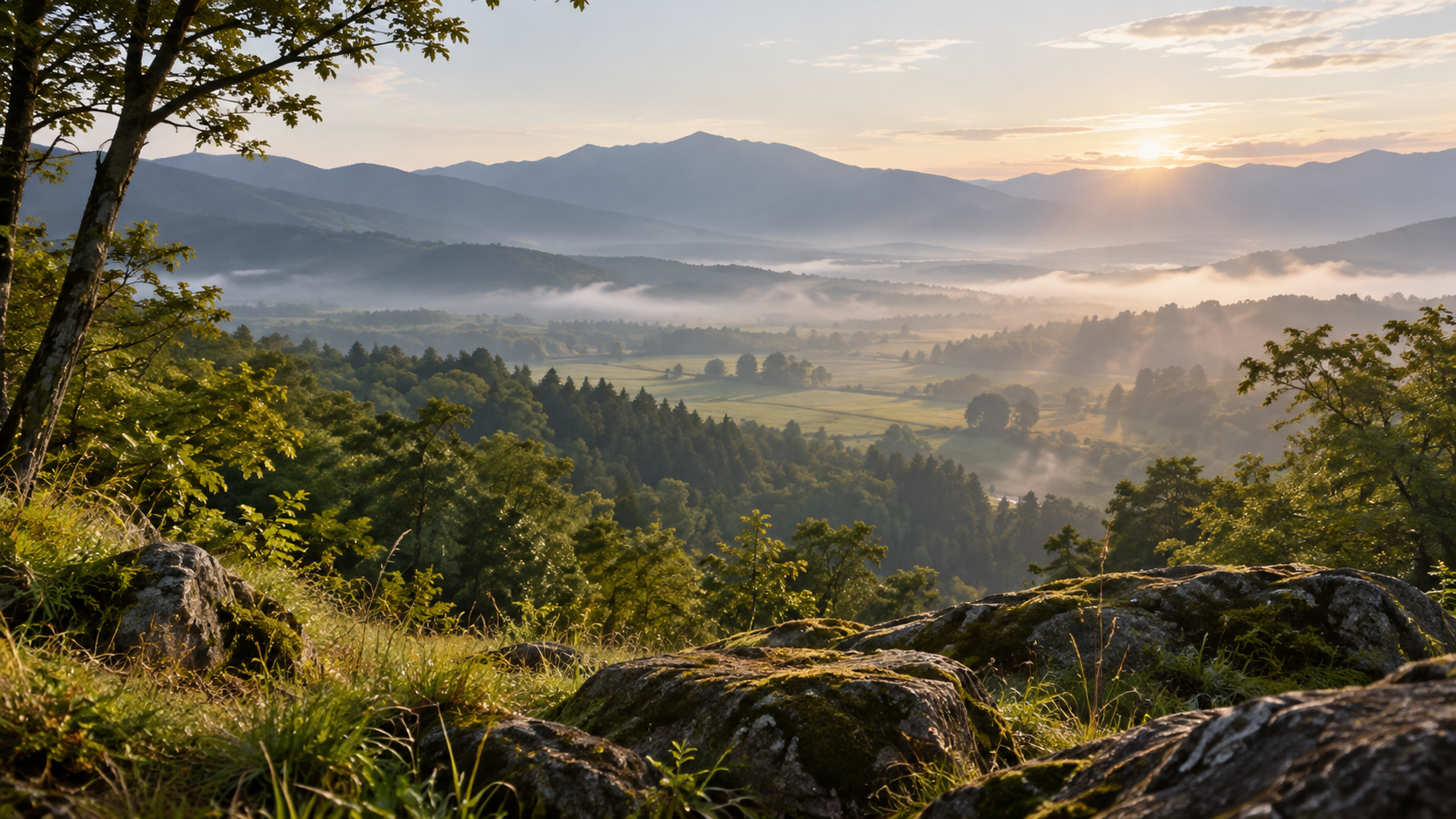
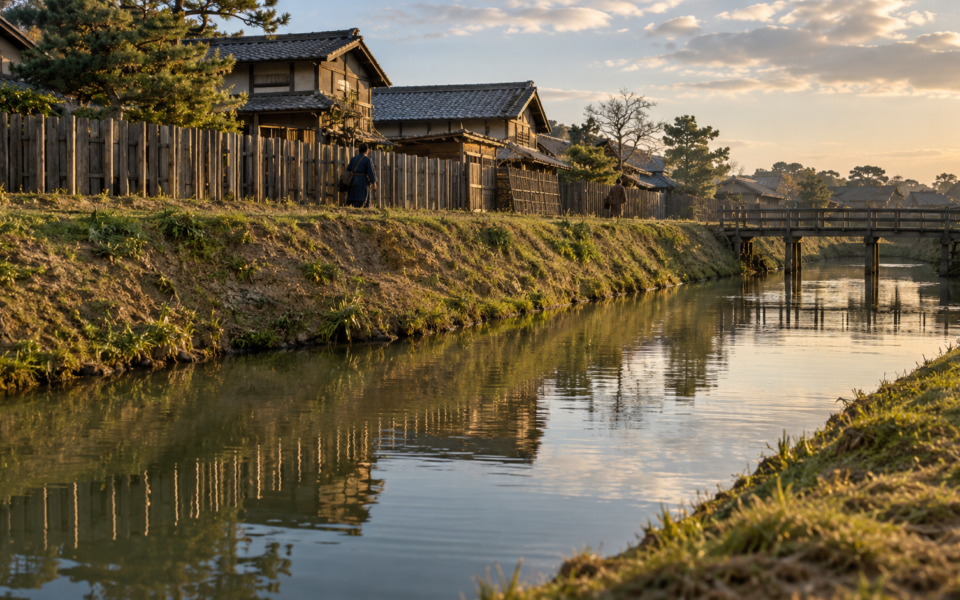
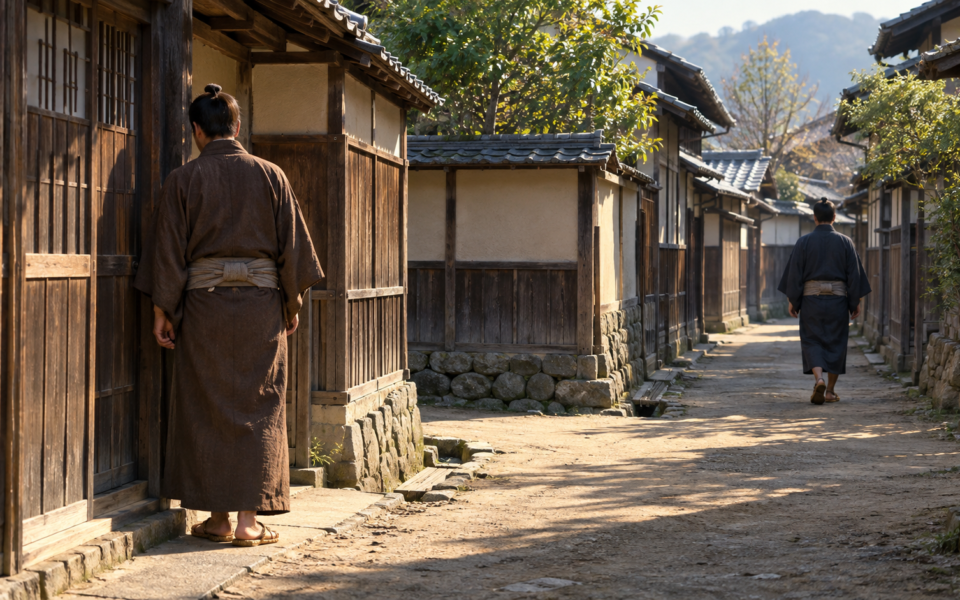
The images are SHIGEKI AI-generated imaginative reconstructions. Several landscapes and the empty display case are modern explanatory images, not authenticated medieval scenes or actual site photographs. Figures, fortifications, earthworks and charred wood authenticate no portrait, equipment, precise plan or excavated object. Institutional images, maps, photographs and song lyrics are not reproduced.
Sources
References and further reading
- Nitta-shō Historic Sites 新田荘遺跡 Title translated editorially for reader convenience. Ōta City 太田市文化財課 Mid-twelfth-century foundation, Yoshisada in the eighth generation from Yoshishige, and the multiple sites comprising the designation. Present buildings and landscape are not all medieval survivals or scenes of his daily life. Accessed 2026-10-22
- Nitta-shō Historic Sites: Ikushina Shrine Precinct 新田荘遺跡(生品神社境内) Title translated editorially for reader convenience. Ōta City 太田市文化財課 The 1333 fifth-month eighth-day rising, Taiheiki and traditions of mounds and trees. Historical calendar retained; no exact force count, actual speech or identification of present shrine buildings as unchanged medieval structures. Accessed 2026-10-22
- Nitta-shō Historic Sites: Sorimachi Residence Remains 新田荘遺跡(反町館跡) Title translated editorially for reader convenience. Ōta City 太田市文化財課 Uncertain construction date, an estimate in the Kamakura to Northern and Southern Courts periods, and later use and expansion. Present earthworks and ditches are not authenticated as Yoshisada’s residential plan. Accessed 2026-10-22
- Inamuragasaki: Legendary Site of Nitta Yoshisada’s Crossing 稲村ヶ崎(新田義貞徒渉伝説地) Title translated editorially for reader convenience. Agency for Cultural Affairs 文化庁 The designation’s explicit legendary-site wording and the transmitted account of a suddenly exposed shore. Designation is not scientific proof of a miracle or sword-caused tidal change; unexamined terrain and tides are neither certified nor used to reject every detail. Accessed 2026-10-22
- Tōshōji Historic Site 史跡東勝寺跡 Title translated editorially for reader convenience. Kamakura City 鎌倉市 The 1333 attack, Takatoki’s end, the temple’s burning and rebuilding, and excavated medieval structures and fire traces. Traditional numbers are not measured counts; remains are not automatically identified as particular buildings burned in 1333. Accessed 2026-10-22
- Hyōgo History Dictionary: Chronology ひょうご歴史事典 年表 Title translated editorially for reader convenience. Hyōgo Prefectural Museum of History 兵庫県立歴史博物館 The shogunate’s fall and new government, Harima governorship, Shirahata in the third month and Minatogawa in the fifth month of 1336. No extension into disputes over shogunal appointment or foundation dating, and no invented tactics or psychology. Accessed 2026-10-22
- Takauji, Masashige and an Age of War 尊氏 正成と戦の時代 Title translated editorially for reader convenience. Kobe City 神戸市兵庫区 The institutional account of Yoshisada’s forces near Wada Cape and Takauji’s approach from the sea in 1336. Archery and cheering anecdotes remain attributed to Taiheiki and are not adopted as verified action. Modern statues and parks are not projected backwards. Accessed 2026-10-22
- Kanegasaki Castle Site 金ヶ崎城跡 Title translated editorially for reader convenience. Agency for Cultural Affairs 文化庁 The older designation explanation describes the princes and Yoshisada in the tenth month of 1336 and the fall in the third month of 1337. Its period value language and an exact castle plan are not adopted; Yoshisada is not made to die at the fall. Accessed 2026-10-22
- Fukui Prefectural History 2: Recapture of Kanegasaki Castle 福井県史 通史編2 金ケ崎城奪還 Title translated editorially for reader convenience. Fukui Prefecture 福井県文書館・図書館 Yoshisada’s whereabouts when the castle fell, renewed activity and recapture by the fourth month of 1338. The history’s stated heavy reliance on Taiheiki remains explicit; councils and tactics are not strengthened into eyewitness reports. Accessed 2026-10-22
- Fukui Prefectural History 2: The Fujishima Battle and Yoshisada’s Death 福井県史 通史編2 藤島の戦いと義貞の死 Title translated editorially for reader convenience. Fukui Prefecture 福井県文書館・図書館 The 1338 death, the encounter at Tōmyōji Nawate as narrated through Taiheiki, and continued activity by Yoshisuke and others. No precise personnel total, archer, direct speech or final movement is added. Accessed 2026-10-22
- Tōmyōji Nawate: Legendary Place of Nitta Yoshisada’s Death in Battle 燈明寺畷新田義貞戦没伝説地 Title translated editorially for reader convenience. Fukui Prefecture 福井県文化財課 The designation’s legendary wording and the seventeenth-century helmet discovery and monument history. Later inscriptions are not contemporary records, and the present monument is not a 1338 structure. Accessed 2026-10-22
- Iron Helmet with Silver Inlay 鉄製 銀象眼冑 Title translated editorially for reader convenience. Fukui Prefecture 福井県文化財課 Provenance through discovery and dedication and the tradition associating the helmet with Yoshisada. Personal use and an entire suit of armour are not authenticated; the prefectural photograph requiring permission is not downloaded or reproduced. Accessed 2026-10-22
- Treasures of Fujishima Shrine: Spring 2010 Special Exhibition 藤島神社の宝物 平成22年春季特別展 Title translated editorially for reader convenience. Fukui City History Museum 福井市立郷土歴史博物館 Later shrine establishment and relocation, offerings and portrait provenance. No authenticated contemporary life portrait or unverified birth year is adopted. The current page redirects to maintenance; the finite source review uses search-provided text from the same adopted URL with that limitation disclosed. Accessed 2026-10-22
- 9: Inamuragasaki 9 稲村ケ崎 Title translated editorially for reader convenience. Kamakura City 鎌倉市 The city’s account of a modern school song incorporating the sword-casting story. The song is not contemporary evidence of a 1333 miracle; lyrics and photographs are not reproduced. Accessed 2026-10-22
Continue reading
More stories from Shigeki
Shigeki English
Sakai’s Merchant City: Trade, Self-Government and Survival
A port, a merchant council and town communities—from changing authority to rebuilding after fire.
- When From the later fifteenth century through the Sengoku period, the fire of 1615 and early Edo-period reconstruction.
- Where Sakai, in present-day Osaka Prefecture, where maritime routes met roads on land.
Shigeki English
The Aburanokōji Incident: After Leaving the Shinsengumi
A separation in spring, a new base in summer, and two successive attacks.
- When Kyoto in Keiō 3 (1867). The incident’s historical date corresponds to December 13, 1867.
- Where Kyoto: the guards’ successive bases, the Aburanokōji attack site and the later place of remembrance.