
SHIGEKI ENGLISH STORYEN
Japanese history in English
Hijikata Toshizo: From Kyoto to Hakodate, Through Letters and Records
The route can be followed more securely than any single explanation of why he kept fighting.
Follow Hijikata Toshizo from Kyoto toward Hakodate through a personal letter, municipal histories and a comrade's memorial scroll. Read the route, the campaign and the limits of the evidence together.
At a glance
Before you enter the story
- When
- 1863 to June 20, 1869; historical Japanese month-and-day dates are identified explicitly
- Where
- From the Tama region and Kyoto through eastern and northern battlefields to Hakodate
- Key figures
- Hijikata Toshizo, Nakajima Nobori
- What was at stake
- How can we follow a documented route without turning plans, later histories and remembrance into proof of private motives?
Why this story matters
The larger history behind the turning point
Hijikata's name is strongly associated with the Shinsengumi and the final fighting at Hakodate. Moving between those familiar endpoints can conceal the different records that make a route possible to trace. A letter offers one person's report from the journey; a later history places military and civic events in sequence. Their strengths are different.
This approach also brings the town into view. Hakodate was a setting for a campaign and a place where people lived. Following a fighter's biography into that setting invites questions about administration, remembrance and the period after the battle, rather than ending every part of the account at one person's death.
Historical context
What an international reader needs to know
Reading the places at the right scale
The route begins with the Tama area in the historical province of Musashi and a role in Kyoto. Osaka and Edo then appear on the municipal overview, followed by northern battlefields and Hakodate. The article retains these place names because they belong to its source record. It does not treat a schematic line between them as a surveyed road or a complete itinerary.
Hakodate is the spelling used for the port in this English edition, although the Japanese article distinguishes the historical written name from the city's present form. Ezochi and Goryokaku identify a territory and a stronghold, respectively. They should not be treated as interchangeable labels for the same precise place.
Three kinds of record, and two calendars
The letter's published transcription records what its writer reported or intended at the time. A compiled city history organizes events through later editorial work and the records it cites. A memorial scroll expresses remembrance under particular conditions of knowledge. These categories do not rank the objects by emotional value; they help determine what each can establish.
Japanese era years and historical month-and-day dates occur throughout the sources. Where the National Diet Library explicitly provides a modern equivalent for Hijikata's death, both forms are given. Elsewhere, identifying a year does not justify silently replacing the historical calendar's month and day with a modern date.
Watch the film
See the story in motion
The film currently uses Japanese audio. This English article provides the context and source trail; it does not imply that an English subtitle track is available.
Scene 01
How far can we follow a man heading north?
Place the later years of Hijikata Toshizo's life on a map, and a long route emerges from Kyoto to Hakodate. A man who had served as vice commander of the Shinsengumi moved through a succession of battlefields after Toba-Fushimi and died during the fighting in Hakodate. That outline is familiar. Understanding what the surviving records actually tell us takes a closer look.
The journey invites a question: why did he continue fighting? Loyalty, friendship and a search for a final battlefield have all offered compelling ways to tell his story. None becomes direct evidence of his thoughts simply because the ending is known. We can establish a place he reached without establishing everything he felt on the way there.
This article follows a letter he wrote in 1867, a municipal map and chronology, Hakodate's compiled city history, and a memorial scroll made by a fellow fighter. Each brings a different kind of knowledge. A plan written during a journey and a later account of a military campaign cannot be read as interchangeable records of what happened.
There is a practical way into this problem. Start with the places and actions the documents support, then ask who recorded them, when, and with what information. The resulting account leaves some questions open, but it also lets a particular voice emerge from a letter instead of replacing that voice with a finished legend.
Scene 02
From Hino to a command in Kyoto
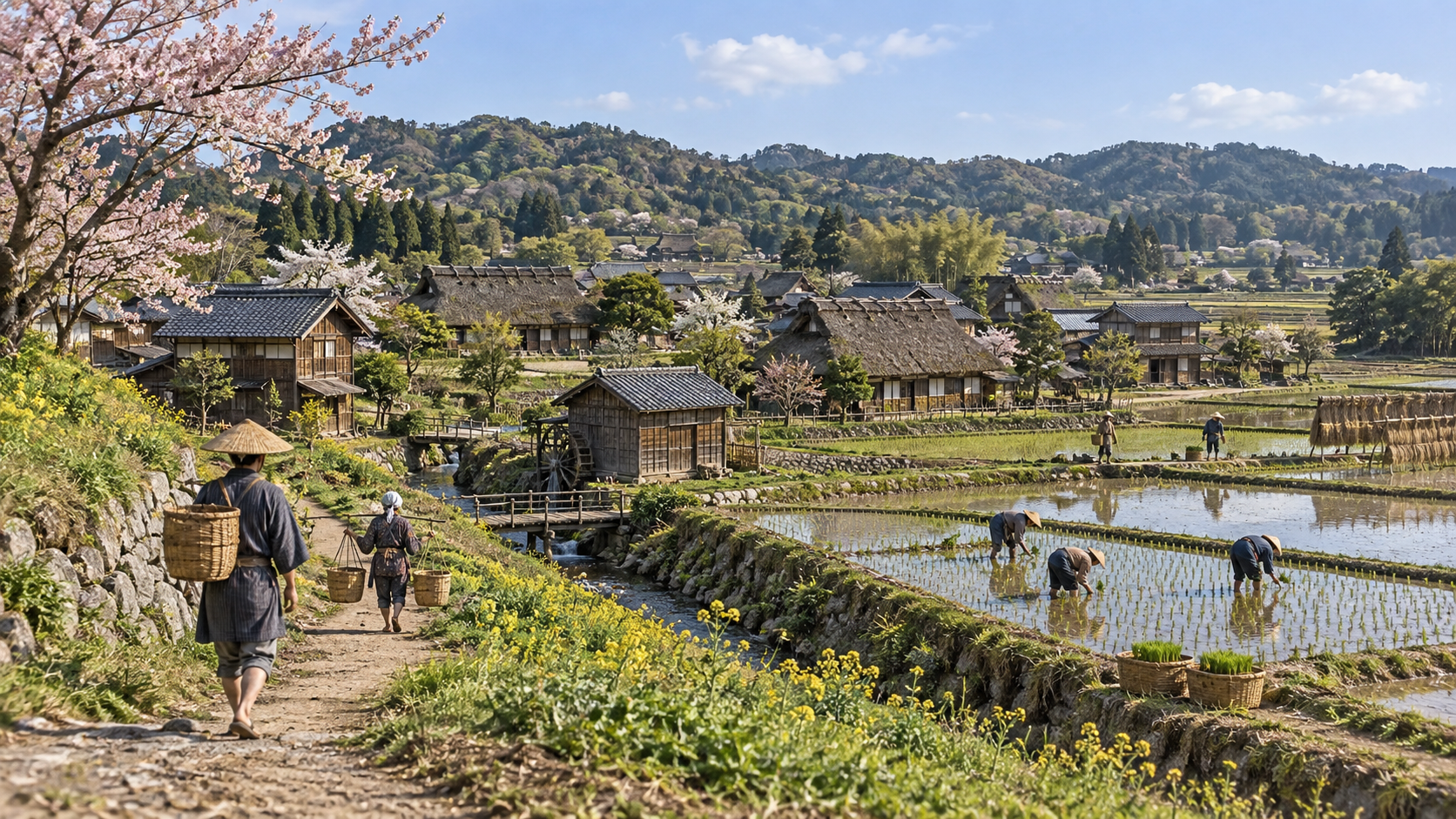
Hijikata came from the Tama district of Musashi Province, in the area now associated with Hino. The National Diet Library introduces his rural background and his training under Kondo Shusuke in the Tennen Rishin school of swordsmanship. Hino City's account connects his home region, that training and his move to Kyoto. These are the starting points of a career whose settings would change repeatedly.
In 1863 he joined Kondo Isami, Okita Soji and others in a group assembled to guard the shogun's visit to Kyoto. Some members remained there and became the Shinsengumi, undertaking duties connected with public order. Hijikata became its vice commander. A journey away from home was also a change in institutional position and responsibility.
For an international reader, Shinsengumi is therefore more than the name of a band of swordsmen. In this part of the story it denotes an organization working within the shogunate's arrangements for security in Kyoto. The sources used here establish Hijikata's position; they do not reconstruct every decision, disciplinary episode or conversation that later made his reputation so recognizable.
The widely known image of a severe vice commander can be useful as a question to investigate, but it cannot fill the gaps in individual records. Keeping place, office and later reputation distinct prepares us to approach something more immediate: the names of places and the plans that Hijikata himself put into a letter.
Scene 03
A letter sent from Yokkaichi
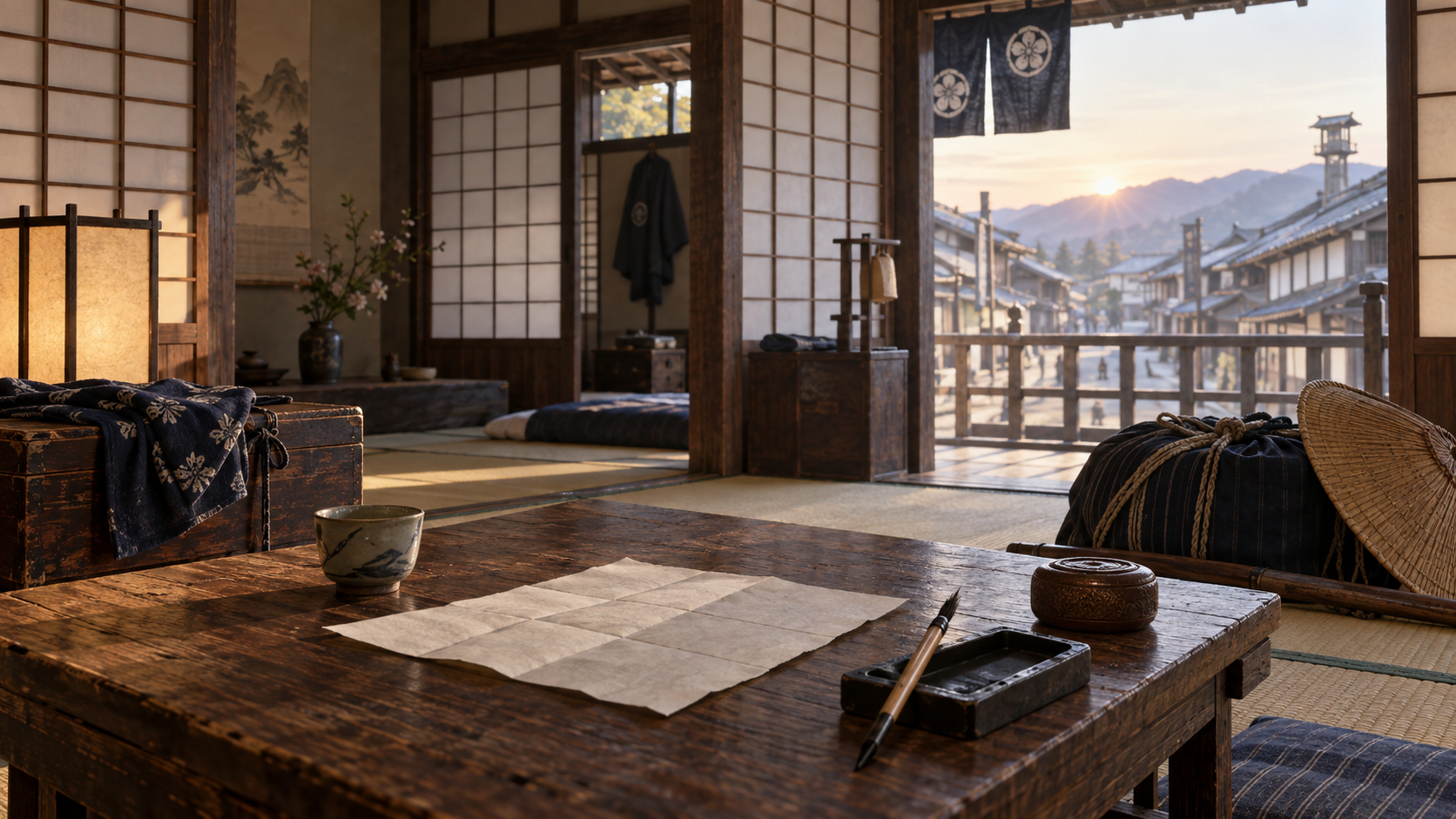
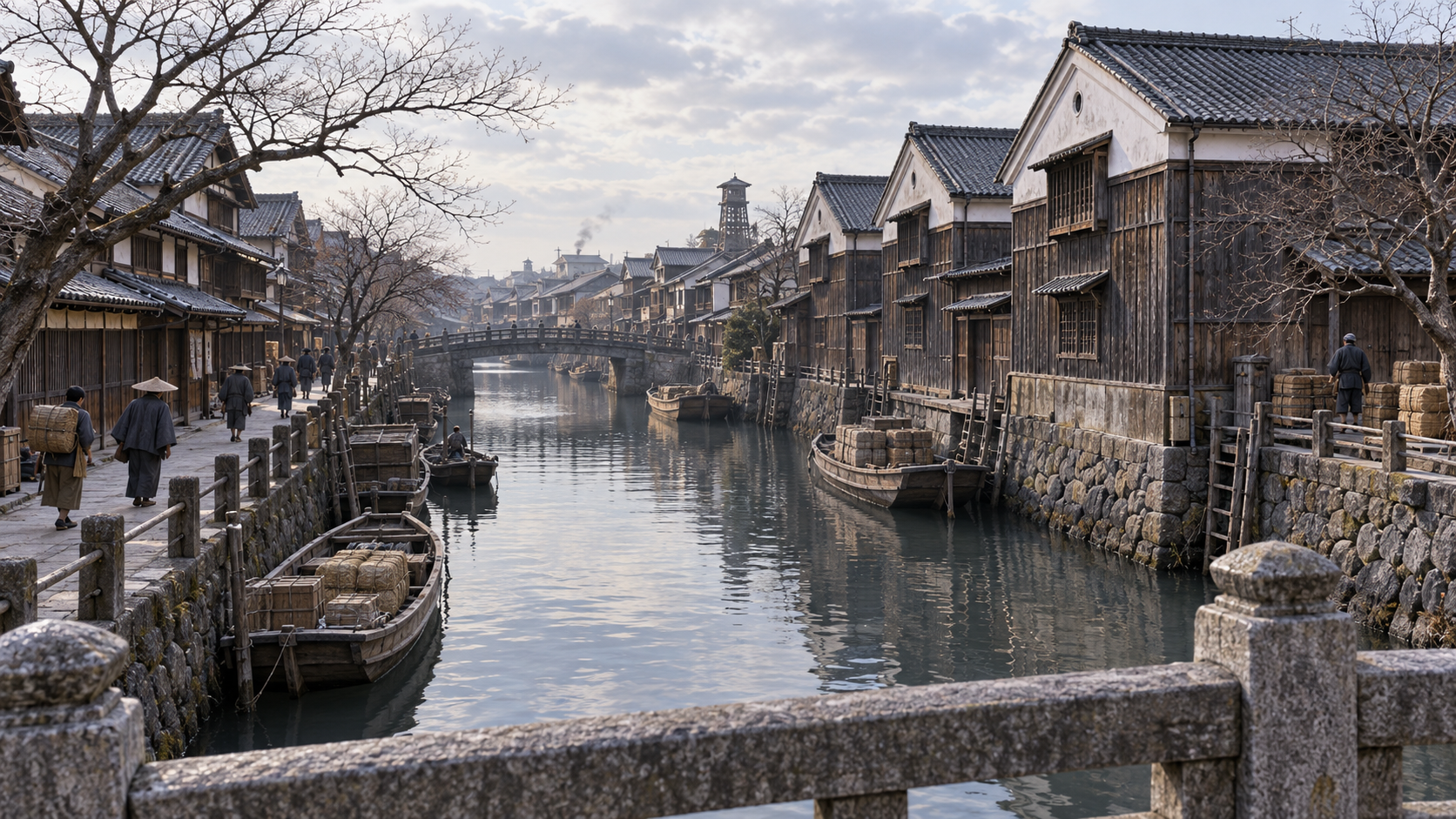
A surviving letter to Sato Hikogoro is dated the first day of the eleventh month of Keio 3. The museum catalogue supplies the date and recipient, while a published transcription provides the account of travel. The catalogue's explanatory description and the letter's text have different authors. They should remain distinguishable even when they appear together on an archival website.
In the transcription, Hijikata reports reaching Yokkaichi, a lodging stop in Ise, on the thirtieth day of the preceding month. He expects to enter Kyoto around the third day of the eleventh month. One statement concerns an arrival already made; the other concerns an intended arrival. Turning the latter into a confirmed travel date would change the evidence the letter offers.
He also mentions information that the situation in Kyoto seems urgent. Information received while travelling is different from an event personally witnessed after arrival. The letter reveals that distance: its writer knows where he is and what he plans, but what he has heard about a destination still reaches him through other people.
Written before Toba-Fushimi, the letter does not directly explain the later campaigns in the north. Its value is more specific. On one particular date, a person recorded an arrival, a plan and news he had received. This article uses the published transcription; it does not claim a new reading of the original handwriting or silently convert these historical month-and-day labels into modern calendar dates.
Scene 04
After Toba-Fushimi, a line on the map
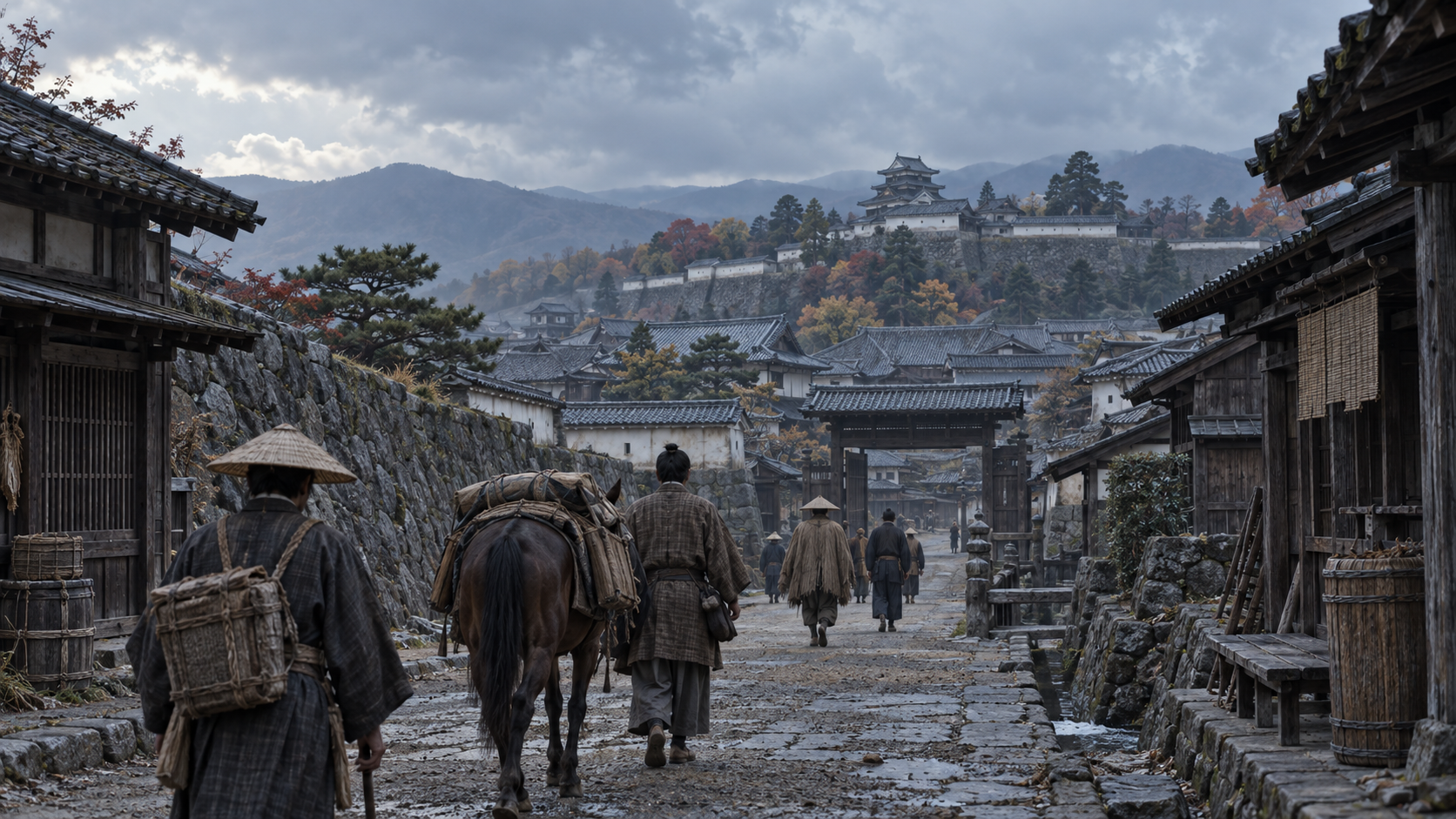
The forces of the former shogunate were defeated at Toba-Fushimi in 1868. Hino City's map connects Hijikata's subsequent movements with Osaka, Edo and Katsunuma, the last in association with the Koyo Chinbutai. The broad sequence helps readers follow the change from duties in Kyoto to movement through a widening war.
A municipal map compresses many events into a small space. Between any two labelled points there were journeys, interruptions and circumstances that its line cannot fully show. It offers an overview rather than a daily record of Hijikata's whereabouts. The names make the route intelligible, but they do not certify every intermediate road, companion or hour of arrival.
That distinction also matters in the prose. Describing a succession of battlefields is a different task from reconstructing an itinerary. The first can draw on a compiled chronology; the second needs more detailed records and comparison between them. The English account keeps the scale of its statements aligned with the Japanese source instead of making a map's simplicity look like documentary precision.
Nor does the route settle what Hijikata expected from each move. Going to Katsunuma is not proof that he wanted defeat, and it is not proof that he thought victory certain. The location provides something firmer and more limited: an action that can be examined in relation to the developing campaign. It leaves the question of motive to evidence that can actually address it.
Scene 05
Utsunomiya and Aizu: changing battlefields
The National Diet Library's biographical outline names Utsunomiya and Aizu among the places where Hijikata fought after Toba-Fushimi. Both also appear in Hino City's chronology. Together, these explanations support the broad movement from the Kyoto setting into battlefields in and beyond the Kanto region.
Agreement between two public explanations is useful, but neither automatically becomes an independent eyewitness account. A short biography and a municipal chronology are later ways of organizing history. Their overlapping place names can anchor the narrative while leaving the underlying records, and the details of individual movements, as subjects for closer investigation.
The same person who held an office in Kyoto now appears in different military and geographic circumstances. A continuing title does not make those situations identical. Thinking about the changing battlefield can widen the inquiry beyond a single personal relationship. The source packet does not establish that every decision in these places followed from one feeling toward Kondo Isami.
Kyoto, Utsunomiya and Aizu form a sequence that is clearer than an imagined chain of private conversations. Naming the places opens questions about the relation between a person's choices and the conditions around him. It does not answer those questions in advance. The sources give us a framework for following events, not a script for what Hijikata must have thought.

Scene 06
A fleet heading north, and one person's journey
Hino City's map places Sendai and Ezochi after Aizu. Hakodate's city history describes the former shogunate's fleet leaving the waters off Shinagawa, reaching Ezochi and occupying Goryokaku. The movement north belonged to a fleet and an army containing many people, not to Hijikata alone.
Here two lines of inquiry meet. A biography follows a man's principal locations; a campaign history follows ships, units and larger movements. They can illuminate each other, but every event attributed to an army cannot simply be rewritten as an action performed or directed by one participant. The scale of the subject must remain visible.
The occupation of Goryokaku is one example. The city history helps place it within the campaign. It does not, merely by describing the army's arrival, prove that Hijikata commanded every part of the operation. Establishing his position in a particular action would require records bearing on that position, just as establishing a specific voyage would require evidence about his passage.
For readers unfamiliar with the names, Ezochi denotes the northern territory discussed in these records, while Hakodate is the port central to this part of the account. Goryokaku is the stronghold around which the narrative repeatedly returns. These reference points help orient the reader without turning a general account of collective movement into an exact personal travel log.
Scene 07
Records of governing Hakodate
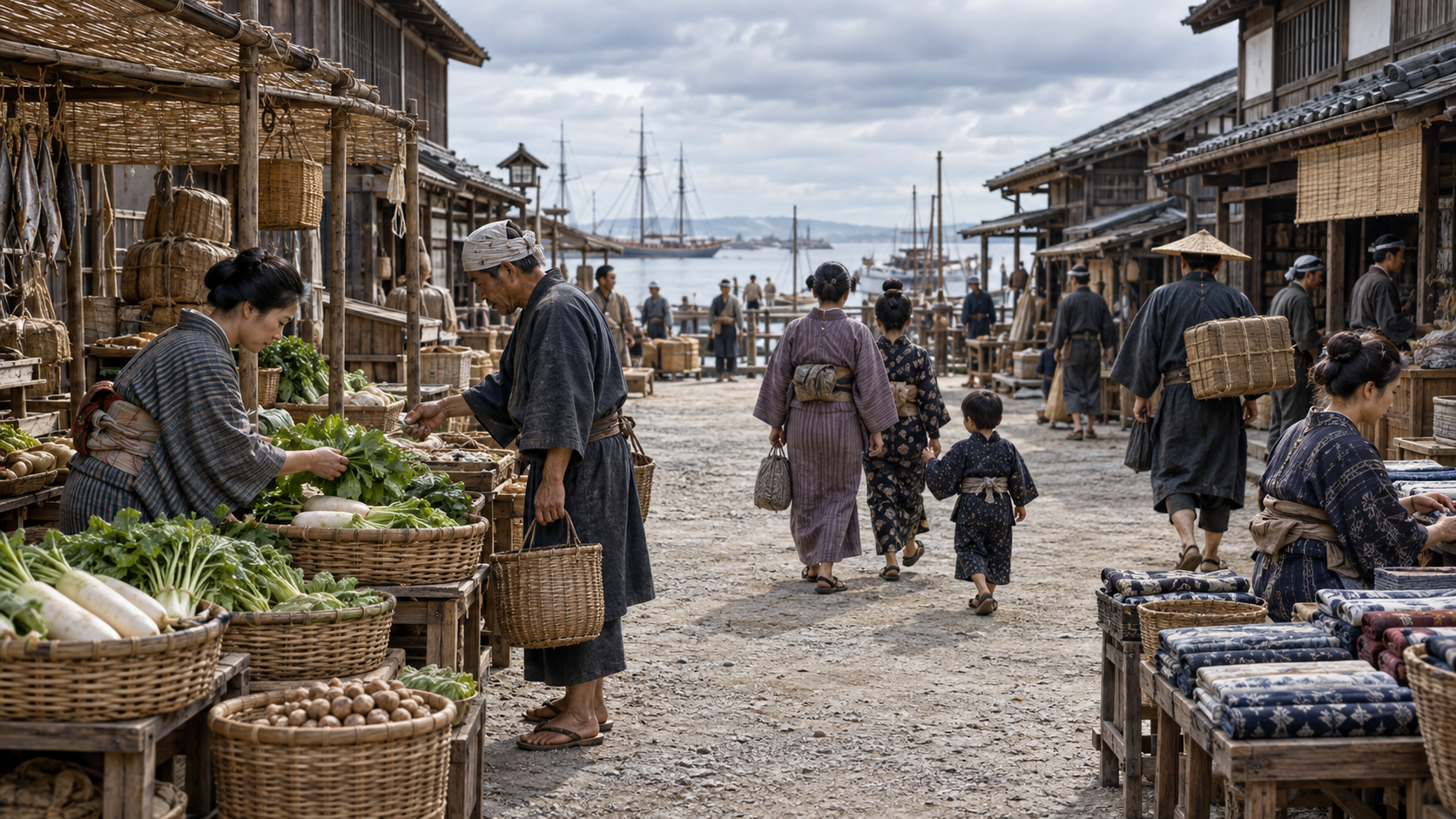
The force that entered Hakodate faced more than military tasks. It also had to deal with the town. The city history discusses provisional offices and notifications to foreign consuls. A place used as a military base remained a place where residents traded, worked and conducted ordinary life. Governance belongs within the account of the campaign.
The history compares more than one set of records concerning the selection of officers by ballot. Hijikata's name appears in this documentary discussion, but that does not permit us to combine differing columns or vote totals into a single list of unanimous support. Differences between records are evidence to examine, not an inconvenience to remove from a smoother story.
A memorandum by Nakajima Nobori, quoted in the city history, records an order for the Shinsengumi to undertake policing duties in the town. This is a record associated with Nakajima and the unit. It is not a verbatim transcript of Hijikata speaking. It can inform the account of an organizational role without lending an invented voice to its vice commander.
Calling the regime a republic may make it sound immediately familiar to a modern reader. The city history itself questions the suitability of that label for the arrangements then in place. This article therefore starts with the offices, notifications and selection records it discusses. Their particular forms offer a more useful path into the relationship between the town and the military force.
Scene 08
Remembering comrades with incomplete news
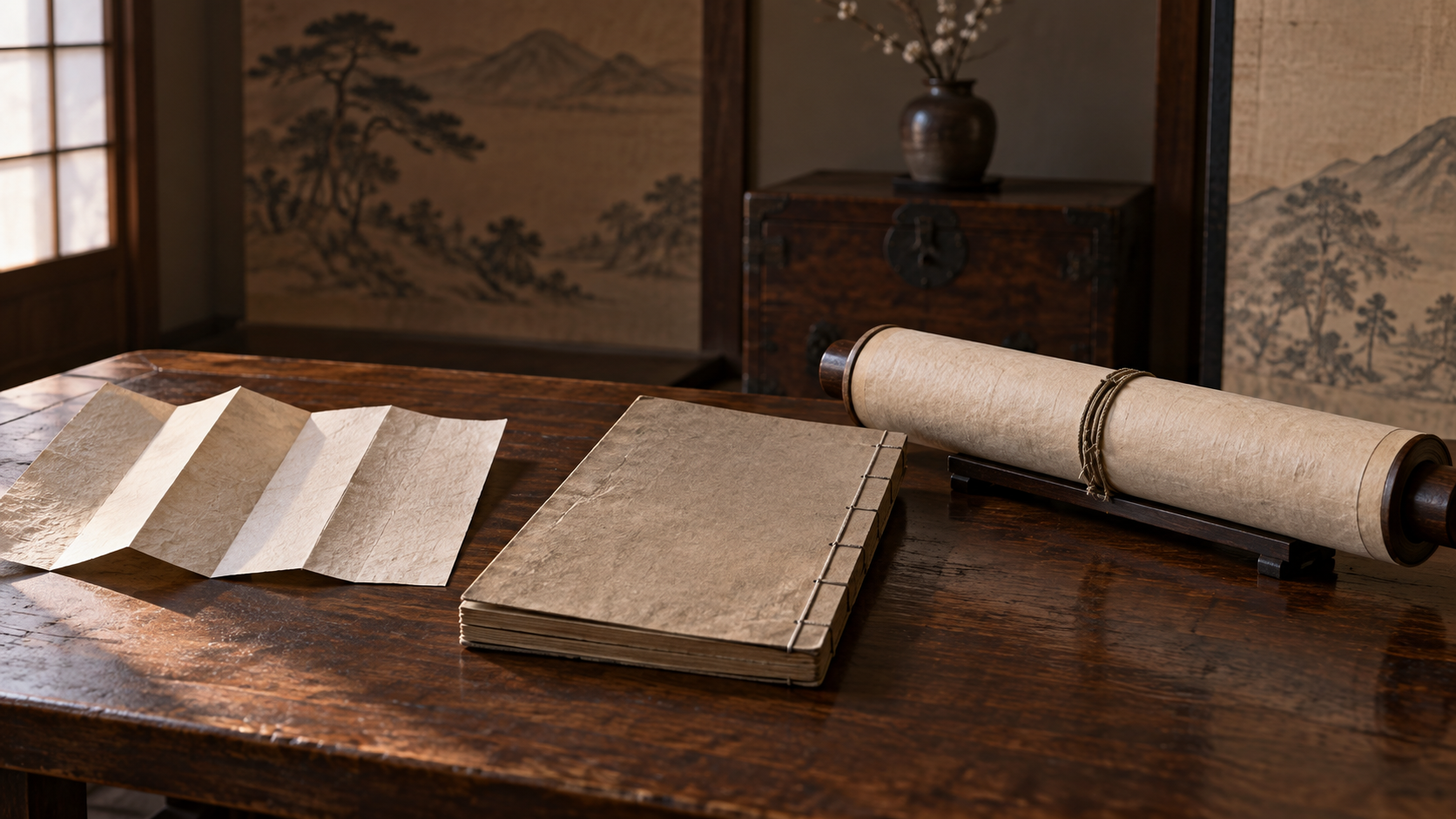
While detained at the Benten Misaki battery, Nakajima Nobori made images of his comrades. Hakodate City Museum describes the surviving scroll as combining depictions of Shinsengumi members and figures from the former shogunate's side, including Hijikata, with words of remembrance. An act of remembering people after loss became a historical object in its own right.
The museum's description also identifies a limit in the information available to the maker. Nakajima crossed to the north without having time to establish the fate of those involved in the fighting at Nyorai-do in Aizu, and recorded them all as having died. A name written among the dead does not, on its own, establish the death of each person it names.
This warning does not empty the scroll of meaning. It helps us ask what its maker could know, when news reached him and how remembrance took shape under those conditions. A memorial object may preserve the strength of attachment while also preserving an incomplete picture of events. Both are part of the evidence it offers.
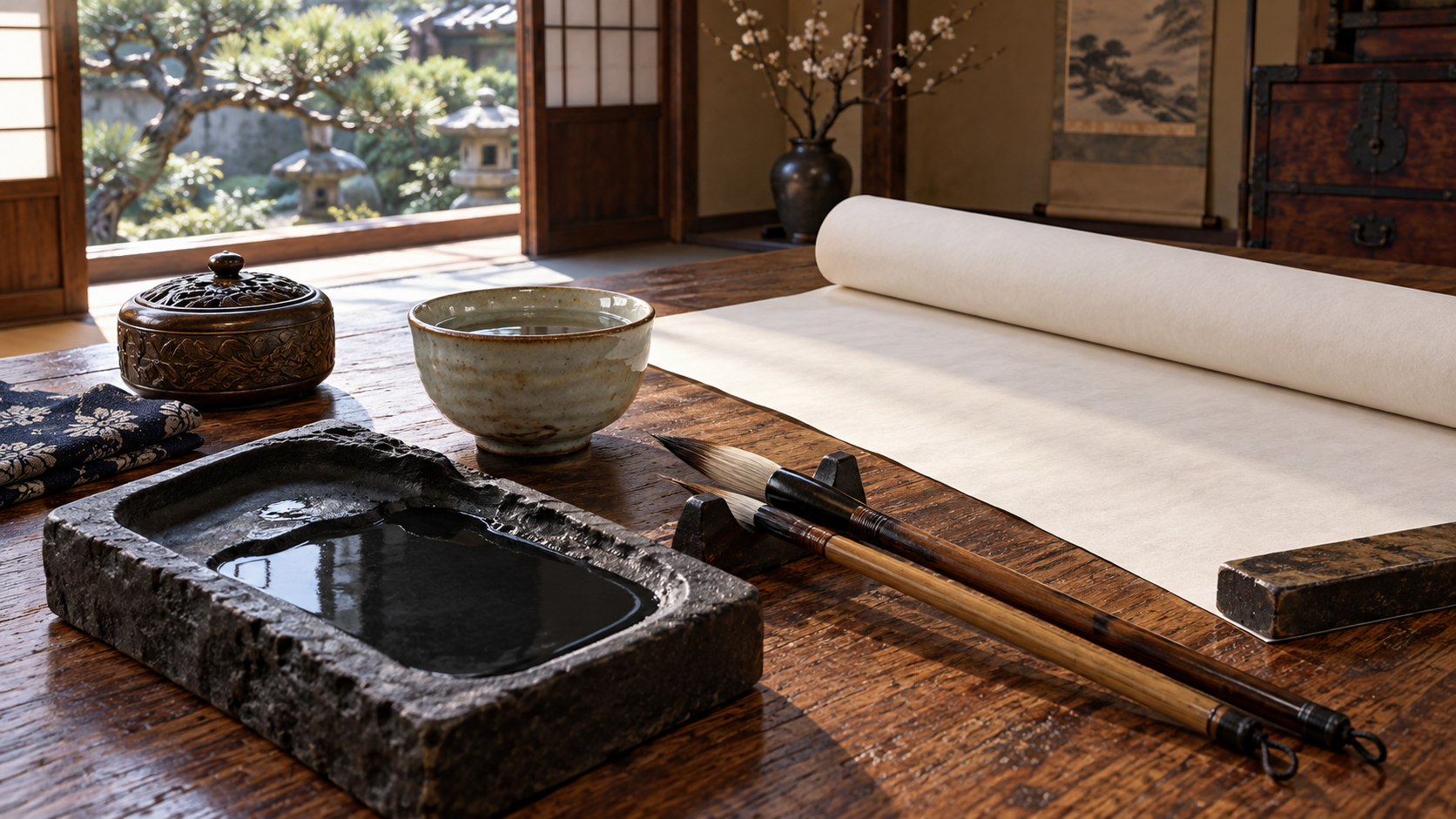
The illustration accompanying this scene is an imagined arrangement of paper and brushes, not Nakajima's actual scroll. No original museum image is reproduced here. The distinction between an object of remembrance and a witnessed record of a death remains central: what a surviving comrade commemorated and what can be established about each person's fate are connected but separate questions.
Scene 09
Defending Futamata, then withdrawing
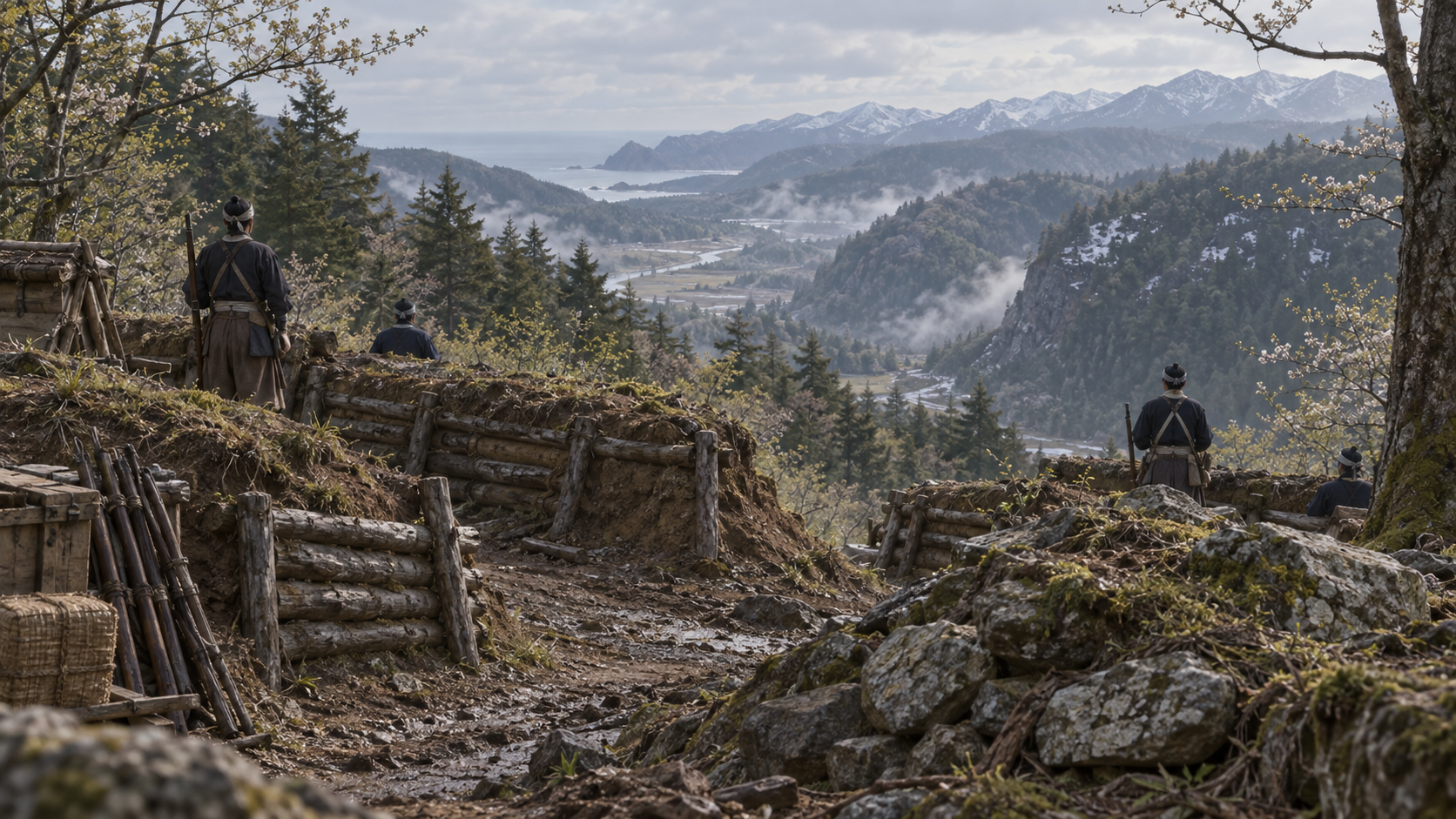
In spring 1869, the new government's forces advanced toward Hakodate. According to the city history, Hijikata held the Futamata position and withdrew to Goryokaku after receiving news that the defenders at Yafurai had been defeated. The account includes both a place defended and the subsequent movement away from it.
The city history explains the danger of an attack from two sides. This is the compiled history's account of the military situation. The present article has not compared it with an operational document written by Hijikata himself. It therefore does not present every explanatory sentence in that history as direct evidence of precisely what he knew at a particular moment.
Two abbreviated stories would each lose part of this sequence. A narrative of nothing but defeat could obscure the local defence; a portrait built around one successful stand could obscure the withdrawal. Keeping both events in view makes the relation between one position and the wider front easier to understand.
Futamata and Goryokaku are consequently more than two names connected by an arrow. They mark a defensive position and a destination for withdrawal within a changing campaign. The arrow can help describe movement, but it cannot reveal a private emotion behind the decision. The evidence supports a military sequence while leaving further questions about individual judgment to more detailed sources.
Scene 10
One day, written in two calendars
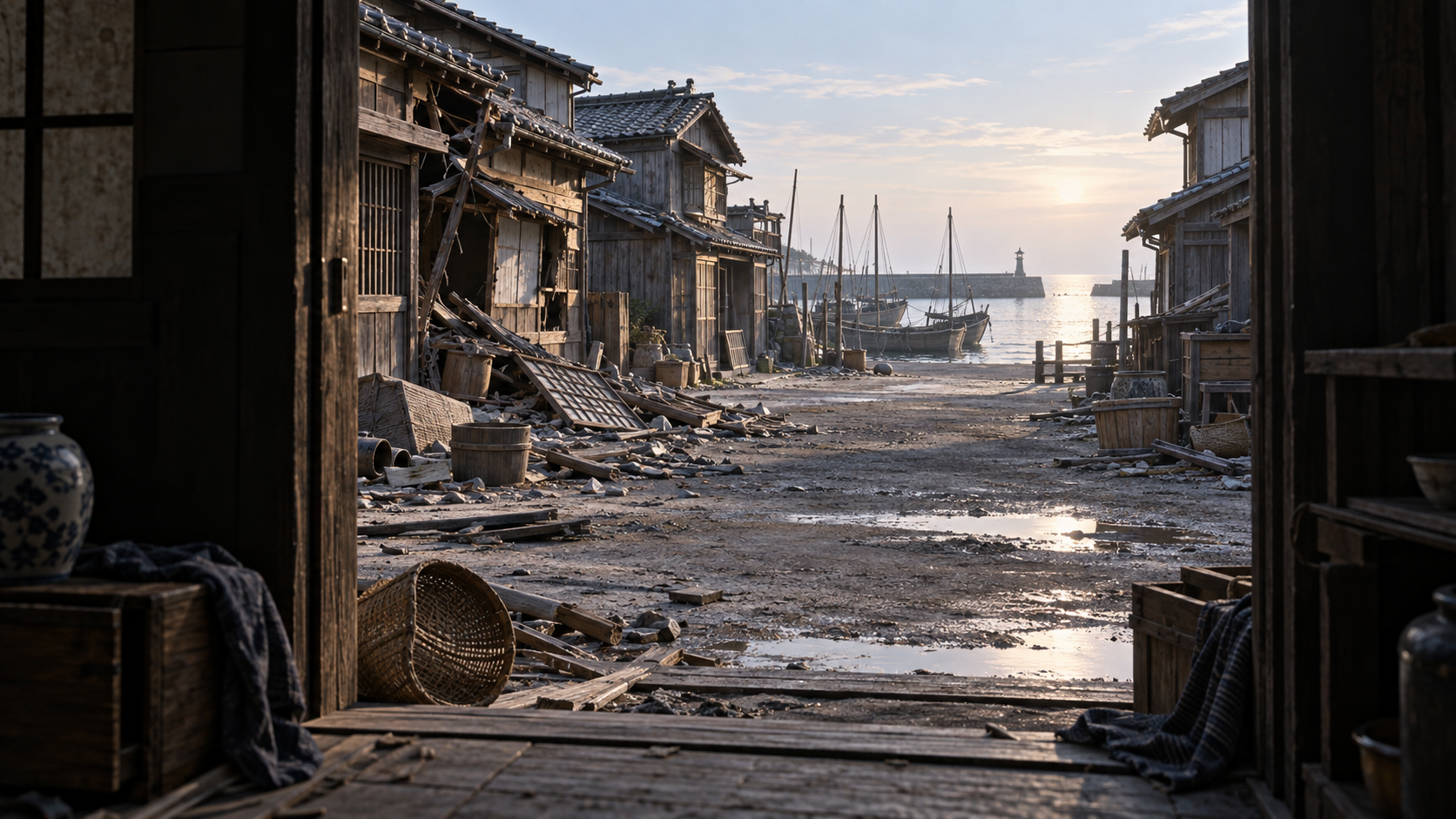
Hijikata died in the fighting at Hakodate on the eleventh day of the fifth month of Meiji 2 in the historical Japanese calendar. The National Diet Library gives its modern calendar equivalent as June 20, 1869. These are two ways of labelling the same day, not two separate accounts of when he died.
Hakodate's city history describes him leading a force in an attempt to recover the town and being killed during the advance. The date and the broad action can be followed from these explanations. They do not, for the purposes of this article, settle a precise point of death or the origin of the shot through comparison of all relevant original records.
The Library's concise biography places his death at Goryokaku. That compressed geographical wording should not be narrowed into a claim about an exact spot inside the stronghold. A brief biographical notice and a city history's more detailed account describe place at different scales. Comparing them requires attention to that difference rather than making either phrase do work beyond its scope.
Last words, a final expression and an exact moment would make the scene easy to visualize. The source packet does not establish them, so they are not added. The reconstructed image likewise cannot decide where a person stood or who fired. The secure calendar distinction gives readers a point of reference while the remaining details are left as questions for further documentary comparison.
Scene 11
The town continues beyond a biography's ending
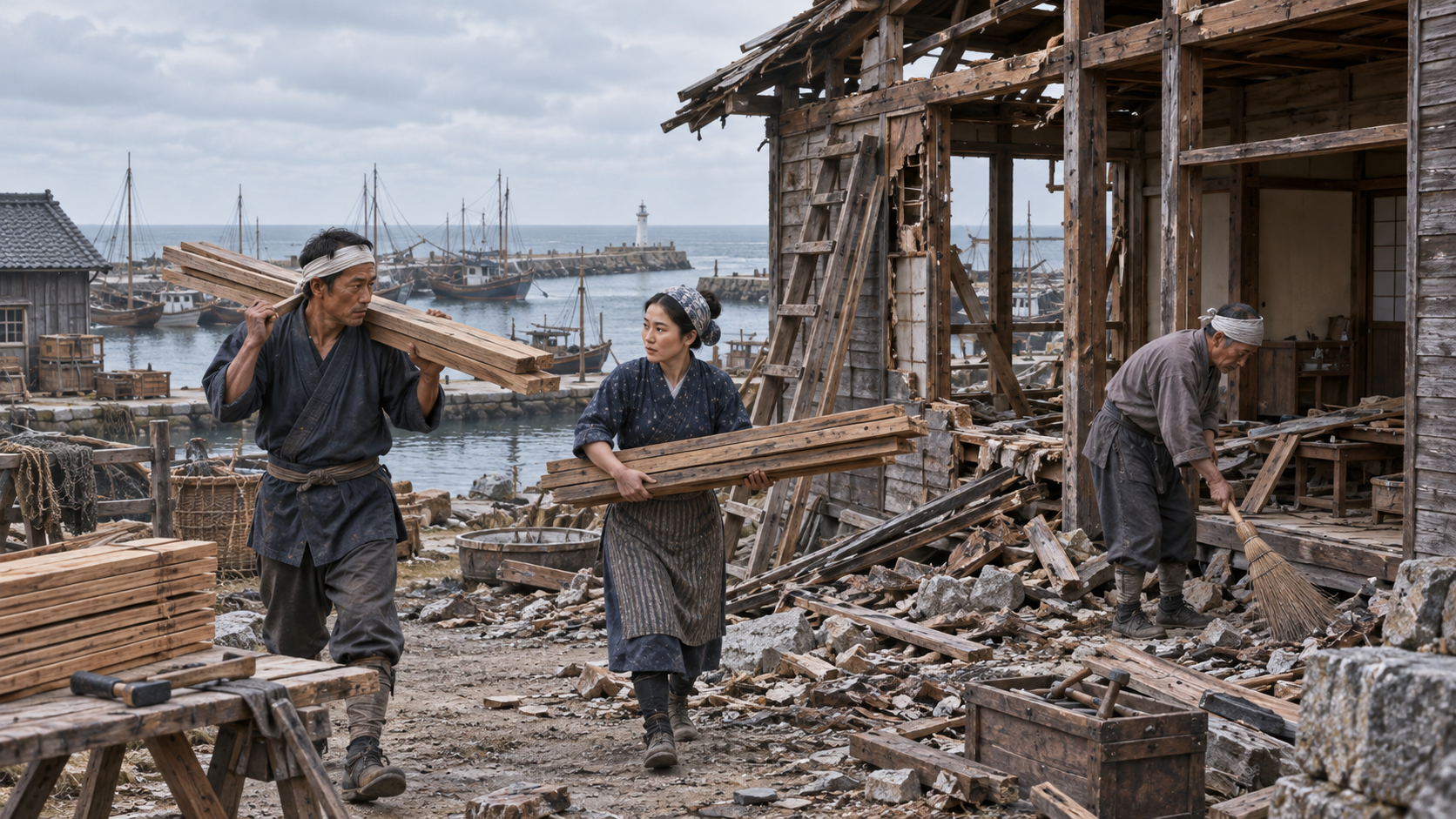
The fighting on that eleventh day was more than the end of one man's life. The Japanese article places the campaign within the history of Hakodate as a town, directing attention to its residents as well as to the armies and ships. The spaces marked on a military map also contained homes, places of work and everyday routes.
A story organized entirely around the final moments of a celebrated fighter can make that other timescale difficult to see. For residents, the need to restore a livelihood did not necessarily end when a military encounter ended. Looking toward the town after the battle extends the inquiry beyond the endpoint of a biography, without inventing a particular family's experience.
This article does not give a single total for civilian losses or burned houses. Such a figure would need its own examination of records and the way their counts were assembled. The absence of a securely checked total is not a reason to exclude residents from the history; it is a reason to keep the scale of our claims explicit.
The accompanying rebuilding scene is a conceptual reconstruction, not a dated photograph or evidence that named residents carried out those tasks. Its purpose is to direct attention back to the town. Following Hijikata's route can bring us to places that have their own histories, and those histories continue beyond the day on which his personal story ends.
Scene 12
Letters, city history and remembrance
The Yokkaichi letter records an arrival and a plan written at a particular stage of a journey. A municipal chronology organizes the broad route of later campaigns. Hakodate's city history relates the movements of a fleet, a military force and a town. Nakajima's scroll preserves remembrance shaped by the news available to a surviving comrade.
Read as one undifferentiated body of evidence, these materials can change character without our noticing. A proposed arrival becomes a completed itinerary, a historian's explanation becomes Hijikata's own statement, and a memorial becomes an eyewitness list of deaths. Distinguishing the records first lets us make useful comparisons while keeping the nature of each claim intact.
The route from Kyoto to Hakodate can be traced through supported locations and actions. Within this packet, however, there is no single statement by Hijikata that settles every reason he continued north. Leaving that question open allows the concrete words in his surviving letter to carry more weight than an explanation chosen solely because it fits the ending.
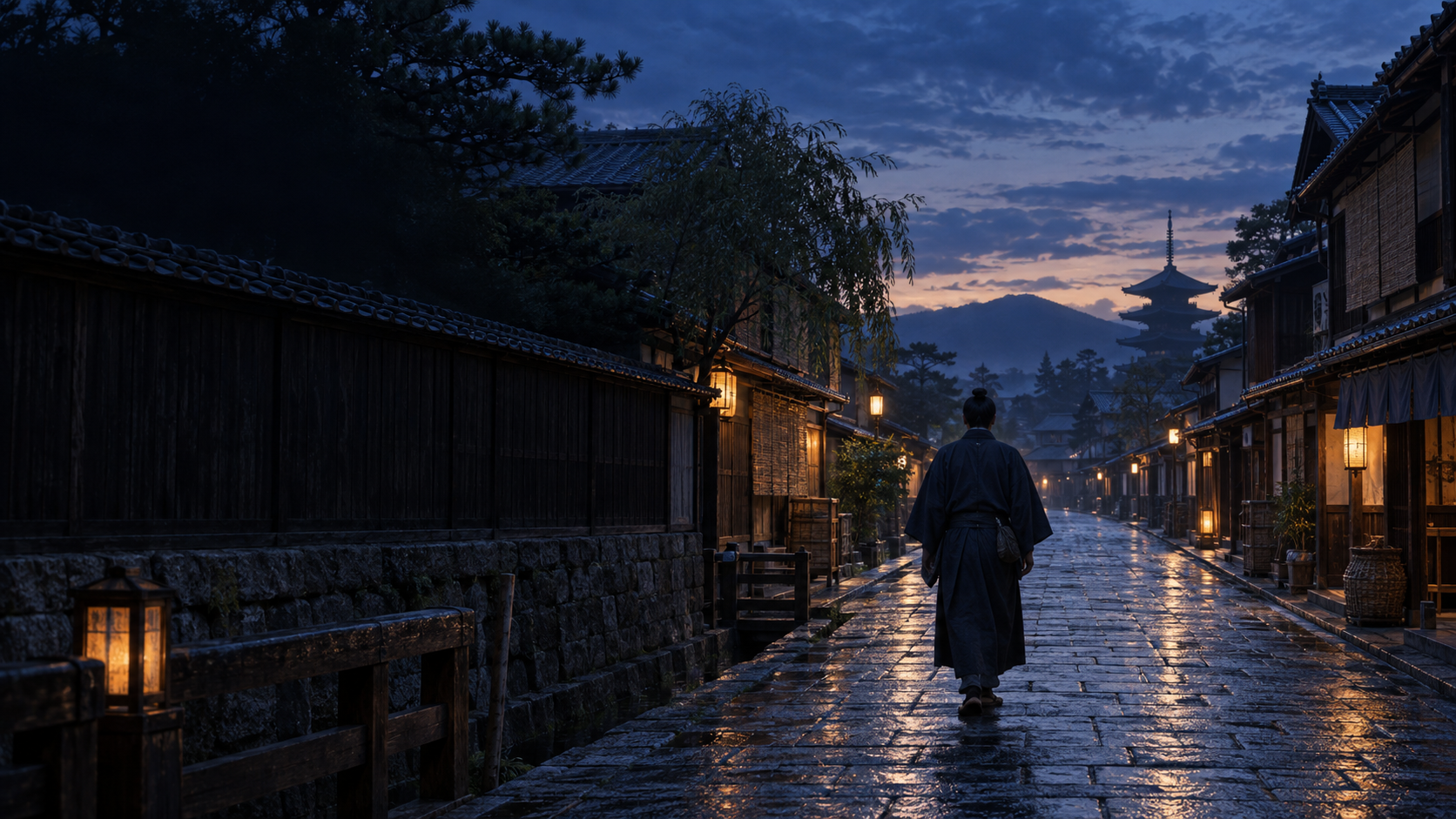
Further work would compare original records concerning individual journeys, operational decisions and the place of his death. The conclusion here is an outline of action accompanied by unresolved questions. The thirteen illustrations are AI-generated conceptual reconstructions, not authenticated portraits, views of particular sites or exact battle formations. Original letter and memorial images have not been reproduced. The linked film has Japanese audio; no English subtitle track is claimed.
How to read this work
History, interpretation, and reconstruction
Distinguishing a person's letter, a compiled campaign history and a memorial reveals an outline of Hijikata's actions while leaving unsupported accounts of his motives open.
This work is grounded in published sources and historical research. Interior thoughts, dialogue, and some visual details are cinematic reconstructions. Where historians disagree, the article presents the point as debated rather than settled fact.
Timeline
The story in time
-
Hijikata goes to Kyoto and becomes vice commander of the Shinsengumi.
Sources: ndl-biography -
A letter reports arrival at Yokkaichi and a plan to enter Kyoto.
Sources: letter-catalog, letter-text -
Hijikata moves through battlefields including Utsunomiya and Aizu.
Sources: ndl-biography, hino-route -
Forces of the former shogunate head to Ezochi and occupy Goryokaku.
Sources: hakodate-north, hakodate-occupation -
Defence at Futamata is followed by withdrawal to Goryokaku.
Sources: hakodate-futamata
People & terms
A guide for new readers
Key figures
- Hijikata Toshizo
- Vice commander of the Shinsengumi and participant on the former shogunate side in the Hakodate fighting
Glossary
- Shinsengumi Shinsengumi
- The organization in which Hijikata served as vice commander, undertaking public-order duties in Kyoto.
- Shogunate Bakufu
- The government with which the Kyoto security arrangements and the former shogunate forces in this account were associated.
- Vice commander Fukucho
- Hijikata's office in the Shinsengumi; an institutional title rather than a complete description of his actions in every later battle.
- Musashi Province Musashi
- The historical province containing his home district of Tama.
- Edo Edo
- The city name appearing between Kyoto and the northern battlefields on the municipal route overview.
- Ezochi Ezochi
- The northern territory named in the campaign records discussed here.
- Goryokaku Goryokaku
- The stronghold occupied by the former shogunate forces and a recurring reference point in the Hakodate campaign.
- Historical Japanese calendar Kyu-reki
- The calendar underlying month-and-day dates in the letter and the contemporary label for the day of Hijikata's death.
- Published transcription Honkoku
- An editorial reading of a document's written text, distinct from independently examining and collating the original handwriting.
- Memorial scroll Senyu sugata-e
- The museum object made by Nakajima Nobori to remember comrades, whose statements must be read in light of the information available to its maker.
Sources & method
How this article was built
This English edition follows the fixed published Japanese manuscript, preserving the identities and order of its scenes, timeline and sources. Additional explanations orient readers unfamiliar with Japanese place names, institutional terms and dating conventions. They do not supply new events or undocumented motives.
The packet includes a catalogue and published transcription of a letter, public biographical and municipal explanations, a compiled city history and a museum object description. Editorial English titles are not claims that official English editions exist. This article does not claim independent collation of the original letter, every record quoted in the city history, or the whole memorial scroll.
Historical statements, interpretation and visual reconstruction are kept distinct. Illustrations are inherited AI-generated conceptual images with English descriptions; original archival images have not been reproduced. No precise civilian loss total, death site, invented conversation, private thought or unverified English subtitle track is added.
Sources
References and further reading
- Hijikata Toshizo Letter, First Day of the Eleventh Month, Keio 3: Catalogue 土方歳三書簡・慶応三年十一月一日(目録) Title translated editorially for reader convenience. Sato Hikogoro Shinsengumi Museum / ADEAC 佐藤彦五郎新選組資料館/ADEAC Catalogue date and recipient, distinguished from editorial description. Accessed 2026-10-08
- Hijikata Toshizo Letter: Published Transcription 土方歳三書簡(翻刻) Title translated editorially for reader convenience. Sato Hikogoro Shinsengumi Museum / ADEAC 佐藤彦五郎新選組資料館/ADEAC Reported arrival, intended entry into Kyoto and news received while travelling. Original handwriting has not been independently collated. Accessed 2026-10-08
- Portraits of Modern Japanese Historical Figures: Hijikata Toshizo 近代日本人の肖像:土方歳三 Title translated editorially for reader convenience. National Diet Library 国立国会図書館 Biographical outline and the explicit historical-calendar and modern-calendar forms of the date of death. Accessed 2026-10-08
- Five Keywords for Understanding Hijikata Toshizo 土方歳三を知る5つのキーワード Title translated editorially for reader convenience. Hino City 日野市 Municipal overview and route map; not a daily personal itinerary. Accessed 2026-10-08
- History of Hakodate, General History Volume 2: Heading North 函館市史 通説編2:北へ向かう Title translated editorially for reader convenience. Hakodate City 函館市 Compiled account of the fleet, distinguished from the passage of each individual. Accessed 2026-10-08
- History of Hakodate, General History Volume 2: Occupying Goryokaku 函館市史 通説編2:五稜郭占拠 Title translated editorially for reader convenience. Hakodate City 函館市 Compiled account of the occupation; not proof that one participant directed every action. Accessed 2026-10-08
- History of Hakodate, General History Volume 2: Selecting Officers and Declaring Possession of Ezochi 函館市史 通説編2:役員選挙と蝦夷地領有宣言式 Title translated editorially for reader convenience. Hakodate City 函館市 Different selection records and a quoted Nakajima memorandum. Vote totals are not combined. Accessed 2026-10-08
- History of Hakodate, General History Volume 2: The New Government Army Approaches Hakodate 函館市史 通説編2:新政府軍箱館へ迫る Title translated editorially for reader convenience. Hakodate City 函館市 Defence at Futamata and withdrawal; not an operational statement written by Hijikata. Accessed 2026-10-08
- History of Hakodate, General History Volume 2: The Fighting on the Eleventh Day of the Fifth Month 函館市史 通説編2:5月11日の戦い Title translated editorially for reader convenience. Hakodate City 函館市 Campaign account and Hijikata's fatal advance; precise location and civilian totals are not independently established here. Accessed 2026-10-08
- Images of Comrades, Collection S63-0020 戦友姿絵 S63-0020 Title translated editorially for reader convenience. Hakodate City Museum 市立函館博物館 Museum description of a memorial scroll and its maker's incomplete knowledge of some comrades' fates. Accessed 2026-10-08
Continue reading
More stories from Shigeki
Shigeki English
Sakai’s Merchant City: Trade, Self-Government and Survival
A port, a merchant council and town communities—from changing authority to rebuilding after fire.
- When From the later fifteenth century through the Sengoku period, the fire of 1615 and early Edo-period reconstruction.
- Where Sakai, in present-day Osaka Prefecture, where maritime routes met roads on land.
Shigeki English
The Aburanokōji Incident: After Leaving the Shinsengumi
A separation in spring, a new base in summer, and two successive attacks.
- When Kyoto in Keiō 3 (1867). The incident’s historical date corresponds to December 13, 1867.
- Where Kyoto: the guards’ successive bases, the Aburanokōji attack site and the later place of remembrance.