
SHIGEKI ENGLISH STORYEN
Japanese history in English
Okō Castle: Reading the Chōsokabe Stronghold from Its Hill and Excavations
Burned soil from a fallen castle, a bent entrance and a tile marked 1575 trace the rise of the family that unified Tosa.
On a hill in present-day Kōchi Prefecture, the Chōsokabe built the base from which Motochika unified Tosa. Follow the castle from its fall and recovery through its enclosures, rainwater wells, inscribed tiles, household tools and imported goods to the move to Ōtakasaka around 1588.
At a glance
Before you enter the story
- When
- From the fifteenth century through the fall of 1508–09, the recovery around 1516, the renovation of 1575 and the move to Ōtakasaka around 1588, with modern excavation and preservation.
- Where
- Mount Okō in present-day Nankoku, Kōchi Prefecture, on the northern edge of the Kōchi Plain.
- Key figures
- Chōsokabe Motochika, Chōsokabe Kunichika, Chōsokabe Nobuchika, Ichijō Kanesada
- What was at stake
- How a regional warrior family built, lost, recovered and transformed the base from which it came to dominate Tosa and reach across Shikoku.
Why this story matters
The larger history behind the turning point
Okō Castle is one of the most important sites for understanding warrior power in sixteenth-century Shikoku. Its remains record the Chōsokabe rise from a local family to a regional power and their eventual place within the order created by Oda Nobunaga and Toyotomi Hideyoshi.
The site also shows how archaeology can widen a story centered on famous commanders. Post holes, rainwater wells, cooking pots, coins and imported ceramics bring into view the work and beliefs of people whose names were never written down.
Historical context
What an international reader needs to know
Names and places
Tosa was the old province that is now Kōchi Prefecture, on the Pacific side of Shikoku. Awa, Sanuki and Iyo were the island’s other three provinces. Ōtakasaka and Urado are both in present-day Kōchi City, and Ōtakasaka Hill is the site of today’s Kōchi Castle.
Family names come first in Japanese names, so Chōsokabe Motochika belongs to the Chōsokabe family. The Motoyama, Aki and Ichijō were rival powers within Tosa during the sixteenth century.
Reading the enclosures
Japanese mountain castles were divided into level platforms called enclosures. At Okō the summit enclosure is the Tsume, and the names Ni-no-dan, San-no-dan and Yon-no-dan mean second, third and fourth levels.
Some enclosure names are traditional labels. The so-called stable enclosure and chief retainers’ residence are names handed down over time, and they do not by themselves prove how those spaces were used.
Watch the film
See the story in motion
The film currently uses Japanese audio. This English article provides the context and source trail; it does not imply that an English subtitle track is available.
Opening
A stronghold 97 meters above the plain
On Mount Okō in present-day Nankoku, Kōchi Prefecture, stand the remains of the castle that served as home to the Chōsokabe, one of the great warrior families of sixteenth-century Shikoku. The summit rises 97 meters above sea level, although the national cultural heritage database gives 94 meters. It is not a tall hill, yet its upper enclosures look out across the Kōchi Plain toward the Pacific Ocean.
From this base Chōsokabe Motochika unified Tosa Province and pushed his power into the rest of Shikoku. According to Nankoku City, the castle had the first buildings with foundation stones and roof tiles known among the medieval mountain castles of Tosa, along with stonework that came before true stone walls. The site was designated a National Historic Site in 2008.
This article follows the castle in order: the uncertainty over its founding, its fall and recovery, its enclosures and entrances, its water and tiles, the tools of daily life, and the moment the family’s headquarters left the hill. Throughout, what excavation has confirmed, what institutions have interpreted and what this article infers are kept separate.
Chapter 1
A hill ringed by river and wet fields
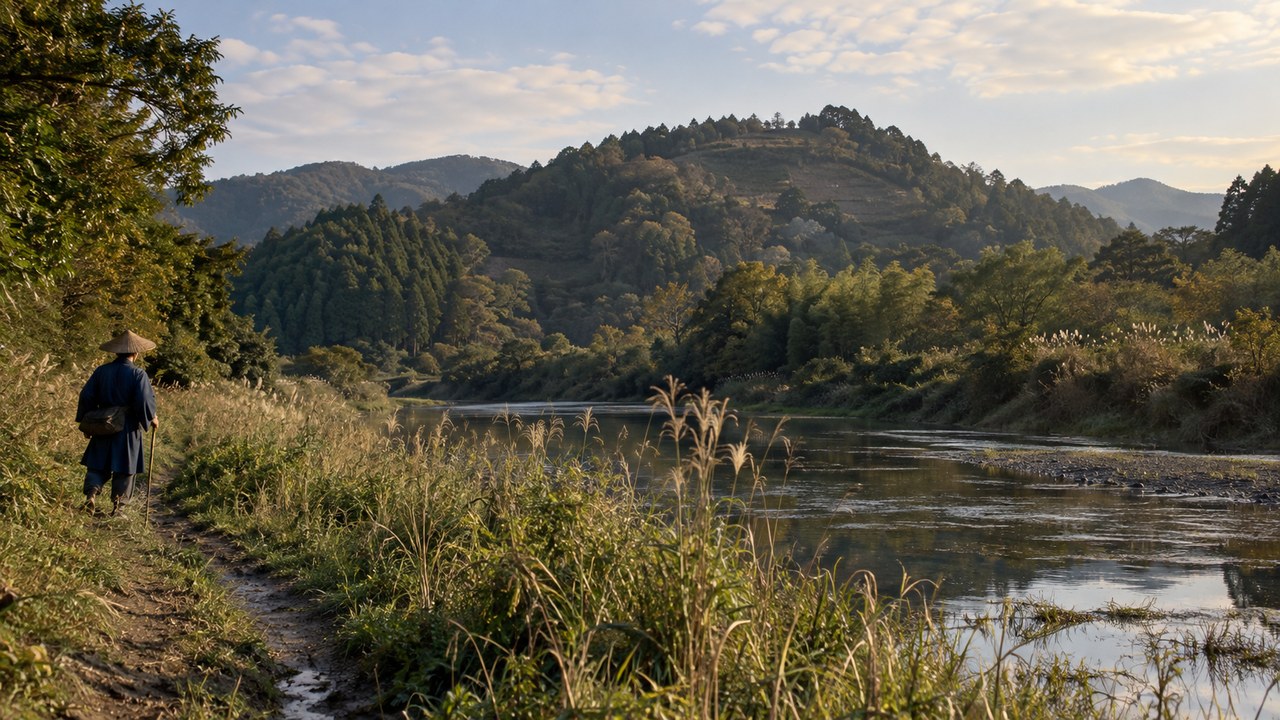
The Kokubu River runs below the southern slope of Mount Okō, and wet rice fields spread from the west around to the south. The Kōchi Prefectural Museum of History describes this setting as a natural defense. The hill itself is made of serpentinite, and its steep sides drop quickly toward the low ground that surrounds it on several sides.
The builders added human work to that terrain. Below the main enclosures at the summit, the slopes carry horizontal ditches, earthen ramparts, groups of vertical ditches and steeply cut banks. Vertical ditches, dug straight down a hillside, hindered movement across the slope, and the museum notes that they may also have been used for carrying supplies up and down.
A castle town is thought to have stood at the eastern foot of the hill. Today the area is maintained as a prefectural history park, and the museum stands just below the enclosure called Ni-no-dan. Visitors walk through a landscape shaped both by the sixteenth century and by the modern work of protecting and presenting the site.
Chapter 2
A castle with no known founding date
No one knows exactly when Okō Castle was built. One travel guide places its origin around the thirteenth or fourteenth century, but the prefectural museum treats the founding date as unknown and considers that the castle existed from the later fifteenth century. The national heritage database, for its part, suggests that the Chōsokabe established their base here during the fifteenth century.
Family tradition traces the Chōsokabe to a founder said to descend from the ancient Hata lineage. In the Kamakura period he is said to have become steward of a district in Nagaoka County, Tosa, and to have taken the family name from that district. Okō, too, lay in Nagaoka County.
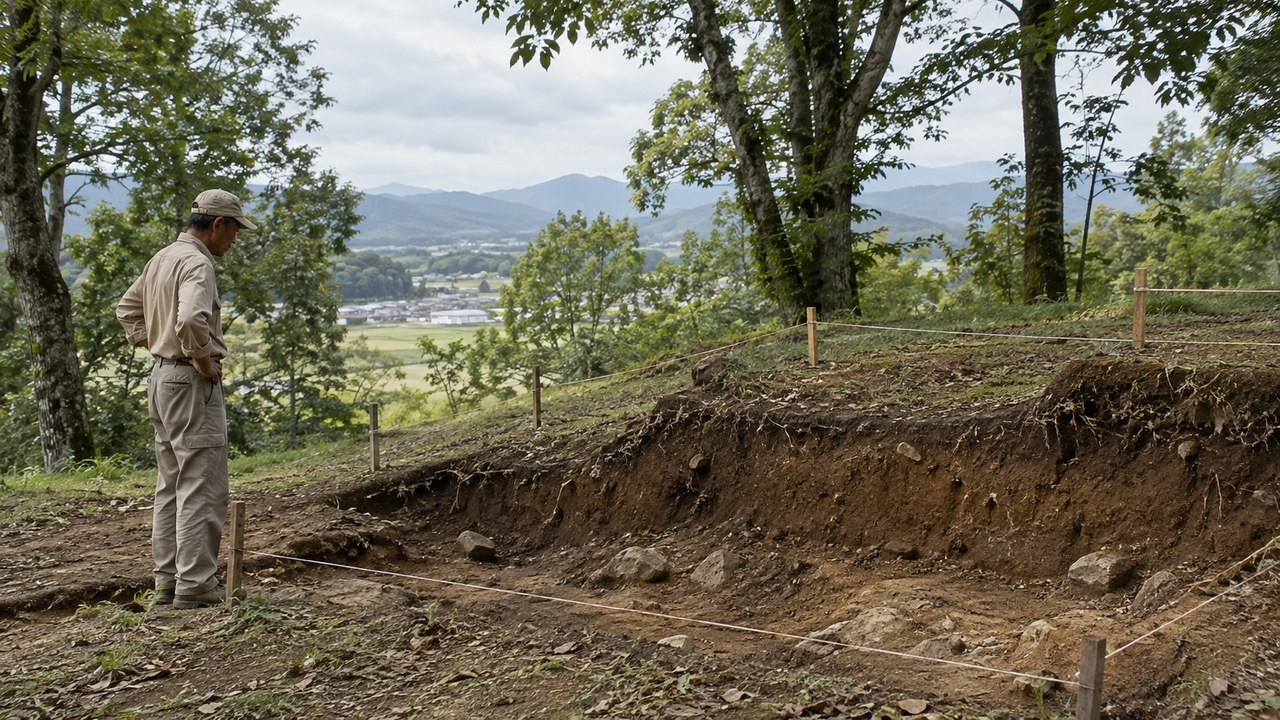
The first great crisis recorded for the castle came early in the sixteenth century. In 1508 or 1509, during the time of the nineteenth head of the family, Okō Castle fell. Excavators found layers containing charcoal in the enclosure called Ni-no-dan, and the museum considers that these deposits include material connected with that defeat.
Chapter 3
Kunichika’s recovery and Motochika’s first battle
The family is thought to have restored the castle around 1516 under Chōsokabe Kunichika. The museum interprets the burned soil and charcoal at Ni-no-dan as traces of the leveling carried out during that recovery. If that reading is right, the next phase of the castle was literally built upon the ground left by its destruction.
Kunichika’s son Motochika is said to have been born at Okō in 1538 or 1539. In 1560 he fought his first battle at Nagahama, when Kunichika attacked the rival Motoyama family, and in the same year, following his father’s death, he became head of the Chōsokabe.
A Kōchi City guide records that when the Motoyama attacked Okō in 1563, the buildings of Tosa Shrine were burned, and that Motochika rebuilt them in 1571. Motochika destroyed the Aki family of eastern Tosa in 1569, drove out Ichijō Kanesada in 1574 and had brought nearly all of Tosa under his control by about 1575.
Chapter 4
Enclosures layered around the summit
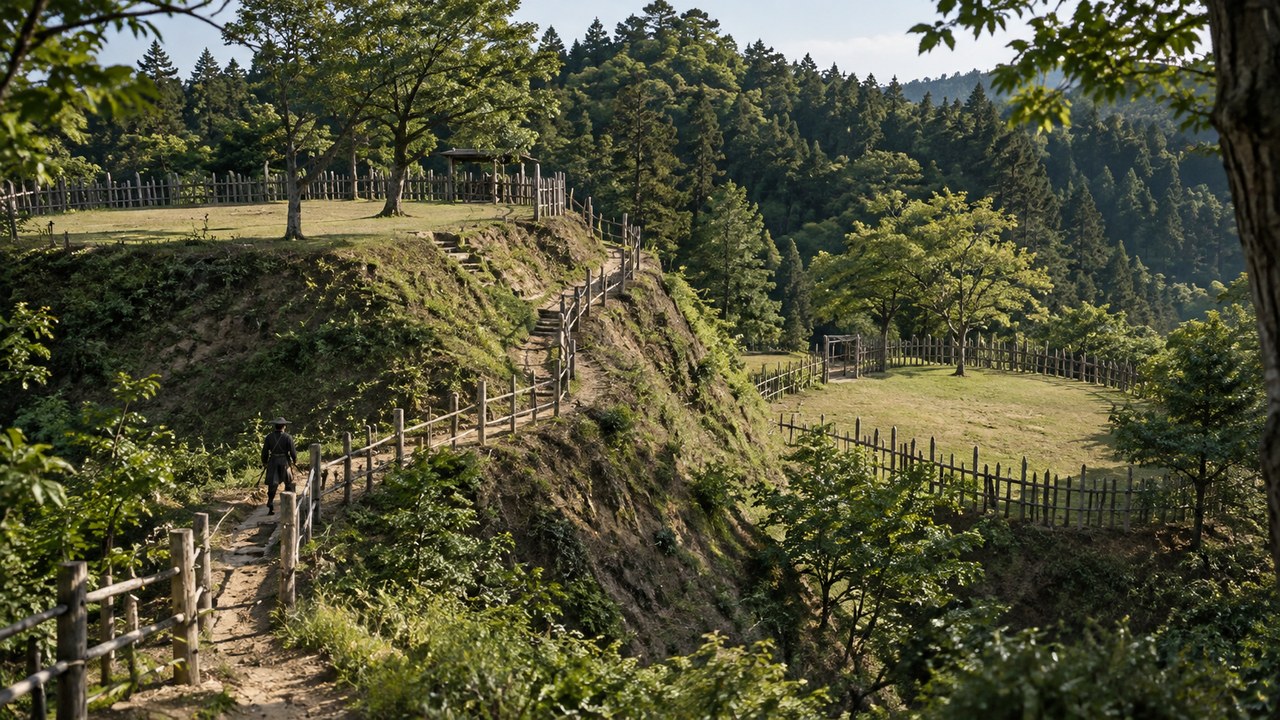
The central enclosure at the summit is called the Tsume. It is a roughly triangular level area about 40 meters on a side, with an earthen rampart surviving along its western part. Ni-no-dan extends to the east, San-no-dan wraps around the Tsume from south to west, and Yon-no-dan lies farther west, where it forms the castle’s entrance works.
A deep cut across the ridge separates the Tsume from Ni-no-dan, and beside it lies a lower terrace called the Tsumekadan. The museum’s guide gives such ridge cuts a width of about three to four meters and a depth of about two meters. A building with foundation stones stood on the lower terrace, which is thought to have guarded the way from Ni-no-dan into the Tsume.
The defenses reached beyond the main enclosures. Southwest of the summit, the outwork known by tradition as the stable enclosure has two ridge cuts on its northwest and a group of vertical ditches on its southern slope, and is thought to have protected the main castle against attack from the west. To the south, the enclosure traditionally called the chief retainers’ residence was surrounded by ridge cuts and ditches.
Chapter 5
Bending the path at the gate
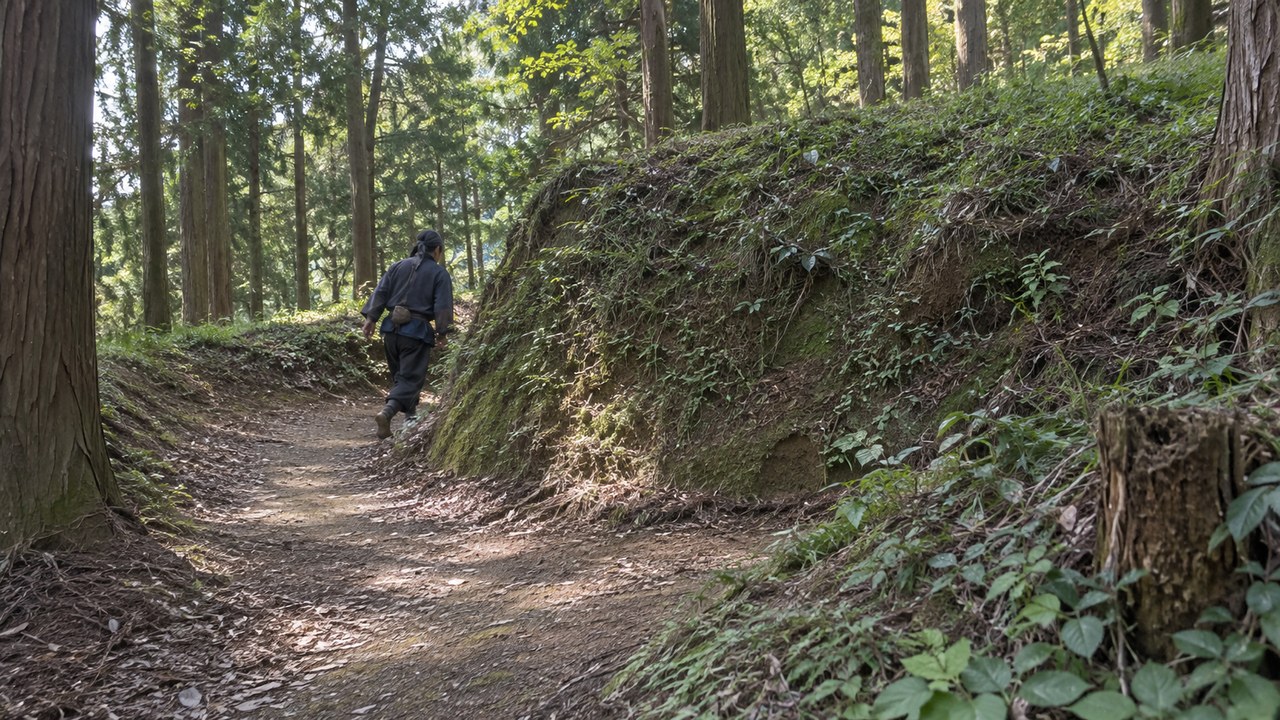
A castle entrance is called a koguchi. Yon-no-dan wraps around the western part of San-no-dan and is divided into northern and southern sections by such an entrance. Its earthen rampart was bent toward the east, a design the museum explains as a means of preventing enemies from pressing straight into the castle.
The enclosure traditionally called the chief retainers’ residence is thought to lie on the main route up the hill, and excavation there began in fiscal 2010. In the third survey, from January 16 to the end of March 2013, six post holes were confirmed on both sides of a trench-like feature about 1.2 meters wide. Nankoku City suggests that a gate-like structure stood there and that passing feet slightly hollowed the path.
The same survey found post holes from a building about 6.8 meters north to south and 7 meters east to west, at least three bays by three bays, on a projecting part of the enclosure. Its position offered a clear view of anyone approaching, so it is thought to have been something like a watchtower. The enclosure’s traditional name, however, does not prove that any particular retainer lived there.
Chapter 6
A water source in the bottom of a ditch
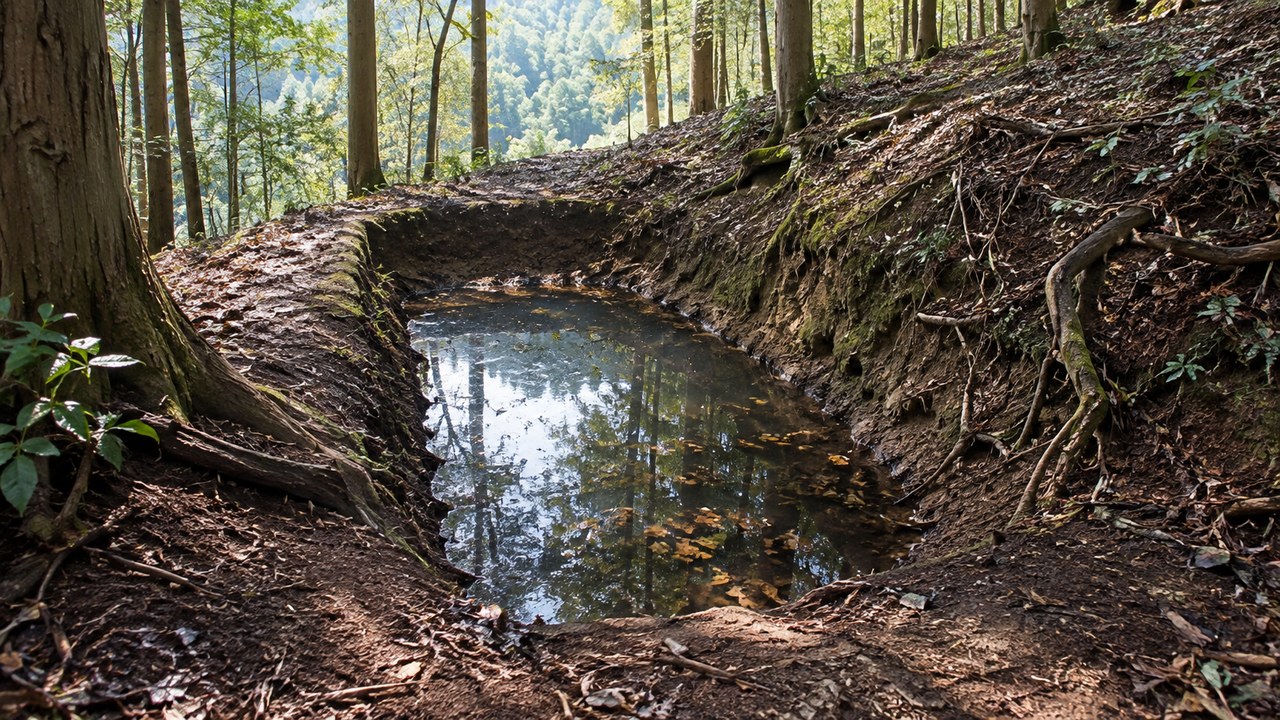
At the center of the ridge cut between the Tsume and Ni-no-dan is a square well. It did not tap a spring. Instead, it appears to have served as a reservoir that collected rainwater. A ditch meant to stop attackers therefore also held a facility on which the people inside the castle could depend for water.
Excavation of the Tsume also revealed a pit thought to have held rainwater. Anyone living on a hilltop needs a reliable supply of water, and these remains show one way that the problem may have been addressed at Okō. They draw attention to the practical work of keeping a castle in use, which is easy to overlook when reading only about battles.
Even so, the shape of these features cannot tell us how much water they stored or how many days a garrison could have held out. What the remains do show is more modest: places for collecting rainwater were prepared close to the center of the castle. Any figure beyond that would be speculation rather than evidence from the ground.
Chapter 7
Two inscriptions on roof tiles
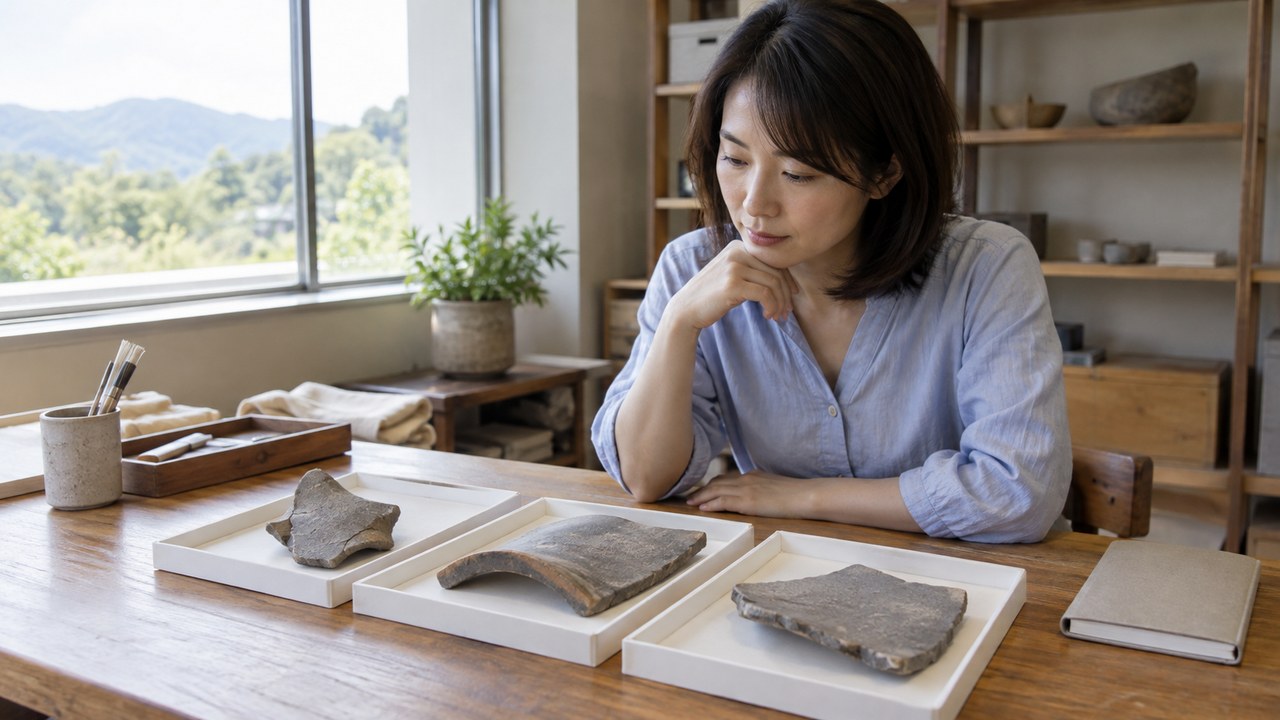
Roof tiles with inscribed characters have been excavated at Okō Castle. One carries the words “Tenshō 3,” a year corresponding to 1575. The prefectural museum takes this as evidence of a large-scale renovation in that year, the same year in which Motochika is generally said to have completed the unification of Tosa.
A second inscription reads “tile maker, Senshū.” The national heritage database cites it as a clue to where the tiles were produced. Senshū is another name for Izumi Province, in the southern part of present-day Osaka Prefecture, but the database does not go so far as to identify a specific production site. The words still raise the question of how far the castle’s builders reached for skilled labor.
A dated tile is a valuable clue to when work was done on a building. It does not mean that the whole castle was finished in 1575. The information carried by one inscription has limits, and the long history of the site, with its destruction, recovery and repeated change, cannot be compressed into the date on a single piece of fired clay.
Chapter 8
The buildings on the summit
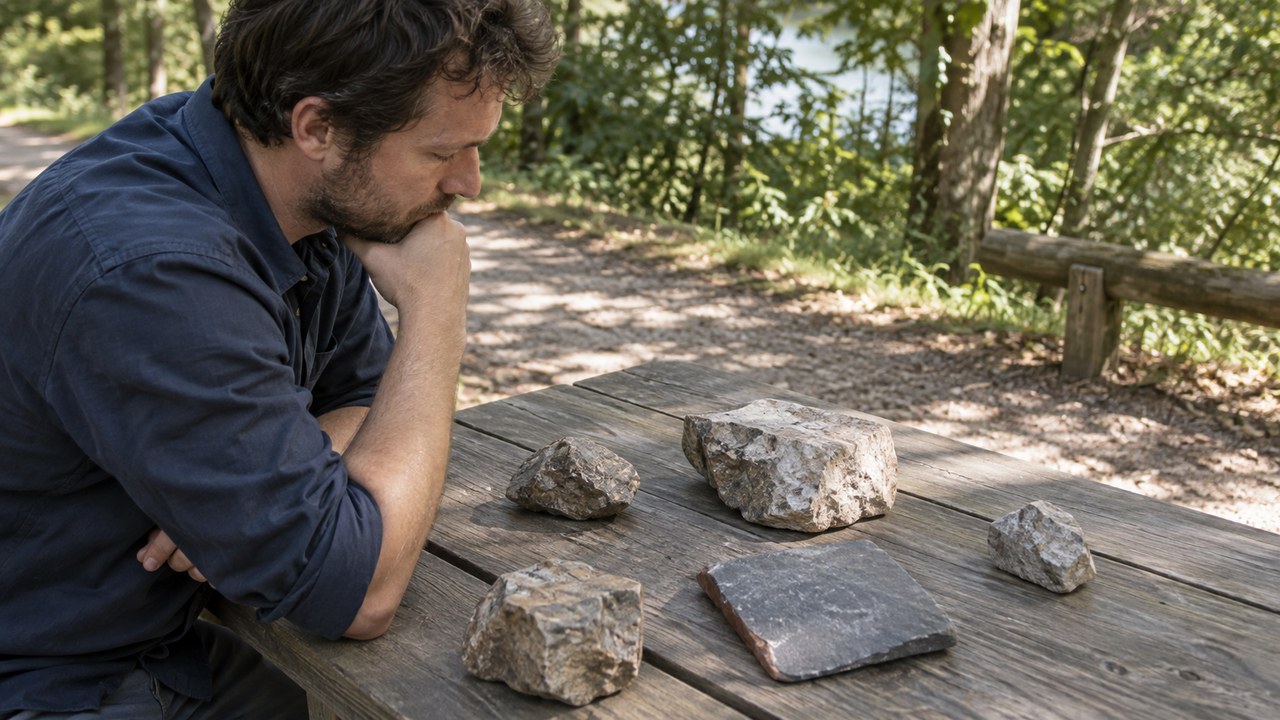
Excavation of the Tsume uncovered paved stone features, foundation stones, groups of post holes and cut stones, and inscribed tiles were found nearby. The Kōchi Prefectural Archaeological Center suggests that the summit may have held a tiled building, perhaps a multistory structure, and perhaps one with a character close to that of a castle keep.
To say that such a building is possible is not to say that its appearance is known. The remains speak mainly of what stood at ground level, and they do not establish how many stories it had or what form its roofs took. For that reason this article offers no picture of a finished keep on the summit of Mount Okō.
The center regards Okō as a pioneering site in the transition from the medieval mountain castle to the early modern castle with keep and stone walls. An exhibition at the prefectural museum, running from October 23, 2026, to January 11, 2027, notes recent research that finds points in common with Oda Nobunaga’s Gifu Castle and raises the possibility of involvement by the central regime.
Chapter 9
An iron pot and a clay dog
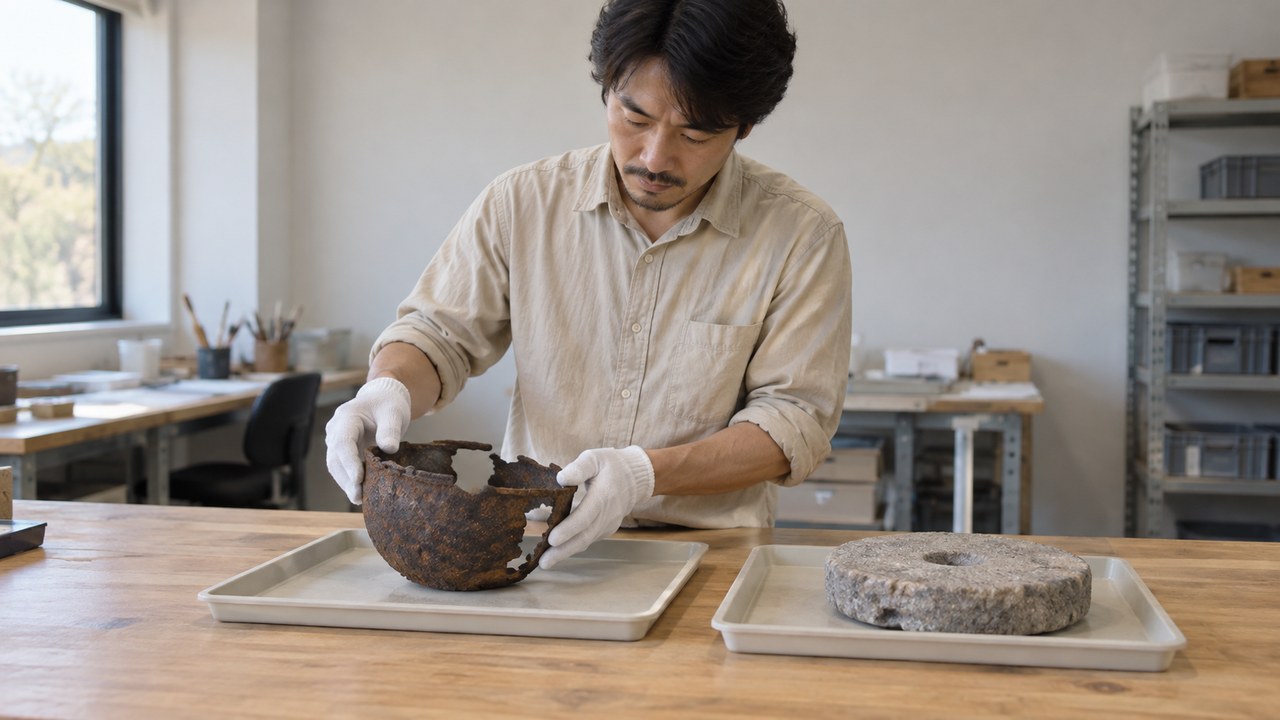
On the western side of San-no-dan, excavators found a large building with foundation stones. Fragments of iron pots and stone mills came from the building, while roof tile fragments were almost absent. The museum presents these finds as evidence of daily life in the castle, a reminder that people prepared food and worked inside these defenses.
A channel between the building and the rampart appears to have carried away water, and stonework lined the inner face of the rampart. A stepped feature in the center, with stone on both sides, is thought to have been a passage leading up to the Tsume. Together these details show the care taken to keep buildings and routes usable.
From Yon-no-dan came a small clay figure of a dog, missing its right foreleg. It is thought to be connected with prayers for safe childbirth. No one can name the person who held it, but an object of this kind, found within a fortified enclosure, suggests that the hill may have been home to more people than soldiers alone.
Chapter 10
Ceramics and lead from across the sea
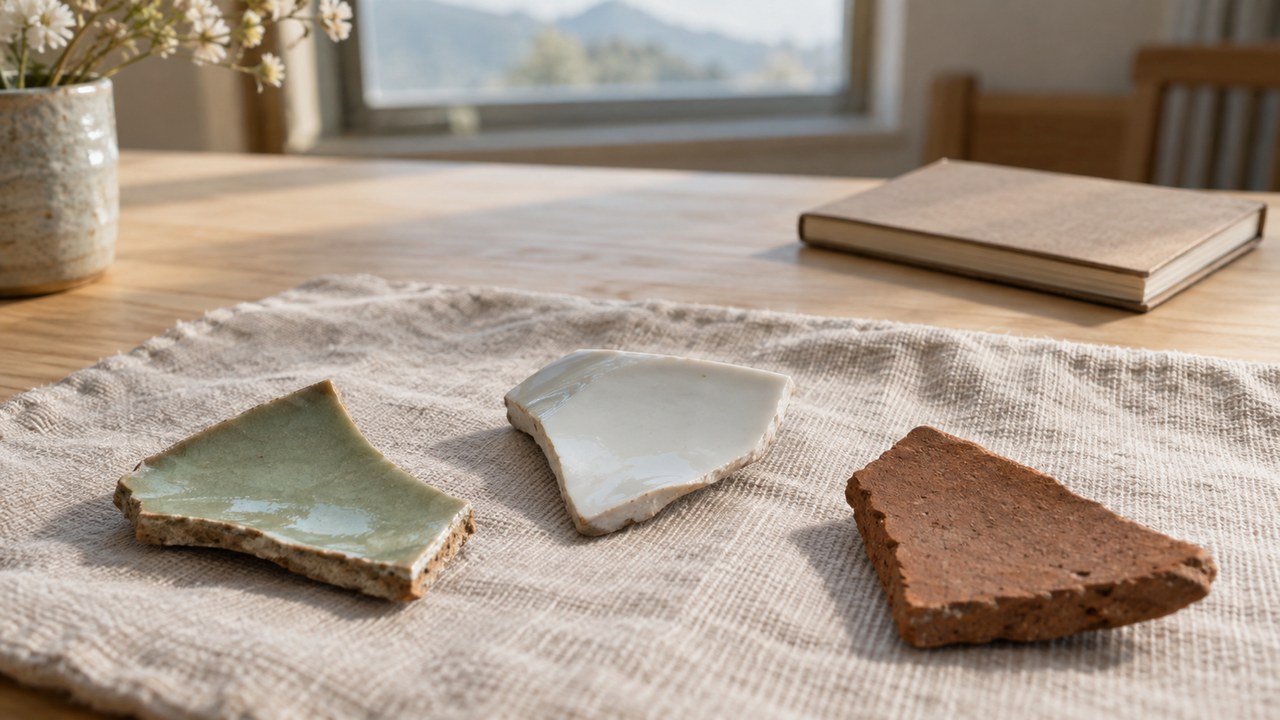
The ceramics recovered at Okō include imported celadon, white porcelain and blue-and-white wares, as well as domestic pottery from Seto, Bizen and Tokoname. Goods made in distant kilns thus reached a hilltop castle in Tosa, connecting the Chōsokabe household to wider networks of production and exchange both within Japan and beyond its shores.
Excavators also found lead balls thought to be matchlock ammunition, together with lead ingots. The lead is said to include material from China, Korea and Thailand as well as from Japan. The objects alone cannot tell us which ports the metal passed through or who carried it, so the route by which it reached Okō remains an open question.
Coins could serve religious purposes as well. On the Tsume, twelve earthenware cups held a total of 91 imported coins, in a feature associated with a ground-purification ritual. A similar find of Song coins in an earthenware dish came from the enclosure traditionally called the chief retainers’ residence, and Nankoku City points to the resemblance between the two.
Chapter 11
Into Shikoku and down from the hill
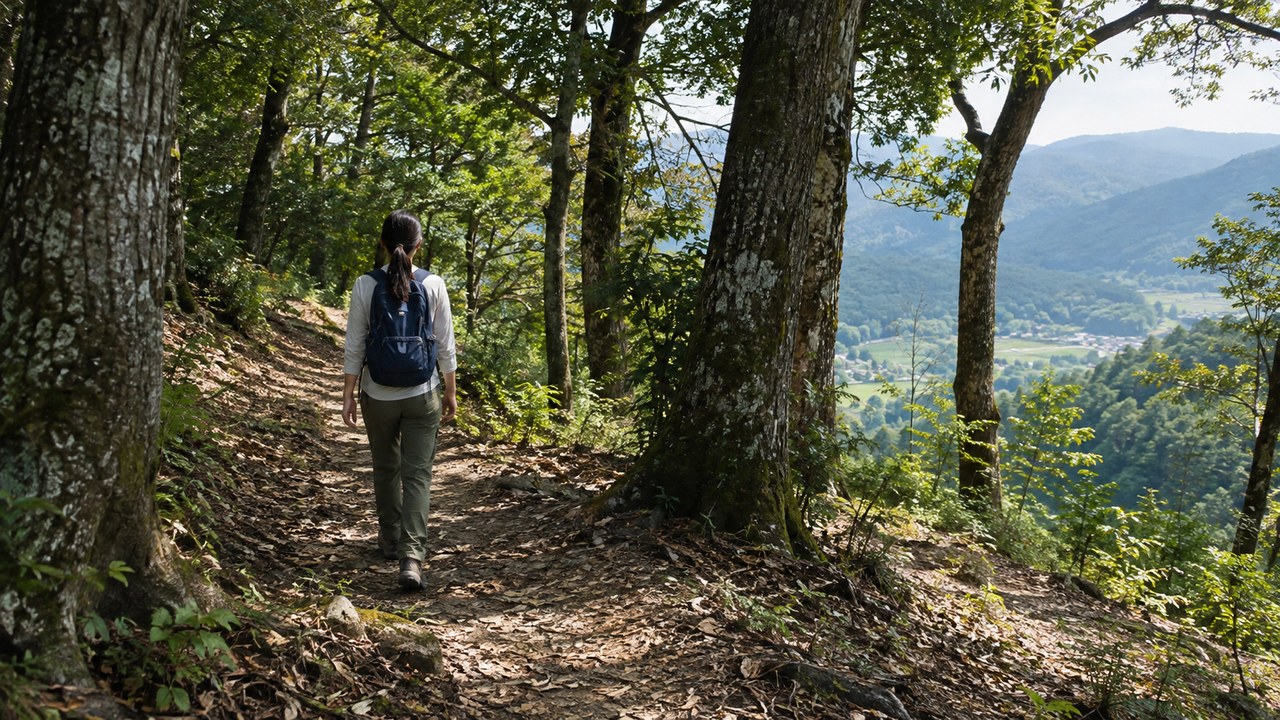
Motochika advanced from Tosa into Awa, Sanuki and Iyo, and by the spring of 1585 he is said to have extended his power over nearly all of Shikoku. Recent documentary research, however, suggests that he did not fully control the entire island. That summer he surrendered to Toyotomi Hideyoshi’s invasion and was left with Tosa alone.
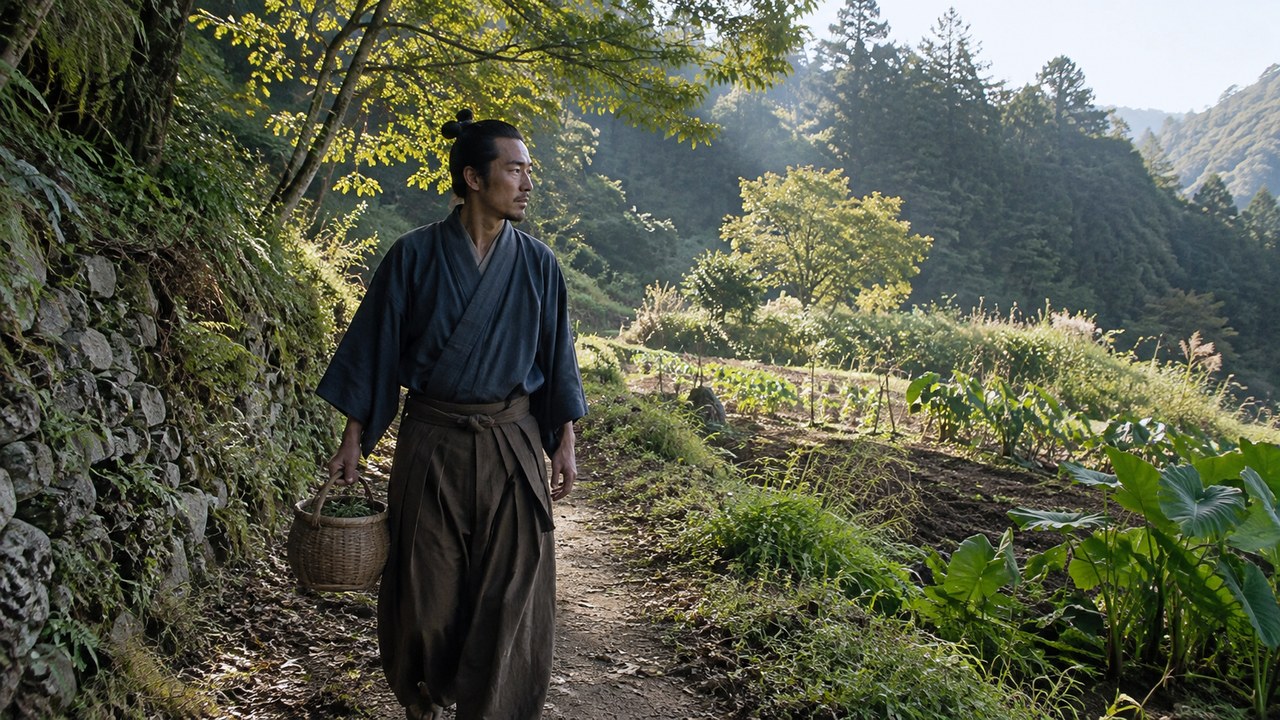
In 1586 his heir Nobuchika was killed at the Battle of Hetsugigawa in Kyushu, and in 1587 Motochika began the land survey that produced the Chōsokabe cadastral records. Around 1588 he moved his residence from Okō to Ōtakasaka, in what is now Kōchi City. The prefectural museum considers that Okō Castle remained in use until that move.
The new site did not last long. According to a Kōchi City history, failed flood control was among the reasons Motochika left Ōtakasaka for Urado in 1591. Later, after Yamauchi Kazutoyo entered Tosa, a new castle was raised on Ōtakasaka Hill, and that is the origin of the Kōchi Castle that visitors see today.
Chapter 12
The Chōsokabe story written in the shape of a hill
Six rounds of excavation took place at Okō between 1985 and 1990, and the remains were protected with soil before their excavated condition was re-created for visitors. The site became a National Historic Site on July 28, 2008, and joined the Continued Top 100 Japanese Castles in April 2017. The national database calls it an extremely important site for tracing the family’s expansion and its absorption into the Oda and Toyotomi order.
The hill preserves defenses shaped from its terrain, an entrance bent to control movement, a ditch that stored rain, tiles marked with a year, fragments of iron pots, and ceramics and lead brought from overseas. Each is a small clue on its own. Set side by side, they show warfare and everyday life taking place in the same space.
The remains do not tell us what Motochika felt when he left this hill. They do preserve a longer story, running from the burned soil of a fallen castle to tiled buildings, and from the seat of a local Tosa lord to the headquarters of a daimyo who reached across Shikoku. That history can still be read in the shape of Mount Okō.
How to read this work
History, interpretation, and reconstruction
Okō Castle cannot be understood through the name of Motochika alone. Reading its layers of destruction and recovery, its enclosures and entrances, and its water, tiles and household tools in sequence shows a family base that changed through both warfare and daily life.
This work is grounded in published sources and historical research. Interior thoughts, dialogue, and some visual details are cinematic reconstructions. Where historians disagree, the article presents the point as debated rather than settled fact.
Timeline
The story in time
-
Chōsokabe Kunichika is thought to restore the castle, with leveling work at Ni-no-dan.
Sources: s03 -
A Kōchi City guide records that Tosa Shrine burned when the Motoyama attacked Okō.
Sources: s09 -
Motochika destroys the Aki family of eastern Tosa.
Sources: s14 -
Motochika drives out Ichijō Kanesada.
Sources: s15 -
Six rounds of excavation are carried out at the castle.
Sources: s02 -
The third survey of the traditional chief retainers’ residence confirms post holes from a gate-like structure.
Sources: s04 -
The castle is selected for the Continued Top 100 Japanese Castles.
Sources: s02
People & terms
A guide for new readers
Key figures
- Chōsokabe Motochika
- Daimyo who unified Tosa from Okō Castle and extended his power across Shikoku.
- Chōsokabe Kunichika
- Motochika’s father, thought to have restored Okō Castle around 1516.
- Chōsokabe Nobuchika
- Motochika’s heir, killed at the Battle of Hetsugigawa in 1586.
- Ichijō Kanesada
- Head of the Ichijō family of western Tosa, driven out by Motochika in 1574.
Glossary
- Tosa 土佐
- The historical province corresponding to present-day Kōchi Prefecture on the island of Shikoku.
- Tsume 詰
- The central enclosure at the summit of Okō Castle.
- Ni-no-dan 二ノ段
- The enclosure east of the Tsume, separated from it by a ridge cut.
- San-no-dan 三ノ段
- The enclosure that wraps around the Tsume from the south to the west.
- Yon-no-dan 四ノ段
- The western enclosure that forms the castle’s bent entrance.
- Koguchi 虎口
- A castle entrance, often designed to bend the path of anyone entering.
- Horikiri 堀切
- A ditch cut across a ridge to block movement along it.
- Tatebori 竪堀
- A dry ditch dug vertically down a slope.
- Tamei 溜井
- A well or basin used to store water, here rainwater.
- Jichin 地鎮
- A ritual for purifying and calming the ground before or during construction.
Sources & method
How this article was built
This English edition follows the revised Japanese article scene by scene and keeps its fifteen sources, their order and its sixteen timeline entries. It draws on the Kōchi Prefectural Museum of History, the Kōchi Prefectural Archaeological Center, Nankoku City, Kōchi City, the Agency for Cultural Affairs, Nippon Tabi Magazine, Serai.jp, Tokyo Art Beat and Yamakawa Shuppansha’s Historist.
Institutional explanations, reference articles and the interpretation offered here are kept separate. Where sources differ, as they do on the elevation of the hill and the date of the castle’s founding, the difference is stated. Names whose readings could not be confirmed are described by role. Images are AI-generated reconstructions, not authentic portraits or site photographs.
Sources
References and further reading
- Okō Castle Site 岡豊城跡 Title translated editorially for reader convenience. Kōchi Prefectural Archaeological Center 高知県立埋蔵文化財センター Used for the layout of the enclosures, finds on the summit, the buried coins and the castle’s place in the transition to early modern castles. Accessed 2026-11-18
- National Historic Site: Okō Castle 国史跡岡豊城跡 Title translated editorially for reader convenience. Kōchi Prefectural Museum of History 高知県立歴史民俗資料館 Used for terrain, dating, excavation history, protective treatment of the remains, tiles, the clay dog, lead and designation dates. Accessed 2026-11-18
- A Walk Through the Okō Castle Site 岡豊城跡散策 Title translated editorially for reader convenience. Kōchi Prefectural Museum of History 高知県立歴史民俗資料館 Used for descriptions of each enclosure, the fall and recovery layers, ridge cuts, the rainwater well, the entrance and the San-no-dan building. Accessed 2026-11-18
- Third Survey of the Traditional Chief Retainers’ Residence 伝家老屋敷曲輪の第3次調査 Title translated editorially for reader convenience. Nankoku City Lifelong Learning Division 南国市生涯学習課 Used for the post holes, the gate-like structure, the watchtower-like building and the ritual deposit found in 2013. Accessed 2026-11-18
- National Historic Site: Okō Castle 国史跡 岡豊城跡 Title translated editorially for reader convenience. Nankoku City 南国市 Used for foundation-stone and tiled buildings, stonework, views, the history park and the 2008 designation. Accessed 2026-11-18
- Okō Castle Site (Cultural Heritage Online) 岡豊城跡(文化遺産オンライン) Title translated editorially for reader convenience. Agency for Cultural Affairs 文化庁 Used for the designation date, the 94-meter elevation, the fifteenth-century base, the castle town, tile inscriptions and the assessment of the site. Accessed 2026-11-18
- The Path of the Chōsokabe 長宗我部氏の軌跡 Title translated editorially for reader convenience. Kōchi City Tourism Division 高知市観光魅力創造課 Used for the chronology of Motochika, the burning and rebuilding of Tosa Shrine, and the moves to Ōtakasaka and Urado. Accessed 2026-11-18
- Kōchi City Past and Present 高知市今昔物語 Title translated editorially for reader convenience. Kōchi City 高知市 Used for the move to Ōtakasaka, the move to Urado after flood-control problems, and the later castle of Yamauchi Kazutoyo. Accessed 2026-11-18
- Okō Castle 岡豊城 Title translated editorially for reader convenience. Nippon Tabi Magazine ニッポン旅マガジン Used for the family’s founding tradition and the castle’s serpentinite hill and wet fields. Accessed 2026-11-18
- Statue of Chōsokabe Motochika’s First Battle 長宗我部元親初陣の像 Title translated editorially for reader convenience. Nippon Tabi Magazine ニッポン旅マガジン Used for the Battle of Nagahama in 1560 and Kunichika’s attack on the Motoyama. Accessed 2026-11-18
- The Two Great Castles of Kōchi Prefecture 高知県二大名城とは!? Title translated editorially for reader convenience. Nippon Tabi Magazine ニッポン旅マガジン Used as an example of the thirteenth- to fourteenth-century founding date given in some guides. Accessed 2026-11-18
- From the Unification of Tosa to Hideyoshi’s Invasion of Shikoku 長宗我部元親の土佐統一から秀吉の四国攻めまで Title translated editorially for reader convenience. Serai.jp サライ.jp Used for the Aki family, the unification of Tosa, the events of 1585 and the years that followed. Accessed 2026-11-18
- The Life of Chōsokabe Motochika 長宗我部元親の生涯(解説記事) Title translated editorially for reader convenience. Serai.jp サライ.jp Used for the two proposed birth years, the succession of 1560, the expulsion of Ichijō Kanesada and the move to Ōtakasaka. Accessed 2026-11-18
- Chōsokabe Motochika’s Castles and the Conquest of Shikoku (exhibition notice) 長宗我部元親の城づくり —四国制覇に向けて—(展覧会案内) Title translated editorially for reader convenience. Tokyo Art Beat Tokyo Art Beat Used for current research on the conquest of Shikoku and the comparison with Gifu Castle in the prefectural museum’s exhibition. Accessed 2026-11-18
- Chōsokabe Motochika in Four Panels 4コマで長宗我部元親 Title translated editorially for reader convenience. Yamakawa Shuppansha, Historist 山川出版社 ヒストリスト Used for the conquest of Shikoku in spring 1585 and the surrender to Hideyoshi. Accessed 2026-11-18
Continue reading
More stories from Shigeki
Shigeki English
The Ōmiya Incident: The Night Ryōma and Nakaoka Were Attacked, Read Through the Surviving Records
The Teradaya, the return of power, the move to the Ōmiya, the night of the attack, three deaths, the funeral at Ryōzen, the Mimawarigumi testimony and theories of a hidden hand, with what can be confirmed kept apart from competing accounts.
- When The attack on the 15th day of the 11th month of Keiō 3 (10 December 1867), with its background from 1865 and later testimony, the 1927 marker and the 1962 statues
- Where The Ōmiya, a soy-sauce merchant’s shop on Kawaramachi in Kyoto.
Shigeki English
Amakusa Shiro at Hara Castle: A Young Symbol in the Surviving Evidence
An Arima castle, Matsukura taxes, risings in Shimabara and Amakusa, Itakura’s death, Nobutsuna’s siege and the fall of the castle: the history of the people who gathered under a boy’s name, told within the limits of the sources.
- When Kan’ei 14–15 (1637–1638), with the castle’s construction (1599–1604) and modern excavation and World Heritage inscription (2018) as background
- Where Shimabara and Amakusa in southwestern Japan, culminating in the siege of Hara Castle