
SHIGEKI ENGLISH STORYEN
Japanese history in English
The Siege of Odawara: The Great Enclosure, the One-Night Castle and the Fall of the Hōjō
A nine-kilometre ring of moats, a stone headquarters on the mountain, and the hundred days that ended the Hōjō.
In 1590 Toyotomi Hideyoshi surrounded the Hōjō stronghold of Odawara. Follow the campaign from the Nagurumi Castle incident through the town-wide enclosure, the fall of Yamanaka, the “One-Night Castle” that took eighty days to build, the fighting at the branch castles, the surrender and the move of Tokugawa Ieyasu to the Kantō.
At a glance
Before you enter the story
- When
- From the building program of 1587 and the Nagurumi incident of 1589 through the siege of 1590 (Tenshō 18) and its aftermath; months and days follow the calendar of the time.
- Where
- Odawara Castle and its town-wide enclosure in Sagami Province, Mount Ishigaki, and branch castles across the Kantō.
- Key figures
- Toyotomi Hideyoshi, Hōjō Ujinao, Hōjō Ujimasa, Hōjō Ujiteru, Hōjō Ujinori, Tokugawa Ieyasu
- What was at stake
- Whether the most powerful family in eastern Japan could survive the armies of a nearly unified realm, and who would rule the Kantō afterward.
Why this story matters
The larger history behind the turning point
The fall of the Hōjō removed the last great independent power in eastern Japan and carried Hideyoshi close to national unification. It also brought Tokugawa Ieyasu to Edo, setting the stage for the city that would become modern Tokyo.
Odawara is also a lesson in how to read a famous story. The legend of a castle built overnight, the differing troop figures and the surviving earthworks each say something different, and keeping them separate gives a clearer picture of the campaign.
Historical context
What an international reader needs to know
Names and places
The Hōjō of Odawara, often called the Later Hōjō, are a different family from the Hōjō regents of the Kamakura period. In 1590 Ujinao was head of the family, while his father Ujimasa remained a powerful figure. Ujiteru and Ujinori were Ujimasa’s brothers.
The Kantō is the region around present-day Tokyo. Sagami, Musashi and Kōzuke were historical provinces. Mount Ishigaki stands southwest of Odawara across the Hayakawa River, and Hakone lies on the western approach from which Hideyoshi’s forces advanced.
Reading the evidence
Troop numbers and some dates differ between sources, and this article states those differences. Months and days follow the lunisolar calendar in use at the time and are not converted to the modern calendar.
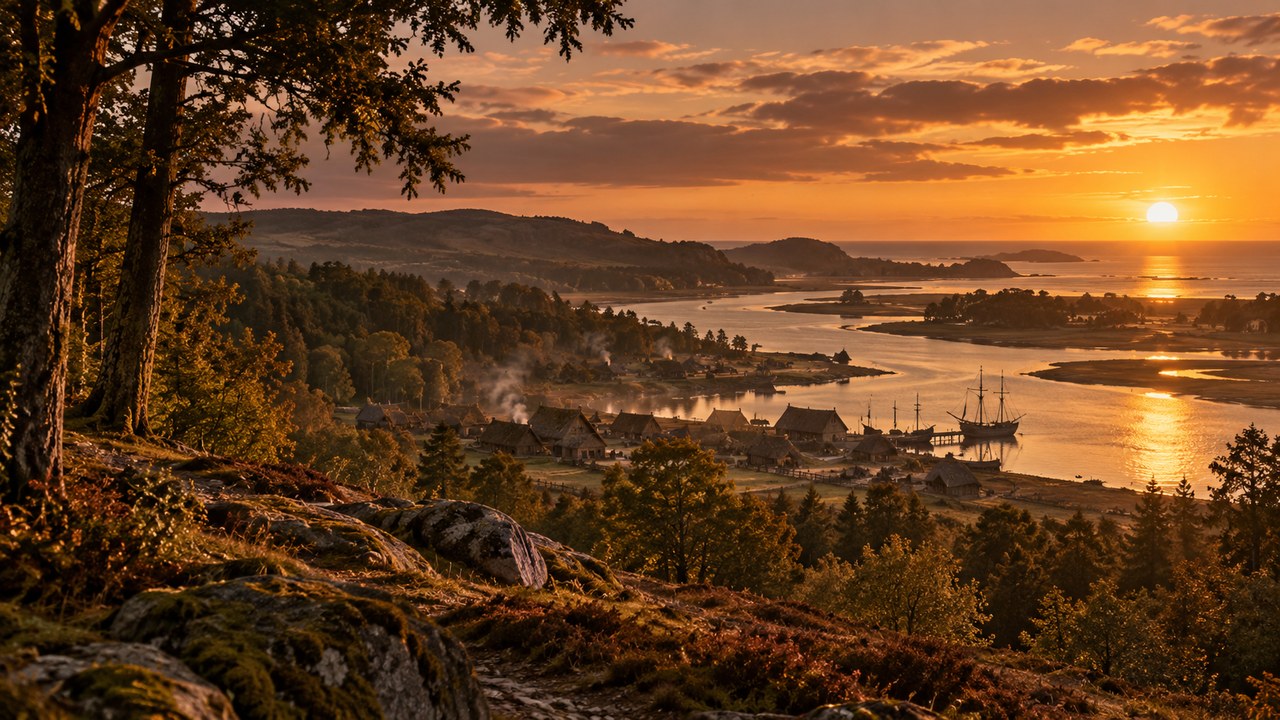
The one-night construction of Mount Ishigaki is treated as legend, because recorded dates show about eighty days of work. Images in this article are AI-generated reconstructions, not site photographs or exact restorations.
Watch the film
See the story in motion
The film currently uses Japanese audio. This English article provides the context and source trail; it does not imply that an English subtitle track is available.
Opening
A castle that reached far beyond its keep
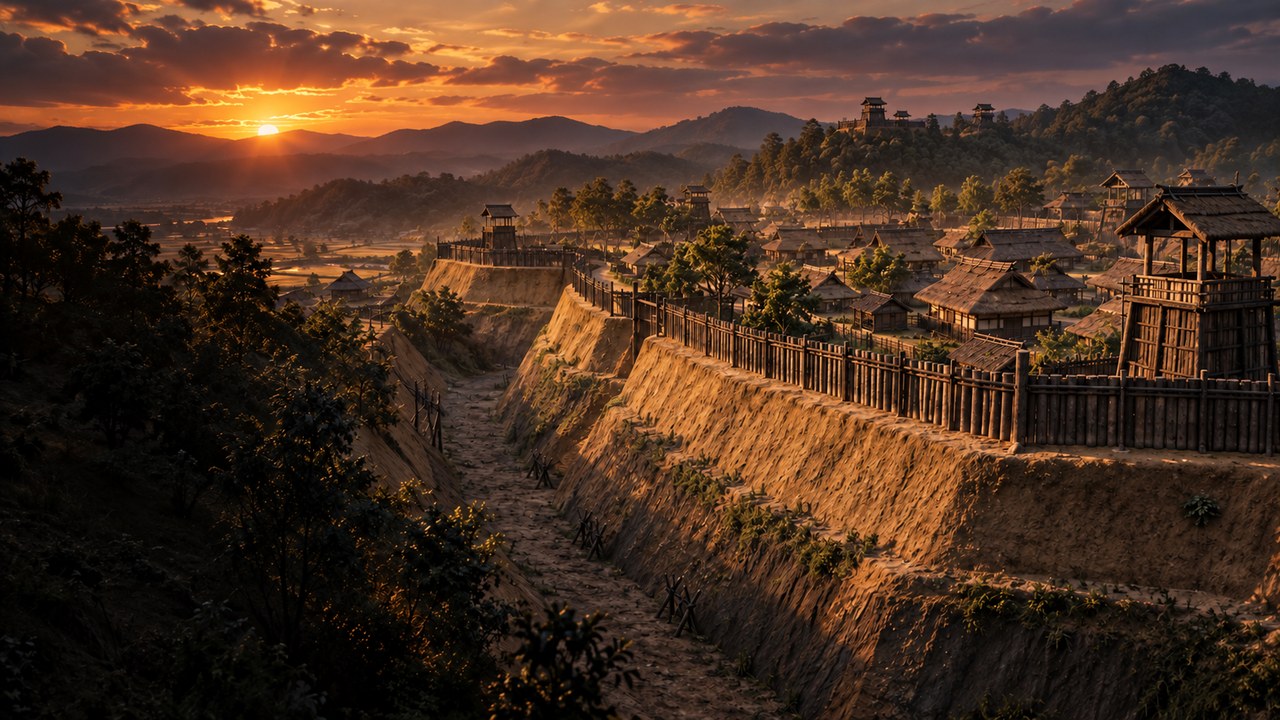
Mention Odawara Castle and many people picture a white keep rising above the city. The castle that faced Toyotomi Hideyoshi’s vast army in 1590, the eighteenth year of the Tenshō era, looked very different. Earthen ramparts and moats enclosed the castle town itself in a defensive circuit known as the sōgamae, which ran for about nine kilometres.
The struggle for this castle lasted from the end of the third month to the beginning of the seventh, and it ended with the surrender of the Hōjō side and the opening of the gates. Outside the walls Hideyoshi raised a headquarters on Mount Ishigaki. Inside, a lord was still confirming the succession of his retainers, while subordinate castles across the Kantō region fought their own battles.
This article follows the campaign in order, from the dispute that started it through the great enclosure, the mountain headquarters, the fighting at the branch castles, and the surrender and its aftermath. Months and days are given in the calendar used at the time. Where sources disagree about numbers or explanations, those differences are stated rather than smoothed away.
Chapter 1
The Numata ruling and Nagurumi Castle
After subduing Kyushu, Hideyoshi turned to bringing the Hōjō of the Kantō under his authority. The family was repeatedly told to come to the capital, but it refused on the grounds that the question of the Numata territory in Kōzuke Province remained unsettled. Hideyoshi therefore issued a ruling that gave two-thirds of Numata to the Hōjō and one-third, including Nagurumi Castle, to the Sanada, and he secured a promise that either Ujimasa or his son Ujinao would come to the capital.
Before that promise was kept, a new incident broke the settlement. In the eleventh month of 1589, the Hōjō retainer Inomata Kuninori seized Nagurumi Castle, which belonged to the Sanada side under the ruling. A single stronghold on the northern edge of the Hōjō domain had suddenly become a political crisis.
Hideyoshi would not let the seizure pass. That same month he ordered a campaign against the Hōjō and is said to have sent Ujinao a fiercely worded declaration of war. An argument over where one boundary should run thus became the trigger for a campaign that would mobilize warriors from across the country.
Chapter 2
One hundred eighty thousand, or two hundred twenty thousand?
In 1590 Hideyoshi called up the daimyo of the realm. Odawara City’s account puts the Toyotomi army at about 180,000 and the Hōjō defenders at about 50,000. A document published by the Shizuoka Prefectural Central Library instead gives the Toyotomi total as 220,000, so the figures vary according to the source and should be read as broad estimates.
Hideyoshi fixed the first day of the third month as the date of his departure and reached Numazu on the twenty-seventh. On the twenty-eighth he ordered attacks on Yamanaka Castle, which guarded the approach to the Hakone pass, and on Nirayama Castle in Izu. His forces closed on Odawara by sea as well as by land.
The Hōjō chose to stand a siege. Whichever total is preferred, they were heavily outnumbered, and their hopes rested on two assets: the immense enclosure around Odawara and the network of subordinate castles spread across their domain. The coming months would test both of those defences in very different ways.
Chapter 3
Yamanaka Castle falls in half a day
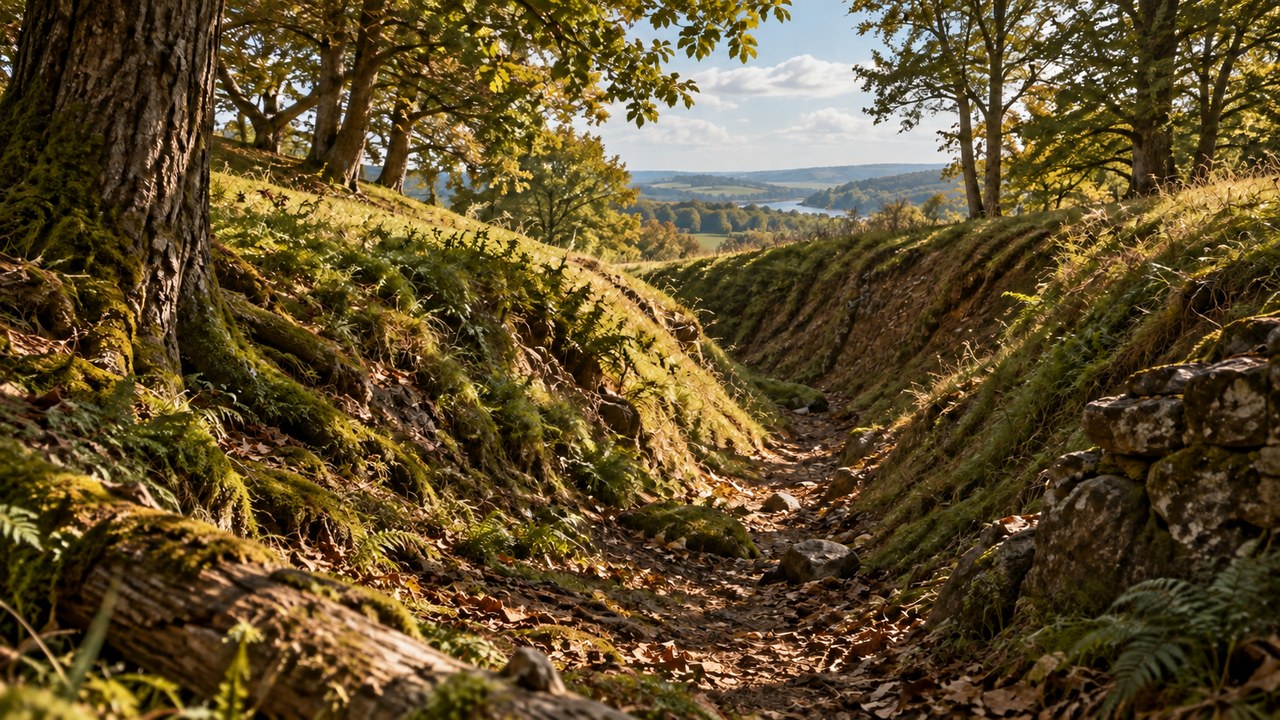
Yamanaka Castle in the Hakone hills was built by the Hōjō around the middle of the sixteenth century and was held by rotating garrisons rather than a resident lord. Its moats and outworks were improved before Hideyoshi’s advance, and excavation has revealed the shōji-bori typical of Hōjō fortification, a ditch whose floor was divided by low ridges of earth left in place.
On the twenty-ninth day of the third month the main Toyotomi force, about 67,800 men, attacked. The defenders numbered roughly 4,000 to 5,000. The castle fell before noon, and tradition remembers it as a stronghold lost in half a day despite all the care that had gone into its defences.
Even a carefully prepared castle could not hold for long against an army more than ten times its size. With the Hakone barrier broken, the Toyotomi host could move on Odawara itself. The Britannica entry in the Kotobank reference collection records that the encirclement of Odawara Castle began on the third day of the fourth month.
Chapter 4
An enclosure around an entire town
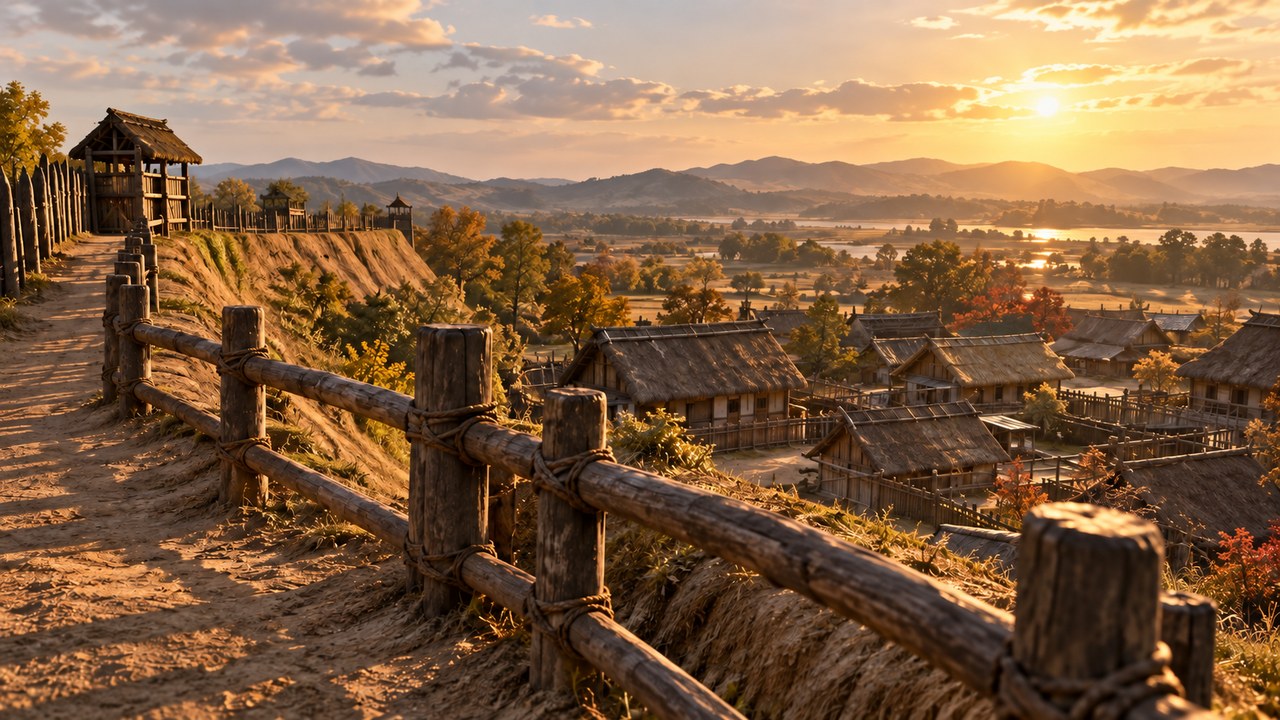
The sōgamae was a defensive line of moats and earthen ramparts surrounding both castle and town. It extended for about nine kilometres across hills and lowland, and a survey map indicates that its ditches reached depths of seven to eleven metres in places. The castle precinct measured about three kilometres east to west and two kilometres north to south, covering roughly 400 hectares, and it is regarded as among the largest fortifications in Japan at the time.
Traces of this work survive in the hills today. At the western end, the great cut at Komine Mikane-no-dai consists of three parallel trenches known as the east, middle and west ditches, and the east ditch is nearly twenty metres wide. The east ditch came first, while the middle and west ditches are thought to have been added in preparation for the Odawara campaign.
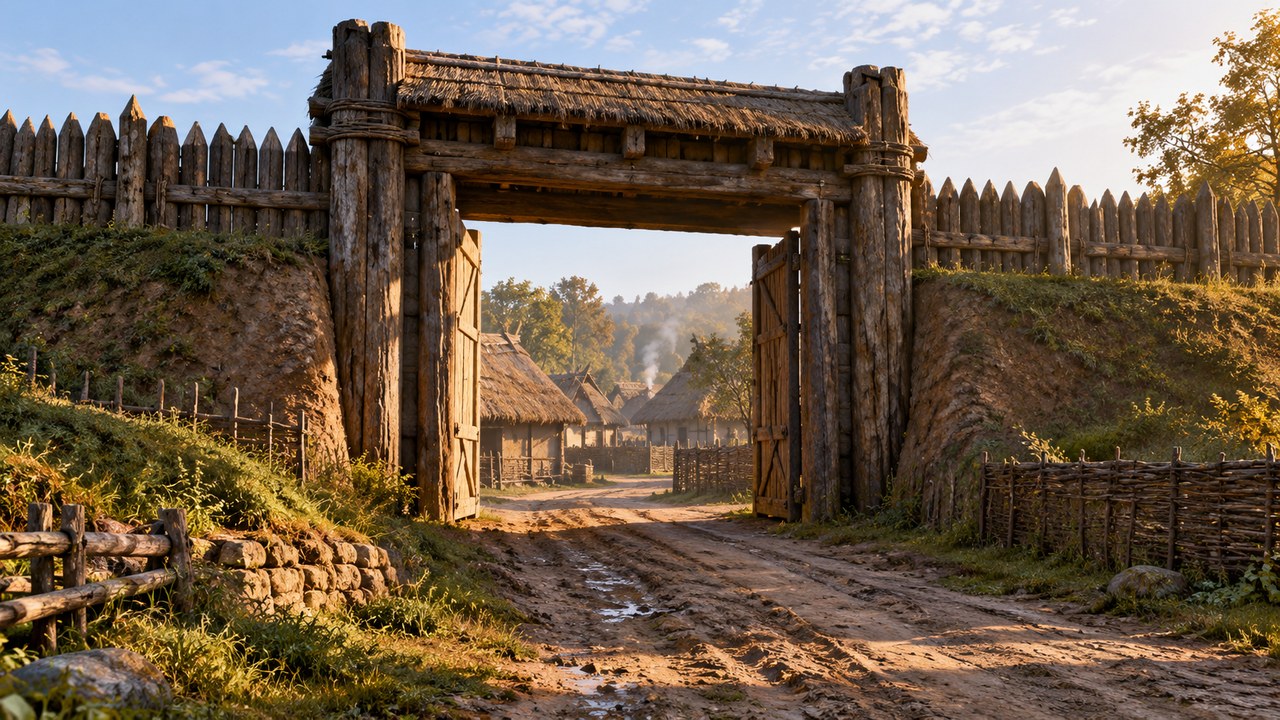
Excavation in the western enclosure of the old Hachimanyama compound also found a shōji-bori with barriers left standing on the ditch floor. With a width of 23 to 24 metres at the top, it is among the largest ditches confirmed at the site. Odawara’s strength lay less in tall buildings than in the skill of digging and piling earth.
Chapter 5
When was it built?
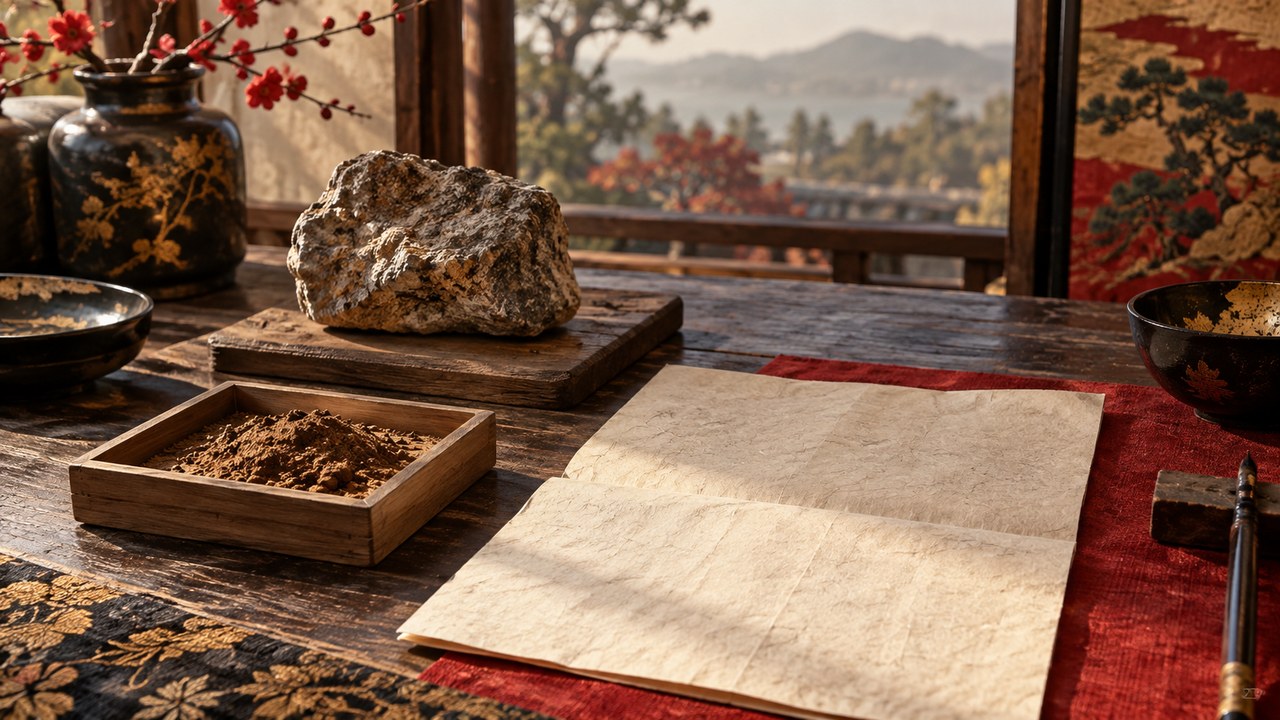
Accounts of when the sōgamae was built are not uniform. Odawara City’s preservation plan describes a major building program that began in 1587 and included the enclosure, while another section of the same plan estimates that work on the enclosure began around the autumn of 1589. The two statements point to a period of construction rather than a single fixed date.
Materials from the Kanagawa Prefectural Board of Education similarly explain that an outer defensive line was built on the hills by 1587 and that the enclosure was constructed in preparation for Hideyoshi’s attack. It is reasonable to read the defences as a system that grew in stages and was completed as the sōgamae shortly before the war.
What can be said with confidence is that this was a response to the threat from Hideyoshi. Even so, not every rampart and ditch visible today necessarily preserves its 1590 form. Rebuilding during the Edo period and later development have to be taken into account when reading the landscape as evidence of the siege.
Chapter 6
A document written during the siege
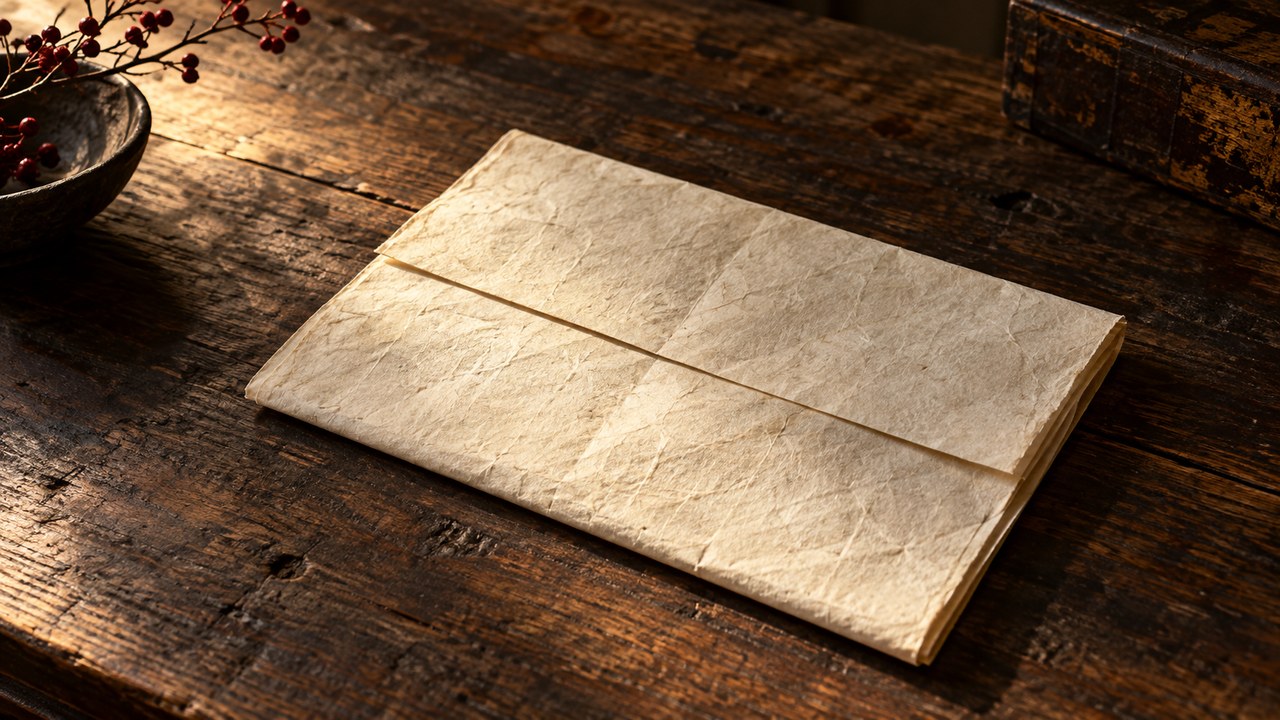
One glimpse of life inside the encirclement comes from the Ikeda documents introduced by the Odawara City Museum of Local History. A document dated the twenty-fifth day of the fourth month of 1590, issued by Hōjō Ujinao, allowed the younger brother of a man named Magogorō, who had died in battle without children, to inherit his family name.
Ujinao also ordered the successor to lead the family’s attached warriors and retainers and to remain loyal to the Hōjō as before. The survival of a household was a central concern for any retainer, and guaranteeing it was an important duty of a lord. Even under siege, the work of maintaining the bond between lord and vassal continued.
The limits of this evidence are clear. Neither Magogorō nor his brother appears in any other record, and the city’s explanation gives the brother’s name in two forms, Yakurō and Magokurō. The time and place of Magogorō’s death cannot be fixed, and the city suggests only that he may have fallen in the early fighting.
Chapter 7
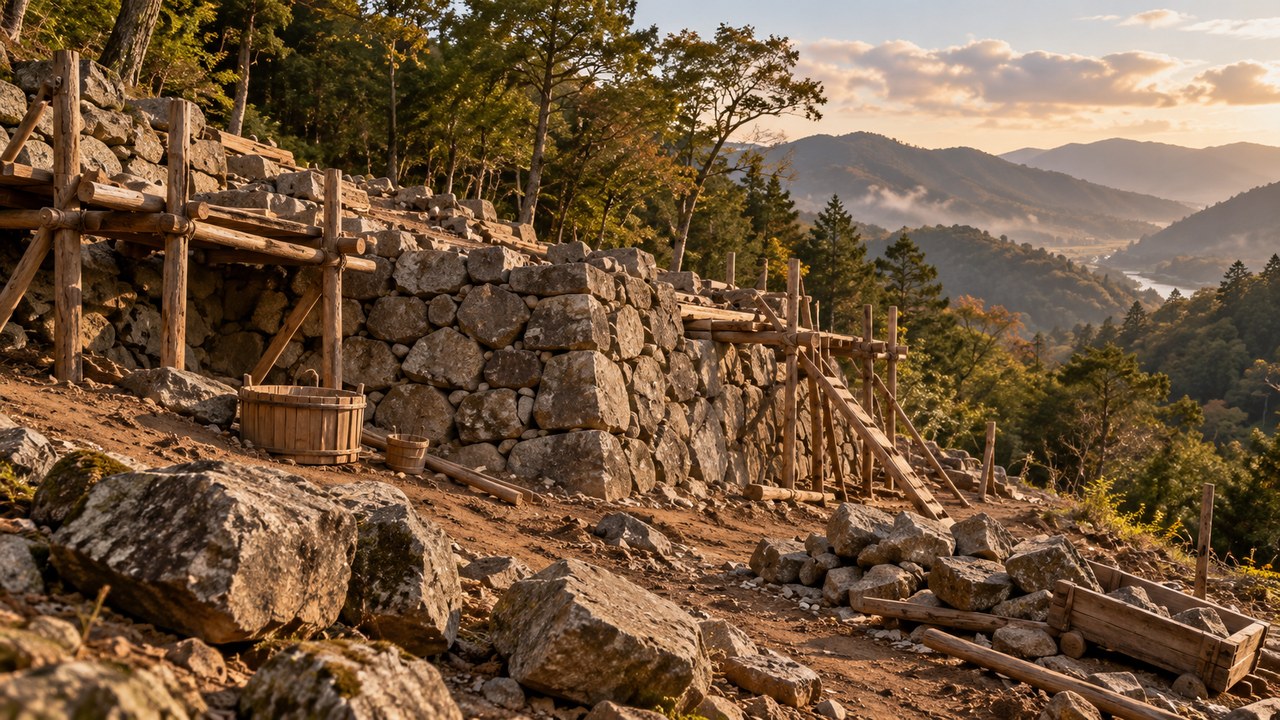
A headquarters on Mount Ishigaki
Preparing for a long campaign, Hideyoshi built a headquarters on a 241.3-metre mountain about 2.8 kilometres southwest of Odawara Castle, across the Hayakawa River. According to the Agency for Cultural Affairs database, construction started on the fifth day of the fourth month and was completed on the twenty-sixth day of the sixth. The work took about eighty days, and one account says some 40,000 labourers were mobilized in total.
The summit was arranged with the main enclosure at the highest point and a second enclosure, a southern enclosure and a well enclosure around it. The well enclosure, which protected a spring rising at the bottom of a valley-like hollow with stone walls, is described as a rare type of construction.
Mount Ishigaki is introduced as the first stone-walled castle built in the Kantō region, and the mountain’s name itself comes from those stone walls, or ishigaki. In the middle of the siege, a stone fortress of a kind unfamiliar in the region appeared on the heights overlooking Odawara, a visible statement of the attackers’ intention to stay.
Chapter 8
Was the One-Night Castle really built in a night?
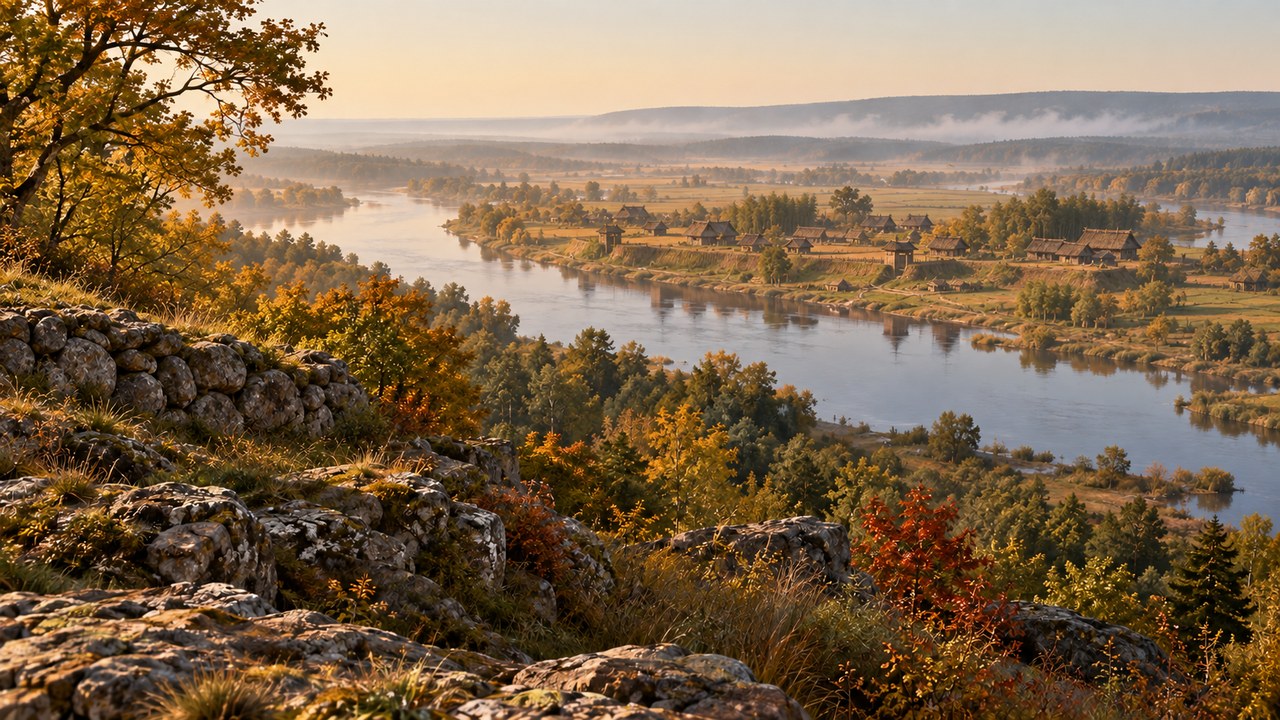
The fortress is famous as the Ichiya-jō, or One-Night Castle. According to the story, frames for walls and towers were raised among the trees on the summit and covered with white paper to look like plaster, and the surrounding trees were cut down in a single night. The defenders in Odawara were supposedly astonished and lost heart at the sight.
The recorded dates of construction show that the work took about eighty days, so the tale is best enjoyed as legend. That the castle commanded a view toward Odawara is one matter, while what the Hōjō side felt on seeing it is another. The sources do not allow the first fact to prove the second.
The long campaign left other stories as well. Hideyoshi is said to have ordered the tea master Sen no Rikyū to build a tea room at a residence in Enoura, where he entertained his commanders with the tea ceremony. According to tradition, this room later came to be known as the Tenshōan.
Chapter 9
The branch castles give way
While Odawara was surrounded, subordinate castles across the Kantō came under attack. Hachigata Castle in Musashi was besieged by forces including those of Maeda Toshiie and Uesugi Kagekatsu. After holding out for more than a month, it was surrendered on condition that the lives of the garrison be spared.
The fall of Hachiōji Castle is remembered as especially terrible. Its lord, Hōjō Ujiteru, was inside Odawara, and the castle was left in the charge of his deputy, Yokochi Kenmotsu. On the twenty-third day of the sixth month, about 15,000 troops under commanders including Uesugi, Maeda and Sanada attacked, and more than a thousand people, among them women and children, are said to have been killed or to have taken their own lives.
At Oshi Castle in Musashi, Ishida Mitsunari attempted to flood the defenders out. The embankment built for this purpose, the Ishida Dike, is said to have run for about 28 kilometres, and a section survives as a prefectural historic site. Oshi is remembered for withstanding the flood, but as the wider network of castles broke apart, Odawara grew increasingly isolated.
Chapter 10
Negotiation, surrender and handover
Late in the sixth month, Hideyoshi pressed forward with efforts at a settlement. According to the reference entries, Hōjō Ujinori, who had been defending Nirayama, entered Odawara Castle and urged Ujimasa and the others to make peace. The senior retainer Matsuda Norihide is also reported to have turned to the enemy, so the castle was no longer united within.
On the fifth day of the seventh month, Ujinao offered to surrender on condition that the members of his family and his retainers be spared. Hideyoshi spared Ujinao but ordered death for Ujimasa and other senior figures. The castle was handed over four days later, on the ninth. One reference work speaks of a surrender at the end of the sixth month, a reminder that the process did not unfold in a single day.
The Kanagawa Prefectural Board of Education describes the outcome as a bloodless opening of the castle. Odawara did not fall because its great enclosure was stormed and overrun. After roughly three months of encirclement, the siege came to an end through negotiation and decision rather than through a final assault on the town.
Chapter 11
The end of the Hōjō and Ieyasu’s move to the Kantō
On the eleventh day of the seventh month, Ujimasa and his brother Ujiteru took their own lives, and Matsuda Norihide and Daidōji Masashige were executed. Ujinao, who was linked by marriage to Tokugawa Ieyasu, was banished to Mount Kōya. In 1591 he received a domain of 10,000 koku but died that same year. The line of his uncle Ujinori later continued as daimyo of the Sayama domain in Kawachi.
The former Hōjō lands went to Ieyasu. Word of the transfer is said to have been given to him on the twenty-seventh day of the fifth month, during the siege, and Edo is said to have been chosen as his base on the twenty-eighth day of the sixth month. Formally ordered to move on the thirteenth day of the seventh month, Ieyasu entered Edo on the first day of the eighth.
Odawara Castle itself passed to Ieyasu’s retainer Ōkubo Tadayo. Date Masamune also came to Hideyoshi’s camp during the campaign and submitted to him. The outcome at Odawara therefore did much more than end one family’s rule, for it carried Hideyoshi a long way toward the unification of the country.
Chapter 12
What the earth and stone still hold
The Odawara Castle visible today was largely shaped after the war. When Inaba Masakatsu took over in 1632, extensive rebuilding turned it into an early modern castle with stone walls around its main enclosures. It was abandoned in 1870, and the Great Kantō Earthquake of 1923 brought down many of its stone walls. The present keep was reconstructed in 1960.
Even so, traces of the Hōjō earthwork fortress remain in the hills. Odawara Castle was designated a national historic site in 1938, and Mount Ishigaki received the same status in 1959. Siege maps drawn from the Toyotomi side survive, but no map of the campaign drawn from the Hōjō point of view has been found.
The attackers left many records and the defenders far fewer, which gives particular weight to evidence such as the depth of a ditch or a single document of succession. Walk beyond the keep and follow the rise and fall of the ground, and the siege of 1590 begins to show another side of itself.
How to read this work
History, interpretation, and reconstruction
The siege of Odawara cannot be explained by the strength of its walls alone. Placing the Numata ruling, the building of the enclosure, the fighting at branch castles, the rise of Mount Ishigaki and the negotiations in sequence shows how a vast castle was opened through encirclement and bargaining rather than by storm.
This work is grounded in published sources and historical research. Interior thoughts, dialogue, and some visual details are cinematic reconstructions. Where historians disagree, the article presents the point as debated rather than settled fact.
Timeline
The story in time
-
Hideyoshi’s chosen date of departure; he reaches Numazu on the twenty-seventh.
Sources: o13 -
The encirclement of Odawara Castle begins, according to a reference entry.
Sources: o11 -
Construction of the headquarters on Mount Ishigaki begins.
Sources: o4 -
Hōjō Ujinao issues a document allowing the brother of the fallen Magogorō to inherit the family name.
Sources: o2 -
Hideyoshi is said to inform Ieyasu privately of his transfer to the Kantō.
Sources: o19 -
Hachiōji Castle falls.
Sources: o14 -
The headquarters on Mount Ishigaki is completed.
Sources: o4 -
Odawara Castle is handed over.
Sources: o3 -
Tokugawa Ieyasu enters Edo.
Sources: o18 -
Ujinao receives a domain of 10,000 koku but dies the same year.
Sources: o8
People & terms
A guide for new readers
Key figures
- Toyotomi Hideyoshi
- Mobilized the daimyo of Japan, surrounded Odawara and built a headquarters on Mount Ishigaki.
- Hōjō Ujinao
- Head of the Hōjō who offered to surrender and was banished to Mount Kōya.
- Hōjō Ujimasa
- Ujinao’s father, who took his own life after the castle opened.
- Hōjō Ujiteru
- Ujimasa’s brother and lord of Hachiōji, who took his own life after the surrender.
- Hōjō Ujinori
- Ujimasa’s brother, who came from Nirayama to Odawara and is said to have urged peace.
- Tokugawa Ieyasu
- Joined Hideyoshi’s campaign and afterward moved to the former Hōjō lands, entering Edo.
Glossary
- Sōgamae 総構
- An outer defensive line enclosing both a castle and its town, here about nine kilometres long.
- Shōji-bori 障子堀
- A moat or ditch whose floor is divided by low ridges of earth, a feature associated with Hōjō fortifications.
- Ichiya-jō 一夜城
- “One-Night Castle,” the popular name of Mount Ishigaki’s fortress, which in fact took about eighty days to build.
- Honjin 本陣
- A commander’s headquarters in the field.
- Hanmotsu 判物
- A document issued with a lord’s personal monogram, used here to confirm a retainer’s succession.
- Banjō 番城
- A castle held by rotating garrisons rather than by a resident lord.
- Tenshō 天正
- The Japanese era name covering 1573 to 1592; Tenshō 18 corresponds to 1590.
- Koku 石
- A unit of rice volume used to measure the productive value of a domain.
- Sanada 真田氏
- The warrior family awarded Nagurumi Castle under Hideyoshi’s ruling on the Numata territory.
- Kantō 関東
- The eastern region of Japan around present-day Tokyo, the core of the Hōjō domain.
Sources & method
How this article was built
This English edition follows the revised Japanese article scene by scene and keeps its twenty sources, their order and its fifteen timeline entries. It draws on Odawara City, the Odawara City Board of Education, Kanagawa Prefecture, the Agency for Cultural Affairs, Saitama and Gunma prefectural bodies, the Ministry of Finance, the Shizuoka Prefectural Central Library, Kotobank reference entries, Nippon.com and Nippon Tabi Magazine.
Public explanations, reference works, feature articles and the interpretation offered here are kept separate. Where sources differ, as they do on troop numbers and the timing of the surrender, the difference is stated. The original manuscripts were not independently deciphered. Images are AI-generated reconstructions, not authentic portraits or site photographs.
Sources
References and further reading
- Historic Site: Odawara Castle Ruins 史跡・小田原城跡 Title translated editorially for reader convenience. Odawara City 小田原市 Used for the nine-kilometre enclosure, the castle precinct, the great cut, later rebuilding, abandonment, earthquake damage and designation dates. Accessed 2026-11-18
- The Ikeda, Wada and Shimizu Documents 池田文書・和田文書・清水文書 Title translated editorially for reader convenience. Odawara City Museum of Local History 小田原市郷土文化館 Used for Ujinao’s document of the twenty-fifth day of the fourth month and the limits of what it can show. Accessed 2026-11-18
- The Battle of Odawara 小田原合戦 Title translated editorially for reader convenience. Odawara City 小田原市 Used for the Numata ruling, the declaration of war, troop figures, Mount Ishigaki, surrender, handover, the tea room tradition and the aftermath. Accessed 2026-11-18
- Ishigakiyama 石垣山 Title translated editorially for reader convenience. Agency for Cultural Affairs 文化庁・文化遺産データベース Used for construction dates, location and elevation, the layout of the enclosures, the well enclosure and designation. Accessed 2026-11-18
- Preservation Plan for Odawara Castle Ruins, Chapter 2: Overview 史跡小田原城跡保存活用計画 第2章 史跡小田原城跡の概要(小田原城跡の概要) Title translated editorially for reader convenience. Odawara City Board of Education 小田原市教育委員会 Used for the 1587 building program, the size of the enclosure, Ōkubo Tadayo and the surviving Toyotomi siege maps. Accessed 2026-11-18
- Preservation Plan for Odawara Castle Ruins, Chapter 2: Remains 史跡小田原城跡保存活用計画 第2章 史跡小田原城跡の概要(遺構) Title translated editorially for reader convenience. Odawara City Board of Education 小田原市教育委員会 Used for the estimated start of enclosure work, the three ditches of the great cut and the Hachimanyama ditch. Accessed 2026-11-18
- Preservation Plan for Odawara Castle Ruins 史跡小田原城跡保存活用計画 Title translated editorially for reader convenience. Odawara City Board of Education 小田原市教育委員会 Used for the duration of the campaign, the length of the enclosure and the scale of the castle. Accessed 2026-11-18
- Medieval Castles of Kanagawa: The Branch Castles of Odawara 神奈川の中世城郭 ―小田原城支城を中心に―(令和4年度第4回考古学講座資料) Title translated editorially for reader convenience. Kanagawa Prefectural Board of Education 神奈川県教育委員会 Used for the outer defences, the bloodless opening of the castle, Ujinao’s last year and the Ujinori line. Accessed 2026-11-18
- Taikō Ichiyajō and Chōkōzan Historic Walking Course 太閤一夜城と長興山史跡巡りコース Title translated editorially for reader convenience. Kanagawa Prefecture 神奈川県 Used for the description of Mount Ishigaki as the first stone-walled castle in the Kantō. Accessed 2026-11-18
- Ishigakiyama Ichiyajō Castle 石垣山一夜城 Title translated editorially for reader convenience. Nippon Tabi Magazine ニッポン旅マガジン Used for the length of construction, the number of labourers and the legend of the one-night castle. Accessed 2026-11-18
- Odawara Campaign 小田原征伐 Title translated editorially for reader convenience. Kotobank コトバンク Used for reference entries on the campaign order, encirclement, negotiations, differing surrender dates and punishments. Accessed 2026-11-18
- Yamanaka Castle 山中城 Title translated editorially for reader convenience. Nippon.com nippon.com Used for the garrison castle, its improvements, the shōji-bori, troop numbers and its fall in half a day. Accessed 2026-11-18
- The Odawara Campaign and Farmers: Villages on the Battlefield 小田原合戦(秀吉の小田原攻め)と農民 ~戦場の村々~ Title translated editorially for reader convenience. Shizuoka Prefectural Central Library 静岡県立中央図書館 Used for the Nagurumi incident, the 220,000 figure, Hideyoshi’s advance and the attack on Yamanaka. Accessed 2026-11-18
- Hachiōji Castle 八王子城 Title translated editorially for reader convenience. Nippon Tabi Magazine ニッポン旅マガジン Used for the date of the fall, the attacking commanders, the deputy Yokochi Kenmotsu and reported casualties. Accessed 2026-11-18
- Tourism Resources of Yorii Town: Hachigata Castle 寄居町の観光素材(鉢形城跡) Title translated editorially for reader convenience. Saitama Prefecture 埼玉県 Used for the siege of Hachigata, its length and the conditions of its surrender. Accessed 2026-11-18
- Suijō Park 水城公園 Title translated editorially for reader convenience. Nippon Tabi Magazine ニッポン旅マガジン Used for Ishida Mitsunari’s flooding attempt, the Ishida Dike and its surviving section. Accessed 2026-11-18
- Exhibition: The Countdown to the Fall of the Hōjō 令和8年度展示 文書館の逸品4「北条氏滅亡のカウントダウン~『猪俣邦憲』の文書~」 Title translated editorially for reader convenience. Gunma Prefectural Archives 群馬県立文書館 Used for Inomata Kuninori’s seizure of Nagurumi Castle. Accessed 2026-11-18
- What Tokugawa Ieyasu Left Behind (Final Part) 徳川家康公が遺した・・・(下) Title translated editorially for reader convenience. Ministry of Finance, Japan 財務省 Used for the order of the thirteenth day of the seventh month and Ieyasu’s entry into Edo. Accessed 2026-11-18
- Why the Tokugawa Made Edo Their Base 秀吉の策略か? 家康の慧眼か?―徳川が江戸を本拠とした理由 Title translated editorially for reader convenience. Nippon.com nippon.com Used for the private notice of the transfer and the choice of Edo as Ieyasu’s base. Accessed 2026-11-18
- Historic and Cultural Town Walking Course 歴史と文化の香るまち散策コース Title translated editorially for reader convenience. Kanagawa Prefecture 神奈川県 Used for the 1960 reconstruction of the keep and the surviving moats and ramparts. Accessed 2026-11-18
Continue reading
More stories from Shigeki
Shigeki English
The Ōmiya Incident: The Night Ryōma and Nakaoka Were Attacked, Read Through the Surviving Records
The Teradaya, the return of power, the move to the Ōmiya, the night of the attack, three deaths, the funeral at Ryōzen, the Mimawarigumi testimony and theories of a hidden hand, with what can be confirmed kept apart from competing accounts.
- When The attack on the 15th day of the 11th month of Keiō 3 (10 December 1867), with its background from 1865 and later testimony, the 1927 marker and the 1962 statues
- Where The Ōmiya, a soy-sauce merchant’s shop on Kawaramachi in Kyoto.
Shigeki English
Amakusa Shiro at Hara Castle: A Young Symbol in the Surviving Evidence
An Arima castle, Matsukura taxes, risings in Shimabara and Amakusa, Itakura’s death, Nobutsuna’s siege and the fall of the castle: the history of the people who gathered under a boy’s name, told within the limits of the sources.
- When Kan’ei 14–15 (1637–1638), with the castle’s construction (1599–1604) and modern excavation and World Heritage inscription (2018) as background
- Where Shimabara and Amakusa in southwestern Japan, culminating in the siege of Hara Castle