
SHIGEKI ENGLISH STORYEN
Japanese history in English
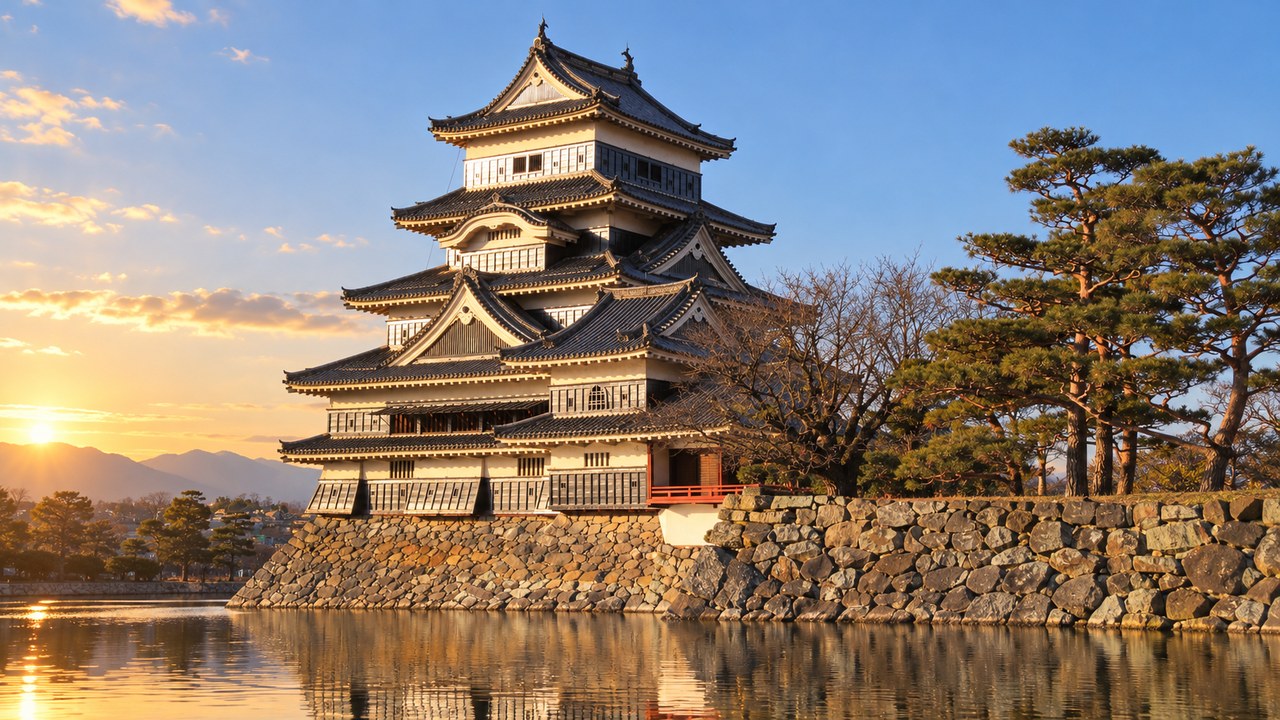
Matsumoto Castle: Before the Black Keep, Beyond the Moats
A changing name, a town laid out in stages, a keep of uncertain date, and a modern fight to save it.
Matsumoto Castle’s history reaches far beyond its black keep. Follow Fukashi Castle, thirty-two years of Takeda rule, the renaming of 1582, the building of the town, debates over the keep’s date, daily life beyond the moats and the recent rethinking of the story that the keep was bought back in the Meiji era.
At a glance
Before you enter the story
- When
- From the traditional founding of Fukashi Castle in 1504 through the renaming of 1582, the keep’s estimated construction around 1593–1594, Meiji-era auction and repairs, rebuilt gates and research reported in 2026.
- Where
- Matsumoto in Shinano Province, now Nagano Prefecture: the lowland castle, its moats and the surrounding castle town.
- Key figures
- Ogasawara Sadayoshi, Ishikawa Kazumasa, Ishikawa Yasunaga, Ichikawa Ryōzō, Kobayashi Unari
- What was at stake
- How a famous surviving tower can hide earlier fortifications, the everyday work of a town, and the people who decided what would be kept.
Why this story matters
The larger history behind the turning point
Matsumoto’s keep is one of Japan’s most recognizable historic buildings, yet its date is still debated and its survival depended on modern citizens as much as on early lords. Separating those stages gives a more accurate picture than a single founding story.
The castle also shows how historical memory changes. The familiar account of a Meiji-era buy-back is now being reconsidered, a reminder that even well-known local stories can be tested against newly examined documents.
Historical context
What an international reader needs to know
Names and places
Fukashi was the earlier name of the castle and its surrounding area; Matsumoto is the name adopted under Ogasawara Sadayoshi. Shinano was the historical province that corresponds broadly to present-day Nagano Prefecture.
A castle town was a planned settlement around a lord’s castle. In Matsumoto it combined samurai residences, merchant streets, craft districts, temples and roads that linked the town to the wider region.
Reading the evidence
The city’s preferred date for the keep is an estimate, not a documented fact, and national records give other dates. This article states those differences rather than choosing a single date as certain.
Much of the early town history is known through the Shinpu Tōki, compiled long after the events it describes. Images in this article are AI-generated reconstructions, not site photographs or exact restorations.
Watch the film
See the story in motion
The film currently uses Japanese audio. This English article provides the context and source trail; it does not imply that an English subtitle track is available.
Opening
Before the black keep, beyond the moats
Black boards and white plaster rise above still water. This is the image most people carry of Matsumoto Castle, but the history of the place did not begin on the day the keep was finished. An earlier stronghold called Fukashi stood here first, and beyond the moats lay samurai residences and the streets of merchants and craftspeople.
More than a decade separates the moment the castle took the name Matsumoto from the period when the present keep is thought to have been built. The town took its settled form later still, and the gates and streets seen today carry further layers of change from the Meiji era onward.
This article follows the names, the buildings and the daily life of the town in turn, drawing on Matsumoto City's official explanations, the national heritage database and standard reference works. Its aim is to separate what survived, what was lost and what was built again, so that each part of the castle can be read in its own time.
Chapter 1
What is not known about Fukashi Castle
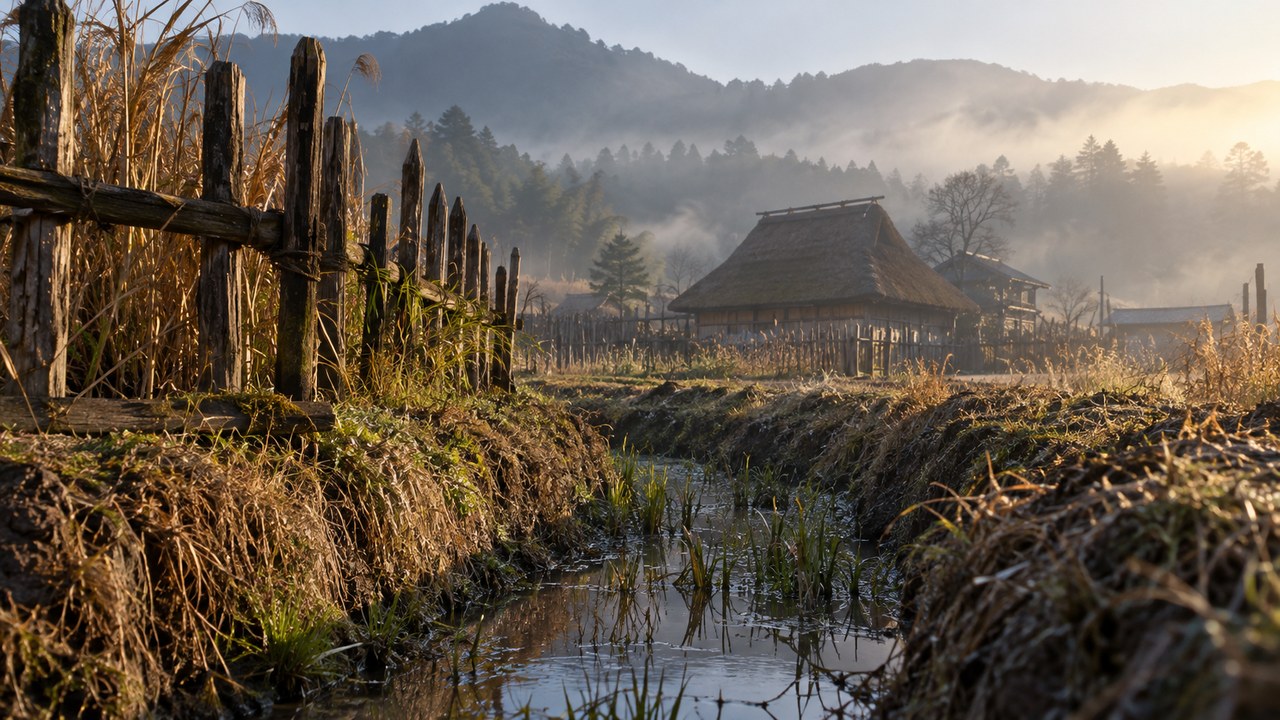
By the age of civil wars, many mountain strongholds ringed the Matsumoto basin, among them the twin Hayashi castles of Ogasawara Nagatoki. Fukashi was different because it stood on the flat ground of the basin floor, and it is this lowland castle that is regarded as the forerunner of Matsumoto Castle.
The city's official history says Fukashi is reported to have been built in 1504 by Shimadachi Sadanaga, but it adds at once that much about the castle remains unclear. Many reference works repeat the date of 1504, while at least one notes that the land had earlier belonged to a family of Ogasawara retainers, so the details are not uniform.
One point can be stated firmly. The black keep that visitors see today cannot be placed in the Fukashi period. That an earlier castle existed on this ground is one claim; that the same building survived in the same form is quite another, and the evidence supports only the first of the two.
Chapter 2
Thirty-two years as a Takeda base
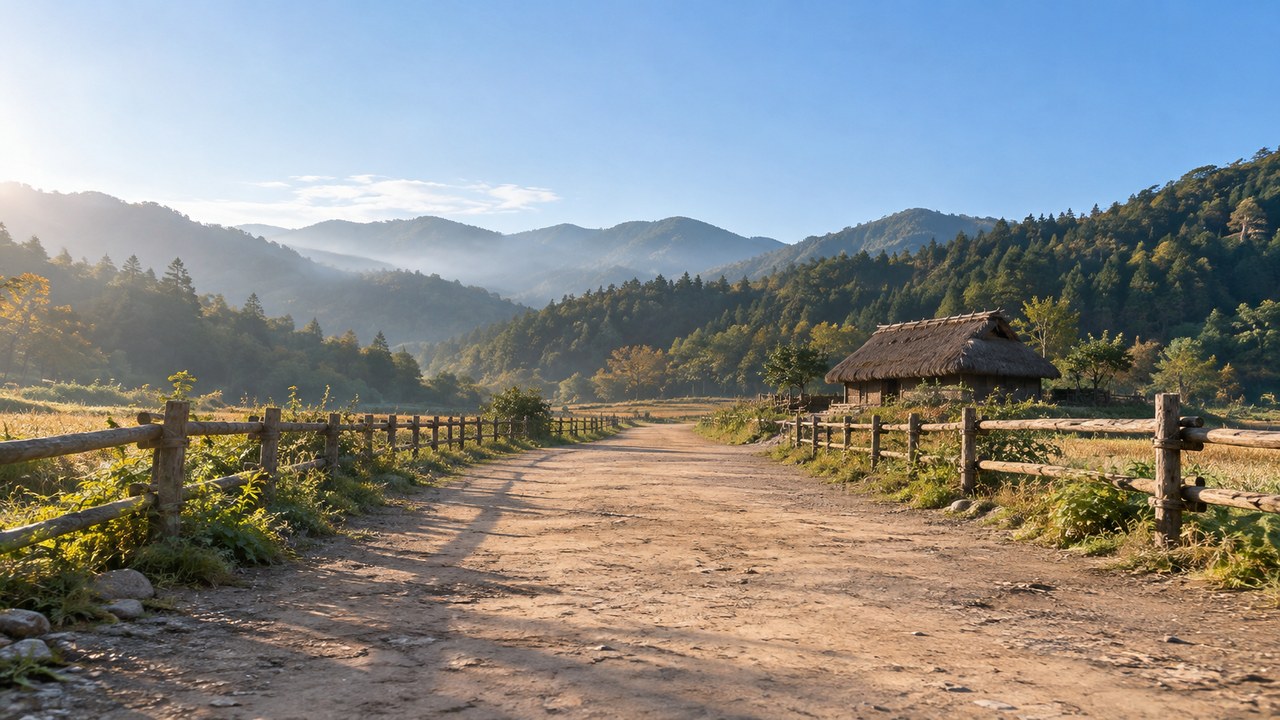
In 1550 Takeda Shingen attacked Ogasawara Nagatoki. Nagatoki abandoned Hayashi Castle and withdrew from Shinano Province, and control of the Matsumoto plain changed hands. The defeat removed the family that had dominated the basin from its mountain seat, and it opened the way for a new use of the lowland castle at Fukashi.
Shingen made Fukashi a base for his advance into northern Shinano, stationed a castle commander there and had the fortifications improved. The change can be read as a turning point: a castle on the plain, rather than one on a mountaintop, was now becoming the center of the region's military and political life.
Takeda rule lasted thirty-two years. It ended in 1582, when Oda Nobunaga destroyed the Takeda house, and the question of who would hold Fukashi was suddenly open again. Within a few months several rival claimants would try to take the castle, and one of them would give the place the name it still carries.
Chapter 3
1582: from Fukashi to Matsumoto
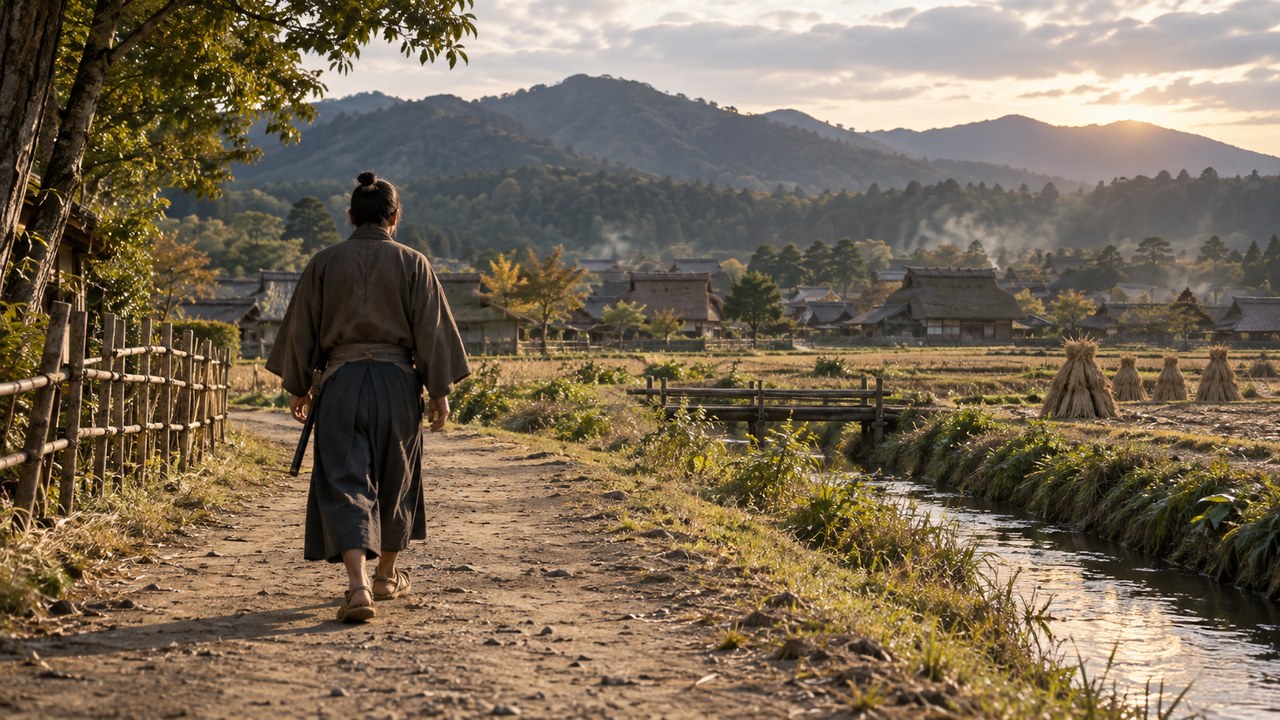
After the fall of the Takeda, Kiso Yoshimasa took over Fukashi, followed by a member of the Ogasawara family backed by Uesugi Kagekatsu. In the middle of these rapid changes Ogasawara Sadayoshi, the heir of Nagatoki, won the support of his family's former retainers and recaptured the castle his father had lost more than thirty years before.
Sadayoshi renamed Fukashi as Matsumoto. One historical gazetteer places the change in the seventh month of 1582, and the city's history also describes the renaming directly after the recapture of that year. Some dictionaries, however, connect it with Sadayoshi's entry after the Battle of Nagashino in 1575, so the accounts are not entirely consistent.
A new name did not bring a new keep. The start of the name Matsumoto and the construction of the surviving buildings were separate events, and treating them as one would compress more than a decade of history. The next stage of the story took place not on the castle mound but in the streets laid out around it.
Chapter 4
The lines Sadayoshi drew
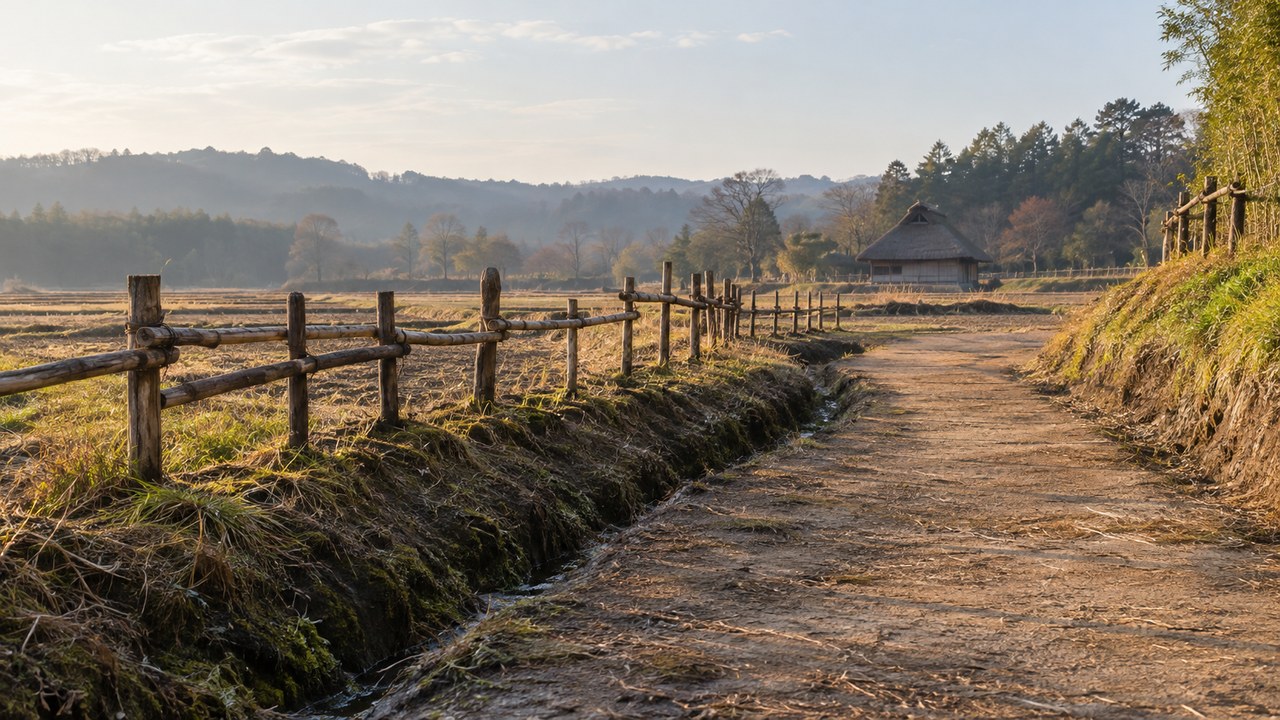
The main source for the formation of the castle town is the Shinpu Tōki, a regional record compiled in the time of the Mizuno lords. According to the city's summary, Sadayoshi began dividing the town into plots in 1585, and by 1587 he had moved the merchant houses from the older settlements nearby into Honmachi.
He fixed the positions of Higashimachi and Nakamachi, named the western entrance Isemachi, and also settled names such as Izumichō, Yokotamachi and Miyamuramachi. Yet the record says that houses in these districts were still sparse at this stage. The plan of the town, in other words, existed on the ground before the people who would fill it.
Sadayoshi also laid out the third enclosure, improved the moats and earthworks, set up five large gates and made the south the main approach. In 1590, when Tokugawa Ieyasu was transferred to the Kantō region, Sadayoshi and his son Hidemasa moved to Koga. The framework of the town passed to the next lord of Matsumoto.
Chapter 5
The Ishikawa inheritance
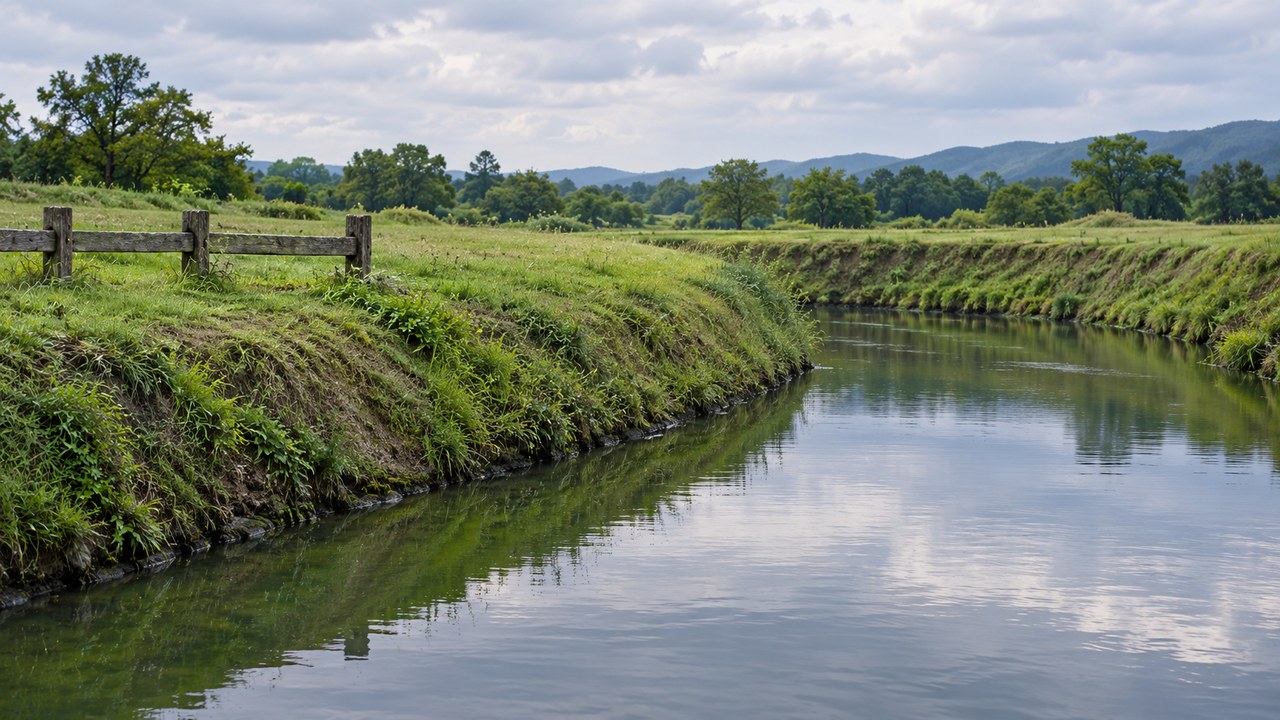
The new lord in 1590 was Ishikawa Kazumasa. Once a senior retainer of Tokugawa Ieyasu, he had left for Osaka with his family in 1585 and entered the service of Toyotomi Hideyoshi. Kazumasa died in 1592 while on campaign during the invasion of Korea, and his son Yasunaga succeeded him as head of the family.
The city's summary, based largely on the Shinpu Tōki, credits the Ishikawa period with the building of the keep, the dredging and widening of the outer moat, the raising of earthworks and the construction of stone walls. The Black Gate and Drum Gate went up, the five large gates became gate towers, and samurai residences multiplied.
The largest stone in the castle, weighing about 22.5 tons, is known as the Genba Stone after Yasunaga's court title, Genba-no-kami. Tradition says he had it hauled to the site. Yet Yasunaga himself was stripped of his domain in 1613 through his connection with the Ōkubo Nagayasu affair. The work on castle and town outlasted the family that had pressed it forward.
Chapter 6
When was the keep built?
No conclusive document records the construction date of the present keep. In 1989 Matsumoto City convened a panel to examine papers, genealogies, shrine histories and oral traditions. Its report concluded that the Inui small keep, the connecting turret and the main keep were very probably built between 1593 and 1594, and this remains the city's official view.
The panel itself described that conclusion as an estimate. Other theories place completion in 1595, 1597 or around 1600 to 1601, and national records are not uniform either. The national heritage database describes construction from 1594 to 1599, while a 2012 government inventory dates the Inui small keep to 1592 and the main keep and connecting turret to the early Genna era.
The panel also noted that the Inui small keep contains a large amount of reused timber, quite possibly taken from the old Fukashi Castle or from turrets built under Kazumasa. Efforts to compare castle architecture across Japan and to apply tree-ring dating are continuing, so the question of the keep's age should still be regarded as open.
Chapter 7
Five buildings, more than one age
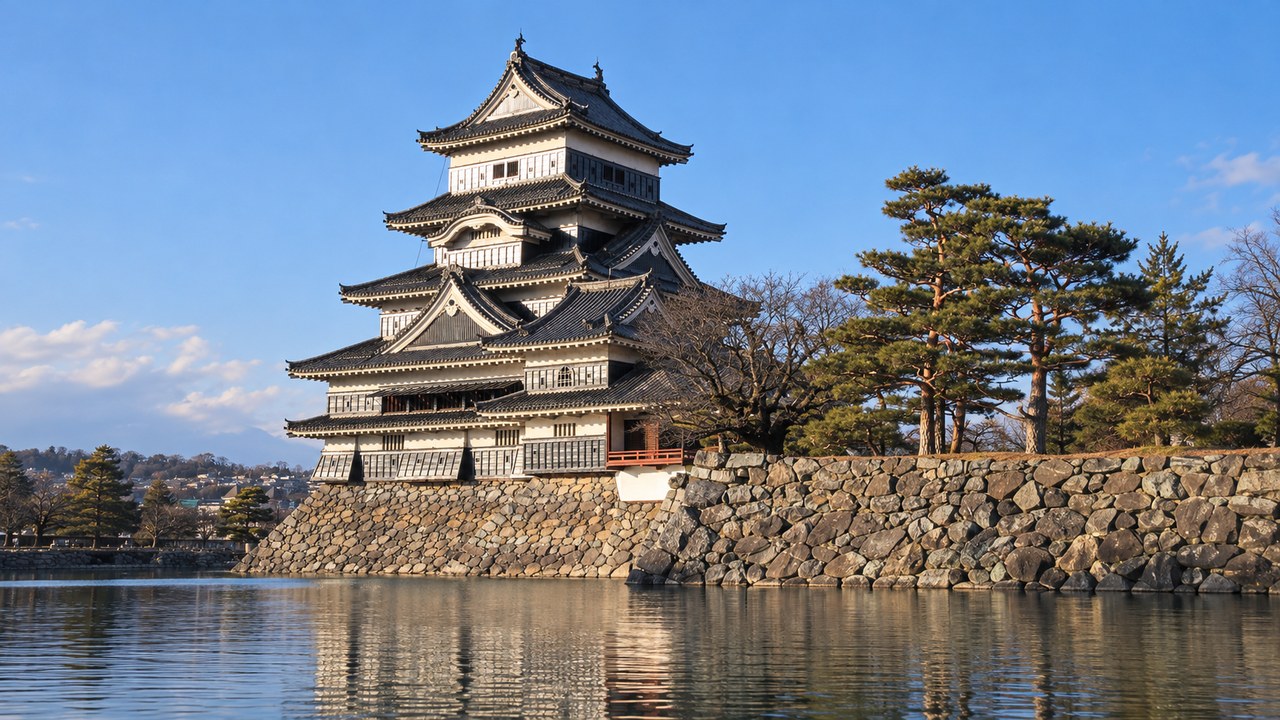
The keep complex consists of five connected structures: the main keep, the Inui small keep, the connecting turret, the Tatsumi attached turret and the Tsukimi moon-viewing turret. The last two are thought to date from the early Edo period, and the city attributes them to Matsudaira Naomasa, who became lord in 1633. Buildings that now stand joined were not all raised together.
Careful engineering lies beneath them. Inside the stone base of the keep, sixteen hemlock logs about 39 centimeters thick and 5 meters long were set in a grid. The keep stands on soft ground at the edge of an alluvial fan, and the main keep is said to weigh about 1,000 tons. Logs laid like rafts have also been found under the moat.
The black-lacquered boards on the lower walls shed rainwater and protect the plaster behind them. Knowing what the material did, however, does not settle why black was chosen. Claims that the color served as camouflage or carried a political message cannot be proved from appearance alone, so this article leaves the question open.
Chapter 8
Samurai quarters and townspeople
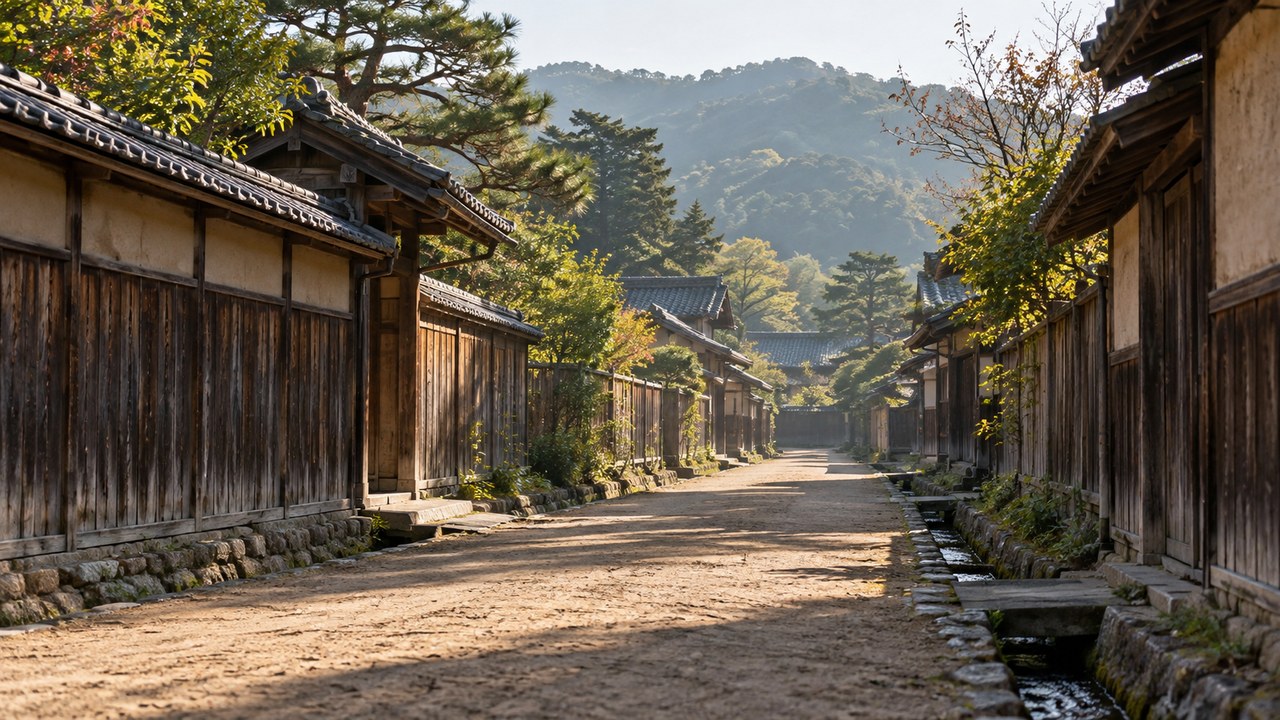
An inner moat surrounded the main enclosure, and an outer moat surrounded the second enclosure. High-ranking samurai lived in the third enclosure, which was bounded by the outermost moat. There was not enough room for every retainer, so samurai housing spread east of that moat and into the north of the town, where foot soldiers and lower-ranking retainers were concentrated.
The commoners' town stretched along the Zenkōji Road. At its heart were three principal streets, Honmachi, Nakamachi and Higashimachi, joined by ten branch towns and twenty-four lanes. Some samurai homes were placed within the commoners' districts as well, so the town cannot be divided neatly into a warrior north and a merchant south.
Temples and shrines stood at the outer edge of the town, and several were moved as one lord succeeded another. The castle town is said to have reached its completed form under the Mizuno family, who ruled from 1642 to 1725. By then more than half a century had passed since Sadayoshi first divided the land into plots.
Chapter 9
Goods on the move
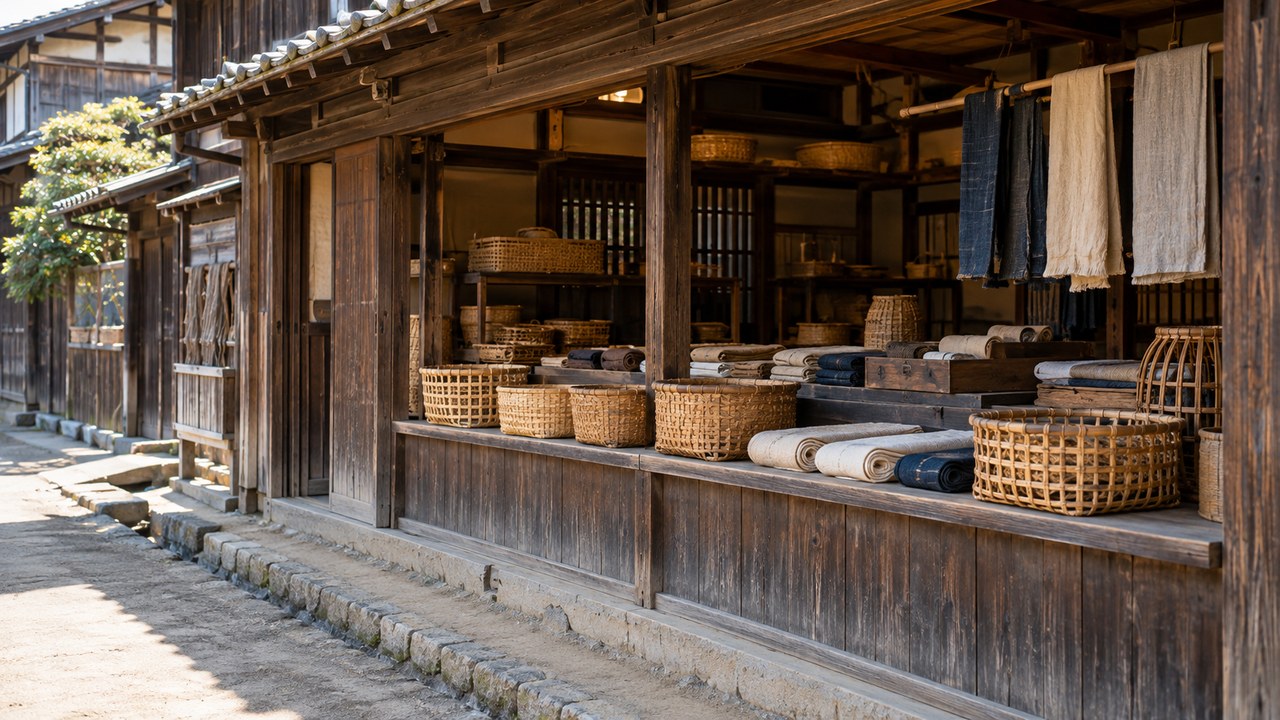
Honmachi was the main street of the commoners' town and the home of its leading merchants. The domain entrusted them with official functions, including lodging for dignitaries, wholesale trade and accommodation for messengers. Wholesalers gathered goods from many places, sorted them and shipped them onward, which made the street a center of regional commerce as well as local life.
Nakamachi was lined with shops and craftspeople and was also used by pilgrims traveling to Zenkōji Temple. At the southern end of the town, Bakurōmachi took its name from the horse handlers who cared for animals and led pack horses. A horse market was held there, and the district is thought to have served as a gateway for freight entering and leaving the town.
The shape of the streets preserves a military purpose too. At Nakamachi the road running north and the road arriving from the south do not line up, an arrangement explained as a way to stop enemy soldiers from reaching the castle easily. The routes that carried goods through the town were also designed to help defend it.
Chapter 10
Water was not the same everywhere
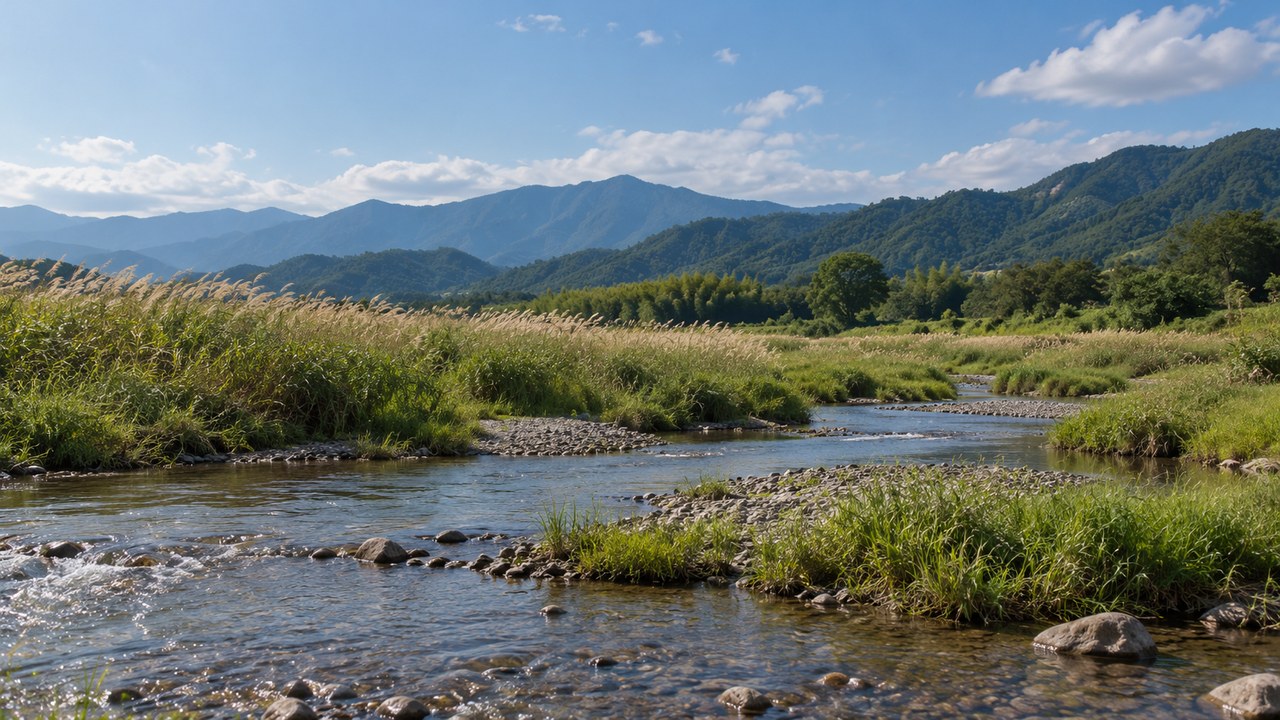
Matsumoto Castle stands at the edge of an alluvial fan formed by the Metoba and Susuki rivers. Where groundwater came close to the surface, water was plentiful, and the Genchi Well became famous for its quality. A lord is said to have posted an order that the well be kept clean, and its water was used for drinking and for brewing sake.
The northern part of the town, above 600 meters in elevation, was very different. The water table lay deep and the land was dry, so shared wells were built at street corners, each serving about ten households. These stone-lined wells reached a depth of 5.9 meters, and the neighborhood of Naka-no-chō alone had four of them.
Calling Matsumoto simply a town of abundant water hides this contrast. Within the same castle town, where a family lived could decide how much labor went into a day's supply. Looking closely at who drew water, from where and by what means gives a far more concrete picture of daily life than a single phrase ever could.
Chapter 11
A castle dismantled, a keep preserved
After the Ishikawa, the castle passed through the Ogasawara, Toda, Matsudaira, Hotta and Mizuno families before the Toda returned. The main palace burned down in 1727, and masses of discarded tile and plaster found in excavations may date from that fire or from the twentieth-century repairs. After the domains were abolished in 1871, gates, turrets and walls were pulled down and the outer moats were gradually filled in.
The keep itself was put up for auction in 1872. Ichikawa Ryōzō held exhibitions inside it to rally public support and has long been remembered as the man who bought it back. In July 2026, however, a local newspaper reported research showing that an army ministry order had voided the sale, so no buy-back could have occurred. The city plans to revise that wording, while still regarding Ichikawa as central to saving the keep.
By the early twentieth century the keep was leaning dangerously. Kobayashi Unari, a middle school principal, founded a preservation society in 1901 and raised 20,000 yen nationwide, making possible the major repairs that began in 1903. Legend blamed the tilt on the curse of an executed peasant leader, Kasuke, but the city attributes it to decayed support posts. The keep became a National Treasure in 1936 and was designated again in 1952, during the dismantling repairs of 1950 to 1955.
Chapter 12
Castle and town were never finished at once
The gates visitors pass through today have histories of their own. The inner Black Gate was rebuilt in 1960 and, because no plans survived, is said to have been modeled on a gate at Nagoya Castle. Its outer gate and flanking wall followed in 1989, and the Drum Gate was restored in 1999 after excavations that began in 1991.
The streets carry layers of time as well. The name Nawate is said to come from a long, narrow road between the outer moat and the Metoba River. The fireproof storehouse-style shops of Nakamachi were built after a series of fires in the Meiji era, and a samurai house built in 1850 still stands in the northern part of the town.
The name changed from Fukashi to Matsumoto, streets were marked out, a keep rose, turrets were added, and then the castle was dismantled, defended and partly rebuilt. Asking which period, which place and which function one is looking at reveals a long history of castle and town, both before the black keep and far beyond its moats.
How to read this work
History, interpretation, and reconstruction
Reading the renaming, town planning, building phases, neighborhoods, water supply and modern destruction and preservation separately shows that castle and town were never completed in a single operation.
This work is grounded in published sources and historical research. Interior thoughts, dialogue, and some visual details are cinematic reconstructions. Where historians disagree, the article presents the point as debated rather than settled fact.
Timeline
The story in time
-
Takeda Shingen attacks Ogasawara Nagatoki, who abandons Hayashi Castle; Fukashi becomes a Takeda base.
Sources: s02 -
Sadayoshi divides the town into plots and moves merchant houses to Honmachi, according to the Shinpu Tōki.
Sources: s09 -
Kazumasa dies on campaign during the invasion of Korea, and Yasunaga succeeds him.
Sources: s02 -
Ishikawa Yasunaga loses his domain through the Ōkubo Nagayasu affair.
Sources: s02 -
The inner Black Gate is rebuilt, and the Drum Gate is restored.
Sources: s07 -
Research questioning the “buy-back” story is reported, and Matsumoto City plans to revise its wording.
Sources: s16
People & terms
A guide for new readers
Key figures
- Ogasawara Sadayoshi
- Recaptured Fukashi, renamed it Matsumoto and began laying out the castle town.
- Ishikawa Kazumasa
- Former Tokugawa retainer who became lord of Matsumoto in 1590.
- Ishikawa Yasunaga
- Kazumasa’s son and successor, associated with the building of the keep; removed from his domain in 1613.
- Ichikawa Ryōzō
- Meiji-era local leader who held exhibitions in the keep and is regarded as central to saving it from demolition.
- Kobayashi Unari
- School principal who founded a preservation society in 1901 and raised funds for the major Meiji repairs.
Glossary
- Fukashi 深志
- The predecessor castle name; a 1504 construction tradition is distinguished from certainty and from the later keep.
- Castle town 城下町
- The settlement around a castle, including residential, production, trade and transport activities developing over time.
- Main keep 大天守
- The principal tower, one part of the larger castle arrangement.
- Inui small keep 乾小天守
- One of the principal three buildings assigned the city’s likely 1593–1594 construction period.
- Watari turret 渡櫓
- The connecting building within the principal three-building group.
- Tatsumi attached turret 辰巳附櫓
- An addition thought to belong to the early Edo period, distinct from the principal three buildings.
- Tsukimi turret 月見櫓
- The other later addition in the connected five-building group.
- Honmaru, ninomaru and sannomaru 本丸・二の丸・三の丸
- Enclosures in the castle’s wider arrangement; the tower is not the whole system.
- Weatherboarding 下見板
- Exterior boards described as protecting walls from rain; their function does not prove one motive for the black colour.
- Higashimachi 東町
- A neighbourhood name in the official account of the road-linked town; its reading is separately checked.
- Bakurōmachi 博労町
- The neighbourhood introduced through work with packhorses in the adopted southern-route explanation.
- Genchi’s Well 源智の井戸
- A well discussed in the southern-route account; its locality is distinguished from northern groundwater conditions.
- Kuromon Ichi-no-mon / Taikomon 黒門一の門・太鼓門
- Gate structures reconstructed in 1960 and 1999 respectively; neither shares the surviving keep’s building history.
- Shinpu Tōki 信府統記
- A regional record compiled in the Mizuno period and the main source for the formation of the castle town.
- Genba Stone 玄蕃石
- The largest stone in the castle, named after the court title of Ishikawa Yasunaga.
Sources & method
How this article was built
This English edition follows the revised Japanese article scene by scene and keeps its eighteen sources, their order and its seventeen timeline entries. It draws on Matsumoto City’s official castle pages and cultural properties division, the Japan Tourism Agency, the Agency for Cultural Affairs, Kotobank reference entries, the Shimin Times, the Matsumoto Castle Management Office and the Matsumoto City Archaeological Museum.
Official explanations, reference works, press reports and the interpretation offered here are kept separate. Where sources differ, as they do on the keep’s date and on the year of the renaming, the difference is stated. The original manuscripts were not independently deciphered. Images are AI-generated reconstructions, not authentic portraits or site photographs.
Sources
References and further reading
- Construction Date of the Keep 天守築造年代 Title translated editorially for reader convenience. Matsumoto City 松本市松本城管理課・国宝松本城公式 Used for the 1989 panel, the city’s estimate, other theories, inventory dates and reused timber. Accessed 2026-11-18
- History of Matsumoto Castle 松本城の歴史 Title translated editorially for reader convenience. Matsumoto City 松本市松本城管理課・国宝松本城公式 Used for Fukashi, the Takeda years, the 1582 recapture, the Ishikawa family, later lords, the 1727 fire and Meiji demolition. Accessed 2026-11-18
- The Keep and Its Structure 天守とその構造 Title translated editorially for reader convenience. Matsumoto City 松本市松本城管理課・国宝松本城公式 Used for the alluvial fan, the five buildings, hemlock logs, raft foundations and National Treasure designations. Accessed 2026-11-18
- Structure of the Castle Town 城下町の構造 Title translated editorially for reader convenience. Matsumoto City 松本市松本城管理課・国宝松本城公式 Used for the enclosures, samurai quarters, temples, three principal streets, ten branch towns and twenty-four lanes. Accessed 2026-11-18
- Northern Matsumoto: Samurai and Merchant Districts 松本城下北の要 武家のまちと商家のまち Title translated editorially for reader convenience. Matsumoto City Cultural Properties Division 松本市文化財課 Used for the northern districts, deep groundwater, shared wells and a surviving samurai house. Accessed 2026-11-18
- South Course 南コース Title translated editorially for reader convenience. Matsumoto City 松本市松本城管理課・国宝松本城公式 Used for Nawate, Nakamachi, Honmachi, Bakurōmachi, the Genchi Well, offset streets and storehouse-style shops. Accessed 2026-11-18
- Black Gate and Drum Gate 黒門・太鼓門 Title translated editorially for reader convenience. Matsumoto City 松本市松本城管理課・国宝松本城公式 Used for the rebuilding of the gates, excavation of the Drum Gate, the Genba Stone and the 1950–1955 repairs. Accessed 2026-11-18
- The Main Keep 大天守 Title translated editorially for reader convenience. Matsumoto City 松本市松本城管理課・国宝松本城公式 Used for the black-lacquered boards, the weight of the keep, decayed support posts and the Meiji repairs. Accessed 2026-11-18
- Formation of the Castle Town 城下町の成立 Title translated editorially for reader convenience. Matsumoto City 松本市松本城管理課・国宝松本城公式 Used for the town-building work of successive lords as summarized from the Shinpu Tōki. Accessed 2026-11-18
- Districts of the Castle Town 松本城下の各町 Title translated editorially for reader convenience. Matsumoto City 松本市松本城管理課・国宝松本城公式 Used for the horse market at Bakurōmachi and the origins of district names. Accessed 2026-11-18
- The Construction of Matsumoto Castle 松本城の築城 Title translated editorially for reader convenience. Japan Tourism Agency 観光庁(地域観光資源の多言語解説文データベース) Used for the work of Ishikawa Kazumasa and Yasunaga and for the Shinpu Tōki account. Accessed 2026-11-18
- Portraits of the Castle Benefactors Portraits of the Castle Benefactors Title translated editorially for reader convenience. Japan Tourism Agency 観光庁(地域観光資源の多言語解説文データベース) Used for the careers of Ichikawa Ryōzō and Kobayashi Unari and the 1901 fundraising campaign. Accessed 2026-11-18
- Matsumoto Castle Keep 松本城天守 Title translated editorially for reader convenience. Agency for Cultural Affairs 文化庁(国指定文化財等データベース) Used for the heritage designations, the construction dates in the database and the Kan’ei-era additions. Accessed 2026-11-18
- Matsumoto Castle 松本城 Title translated editorially for reader convenience. Kotobank コトバンク Used for the 1504 tradition, differing accounts of the renaming and the legend of Kasuke. Accessed 2026-11-18
- Matsumoto Domain 松本藩 Title translated editorially for reader convenience. Kotobank コトバンク Used for the succession of ruling families. Accessed 2026-11-18
- Doubts Raised over the “Buy-Back” of Matsumoto Castle Keep 松本城天守 「買い戻し」説に疑義 松本市、教材・HPの記述見直しへ Title translated editorially for reader convenience. Shimin Times 市民タイムス Used for the July 2026 report on the voided sale and the city’s plan to revise its wording. Accessed 2026-11-18
- Castle Guide Quiz: A Short Biography of Ichikawa Ryōzō ガイド 松本城クイズ 市川量造の略歴 Title translated editorially for reader convenience. Matsumoto Castle Management Office 松本城管理事務所 Used for Ichikawa’s career and the 1872 auction; its “buy-back” wording is treated as the older account. Accessed 2026-11-18
- Excavations at the Main Enclosure of Matsumoto Castle, Fourth Survey 発掘された松本2021② 松本城跡本丸跡第4次 Title translated editorially for reader convenience. Matsumoto City Archaeological Museum 松本市立考古博物館 Used for the two possible dates of the discarded tile and plaster. Accessed 2026-11-18
Continue reading
More stories from Shigeki
Shigeki English
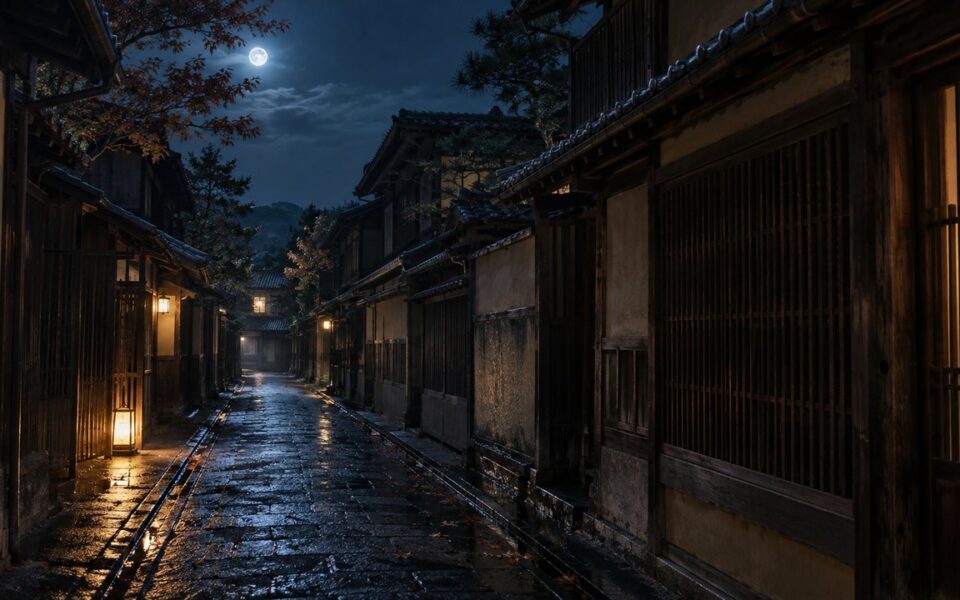
The Ōmiya Incident: The Night Ryōma and Nakaoka Were Attacked, Read Through the Surviving Records
The Teradaya, the return of power, the move to the Ōmiya, the night of the attack, three deaths, the funeral at Ryōzen, the Mimawarigumi testimony and theories of a hidden hand, with what can be confirmed kept apart from competing accounts.
- When The attack on the 15th day of the 11th month of Keiō 3 (10 December 1867), with its background from 1865 and later testimony, the 1927 marker and the 1962 statues
- Where The Ōmiya, a soy-sauce merchant’s shop on Kawaramachi in Kyoto.
Shigeki English
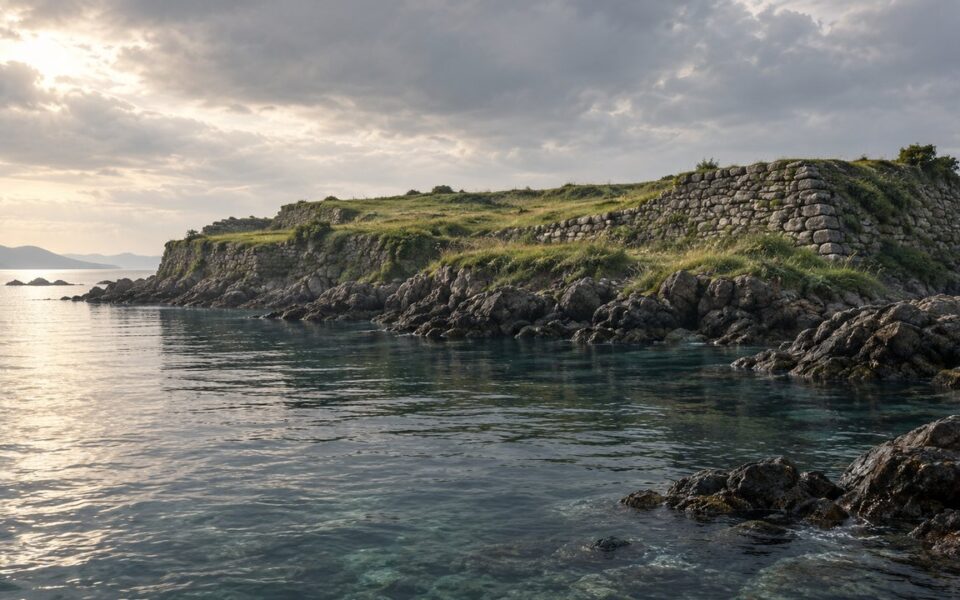
Amakusa Shiro at Hara Castle: A Young Symbol in the Surviving Evidence
An Arima castle, Matsukura taxes, risings in Shimabara and Amakusa, Itakura’s death, Nobutsuna’s siege and the fall of the castle: the history of the people who gathered under a boy’s name, told within the limits of the sources.
- When Kan’ei 14–15 (1637–1638), with the castle’s construction (1599–1604) and modern excavation and World Heritage inscription (2018) as background
- Where Shimabara and Amakusa in southwestern Japan, culminating in the siege of Hara Castle